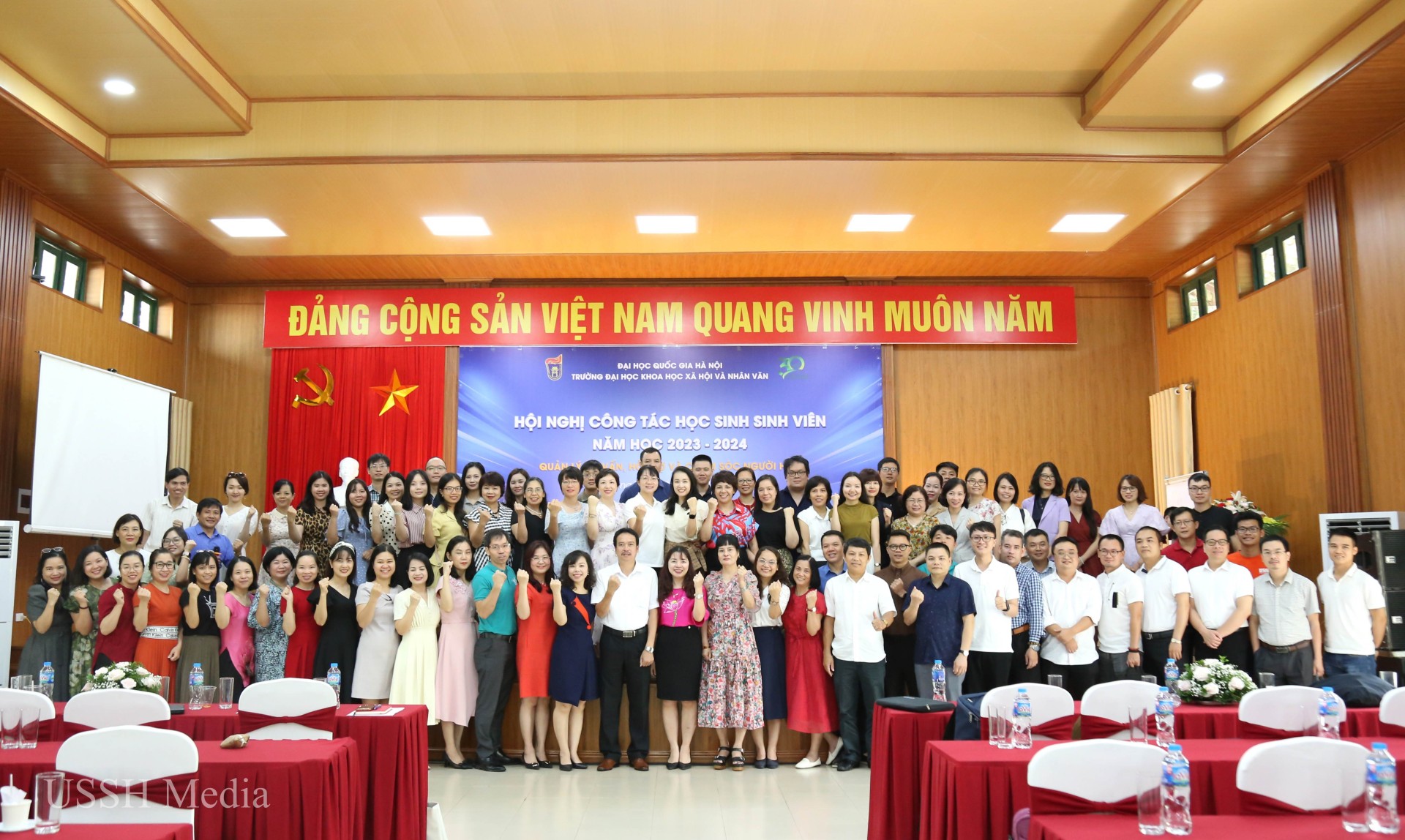
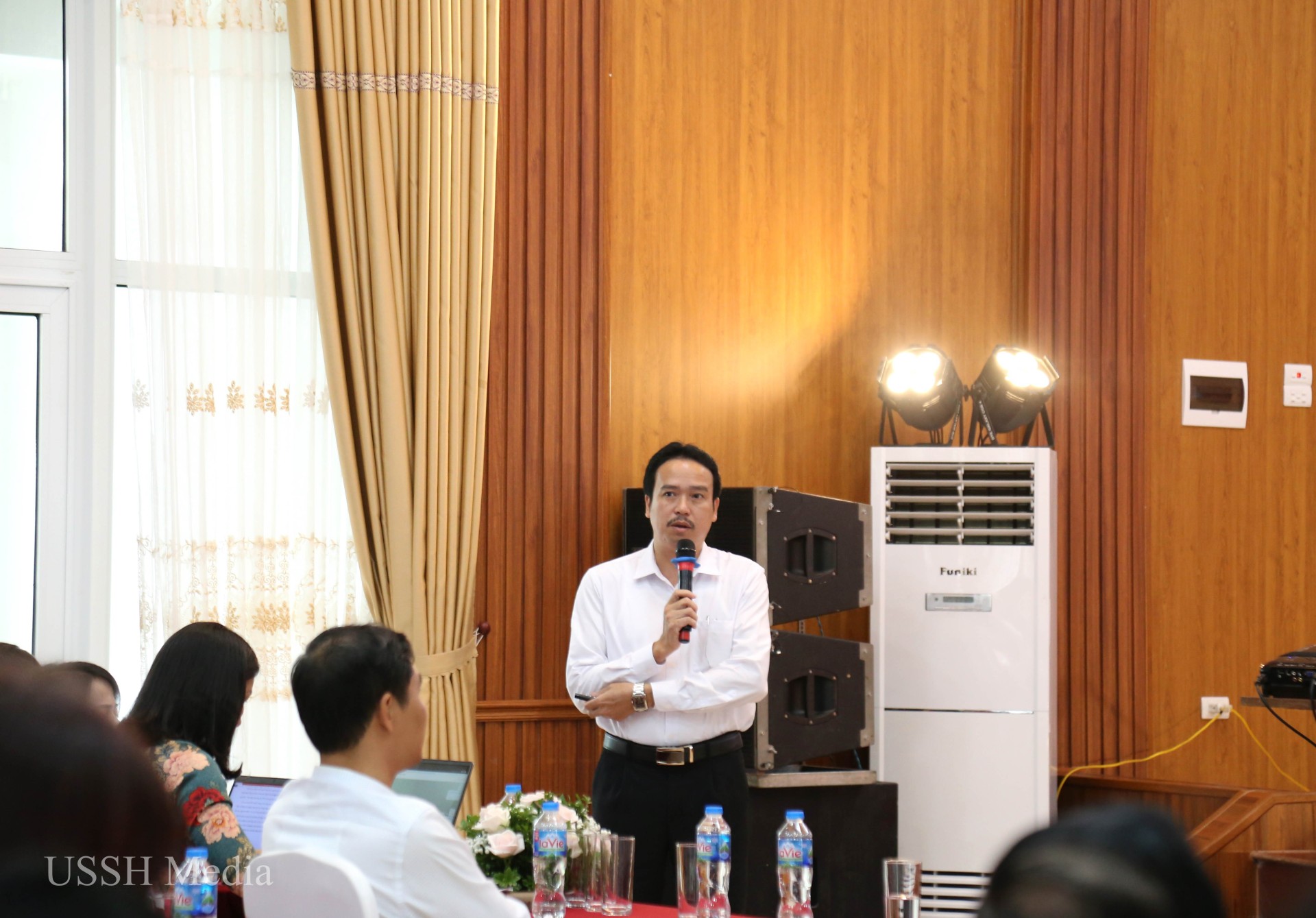
Representing Hanoi National University were Assoc. Prof. Dr. Nguyen Hoang Hai – Vice Director, and Dr. Nguyen Minh Truong - Deputy Head of the Student Affairs and Activities Department.
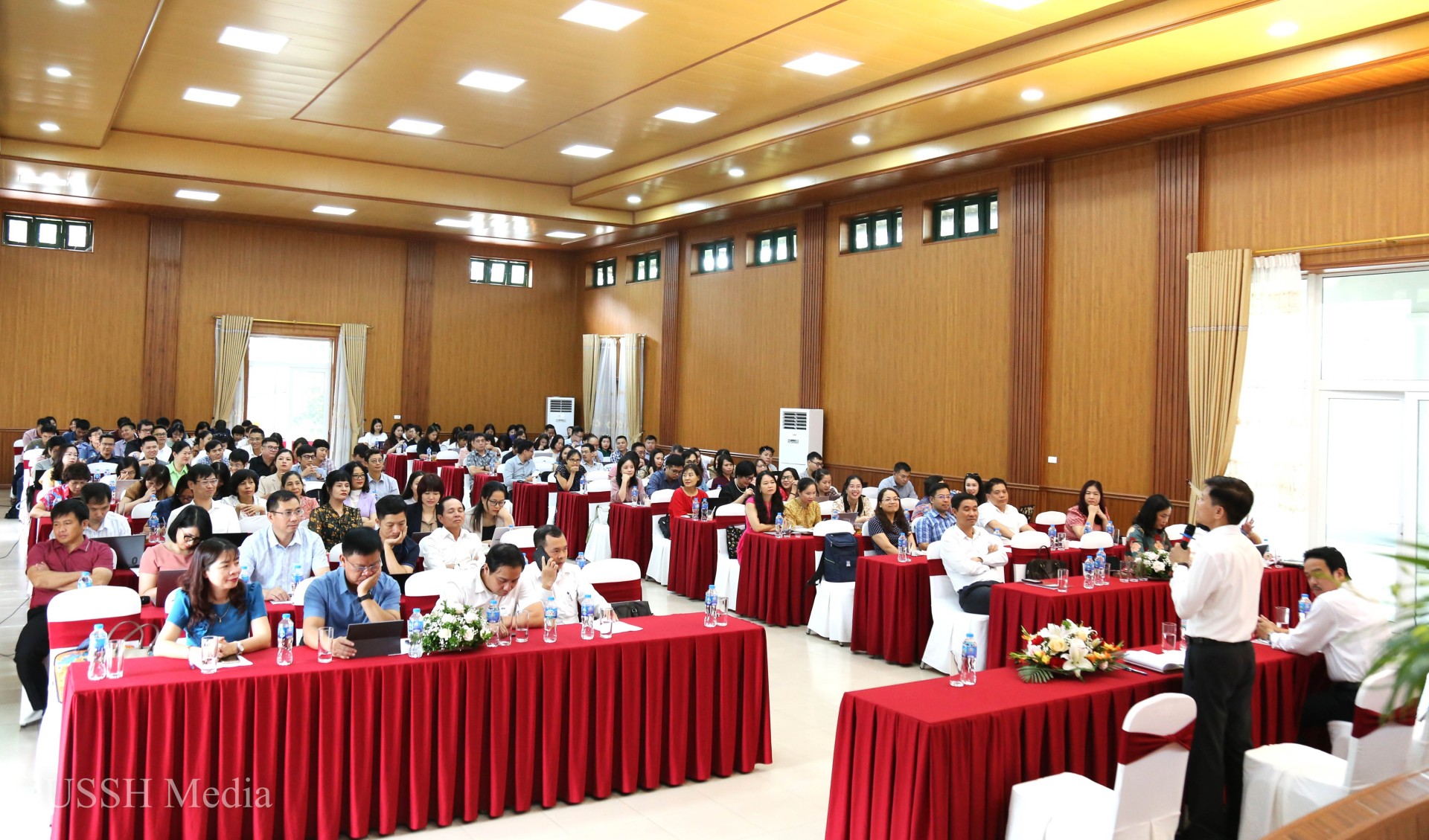
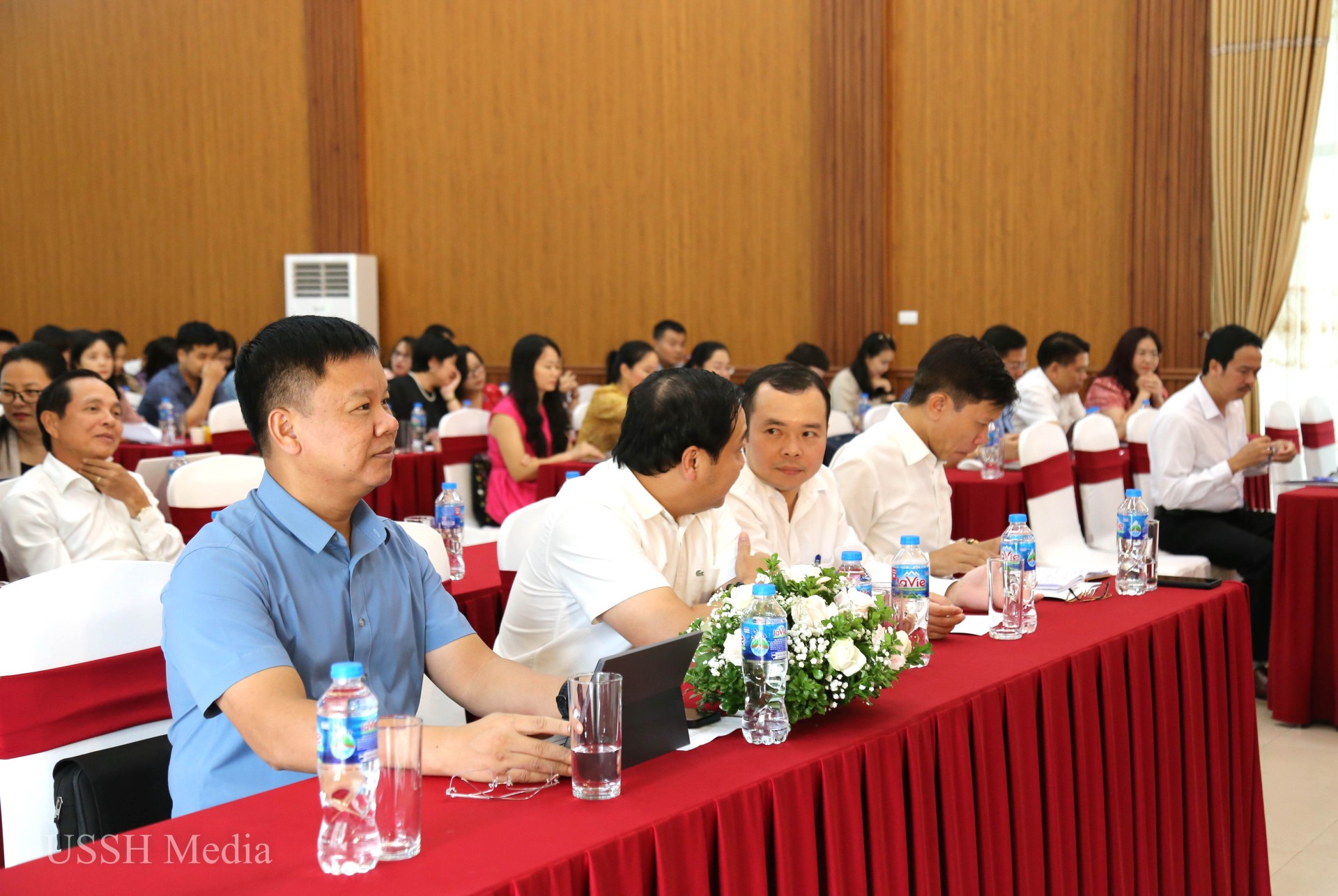
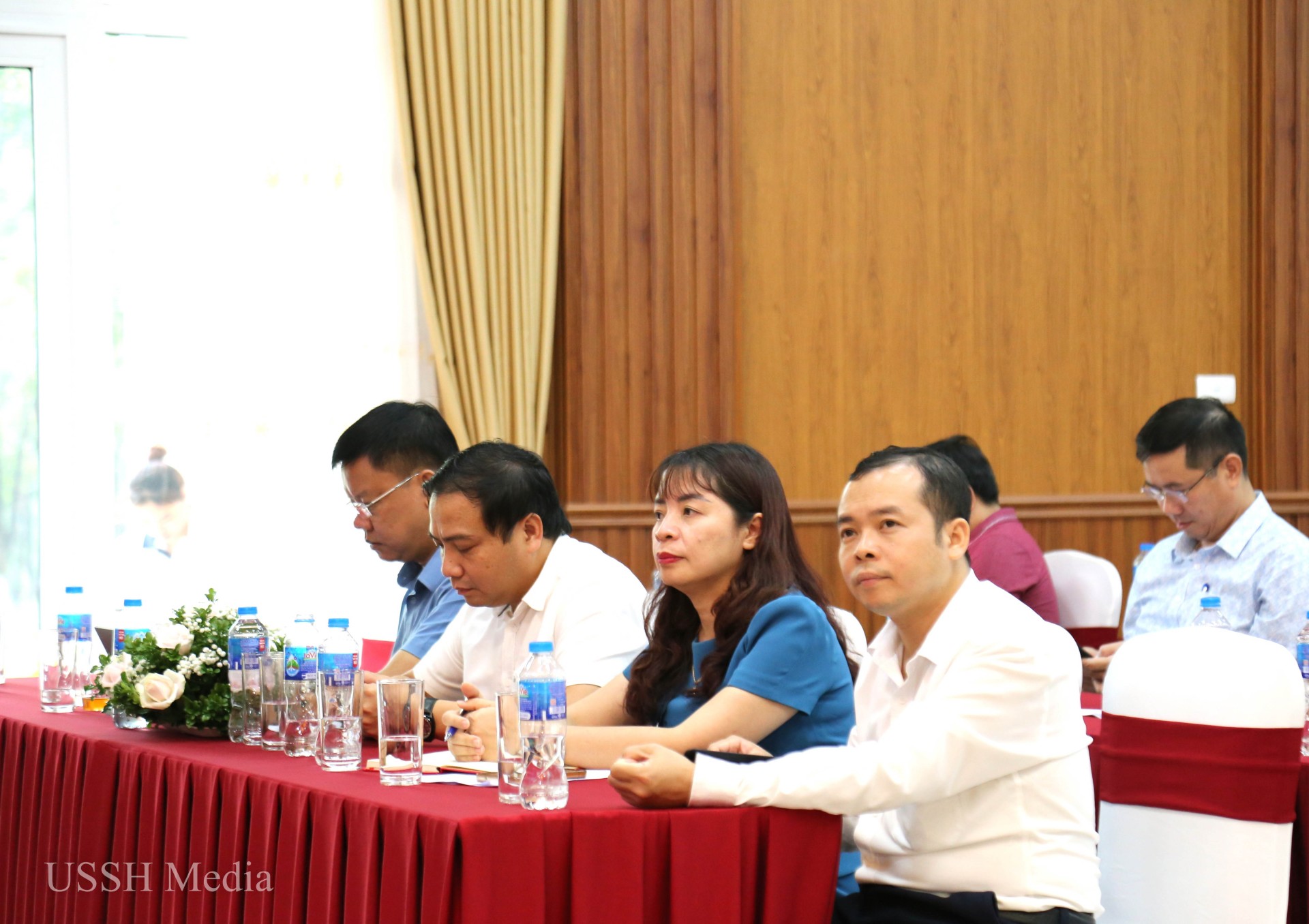
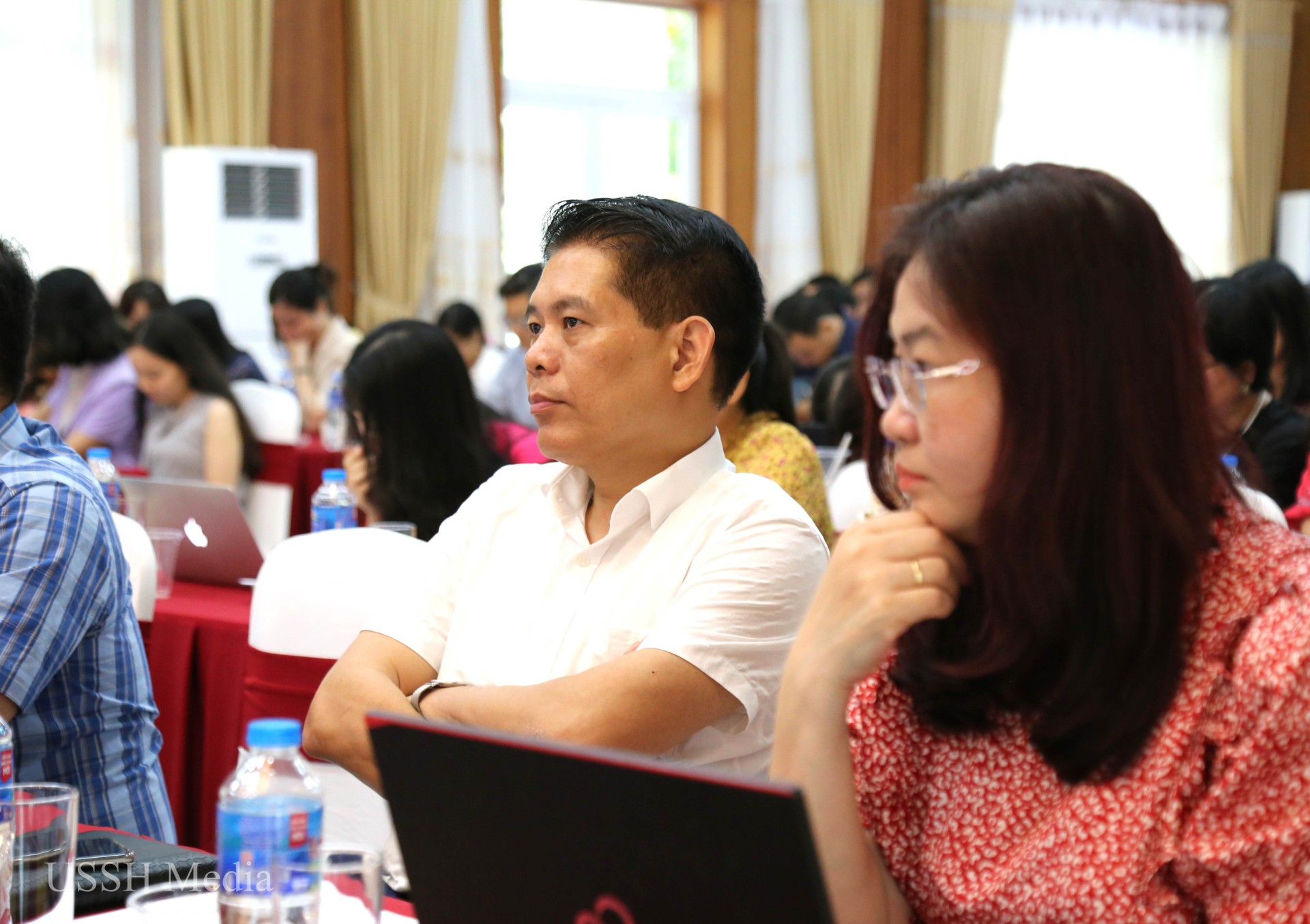
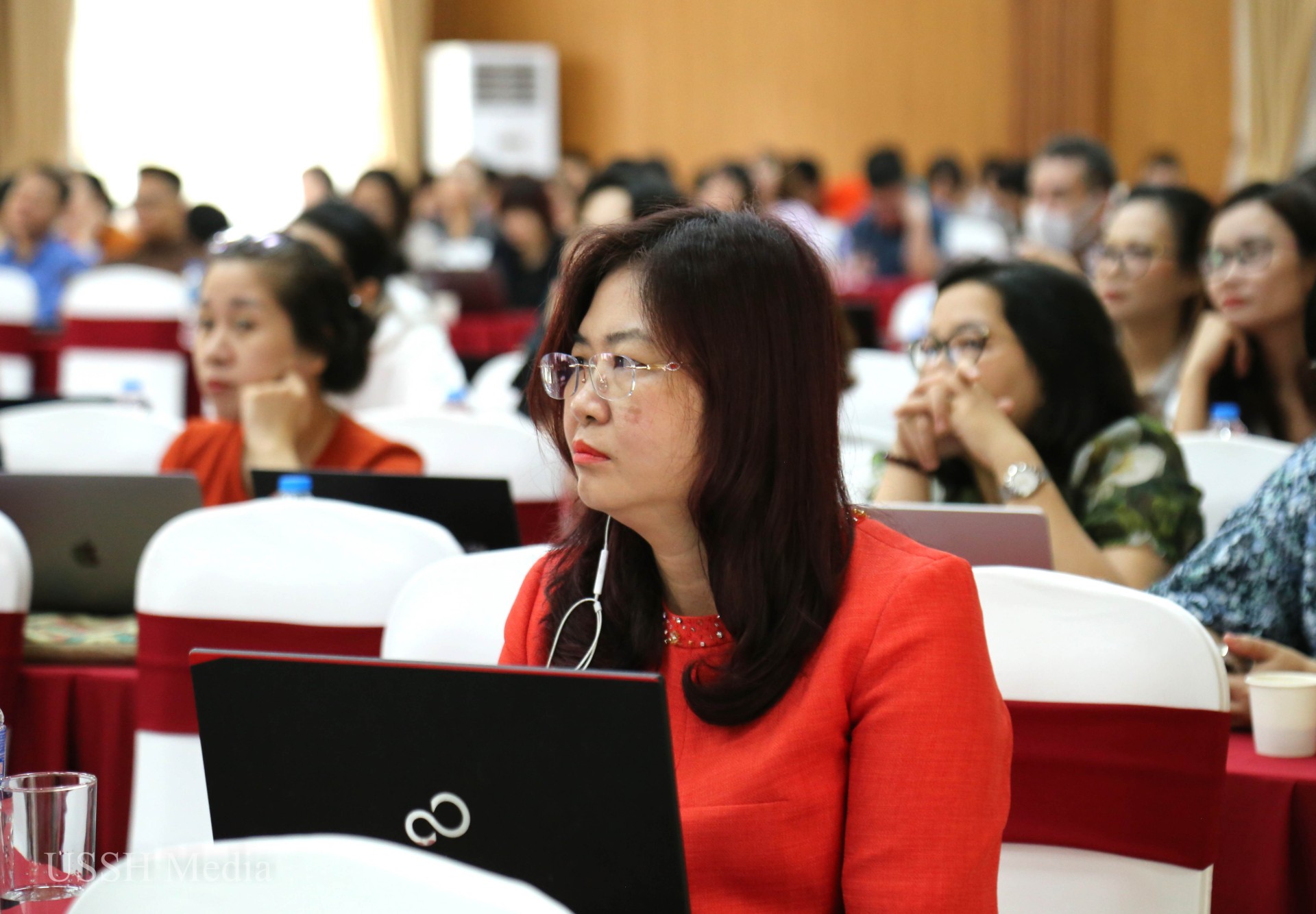
Representing the University of Social Sciences and Humanities were Professor Hoang Anh Tuan - Secretary of the Party Committee and Rector of the university, along with members of the Board of Directors, leaders of 17 training units, leaders and staff of the Student Affairs and Student Services Department, and other relevant functional departments. Notably, the conference attracted 150 teachers who are academic advisors and homeroom teachers directly involved in managing, supporting, and caring for students at VNU-USSH.
Notably, the conference featured the participation and contributions of consulting experts from the University of Foreign Languages, which is also a member of the VIBE Project under Vietnam National University, Hanoi.
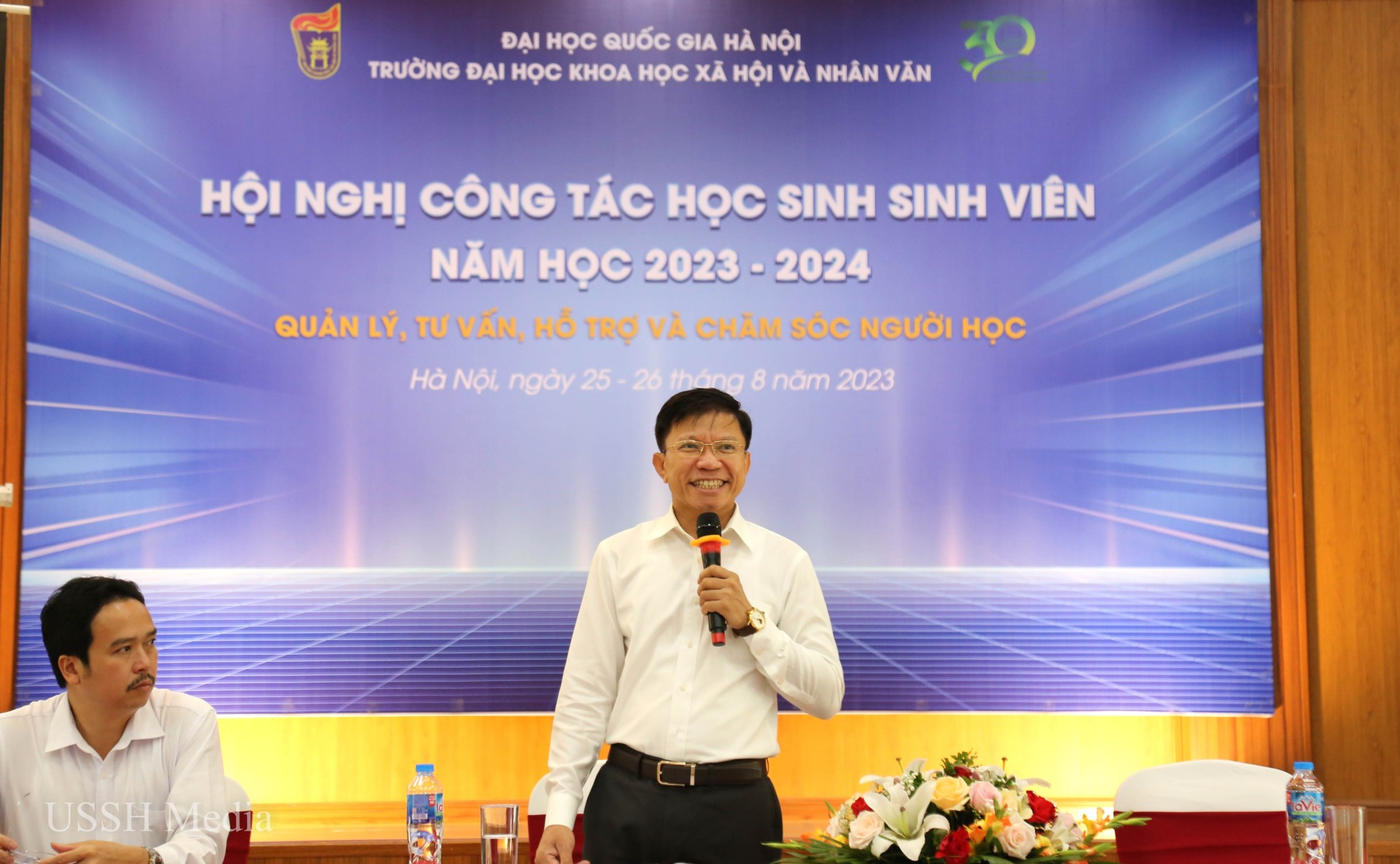
Student affairs are a key focus of the University of Social Sciences and Humanities.In his opening remarks at the Conference, Professor Hoang Anh Tuan stated that the 2023 Conference on Student Affairs had many new features, the most important of which was that student affairs was placed at the center of the university's activities. This activity received the agreement and support of the entire university system, with a staff of up to 180 people in charge, including leaders, lecturers, academic advisors at training units, and leaders and staff at functional departments. Furthermore, the career guidance, care, and support for students at VNU-USSH received attention and support from the leadership of Vietnam National University, Hanoi and its functional departments, as well as member universities with extensive experience in this area.
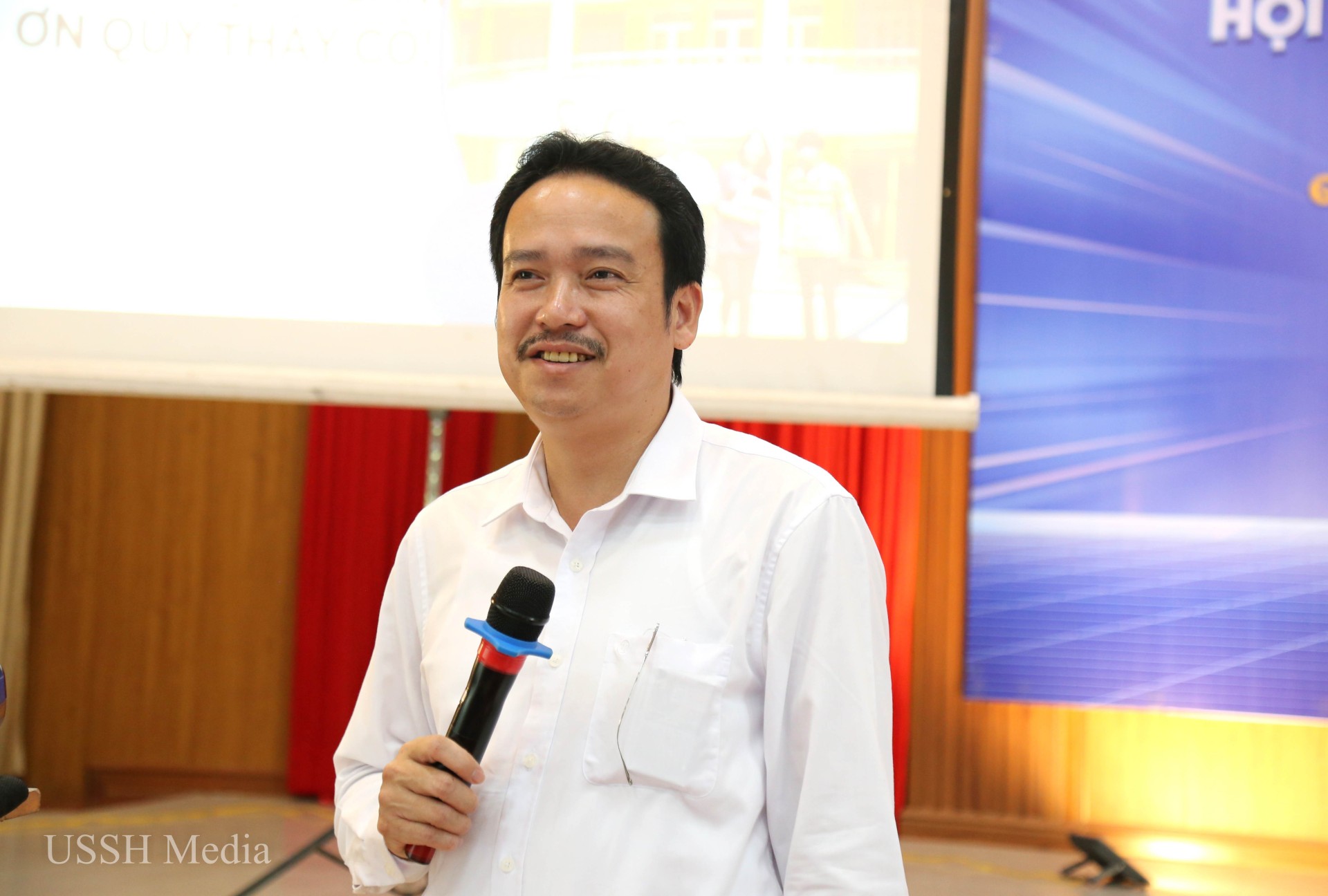
Professor Hoang Anh Tuan, Rector of the University of Social Sciences and Humanities, Vietnam National University, Hanoi, emphasized that student affairs are a central task in the university's activities.
Rector Hoang Anh Tuan emphasized that, from a management perspective, the school's Board of Directors adheres to the principle of student affairs aimed at bringing the best values to learners, not only creating favorable conditions for the process of equipping them with knowledge and professional skills, but also creating a good environment for cultivating moral qualities, character, and lifestyle for students. “Student care is of paramount importance because students are the common measure of the quality of an educational institution, an indicator of the reputation and ranking of a university, and the current and future human resources for society. More than that, students are the financial resource of any educational institution,” Professor Hoang Anh Tuan affirmed.
To effectively implement the above policy, the school is gradually carrying out a comprehensive, scientific, and consistent approach throughout its policies and actions. In particular, attention must be paid to the "individualization" of the learners. For each generation of students, the school needs policies and actions that are appropriate to their age and psychology to avoid conflict. Each teacher needs to face the reality of adapting to the new generation of students; therefore, the approach to student care also needs to be reformed.
Rector Hoang Anh Tuan expressed his hope that the Conference would assess the achievements made, thereby identifying new requirements and challenges, and proposing effective solutions for innovation and creativity in supporting students. “Dare to act, dare to take responsibility, look straight ahead, speak truthfully – this will be a ‘Dien Hong Conference’ that will change the face of VNU-USSH in the future,” shared Professor Hoang Anh Tuan.
Associate Professor Dr. Nguyen Hoang Hai – Vice Director of Hanoi National University, instructed that the task of scientists and lecturers is not only to meet the direct needs of students but also to guide them towards a sustainable vision for the future.
Associate Professor Dr. Nguyen Hoang Hai – Vice Director of Vietnam National University, Hanoi – highly appreciated the determination of the University of Social Sciences and Humanities in innovating student affairs, adopting practical experiences from universities that have achieved many successes in this area.
Recounting real-life stories about students' approaches to learning and personal development activities, Associate Professor Dr. Nguyen Hoang Hai emphasized that the field of social sciences and humanities is playing a crucial role in the development of society, especially in the context of a world undergoing rapid technological changes. Faculty members of the University of Social Sciences and Humanities in particular, and universities in general, need to innovate their teaching methods to keep pace with the global trend of digitalization.
The task of scientists and lecturers, especially the professors at the University of Social Sciences and Humanities - Vietnam's leading university in training and research in the field of social sciences and humanities - is not only to meet the direct needs of students but also to guide them towards a sustainable vision for the future.
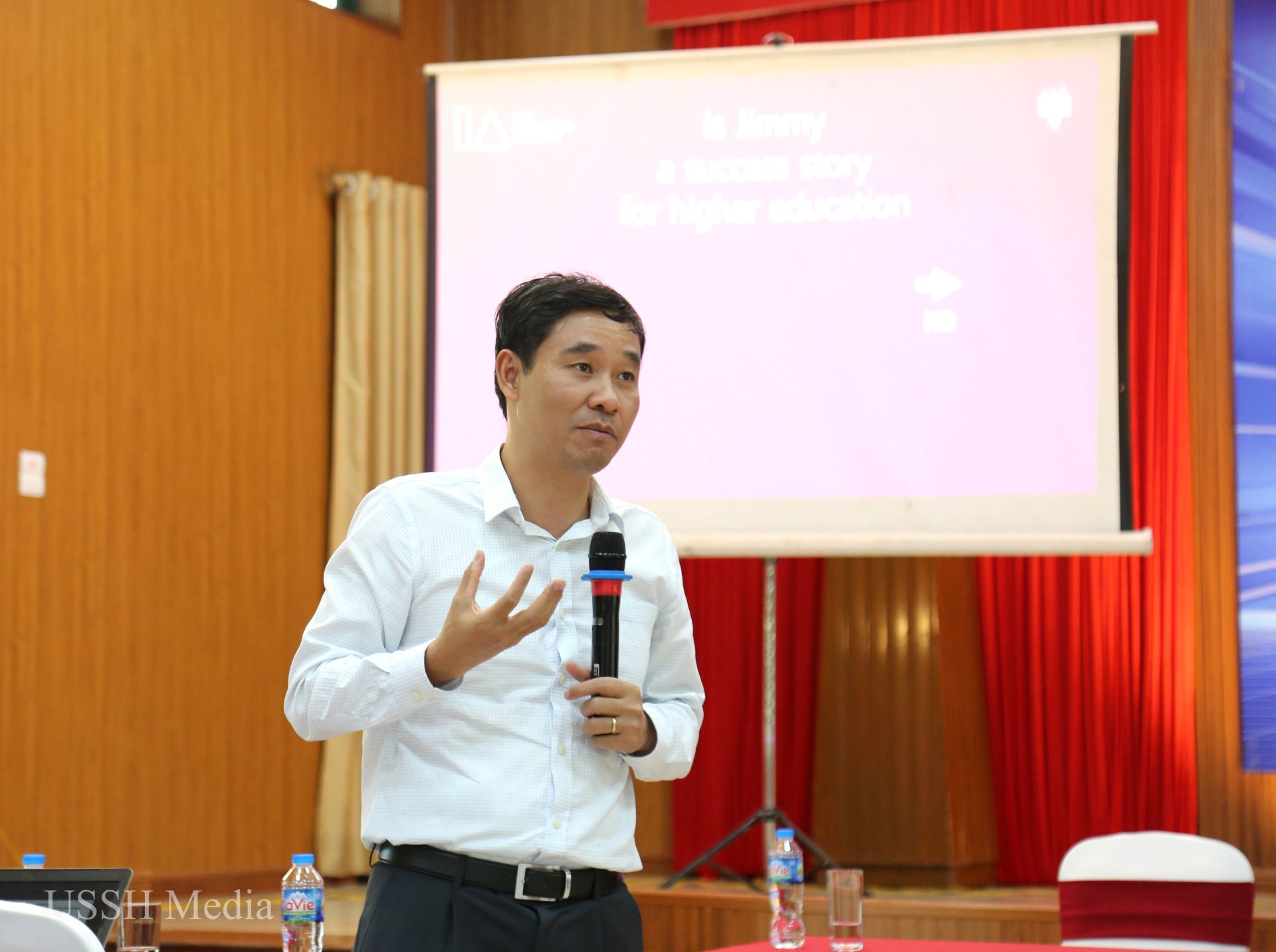
Each teacher is an "ambassador" carrying the school's brand and quality of education to students and society.In the report titled "Current Situation and Challenges in Supporting and Caring for Students," Dr. Dinh Tien Hieu, Deputy Head of the Student Affairs and Student Activities Department, identified the current generation of students as possessing many advantages. They are enthusiastic, dynamic, creative, and oriented towards global values. They are also a generation that desires recognition, wants to be valued in life, wants to express themselves, individualize, and have strong opinions.
In March 2023, the school organized a conference on the theme "Managing, caring for, and supporting learners," with many valuable contributions on the psychological characteristics of Gen Z students (Dr. Truong Quang Lam), experiences in supporting student connections with businesses (Dr. Nguyen Thi Kim Chi), and ways to leverage combined resources in student affairs (Dr. Nguyen Thi Nam Hoang).
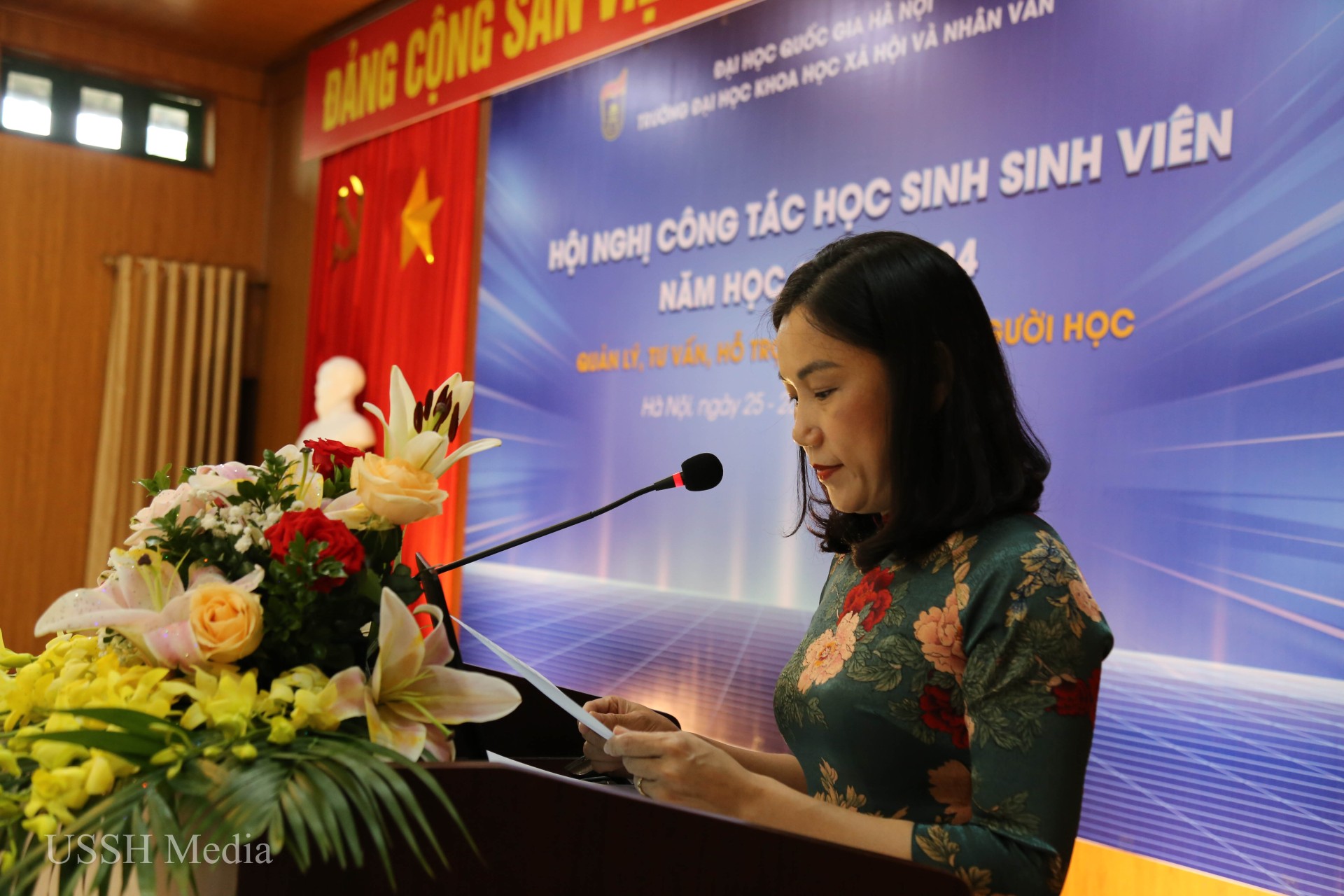
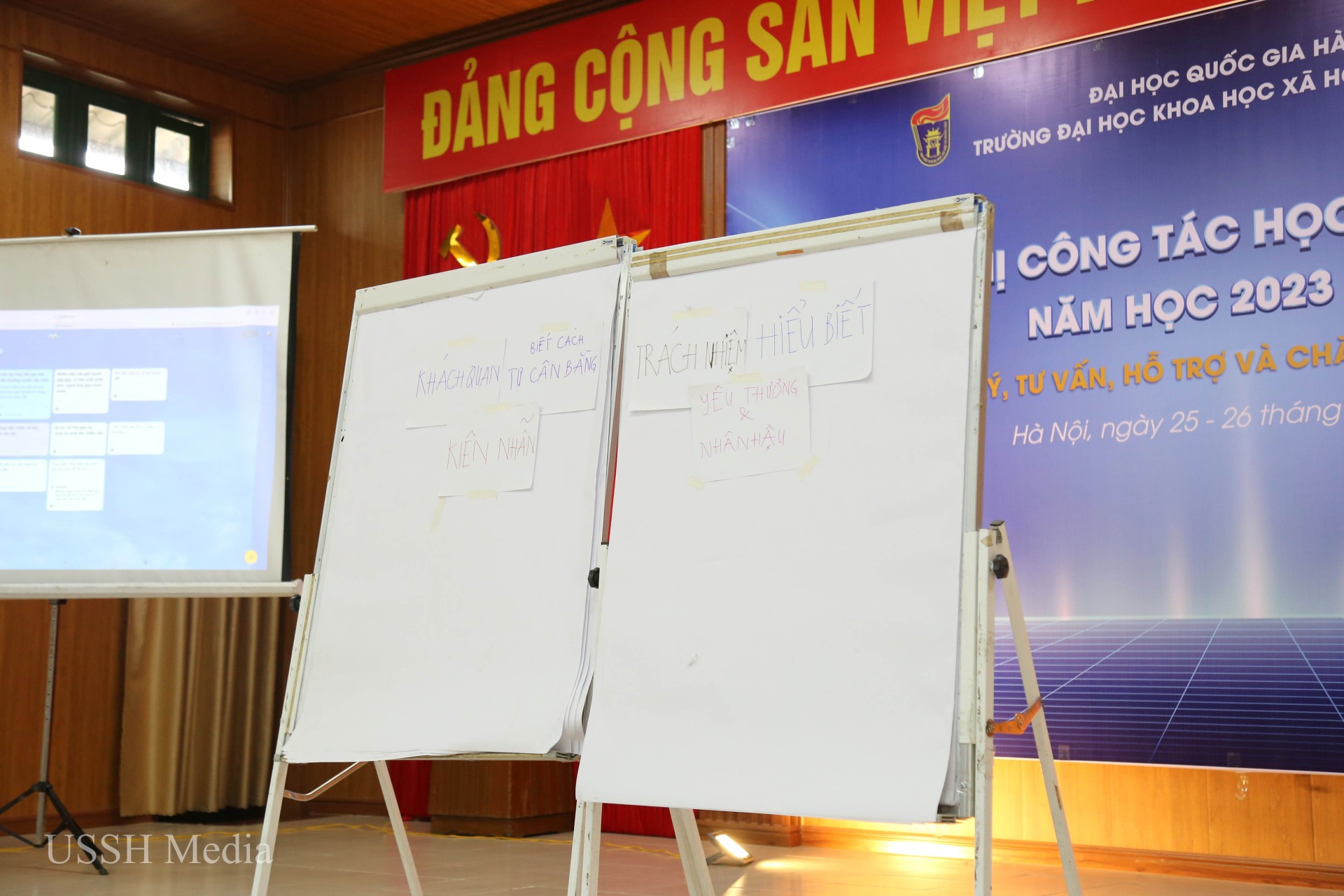
The conference, held in Ba Vi over two days, August 25th and 26th, with the theme "Managing, advising, caring for, and supporting learners," once again affirmed the consistent, unwavering, and decisive stance of the University in reforming the field of student affairs.
Dr. Dinh Tien Hieu - Deputy Head of the Student Affairs Department, shared the school's determination to improve the effectiveness of student affairs.
Over the years, the University of Social Sciences and Humanities has continuously innovated the content and form of its management, care, and support activities for students, achieving many encouraging results and ensuring the rights and obligations of students during their studies at the university, in accordance with the guidelines of the Ministry of Education and Training and Hanoi National University.
Political and ideological education, student reward and disciplinary actions, administrative work and implementation of policies, scholarship consideration for academic achievement, scholarships from both domestic and non-budgetary sources, student health insurance, student training and evaluation, etc., are carried out seriously, systematically, and in accordance with procedures, regulations, and rules.
The school's management and student affairs staff have made many efforts. Numerous innovative initiatives during the student orientation week at the beginning of the year, the implementation of the One-Stop Administrative Procedure Support Portal Project, the Online Job Portal, along with activities such as Job Fairs and a series of career guidance seminars: "Skills to Conquer Recruiters," "Master CV - Secrets to Writing a CV from an Recruiter's Perspective," "Bachelor of History and Cultural Studies: Application Opportunities from a Fundamental Foundation,"... have demonstrated the initial steps towards a significant transformation in the direction of support, care, service, and customer care.
However, in addition to the achievements mentioned above, student affairs at the University of Social Sciences and Humanities are facing many difficulties and challenges.
Student affairs is one of the core tasks of the University, spanning many areas of work, including educational and training activities, propaganda, management, services, counseling, career guidance, support, and comprehensive care for the material and spiritual lives of students both inside and outside the classroom, in order to ensure the goals of higher education.
Although the homeroom teachers and academic advisors have made many efforts, a small number of them do not fully understand the regulations and rules to guide students, and their professional advice (on majors, course registration, etc.) is limited. The lack of a regular schedule for homeroom teachers and academic advisors to meet with students also significantly affects interaction, connection, sharing, and support for learners. In addition, many issues related to the university's regulations and rules on student management, such as evaluating student conduct, awards, disciplinary actions, health insurance, civic education, scholarships, etc., require academic advisors to have professional skills and to dedicate time to thoroughly study the documents and update information.
The process and coordination methods for student affairs between the student affairs department and related departments have not been as effective as their potential; the physical infrastructure and quality of services supporting and caring for students' material and spiritual well-being, especially psychological counseling and school social work, and career guidance, have not kept pace with the changing reality, and there are not many effective solutions to improve students' employability after graduation... The dropout rate in some majors remains high.
Some students are overly protected by their families, leading to narcissism and limited participation in group activities. A significant percentage are hesitant to face challenges, lack initiative, and are heavily influenced by social media, resulting in poorer concentration and easy distractions. Therefore, teachers working with students need to understand the characteristics of this generation, listen to and share their thoughts and feelings in order to provide appropriate support.
Innovations in student affairs have received the support and assistance of the school's Board of Directors and all faculty and staff of VNU-USSH.
Proposing several solutions to improve student support and care, Dr. Dinh Tien Hieu emphasized that identifying student support and care as the responsibility of all teachers in the school is crucial. Each teacher and staff member is an ambassador representing the image, brand, and quality of education of the school to students and society. The proposed solutions include: Coordinating/connecting student affairs between the school and other units to ensure students receive support and care in a humane, rich, and diverse environment; and strengthening the organization of extracurricular activities to enhance skills and improve student connectivity.
The core of student affairs work is to deliver the best value to learners.The conference received presentations from lecturers and experts from the University of Foreign Languages, VNU Hanoi, with reports on the following topics: “Learner Psychology and Values That Can Be Provided to Learners” by Dr. Dao Thi Dieu Linh - Head of the Department of Educational Psychology, University of Foreign Languages, member of the VIBE Project; “Developing Empathy Skills and Emotional Intelligence in Student Affairs Staff” by Dr. Dao Thi Dieu Linh and Dr. Ta Nhat Anh; and “Sharing Experiences in Managing, Supporting, and Caring for Learners at ULIS” by Ms. Khoa Anh Viet - Deputy Head of the Student Affairs & Politics Department, University of Foreign Languages, member of the VIBE Project.
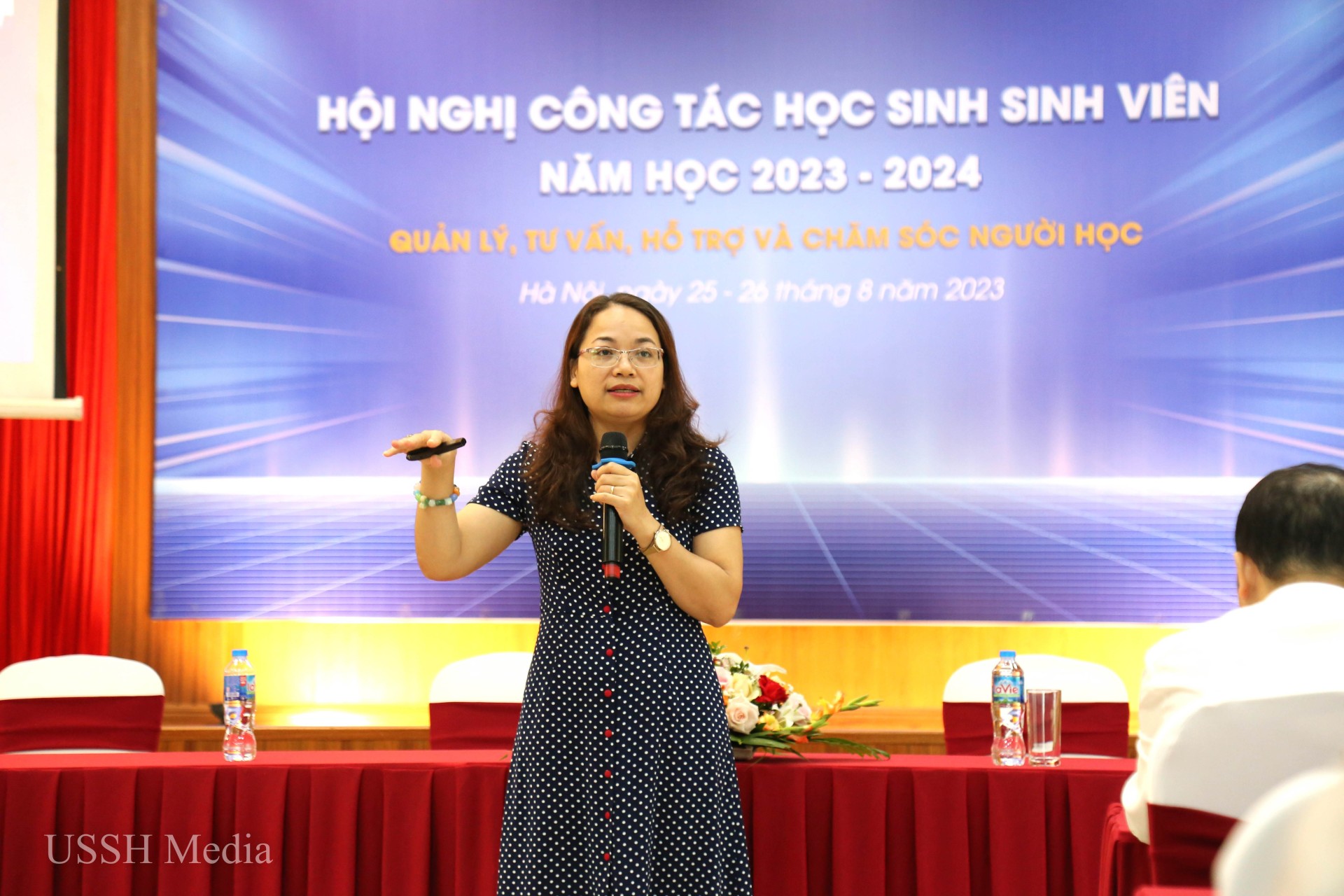
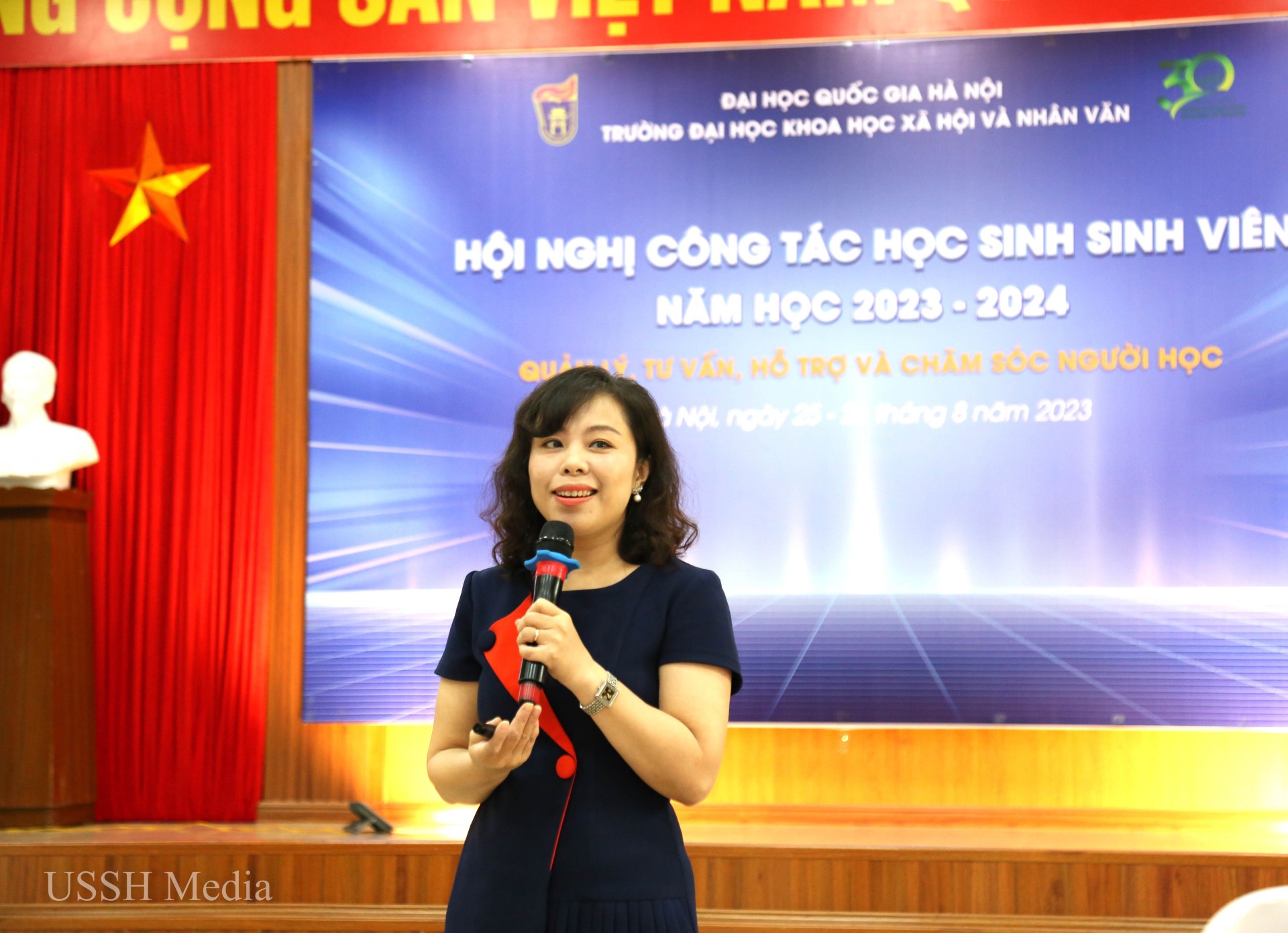
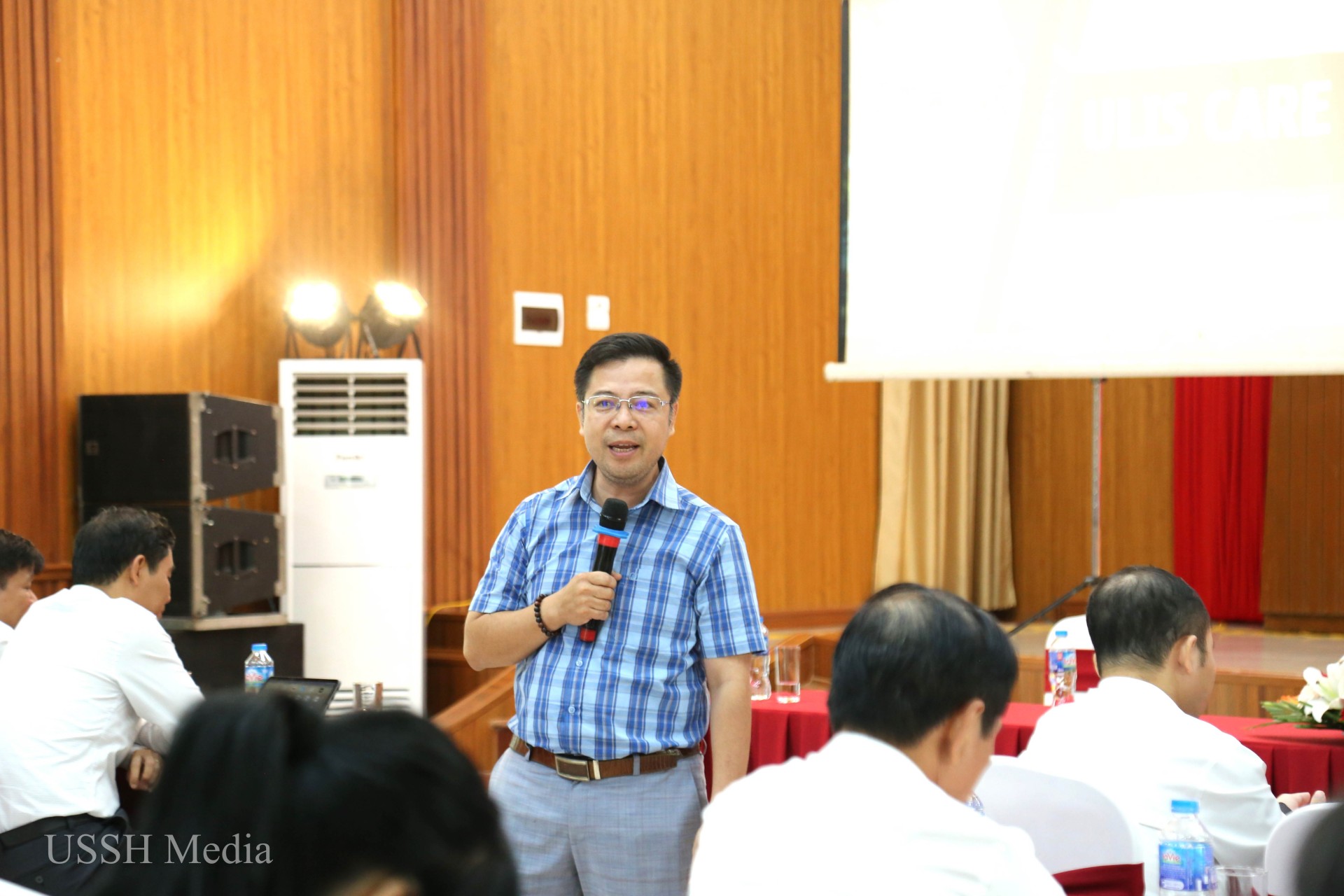
Dr. Dao Thi Dieu Linh emphasized that what teachers provide to students is not just knowledge, but more importantly, values that develop their personal abilities and humanistic values. The more innovative and creative student affairs work becomes, and the more value it brings to learners, the more sustainable the school's development will be.
Sharing lessons learned from the practical experience of student affairs at the University of Foreign Languages, VNU Hanoi, Ms. Khoa Anh Viet - Deputy Head of the Student Affairs and Politics Department, stated that in addition to the university's decisive policies, this activity requires the support and assistance of the students themselves. Involving students directly in this activity as collaborators is an effective solution that the University of Foreign Languages has implemented and achieved encouraging results.
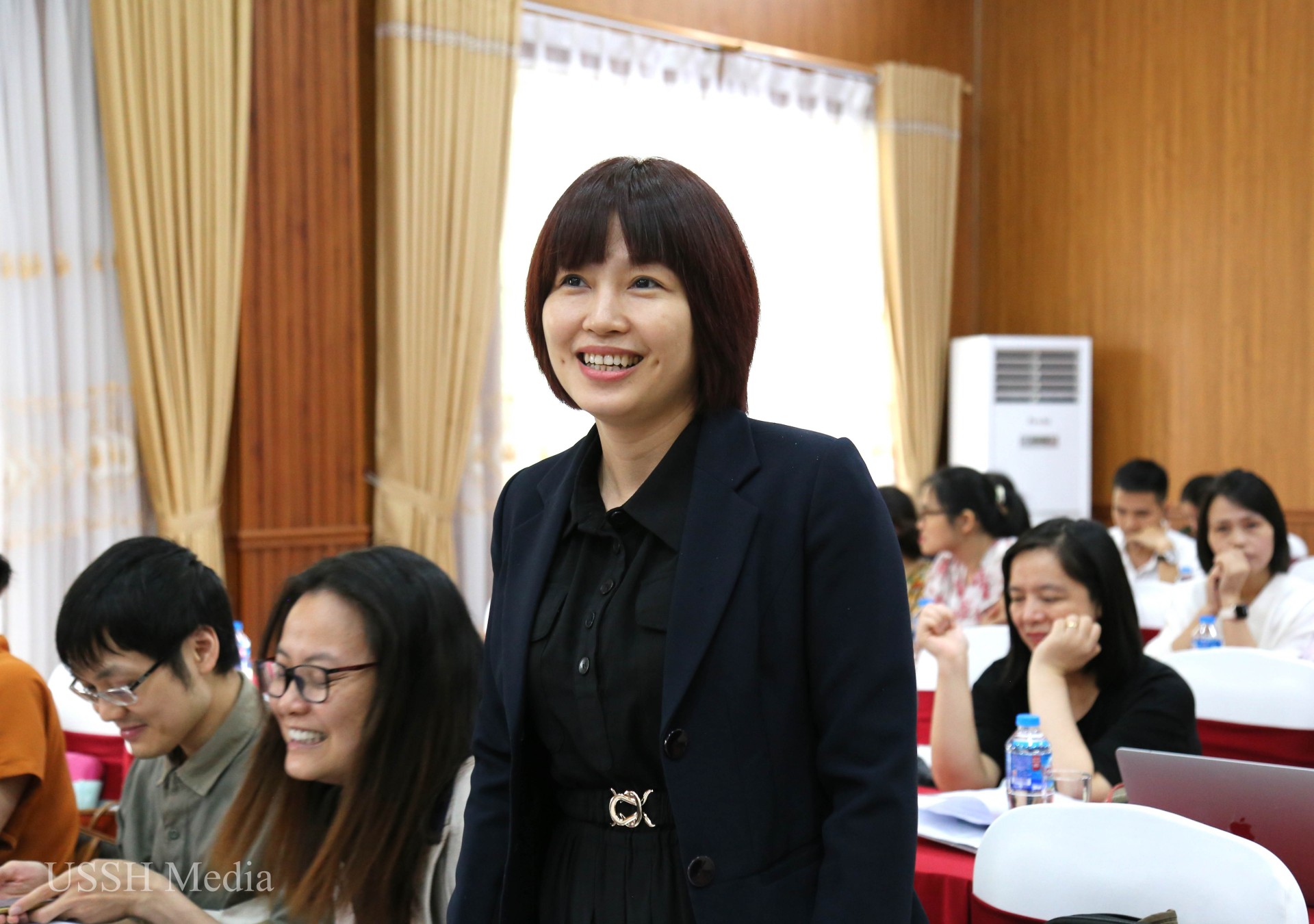
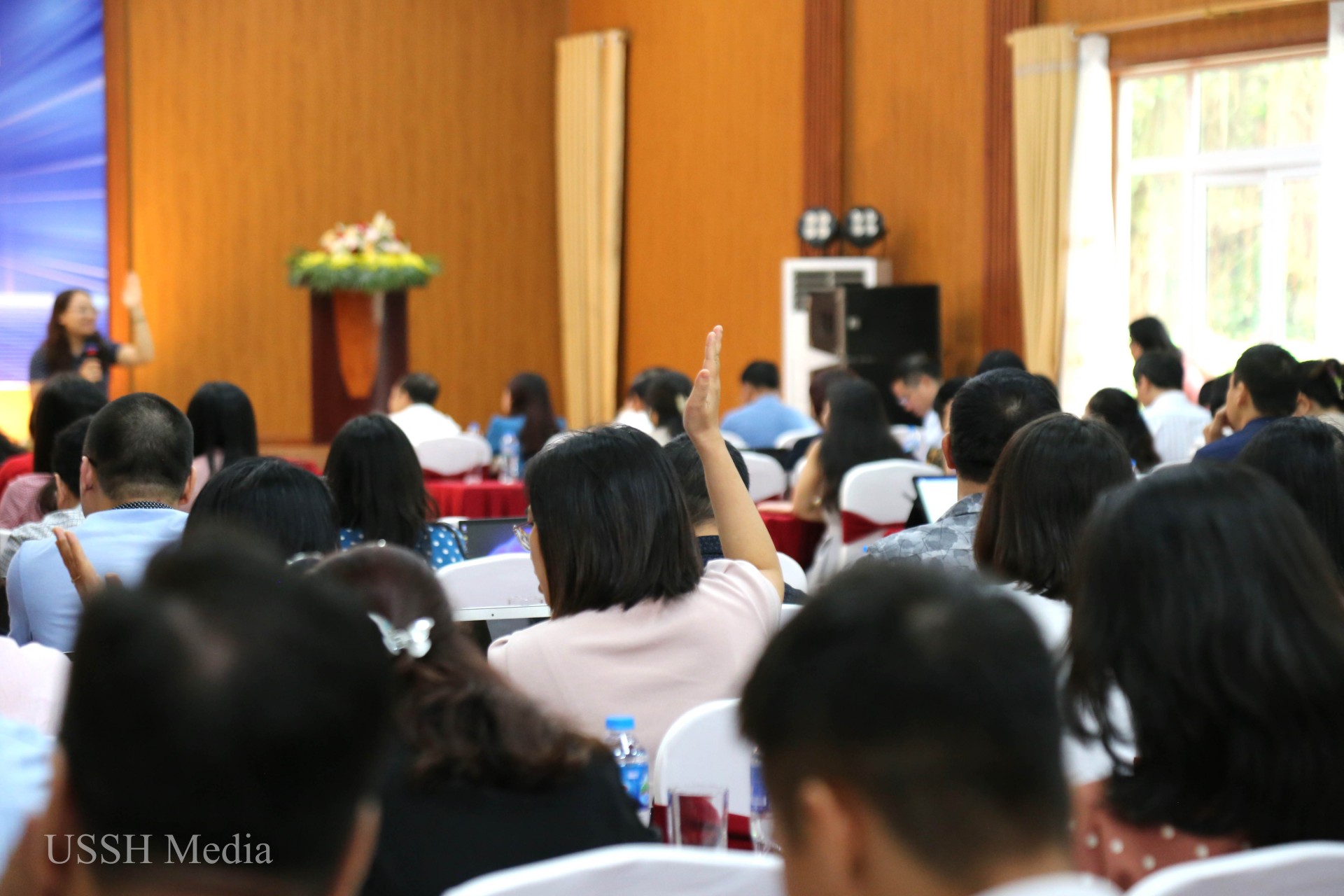
The reports received lively discussion from faculty members from training units and functional departments of the University of Social Sciences and Humanities, Vietnam National University, Hanoi. Several specific solutions were proposed at the conference to improve the quality of management, career guidance, support, and care for students.
The report's contents sparked lively discussion among faculty members from training units and functional departments of the University of Social Sciences and Humanities, Vietnam National University, Hanoi.
VNU-USSH's decisive solutions to improve the quality of student affairs.Associate Professor Dr. Dang Thi Thu Huong - Vice Rector of the university, emphasized that, in the face of the fierce challenges of competition in higher education and the increasingly open educational and training environment, improving the quality of training services, strengthening support, care, and service activities, and creating satisfaction for learners, is an inevitable trend of modern university management, in line with the standards of advanced universities in the region and around the world.
Vice Rector Dang Thi Thu Huong directed several key solutions to improve the effectiveness and professionalism of student affairs at the University of Social Sciences and Humanities.
According to Vice Rector Dang Thi Thu Huong, in order to improve the effectiveness and professionalism of student affairs at the University of Social Sciences and Humanities, the university will focus on several key solutions in the coming period:
Firstly, there needs to be a change in perception, approach, organization, and implementation of student affairs activities, shifting from a student management model to a model of counseling, care, and support for learners.
The core of student affairs is the Student Affairs Department and the team of homeroom teachers and academic advisors, but it is also the shared responsibility of all staff, lecturers, and employees throughout the school. From a green, clean, and friendly environment that ensures good learning conditions, to the smiles of the security guard and cleaning lady, to the professionalism of the teachers in charge of student affairs, to the dedication and standards of the teaching staff, all contribute significantly to the school's student affairs work.
Secondly, further refine the documentation system to meet quality improvement requirements and enhance the quality of management, care, and support for learners.
Review, revise, and issue guidelines on academic advising and class management. Review, revise, and update the Student Handbook; revise regulations on scholarships for 9 basic science majors, scholarships from sponsoring organizations and individuals; research and issue regulations on cooperation with businesses; review and revise the admission process; improve the process of evaluating student conduct scores; innovate activities of the Integration Week, as well as dialogues with students, etc., in a way that serves learners.
Thirdly, further enhance the professionalism of the staff responsible for student affairs, and innovate academic advising at the University of Social Sciences and Humanities. Innovate the activities of the Youth Union and Student Association, linking student affairs with the work of the Youth Union and Student Association.
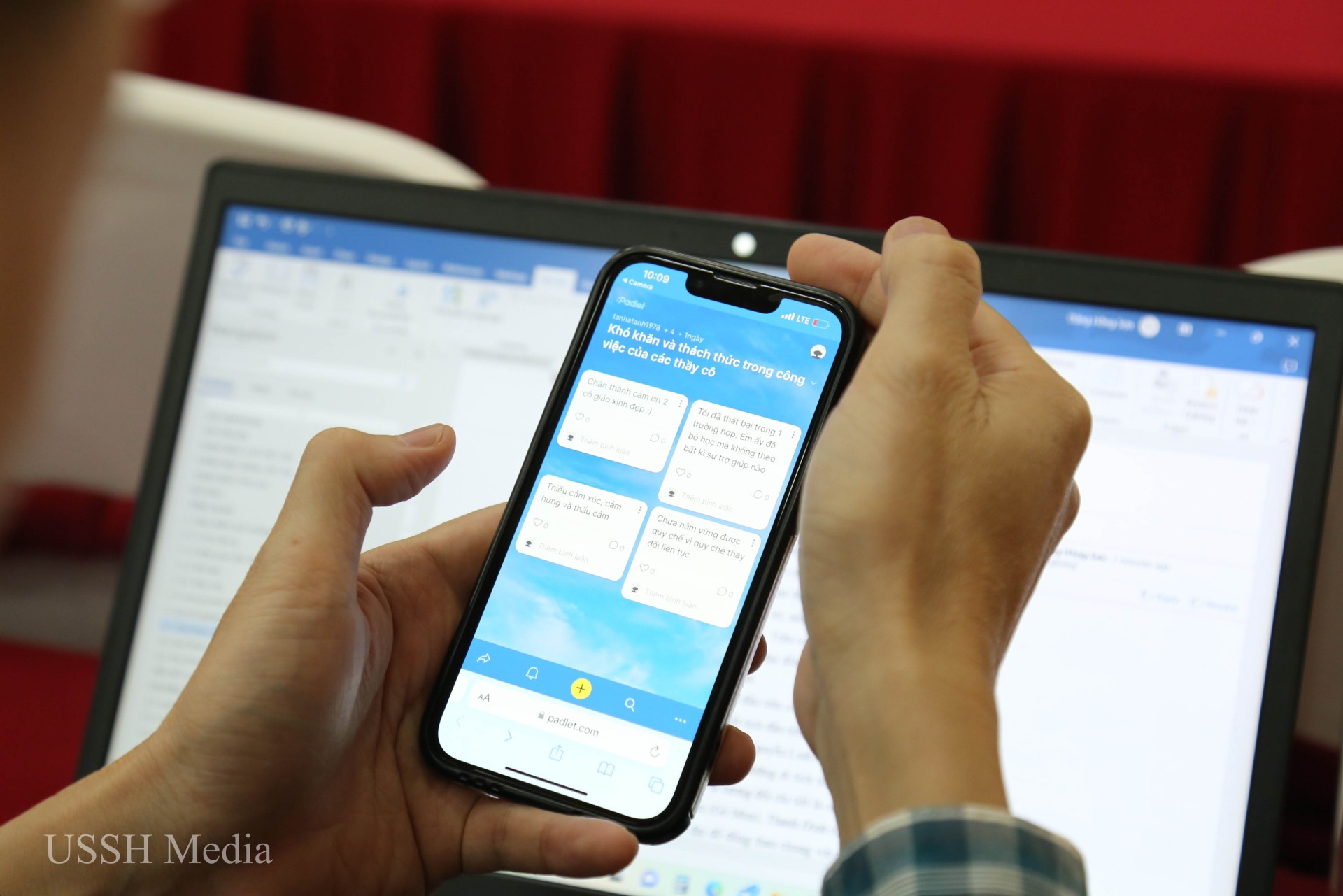
Fourth, apply information technology to ensure that student management is carried out scientifically, rationally, and effectively. Establish a hotline to receive student feedback. Schedule a fixed time each month for homeroom teachers/academic advisors to meet directly with the students in their class.
Fifth, strengthen connections with employers and alumni to increase opportunities for collaboration, promote the development of the university, and especially to find and connect students with job opportunities within the university.
Sixth, strengthen communication about the responsibilities and rights of students, as well as the school's innovative activities in advising, caring for, and supporting learners.
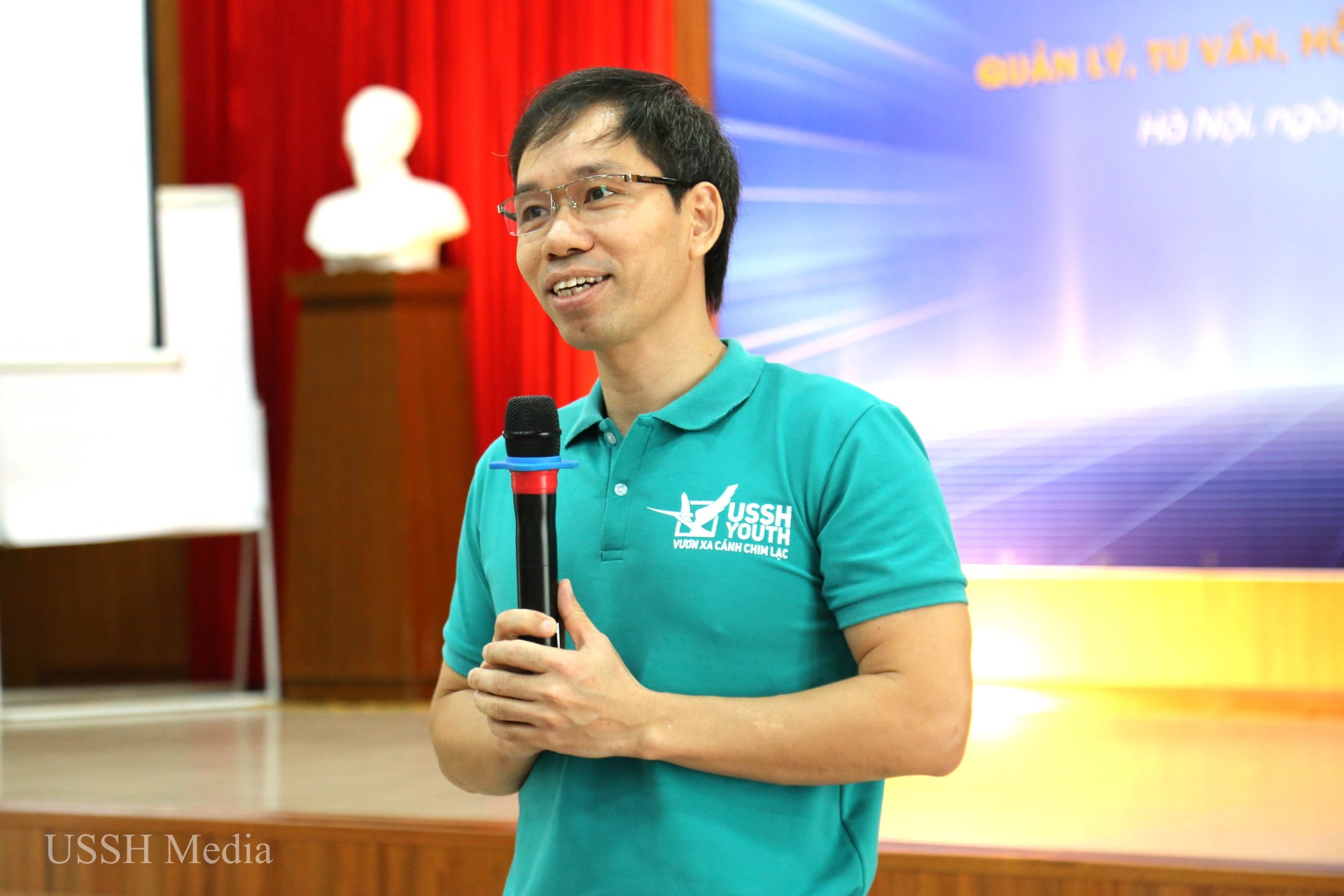
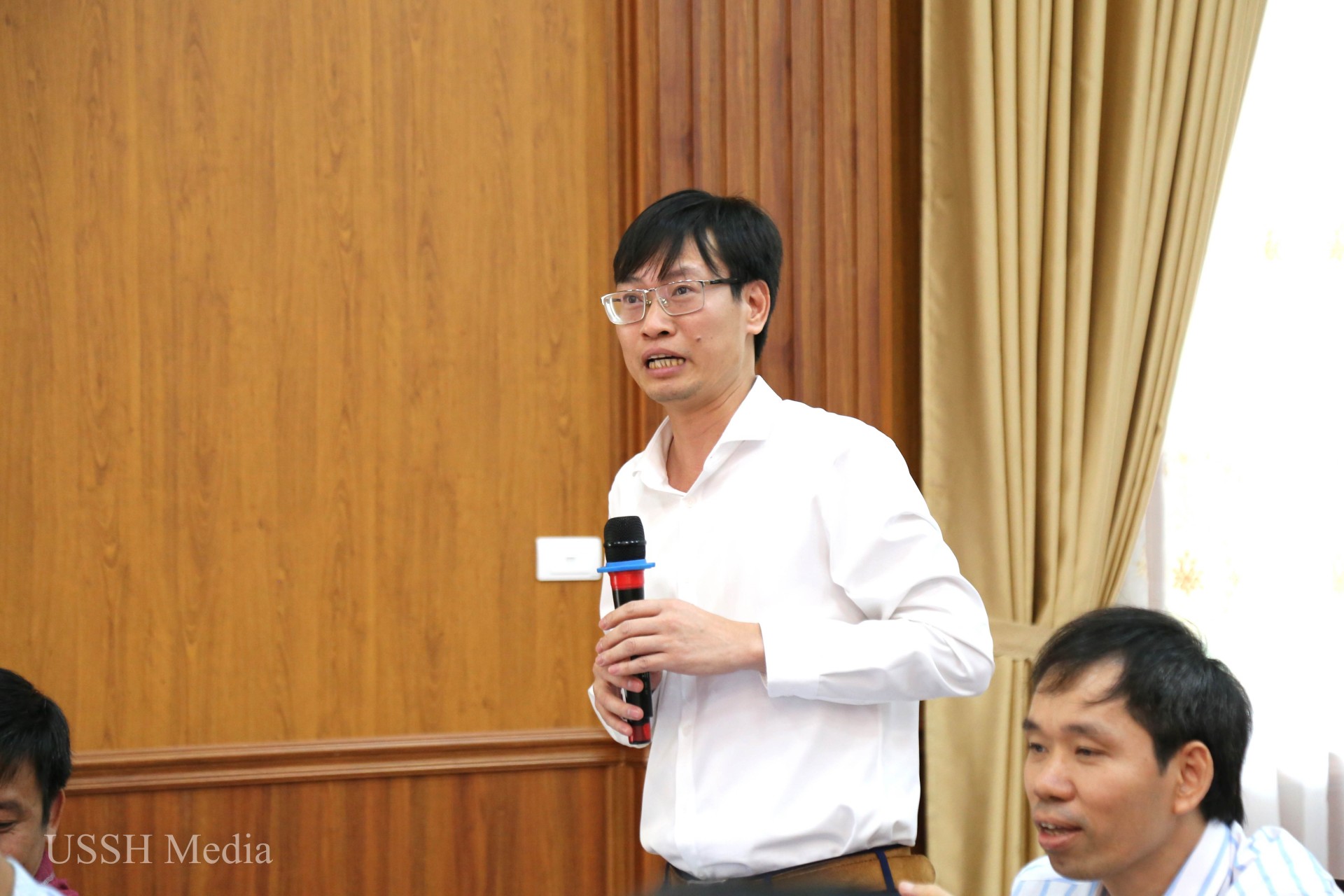
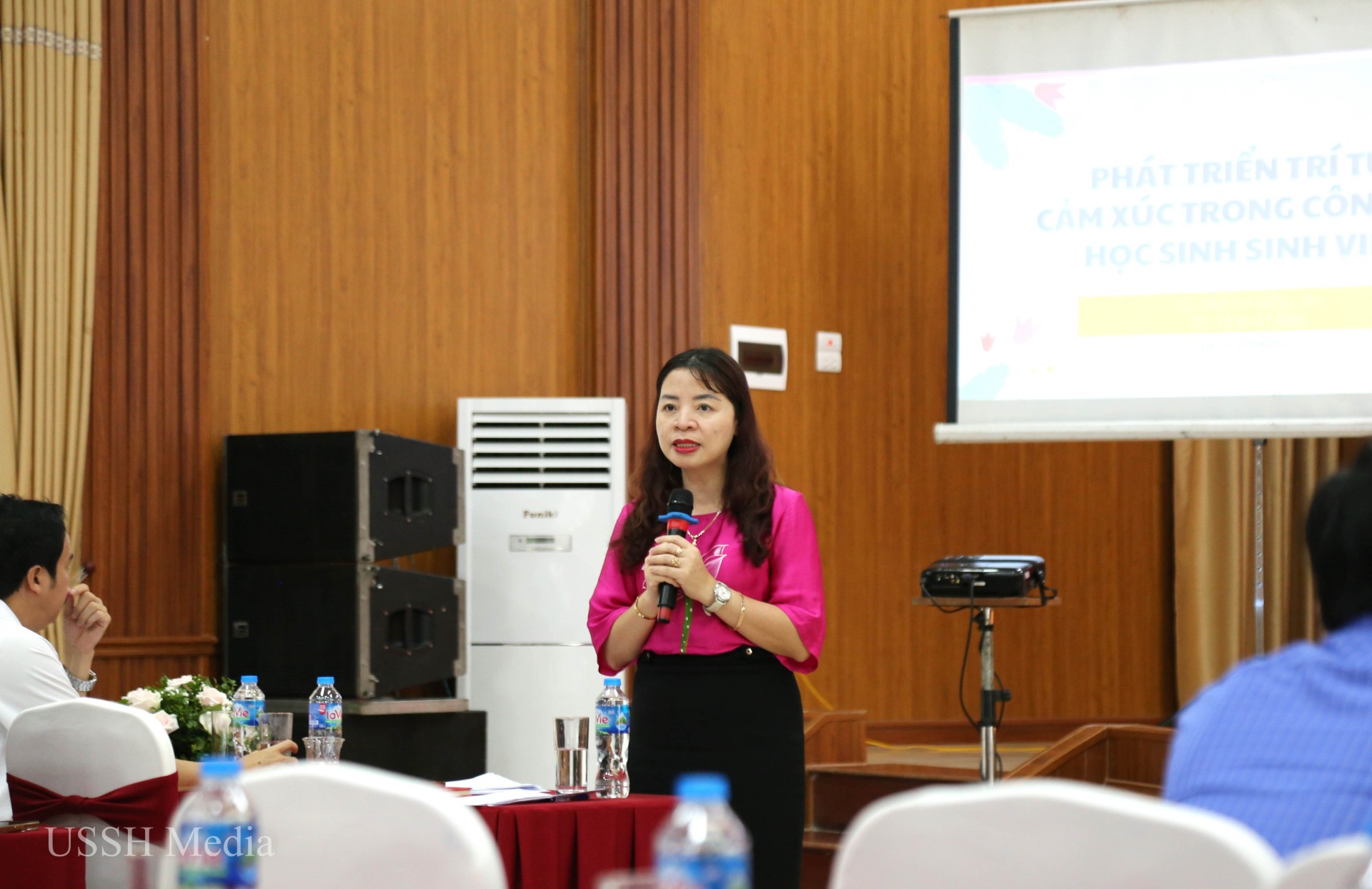
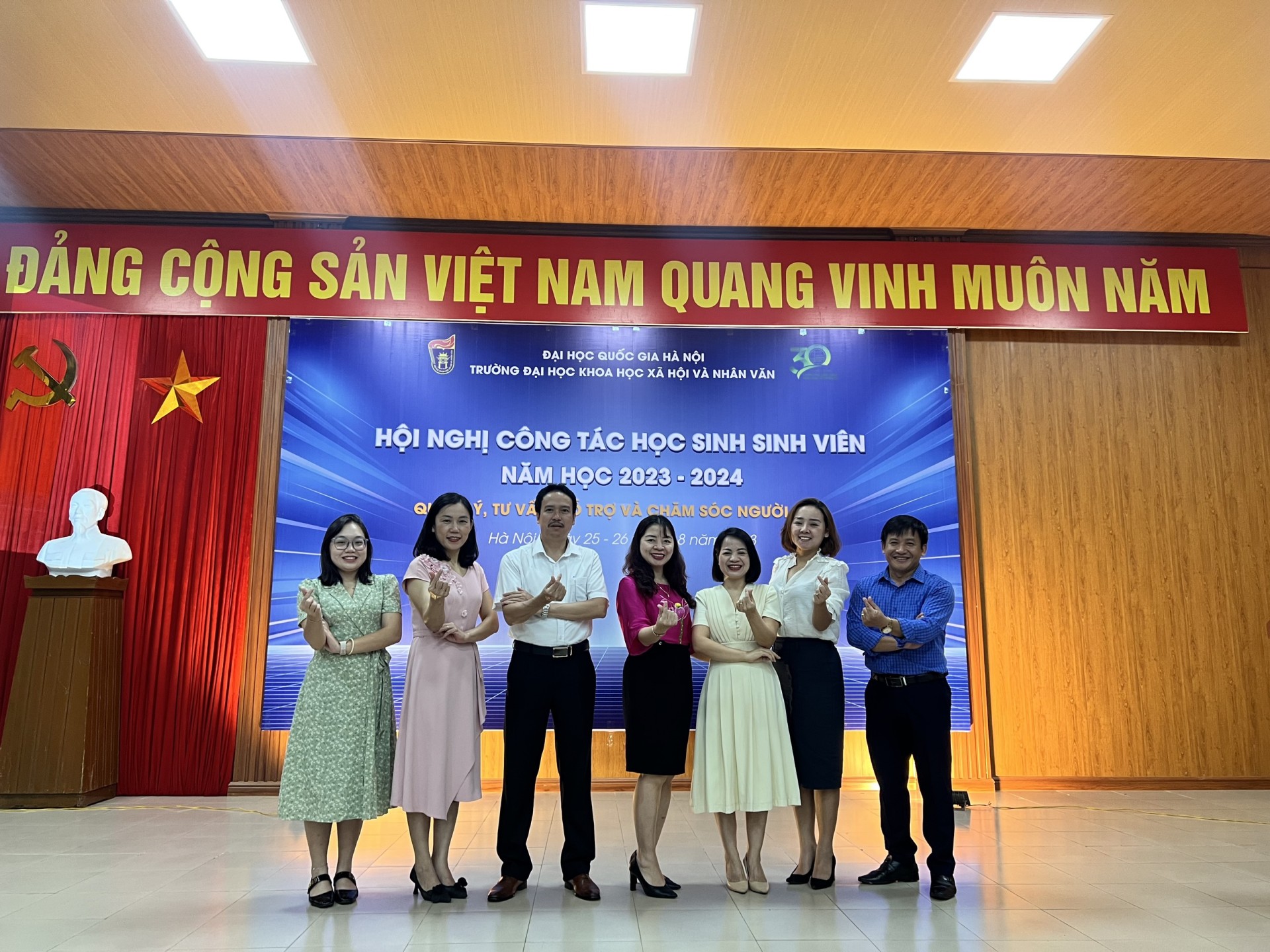
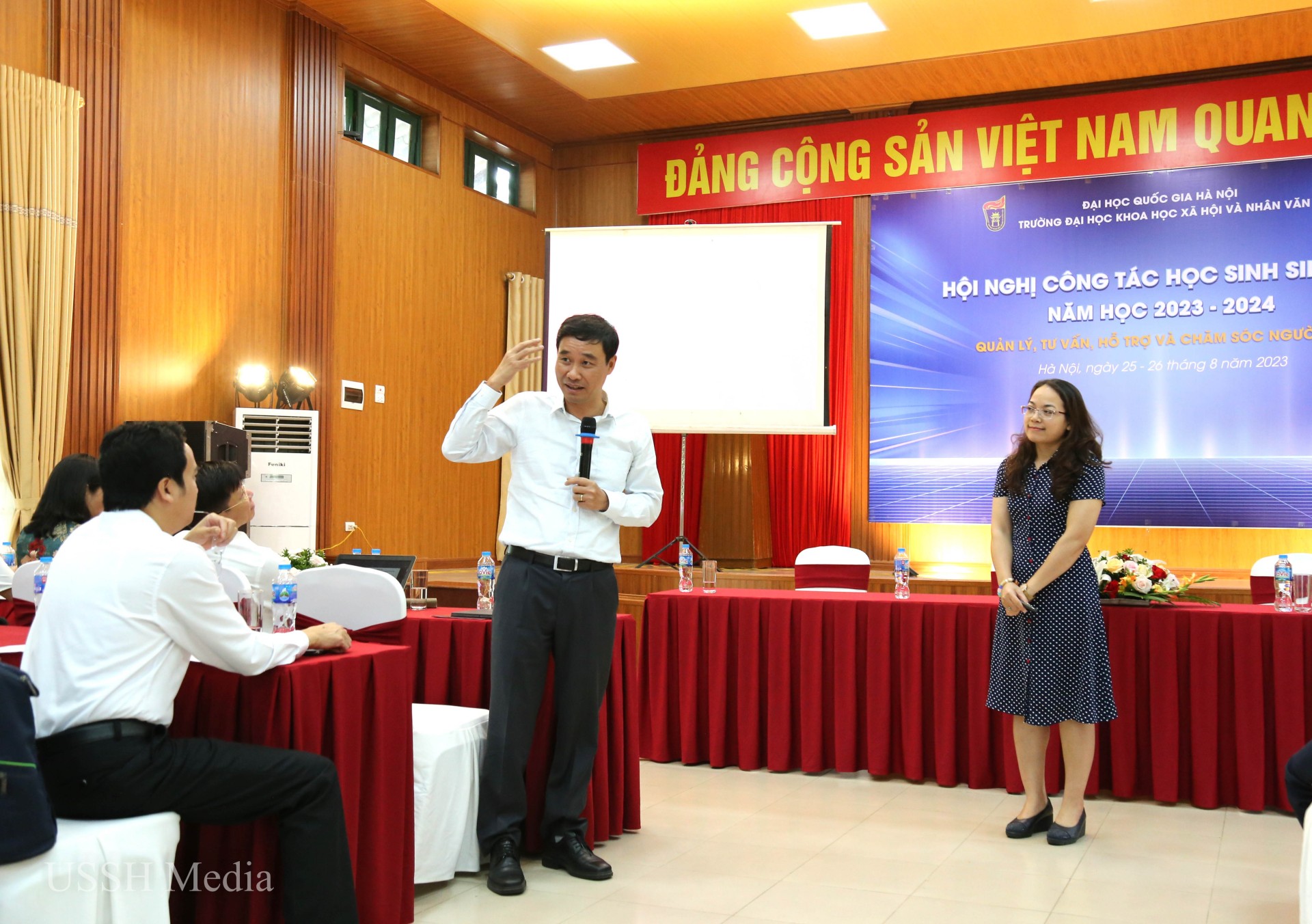
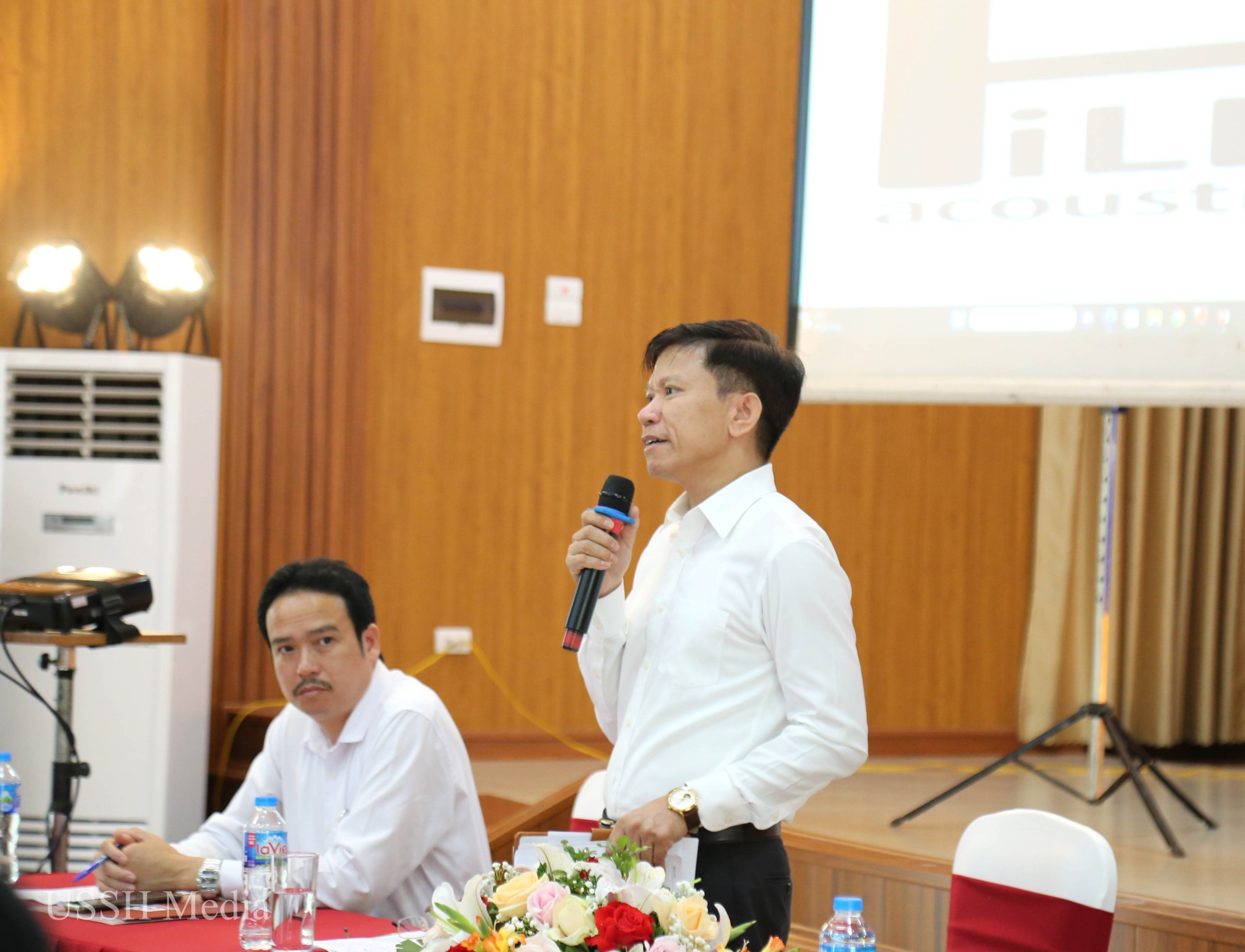
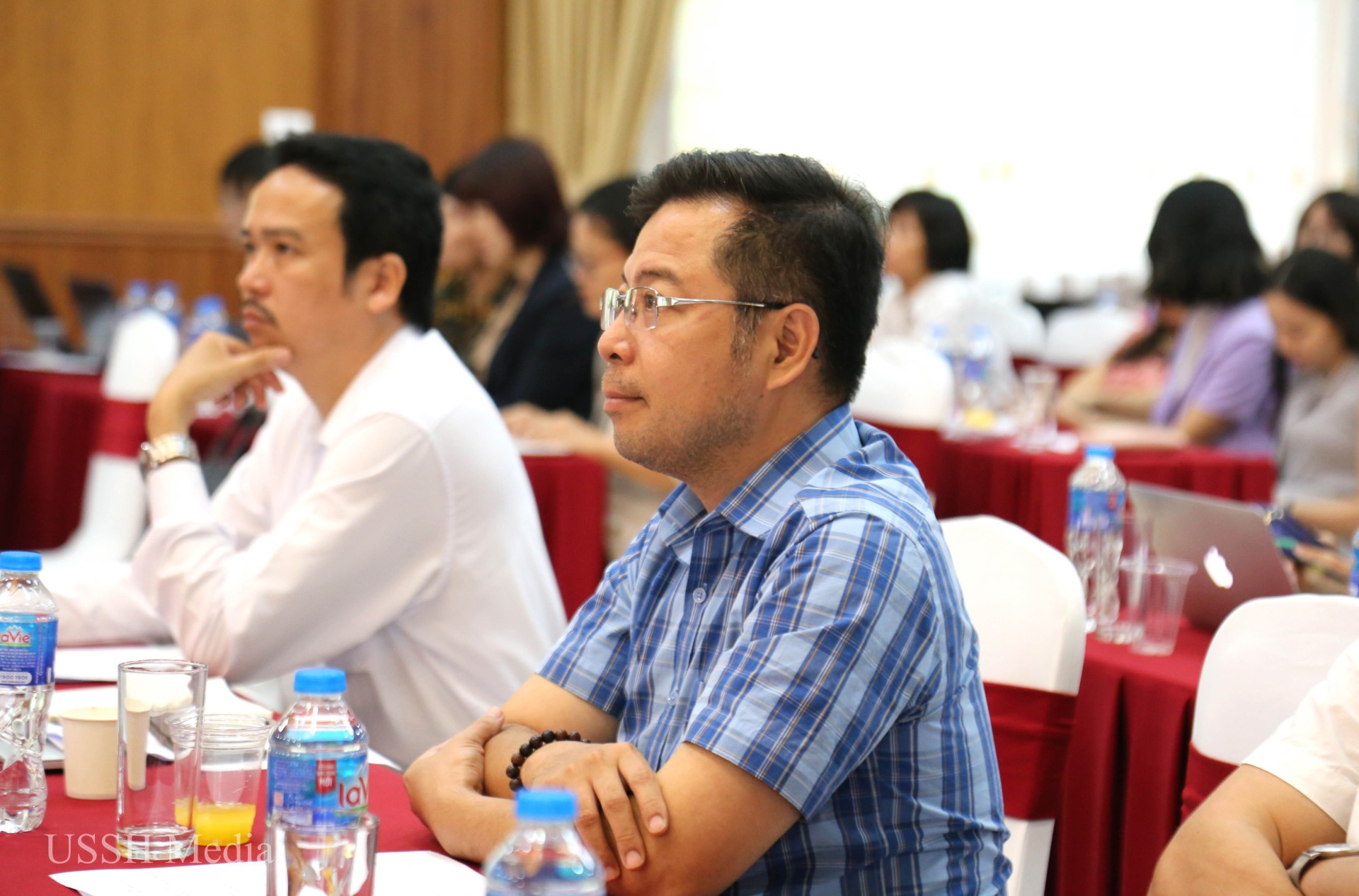
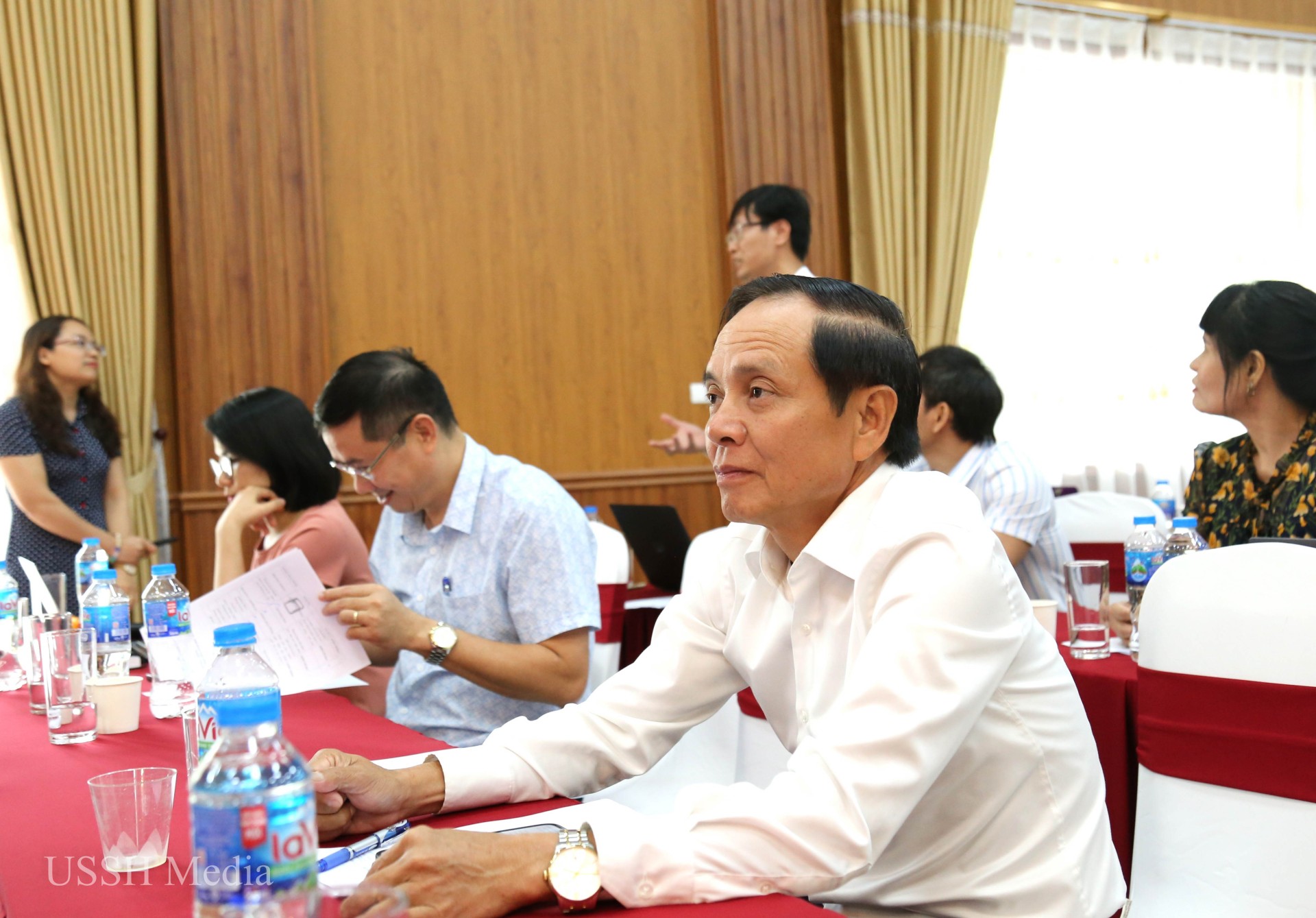
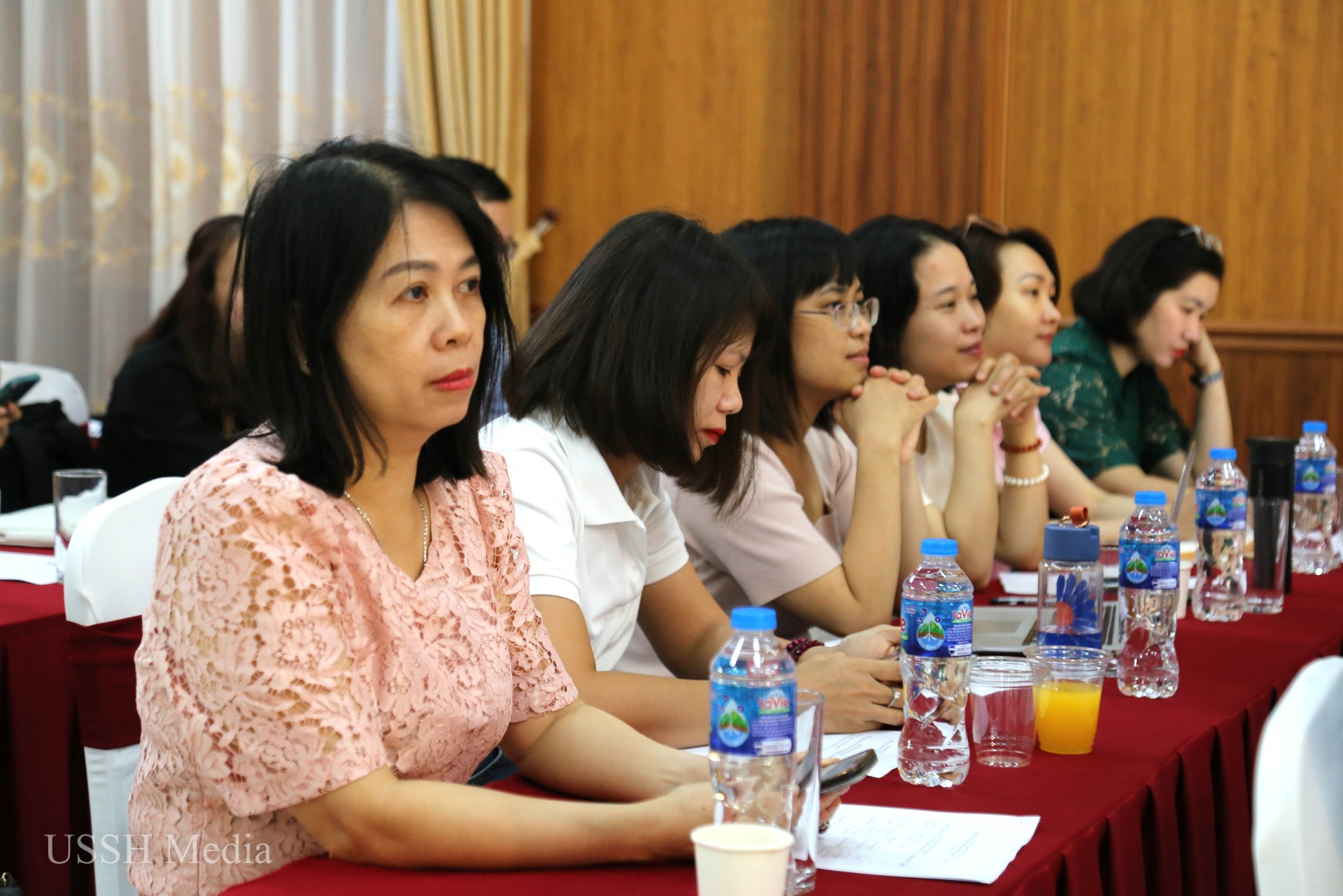
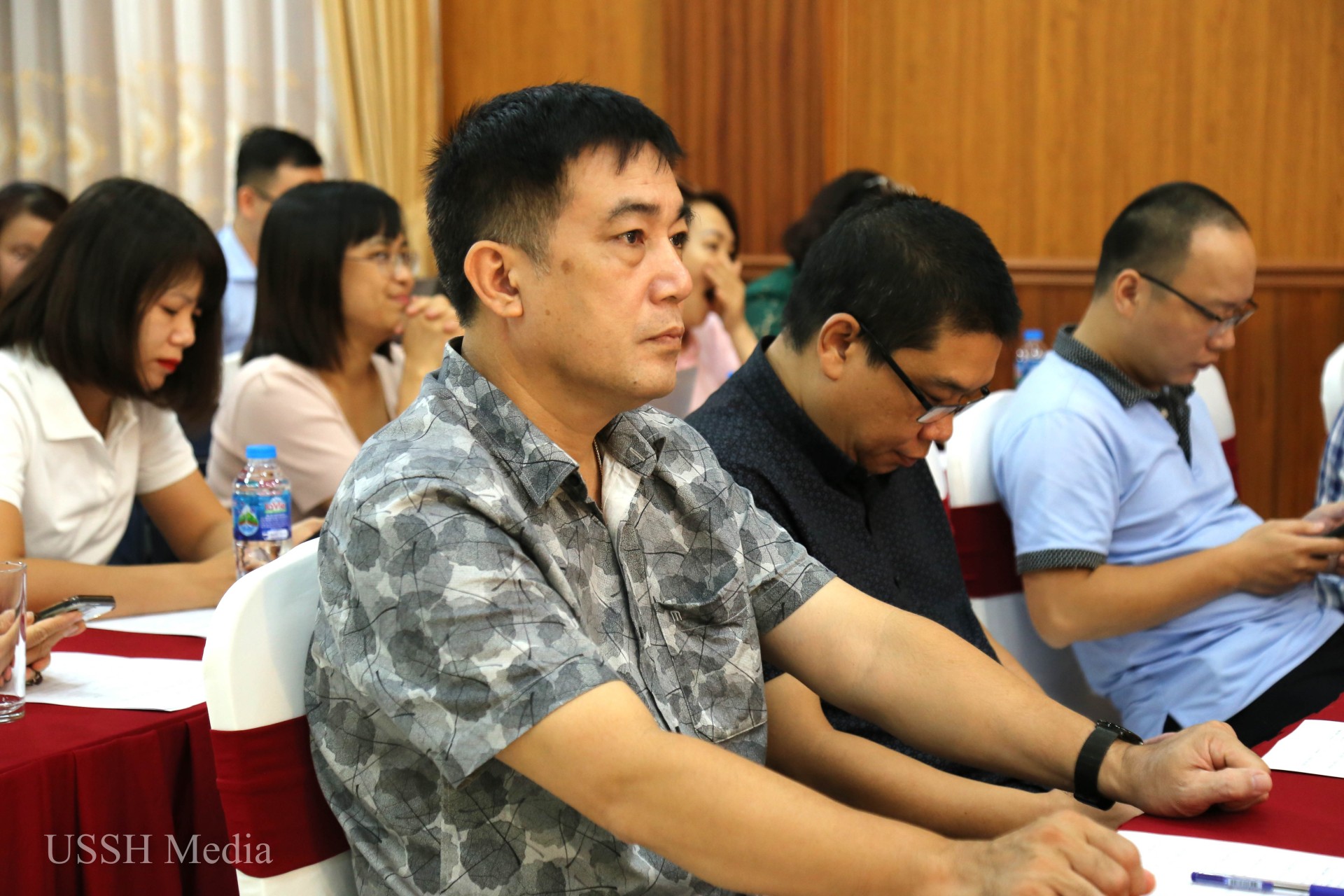
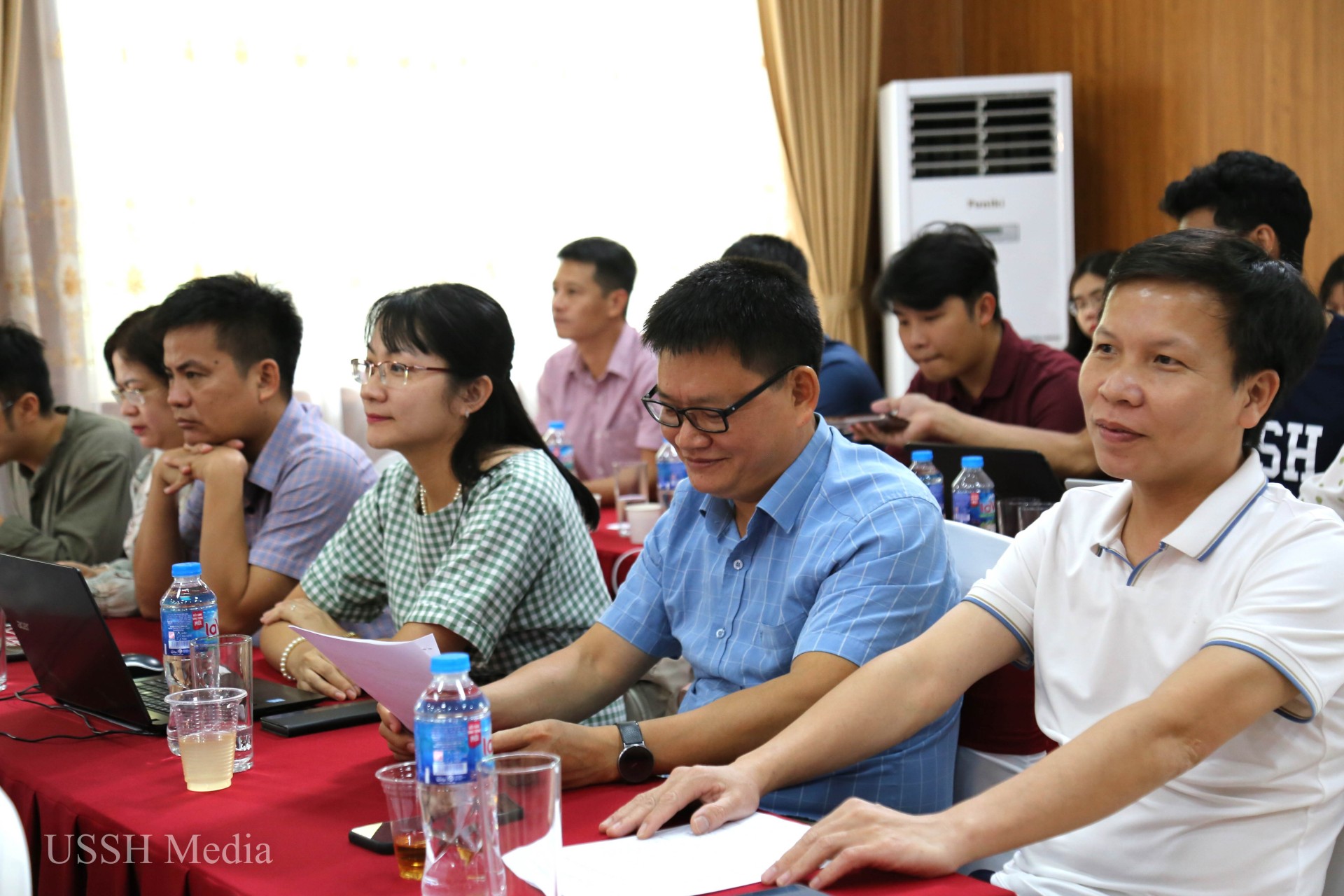
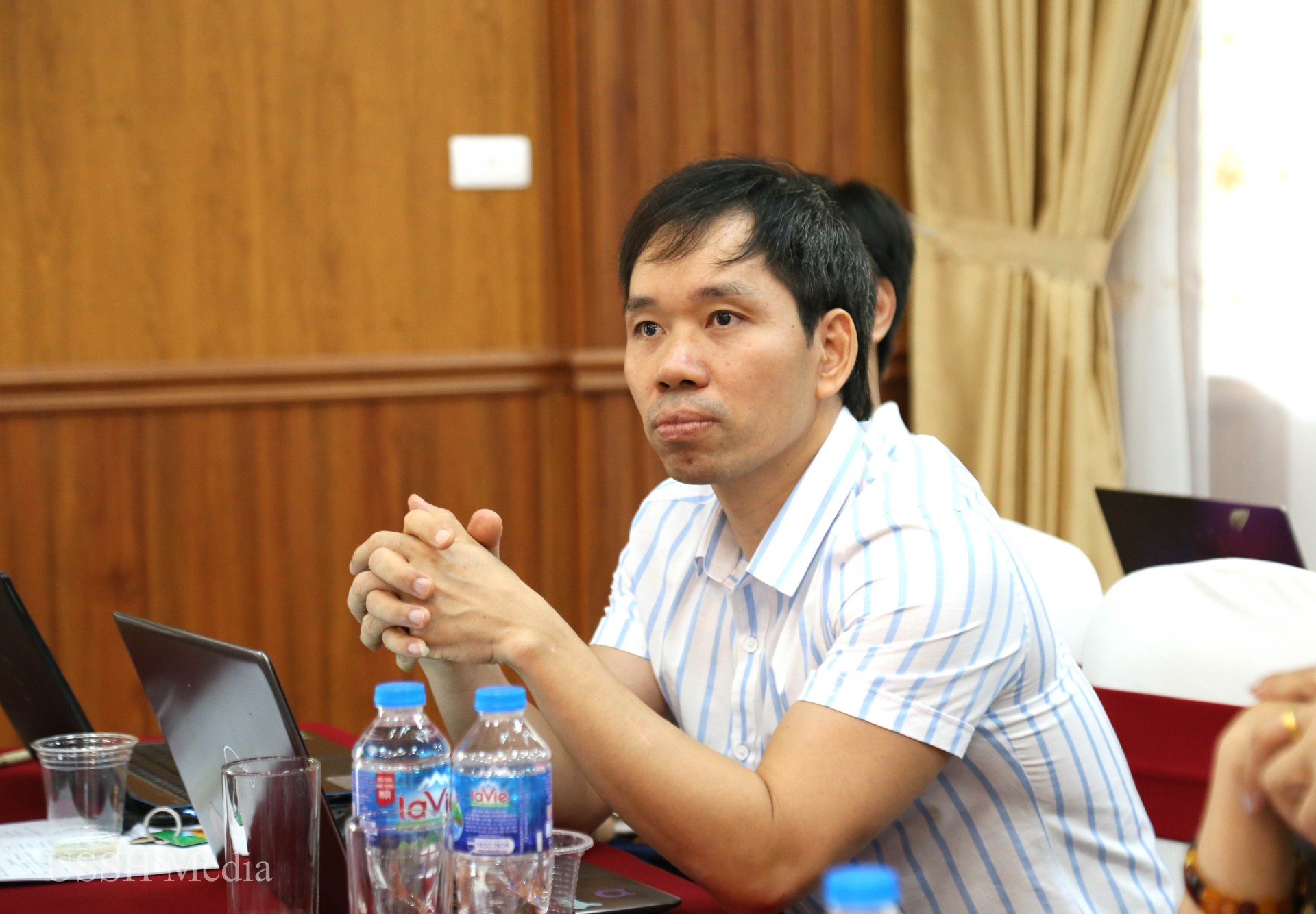
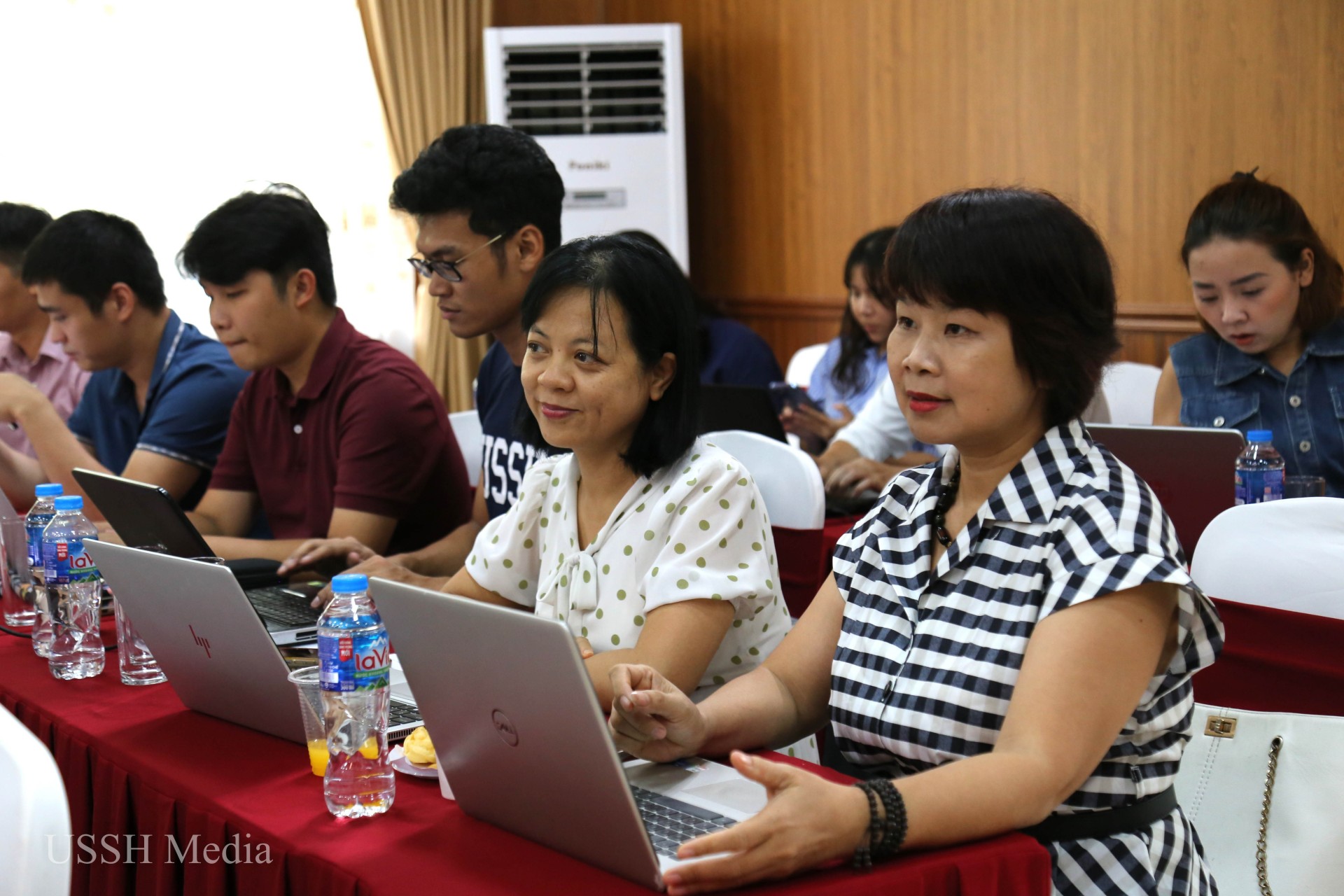
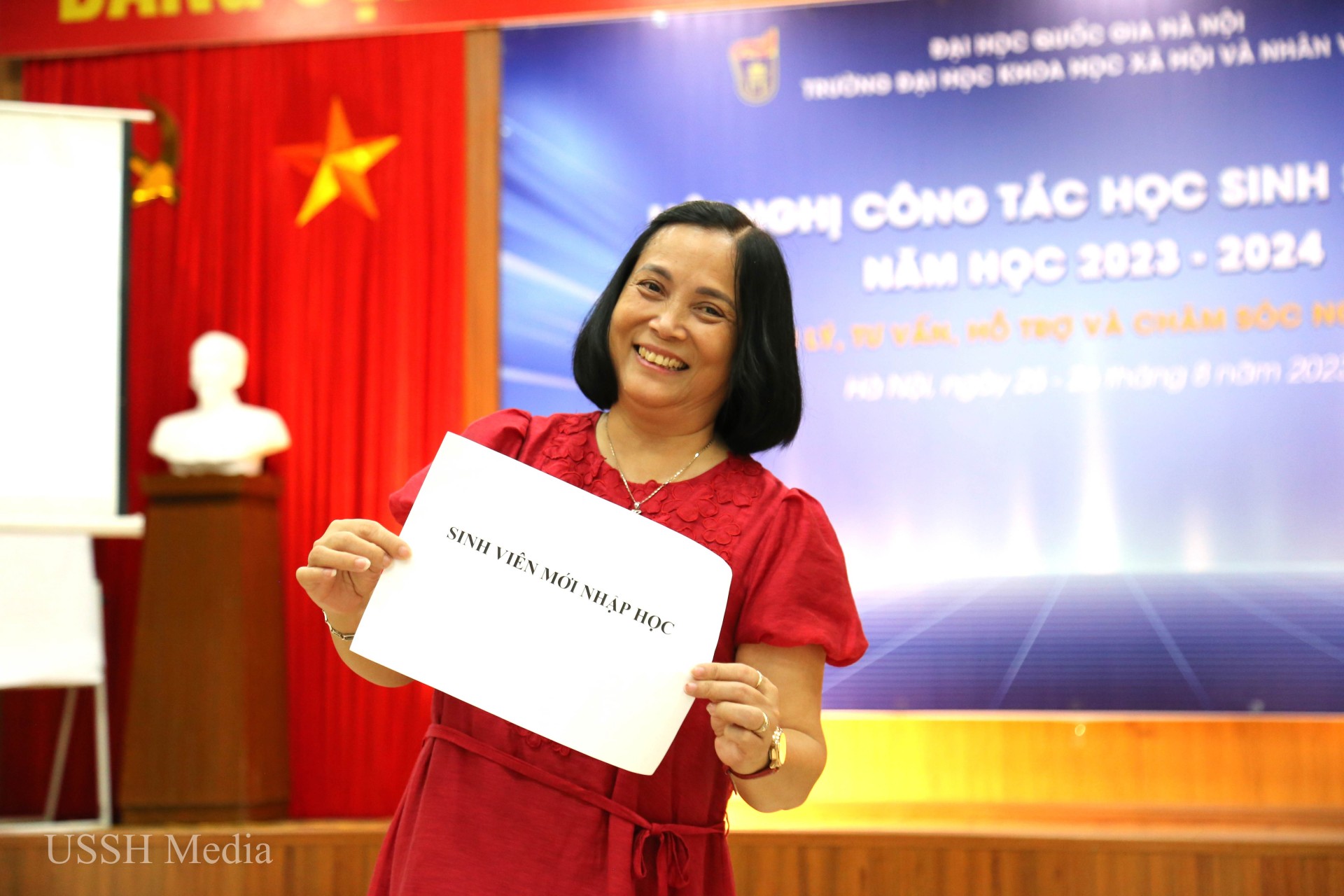
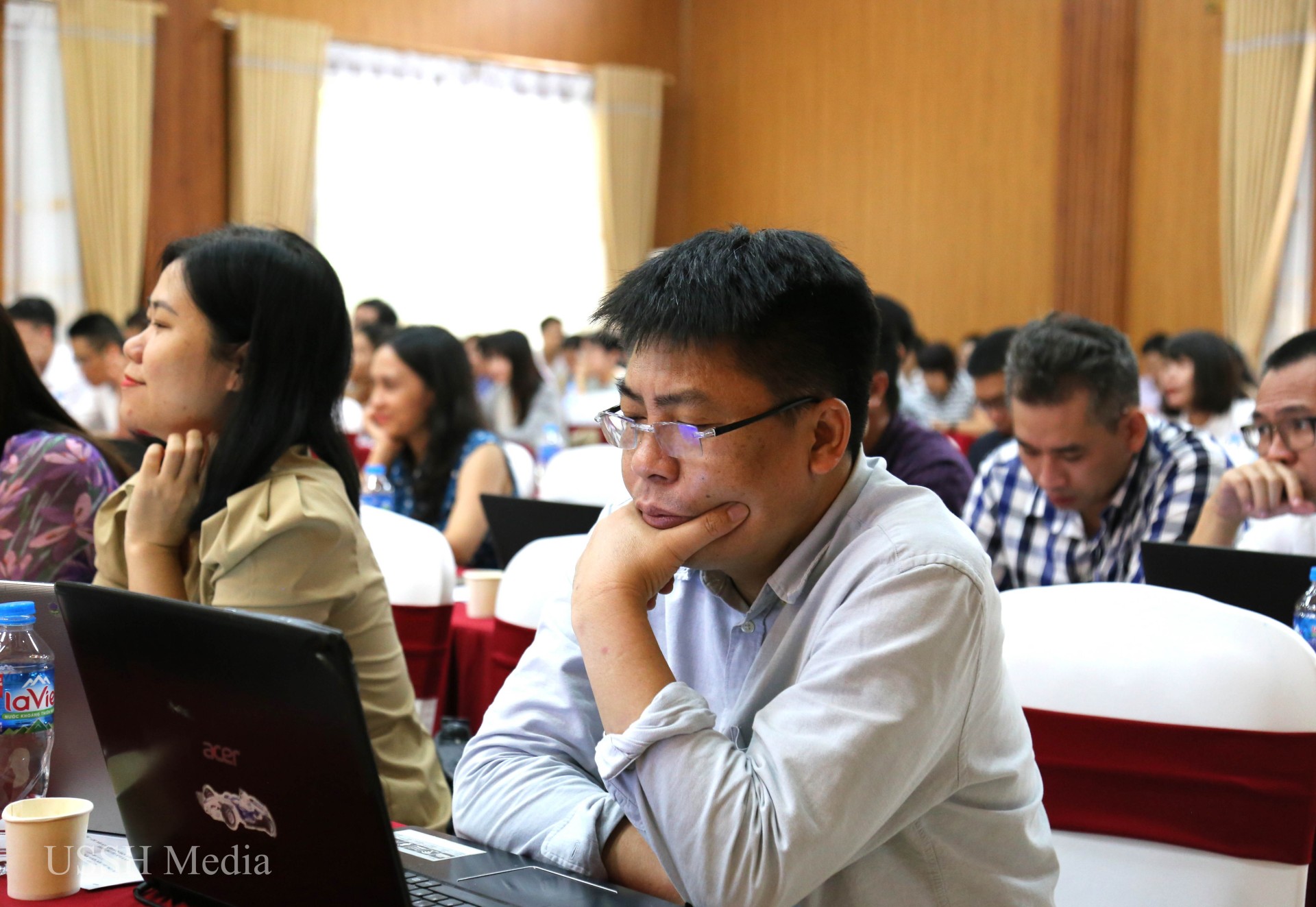
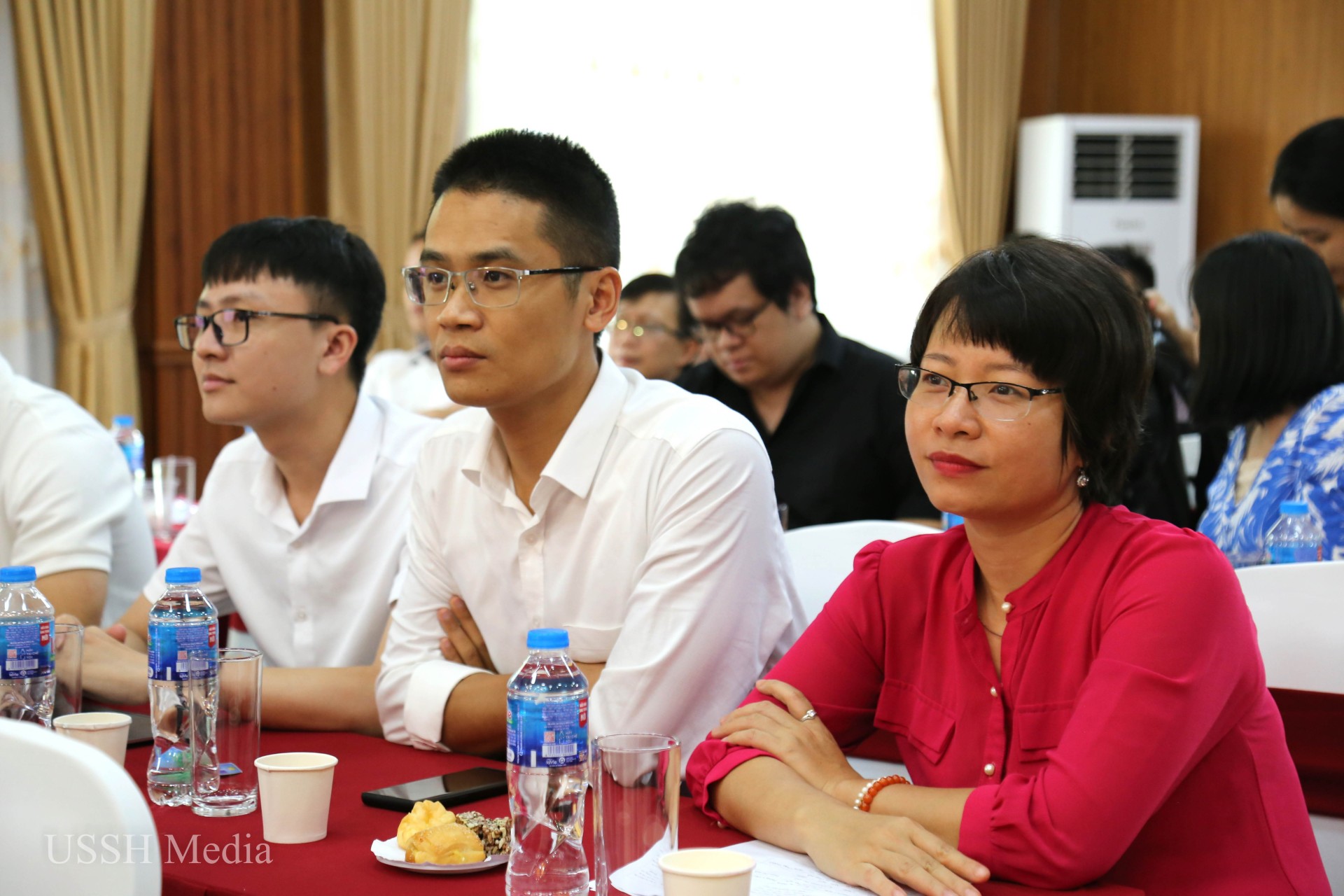
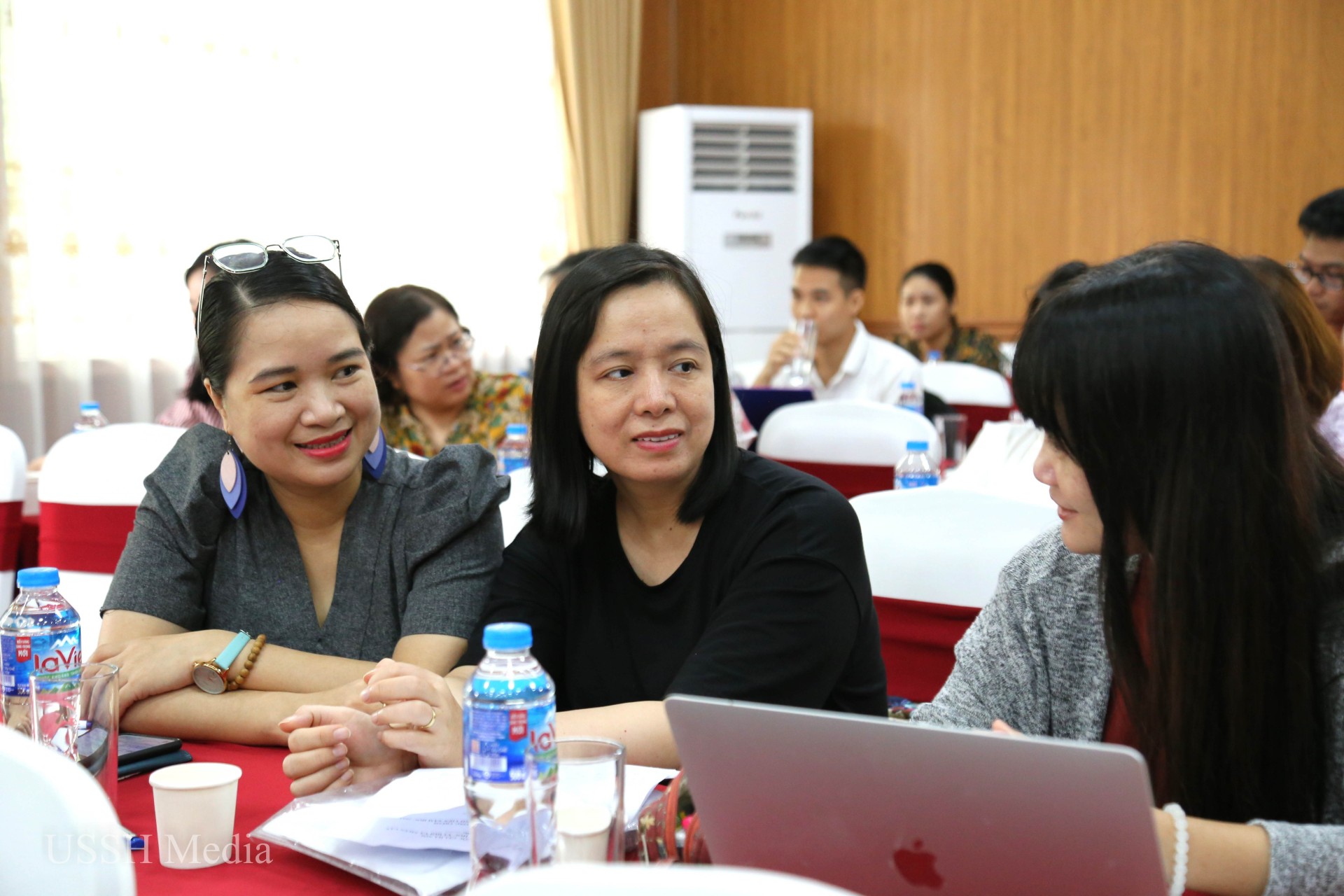
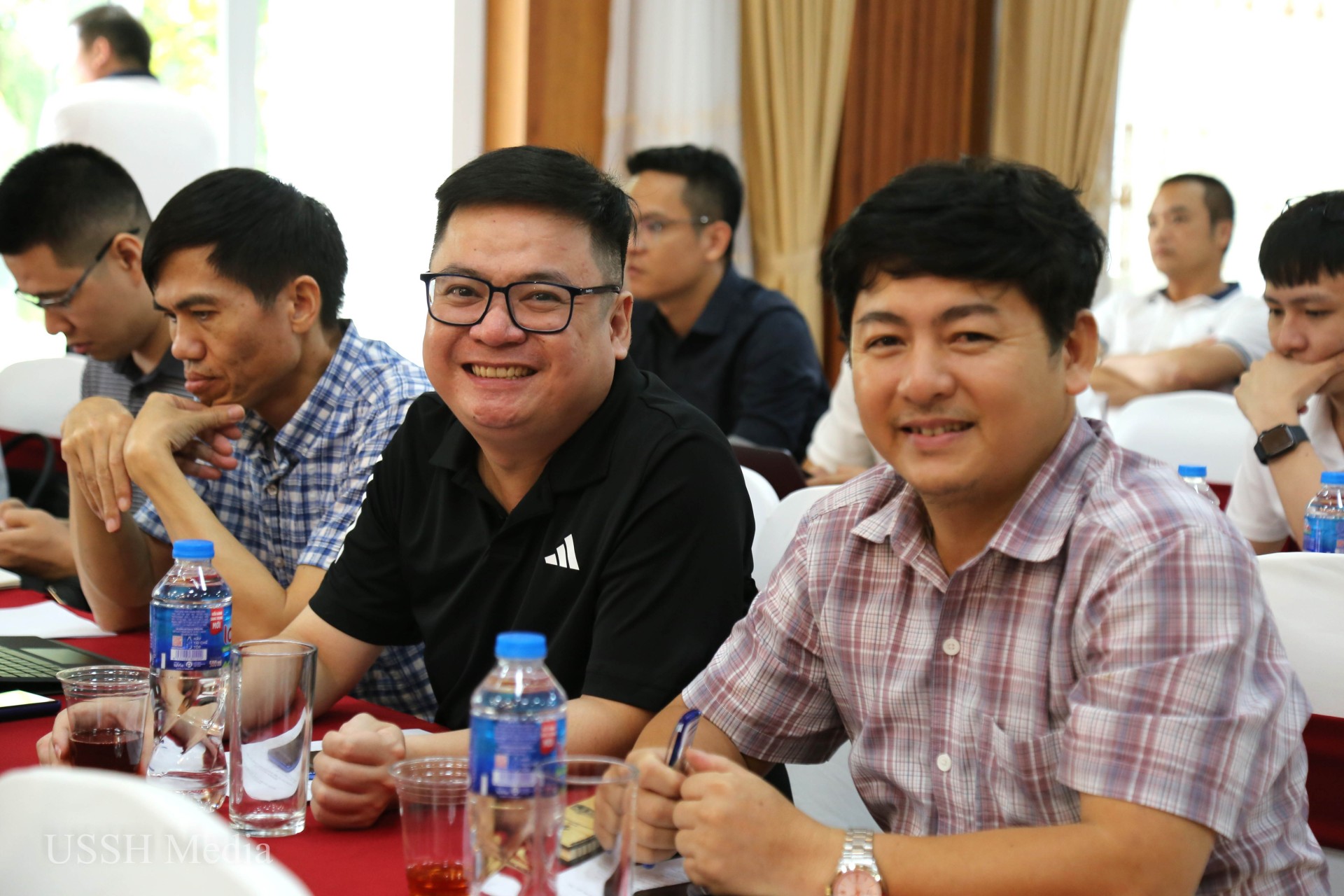
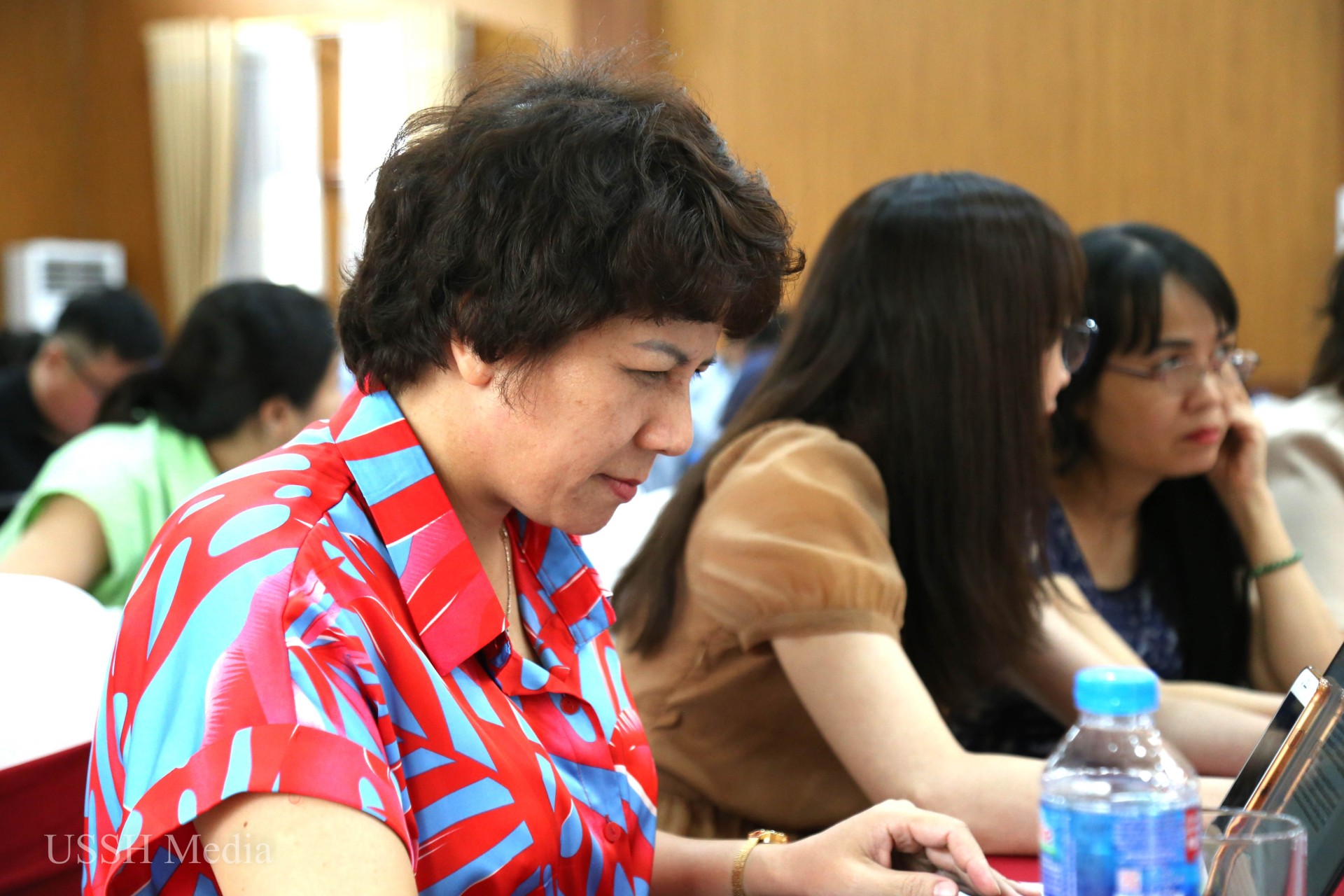
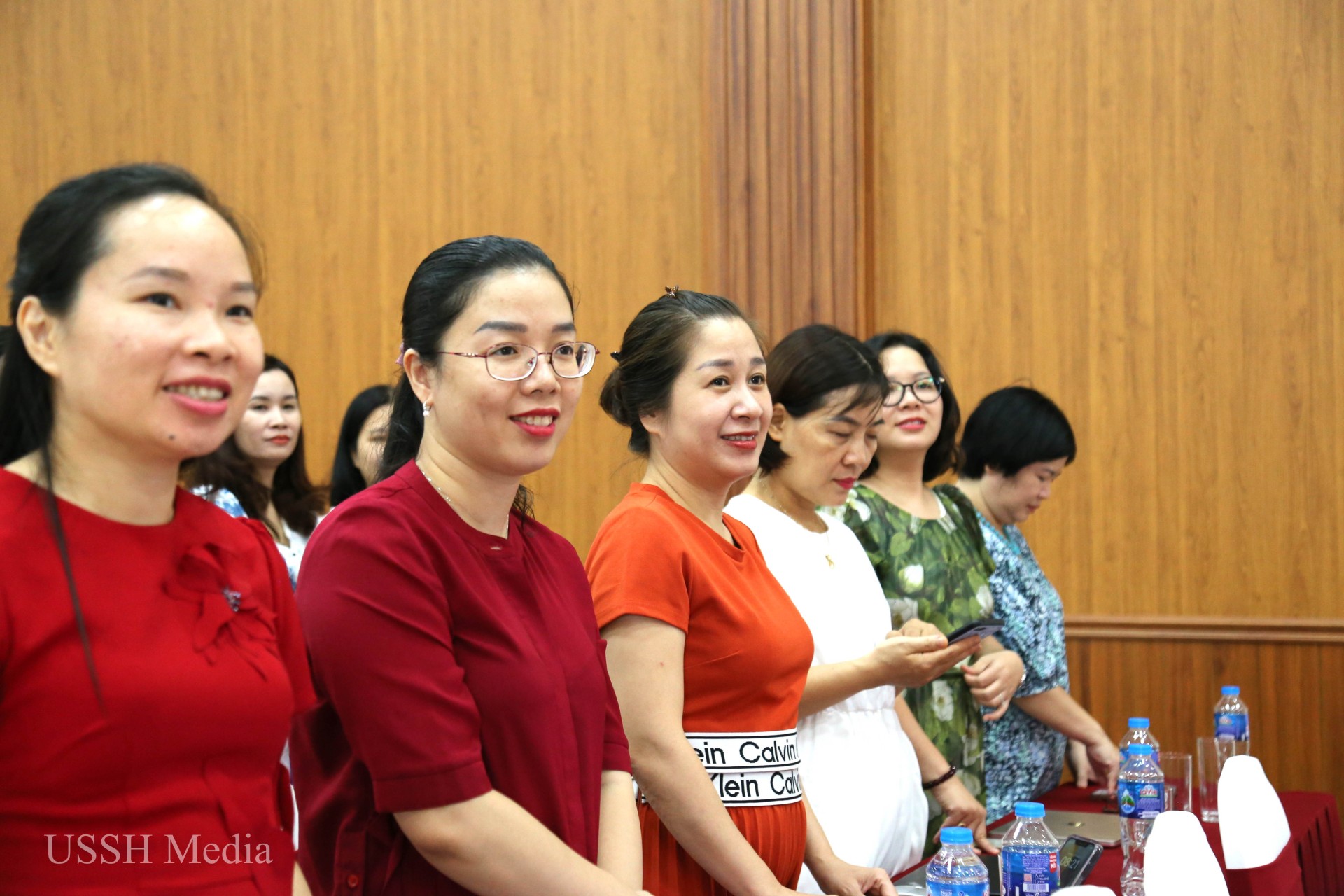
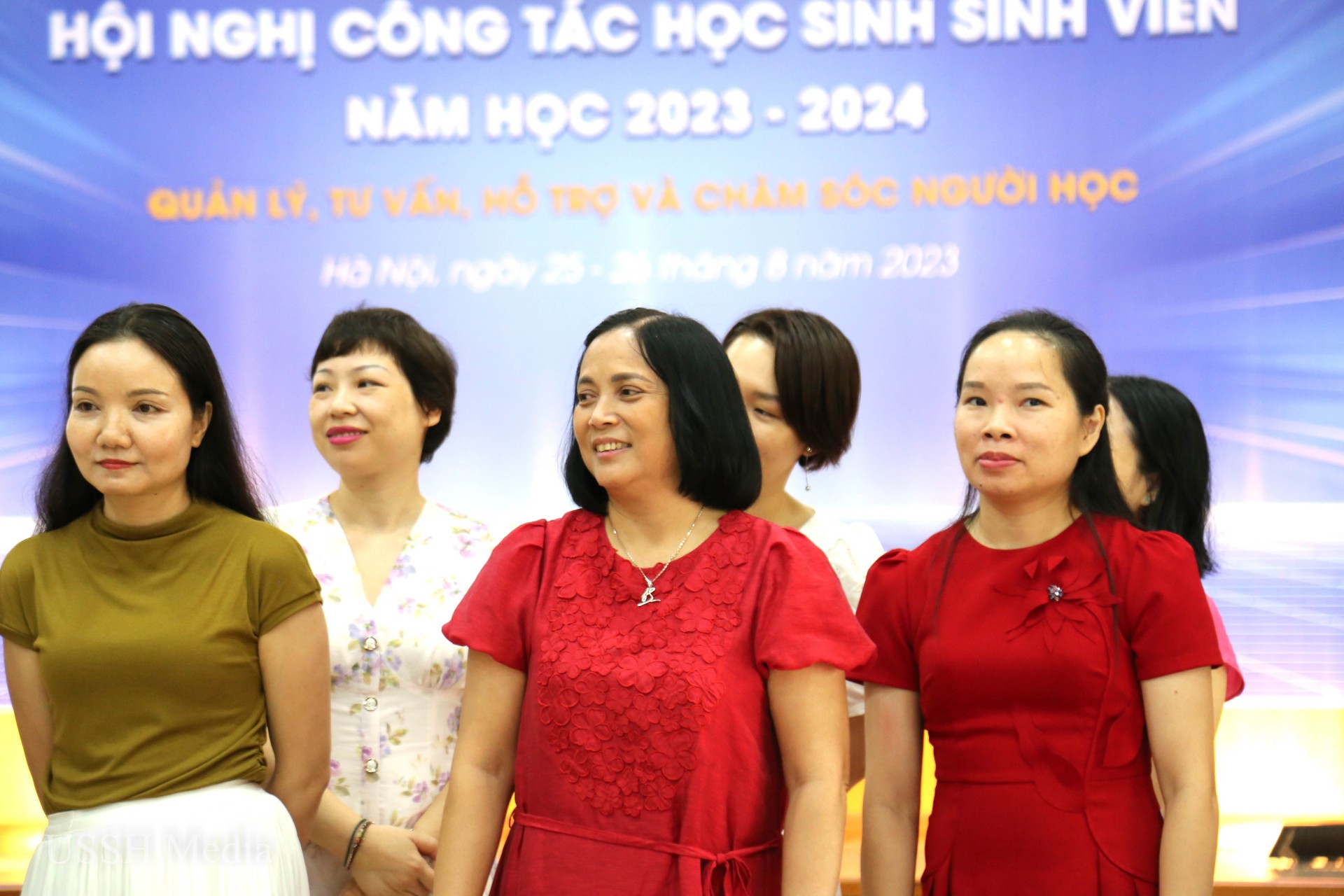
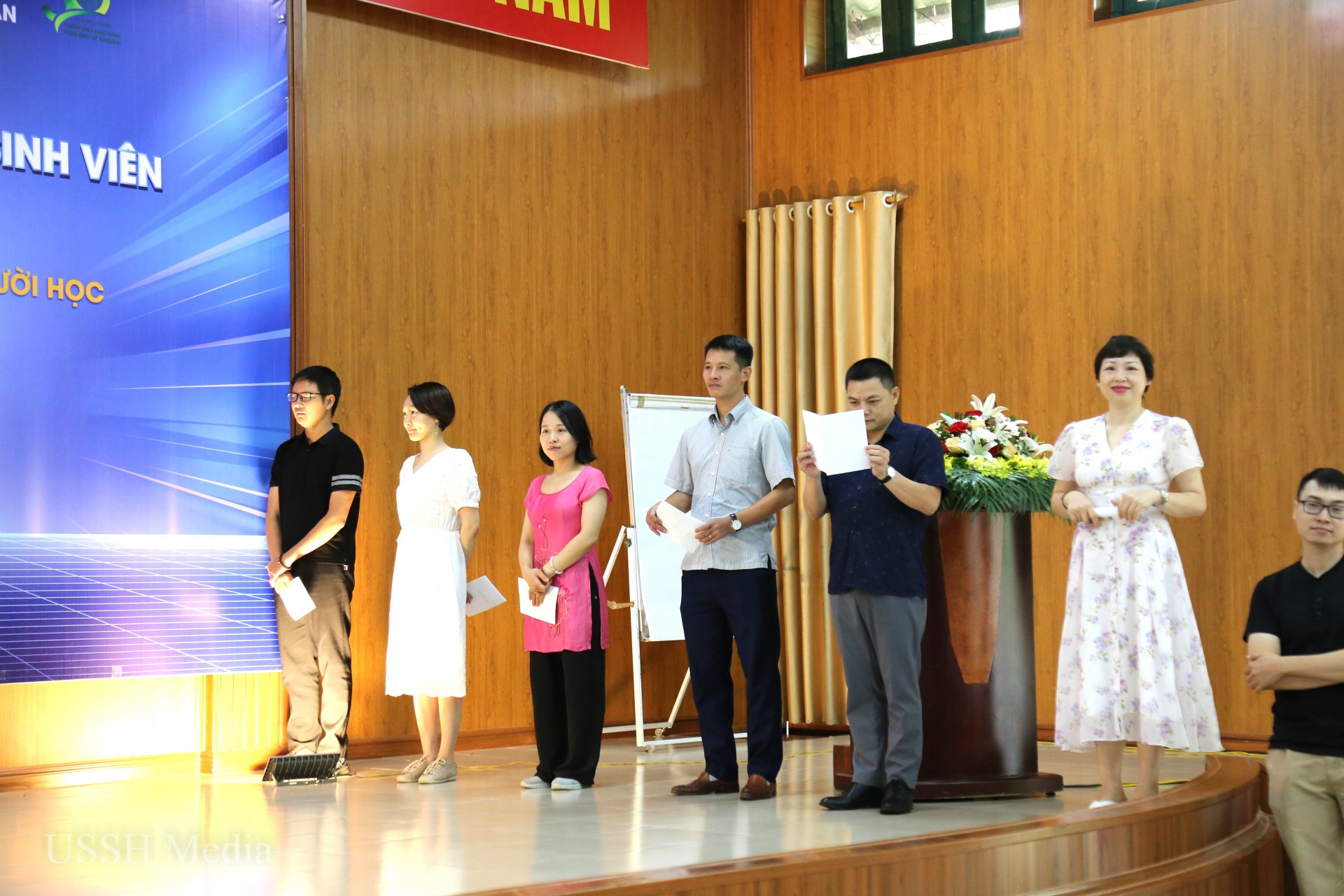
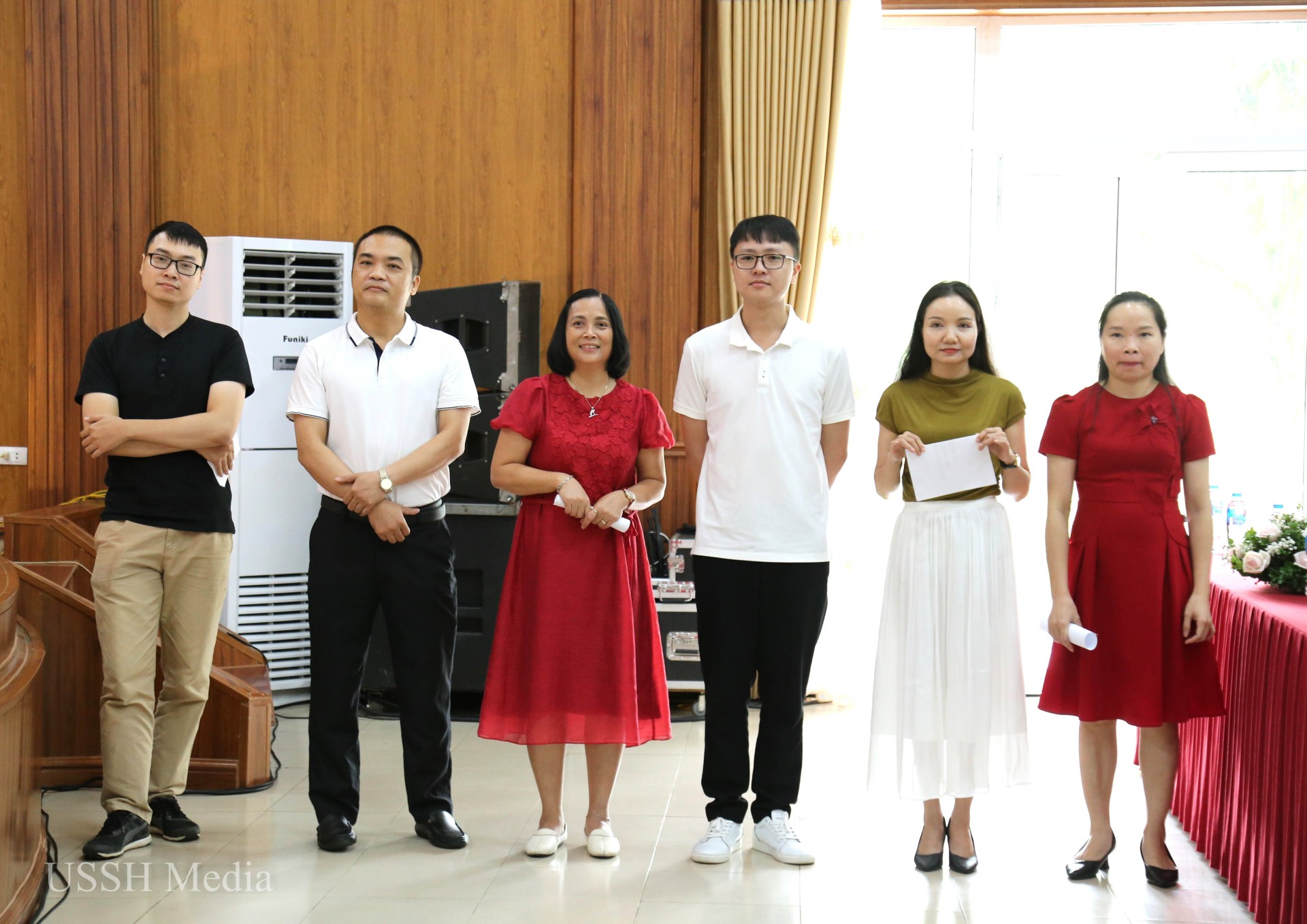
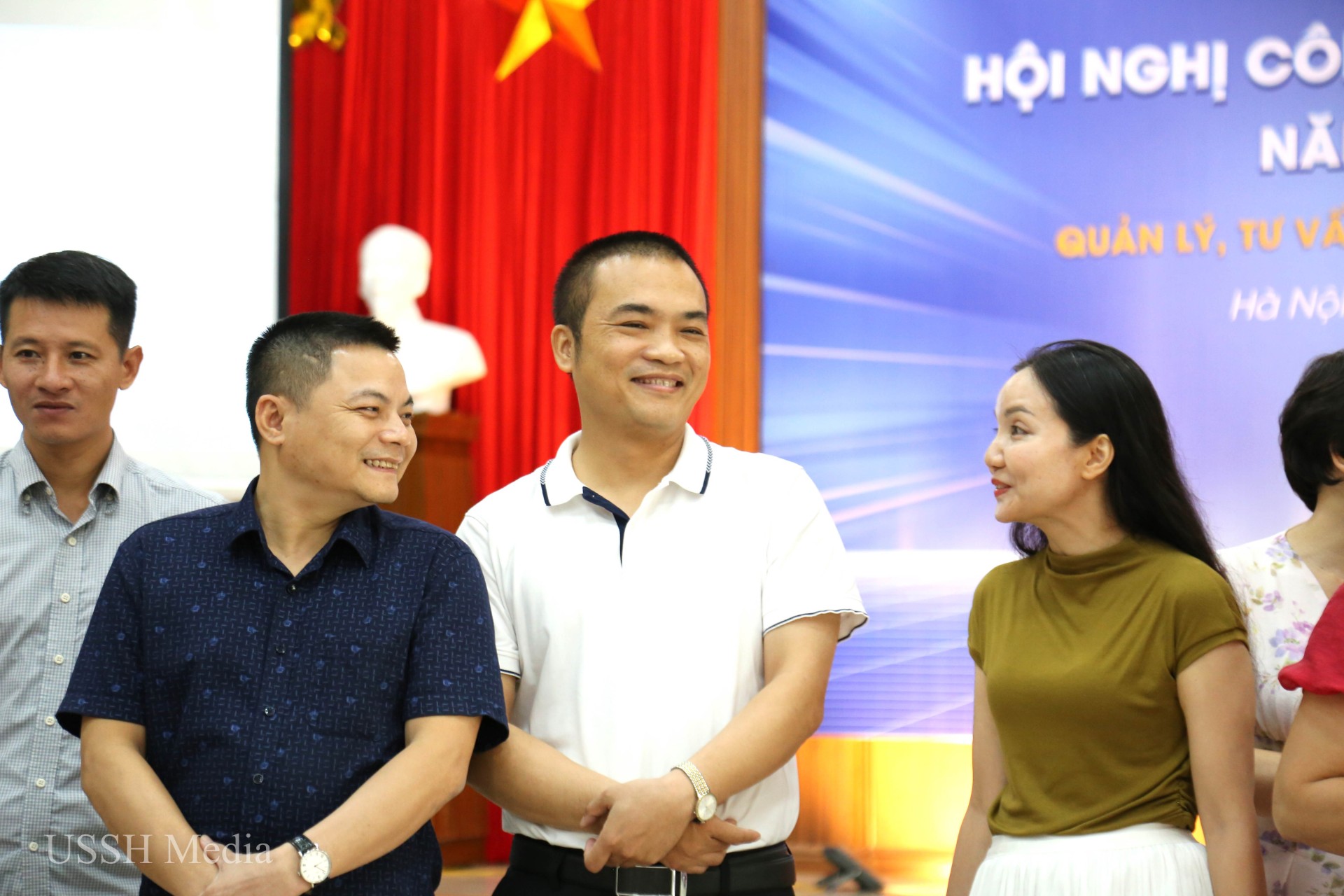
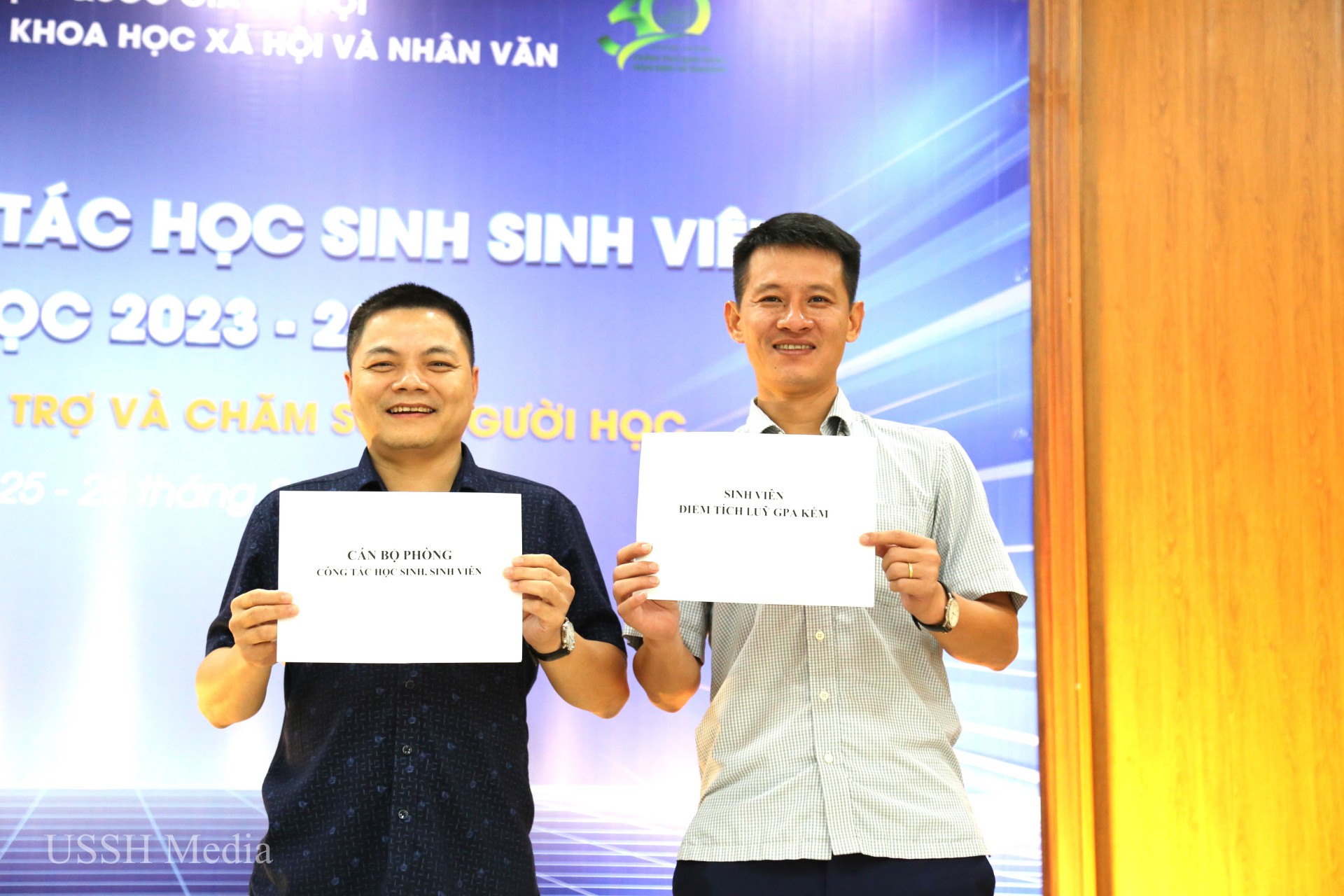
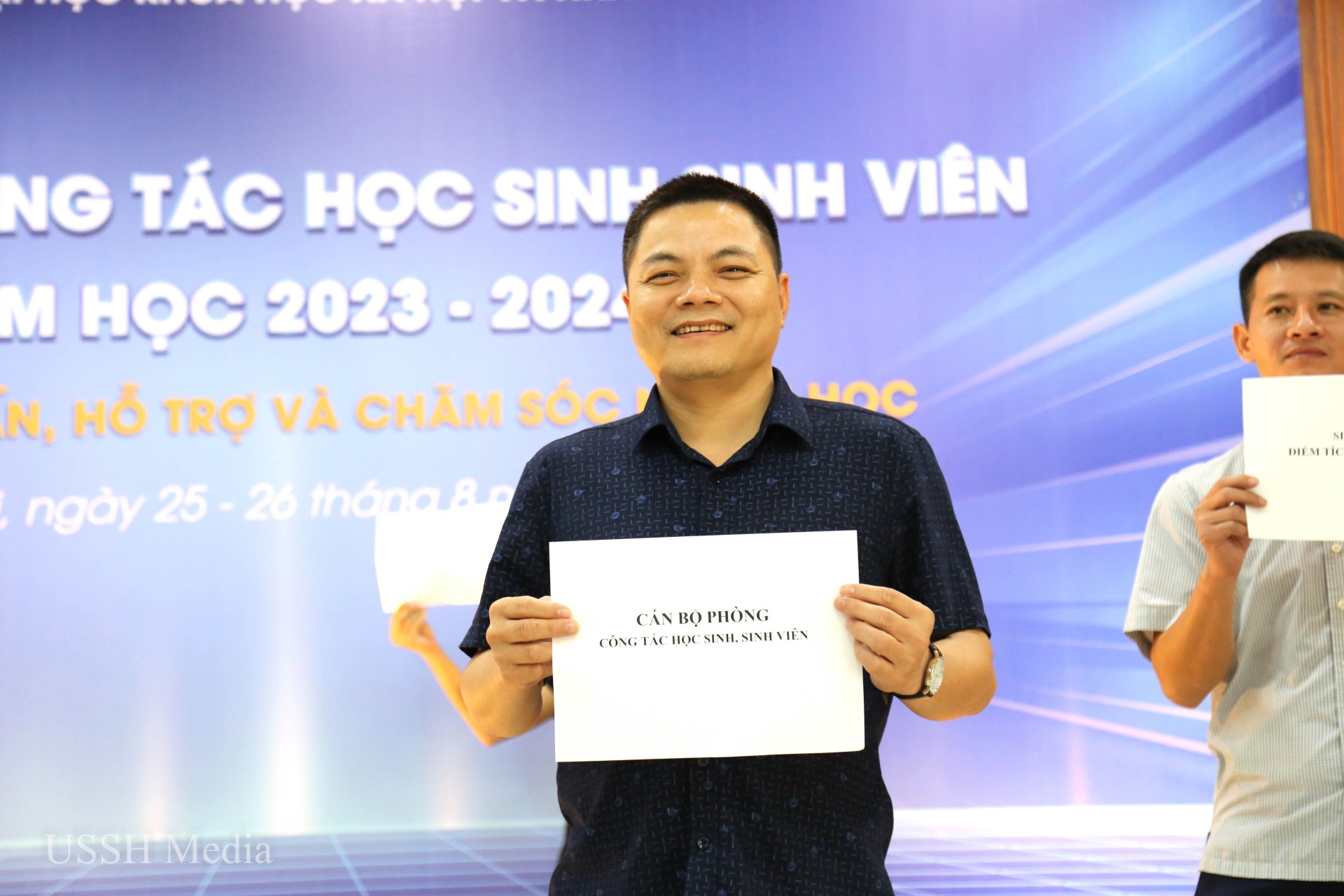
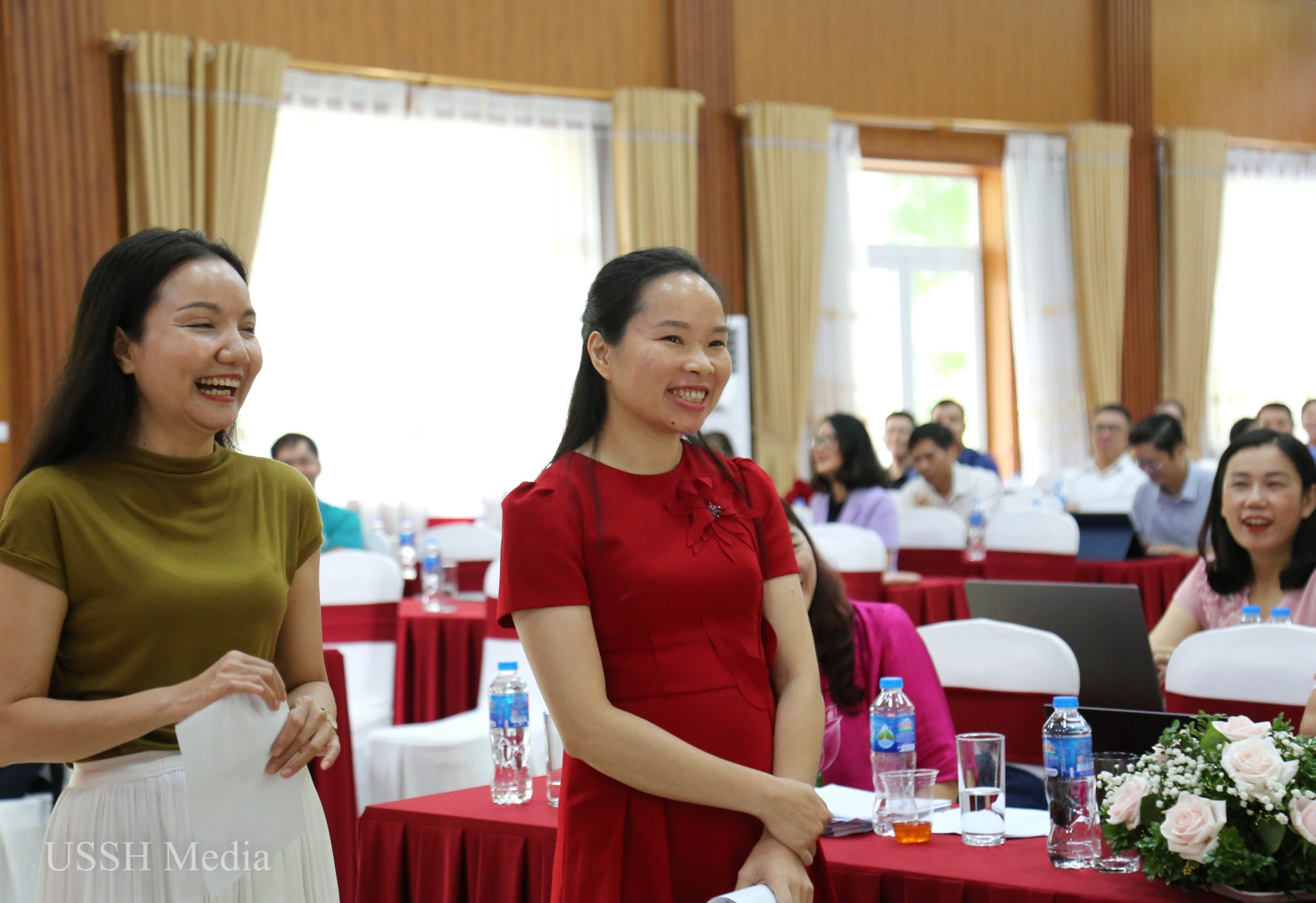
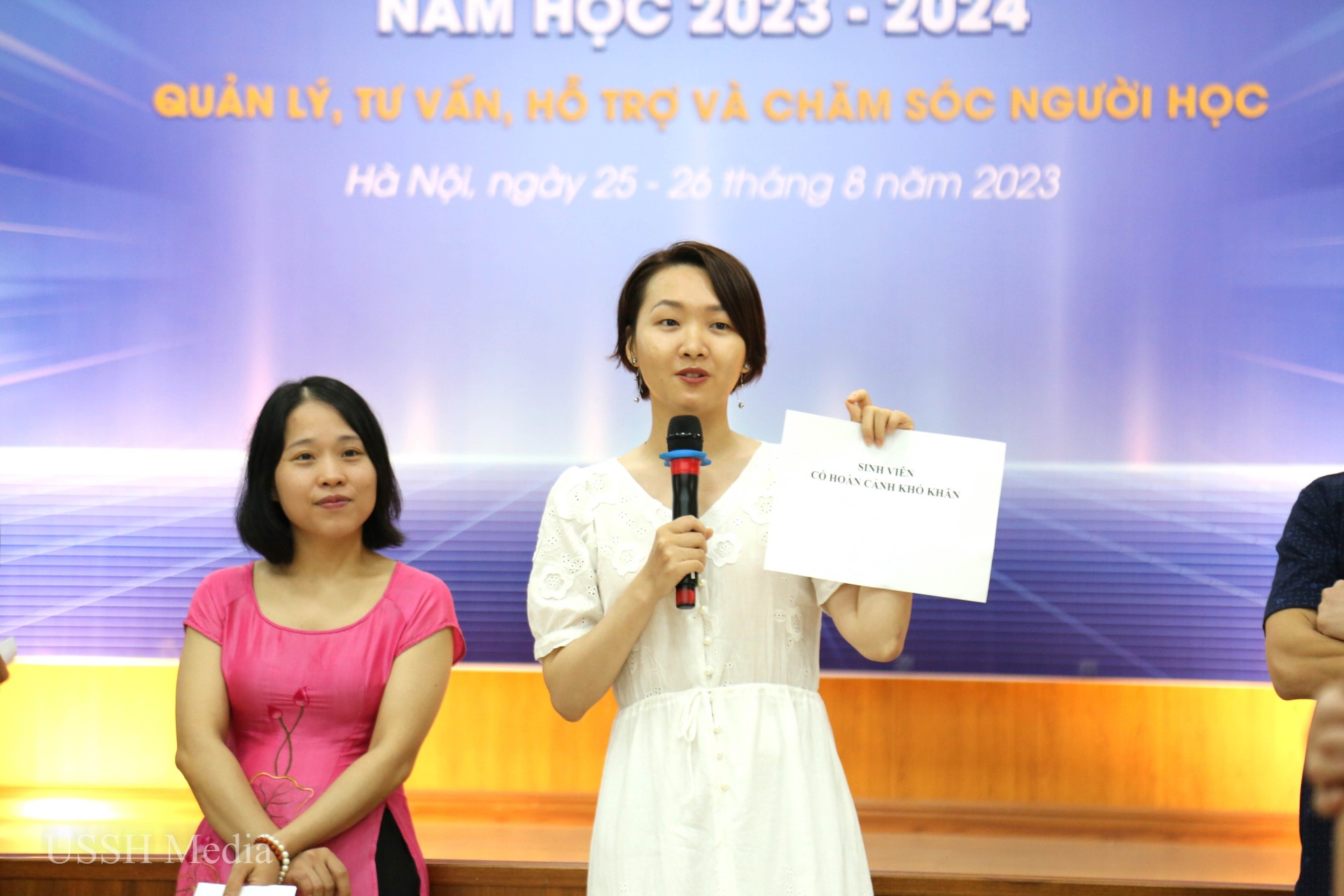
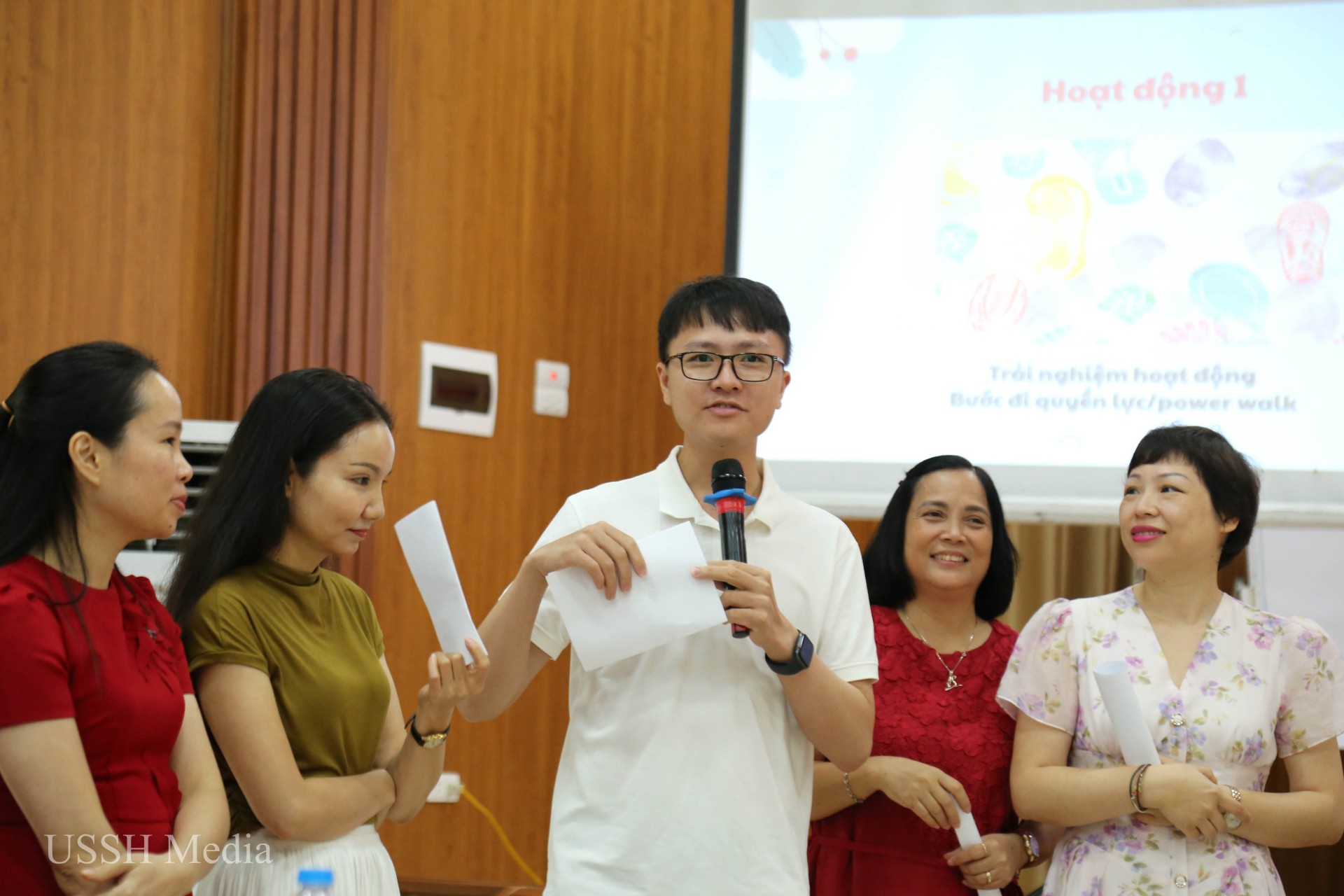
Here are some photos from the Student Affairs Conference for the 2023-2024 academic year: