This was the central issue raised at the scientific conference "Hanoi in the Digital Age: Creative Storytelling, Image Creation, Elevating Status," held on the afternoon of September 14th in Hanoi. The conference, organized by the University of Social Sciences and Humanities (Vietnam National University, Hanoi) and the Hanoi Department of Culture, Sports and Tourism, aimed to contribute arguments, ideas, and solutions for developing the project "Communication and Brand Promotion of Hanoi Capital City in the period 2026-2030, with a vision to 2045."
The project development is being carried out within the framework of implementing Action Program No. 08-CTr/TU dated March 17, 2026, of the Hanoi City Party Committee on implementing Resolution No. 80-NQ/TW dated January 7, 2026, of the Politburo on the development of Vietnamese culture.
Shaping the image of Hanoi within the national vision.
In her opening remarks at the workshop, Associate Professor Dr. Dang Thi Thu Huong (Vice Rector of the University of Social Sciences and Humanities, Vietnam National University, Hanoi) stated that the Strategy for Communication and Promotion of Vietnam's Image Abroad for the period 2026-2030, with a vision to 2045, approved by the Prime Minister in Decision No. 173/QD-TTg dated January 27, 2026, sets out the orientation that external communication must contribute to affirming the nation's position, prestige, identity, and competitiveness.
The strategy sets the goal that by 2045, Vietnam will become a leading nation in Asia with a strong brand and image; strive to be in the Top 3 of ASEAN and Top 30 globally in the National Soft Power Index; welcome approximately 70 million international tourists annually, effectively attract high-quality foreign direct investment, and contribute to achieving the goal of becoming a developed, high-income country. Within this vision, the Hanoi brand needs to be viewed in relation to Vietnam's soft power and overall standing.

Conference scene
According to Associate Professor Huong, Hanoi should be seen not just as a locality, but as a particularly important component of Vietnam's image and brand. Because Hanoi is not just a city. Hanoi is the capital, a national symbol, a place where the unique values of Vietnamese history, culture, and people converge and crystallize; a place where the country's representative values are present, and also where Vietnam interacts with the world.
"Therefore, a Hanoi with a beautiful image, unique identity, attractiveness, and international competitiveness will contribute to a Vietnam with a more beautiful image, greater attractiveness, and stronger soft power," Ms. Huong emphasized. "This is why we need to view the communication strategy for promoting Hanoi's brand and image not simply as an urban communication strategy, but as a part of the national strategy for developing culture, tourism, economy, foreign relations, and soft power."
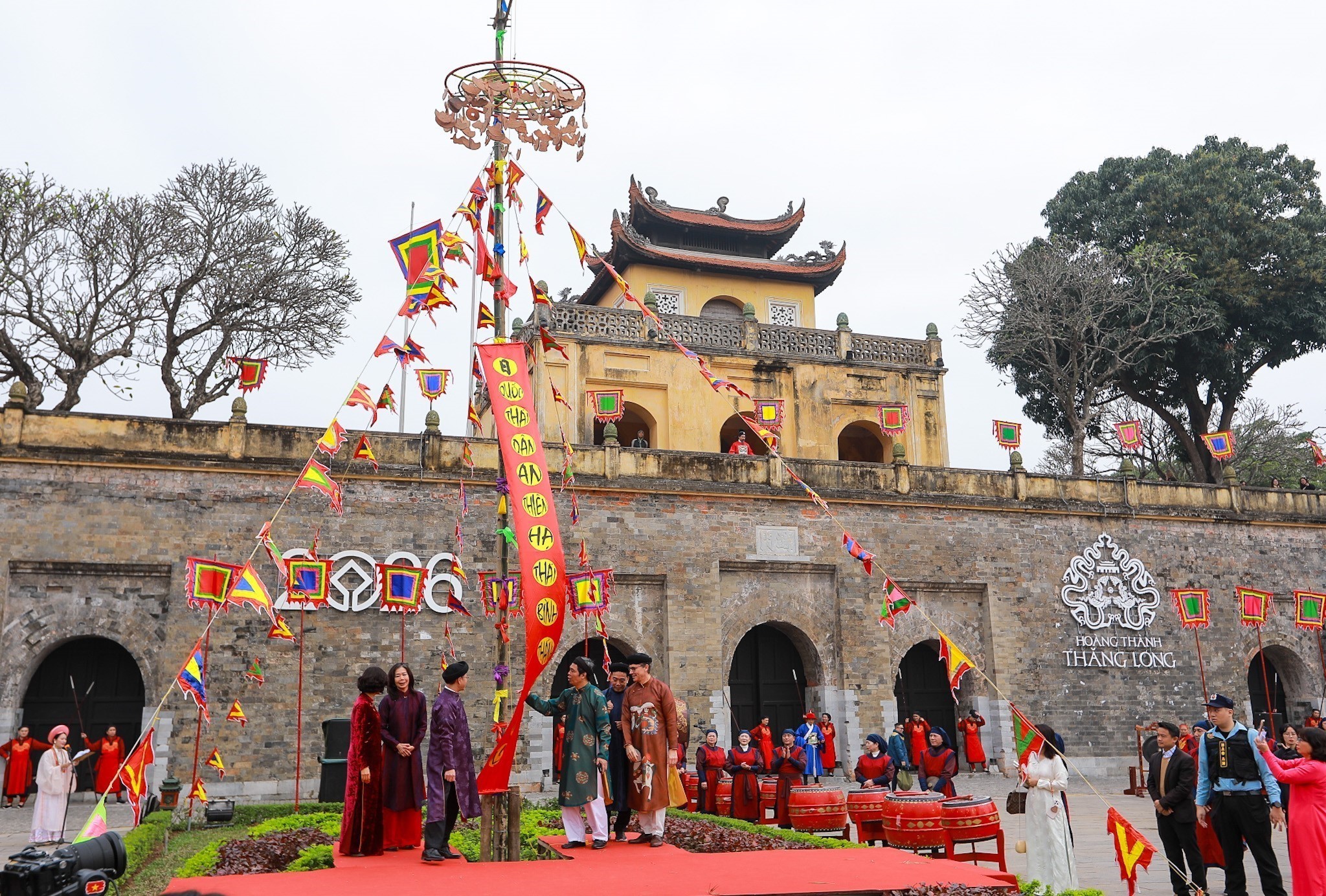
Reenacting the "Farewell to the Old Year, Welcome to the New Year" rituals at Thang Long Imperial Citadel. Photo: Khanh Hoa - VNA
The expert also stated that Hanoi possesses an invaluable asset for brand building: its historical depth, rich cultural heritage, and the unique values of its people, as well as its status as the capital of one of the world's fastest-growing economies.
"Hanoi has over a thousand years of history. Hanoi has Thang Long Imperial Citadel, Temple of Literature, the Old Quarter, traditional craft villages, tangible and intangible cultural heritage; it has art, cuisine, architecture, landscapes, and a rich cultural life, with many potential drivers for economic development," Ms. Huong cited as examples.
However, according to experts, in the digital age, having heritage and potential alone is not enough. Without a compelling, in-depth narrative that aligns with contemporary media language, these values are difficult to transform into brand strength. The requirement is to connect historical, cultural, and human resources with socio-economic development achievements so that the image of the capital city reflects both its depth and current vitality.
"We need to shift from 'promoting what Hanoi has to offer' to 'creating the image of Hanoi that we want in the future'," Associate Professor Huong suggested. Along with that, we need to move from individual messages to a larger, consistent, and vibrant story; from a mindset of 'talking about Hanoi' to 'telling the story of Hanoi together'."
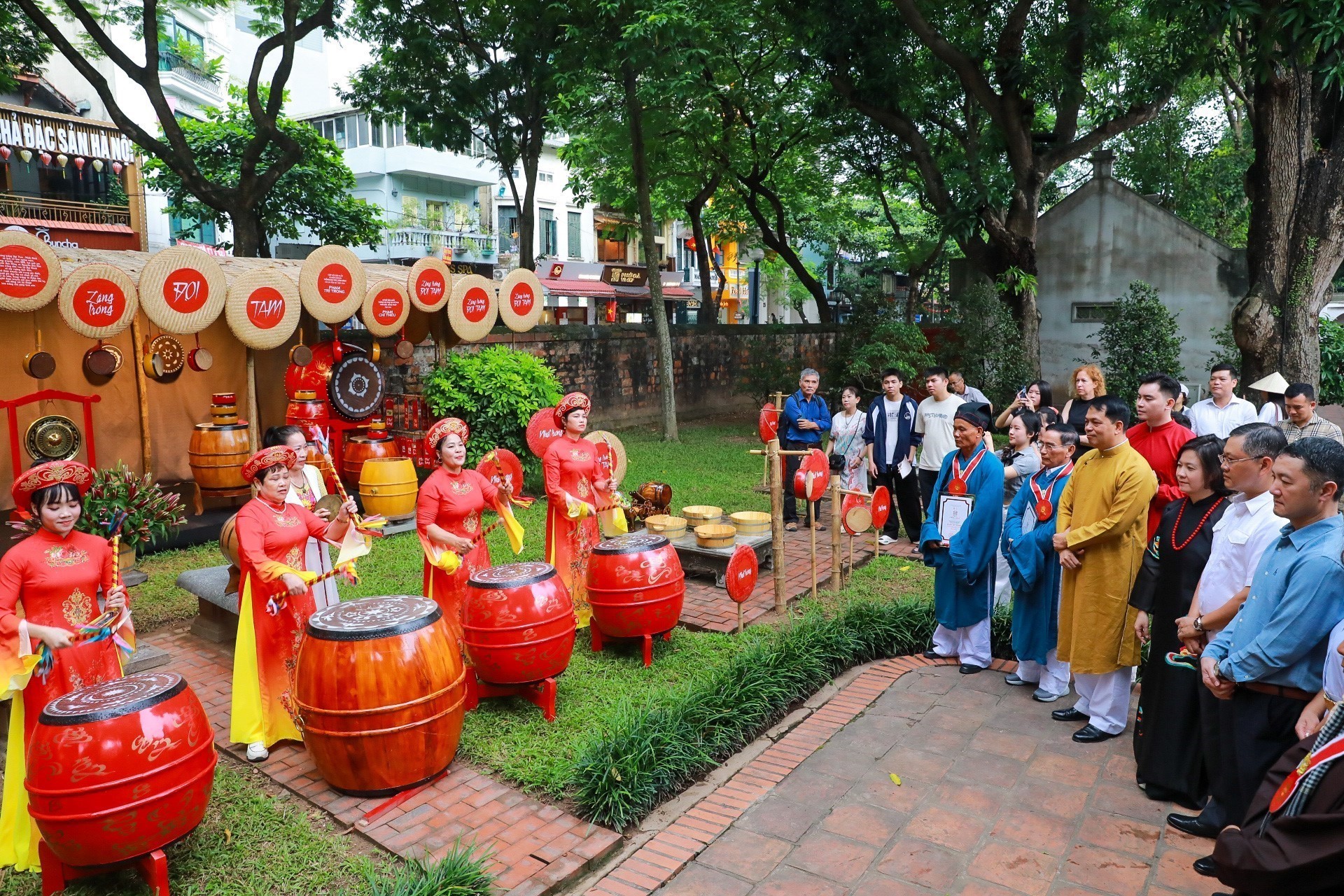
The program "One Drum - One Drum Sound - A Thousand Years of Culture" within the framework of the 2nd Thang Long - Hanoi Festival introduces the history, art, and techniques of traditional drum making through exhibitions, demonstrations of drum-making crafts and art, with the participation of artisans and traditional craft villages. Photo: Khanh Hoa - VNA
This transformation is linked to a change in the roles of media stakeholders. Here, the government is no longer the sole entity shaping the city's image. The press, cultural institutions, universities, businesses, artists, content creators, citizens, and tourists can all participate. Therefore, a multi-stakeholder, multi-platform media ecosystem needs to be built, where each contributor offers a perspective, story, and experience, all working towards a unified image of Hanoi based on its core values.
Therefore, according to experts, three key issues arise in the process of promoting the brand and image of Hanoi: establishing the core values that constitute Hanoi's brand identity; selecting stories and creative methods to transform resources into soft power; and determining the brand's contribution to the attractiveness, competitiveness, and double-digit economic development goals of the capital city for the period 2026-2030, as well as Vietnam's soft power by 2045. This also forms the basis for considering the effectiveness of communication in relation to development requirements.
Defining identity, expanding reach.
From the perspective of the agency developing the project, Ms. Nguyen Thi Mai Huong (Deputy Director of the Hanoi Department of Culture, Sports and Tourism) suggested key characteristic values that define Hanoi's brand identity, such as: a city with a thousand years of cultural heritage; a city for peace; a creative city; and a global learning city. In particular, Hanoi's inclusion in the UNESCO Global Creative Cities Network in the field of creative design has opened up significant opportunities to build an international brand for the capital city, one that is modern yet rich in cultural identity.
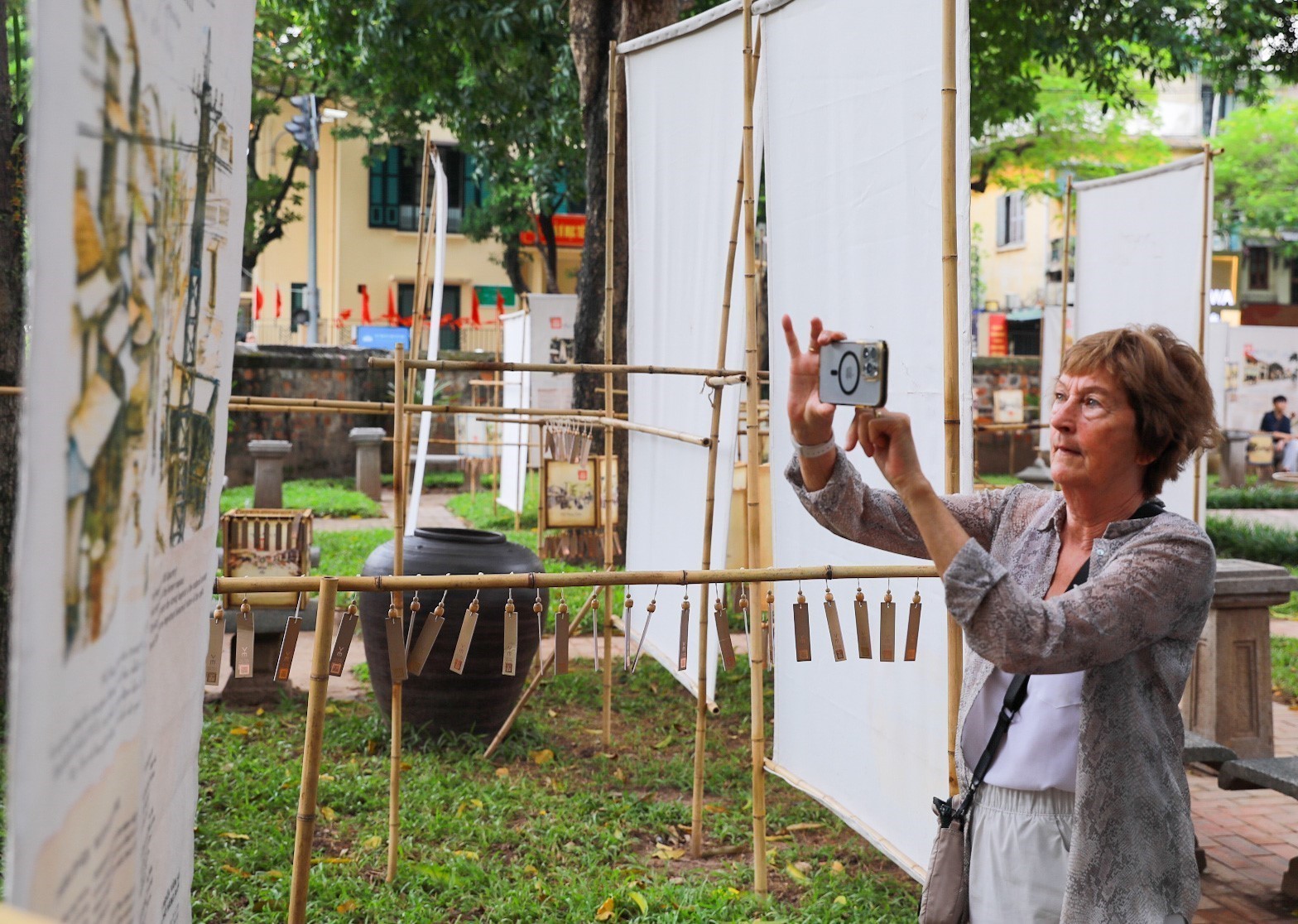
Visitors tour the exhibition space "The Charm of the Imperial City - Hanoi's 36 Streets" within the framework of the 2nd Thang Long - Hanoi Festival. Photo: Khanh Hoa - VNA
With the goal of "Building and positioning the brand and image of Hanoi as a city of 'Culture - Civilization - Modernity - Happiness', a creative, green, and distinctive city through professional, modern, and multi-platform communication and promotion activities; thereby enhancing the international status and attractiveness of the Capital, affirming its role as the national political and administrative center and a major center for culture, foreign affairs, and international integration of Vietnam, while leveraging soft power to serve the development of tourism, cultural industries, and the creative economy in the current period," Hanoi sets high requirements for the development of the Project "Communication and promotion of the brand and image of Hanoi Capital City in the period 2026 - 2030, with a vision to 2045".
To realize these goals, Ms. Mai Huong proposed four requirements that must be ensured throughout the project development process: comprehensiveness and consistency, identity, international appeal, and modernity. These will form the basis for connecting the participation of stakeholders, preserving the distinctive values of the capital city, and selecting content and communication methods suitable for both domestic and international audiences.
First and foremost, it requires comprehensiveness and synchronization, mobilizing the entire political system, sectors, associations, businesses, and the people of Hanoi in using the Hanoi brand to communicate and promote the image of Hanoi. Accordingly, each citizen is an ambassador for the Hanoi brand, and each product and service provided represents the image and pride of the people of Hanoi.
Furthermore, the requirement for identity necessitates that the promotion of Hanoi's brand and image be linked to enhancing the responsibility of collectives and individuals in preserving the cultural and historical beauty, and improving the quality of goods, products, and services in the capital city.
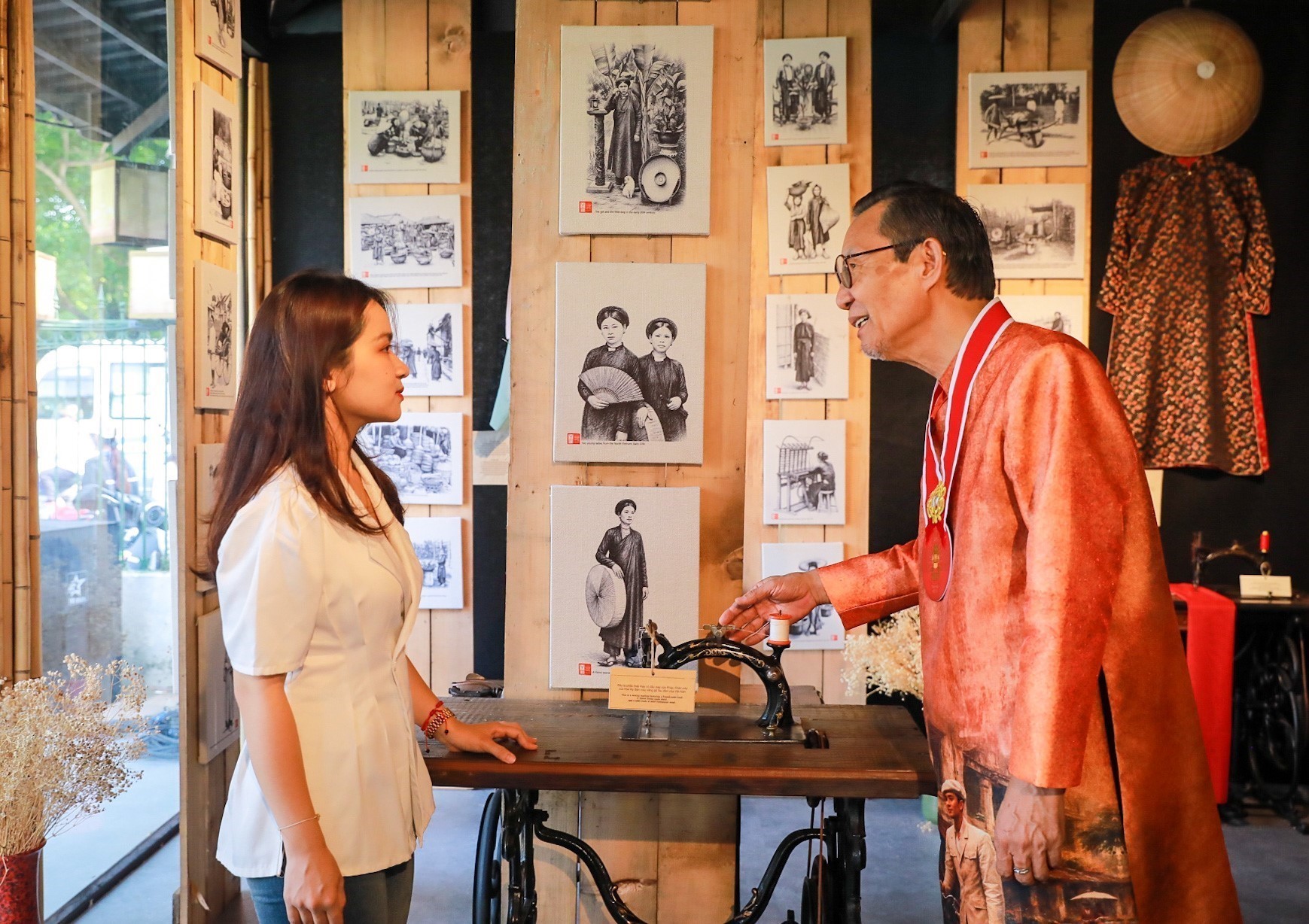
The program "Hanoi Charm – The Story of Hanoi Through the Ao Dai," organized within the framework of the 2nd Thang Long – Hanoi Festival, recreates traditional and modern Hanoi through the transformation of the ao dai, thereby reflecting the changes in life, people, and the appearance of the capital city. Photo: Khanh Hoa - VNA
In terms of internationalization, it is necessary to build a brand identity and image for Hanoi, creating a new step in communication and promotion of what the world and domestic friends need and want to know about Hanoi; the unique and outstanding potential and advantages of the capital city; thereby supporting diplomatic activities, tourism, cooperation, attracting foreign investment, enhancing the competitiveness of Hanoi and Vietnam, and serving the socio-economic development of the capital city and the country.
Meanwhile, modernity needs to be demonstrated through the application of science and technology, promoting digital transformation to serve the communication and promotion of Hanoi's image (multimedia, new multi-platform, interactive, open systems...). Effectively utilize communication and promotion channels, diversify technology platforms; clearly define target audiences and appropriate communication types. Communication and promotion must be carried out both domestically and internationally, through newspapers and social media platforms, across borders in multiple languages, targeting diverse groups and objectives.
These requirements link brand building with the responsibility of preserving culture, product and service quality, and the ability to connect with the public. Therefore, the image of Hanoi in the future needs to be nurtured from the values the city creates today. When each citizen can contribute a story from their own life, the capital's brand will gain more depth and vitality to spread.
Related articles:
University of Social Sciences and Humanities:Building the Hanoi brand: Shifting from "storytelling" to "practical action"
Sports & Culture Newspaper:To make the Hanoi brand a driving force for development.
Author:According to the Sports and Culture Newspaper
Newer news
Older news

