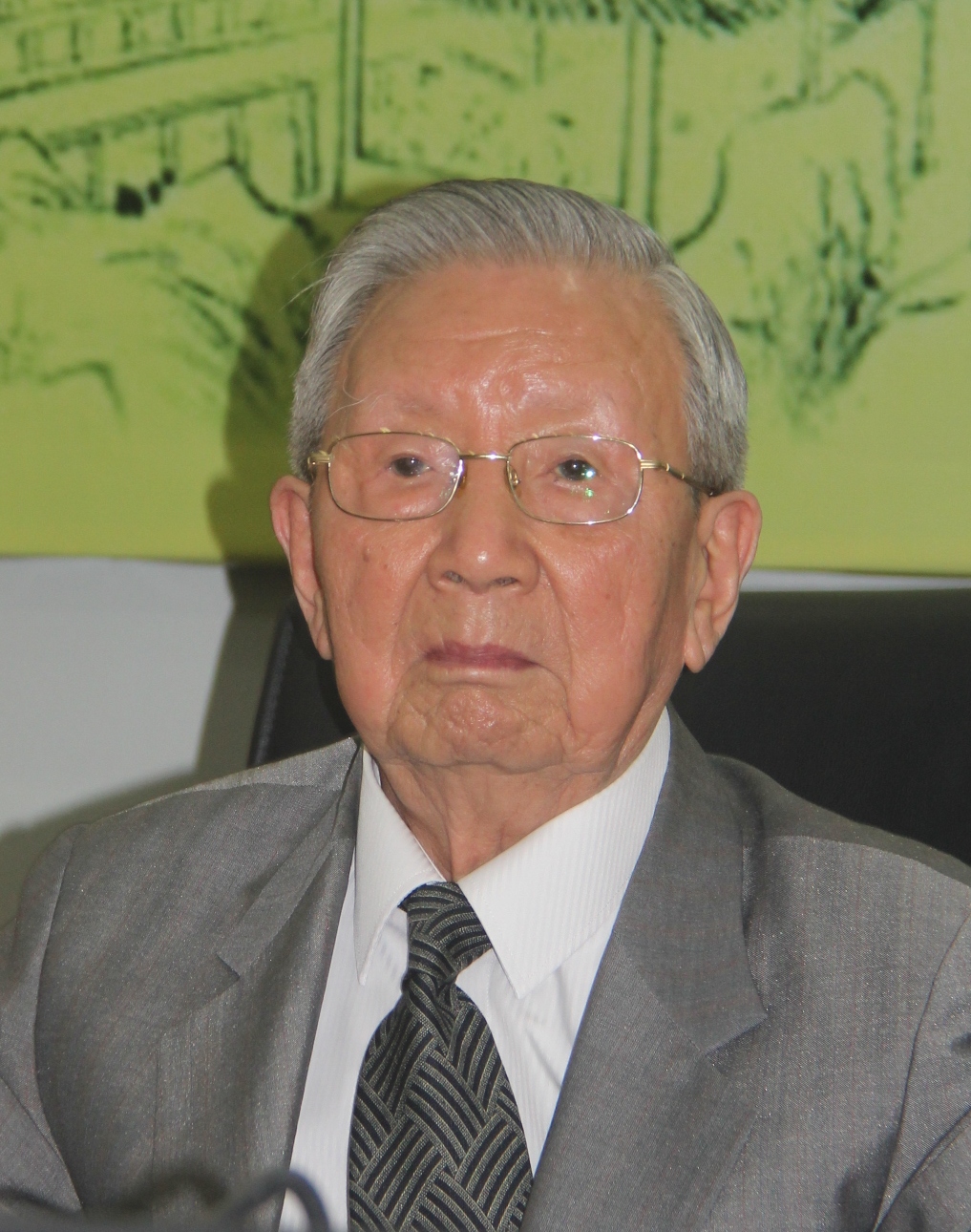
The book launch ceremony was attended by Professor Pham Quang Minh (Rector of the University of Social Sciences and Humanities), representatives from the Taipei Economic and Cultural Office in Hanoi, and many scientists from within and outside the University. Notably, the author of the book, scientist Vi Chinh Thong, was also present – despite being over 90 years old, he enthusiastically accepted the invitation from the Faculty and the University to attend the event.
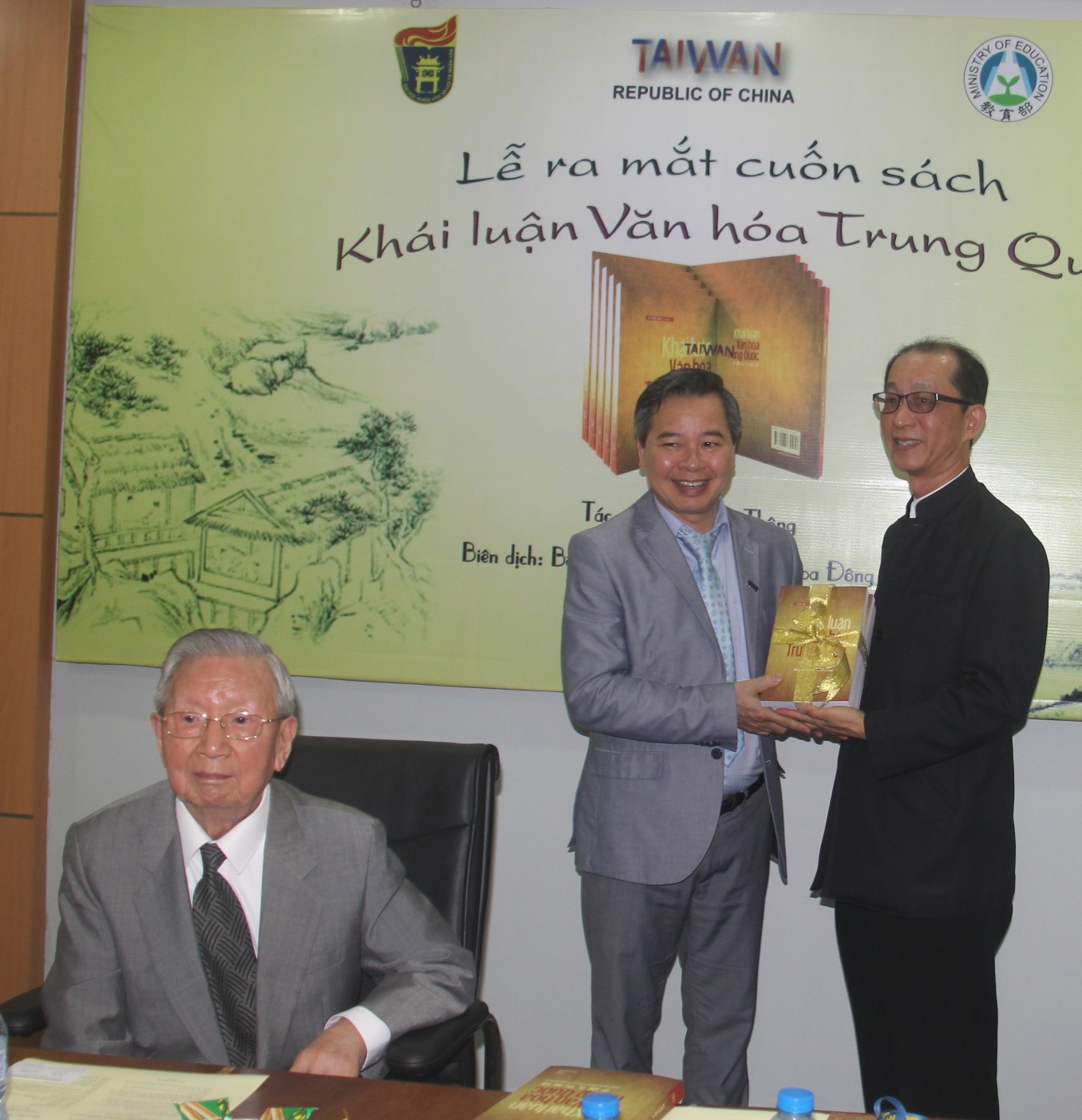
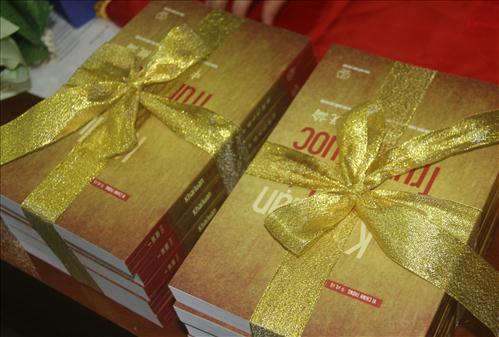
The translation and publication of this book is a collaborative effort between the University of Social Sciences and Humanities and the Ministry of Education of Taiwan.
The book "An Introduction to Chinese Culture" by the renowned Taiwanese scholar Wei Zheng-tong was first published in Taipei in 1968. Over the 50 years since its initial publication, the book has been reprinted numerous times and has received widespread acclaim among researchers and general readers in both Taiwan and mainland China.
The book "An Introduction to Chinese Culture," comprising 11 chapters and an appendix, is praised for its simple and easy-to-understand writing style and its comprehensive overview of many issues in the field of traditional Chinese culture. Therefore, this book is not only appealing to general readers or young readers beginning to learn about Chinese culture, but also valuable as a reference for readers with a higher level of education who still wish to delve deeper into Chinese culture.
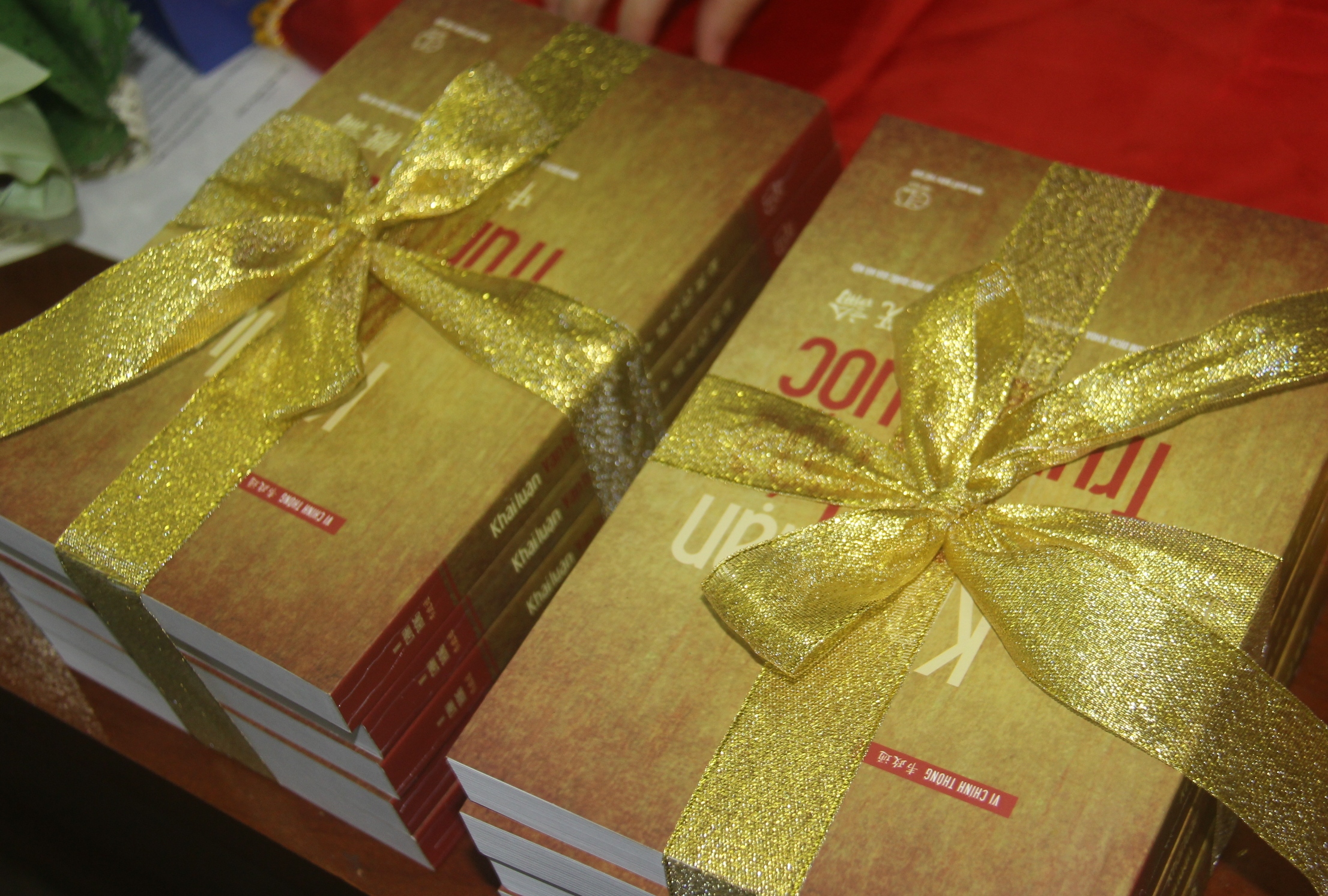
The book covers a wide range of fields, from history, culture, literature, and art to economics, politics, and society. The author not only discusses the content, characteristics, and influences of Chinese culture in the region and the world, and conducts an objective and insightful comparison of Chinese culture with Western culture, but also offers profound analyses and assessments of the direction of Chinese culture's development in the modern era and in the future.
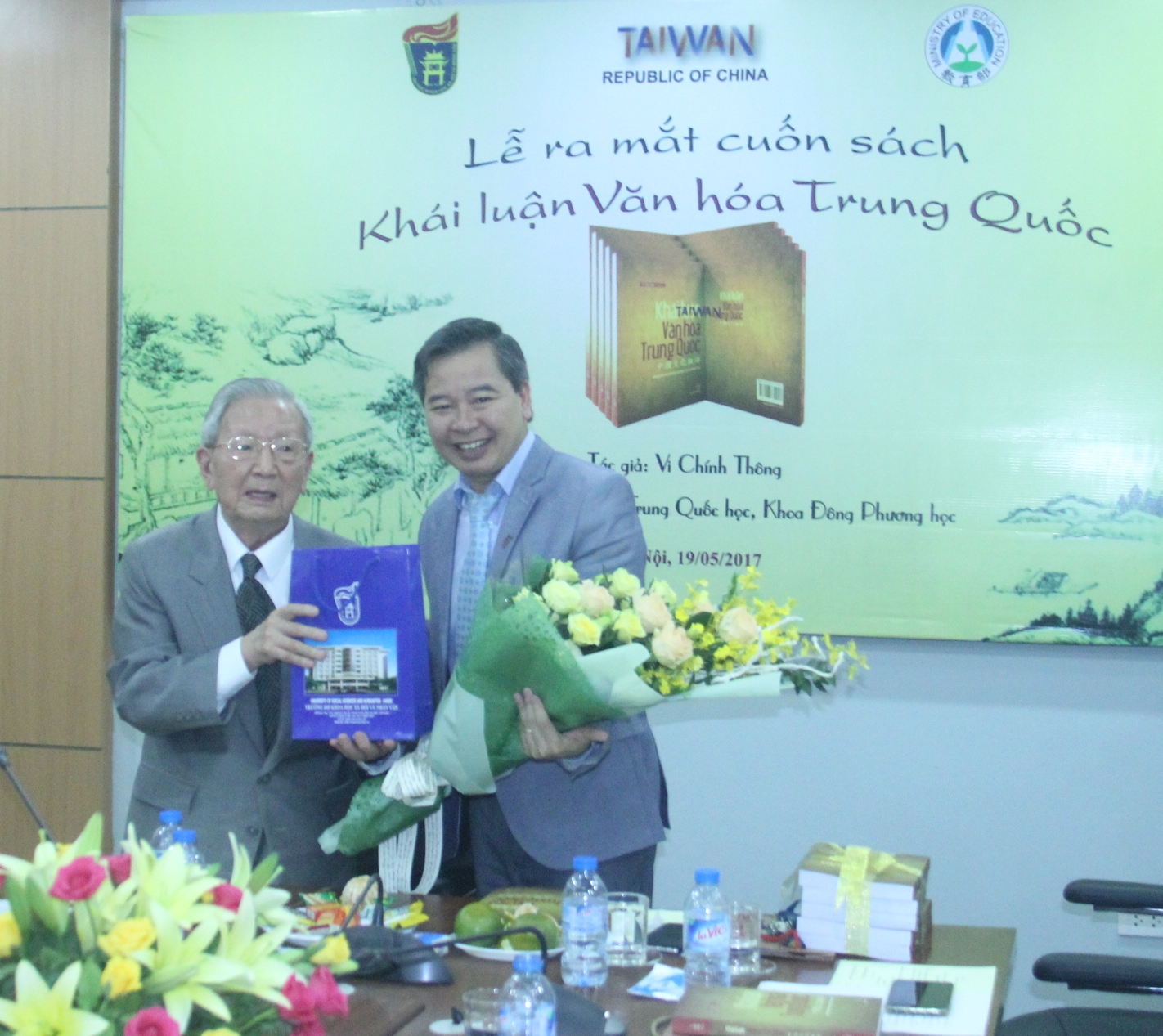
Professor Pham Quang Minh presents flowers to thank scholar Vi Chinh Thong.
The book "An Introduction to Chinese Culture" not only presents the author's personal interpretations but also synthesizes numerous rich historical sources and reference materials, offering perspectives that differ from similar sources in mainland China.
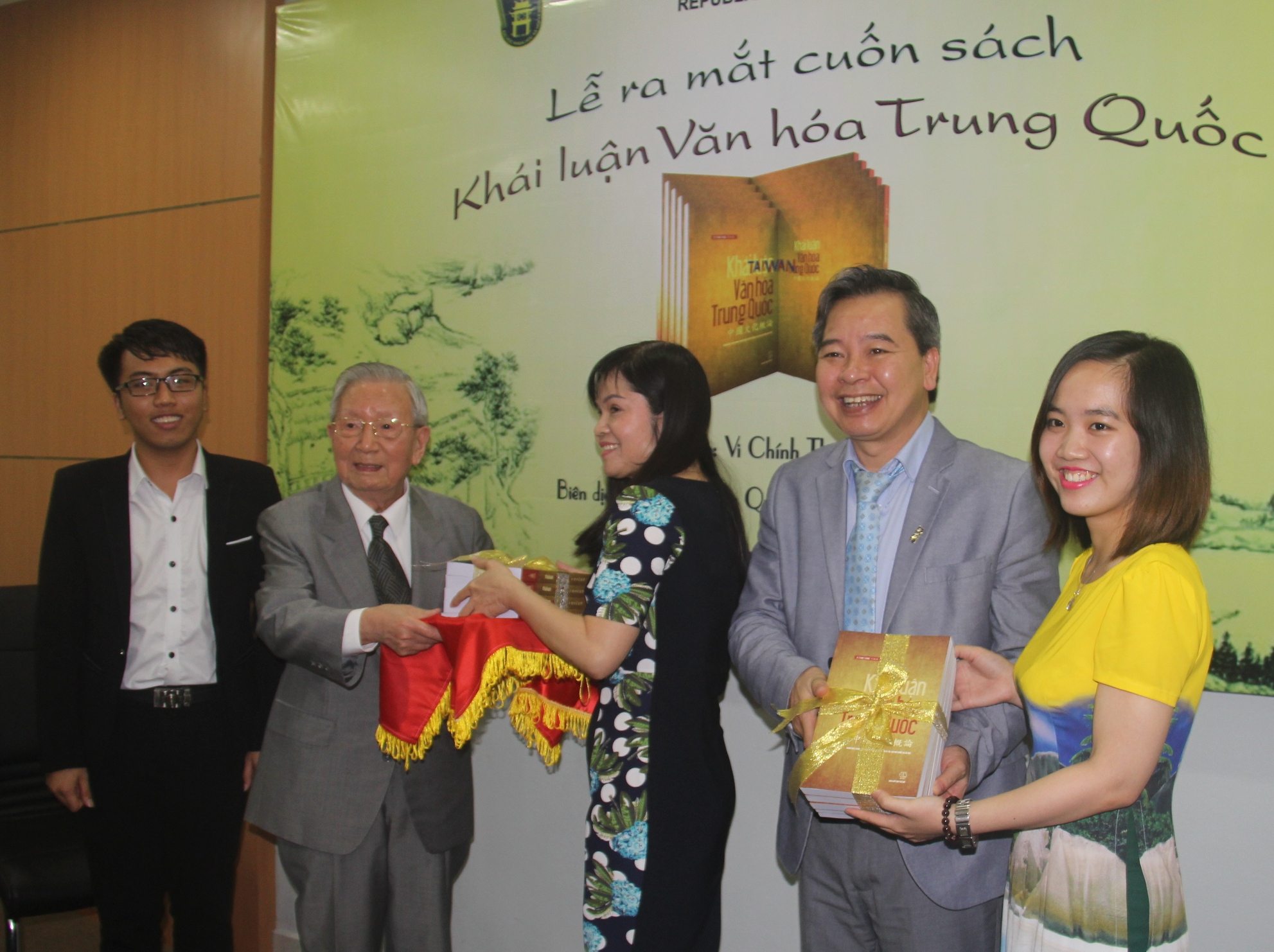
Scholar Vi Chinh Thong and Professor Pham Quang Minh presented books to representatives of Hanoi National University Publishing House and representatives of students from the Faculty of Oriental Studies.
Commenting on the book, Professor Mai Ngoc Chu (Faculty of Oriental Studies) said: "This is a monumental scientific work by a renowned scholar. In just over 400 pages, the author has comprehensively and fully reflected on the fundamental characteristics of Chinese culture. The book bears the distinct mark of the author's writing style, academic approach, and way of thinking."
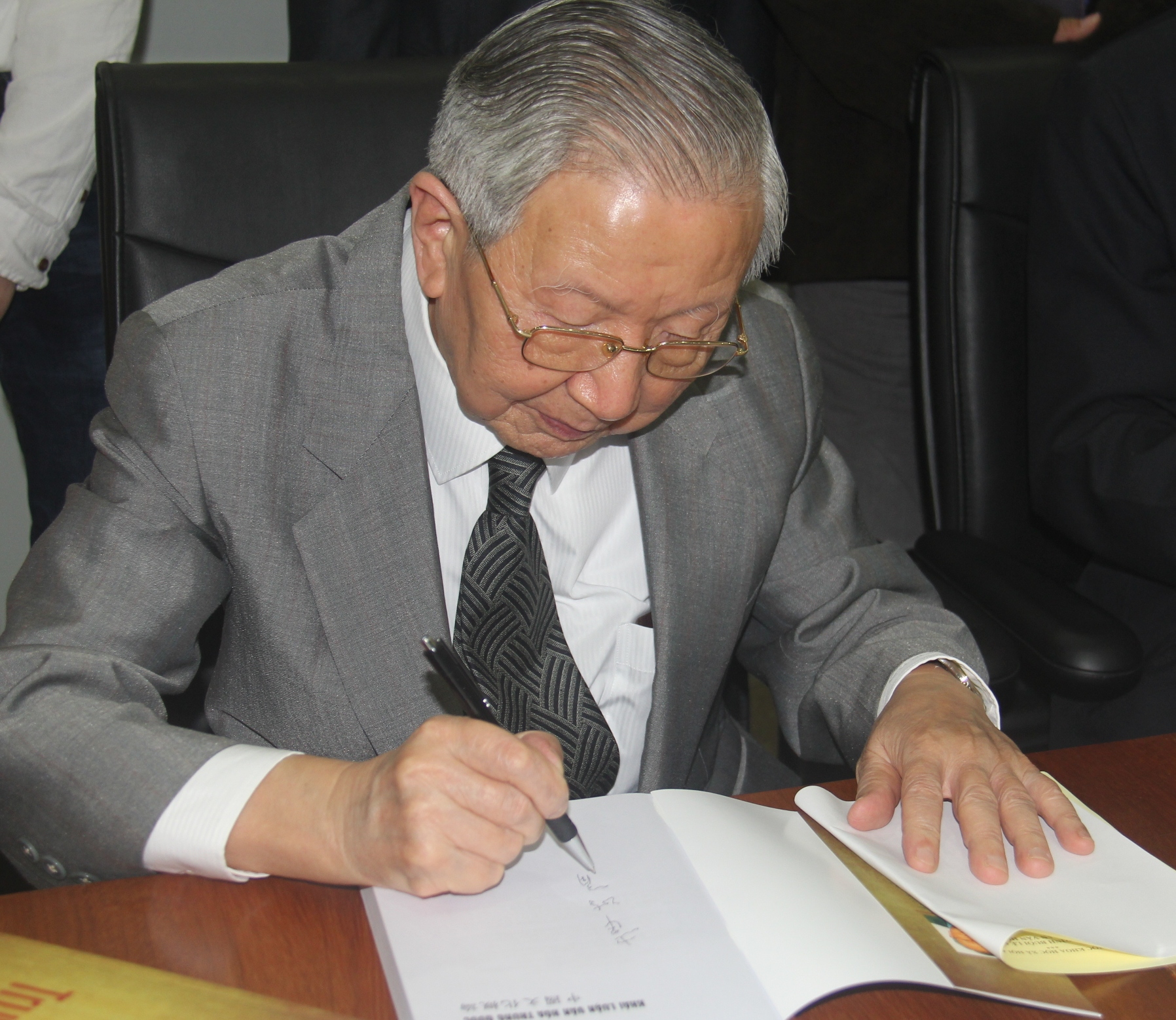
Scholar Vi Chinh Thong signs autographs for delegates.
Scholar Vi Chinh Thong also shared more information about the process of writing the book. He believes that every book, when published, has its own life. He expressed his joy that this work has been translated into Vietnamese, reaching Vietnamese readers, and hoped that it would also find its own life and place here.
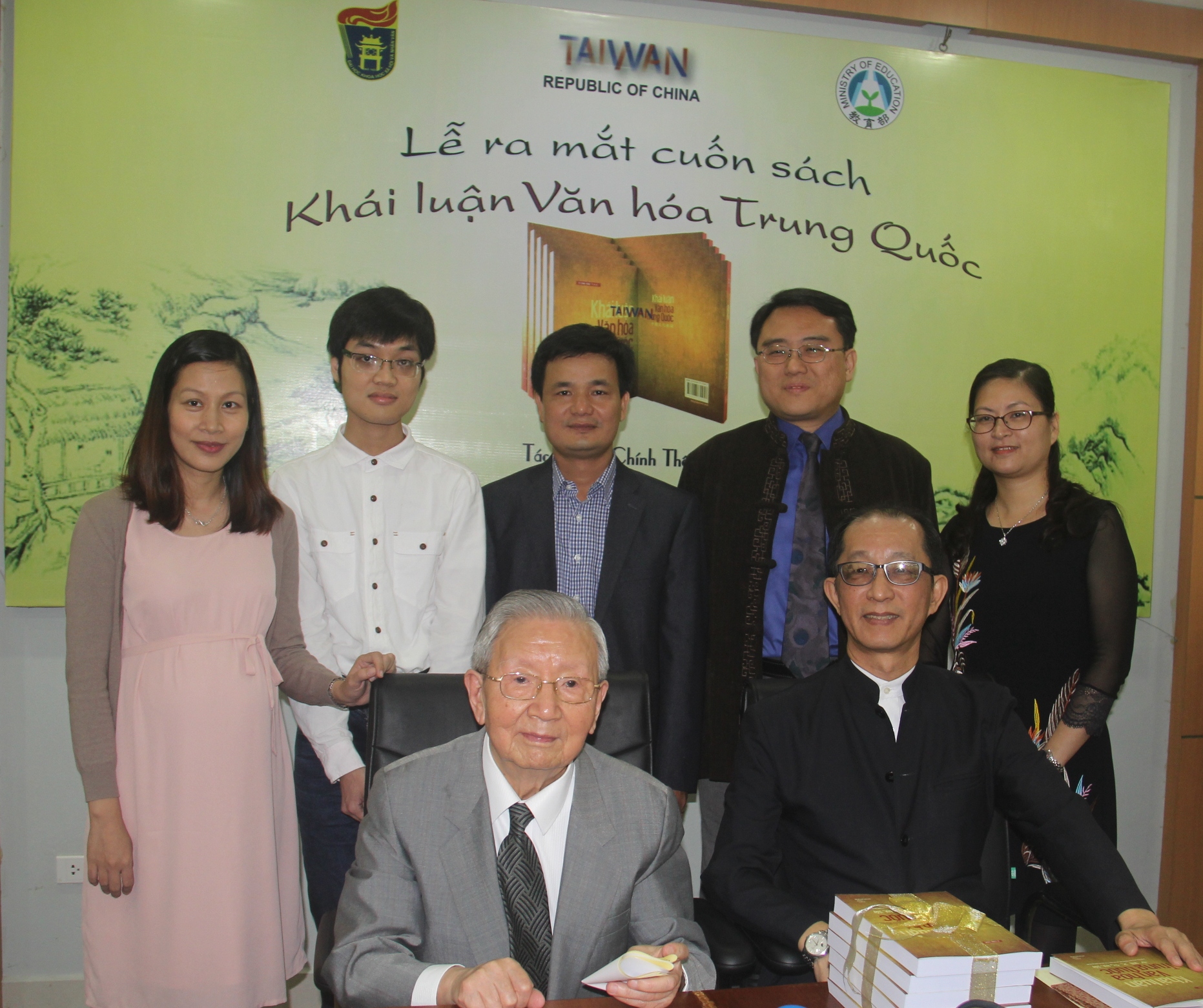
Scholar Vi Ching-tung and representatives from the Taipei Economic and Cultural Office took a commemorative photo with the faculty members of the Department of Oriental Studies, University of Social Sciences and Humanities, who participated in translating the book.
Professor Pham Quang Minh emphasized that, thanks to the efforts of the translation team, the scientific community, as well as those interested in the cultural and social issues of China and Taiwan in particular, have gained another valuable scientific work for reference. This also demonstrates the excellent cooperative relationship between the University and its Taiwanese partners.
|
A few notes aboutscholar Vi Chinh Thong
|
Author:Thanh Ha
Newer news
Older news