His interest in Thai studies began to take shape at a very young age. With the passion and affection of a son nurtured by the "rice of Muong Hoa, fish of the Tac stream," and the traditional weaving craft with its brocade and other products.ferryThe (Nả pha Tay) designs of Thai women, specifically those created by his mother and grandmother, which Hoàng Lương admired and cherished, and later by his beloved wife, fueled his passion for researching, exploring, and creating about Thai patterns in particular and Thai culture in general on his journey into ethnology. Therefore, in the 1980s, Hoàng Lương chose this research direction as the topic for his doctoral dissertation, which, according to Professor Hà Văn Tấn, was "a dissertation with unique ideas. Despite its shortcomings, this dissertation is still distinguishable from other bland dissertations."
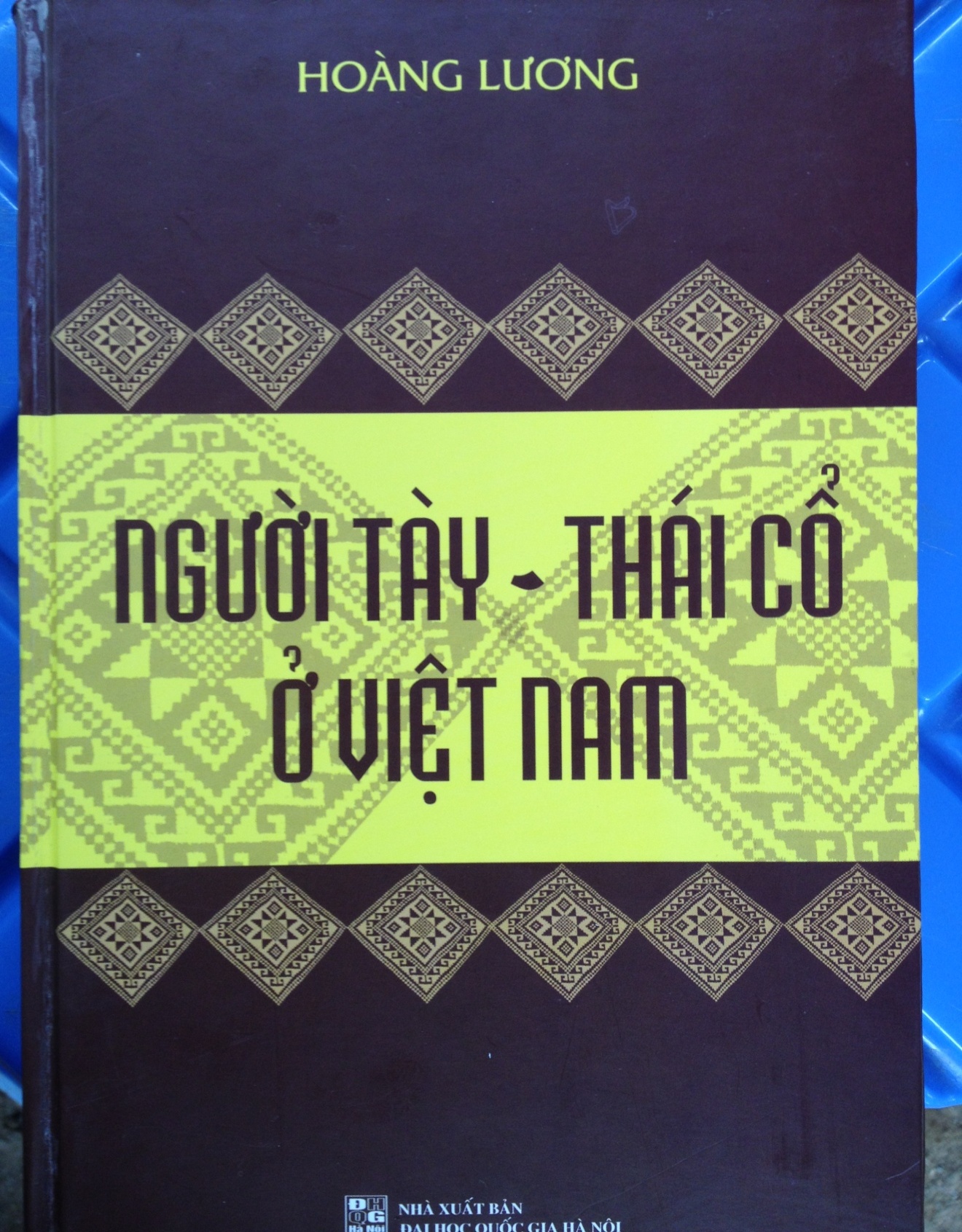
I remember during Associate Professor Hoang Luong's dissertation defense, a scientist asked about his source material collection. Hoang Luong answered without hesitation: "I mainly source my materials from my hometown, and directly from my wife – who not only contributed to the success of Professor and scientist Hoang Luong, but also, for nearly half a century, has silently shared and supported me through the hardships of my scientific and life journey." Continuing the tradition of Thai women, Associate Professor Hoang Luong's wife has contributed to the preservation of Thai culture, creating the intricate patterns on the Thai face.Ferry: "A unique style within a shared capital base", contributing to the distinctive mark of Hoang Luonguniquewithin the community of Vietnamese Thai studies scholars.
With those initial successes, from the 1980s onwards, Associate Professor Dr. Hoang Luong tirelessly pursued the idea of researching the ancient Tay-Thai people, including the White Thai group of Muong Tac, Phu Yen, Son La, using an interdisciplinary approach encompassing history, archaeology, ethnology, art studies, cultural studies, and linguistics. He not only focused on the Muong Tac region (known as Thanh, Lo, Tac, and Than in folk terminology), but also, throughout his research journey, Associate Professor Dr. Hoang Luong... Hoang Luong has broadened his perspective to other Tay ethnic groups in Vietnam and around the world, from Tay Tac, Tay Xang, and Tay Thanh in Son La and Dien Bien provinces to Tay Khong, Tay Deng, and Tay Muong in western Thanh Hoa and Nghe An provinces, from Tay Xip Xong Pan Na (Yunnan, China) to Tay Lan Na (Chiang Mai, Thailand), from Tay Khum (Asam, India) to Tay Nhay (Myanmar)... aiming to identify Thai culture in a comparative context, comparing Thai culture within the cultural space from Southern China to Southeast Asia and South Asia. Based on this, he gradually identifies the historical and cultural process of the ancient Tay-Thai community in Vietnam in relation to the Viet-Muong and Mon-Khmer communities from the time of nation-building, contributing to deciphering the role of the ancient Tay-Thai people in creating national culture from the dawn to the present day.
As a co-founder of the Thai Studies Program at Hanoi National University and for many years as head of the Department of Ethnology/Anthropology, Associate Professor Dr. Hoang Luong has made significant contributions to promoting research on ethnic groups belonging to the Tai-Kadai language family in Vietnam, while also bridging the gap to integrate Vietnamese Thai Studies into the international Thai Studies research community with the active support of many colleagues and generations of students.
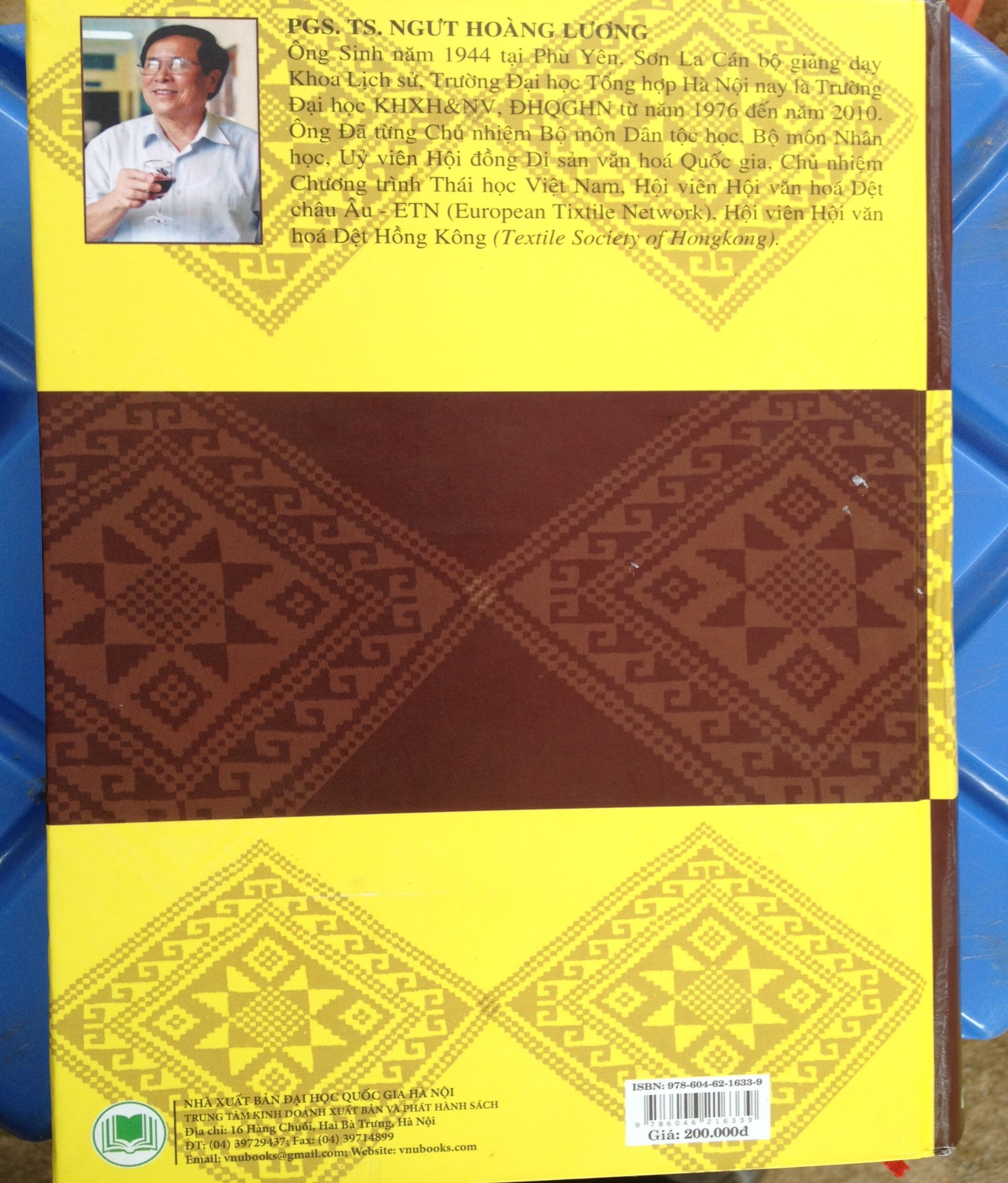
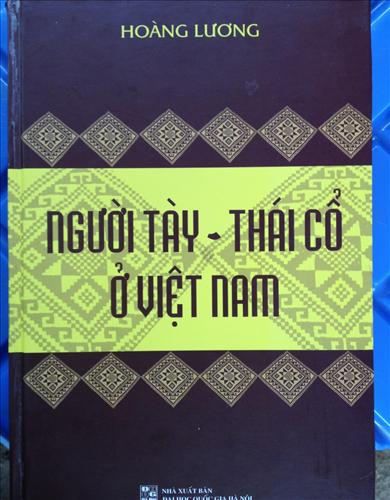
This book compiles over 40 works from the past 40 years, out of nearly 130 published works by Associate Professor Dr. Hoang Luong, focusing on one of the author's most passionate and dedicated areas of research and creation. Readers can find here studies on toponymy related to the formation and interaction of ancient Vietnamese and ancient Tay communities; and the diverse cultural aspects of the Thai people within the multifaceted tapestry of ethnic communities in our country. The ethnic processes in northern Vietnam are quite diverse and challenging to decipher, leaving many scientific questions unanswered... However, due to the limitations of this book, some studies on Thai culture in its development and transformation could not be fully presented. Nevertheless, what is compiled here is a valuable contribution by Associate Professor, Doctor, and Distinguished Ethnologist Hoang Luong to the field of Ethnology/Anthropology in general and to training at Hanoi University (now the University of Social Sciences and Humanities, Vietnam National University, Hanoi) in particular.
The Department of Anthropology requested the author to conduct a selection process for the publication of this book as a reference material for research and training in social sciences in general and anthropology in particular. On behalf of the Department of Anthropology, I would like to express my sincere appreciation for the important contributions and valuable dedication of Associate Professor, Doctor, Meritorious Teacher, Senior Lecturer Hoang Luong to the development of the Department of Ethnology, formerly the Faculty of History, and currently the Department of Anthropology.
Author:Assoc. Prof. Dr. Lam Ba Nam
Newer news
Older news

