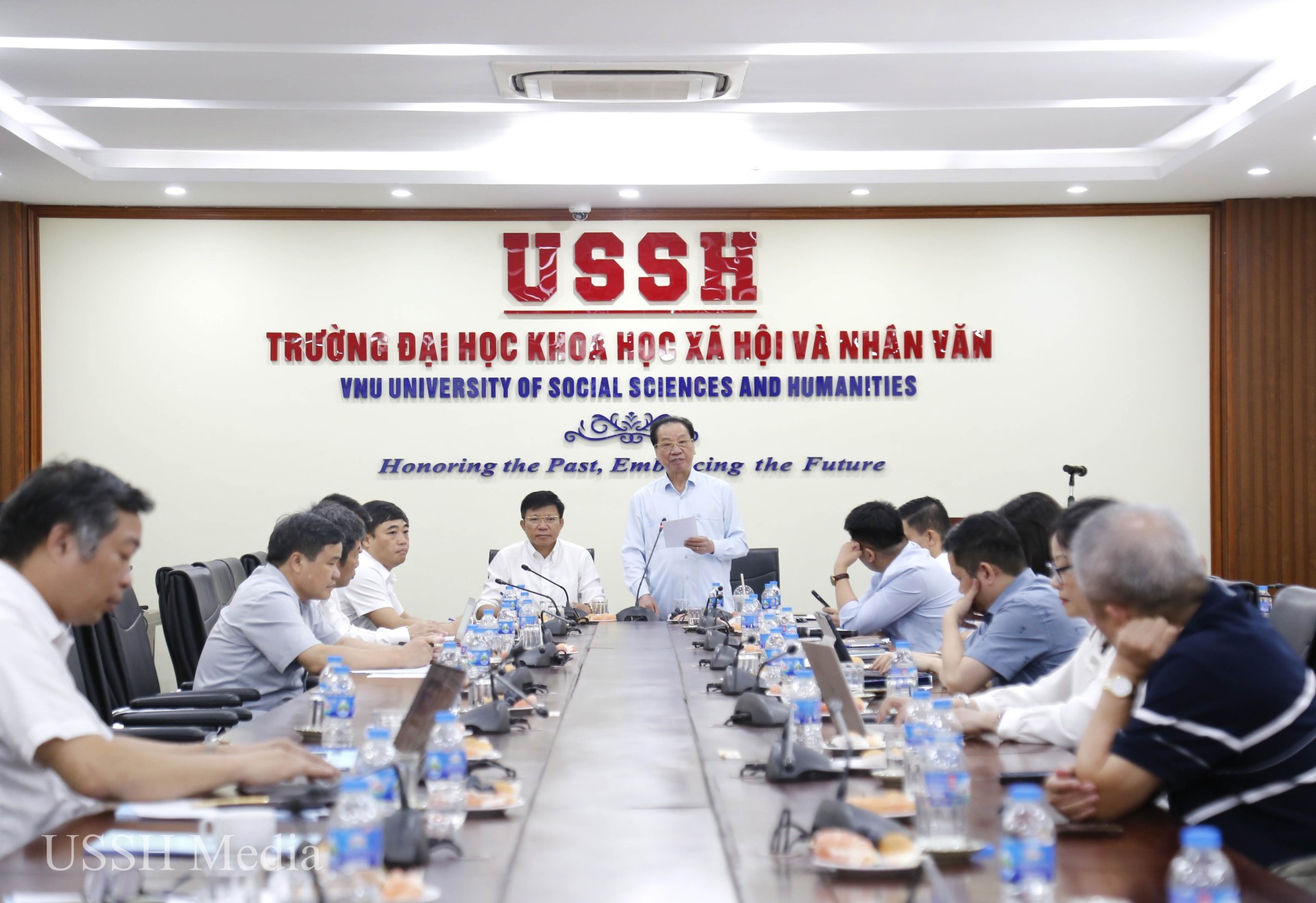
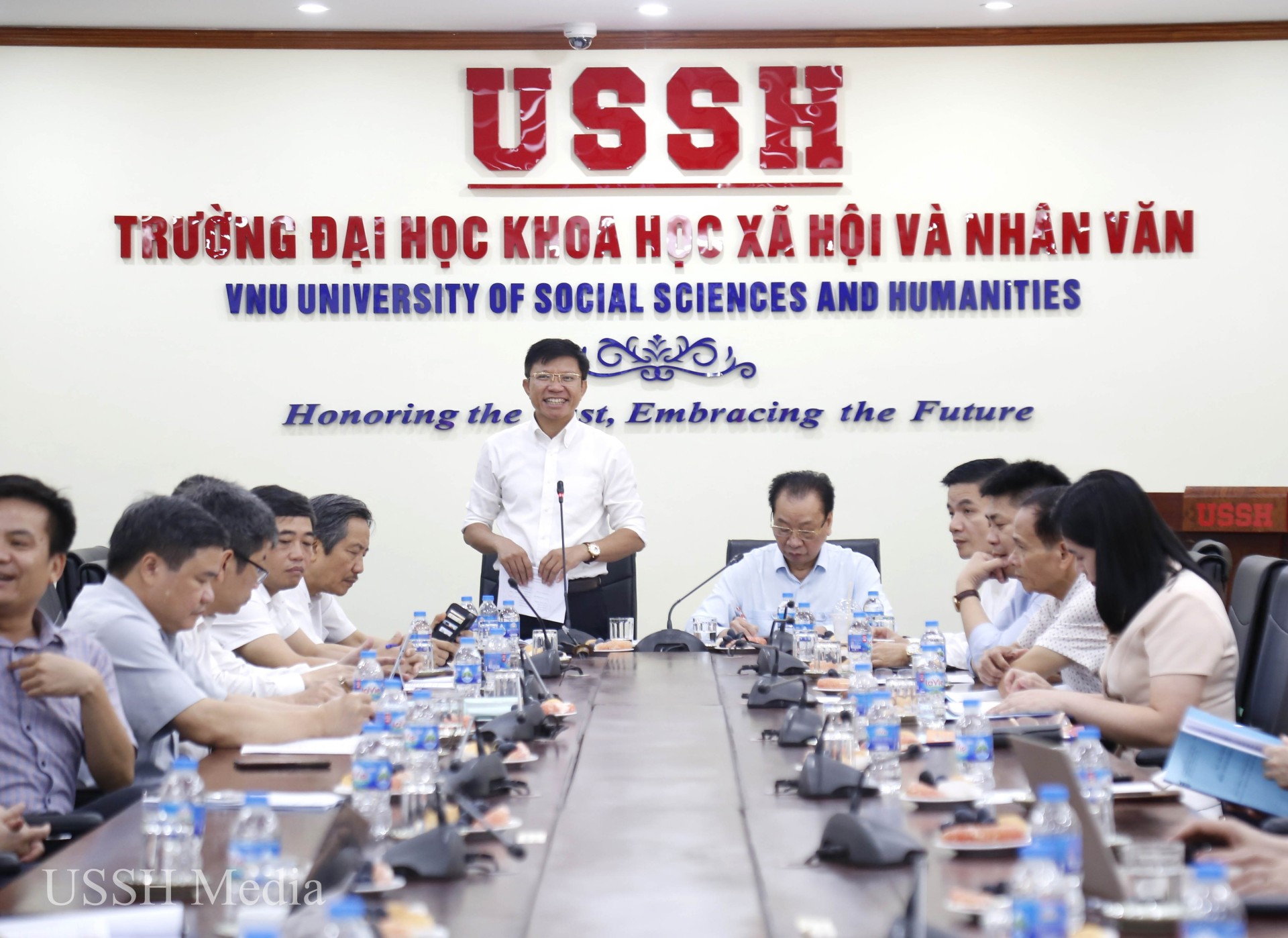
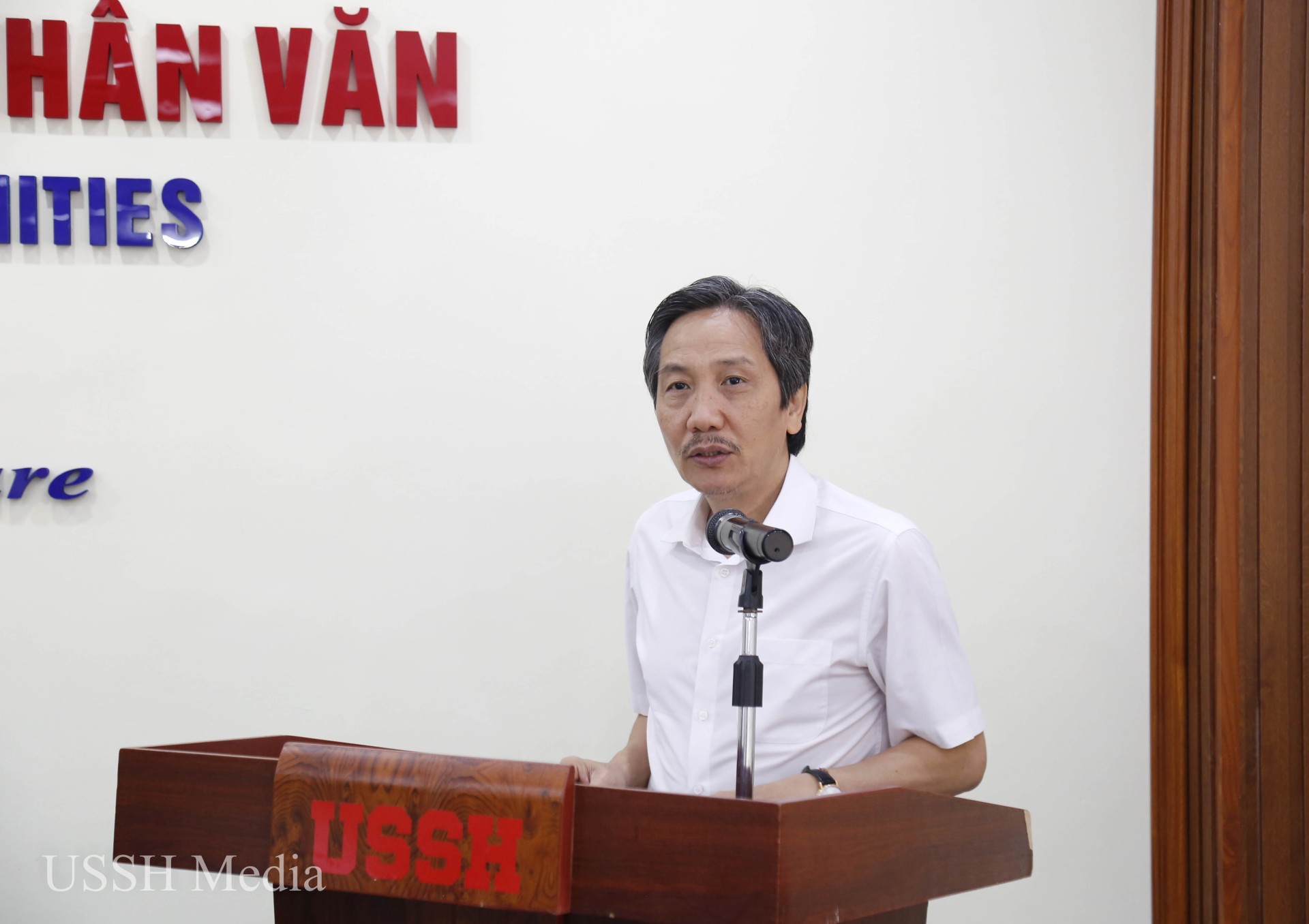
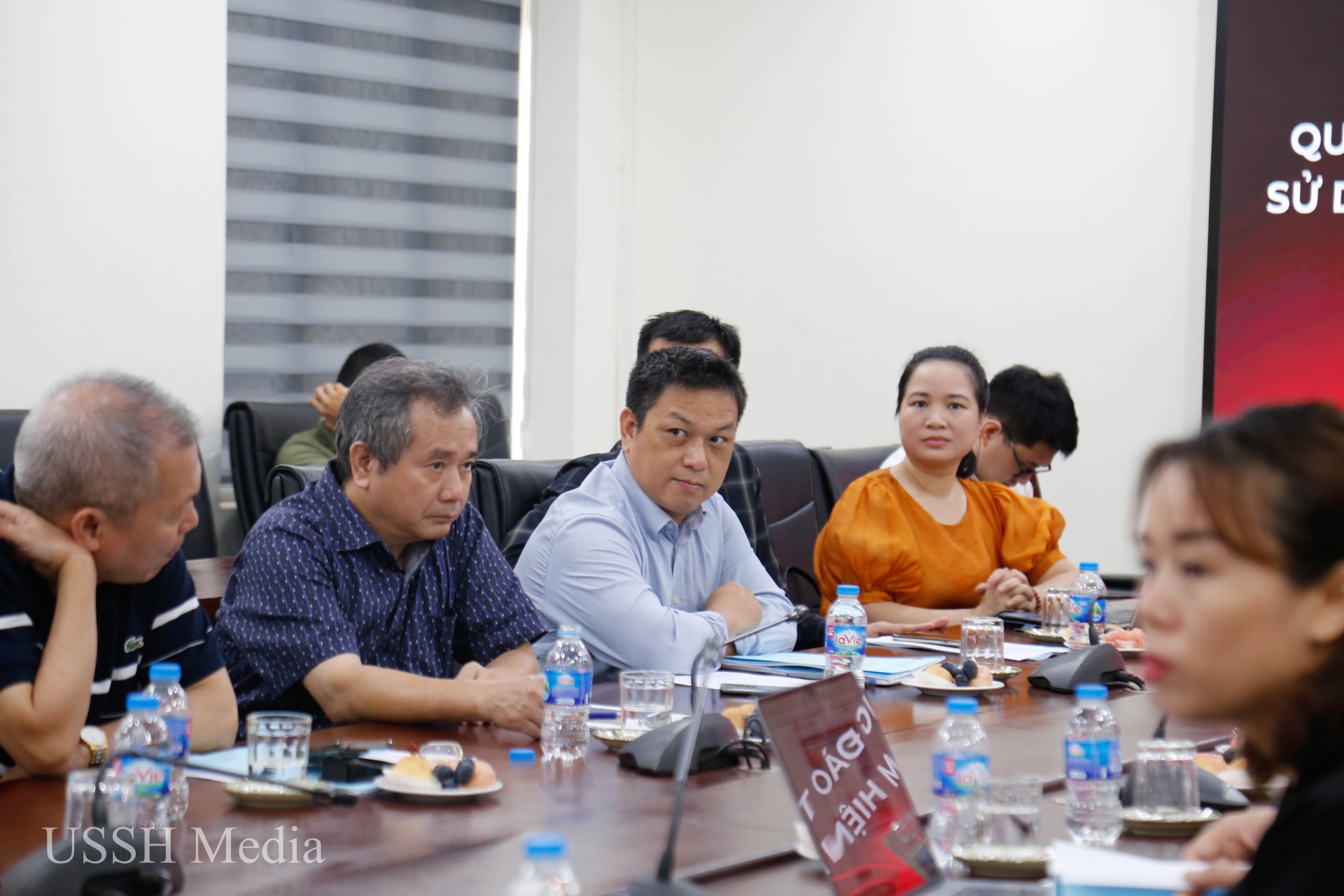
Professor Phung Huu Phu - Former Member of the Central Committee of the Communist Party of Vietnam, Former Rector of the University of Social Sciences and Humanities; Chairman of the University's Science and Training Council, and Professor Hoang Anh Tuan - Rector of the University of Social Sciences and Humanities, Vietnam National University, Hanoi; Head of Science and Technology Project KX.04.28/21-25 co-chaired the workshop.
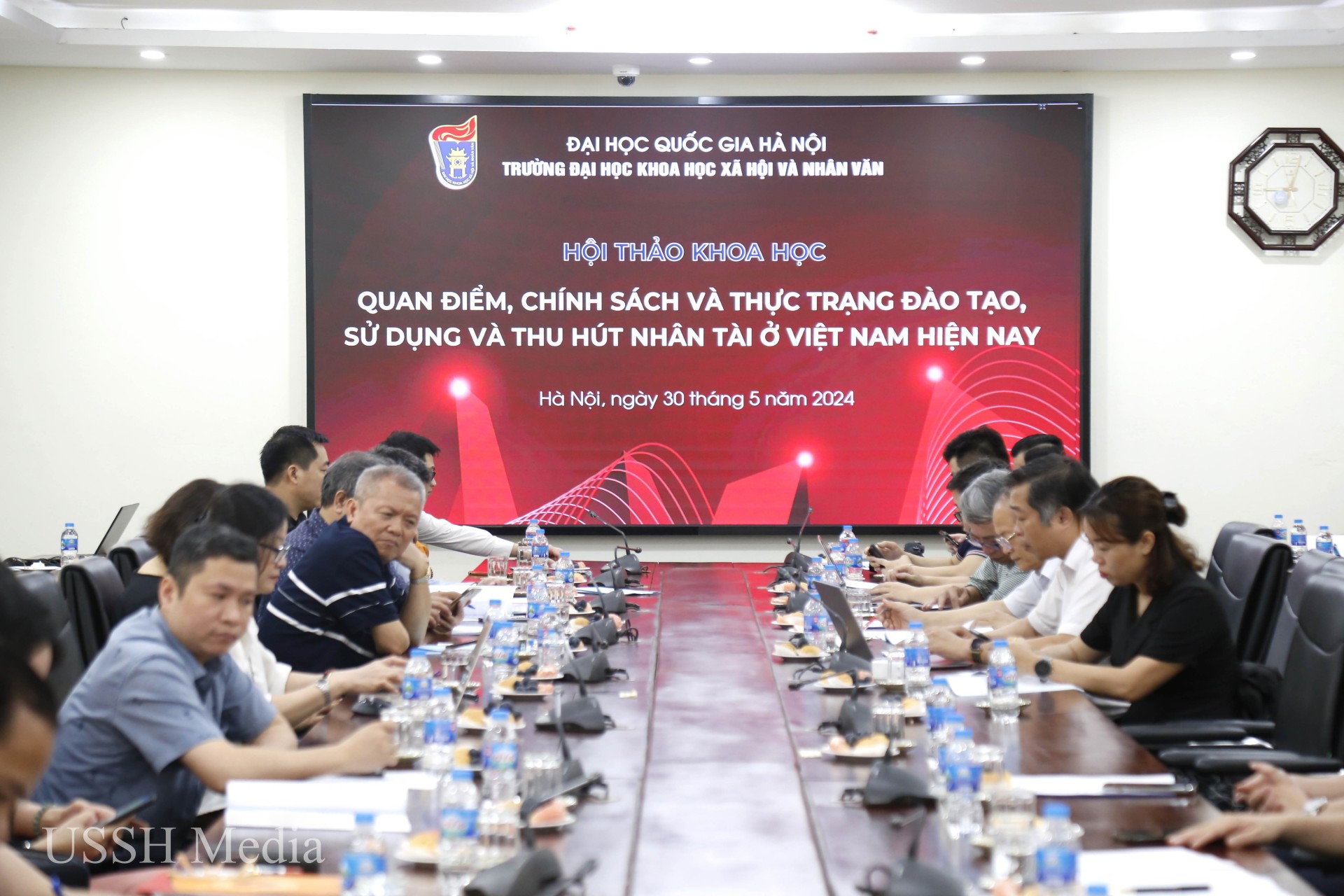
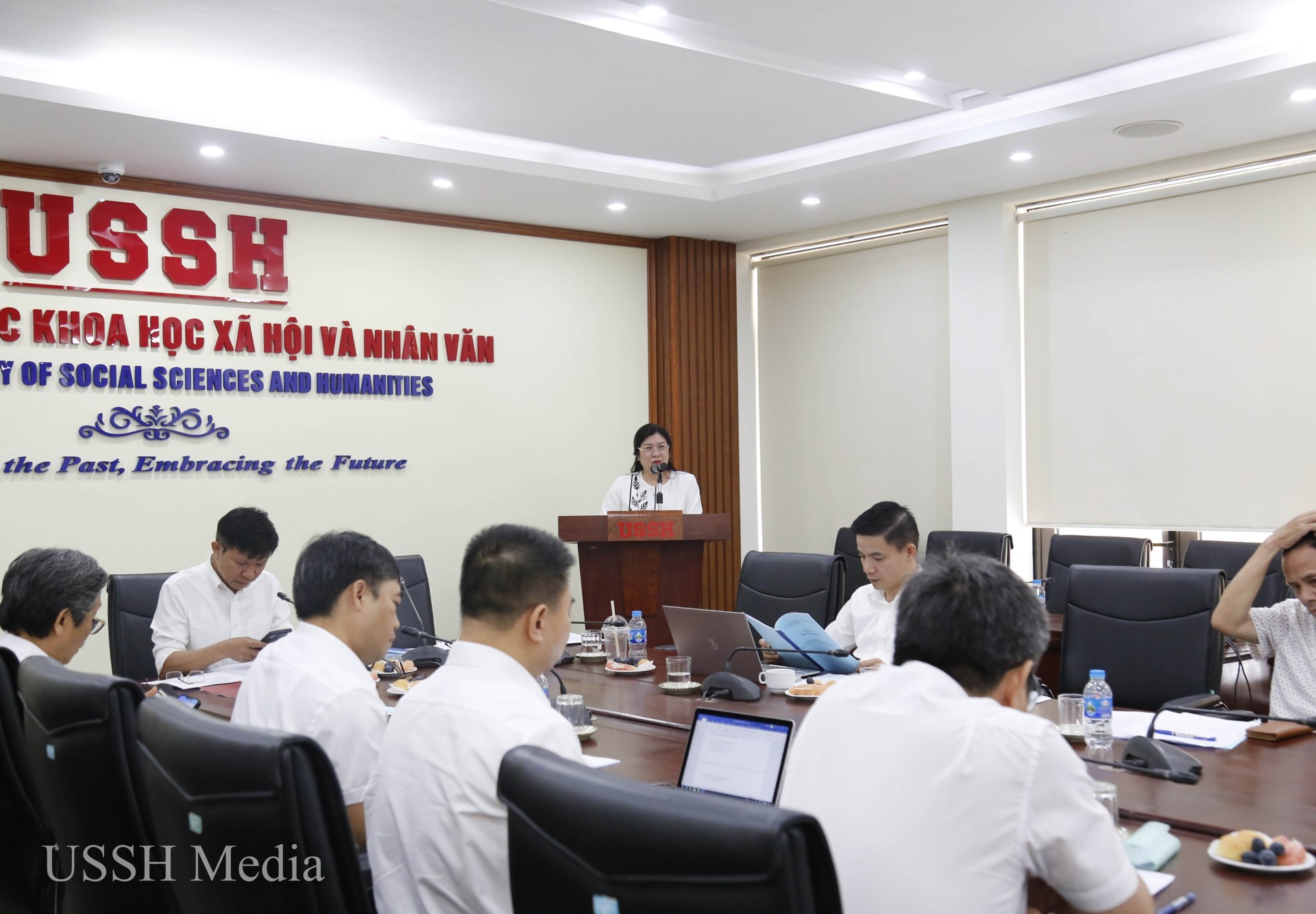
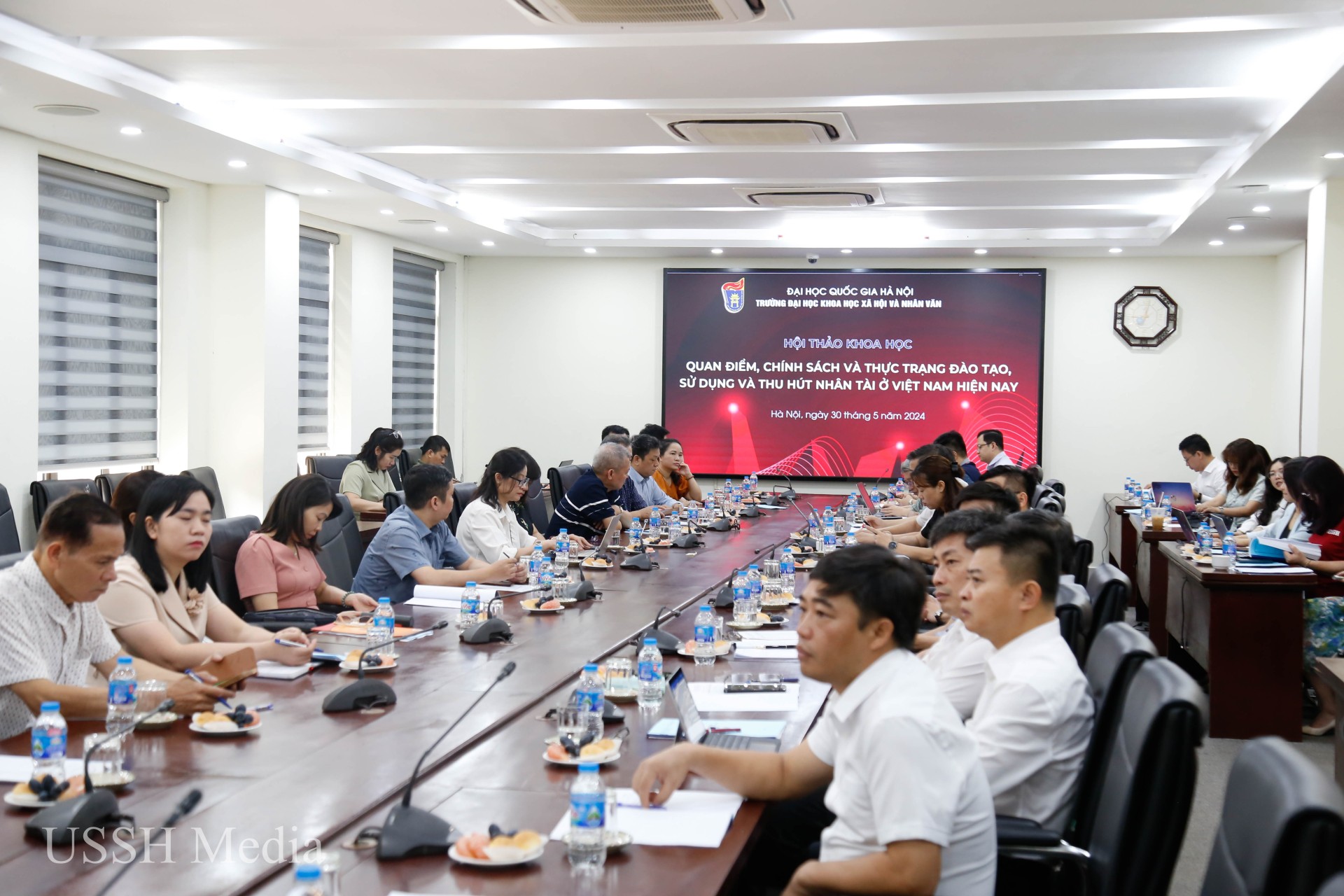
The research problem has attracted reputable scientists from many fields.The workshop was attended by nearly 80 scientists, administrators, and interested individuals from several central ministries/agencies: the Ho Chi Minh National Academy of Politics, several National Assembly committees; the Ministry of Interior, the Ministry of Labour, Invalids and Social Affairs, the Vietnam General Confederation of Labour; the Vietnam Academy of Social Sciences, Hanoi National University, and several other universities and academies, etc.
Prof. Dr. Hoang Anh Tuan - Rector of the University of Social Sciences and Humanities, Vietnam National University, Hanoi; Project Leader of Research Project KX.04.28/21-25
According to Professor Hoang Anh Tuan, Rector of the University of Social Sciences and Humanities, Vietnam National University, Hanoi; and Head of Project KX.04.28/21-25, this is a national science and technology task led by the University of Social Sciences and Humanities, Vietnam National University, Hanoi, and has initially achieved some results. The workshop attracted the attention of scientists from many different fields, serving as a forum for discussion, clarifying viewpoints and policies, as well as evaluating the current state of training, utilization, and talent attraction in Vietnam with new arguments.
Associate Professor Dr. Dao Thanh Truong - Vice Rector of the University of Social Sciences and Humanities, Vietnam National University, Hanoi, highly appreciated the dedication, intellect, and valuable academic contributions, as well as the groundbreaking policy recommendations of the scientists at the Conference.
A new perspective on talent and the training, attraction, and utilization of talent.According to scientists, the 13th National Congress of the Communist Party of Vietnam continues to identify the development of human resources, especially high-quality human resources, as a strategic breakthrough, a decisive factor in promoting the development and application of science and technology, restructuring the economy, transforming the growth model, and as the most important competitive advantage, ensuring rapid, efficient, and sustainable development. In particular, attracting, valuing, and rewarding talent is a very important issue in the current period, contributing to building a team of cadres, civil servants, and public employees that meets the requirements and tasks of national construction and development.
In recent years, policies to attract, utilize, and reward talent have achieved certain results. Vietnam has developed policies to attract and utilize talented individuals, experts, and highly skilled workers through attractive salary, bonus, and welfare policies. Training and developing high-quality human resources has received significant attention. A growing number of skilled entrepreneurs and highly qualified technical workers are emerging in society, making substantial contributions to national development. As a result, despite many difficulties, the average GDP growth rate has remained around 6% per year, the quality of growth has improved, and labor productivity has increased from 4.3% per year in the 2011-2015 period to approximately 6% per year in the 2016-2020 period.
However, the reality of human resources and labor productivity in our country after half of the term implementing the Resolution of the 13th National Congress still has many shortcomings and limitations. The Government's report indicates that the quality of human resources remains limited, has not yet shown significant improvement, and has not truly become a driving force or breakthrough for socio-economic development.
Dr. Tran Anh Tuan - Former Deputy Minister of the Ministry of Interior, President of the Vietnam Association of Administrative Sciences
At the seminar, Dr. Tran Anh Tuan - former Deputy Minister of the Ministry of Interior, President of the Vietnam Association of Administrative Sciences - emphasized that talented individuals are those with qualities, qualifications, and abilities in a specific field; especially those who have made significant contributions that have been applied in practice and recognized.
From a historical perspective, Professor Pham Hong Tung, former Director of the Institute of Vietnamese Studies and Development Science, Vietnam National University, Hanoi, shared that in Vietnamese history as well as world history, "talented persons" and "intellectuals" are two terms referring to two different types of people, but they overlap in both meaning and scope. In reality, not all talented persons are intellectuals, and not all intellectuals are talented persons, but the overlap between intellectuals and talented persons is significant. These are trained talented persons, meaning a group of people who already possess suitable physical and mental qualities, and who are further nurtured and developed in terms of both qualities and competencies through training – let's call them intellectual-talented persons.
The process of training talented and intellectual individuals takes place in various organizational forms. These can include formal training with school systems, learning materials, methods, and professional educators; and informal education, which typically does not take place in schools with professional educators. In addition, other forms of educational organization also contribute to the development of talented and intellectual individuals.
Professor Pham Hong Tung proposed that it is necessary to clearly define the harmonious relationship between elite education and mass education; and to invest in training talented individuals for the cultural industry in the new trend.
Professor Pham Hong Tung, former Director of the Institute of Vietnamese Studies and Development Science, Vietnam National University, Hanoi, presented a paper on the topic "Characteristics of Vietnam's Talented and Intellectuals: A Historical Approach".
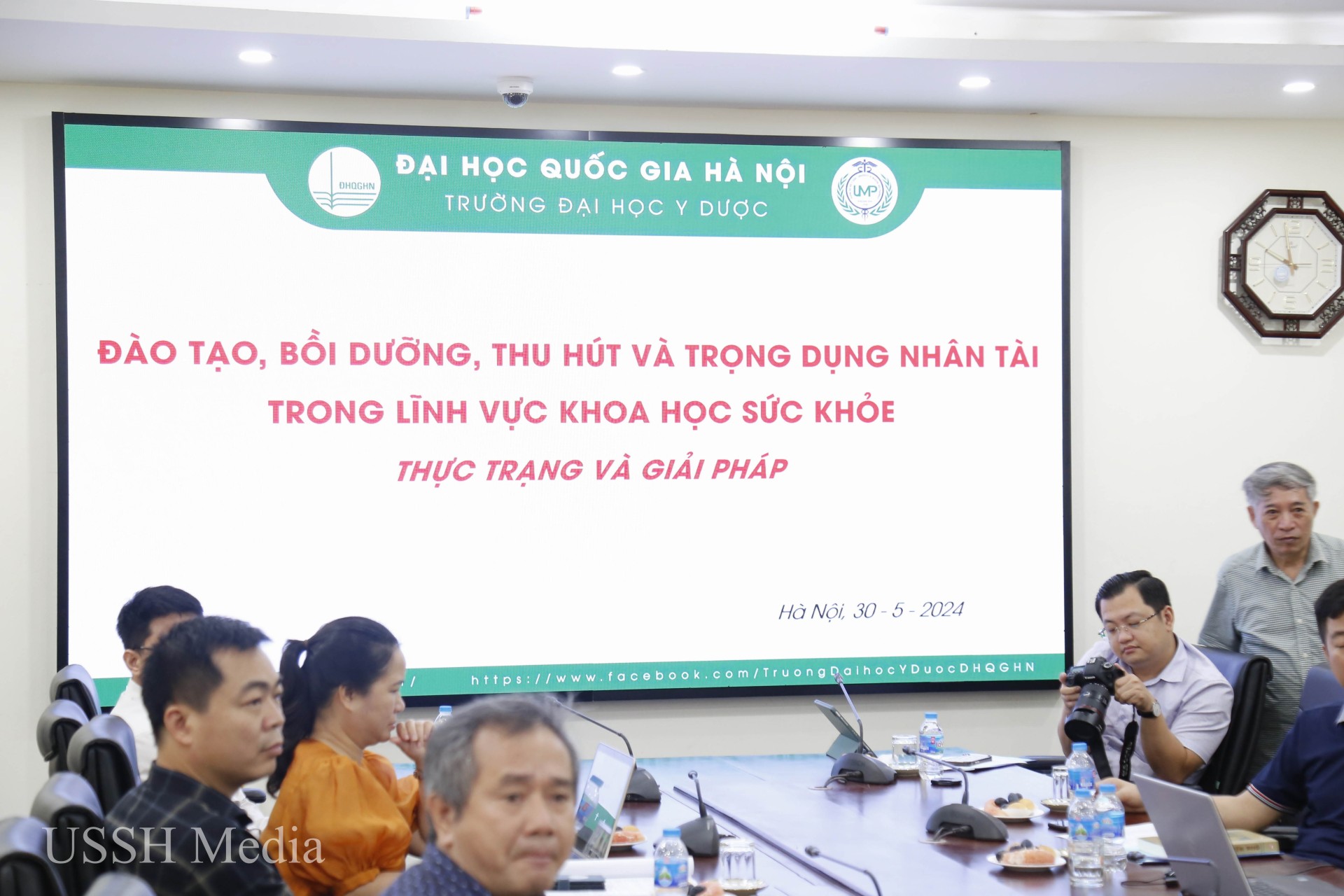
Develop policies that offer specific incentives and respect the unique personalities of talented individuals.Analyzing the specific challenges at the University of Medicine and Pharmacy, Vietnam National University, Hanoi, in the context of competition regarding policies and incentives from public and private universities and research institutes in attracting and utilizing highly qualified lecturers and scientists, and the growing demand for university autonomy in higher education, Professor Dr. Le Ngoc Thanh - Rector of the University of Medicine and Pharmacy - proposed solutions for training, developing, and retaining highly qualified human resources in the field of health sciences.
The professor emphasized the need to develop specific incentive policies for high-quality human resources; establish pilot mechanisms; and hire/appoint/assign leadership and management tasks at the university level to highly qualified, reputable, and experienced experts. Besides increasing the recruitment of highly qualified, experienced, and reputable personnel from practical training institutions to concurrently teach and hold leadership and management positions as per Decree 111/2017, universities training in the health sciences field need to have preferential policies for recruiting, training, and developing young lecturers, researchers, and scientists to create a talent pool.
Professor Dr. Le Ngoc Thanh - Rector of the University of Medicine and Pharmacy, Vietnam National University, Hanoi, presented a paper at the Conference.
Discussing the training and utilization of talent in the fields of culture and arts, Associate Professor Pham Quang Long, former Rector of the University of Social Sciences and Humanities and former Director of the Hanoi Department of Culture, Sports and Tourism, raised the question: Is training talent in the field of literature and arts different from mass training? “In my opinion, there are similarities and significant differences. These significant differences require more attention, but for a long time we have only applied some specific criteria based on general criteria. As a result, the differences have not reached the necessary standard. For example, entrance exams to art schools in Hanoi (and at the central level as well) only apply to aptitude tests for professional skills, while other subjects are applied equally. Other subjects account for the majority and play a decisive role in evaluating the quality of training,” Associate Professor Pham Quang Long shared. Therefore, artist training is a field that demands the utmost respect for exploration, creativity, and individuality, but from the very beginning, in the nursery and incubator environment, these elements are only given moderate attention because there is no environment for them to be fully expressed.
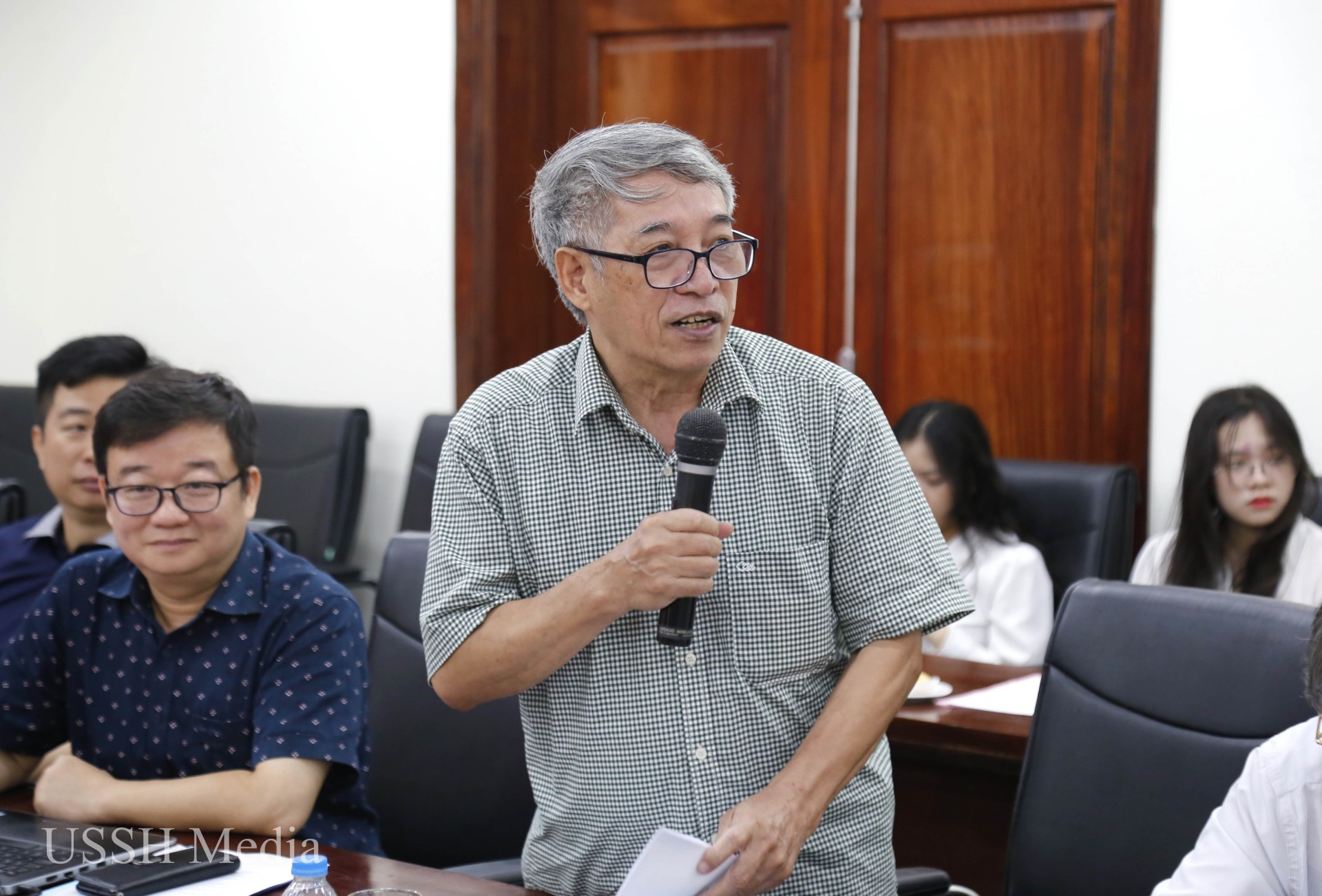
Associate Professor Pham Quang Long - Former Rector of the University of Social Sciences and Humanities, former Director of the Hanoi Department of Culture, Sports and Tourism - raised the question of whether training talented individuals in the field of literature and art differs from mass training.
According to Professor Nguyen Van Khanh, former Rector of the University of Social Sciences and Humanities, Vietnam National University, Hanoi, Vietnam is facing a shortage in both the quantity and quality of human resources in the fields of science and technology, health sciences, etc. Currently, there is a "migration" of talent from the public to the private sector, and from within the country to abroad, failing to fully utilize human resources due to various reasons. Proposing solutions to address this situation, Professor Nguyen Van Khanh emphasized the need for policies to train and nurture talent in cutting-edge scientific fields so that they can truly serve the community and contribute to the country's development. In addition to creating a work environment where talent can freely create and develop their abilities, it is also necessary to build a network connecting talent in the public and private sectors, in Vietnam and abroad, to attract and leverage their roles.
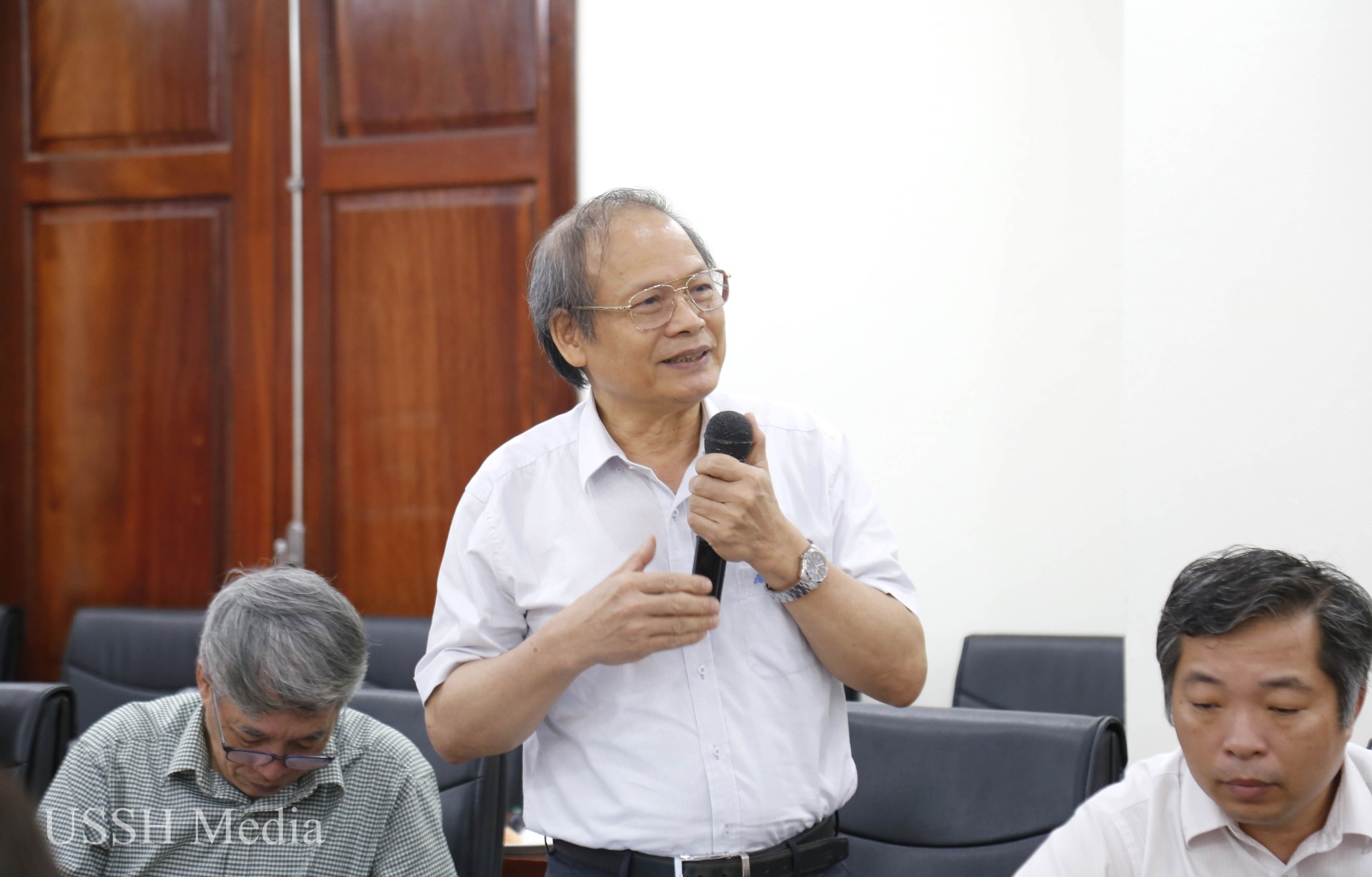
Prof. Dr. Nguyen Van Khanh - Former Rector of the University of Social Sciences and Humanities, Vietnam National University, Hanoi
The workshop also received numerous contributions from experts and scientists in the fields of education, culture and arts, science and technology, etc., with the aim of developing the capabilities of high-quality human resources and talents in these fields.
Ms. Cao Ngoc Anh, M.Sc., Meritorious Artist - Deputy Director of the Youth Theatre, shared the current situation regarding the nurturing and attraction of talent in the performing arts field.
Mr. Bach Dang Khoa, M.Sc. - Deputy Director of the Department of Education and Training of Bac Giang province, former Principal of Bac Giang Specialized High School, shared his experience from the practical training and nurturing of gifted students at the specialized high school, emphasizing the methods of dealing with individuals with exceptional abilities.
In his concluding remarks at the workshop, Professor Phung Huu Phu, former member of the Central Committee of the Communist Party of Vietnam, former Standing Vice Chairman of the Central Theoretical Council, former Rector of the University of Social Sciences and Humanities, and Chairman of the Science and Technology Council of the University of Social Sciences and Humanities, Vietnam National University, Hanoi, affirmed that the scientists had discussed and proposed new solutions to the not-so-new issue of training, attracting, and nurturing talent. The workshop clarified the concept of talent and virtuous individuals, and basically agreed that talent refers to those who have a desire to contribute, a desire to serve, possess personal capabilities, and produce valuable products that serve the country and its people. Professor Phung Huu Phu emphasized the need to uphold the responsibility of leaders in identifying, attracting, and utilizing talent; to have specific policies and mechanisms that create an environment for talent to freely create and contribute; and to not only develop major policies on utilizing talent but also pay attention to the smallest details related to their lives.
At the conference, scientists also emphasized the responsibility of education at all levels (high school, university, postgraduate), stressing that elite education must be harmonized with general education, promoting liberal education, and creating an environment for nurturing talent.
The scientific workshop on the theme "Perspectives, policies, and current situation of training, utilizing, and attracting talent in Vietnam" is part of the research of the Science and Technology Project "Training, utilizing, and attracting talent - a policy breakthrough for developing high-quality human resources to meet the requirements of rapid and sustainable national development" (Code: KX04.28). The project team will incorporate as many opinions as possible from scientists to refine the research, thereby providing effective policy advice.
The conference received 40 papers from scientists in various fields, which will be published in the conference proceedings, serving as material for publication as a monograph.
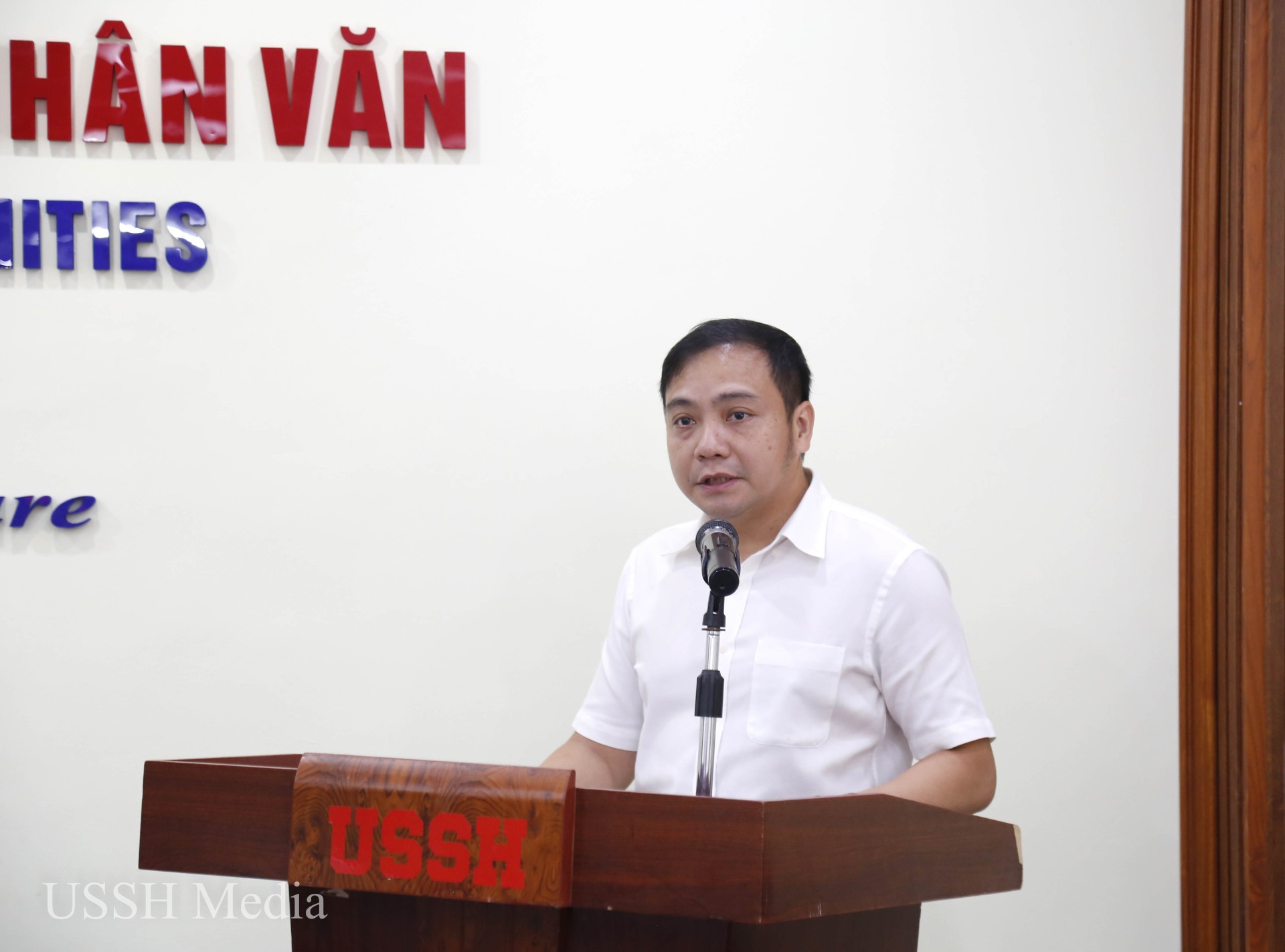
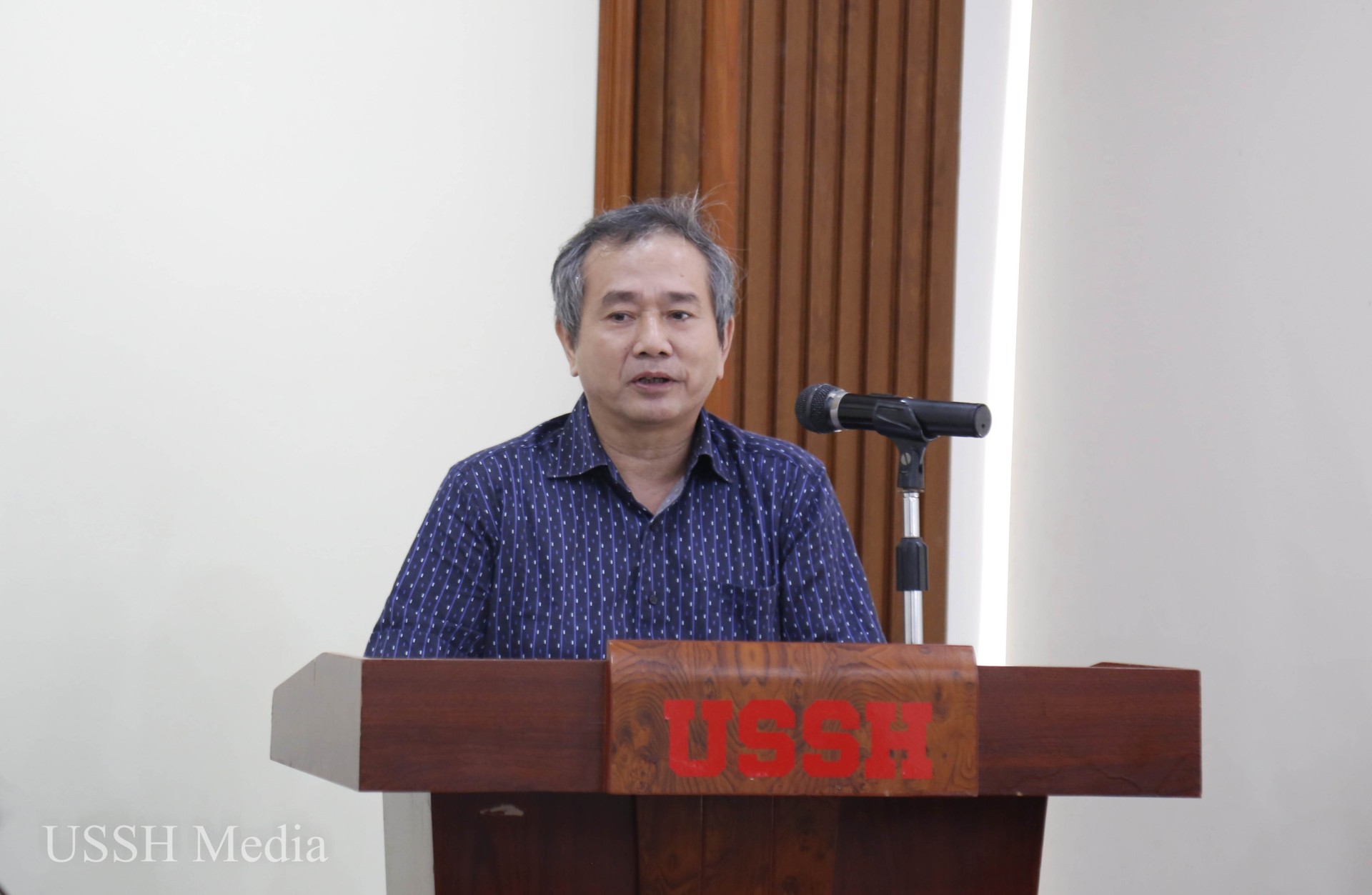
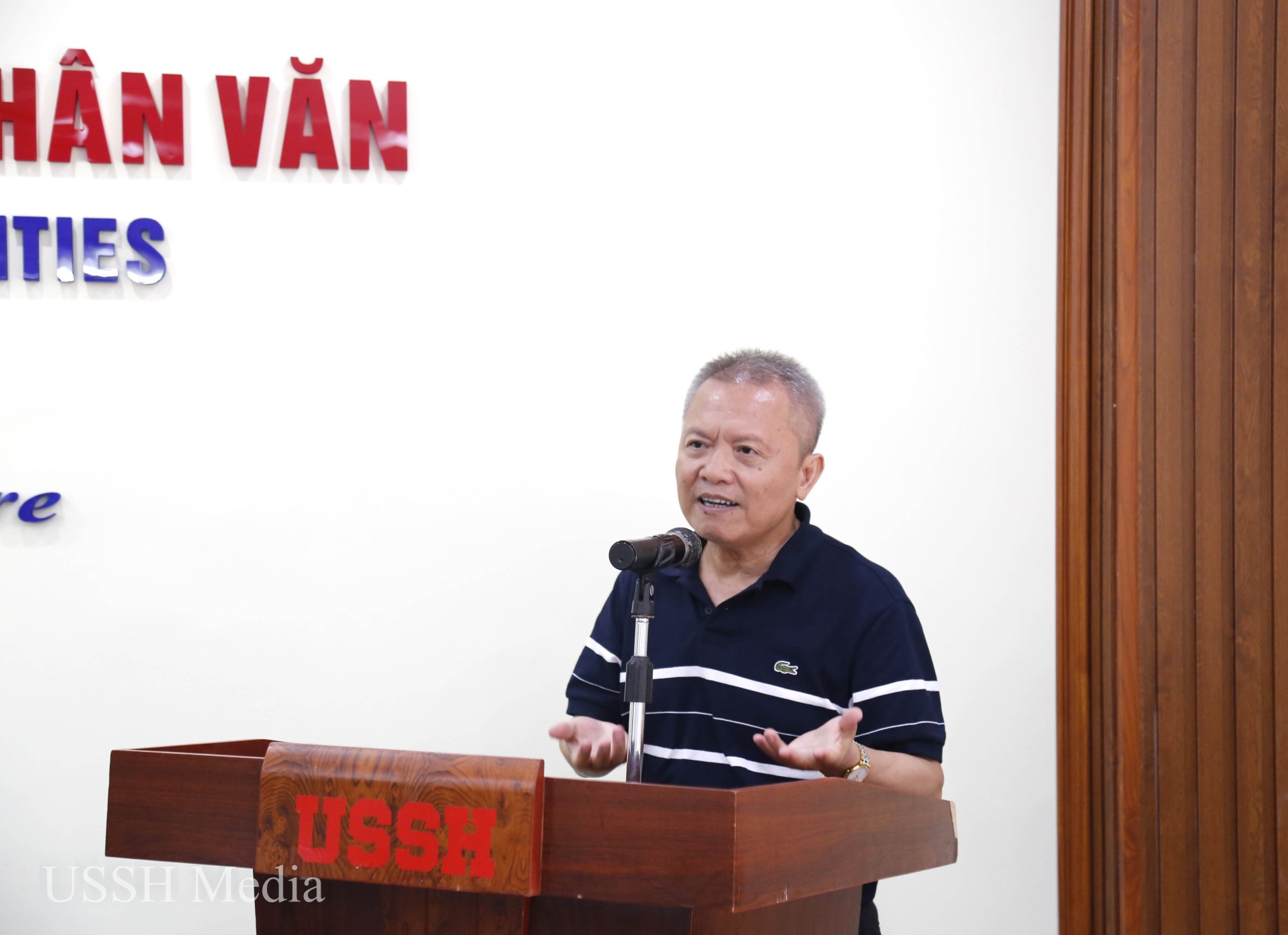
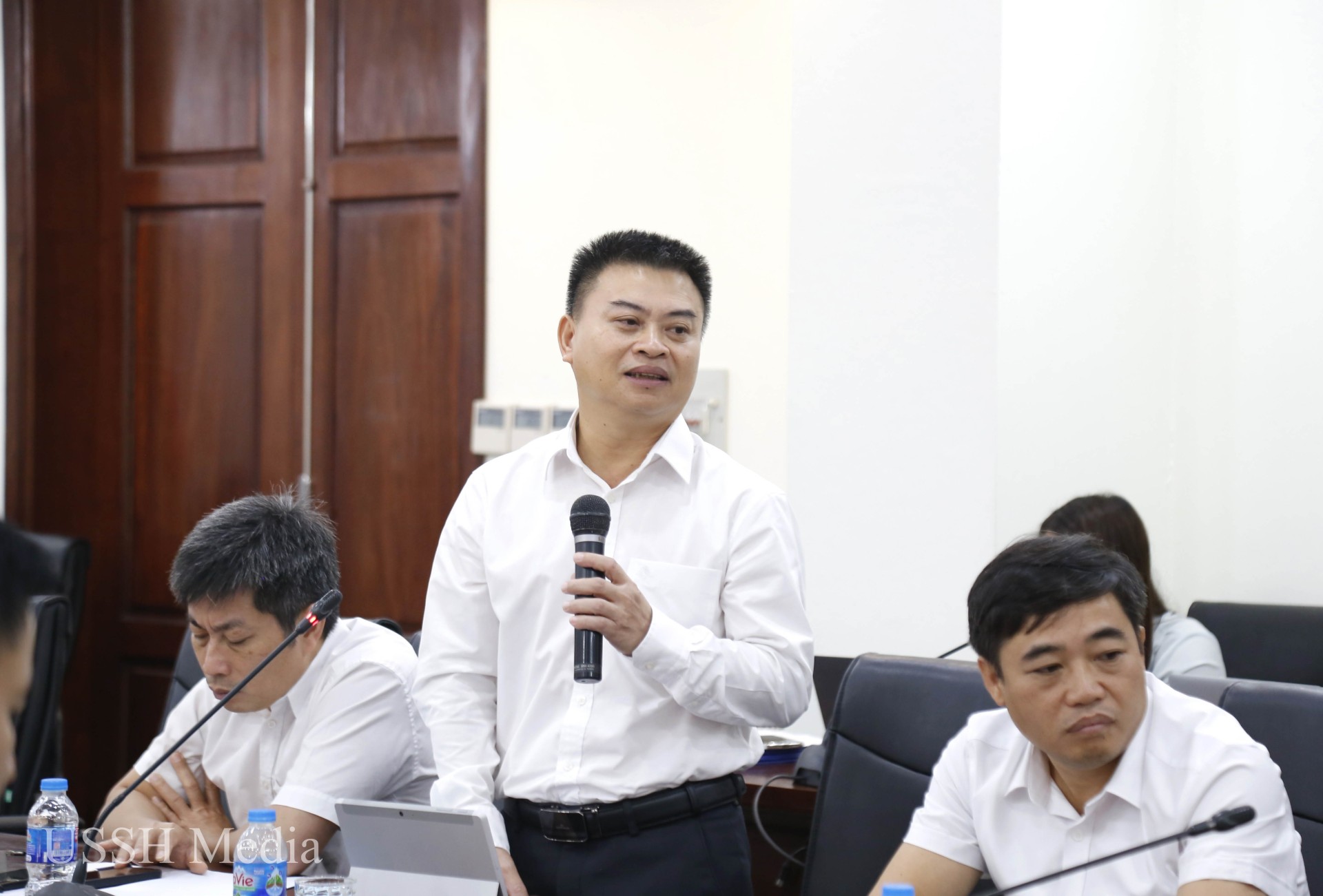
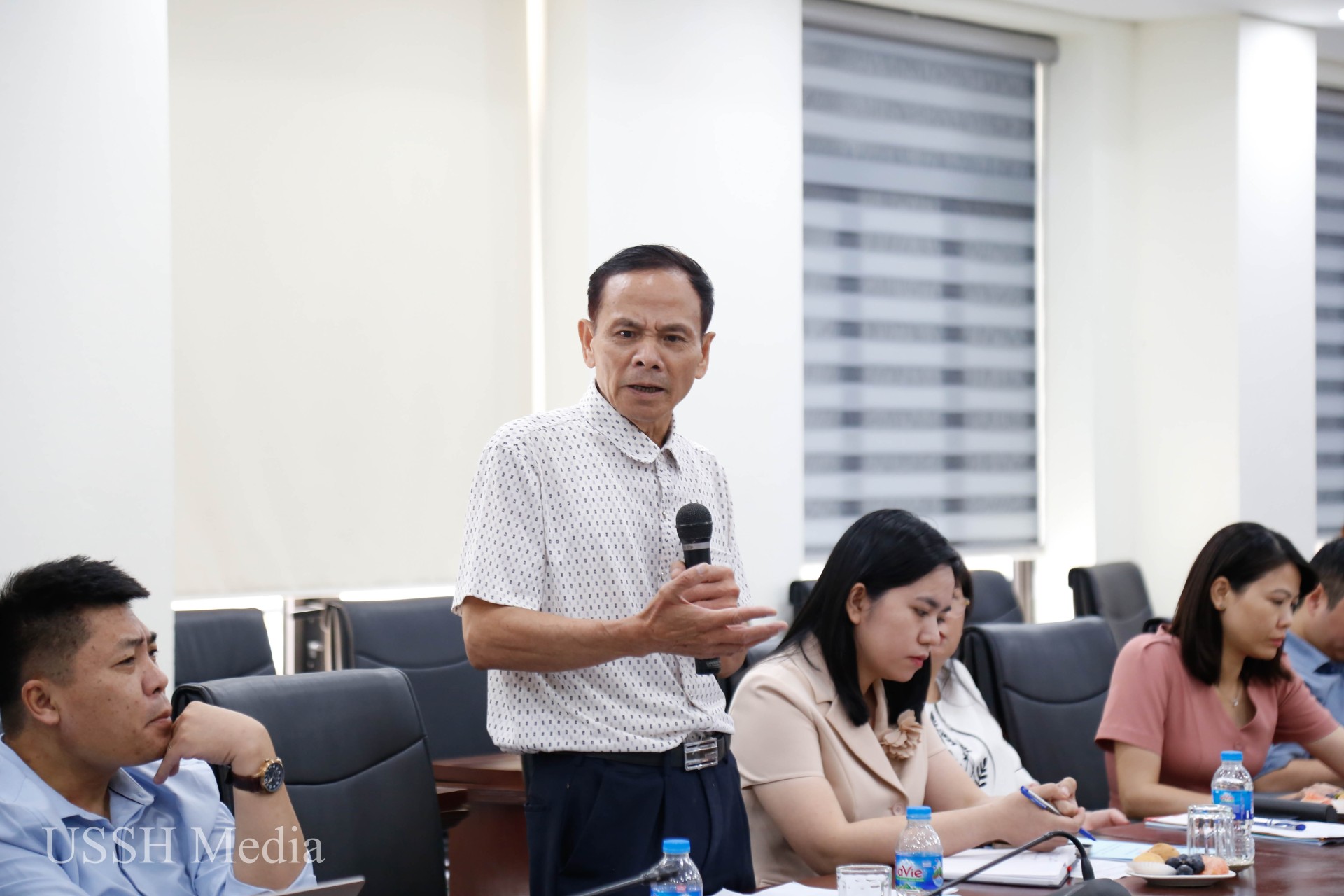
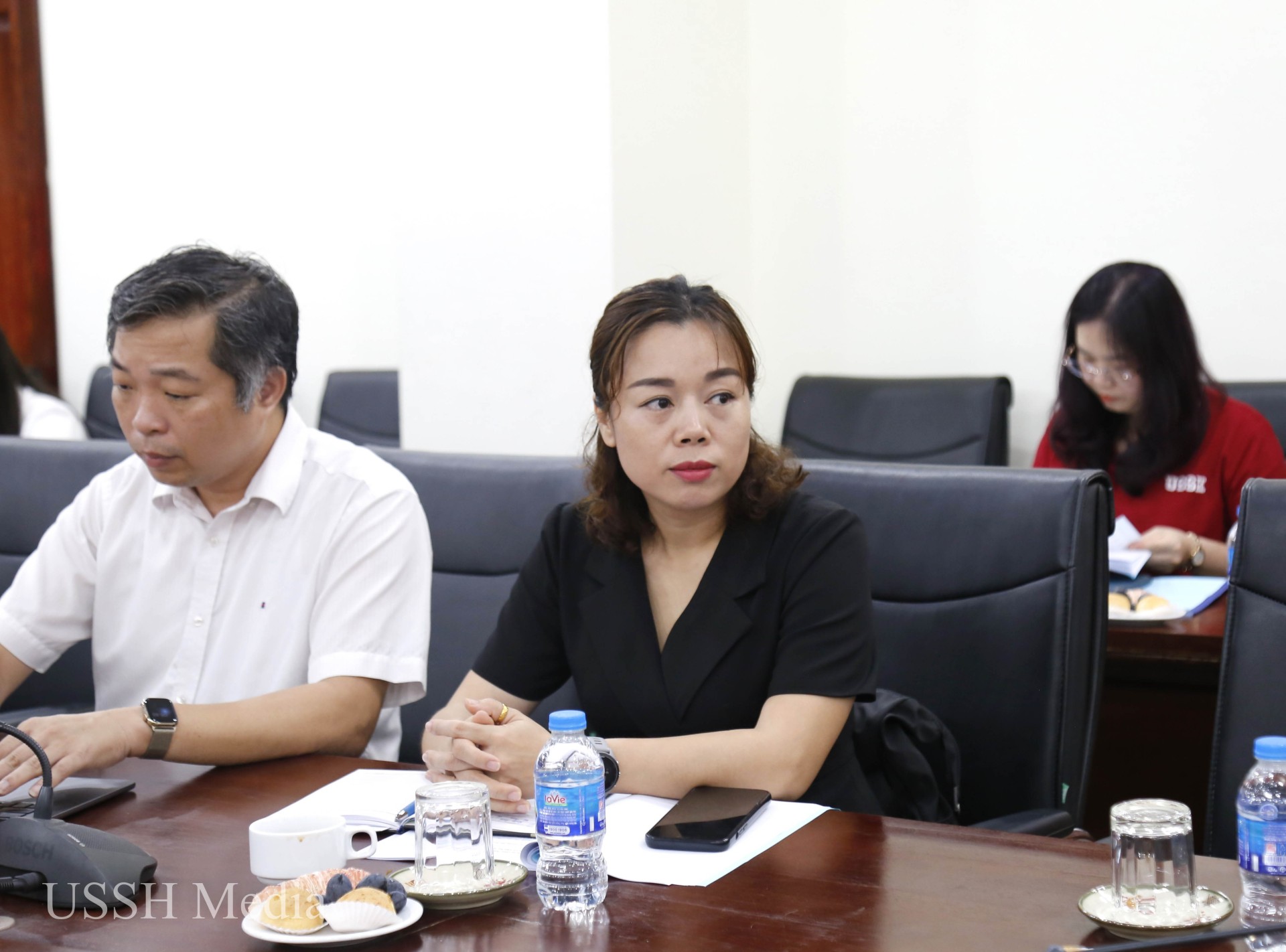
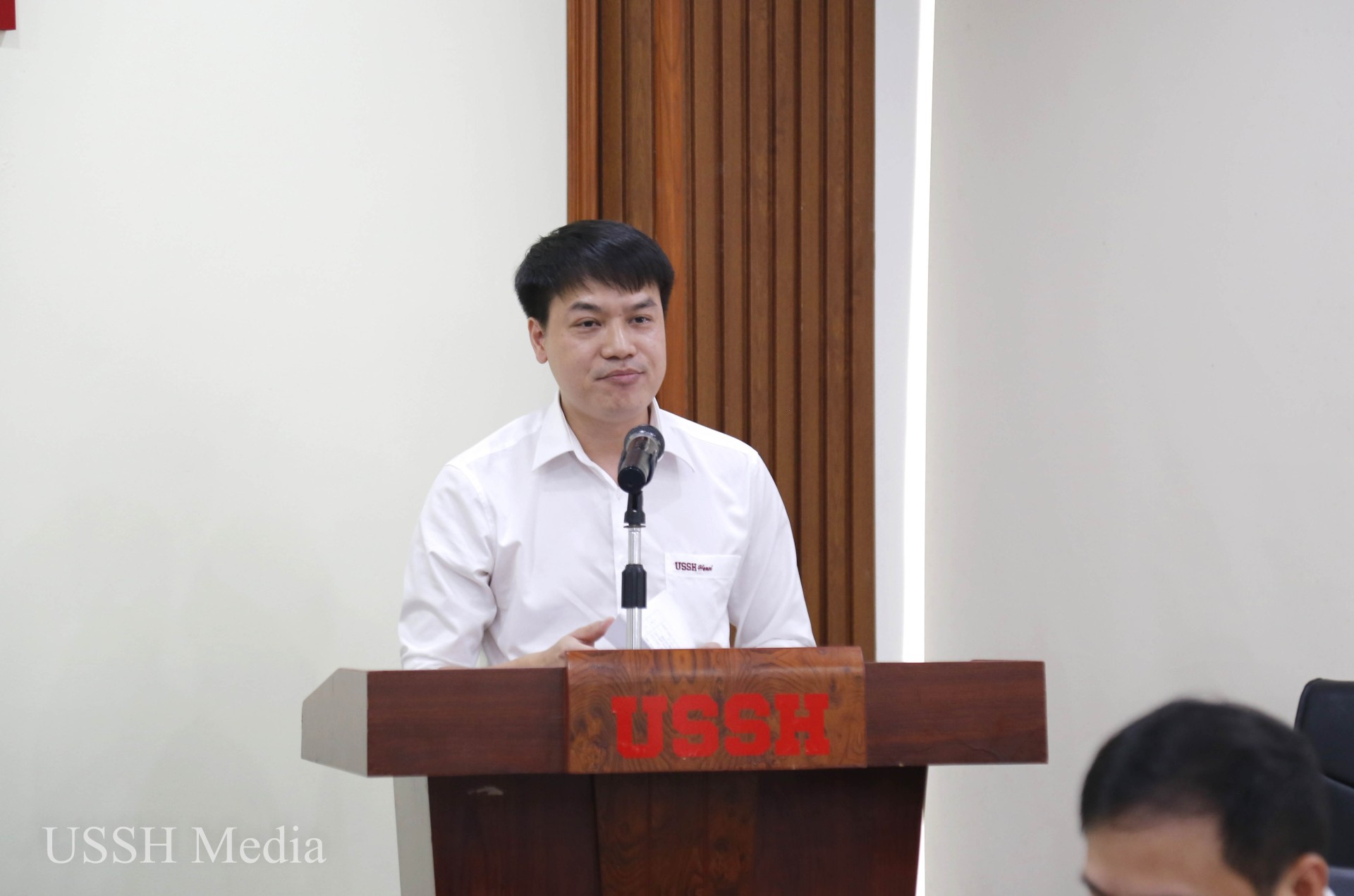
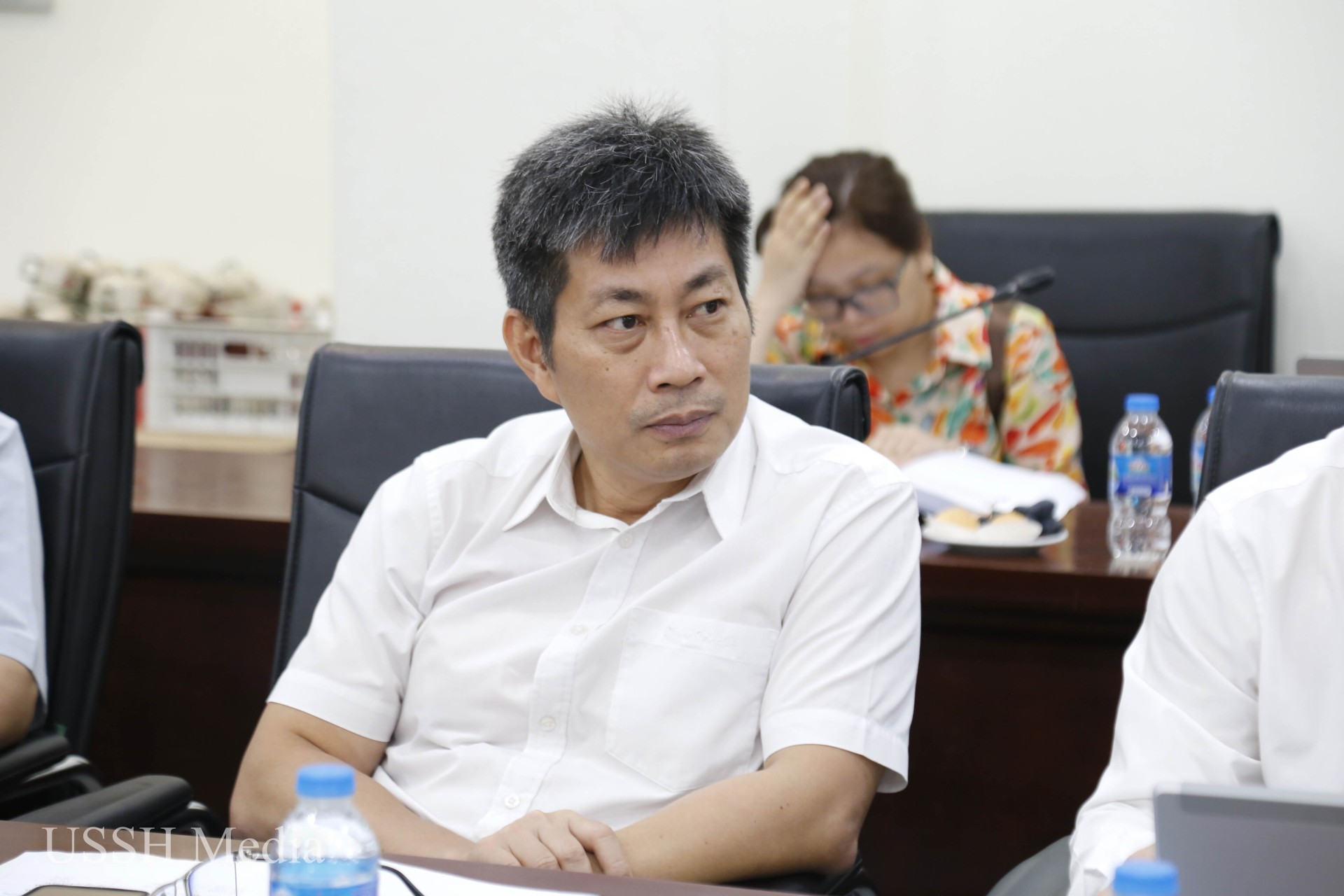
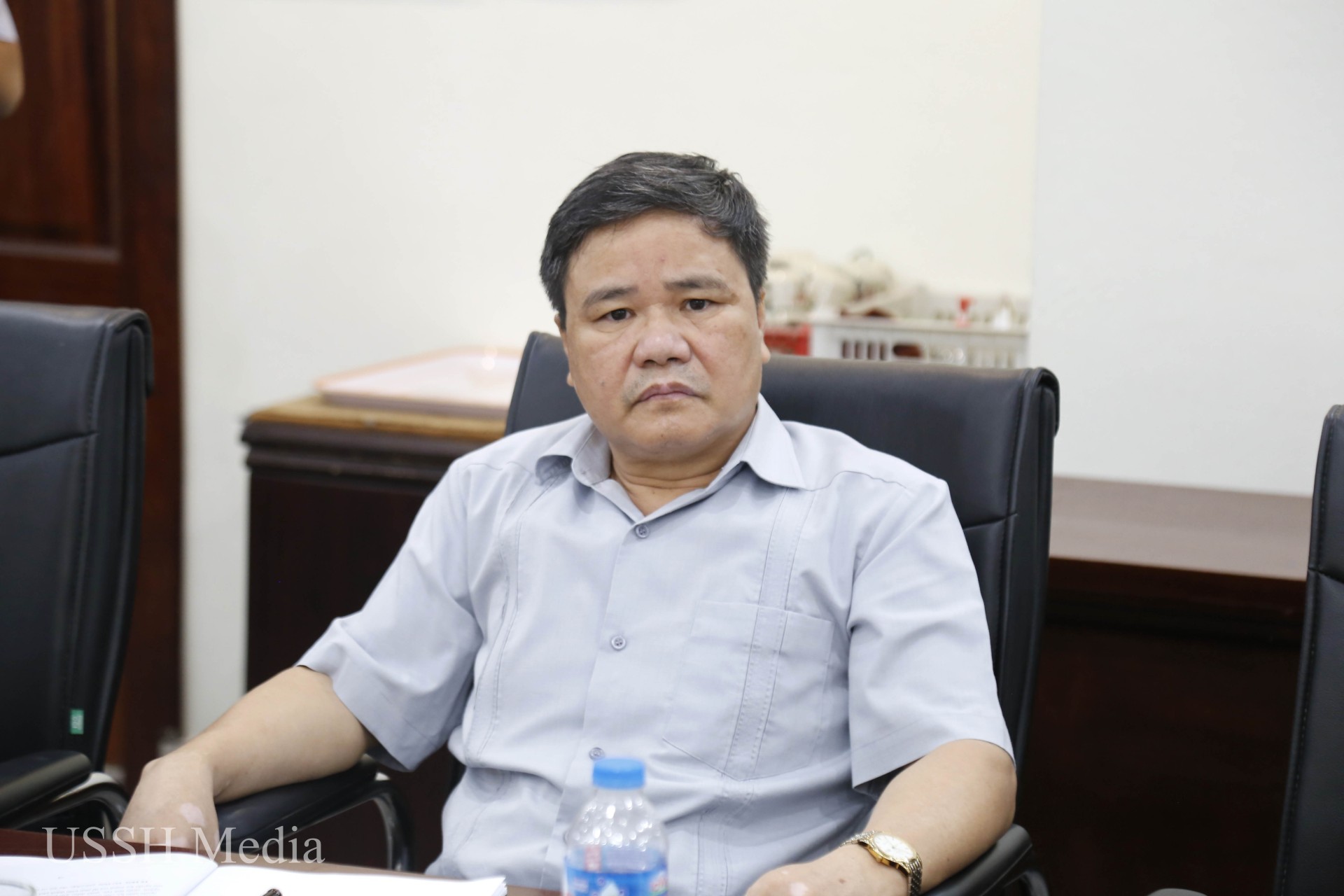
Some photos from the workshop "Perspectives, policies and current situation of training, utilization and attracting talent in Vietnam" on May 30, 2024: