
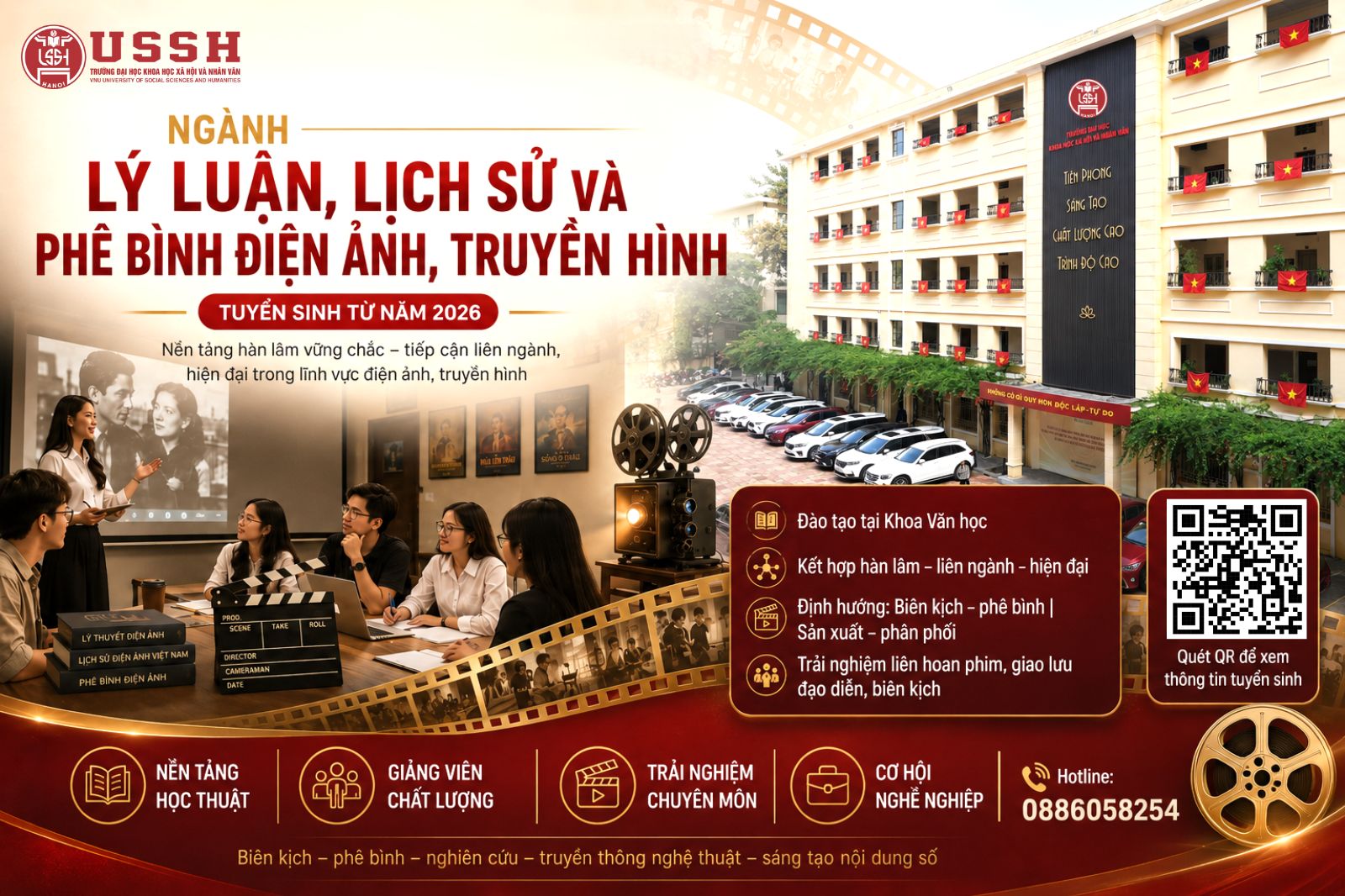
Transforming training towards professionalization.
With the permission of the Vietnam National University, Hanoi, as stated in Official Letter No. 1454/ĐHQGHN-ĐT&CTSV dated April 20, 2026, the pilot undergraduate training program in Cinema and Popular Arts, code 7229036, has been officially reclassified into the field of Theory, History and Criticism of Film and Television with training code 7210231 according to the List of Training Fields of Higher Education issued by the Ministry of Education and Training.
The pilot training program in Film and Popular Arts was previously issued under Decision No. 1683/QD-DHQGHN dated April 26, 2024, of the Vietnam National University, Hanoi. After two years of enrollment, the program has now completed its pilot training mission in the Humanities field and shifted its focus to specialized training in the Arts field, becoming a training program under the Theory, History, and Criticism of Film and Television. This transformation builds upon the successes of the pilot phase while expanding the scale and raising training standards in accordance with the regulations of the Ministry of Education and Training.
In a new format, the Film and Popular Arts training program continues to steadfastly pursue its previously established training goals: to train high-quality human resources for research and practice in film, popular arts, the creative industry, and related fields. Graduates of the Film and Popular Arts training program will be capable of researching and shaping the national film and popular arts scene, participating in introducing major global film and popular arts trends to Vietnam and promoting Vietnamese film and art abroad. They will also be able to directly participate in the life and development of contemporary popular culture, keeping abreast of audience trends and the dynamics of artistic tastes, and integrating into the context of cultural globalization.
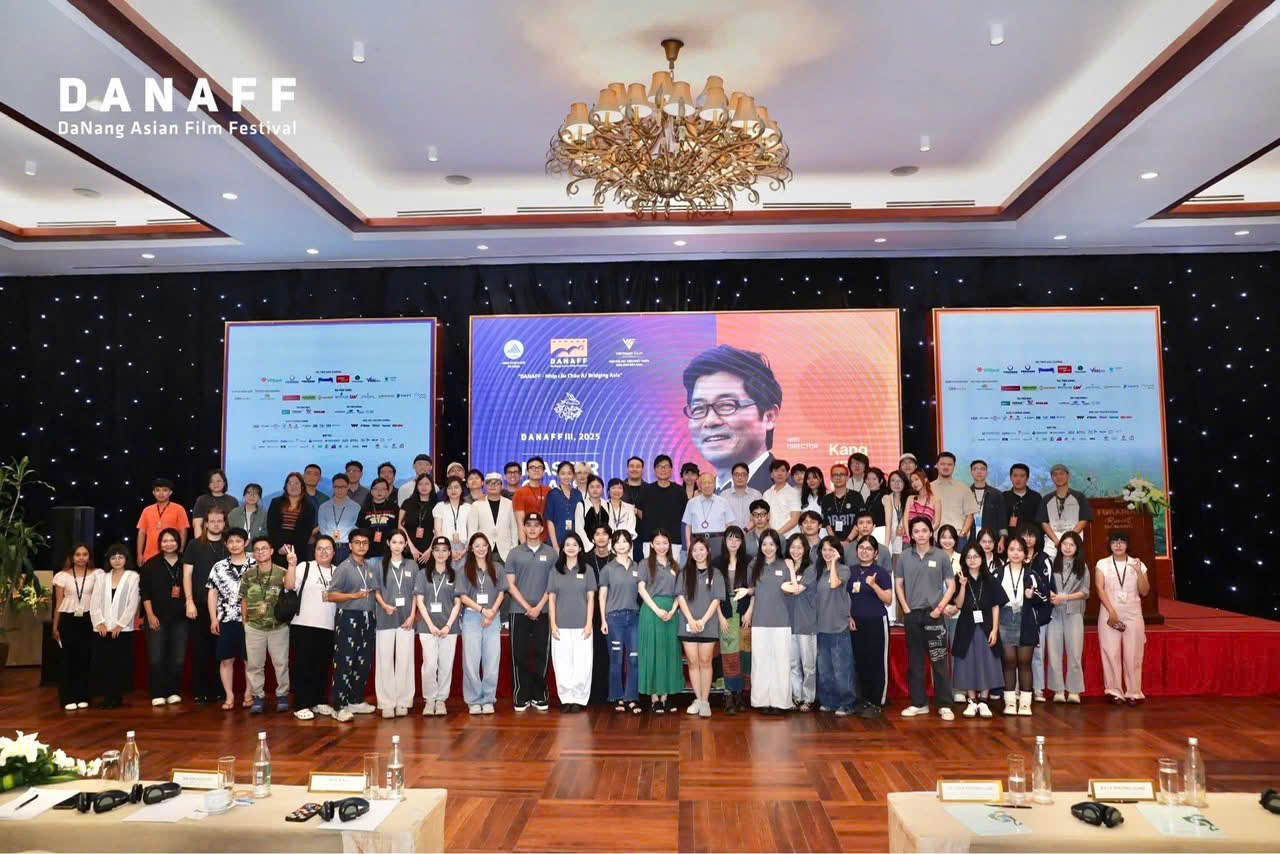
Students have the opportunity to participate in numerous exchange and practical learning activities at major cultural events.
The training orientation combines an academic foundation with a modern, interdisciplinary approach.
The Film and Popular Arts training program, under the field of Film and Television Theory, History and Criticism, is offered at the Faculty of Literature. This is one of the oldest faculties in the University of Social Sciences and Humanities, as well as in the Hanoi National University system, and holds a leading reputation for training and research in literature and art. Since 2013, the Faculty of Literature has offered a Master's degree in Film and Television Theory and History (code 8210231) in the field of Arts. With 13 years of experience in training, the Faculty has affirmed the quality of its education through its graduates, who are now playing key roles in art-related fields in society (screenwriters, directors, art researchers, art critics, etc.). With years of practical training combined with a development orientation based on literary knowledge and creative writing potential, the Film and Popular Arts training program has been designed with two prominent professional pillars: screenwriting - film and popular arts criticism and film and popular arts production; distribution and consumption, creating a unique characteristic for this training field within the Faculty of Literature and the University of Social Sciences and Humanities.
The Film and Popular Arts training program is designed with an interdisciplinary approach, ensuring modernity and relevance to global trends in film and popular arts education, while leveraging the strengths of connecting academic knowledge with practical cultural and social life. This approach facilitates the effective transformation of specialized knowledge into professional competence. The program is designed with many engaging specialized modules such as Popular Arts in the Digital Age; Vietnamese Cinema and the Formation of National Identity; Hollywood, Globalization and Transnational Cinema; Korean and Japanese Popular Culture; Script Adaptation in Film; Art Communication and Consumer Culture…
The faculty is a core factor determining the quality of training in the field. Currently, the percentage of faculty members with associate professorships and doctoral degrees in the Faculty of Literature is approximately 80%, demonstrating a solid academic foundation as well as increasingly affirmed research capabilities and international integration potential. Besides the permanent faculty, the training program also includes visiting lecturers who are directors, screenwriters, producers, and managers in the fields of film, television, and arts, contributing to increased practical relevance and professional connections.
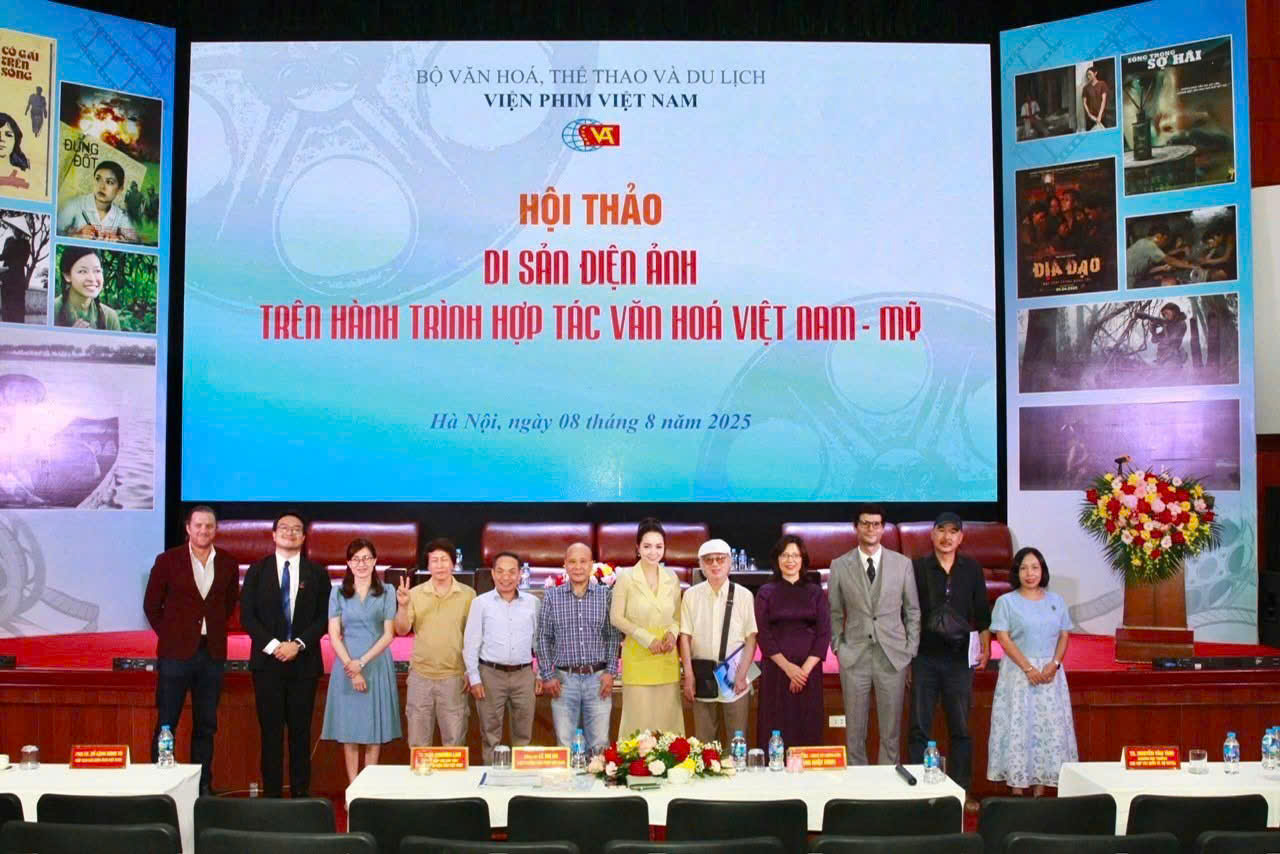
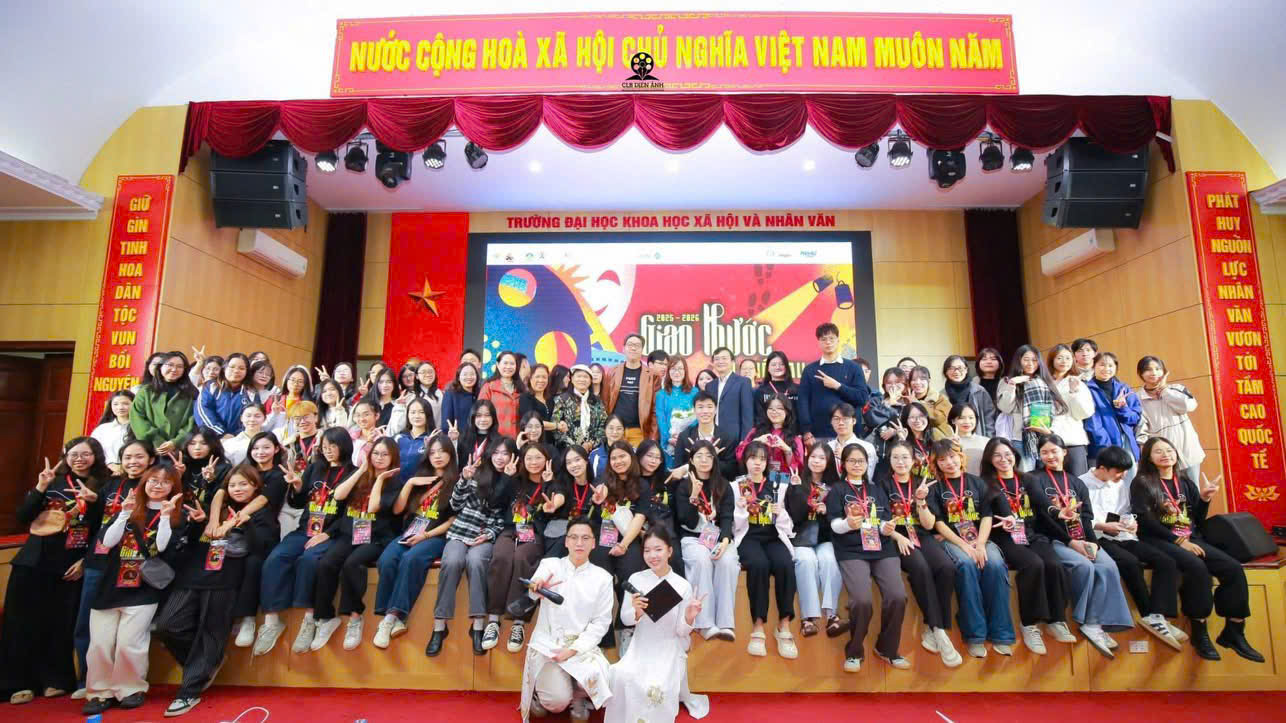
Faculty and students of the Literature Department participate in scientific forums.
Rich learning experiences and diverse career opportunities.
Students enrolled in the Film and Popular Arts program, awarded a Bachelor's degree in Film and Television Theory, History, and Criticism, have the opportunity to participate in extracurricular activities such as attending prestigious national film festivals; networking with film and television directors and screenwriters; and participating in art performances and new film premieres in the country's film culture. Through these experiences, students can broaden their professional horizons and connect with a professional creative environment. The combination of academic knowledge, practical experience, and international cooperation contributes to the holistic development of students in terms of thinking, skills, and adaptability to the globalized world.
Job opportunities for graduates of the Film and Popular Arts program in the field of Film and Television Theory, History, and Criticism are abundant. Graduates of the Film and Popular Arts program can flexibly take on many positions such as: Screenwriter for film, television, theater, and various multimedia works; Research, theory, and criticism of film and popular arts at research institutes and media, cultural, and artistic organizations; Teaching film and popular arts in high schools, colleges, and universities; Directing, producing, distributing, and archiving films and popular arts products; Managing and coordinating film, theater, and popular arts projects; Film curator and art curator for art organizations, distribution, and publishing units; Art and film communication at film production units, multimedia media, mass art media, art product distribution units, and cultural product production units; Consulting, developing, and managing thematic exhibition activities and programs for museums, art galleries, and multimedia exhibitions; Monitoring, advising, and managing film, television, art, and cultural activities in cultural agencies, archives, information agencies, state agencies, organizations, and businesses in need; Creating digital content; developing content for promotional and communication activities of agencies, organizations, businesses, localities, etc.; Journalism, media, and publishing related to film, art, and culture.
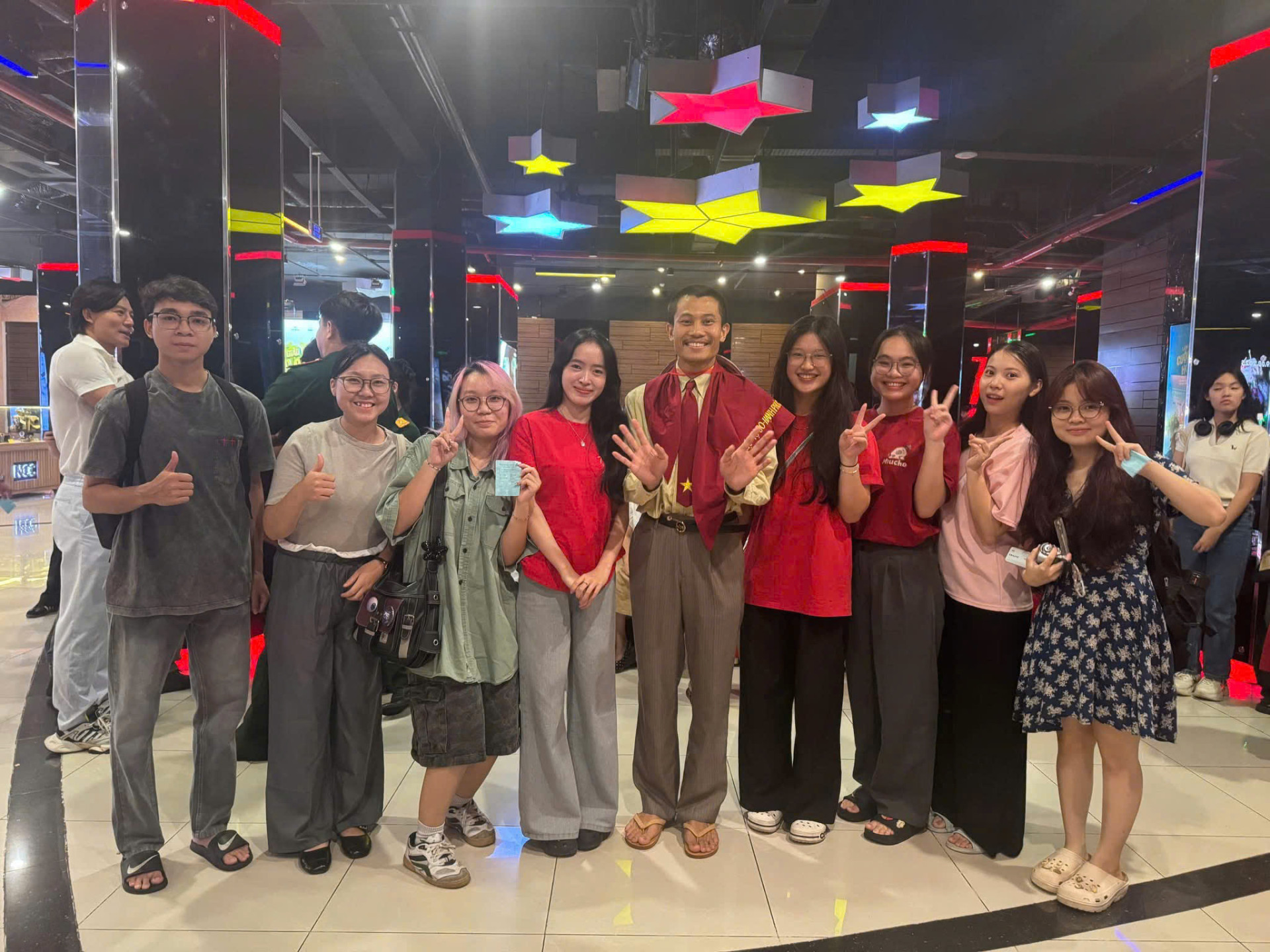
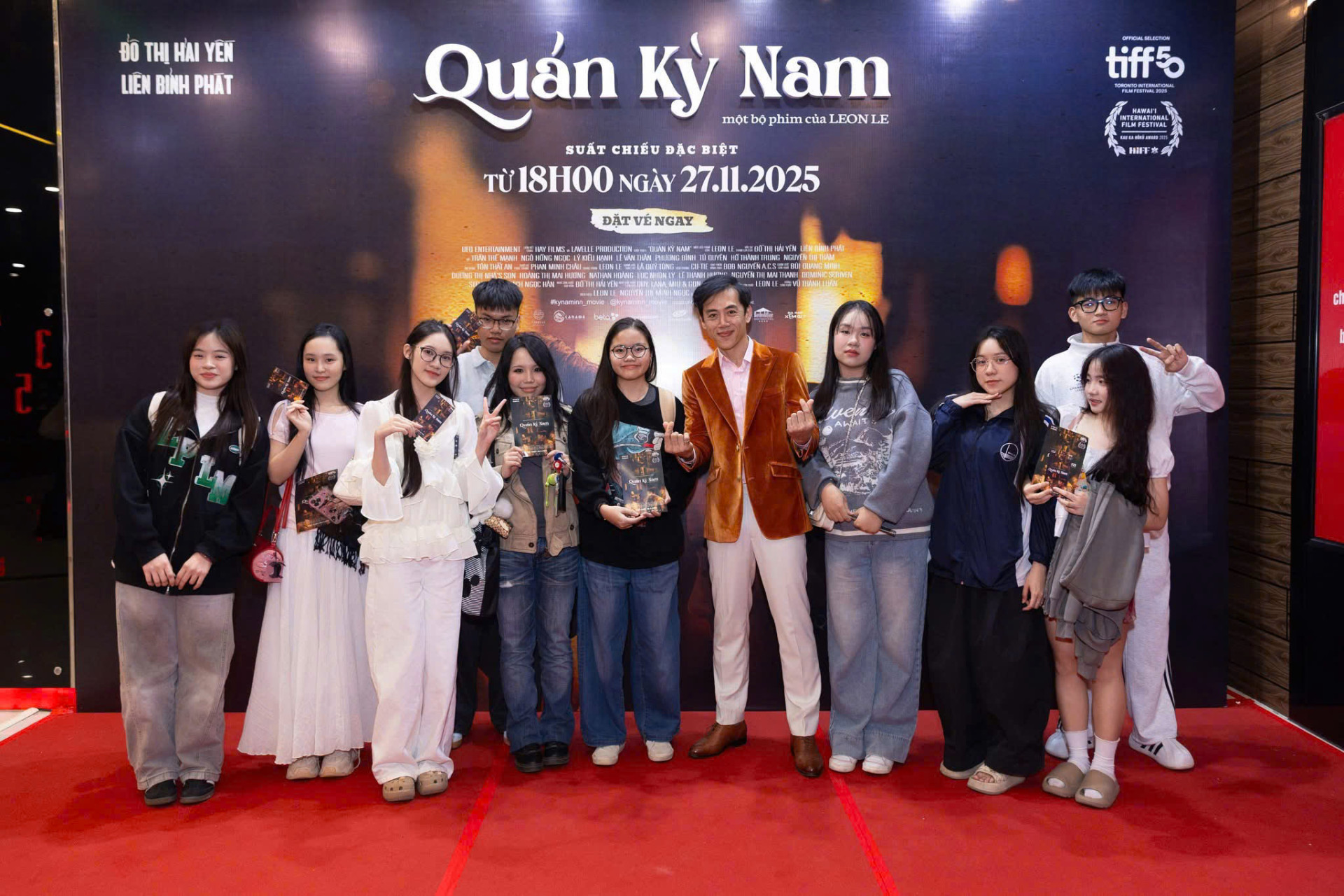
In the context of the rapidly developing cultural and digital media industries, the Film and Popular Arts training program within the field of Film and Television Theory, History, and Criticism plays a crucial role in providing a foundational knowledge system, linking training activities with creative practice and the operation of the cultural industry. Through this, the field of study contributes to shaping the national artistic identity in the context of globalization, while directly participating in the dynamics of contemporary popular culture, helping to shape public taste and improve the quality of artistic creation and criticism.
Related articles:
Author:Article: Faculty of Literature. Design: Thùy Dzung
Newer news
Older news

