

Overview of the conference
An open dialogue space for identifying and sharing experiences.
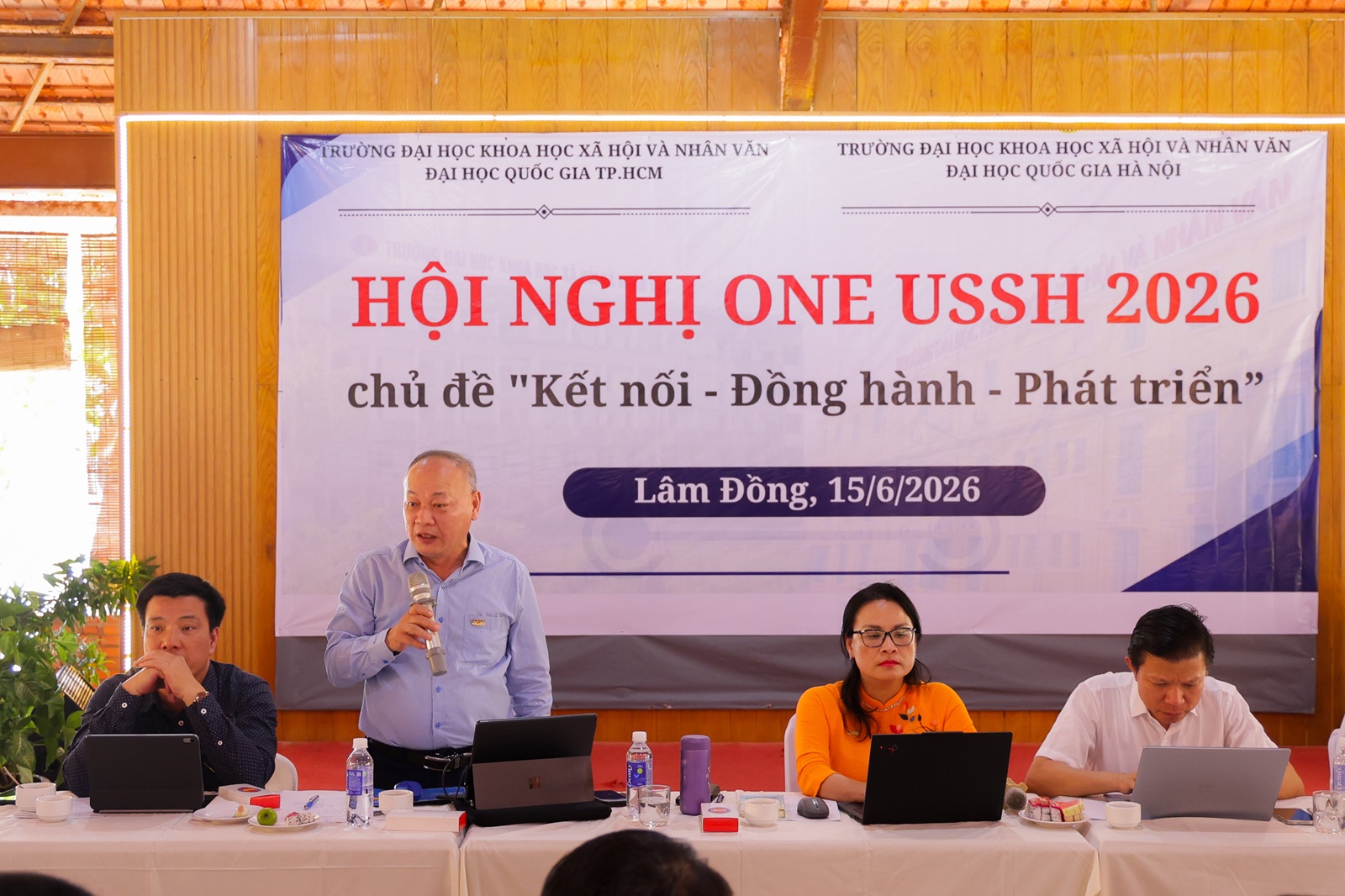
The conference was held in an open roundtable format, without presentations of reports or papers, aiming to create a space for frank and substantive dialogue between the leaders of functional departments and related units of the two universities.
The conference was co-chaired by Rector Hoang Anh Tuan and Rector Ngo Thi Phuong Lan. Against the backdrop of Vietnam's higher education system undergoing a significant transformation under the impact of university autonomy, artificial intelligence, digital transformation, and the need for system restructuring, the inter-university meeting was not only an annual professional exchange but also a strategic forum to jointly identify issues, share experiences, and agree on collaborative directions for the future.
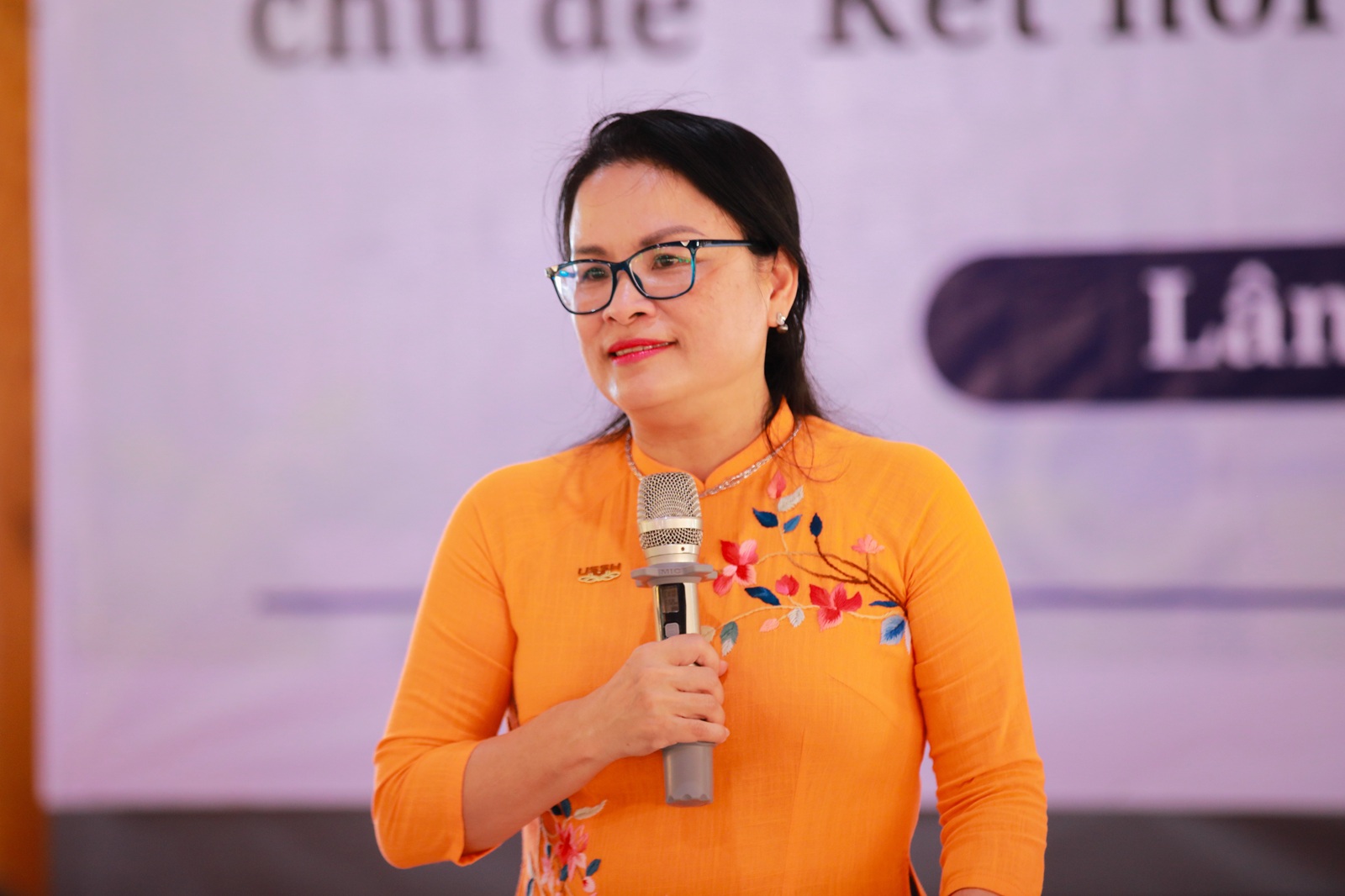
Ms. Ngo Thi Phuong Lan, Rector of the University of Social Sciences and Humanities, Vietnam National University Ho Chi Minh City, delivered a keynote address at the conference.
One of the key issues raised at the conference was the restructuring of universities and the development of human resources in social sciences and humanities. Representatives from the Human Resources Departments of both universities raised many issues related to the impact of streamlining the organizational structure, innovating governance models, attracting and retaining high-quality human resources, building a team of leading scholars, elite scientists, and a workforce capable of international integration. In the context of higher education institutions needing to operate in a streamlined, efficient, and highly competitive manner, restructuring is not just about rearranging organizational units, but also about redefining the roles, capabilities, and responsibilities of each unit, each administrator, lecturer, and scientist.
Based on the experiences of the two schools, the conference emphasized the pioneering spirit in institutional and organizational reform. Changes in unit structure, streamlining of departments, and adjustments to the models of faculties, departments, and offices were recognized as essential requirements to create new impetus for development. However, this process also poses numerous challenges regarding psychology, management habits, and the need to ensure the stability of professional activities. Therefore, restructuring needs to be carried out on the principle of clear objectives and clear effectiveness, with development as the ultimate goal, preventing organizational units from becoming obstacles or existing only out of inertia.
The topic of social sciences and humanities education in the era of AI and internationalization also received much in-depth discussion. Currently, both universities are facing new developments in student recruitment, requiring innovation in training programs, teaching methods, interdisciplinary training models, and the need to develop English-language programs, dual-degree programs, and elite training programs. In the context of artificial intelligence transforming the way we learn, research, and work, social sciences and humanities disciplines cannot stand outside the technological flow; instead, they need to proactively adapt and leverage AI as a tool to support training, research, policy advice, and community service.
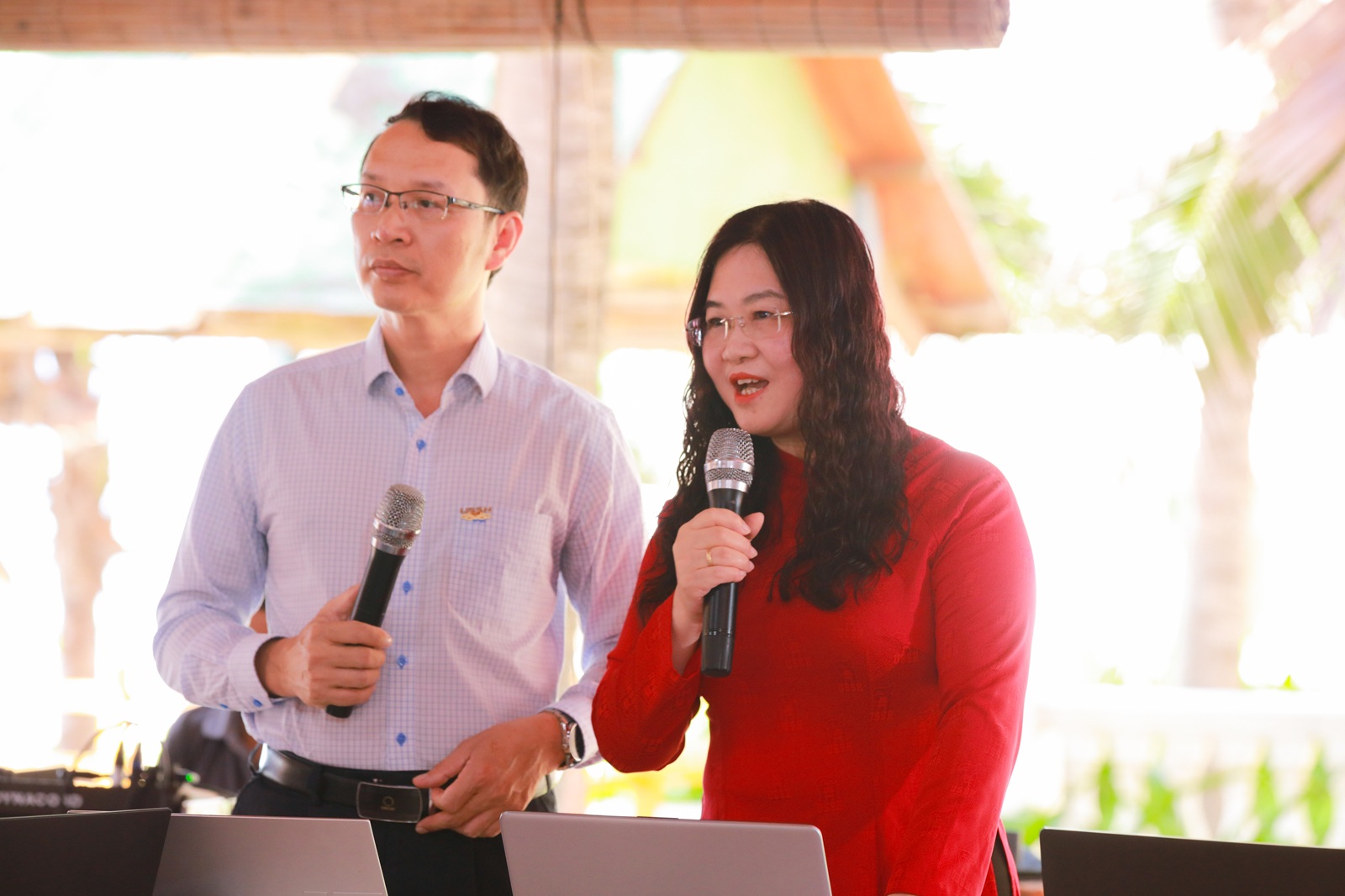
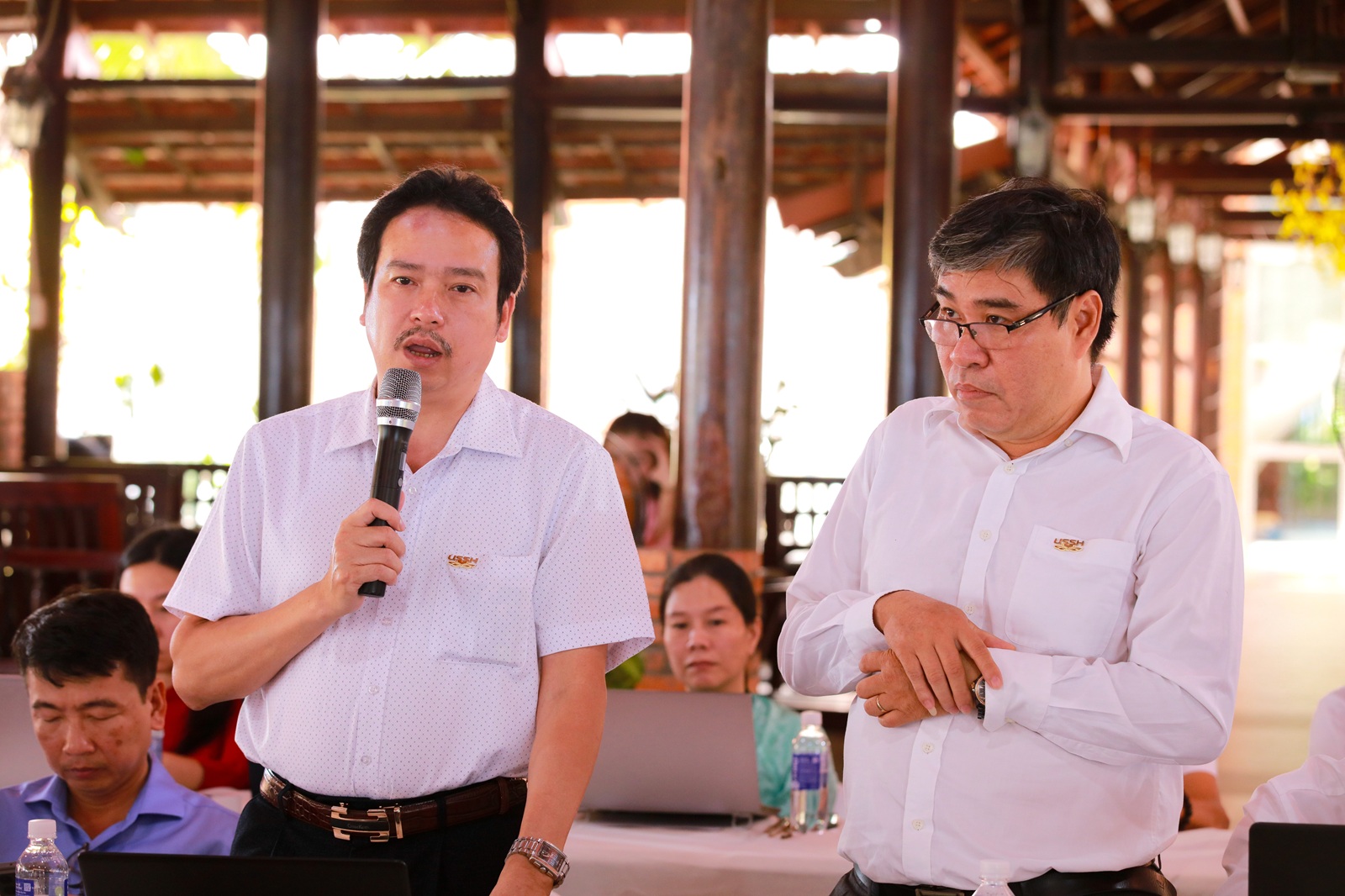
In the spirit of OneUSSH sharing, the conference addressed the need for mutual exchange of experiences in developing management documents, particularly those related to the management, exploitation, and use of AI in training, research, and consulting. This is a new issue, requiring both universities to ensure openness to technology while simultaneously establishing a governance framework that aligns with academic standards, research ethics, and the requirements for protecting the quality of education.
In the field of scientific research, the conference affirmed the national mission of social sciences and humanities. Discussions focused on the role of these two units in policy advice, addressing national development issues, building inter-university research clusters, forming a network of experts, and establishing the influential ONE USSH think tank. In the current era, social sciences and humanities not only perform the functions of academic training and research, but also need to participate more deeply in the policy-making process, explain social, cultural, and human changes, and contribute to establishing a knowledge base for sustainable national development.
Another issue raised was university financial management and resource allocation. In the context of university autonomy, resource management becomes a core competency for every higher education institution. The conference emphasized the need to increase overall resources while simultaneously allocating them rationally, ensuring that training, research, knowledge transfer, and community service activities operate effectively. Specific collaborations such as academic exchange, joint training, expert sharing, development of joint research groups, and collaboration in governance and digital transformation were considered immediate approaches to achieve tangible results.
Sustainable development of pioneering and effective cooperative relationships.
A key highlight of the conference was the emphasis on continuing to promote the five "attributes" of the OneUSSH spirit: unity, sharing, pioneering spirit, accountability, and effectiveness. Unity is understood as unity in vision and action based on leveraging the unique strengths of each institution, aiming towards the image of OneUSSH Vietnam. Sharing is demonstrated by the two universities consulting with each other in building organizational structures, governance documents, training and research models, and operational mechanisms. Pioneering spirit requires both universities to continue leading in institutional reform, organizational structure, human resource development, and professional innovation. Accountability emphasizes the national mission of the universities and requires each administrative staff member to enhance their responsibility in their work. Effectiveness is a consistent requirement: not just getting things done, but doing them thoroughly, creating tangible and measurable results.
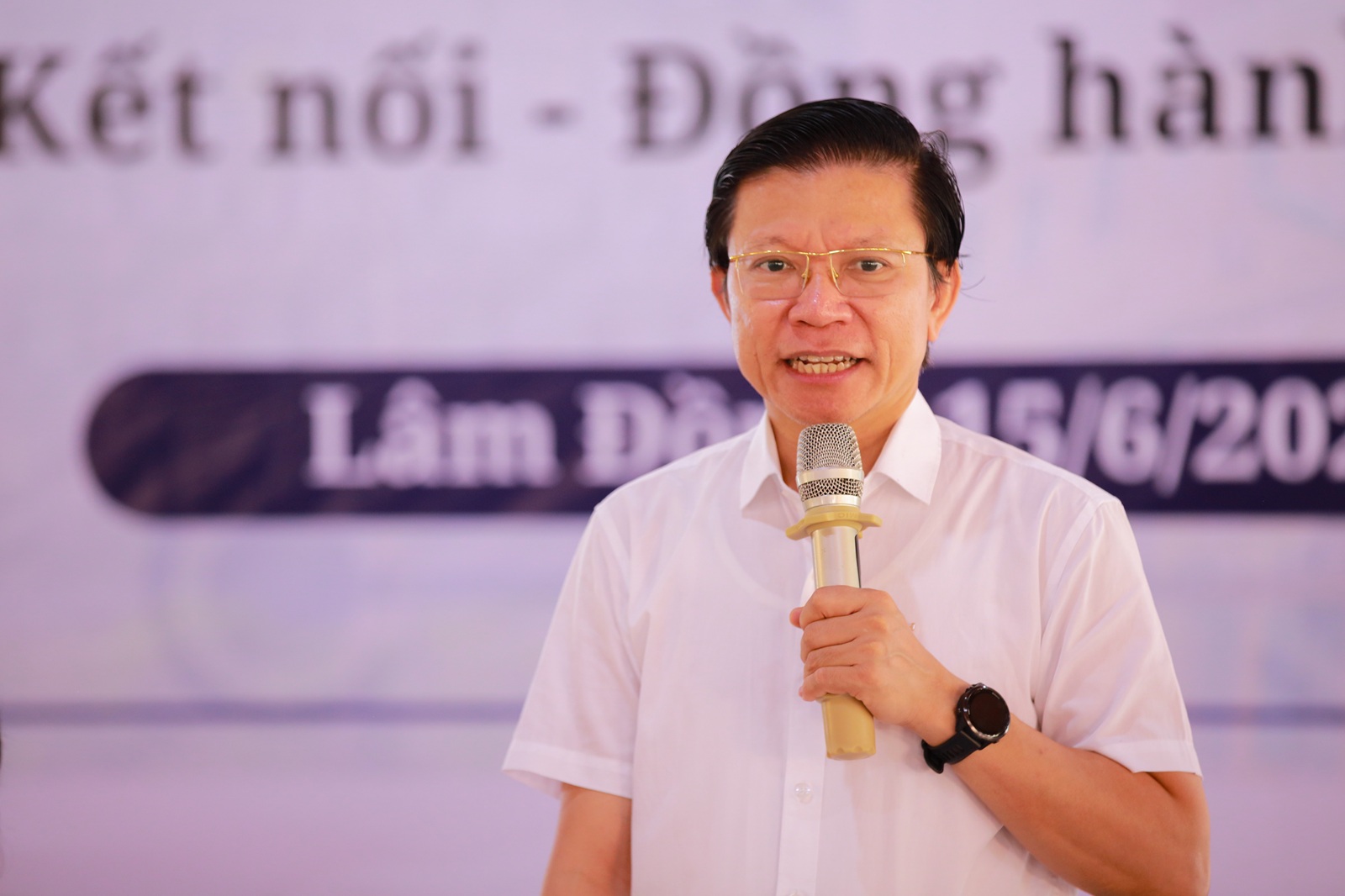
Rector of the University of Social Sciences and Humanities, Vietnam National University, Hanoi, Hoang Anh Tuan, delivered a keynote address at the conference.
Furthermore, the conference identified three pillars that require continued reform. The first pillar is institutions, with the requirement of being streamlined, efficient, and strong, in line with the realities of Vietnamese social sciences and humanities. The second pillar is human resources, which requires mechanisms for screening, categorizing, and guiding human resource development based on the principle of fairness but without egalitarianism. The third pillar is resources, including both increasing overall resources and distributing resources rationally, creating conditions for the effective implementation of strategic tasks.
Based on those five "attributes" and three pillars, the conference agreed on a common path for the new development phase: breakthrough development. This is not just a slogan, but a commitment to action from both universities in the new context. Breakthrough development requires new thinking, new approaches, new coordination mechanisms, and higher responsibility from management levels down to each specialized unit.
In the spirit of OneUSSH, the exchange between the two Universities of Social Sciences and Humanities at opposite ends of the country not only contributes to strengthening the connection between the two leading training and research centers in social sciences and humanities, but also opens up a model of exemplary, substantive, and effective cooperation, jointly aiming to serve knowledge, people, and national development.
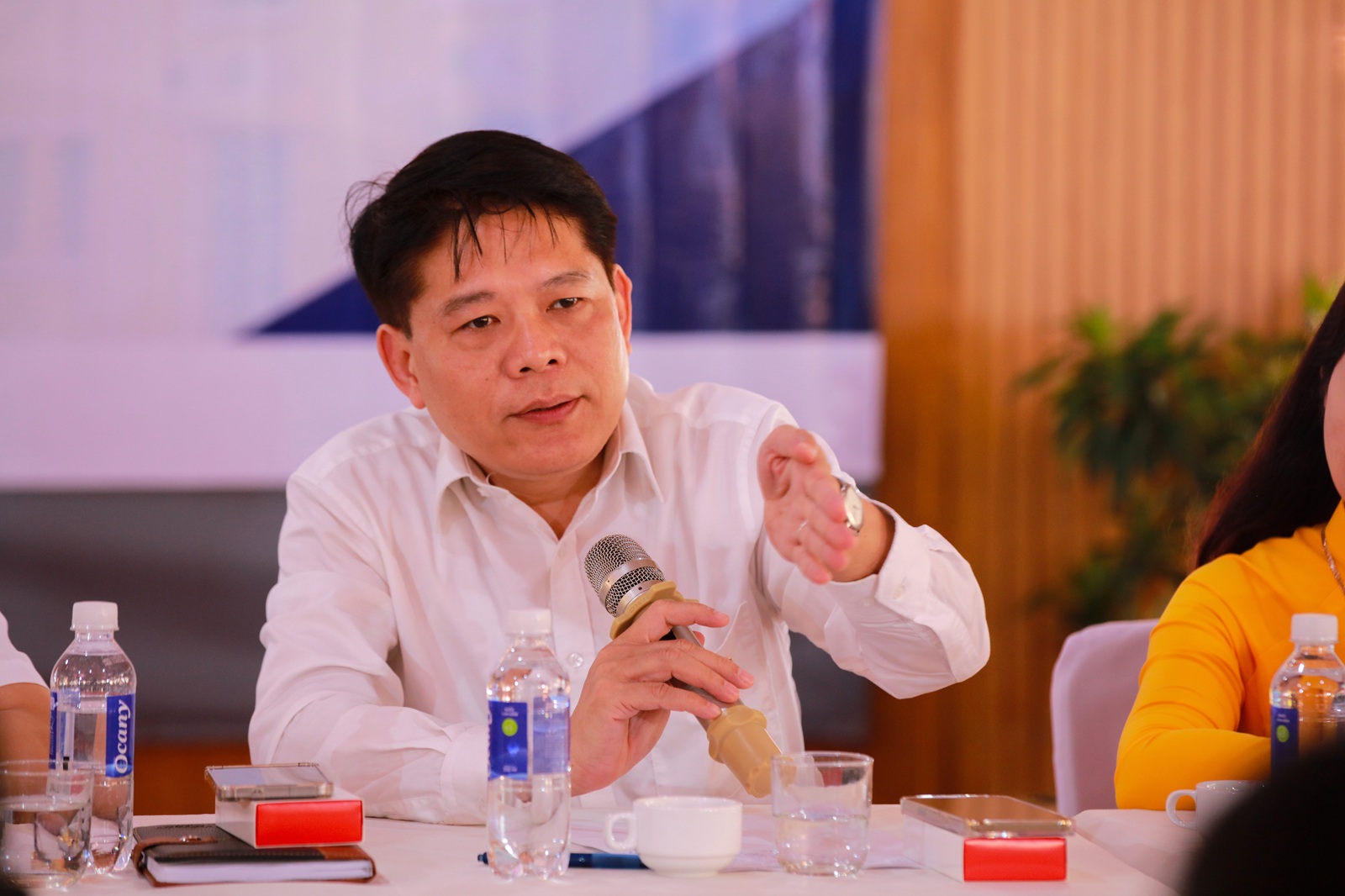
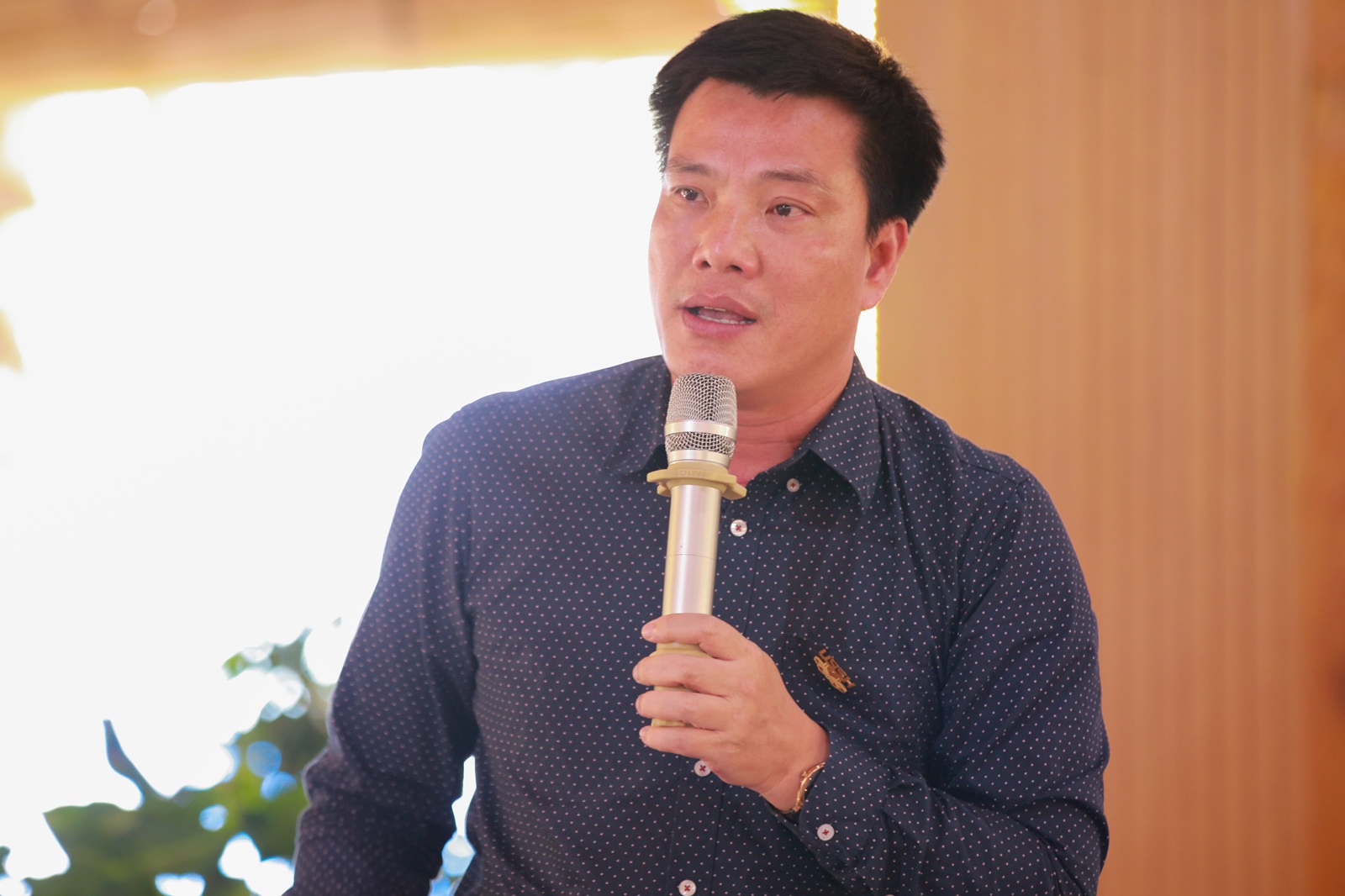
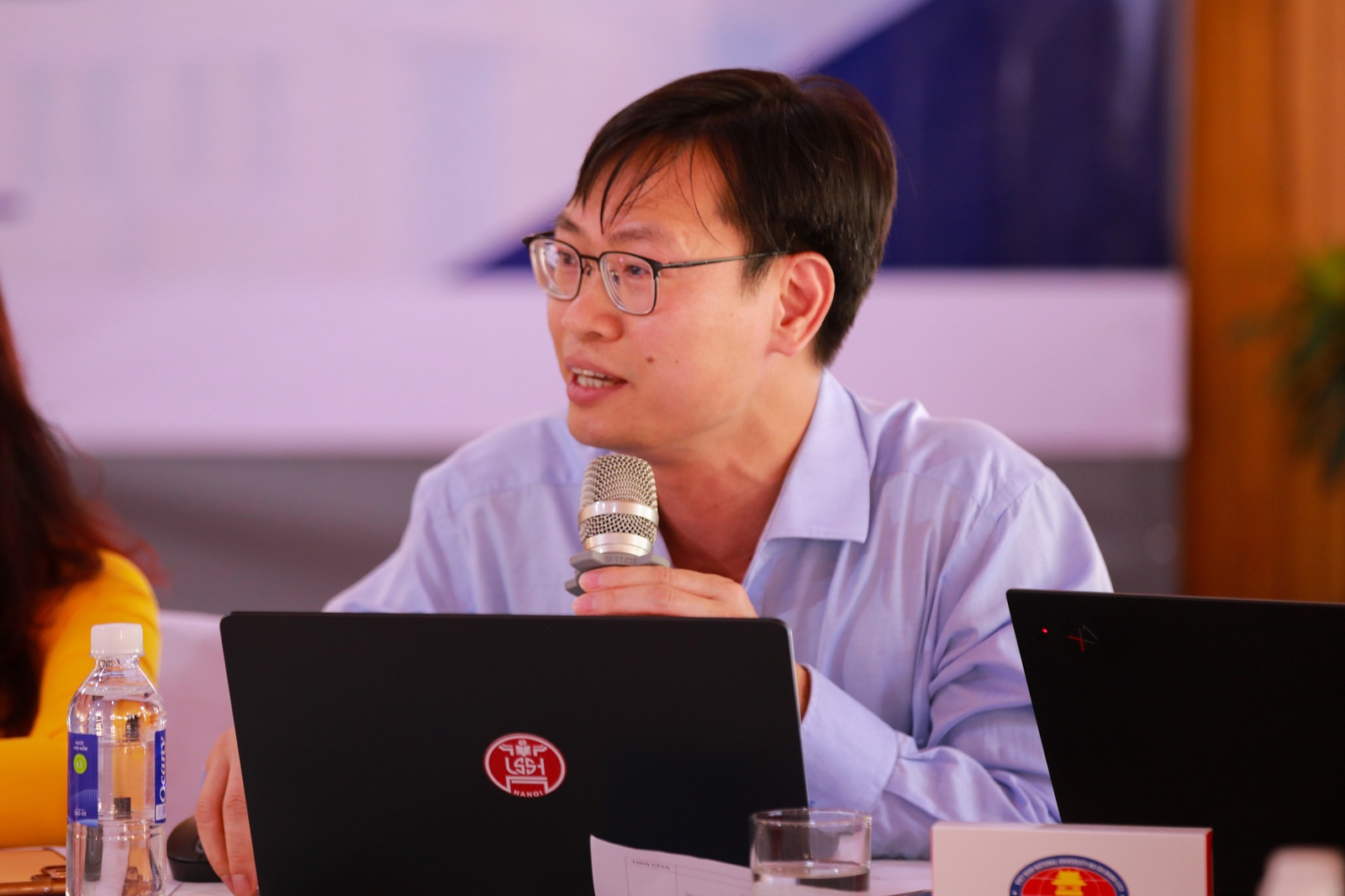
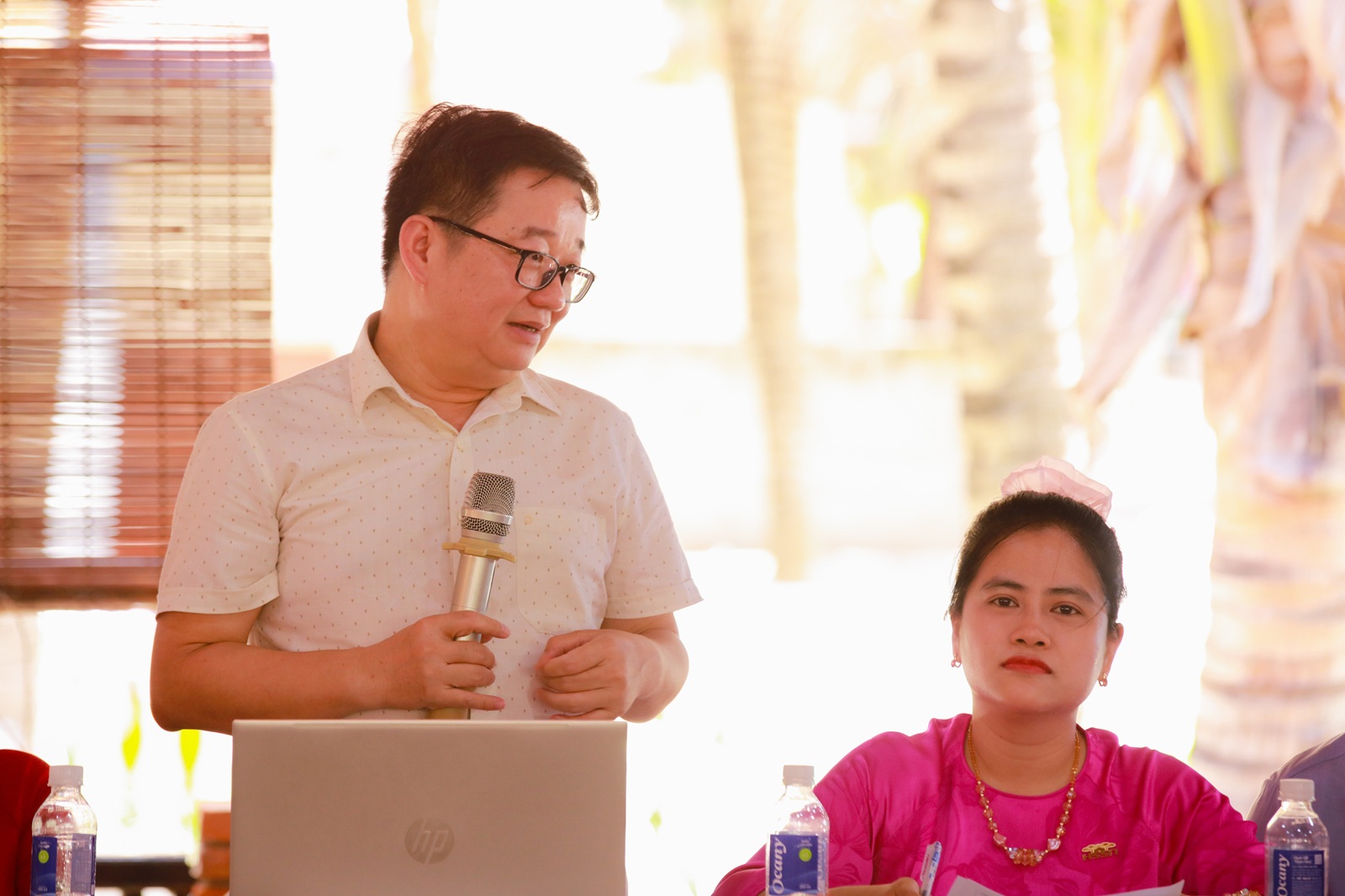
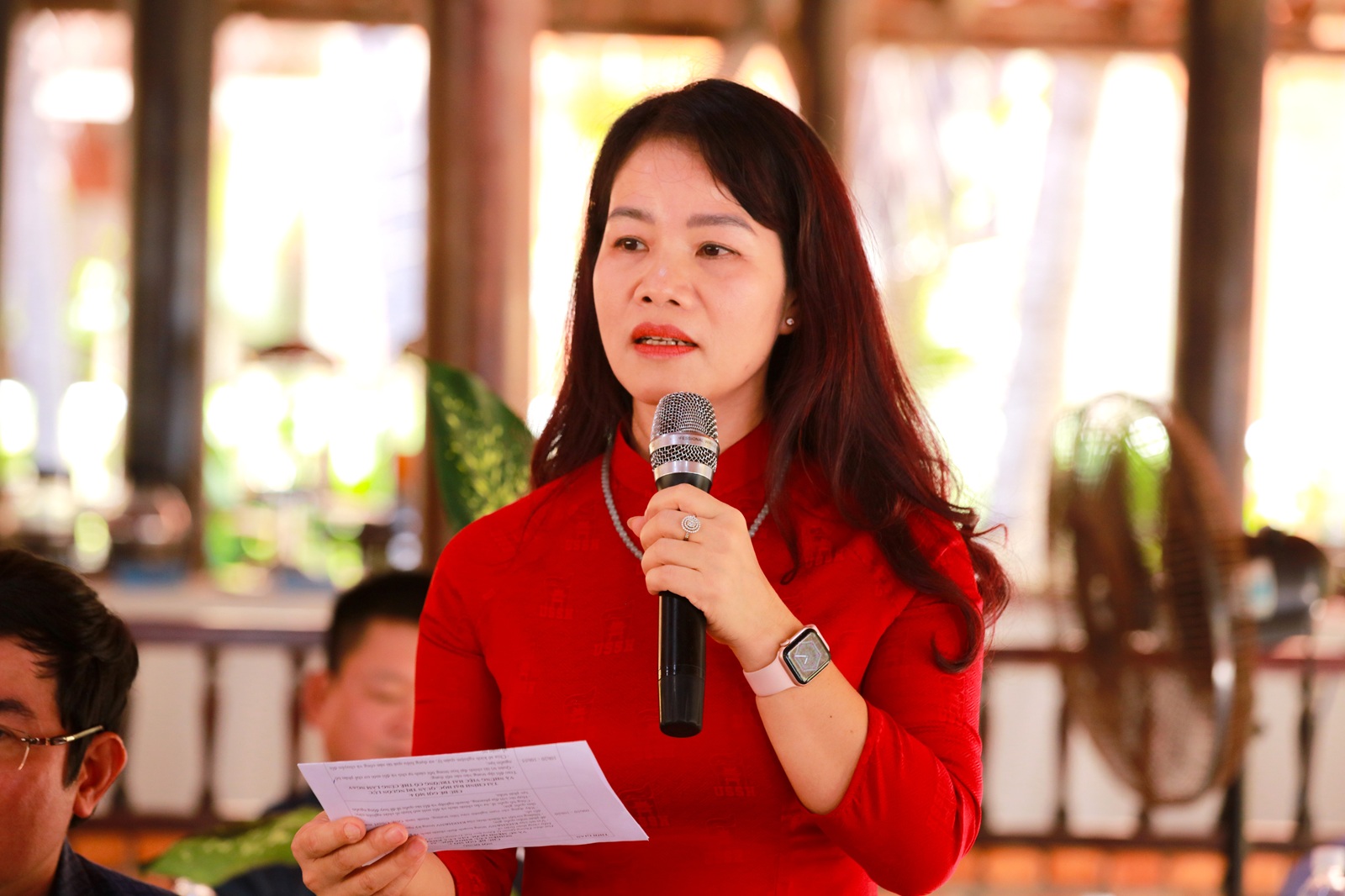
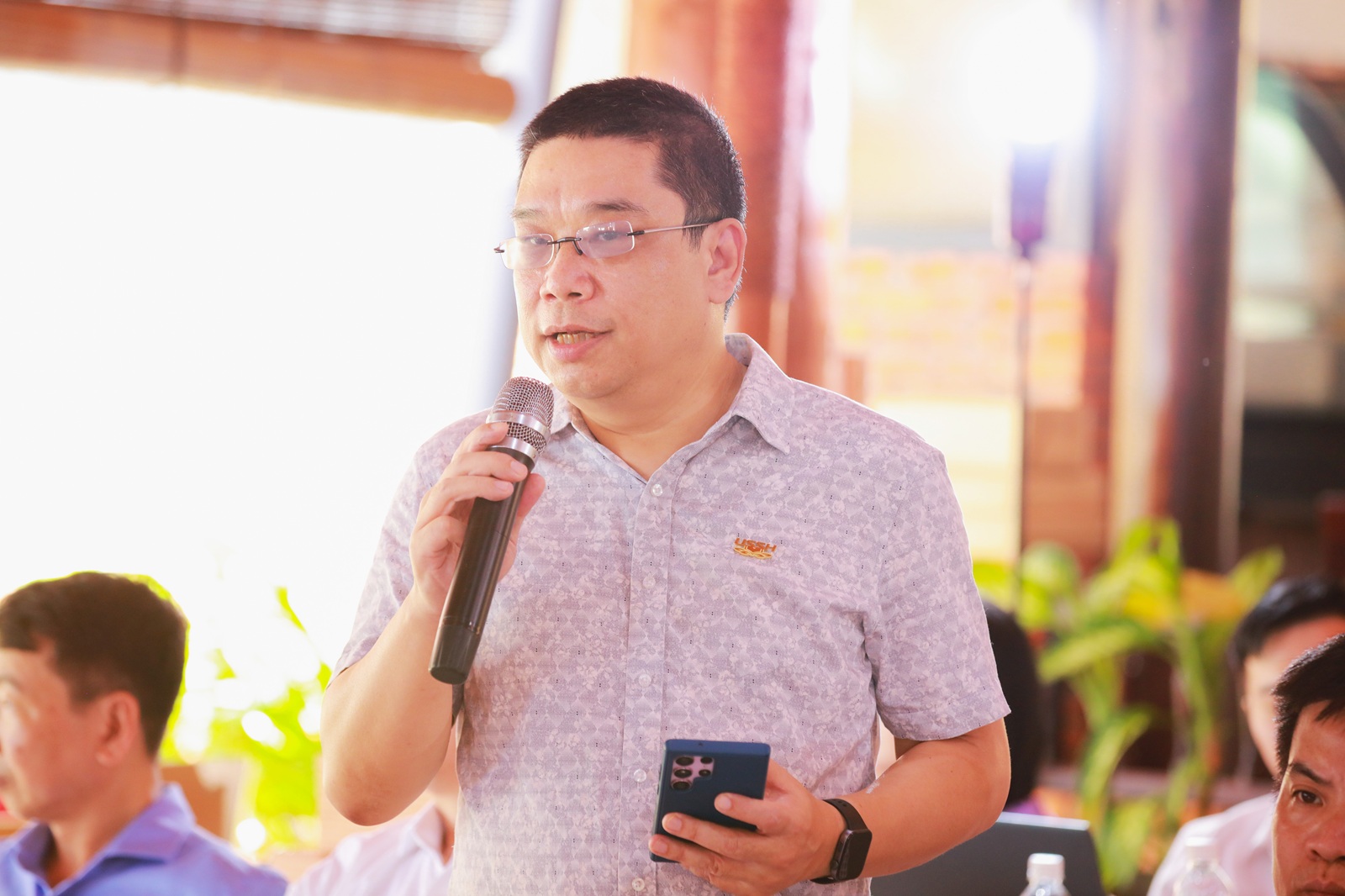
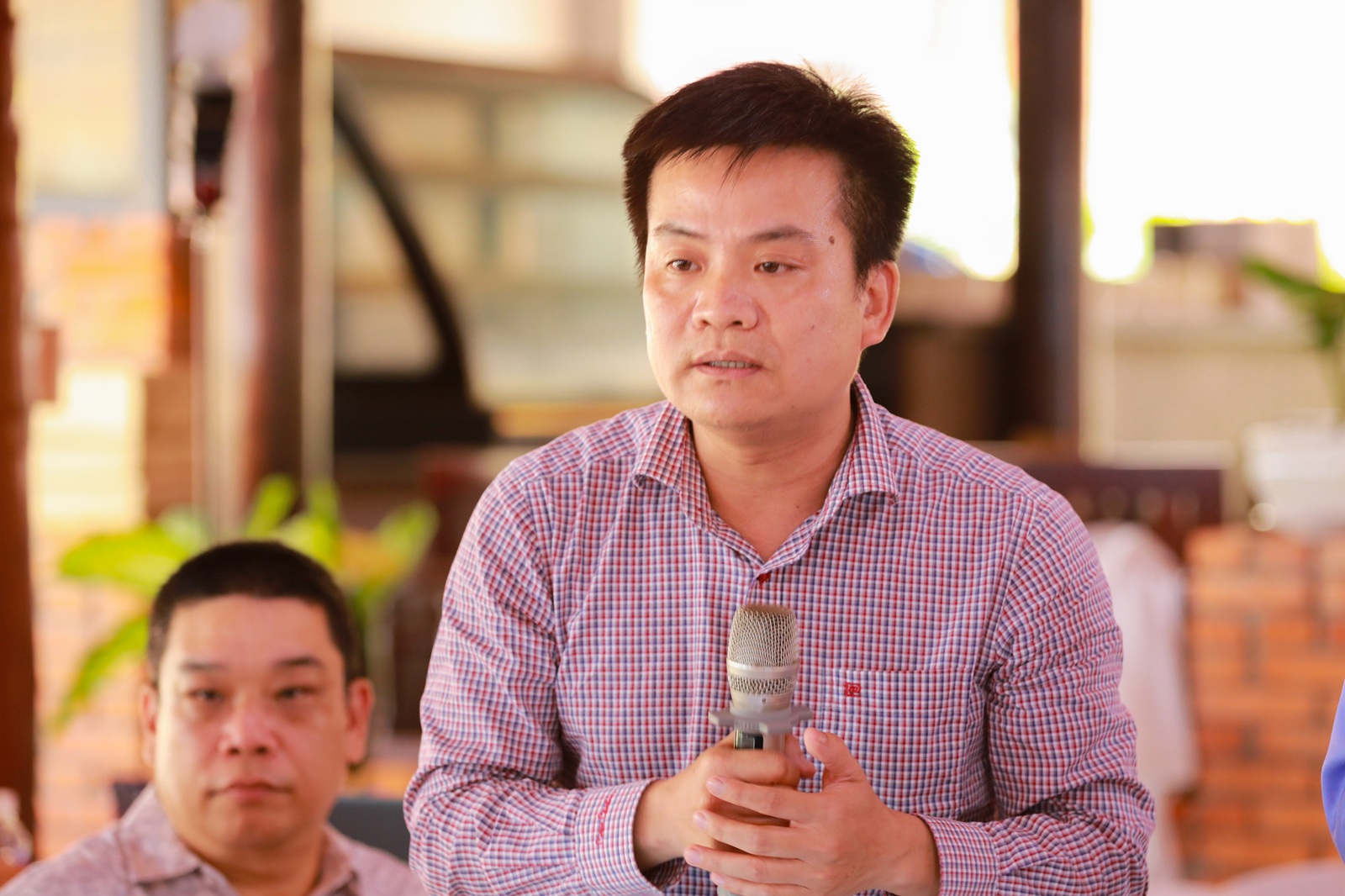
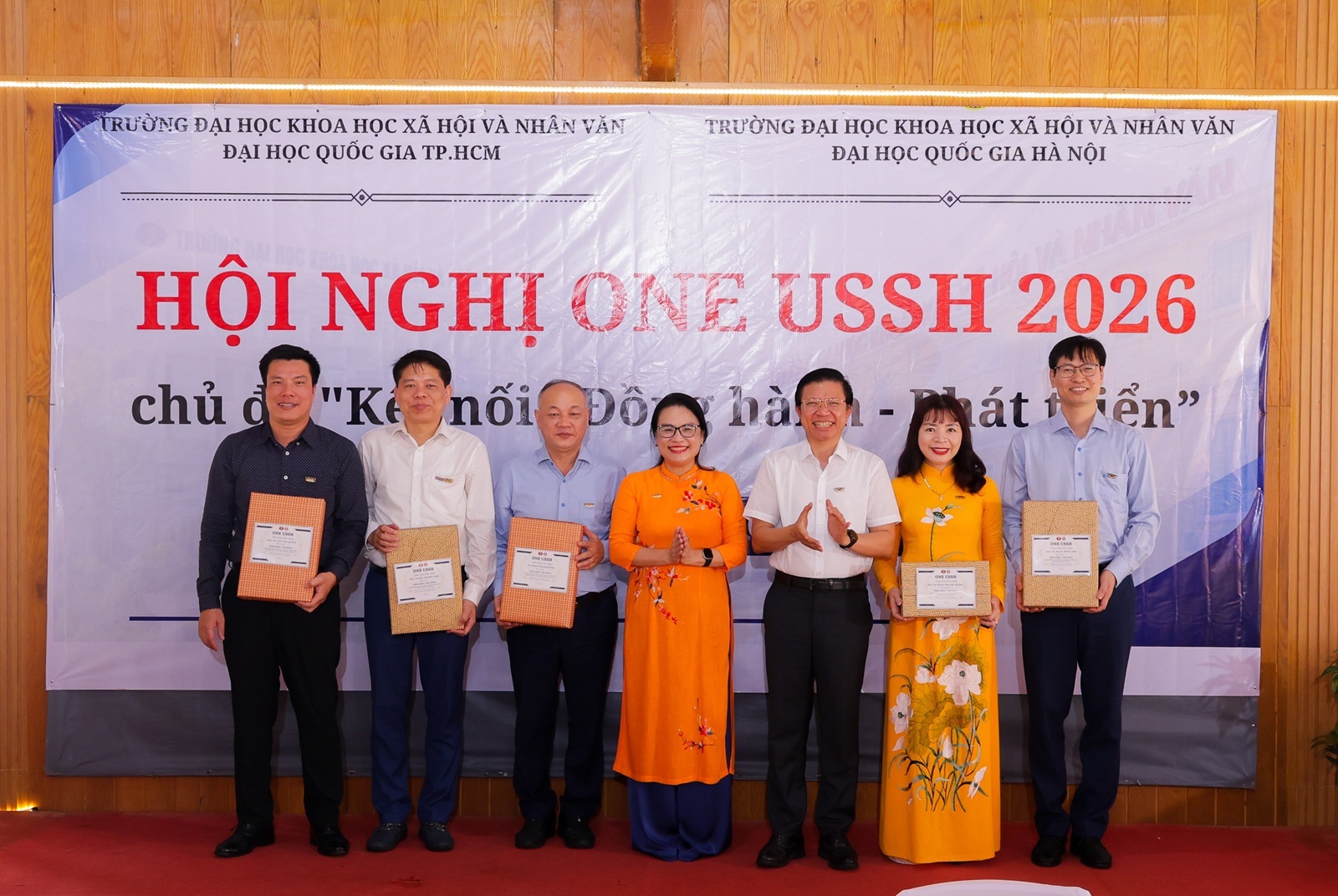
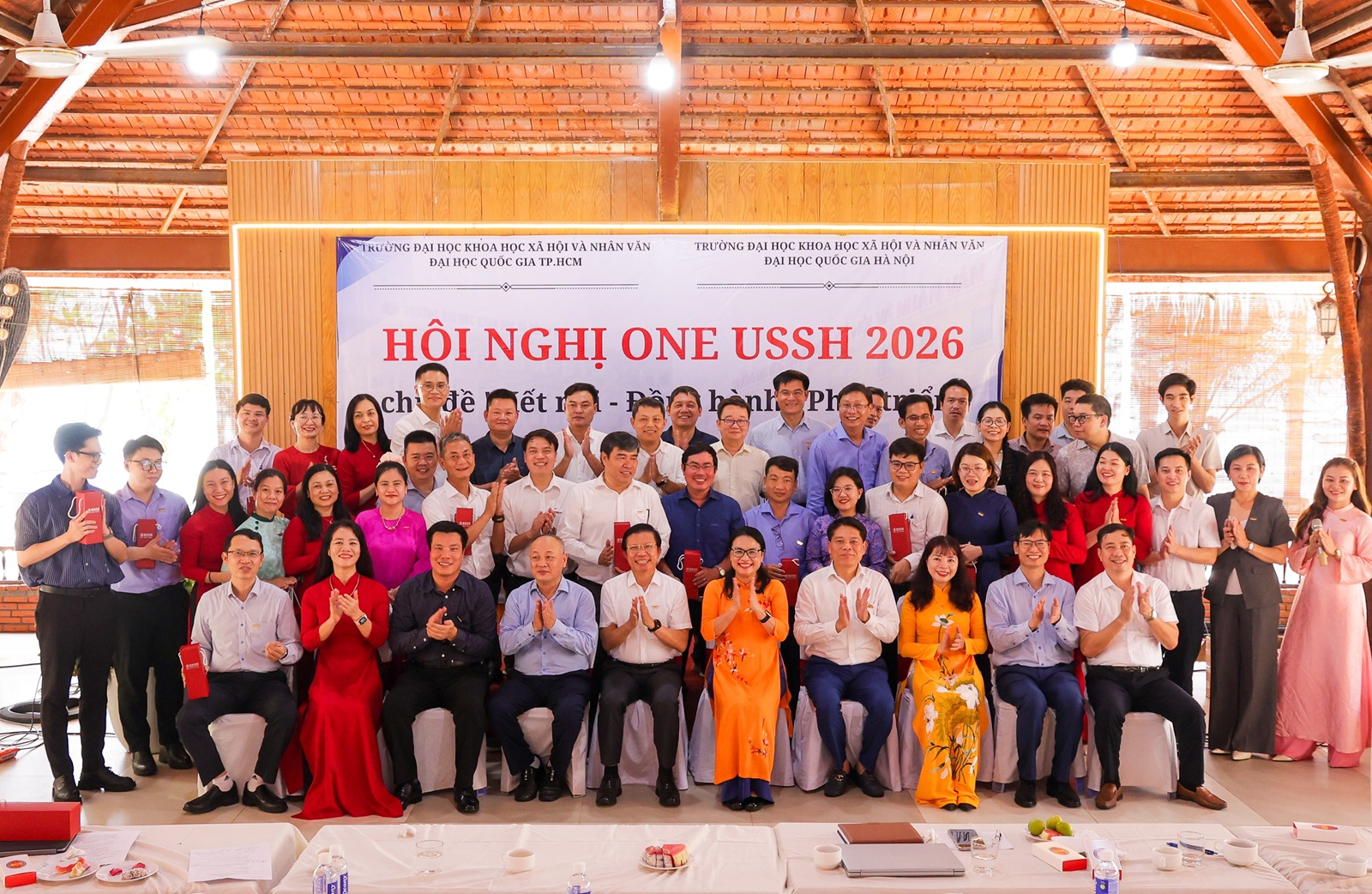
Here are some photos from the One USSH 2026 Conference:

Related articles:
Author:Text: Thùy Dzung, Photos: Lý Nguyễn
Newer news
Older news

