The workshop was organized by the Central Propaganda and Mass Mobilization Department in coordination with the Ministry of Culture, Sports and Tourism (MOCST) and the University of Social Sciences and Humanities, Vietnam National University, Hanoi.
The workshop focused on clarifying the Party's new perspectives on building Vietnamese families in accordance with the spirit of the Party's 14th National Congress Resolution, while also evaluating the results of the five-year implementation of Directive No. 06-CT/TW on strengthening the Party's leadership over family building in the new situation. It was also an opportunity to identify new challenges arising in the context of a market economy, international integration, and digital transformation; and to propose solutions to improve policies, enhance the quality of advice, and improve the effectiveness of organizing and implementing family-related work.
In her opening remarks at the workshop, Deputy Minister of Culture, Sports and Tourism Trinh Thi Thuy affirmed that, in the context of industrialization, urbanization, digital transformation, population aging, and strong international integration, Vietnamese families are undergoing many changes in size, structure, function, and value system.
Family sizes are shrinking, birth rates are declining in many localities; family types are becoming more diverse, and generational gaps and differences in lifestyles are becoming increasingly apparent. Along with this, the trend of declining direct interaction between family members, and issues related to marriage, divorce, and the stability of family relationships, are posing new demands on state management.
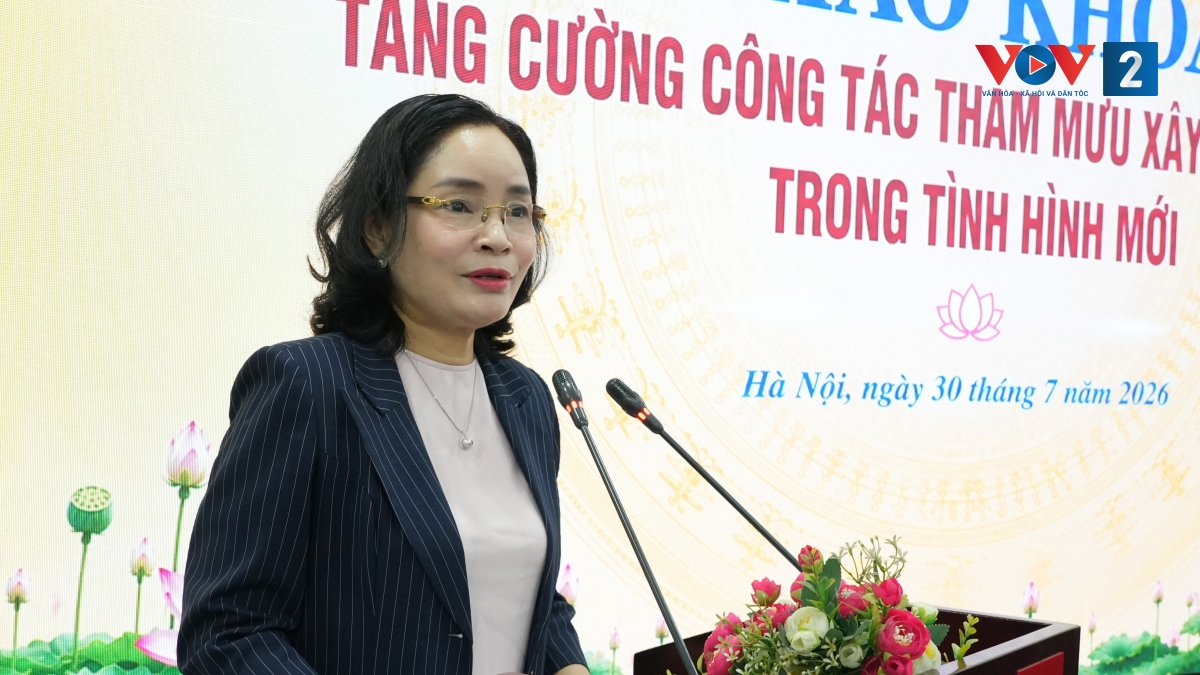
Deputy Minister of Culture, Sports and Tourism Trinh Thi Thuy delivered a speech at the workshop.
According to the Deputy Minister of Culture, Sports and Tourism, these changes both reflect the development trends of society and necessitate continued innovation in thinking, improved quality of advisory work; perfecting mechanisms and policies; strengthening inter-sectoral coordination; and enhancing the effectiveness and efficiency of state management of family affairs.
"As the agency responsible for state management of family affairs, the Ministry of Culture, Sports and Tourism recognizes that family work is not only an important aspect of the socio-cultural field but also directly contributes to building a comprehensively developed Vietnamese person and nurturing endogenous resources for the rapid and sustainable development of the country," Deputy Minister Trinh Thi Thuy emphasized.
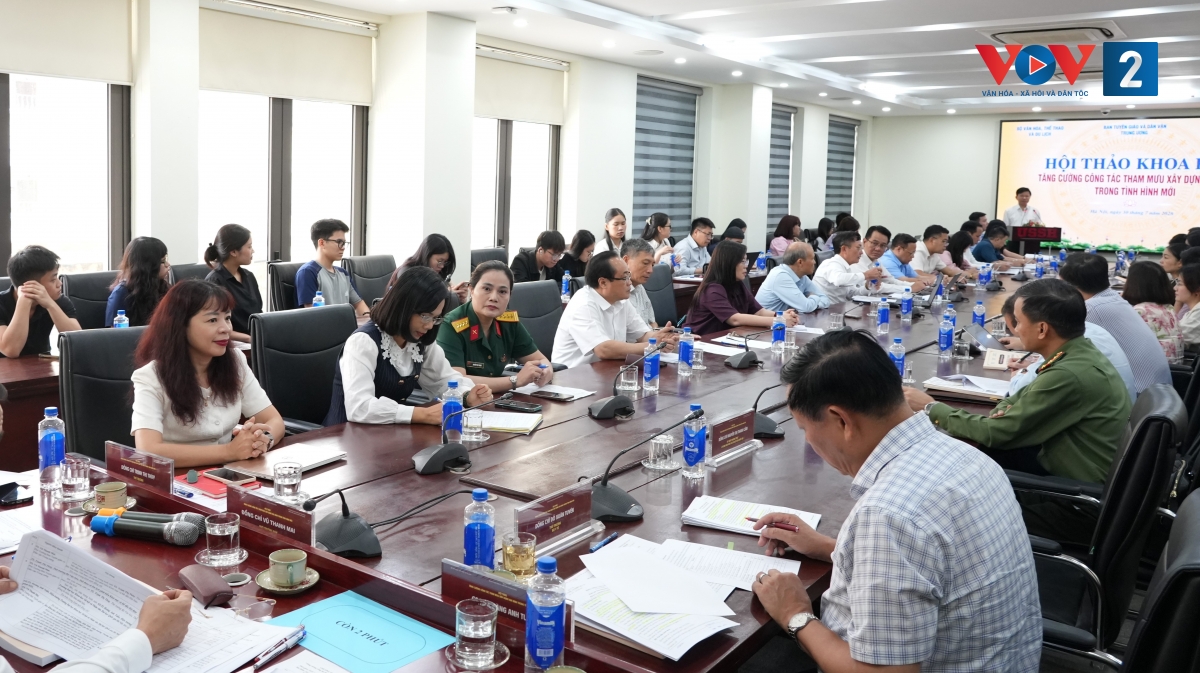
The workshop attracted the attention of many researchers.
One topic that has received much attention is the impact of digital transformation and artificial intelligence on family life. According to Colonel, Dr. Trinh Khac Cuong, Deputy Director of the Department of Internal Political Security (Ministry of Public Security), the prevalence of smart devices and social networks is changing the way family members interact with each other. Without digital skills, the risk of disconnection within the family will increase.
He argued that what is needed now is to build "digital resilience" for each family, including the ability to identify misinformation, protect personal data, comply with the law in cyberspace, and preserve traditional cultural values in the digital environment.
Many presentations at the conference focused on emerging issues such as building databases for policy planning; innovating evidence-based and predictive advisory work; risk management within families; promoting Vietnamese family values; the impact of digital transformation on family cohesion and changes in the structure of modern families.
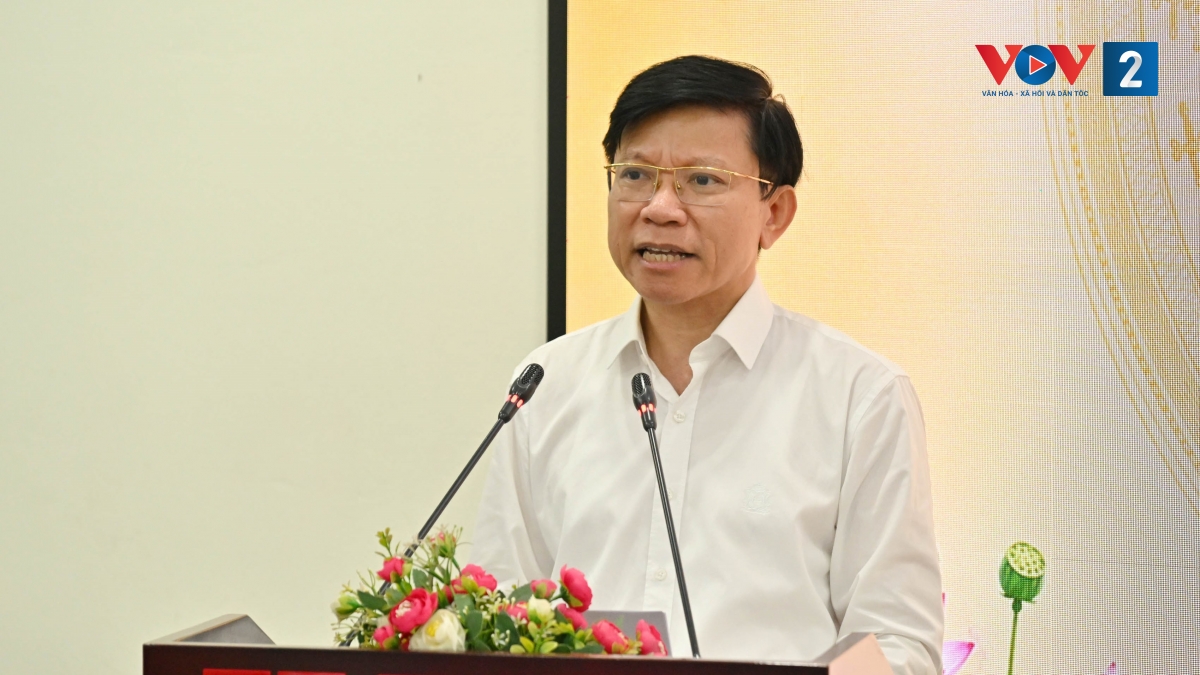
Professor Hoang Anh Tuan, Rector of the University of Social Sciences and Humanities, Vietnam National University, Hanoi, delivered a speech at the conference.
Professor Hoang Anh Tuan, Rector of the University of Social Sciences and Humanities, Vietnam National University, Hanoi, stated: "Over the years, scientists at the University have conducted numerous studies on Vietnamese families across various fields including sociology, psychology, anthropology, social work, demography, gender and development, public policy, culture, and many other interdisciplinary areas. These research results not only contribute to the development of social sciences but are also transformed into scientific arguments serving the policy-making process of the Party and the State."
According to the results of a state-level research project on family transformation in Vietnam, nuclear families now account for 66.6% of all households, while multi-generational families only make up 17.1%. This trend allows families to focus resources on education, healthcare, and improving quality of life, while also enhancing the role of women in family economic decision-making. However, it also poses numerous challenges, such as reduced kinship ties, increased risk of loneliness among the elderly, and a decline in the emotional support function that was a strength of traditional families.
The 24 presentations at the conference highlighted a range of new issues such as changes in family structure, generational gaps, the impact of technology on communication and education within families, the need to develop high-quality human resources, and challenges in protecting traditional values.
A common point among many presentations at the conference was that family affairs cannot be approached in the old way in the face of rapid societal changes. Three major shifts in advisory thinking are needed: from viewing the family primarily as the object of policy to viewing the family as the subject of development; from approaching the family as a separate area of socio-cultural development to placing the family within the overall strategy of human development, cultural development, and sustainable national development; and simultaneously shifting from addressing immediate problems to building long-term development capacity for Vietnamese families.
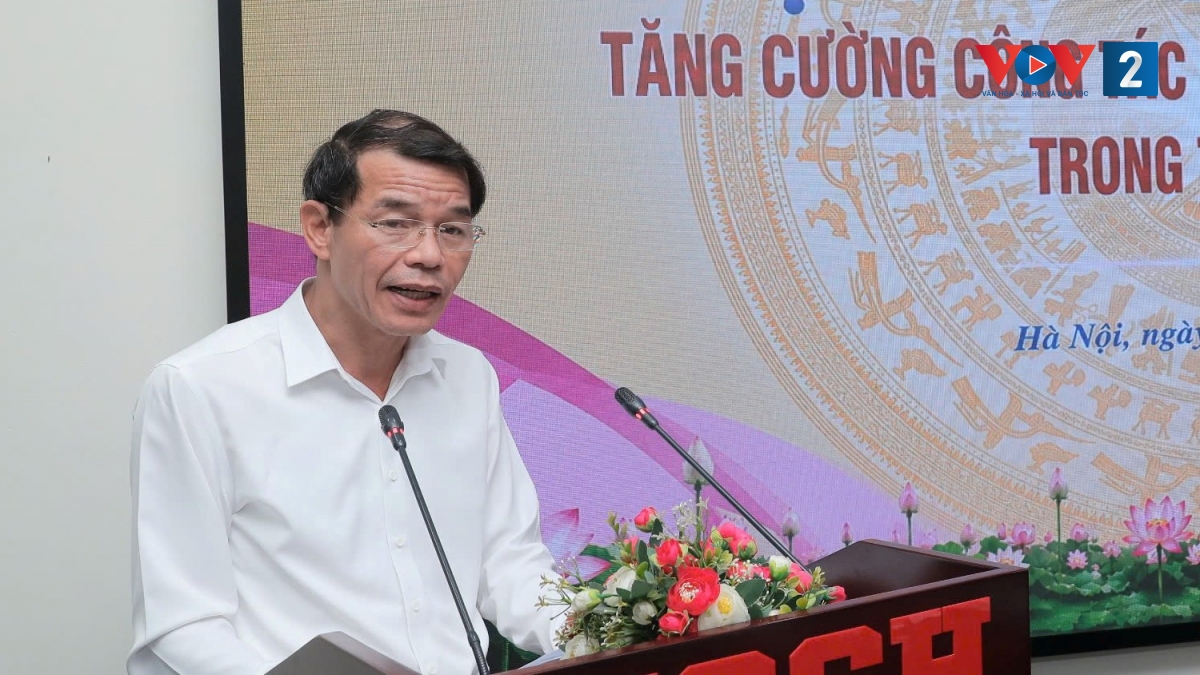
Deputy Head of the Central Propaganda and Mass Mobilization Department Vu Thanh Mai: "The seminar provided important arguments contributing to the improvement of policies and guidelines on family building in the new situation."
To realize these goals, the delegates proposed strengthening the development of family databases, innovating evidence-based and predictive advisory work, and promoting interdisciplinary research to more effectively serve policy planning in the new phase.
The new orientation also requires a fundamental change in the state management mindset regarding family affairs, shifting from addressing emerging issues to proactively creating a healthy family cultural environment; strengthening progressive and happy relationships; enhancing self-prevention capabilities against risks from the online environment and modern life; and adopting a more scientific approach, based on data, strengthening inter-sectoral coordination, and considering the family as the center of the human development strategy.
In her concluding remarks at the workshop, Dr. Vu Thanh Mai, Deputy Head of the Central Propaganda and Mass Mobilization Department, affirmed that the workshop's results not only supplemented the scientific and practical basis for research on the family but also provided important arguments to serve advisory work, contributing to the improvement of the Party and State's policies on family building in the new situation.
Author:According to VOV2
Newer news
Older news

