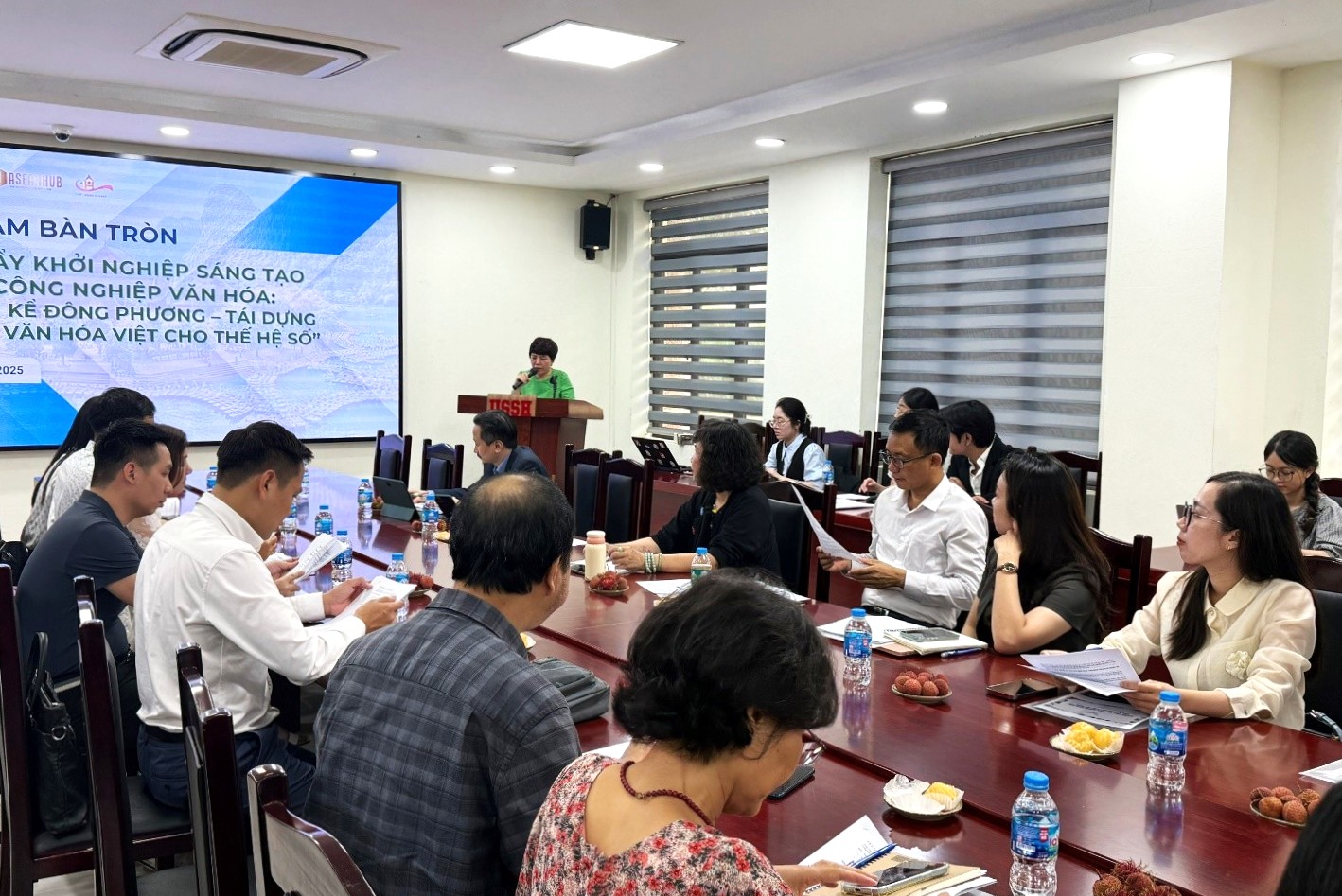
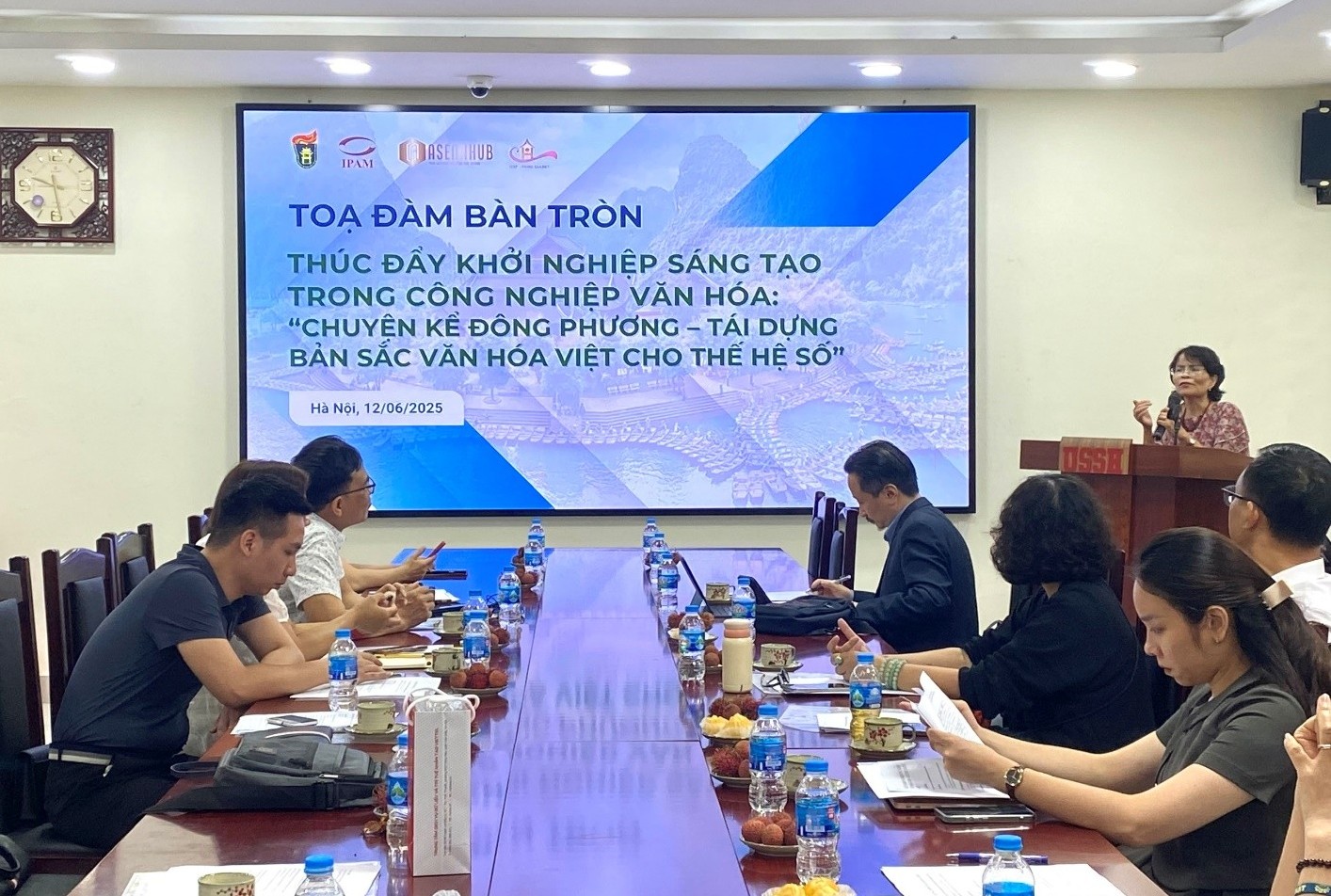
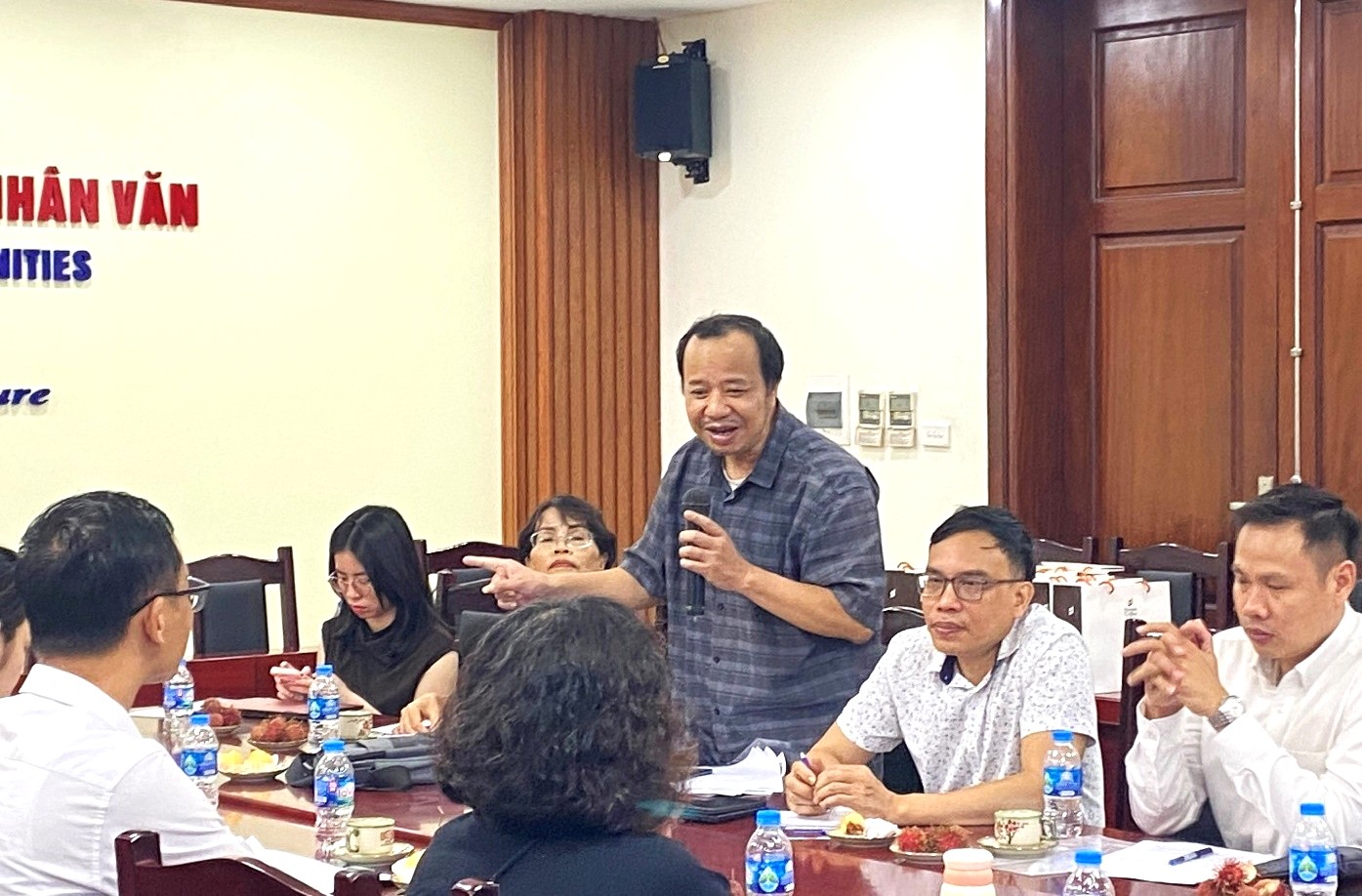
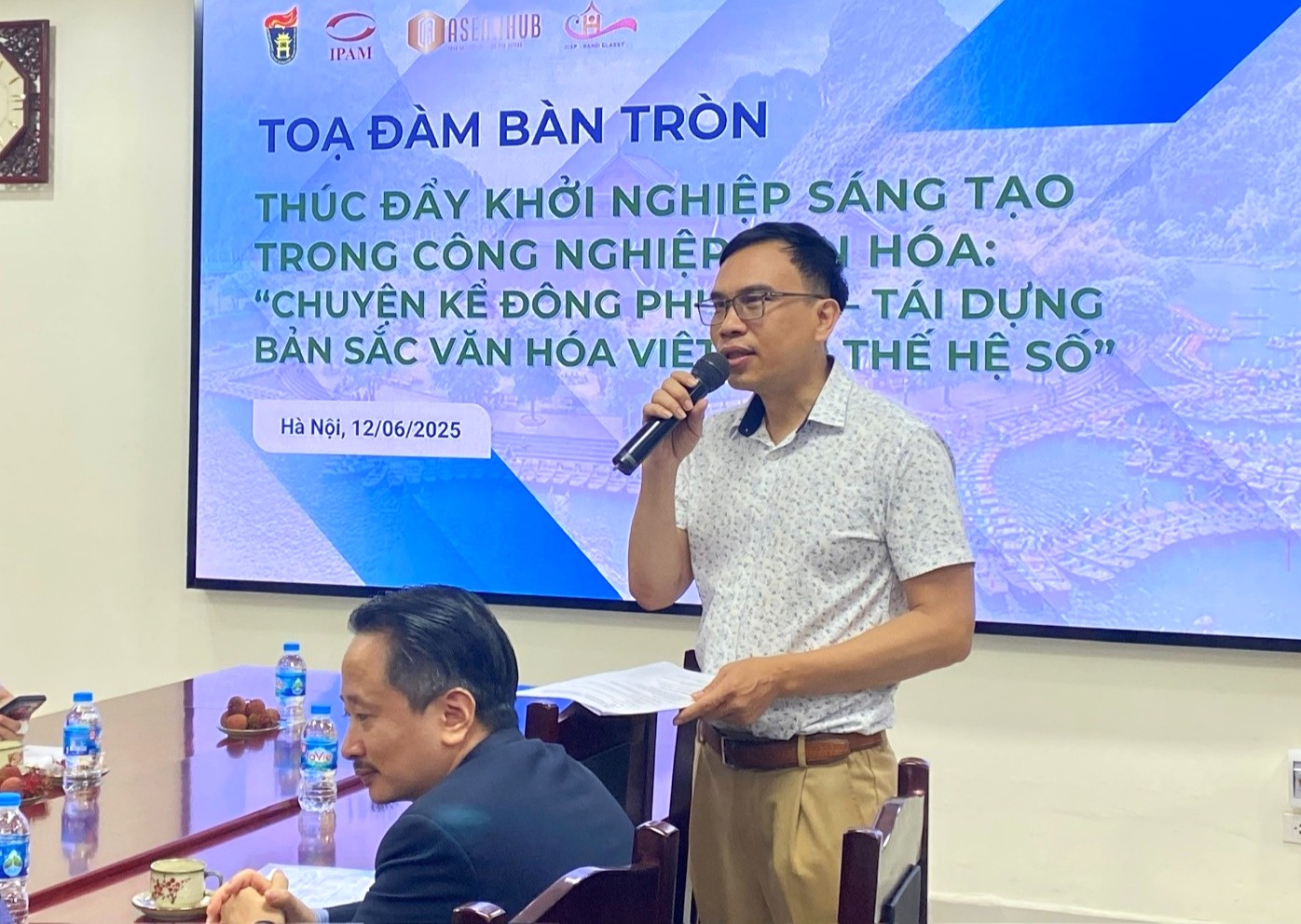
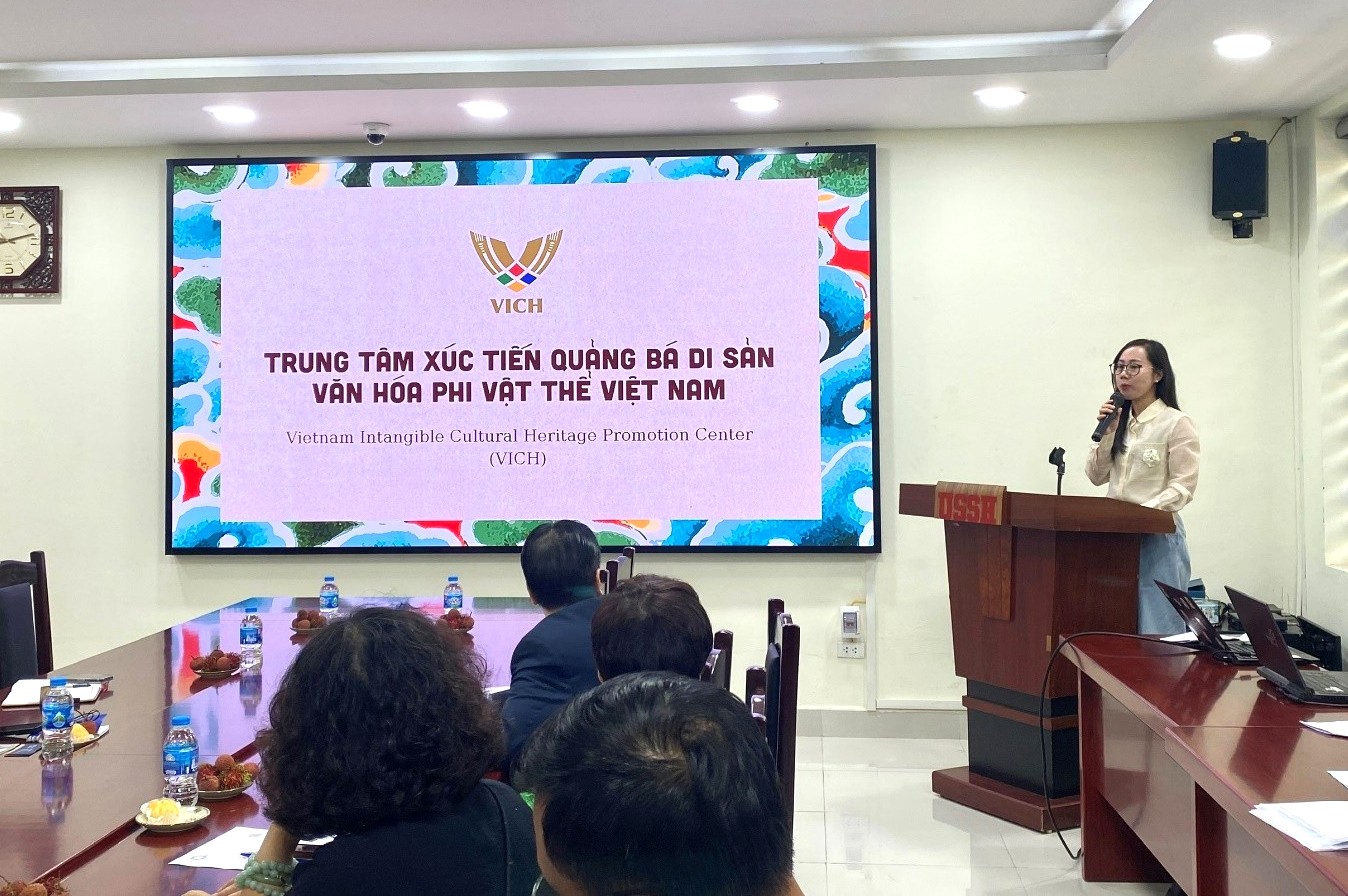
The seminar was attended by researchers, speakers, journalists, artists, and business representatives to exchange and share perspectives and practical experiences in connecting cultural heritage with creative startups, especially in the context of digital transformation and international integration.
In her opening remarks, Associate Professor Dr. Do Huong Lan, Director of the Institute of Policy and Management, emphasized that in the context of a world undergoing significant transformation under the impact of digital transformation, the cultural industry has emerged as a field with both rich economic potential and significant importance in preserving, renewing, and spreading national identity. Starting a business in the cultural industry is not just about starting a business, but also about starting a business in terms of ideas, thinking, and connecting tradition and modernity, preservation and development, and local culture with the global market.
“Starting a business in the cultural industry doesn't begin with technology; it starts with understanding people, understanding the cultural values of the nation to retell stories that have never been told before, in a way that resonates with the community and the market. With a diverse and rich cultural heritage, Vietnam has all the conditions to strongly develop this field if it adopts the right, creative, and timely approach,” said Associate Professor Dr. Do Huong Lan.
Associate Professor Dr. Do Huong Lan, Director of the Institute of Policy and Management, stated that with its diverse and rich cultural heritage, Vietnam has all the conditions to strongly develop the Cultural Industry sector.
At the seminar, speakers shared many unique initiatives, most notably experiential programs. In the first session, speakers shared several specific innovative startup models such as the Tay ethnic culture experience program in Lao Cai, the "Cultural Beauty Queen" program, and strategic partnerships with museums and historical sites to integrate heritage education content into formal education. Experts particularly emphasized the combination of storytelling, modern technology, and entrepreneurial spirit to reconstruct cultural identity, bridging traditional heritage and the younger generation in the digital age.
The second panel discussion focused on in-depth discussions about the startup ecosystem within the university environment. Delegates shared detailed information about the cultural entrepreneurship project at USSH, plans to organize Culture Hackathon 2025, and initiatives to support students, such as entrepreneurship skills training programs, financial aid funds, and innovation competitions.
The seminar is a preliminary activity preparing for the Culture Hackathon 2025 program, which is expected to become an annual event aimed at inspiring and guiding young people in the cultural industry towards career and entrepreneurship, and is planned to expand to many universities and innovation incubators.
Researchers, speakers, journalists, artists, and business representatives exchanged perspectives and practical experiences on connecting cultural heritage with creative entrepreneurship.
Concluding the seminar, Dr. Trinh Ba Duong, Chairman of AseanHub, emphasized the need for close cooperation between universities, businesses, and management agencies to build an effective and sustainable support environment for cultural startup projects. Dr. Trinh Ba Duong expressed confidence that these efforts will make a significant contribution to the sustainable development of the cultural industry in Vietnam.
Related articles:
Career transition for workers from an expert's perspective.