
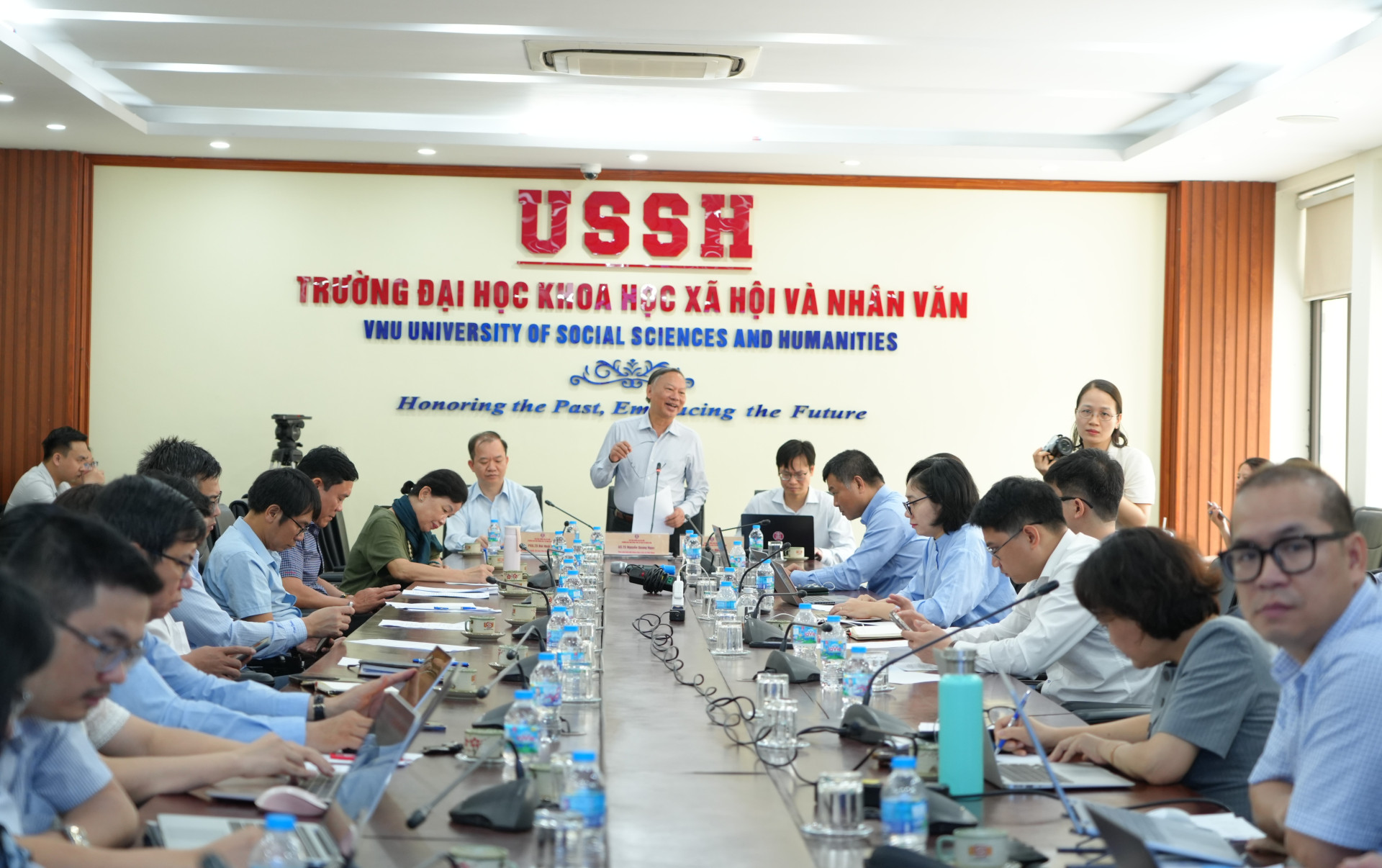
The program was chaired by Prof. Dr. Nguyen Quang Ngoc - Vice President of the Vietnam Historical Science Association, Assoc. Prof. Dr. Bui Hoai Son - Member of the National Assembly's Committee on Culture and Society, and Assoc. Prof. Dr. Dang Hong Son - Vice Rector of the University of Social Sciences and Humanities.
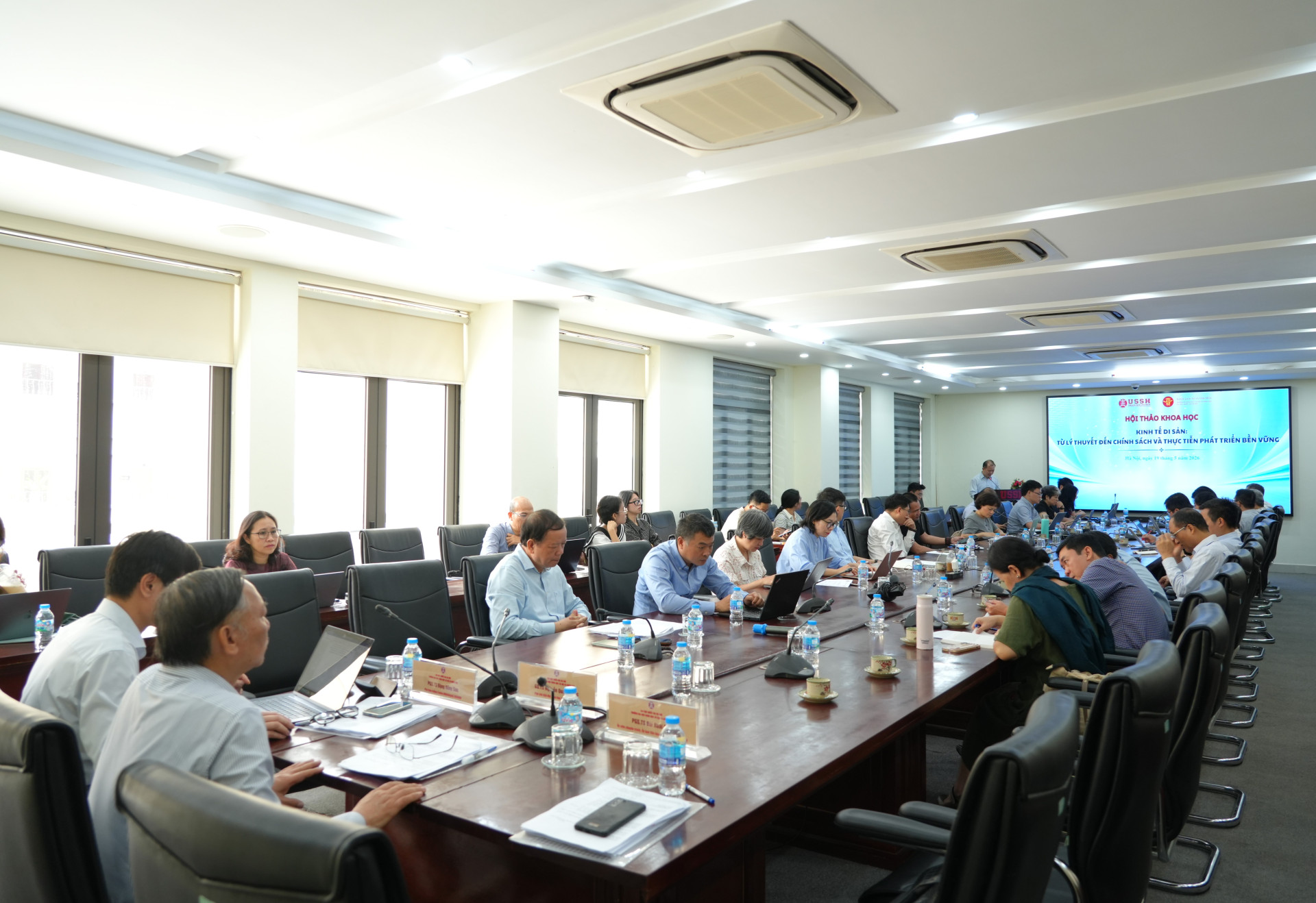
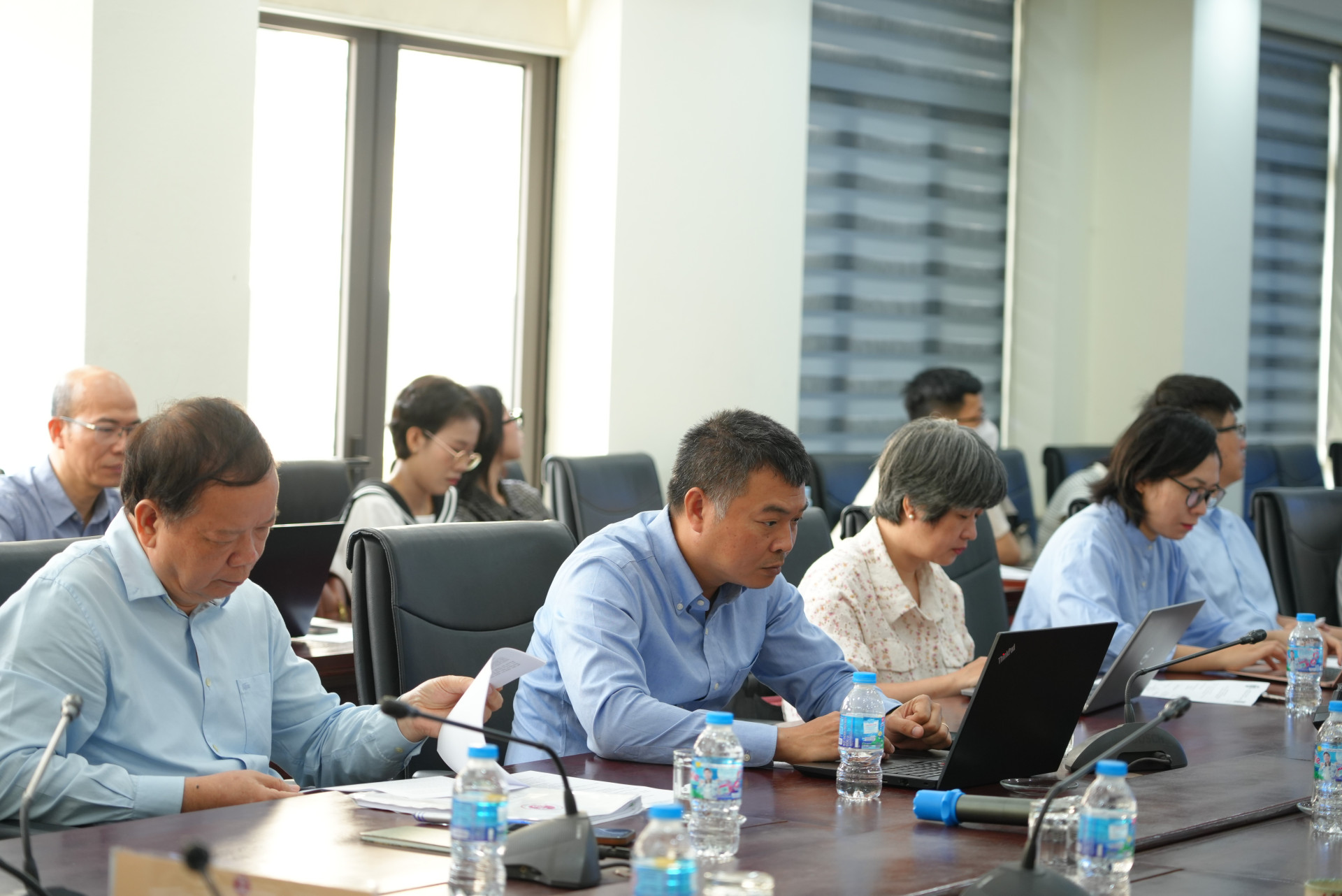
The workshop was attended by scientists, experts, and managers from the National Assembly's Committee on Culture and Society, the Vietnam Historical Science Association, the National Council for Cultural Heritage, universities under the Vietnam National University, Hanoi, and many research and training institutions both domestically and internationally.
The workshop was organized to create a forum for academic exchange on the relationship between heritage, culture, economy, and sustainable development; thereby contributing to providing a more scientific basis for policy planning, heritage management, and promoting cultural resources in contemporary life.
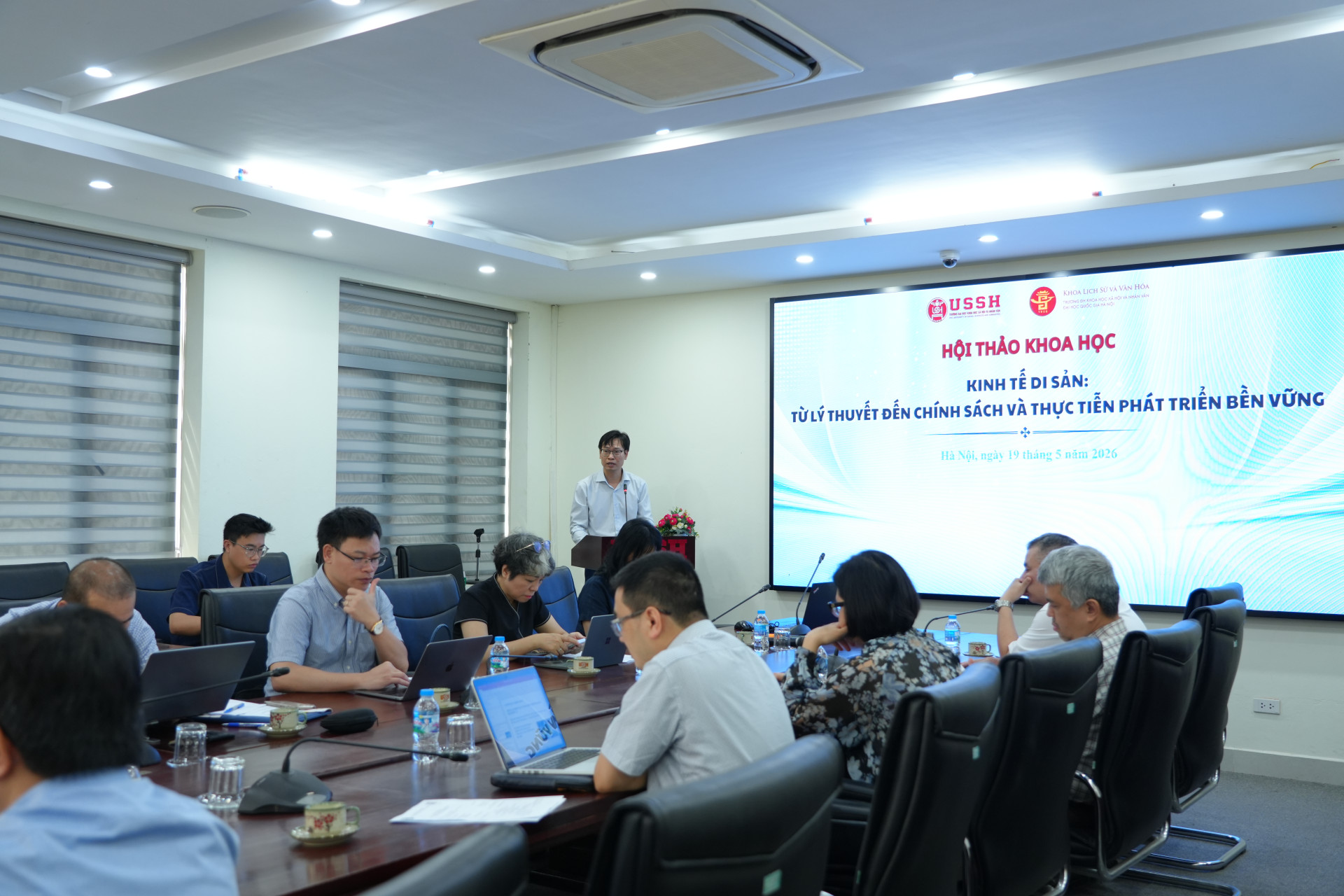
Assoc. Prof. Dr. Dang Hong Son delivered the opening remarks at the workshop.
Heritage is not just for preservation, but is also a source of cultural capital for development.
One of the key points agreed upon by scientists at the conference was the need to approach heritage not only from a static conservation perspective, but also within the context of sustainable development. Accordingly, heritage should be viewed as a form of cultural capital, a human resource capable of generating economic value and contributing to national development, while simultaneously ensuring sustainability, responsibility, and control.
In his presentation "Heritage Economy in Vietnam's Cultural Development Strategy: From Conservation Thinking to Sustainable Development Thinking," Associate Professor Dr. Bui Hoai Son affirmed that heritage economy does not equate to commercialization for profit or the depletion of heritage resources. Heritage economy should be understood as the process of organizing, operating, and sustainably promoting the value of heritage, placing heritage in an organic link with the cultural industry and creative economy of the new era.
From a broader theoretical perspective, Professor Nguyen Van Kim, from the University of Social Sciences and Humanities, argues that it is time to move beyond simply considering culture as the spiritual foundation of society, and to simultaneously affirm its crucial material importance for the development of society and the nation. The author emphasizes the widespread trend of economicizing culture and culturalizing the economy, which could lead to the unification of economy and culture, thereby forming a cultural economy and heritage economy in modern society.
From a different approach, the paper "Heritage Economics Based on Cultural Capitalism Theory: An Integrated Analytical Framework and Implications for Vietnam" by Assoc. Prof. Dr. Pham Hong Long and Dr. Nguyen Viet Ha, Faculty of Tourism Studies, University of Social Sciences and Humanities, proposed an integrated analytical framework based on three levels: understanding heritage as "cultural capital/cultural assets"; mechanisms for creating and co-creating value; and tools for implementation in the development space.
This analytical framework operates through a dynamic value chain comprising “inputs - exploitation mechanisms - outputs - development results”. By comparing international practices in China, Italy, Poland, and Turkey, the authors emphasize the need to shift thinking from short-term “resource exploitation” to long-term “cultural capital management”; design flexible development configurations tailored to specific characteristics; diversify financial instruments, including public-private partnerships; and establish transparent benefit-sharing mechanisms to enhance the role of the community stakeholders.
The above analysis shows that developing a heritage economy is not about separating heritage from its cultural essence, but rather about finding ways to promote cultural values within appropriate development models. Heritage, therefore, is not only an object to be protected, but also an endogenous resource for the creative economy, for local development, and for national soft power.
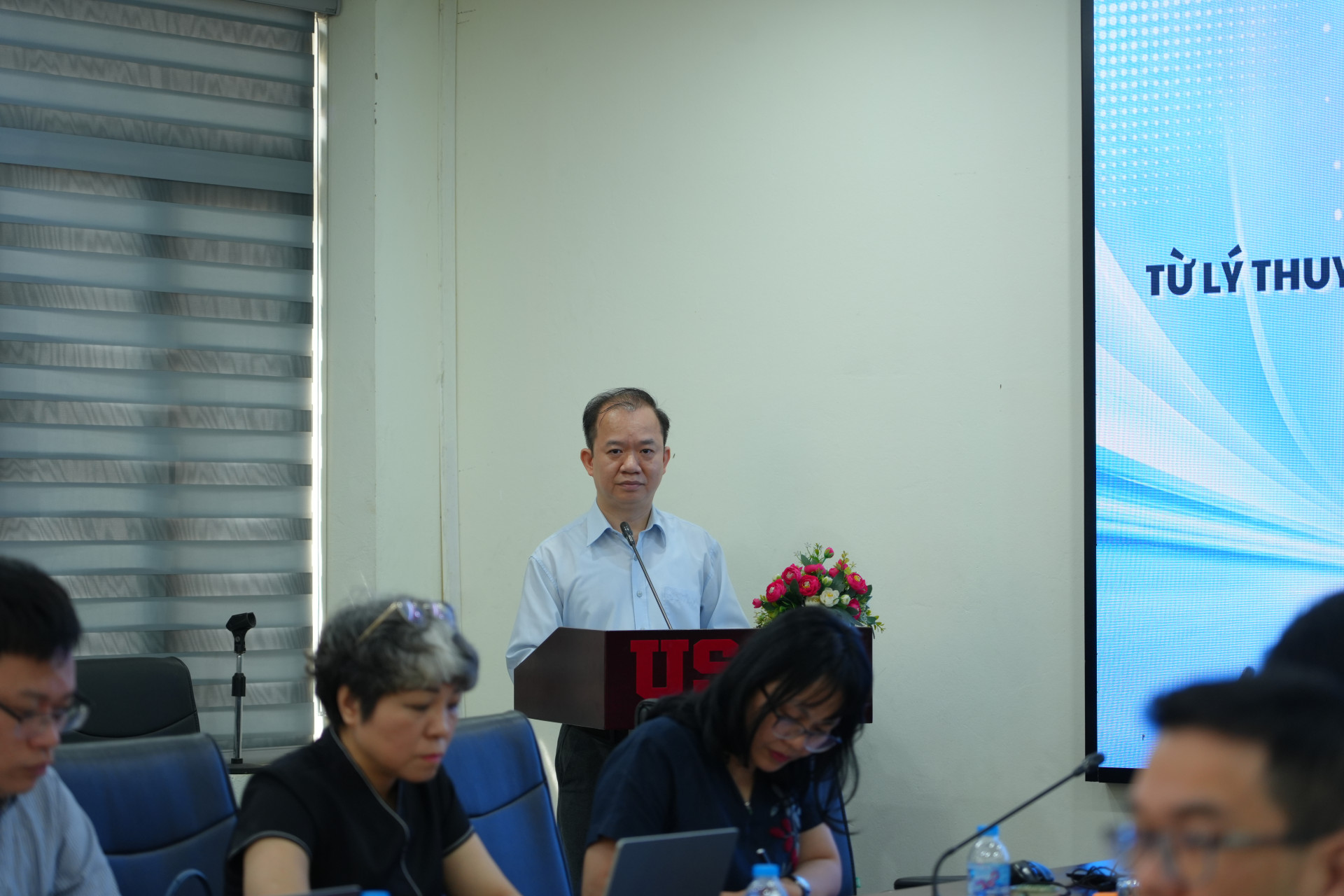
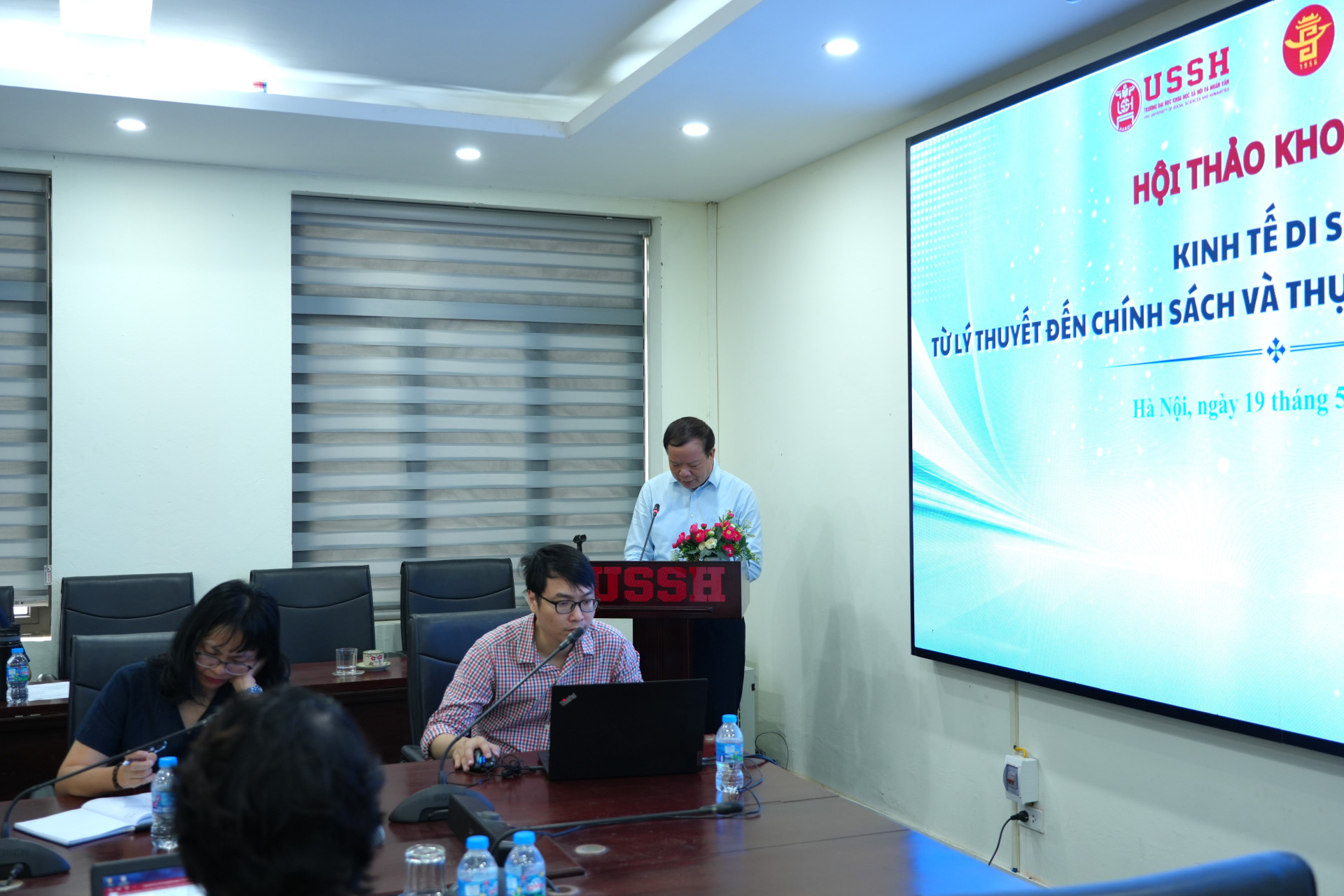
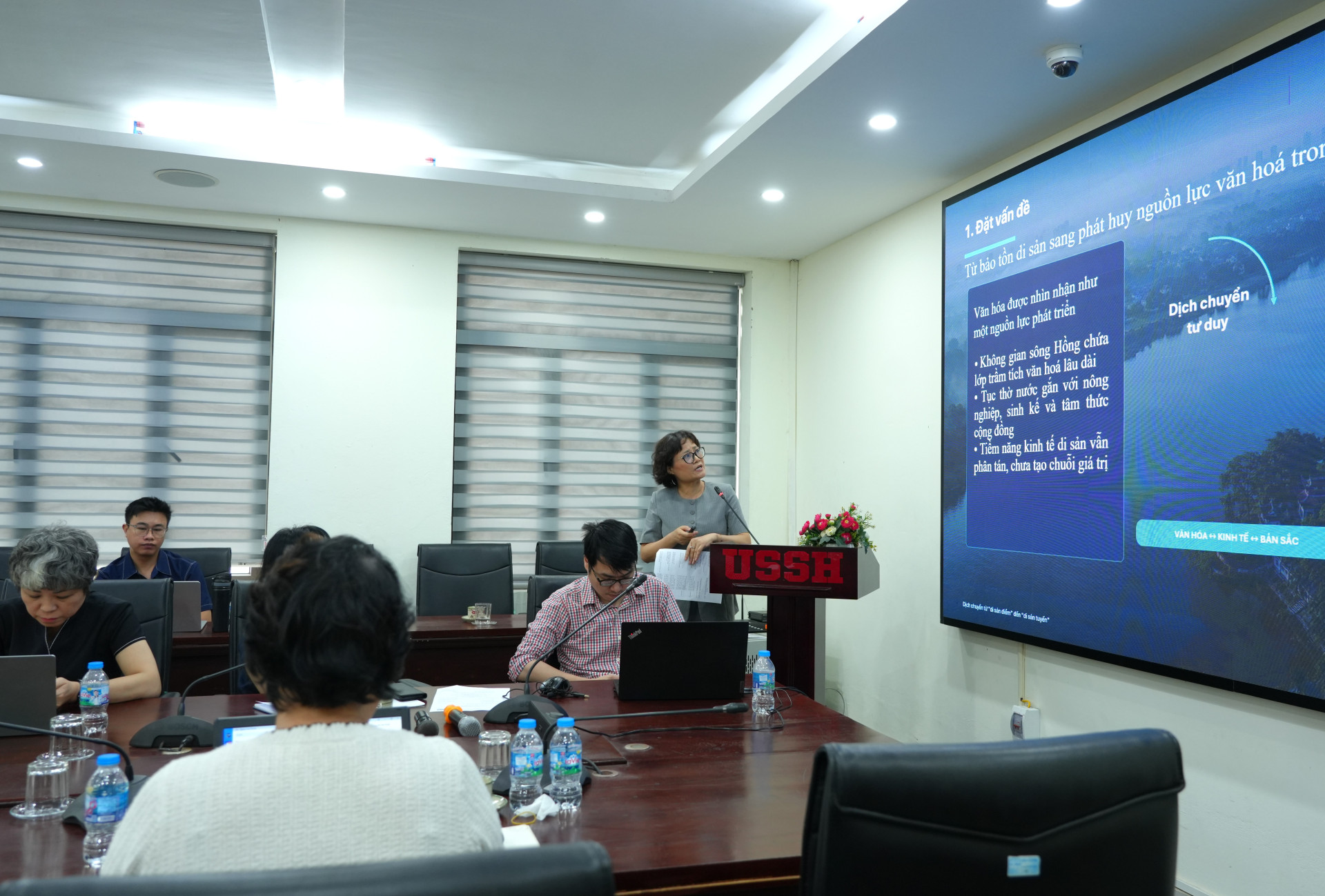
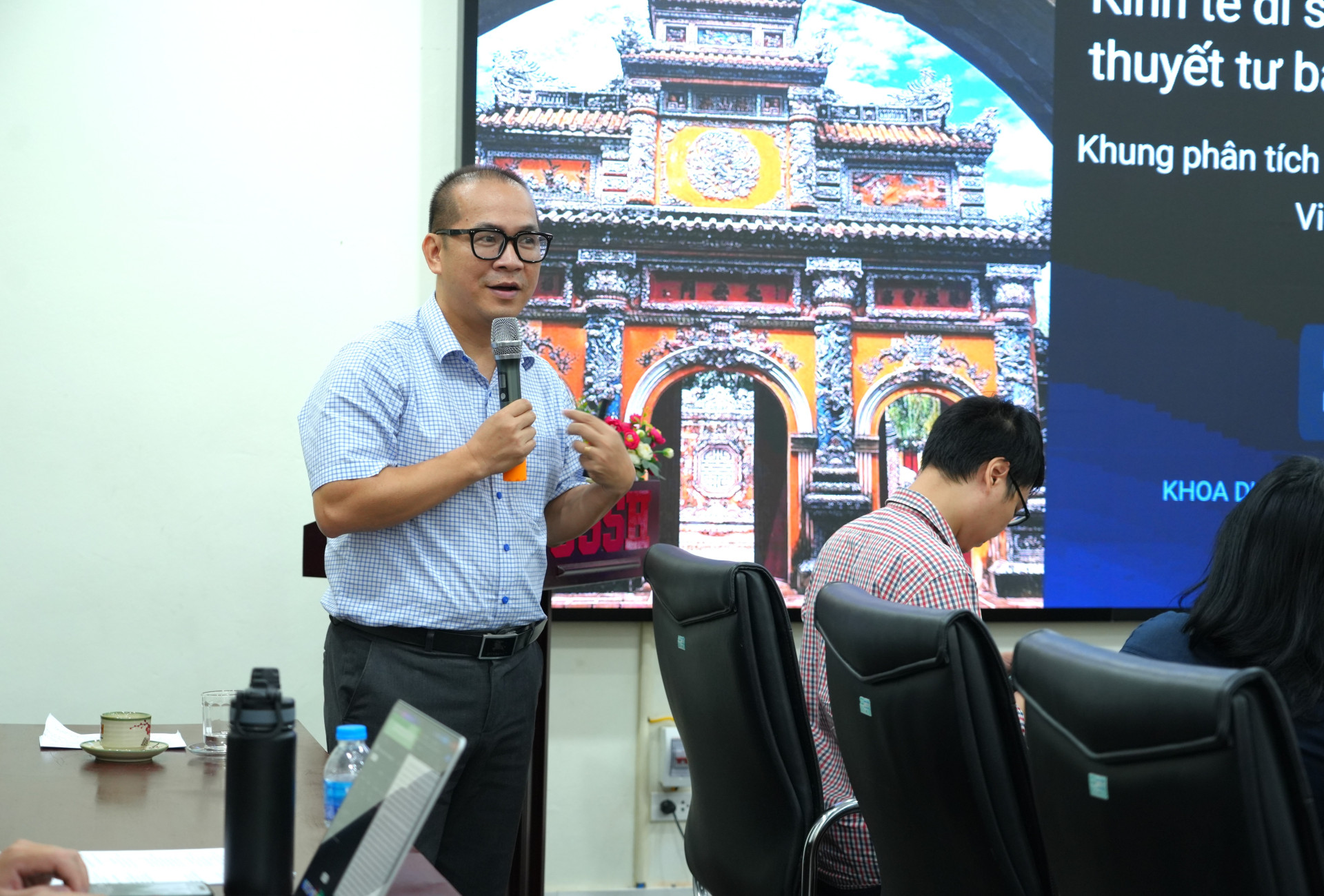
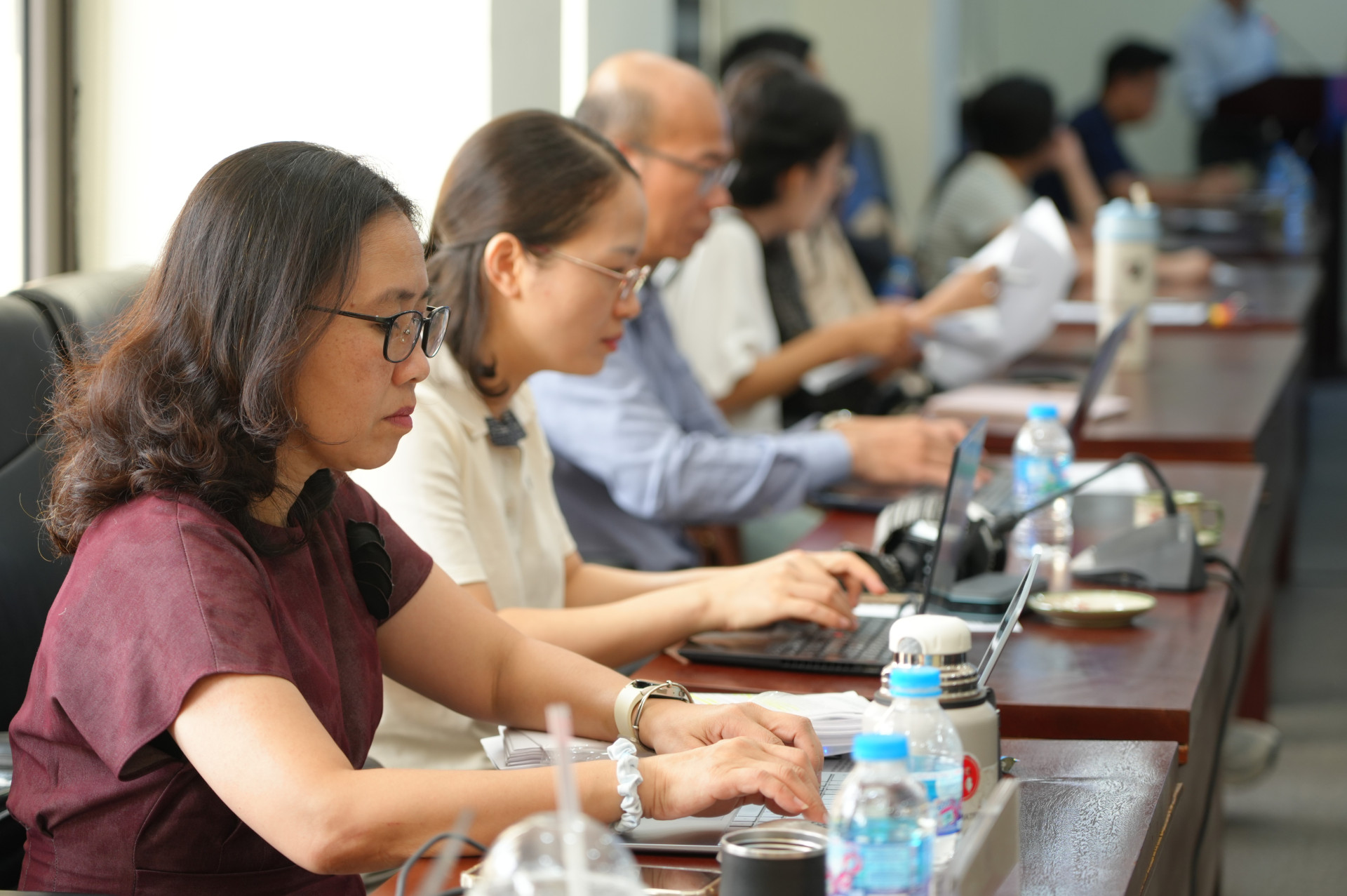
Experts and scientists shared their insights at the conference.
From heritage valuation to practical models and policy recommendations.
Besides theoretical issues, the workshop acknowledged important contributions on methodology, particularly the use of quantitative tools to assess heritage. This is considered an approach that helps supplement the scientific basis for heritage management, especially in the context where cultural, historical, and spiritual values are often difficult to measure using traditional methods.
In a study on the King Dinh - King Le Temple complex in the Trang An scenic area, Ninh Binh, Dr. Nguyen Thi Vinh Ha, from the University of Economics, Vietnam National University, Hanoi, applied the Contingent Valuation Method (CVM) to quantify the value of tangible cultural heritage. The research results showed that the average willingness to pay of domestic tourists reached VND 754,129 per visit and USD 15.5 per visit for international tourists. From this, the estimated total non-market value of this heritage site in 2024 alone reached VND 332.6 billion. This provides significant scientific evidence for policy planning regarding the preservation and promotion of heritage values.
Case studies presented and summarized at the workshop also demonstrated the diversity of heritage economics in practice. In her presentation on relics and water-worshiping festivals along the Red River in Hanoi and its surroundings, Assoc. Prof. Dr. Nguyen Thi Viet Huong, Faculty of History and Culture, proposed shifting from a "point heritage" approach to a "linear heritage" approach, aiming to effectively utilize heritage resources based on the linkage of cultural spaces along the river basin. This is a valuable suggestion for integrated planning and sustainable exploitation of cultural sediments in the Northern Delta region.
The workshop also addressed various other practical approaches such as exploiting the value of colonial-era architectural heritage to serve the development of tourism in Hai Phong; developing a cultural heritage park model in Phu Dong; transforming revolutionary heritage into capital for the cultural industry; applying digital transformation and green transformation in the development of heritage economy in Ha Long; as well as digitizing heritage as a modern documentation method in the digital age.
From the presentations and discussions, the workshop agreed on three major groups of issues. First, it is necessary to establish a mindset that views heritage as cultural capital and an endogenous driving force of the creative economy; and at the same time, seriously implement the spirit of Resolution No. 80-NQ/TW of the Politburo on cultural development. The workshop emphasized the need to change the philosophy of designing national cultural policies in the new era; institutionalize the legal framework, build separate classification and ranking criteria, and issue specific preferential policies.
Secondly, it is necessary to affirm the role of scientific quantitative tools, measuring multidimensional cultural, economic, and environmental aspects, to complement the conventional qualitative thinking in heritage management. Opinions at the workshop suggested institutionalizing the inclusion of non-market values into the evaluation system; and establishing a legal framework to allow the establishment of proactive heritage conservation funds at the local level for self-reinvestment.
Thirdly, in practice, the presentations proposed innovative spatial models such as national heritage parks, linear heritage access, and adaptive reuse of industrial heritage; while also noting the option of large-scale integrated spatial planning and strict control according to a dual transformation model: digital and green.
The workshop emphasized the need to transform scientific arguments into specific, quantifiable, and verifiable policy recommendations. The results achieved provide an important foundation for the University of Social Sciences and Humanities to continue developing advisory reports and recommendations to central and local authorities, contributing to the realization of strategic goals for cultural development, heritage preservation, and sustainable development in the new era.
Sports & Culture Newspaper: Heritage economics - a 'valuation' tool for sustainable development.
Related articles:
Digital competencies in higher education: Assessment, measurement, and policy implications.
From ecocriticism to ecocinema in Vietnam: Interdisciplinary approaches
Heritage Economy: Identifying Cultural Capital and Guiding Policies for Sustainable Development
Author:Thuy Dzung - USSH Media
Newer news
Older news

