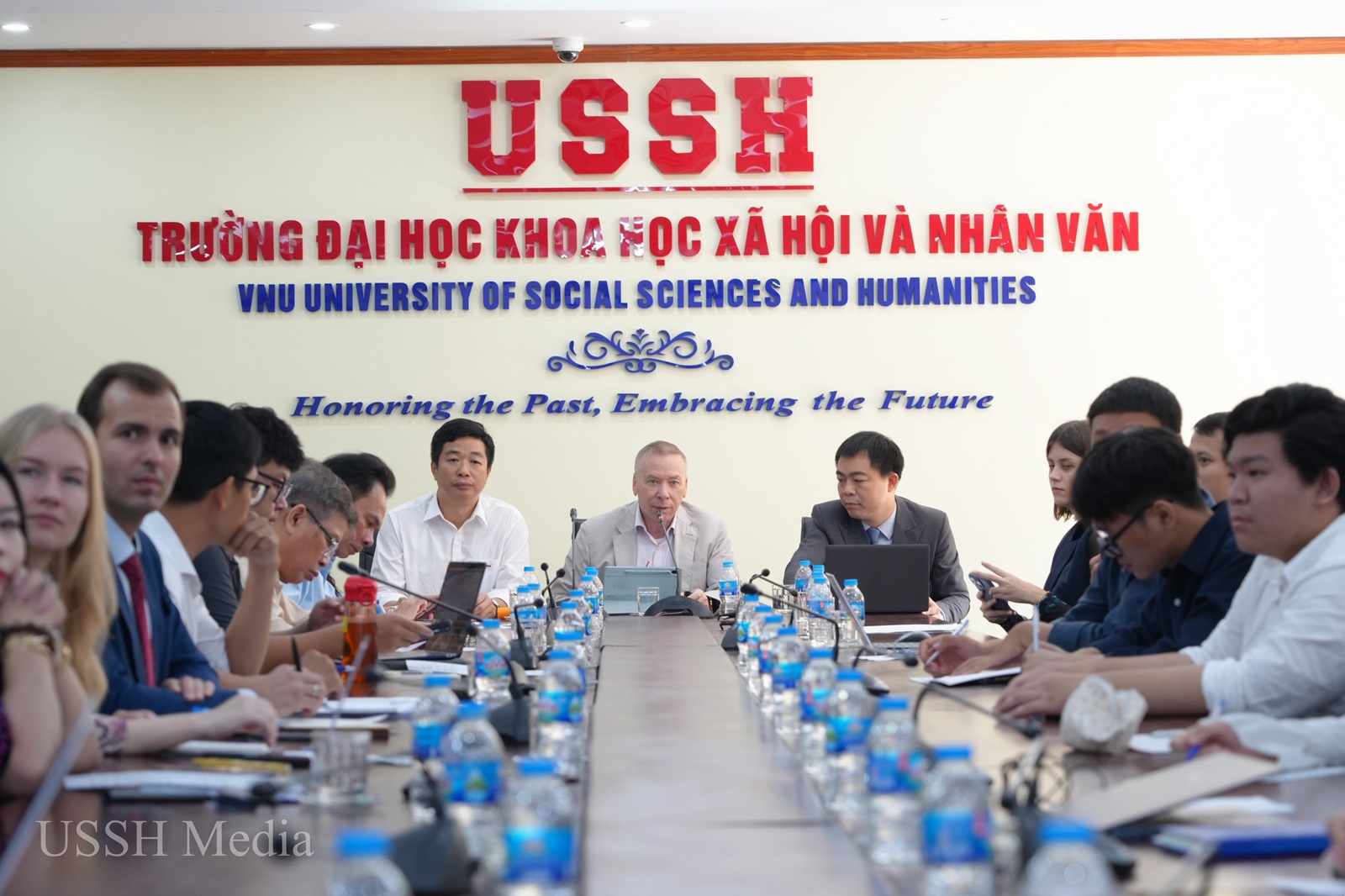
Hội thảo không chỉ là diễn đàn để công bố những thành tựu nghiên cứu mới trong lĩnh vực Chính trị học, mà còn là cơ hội để thúc đẩy sự hợp tác học thuật, trao đổi chuyên môn giữa các nhà khoa học, đồng thời tạo điều kiện cho học viên cao học, nghiên cứu sinh và giảng viên trẻ rèn luyện, nâng cao năng lực nghiên cứu và công bố khoa học.
Đặc biệt, sự kiện có ý nghĩa to lớn khi được tổ chức vào dịp chào mừng 75 năm thiết lập quan hệ ngoại giao giữa Việt Nam và Liên bang Nga, đồng thời đánh dấu tròn một năm hợp tác giữa Trường Đại học Khoa học Xã hội và Nhân văn với Trung tâm Nghiên cứu Châu Á và Tạp chí Nghiên cứu Việt Nam của Liên bang Nga.
Hội thảo cũng là hoạt động thiết thực chào mừng 80 năm truyền thống Đại học Văn khoa, 30 năm xây dựng và phát triển của Trường Đại học Khoa học Xã hội và Nhân văn, Đại học Quốc gia Hà Nội; kỷ niệm 30 năm thành lập Khoa Khoa học Chính trị - một trong những đơn vị đào tạo và nghiên cứu trọng điểm của nhà trường.
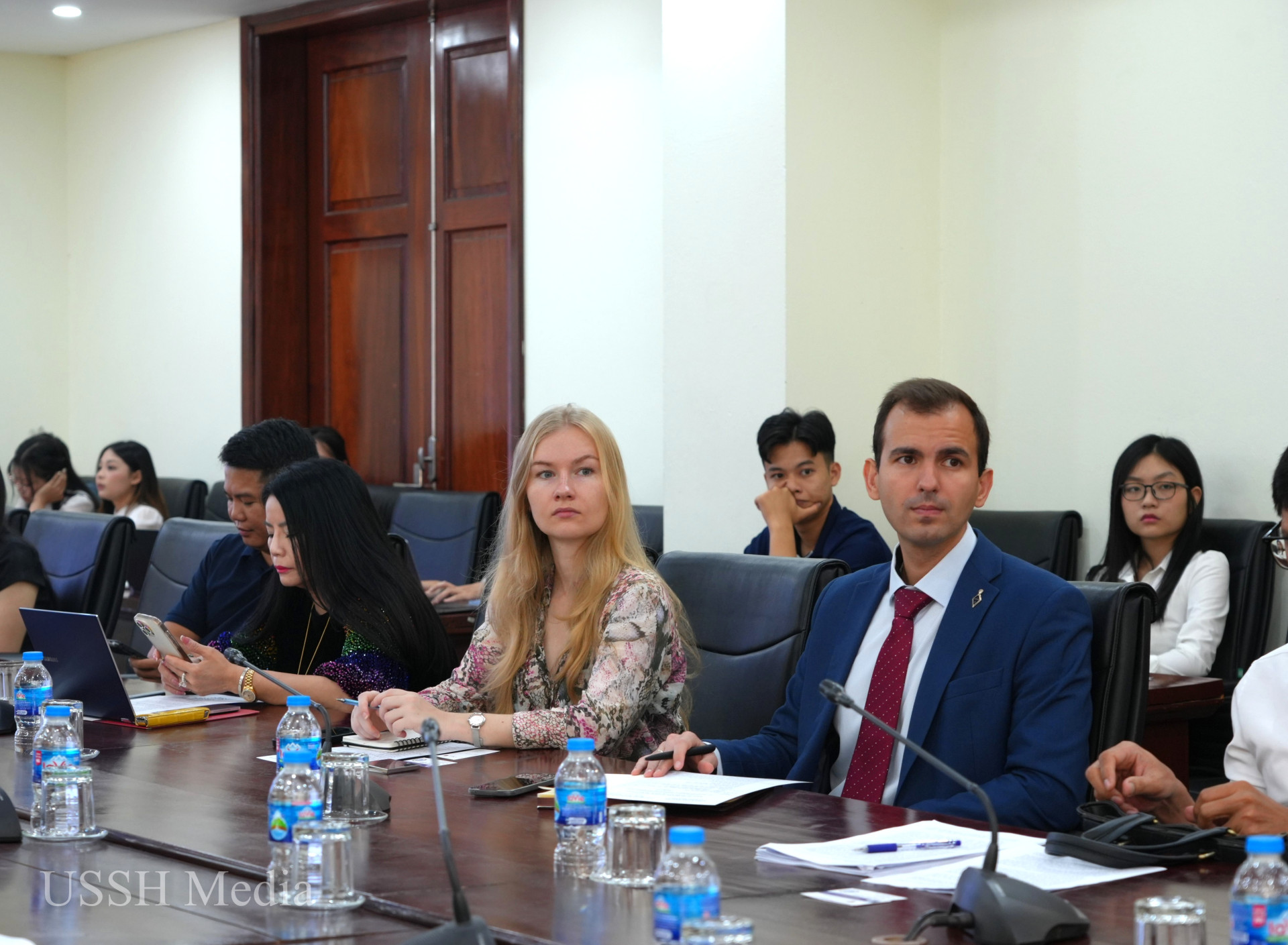
Hội thảo có sự tham dự của các đại biểu đến từ Đại học Tổng hợp Quốc gia Lomonosov Moscow; Viện Hàn lâm Khoa học Nga; Cơ quan đại diện Thương mại Liên bang Nga tại Việt Nam; Học viện Báo chí và Tuyên truyền; lãnh đạo, giảng viên, học viên Trường Đại học Khoa học Xã hội và Nhân văn, Đại học Quốc gia Hà Nội.
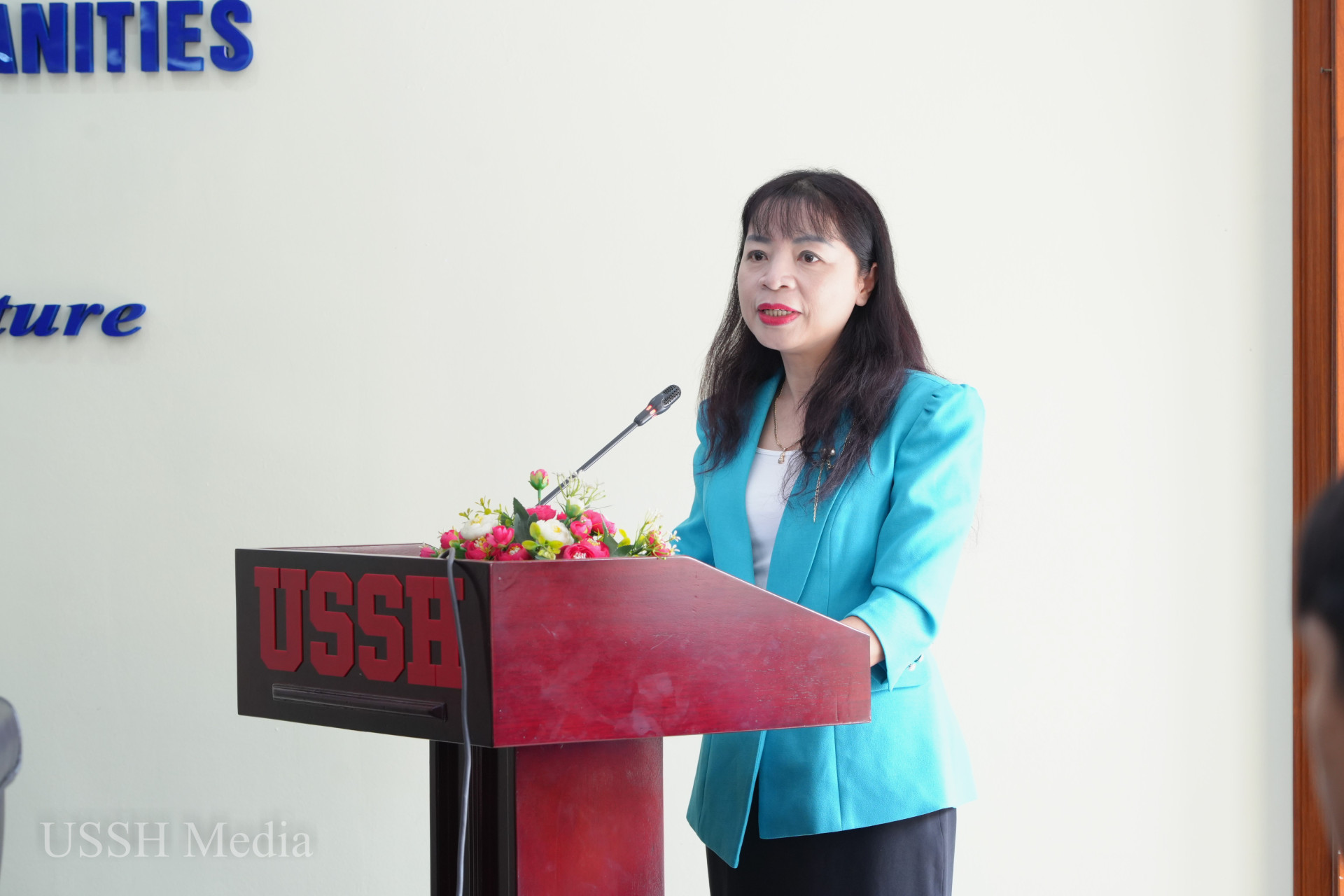
PGS.TS Đặng Thị Thu Hương - Phó Hiệu trưởng Trường Đại học Khoa học Xã hội và Nhân văn phát biểu khai mạc hội thảo
Political science—as a social science—plays a particularly important role in studying the laws governing the dynamics of political life, and the mechanisms, methods, and tools for realizing those laws in practice.
Globally, Political Science has been developing rapidly, making practical contributions to public policy planning, leadership training, and raising public political awareness. In Vietnam, Political Science is increasingly asserting its role in the theoretical and practical application of the country's reform and development policies along socialist lines.
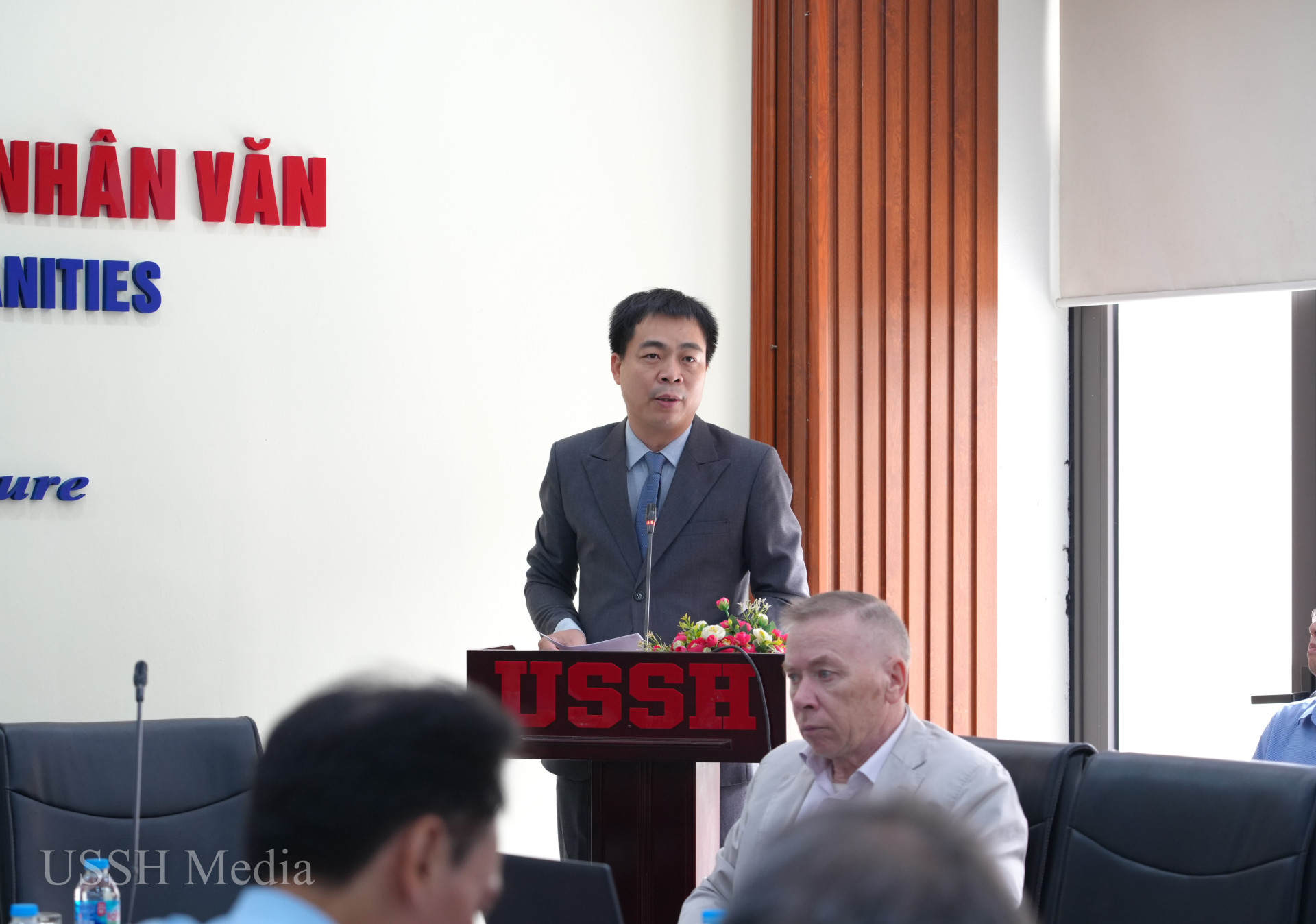
Assoc. Prof. Dr. Nguyen Van Chieu - Head of the Department of Political Science, University of Social Sciences and Humanities, presented the introductory report at the conference.
The second conference focused on discussing three major groups of issues: Firstly, theoretical and practical issues in the current political life of Vietnam and the world; secondly, issues related to international relations and global politics, clarifying new developments in regional cooperation, competition, and governance; and thirdly, new challenges in global political life and governance, requiring a renewal of thinking and approach in modern political science research.
Professor Vladimir Mazyrin (Lomonosov Moscow State University, Director of the Center for Vietnamese and ASEAN Studies - Institute of International Science and Culture, Russian Academy of Sciences) presented a paper on the topic "US Policy in Southeast Asia within the Context of the Domino Theory and the Consequences of the Vietnam War".
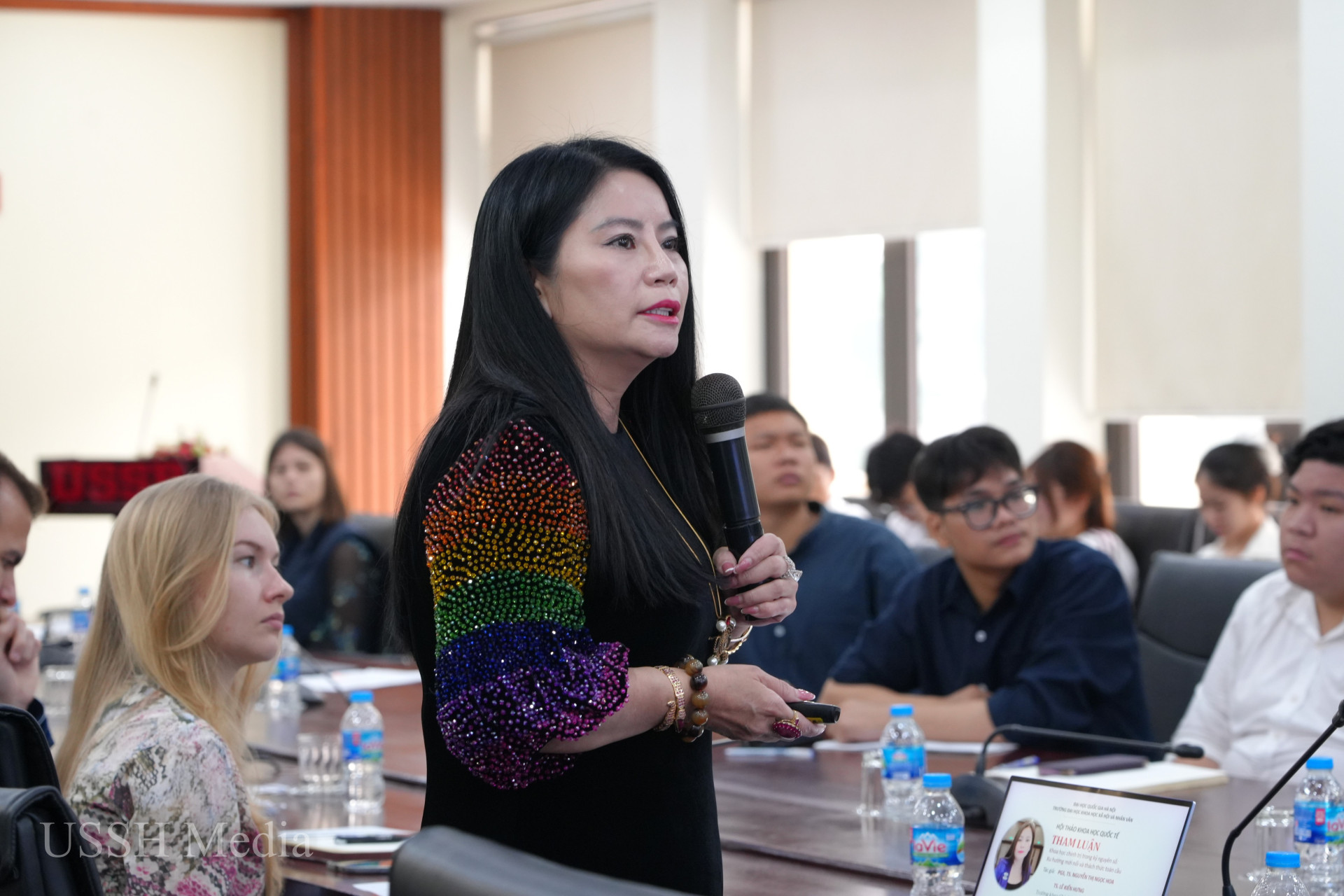
Associate Professor Dr. Nguyen Thi Ngoc Hoa - Head of the Department of Political Science, Academy of Journalism and Communication, presented a paper on the topic "Political Science in the Digital Age: Emerging Trends and Global Challenges".
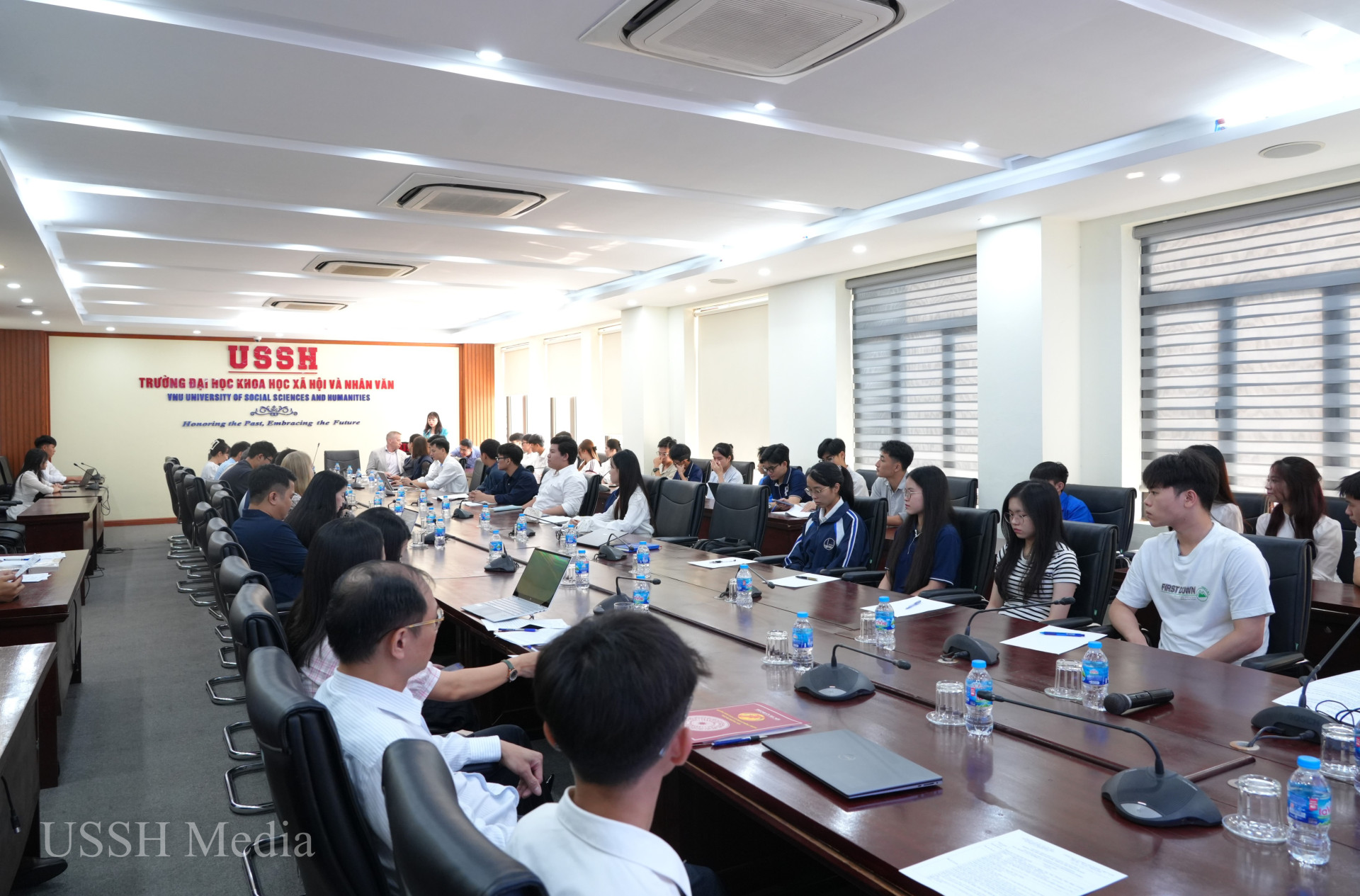
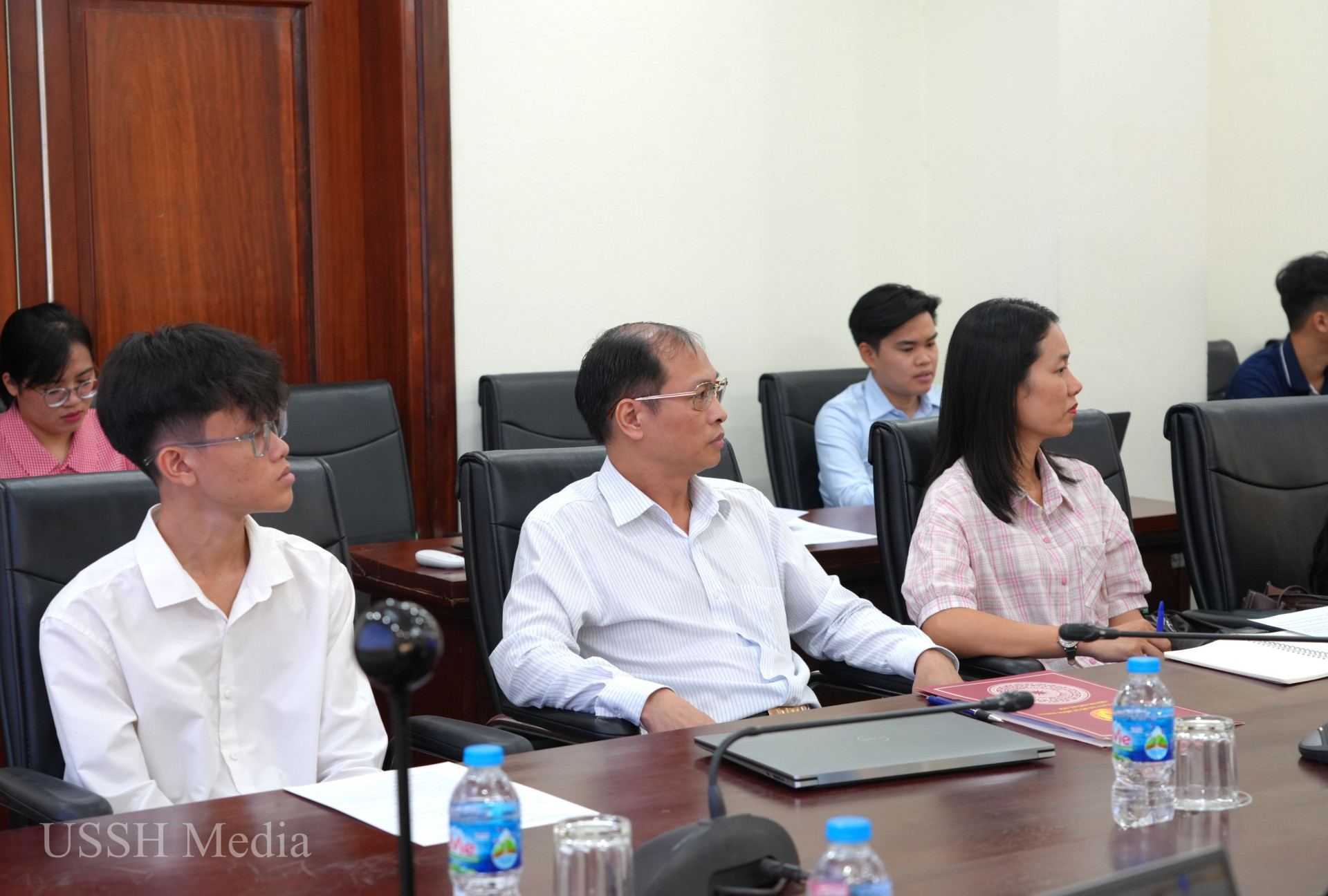
The workshop attracted a large number of scientists and graduate students.
The conference organizers received 50 papers from Vietnamese and international scientists. These are insightful research works with high academic and practical value, focusing on research issues such as: analysis of political science in the digital age; globalization trends and the new political order of the world; politics and policies of the United States, South Asia and Southeast Asia; the issue of national unity and the role of the Communist Party of Vietnam in the current period; the transformation of Vietnam's agricultural policy model from 1990 to the present, along with many other important topics.
These studies not only demonstrate the up-to-date nature and international relevance of modern political science, but also contribute important theoretical and practical foundations to Vietnam's policy-making and sustainable development.
The conference concluded with many valuable insights for research and teaching in political science in the new era. With a solid academic foundation, extensive international cooperation, and a pioneering spirit of innovation, the University of Social Sciences and Humanities, including the Faculty of Political Science, continues to affirm its leading position nationwide in training and research in political science, making practical contributions to the development of high-quality human resources and a modern, humane political system in Vietnam.