
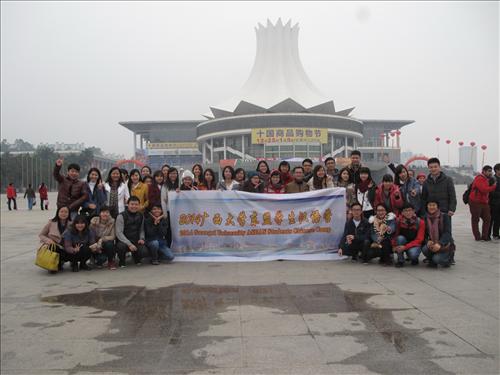
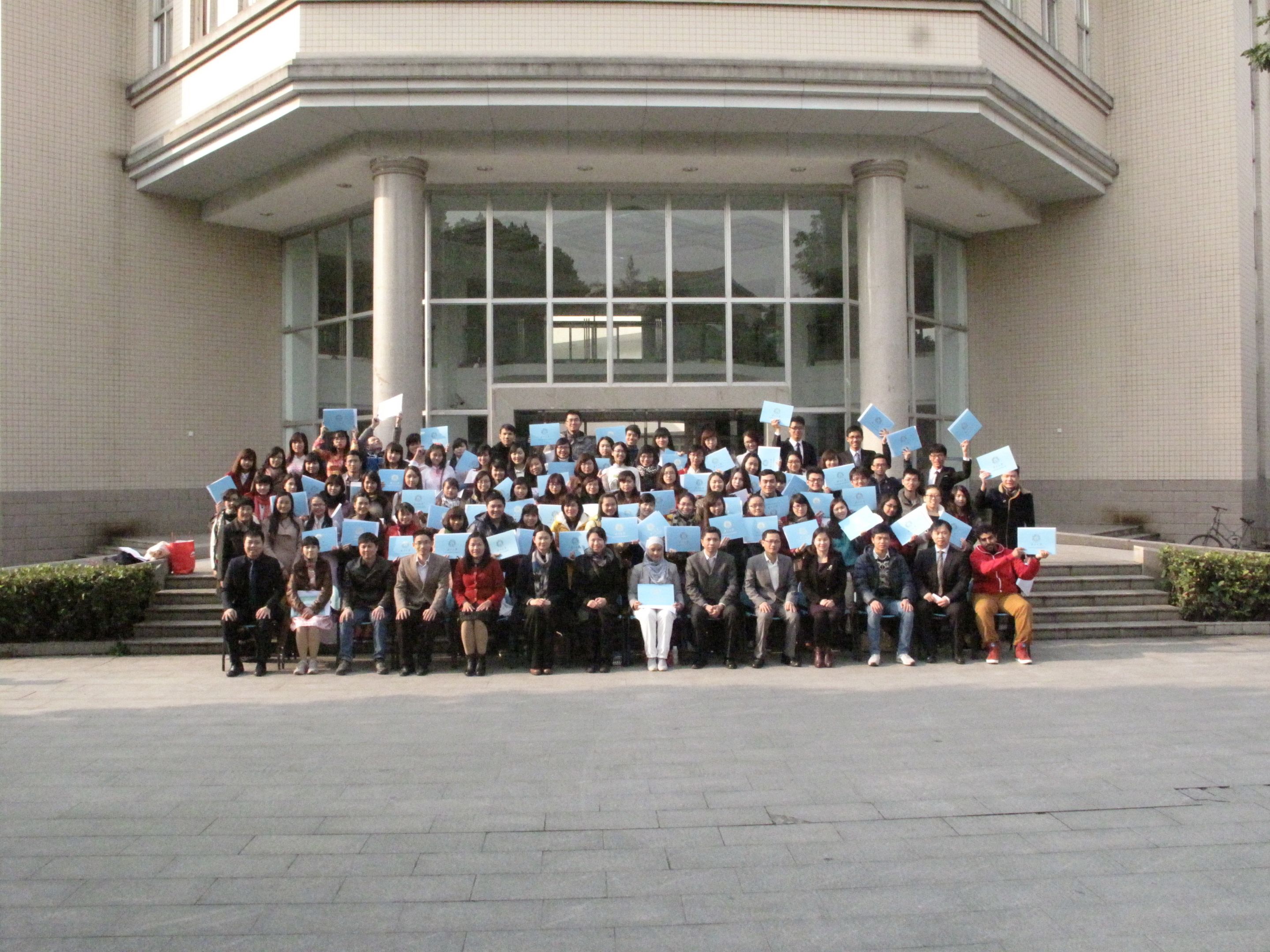
Representing the University of Social Sciences and Humanities were 30 students from the Departments of Oriental Studies, Linguistics, Literature, International Studies, and History, led by Dr. Nguyen Ngoc Binh – Deputy Head of the Department of Linguistics, Dr. Nghiem Thuy Hang – Deputy Director of the Center for Chinese Studies, and Ms. Vu Minh Hai – Specialist in the Department of External Relations.
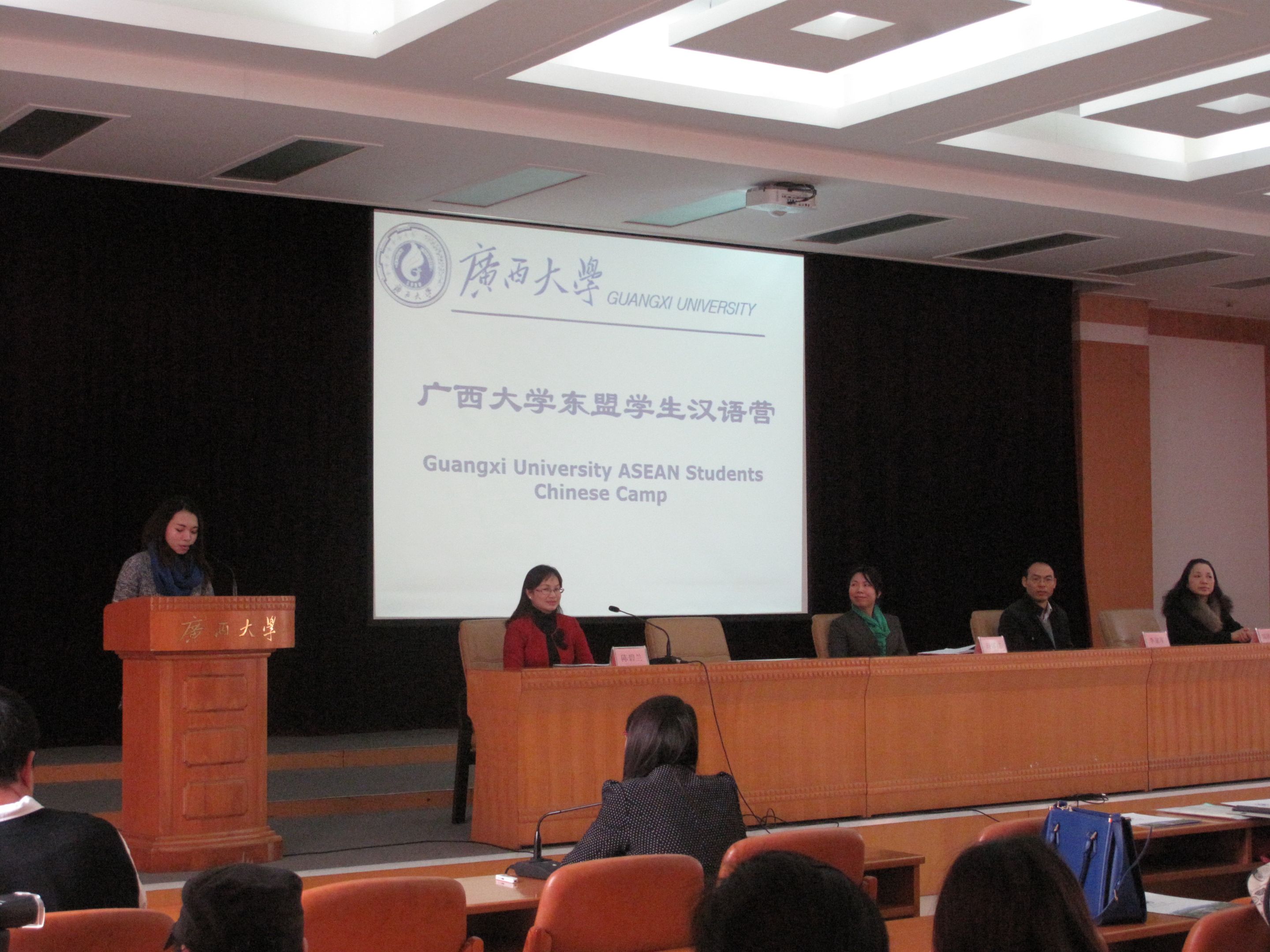
The "Chinese Language Camp" is an activity aimed at promoting interaction and exchange between Chinese students and students from ASEAN countries, as well as introducing and deepening students' interest in the Chinese language and culture.
Wishing to strengthen cooperation with universities in the ASEAN region and introduce Chinese language courses as well as undergraduate, master's, and doctoral programs, and several scholarships from the university and the Chinese government, Guangxi University (China), with financial support from Guangxi Province, organized the "Chinese Language Camp" to welcome student and faculty delegates from several universities in the ASEAN bloc.
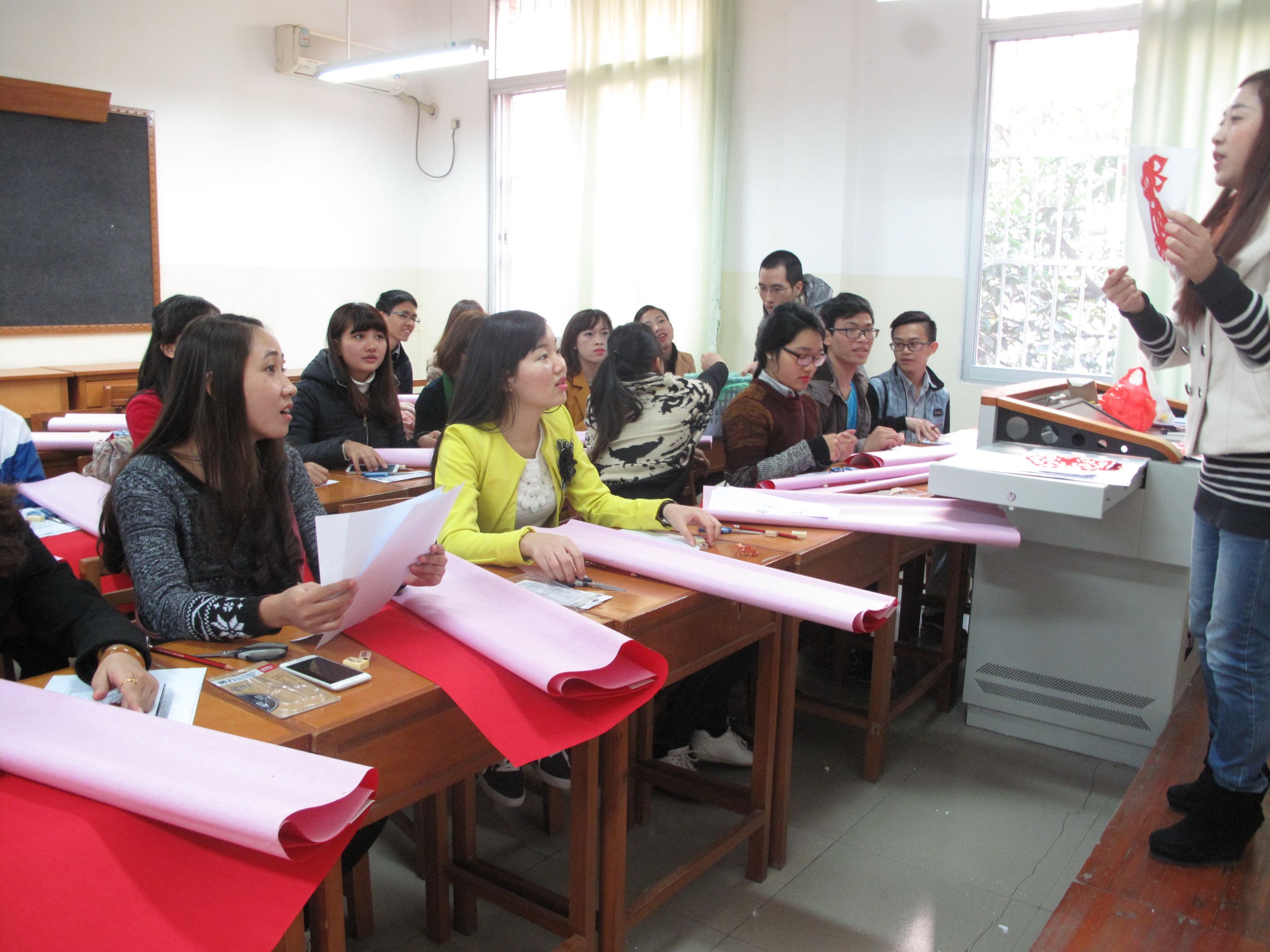
During a week-long "Chinese Language Camp," which included visits to the Confucius Temple, the Guangxi Ethnic Museum, the China-ASEAN International Conference Center, mountain climbing, cave exploration, and experiences related to the Chinese language and culture (ink painting, paper cutting, learning Chinese martial arts, learning Chinese songs, etc.), students from ASEAN countries in general, and Vietnamese students in particular, gained a wealth of interesting knowledge and experiences in China. Especially with the warm welcome from Guangxi University and the enthusiastic support from Chinese teachers and volunteer students, the delegation from the University of Social Sciences and Humanities had many touching and memorable experiences.
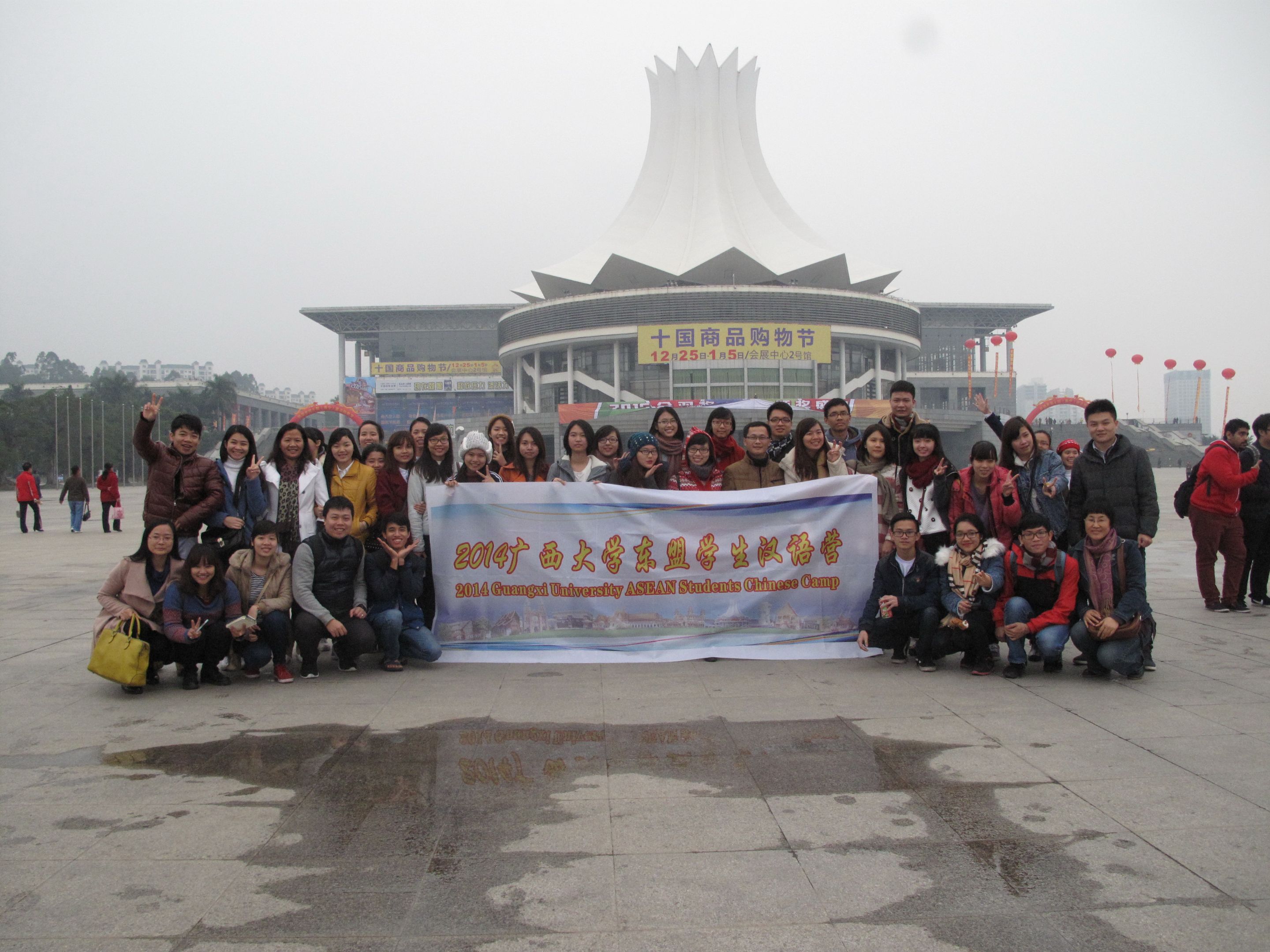
Through the study trip and cultural exchange activities at the "2014 Chinese Language Camp," students from the University of Social Sciences and Humanities gained more knowledge about the Chinese language and culture, as well as that of ASEAN countries. This enhanced their awareness and understanding, fostered a thirst for learning, and strengthened friendships among students from different countries.
Author:Tran Dieu Linh
Newer news
Older news

