
This is the first time that two leading training institutions in the social sciences and humanities – representing the North and South of Vietnam – have collaborated to organize a national-scale conference on this important topic. The event holds profound academic significance and is also a symbolic activity of national reconciliation, bringing North and South together as one family with the aspiration to build a better future.
A space for academic dialogue between the Humanities and Social Sciences – from historical trends to development visions.
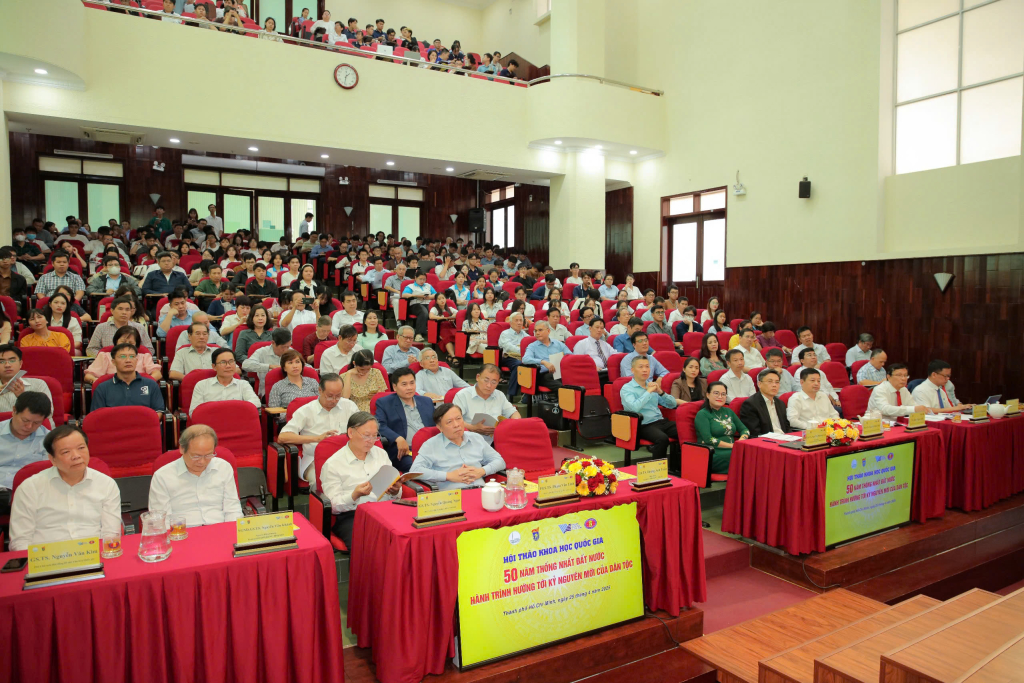
The conference brought together over 300 delegates, including researchers and leading experts in various fields such as history, politics, culture, and society. With more than 130 papers submitted from research institutes and universities nationwide, the conference served as a large-scale intellectual forum where multidisciplinary perspectives, strategic reflections, and concerns about the nation's destiny were presented and exchanged in an open yet profound atmosphere.
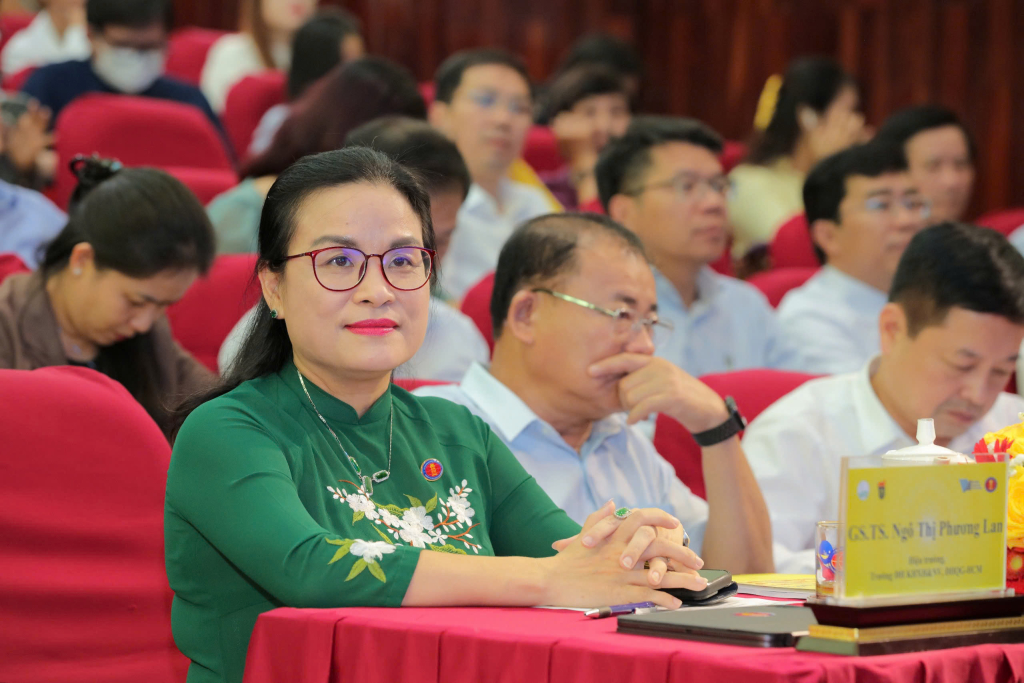
In her opening remarks at the conference, Professor Ngo Thi Phuong Lan, Rector of the University of Social Sciences and Humanities, Vietnam National University Ho Chi Minh City, emphasized that the conference was not only an opportunity to look back at history, but also a space to honor the past, assess the present, and shape the future. She affirmed that 50 years of reunification is not just a milestone, but a long journey of innovation, integration, and development. In that journey, the role of education – especially social sciences and humanities education – is a solid foundation for cultivating cultural character, a sense of responsibility, and aspirations for development in the younger generation.
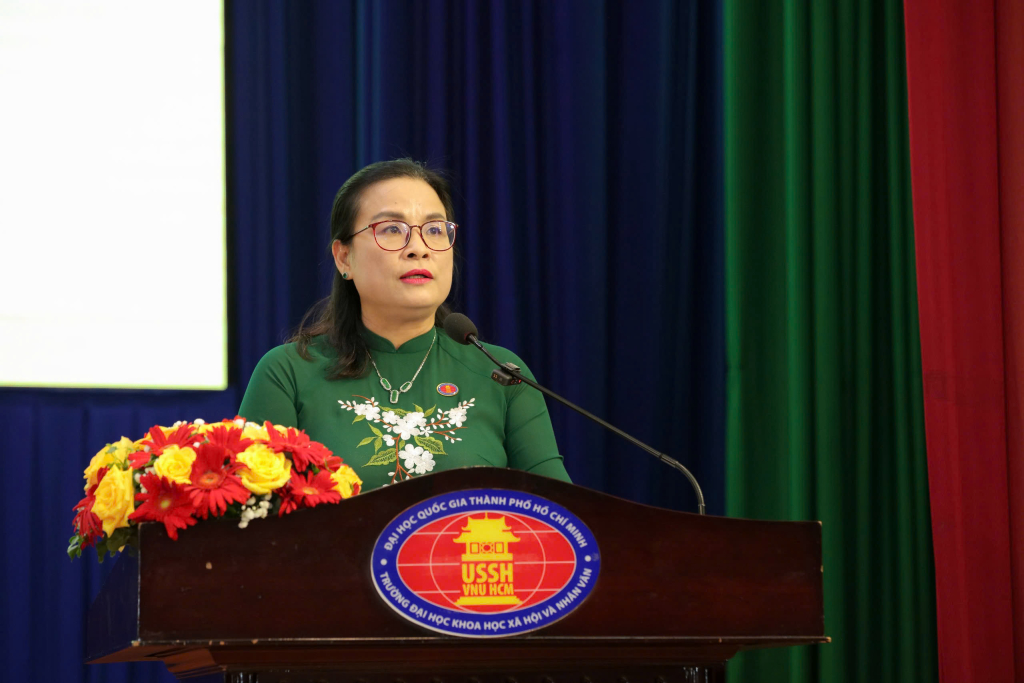
Professor Ngo Thi Phuong Lan affirmed that 50 years of reunification is not just a milestone in time, but a long journey of innovation, integration, and development - Photo: Ly Nguyen
On behalf of the University of Social Sciences and Humanities, Vietnam National University, Hanoi, Professor Hoang Anh Tuan, the Rector, shared that the two Humanities Universities, though located in the North and South, share the same spirit and mission – to preserve, develop, and spread Vietnamese humanistic values. If history united the two regions of the country with the victory of April 30, 1975 – reunifying the nation – then today, education and knowledge will continue to be a strong bridge, leading the nation into a new era – through humanism, science, and national unity.
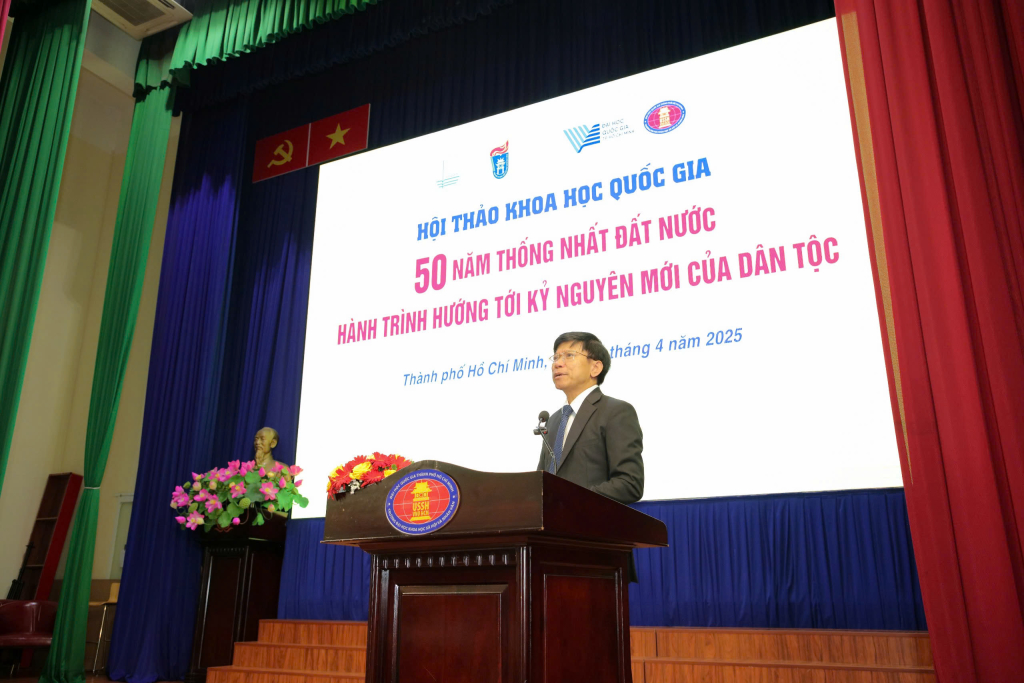
Professor Hoang Anh Tuan speaking at the conference - Photo: Ly Nguyen
The victory of April 30, 1975, from an academic perspective: From historical value to aspirations for national development.
At the conference, many in-depth papers were presented, offering multifaceted perspectives on the historical value of the reunification day, the national development process over the past half-century, and proposing strategic directions and solutions to guide Vietnam in its journey to create a new era. In his paper "The Great Victory of Spring 1975: The Strength of the Will for Independence, Unification, and the Aspiration for Peace and Prosperity of the Vietnamese Nation," Professor Dr. Nguyen Van Khanh, former Rector of the University of Social Sciences and Humanities, Vietnam National University, Hanoi, explained that the strength of the 1975 victory lay not only in military superiority, but more profoundly, in the strength of the aspiration for peace, the will for independence, and the great national unity.
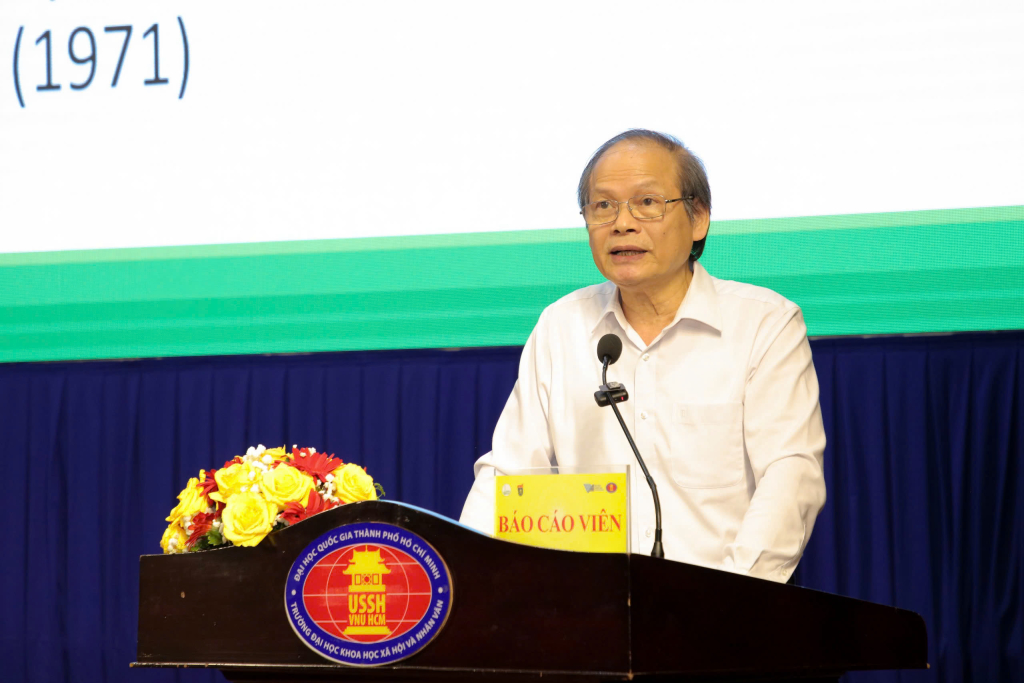
Prof. Dr. Nguyen Van Khanh (VNU-USSH) presents his paper "Vietnam Unification: An Approach from Historical and Cultural Factors" - Photo: Ly Nguyen
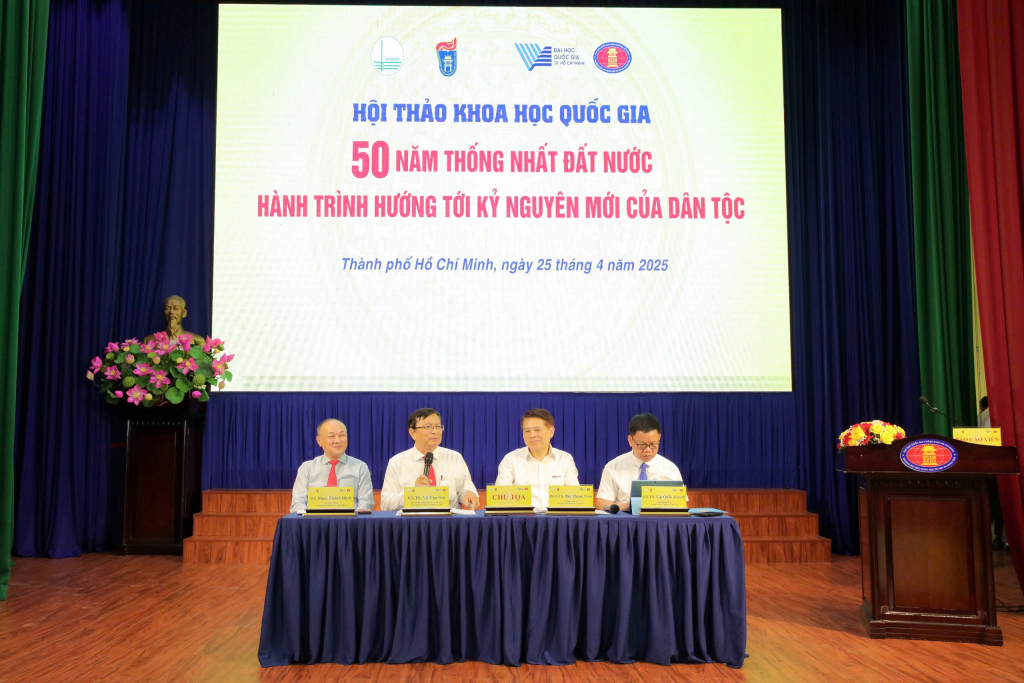
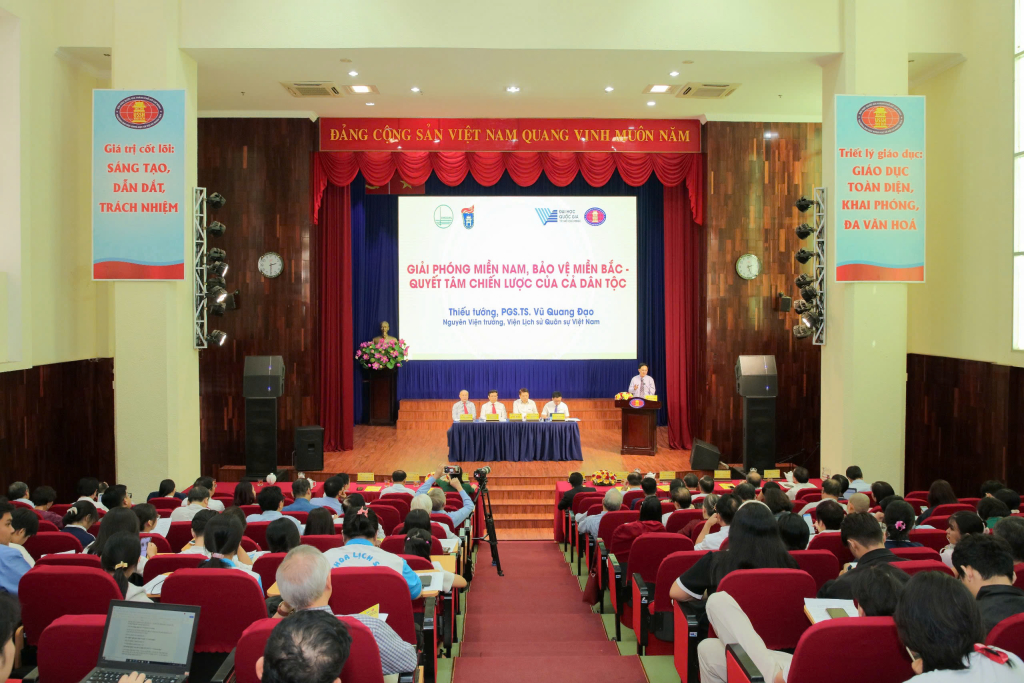
The Presiding Board chaired the presentation session at the Conference - Photo: Ly Nguyen
From a cultural and historical perspective, Professor Nguyen Van Kim, Vice Chairman of the National Council for Cultural Heritage, further deepened his analysis of national reunification from a historical and cultural viewpoint through his presentation "Vietnam Unification: An Approach from Historical and Cultural Factors." He argued that the success of April 30th was the inevitable result of the integration of national cultural values across generations, where Vietnamese identity was nurtured and disseminated despite historical divisions.
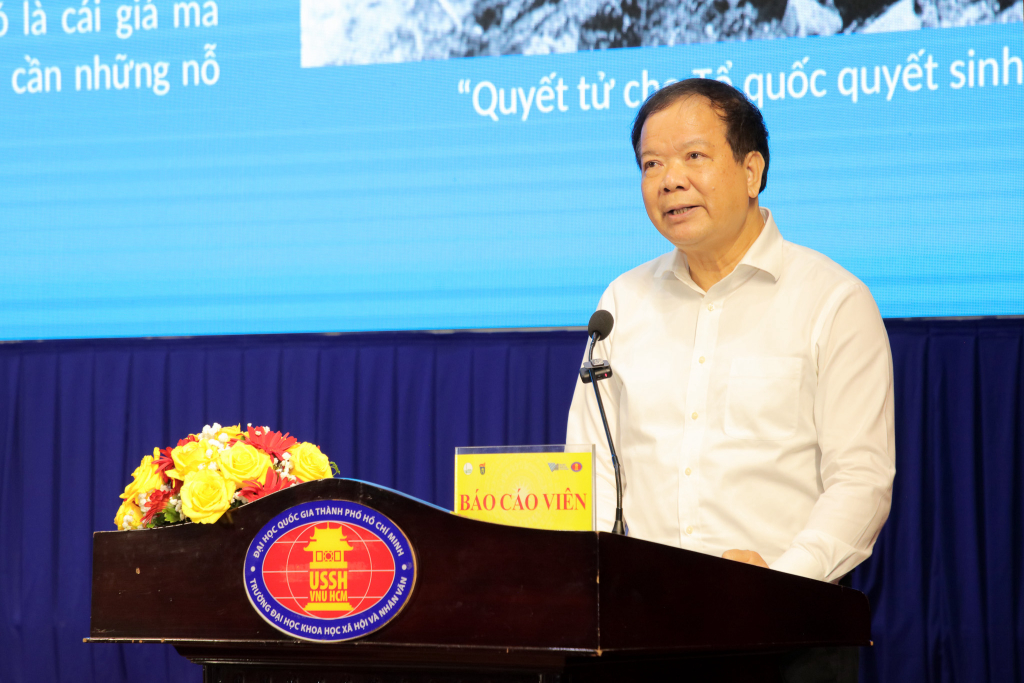
Professor Nguyen Van Kim further deepened his approach by analyzing national unification from a historical and cultural perspective. - Photo: Ly Nguyen
In his paper "The Power of 'One Day Worth 20 Years' in the Spring of 1975 - A Military, Political, and Foreign Policy Perspective," Dr. Le Huu Phuoc, former Vice Rector of the University of Social Sciences and Humanities, Vietnam National University Ho Chi Minh City, pointed out that the victory on April 30th was a strategic turning point that helped Vietnam reposition itself on the international stage. According to him, this victory not only ended the war and unified the country but also affirmed the resilience of an independent nation in a polarized global context. Since reunification, Vietnam has gradually broken through the blockade and embargo, expanded diplomatic relations, and integrated into the international community, demonstrating the importance of flexible foreign policy thinking based on peace, cooperation, and self-reliance – values that continue to play a key role in the current context of globalization.
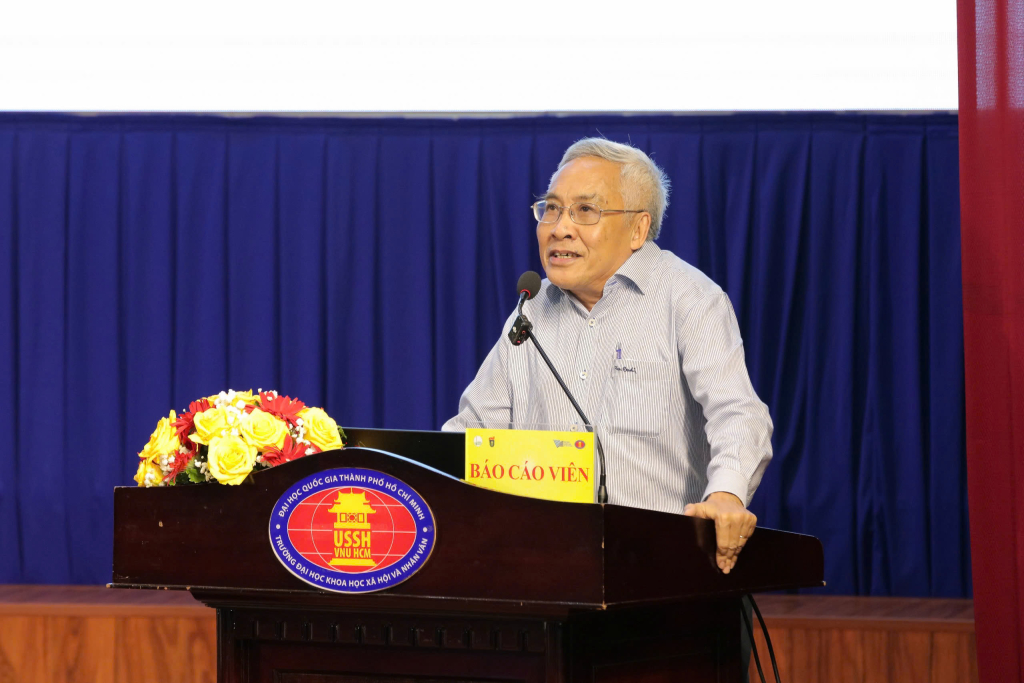
Dr. Le Huu Phuoc, former Vice Rector of the University of Social Sciences and Humanities, Vietnam National University Ho Chi Minh City, pointed out that the victory on April 30th was a strategic turning point that helped Vietnam reposition itself on the international stage - Photo: Ly Nguyen
In addition, the seminar also heard analyses from Major General, Associate Professor, Dr. Vu Quang Dao, former Director of the Vietnam Military History Institute, on the brilliant military strategy of the Vietnamese nation in the great victory of Spring 1975, showing the seamless combination of political acumen, strategic thinking, and military art; and Associate Professor, Dr. Pham Van Linh, Vice Chairman of the Central Theoretical Council, with a profound theoretical and policy-oriented presentation titled "50 Years of National Unification (1975-2025), Advancing Towards Socialism: Some Theoretical and Practical Issues in Vietnam," which pointed out the stages of Vietnam's development after unification, the bright spots as well as the challenges of the socialist-oriented development model in the context of globalization and digital transformation.
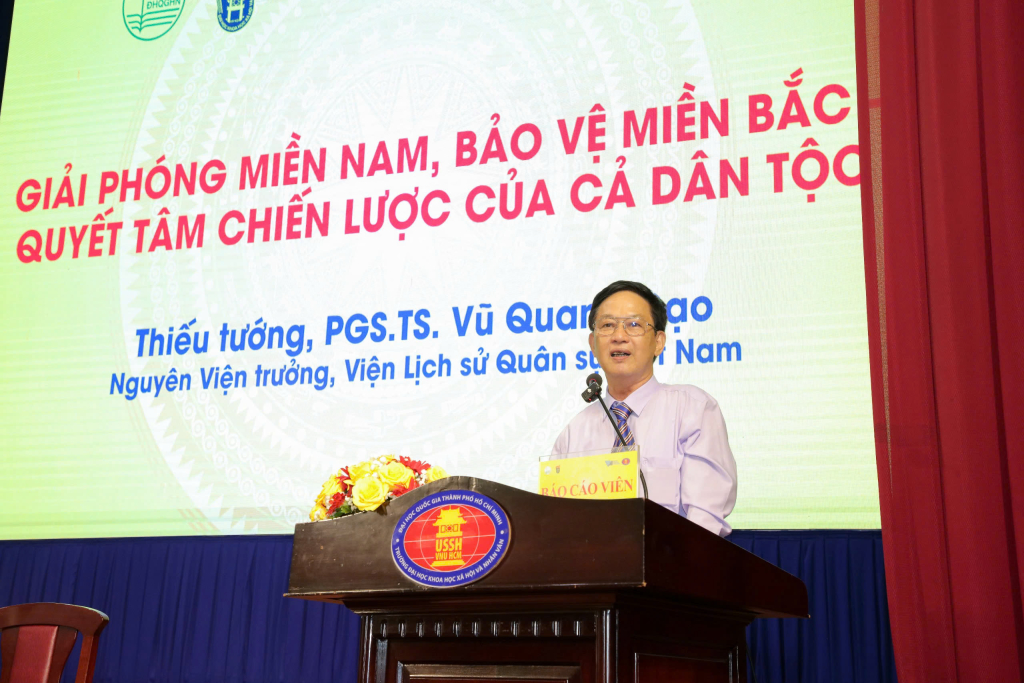
Major General, Associate Professor, Doctor Vu Quang Dao, former Director of the Vietnam Military History Institute, presented a paper titled "Liberating the South, Defending the North - The Strategic Determination of the Entire Nation" - Photo: Ly Nguyen
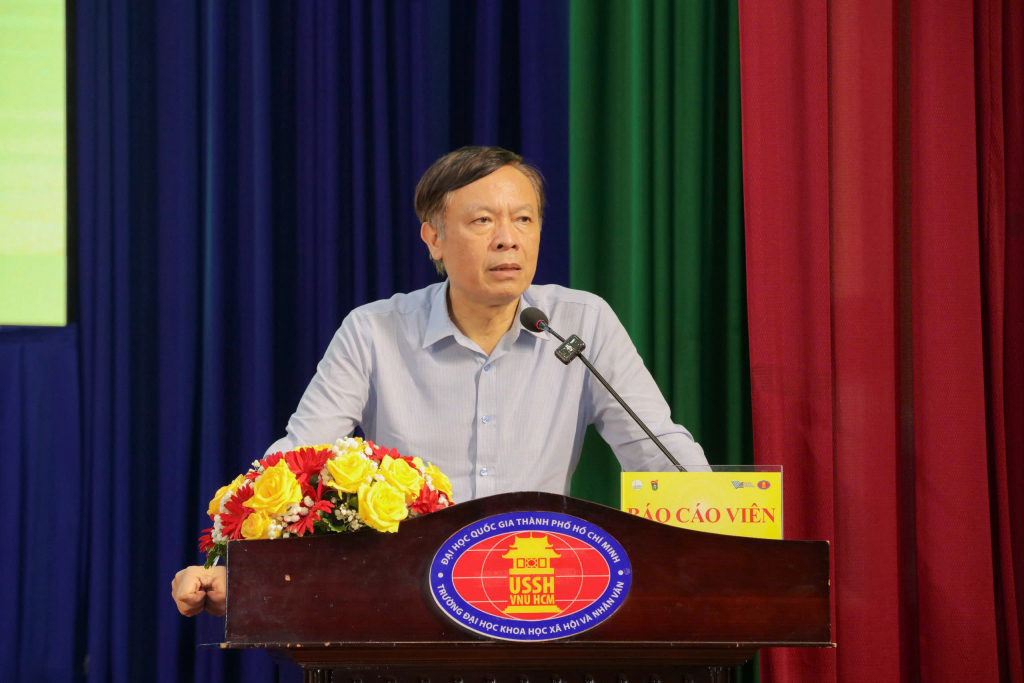
Associate Professor Pham Van Linh, Vice Chairman of the Central Theoretical Council, presented a paper titled "50 Years of National Unification (1975-2025), Advancing Towards Socialism: Some Theoretical and Practical Issues in Vietnam" - Photo: Ly Nguyen
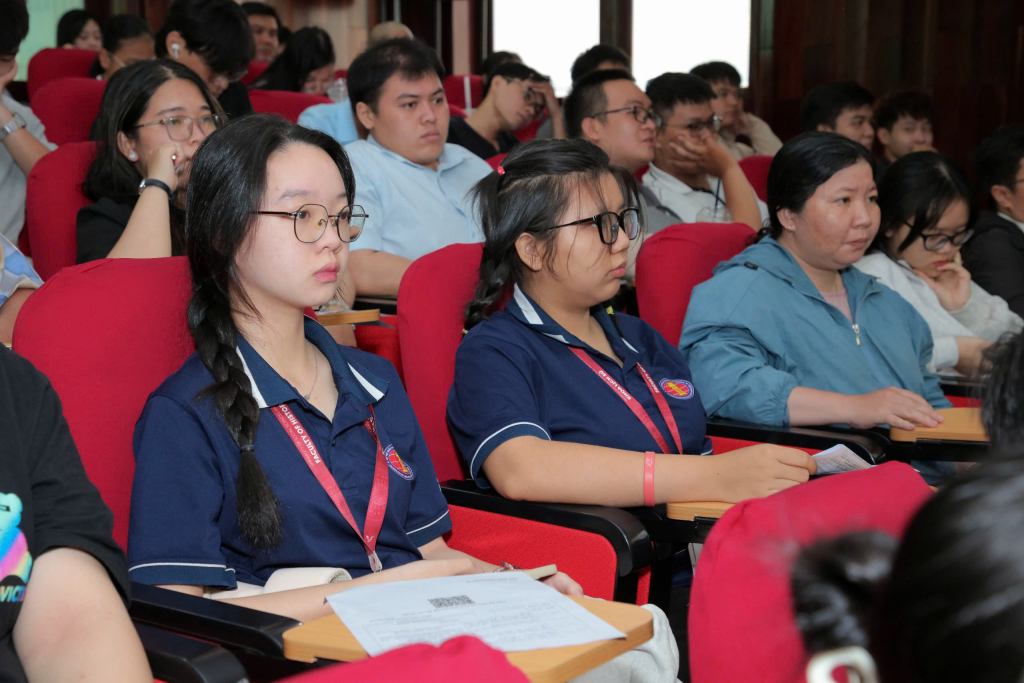
Following the presentations, a lively discussion session ensued with contributions from researchers, leading experts, lecturers, and students. The discussions focused on clarifying topical issues with strategic depth, such as: how to promote national harmony in an increasingly competitive and polarized world; the urgent need to innovate thinking on national development in the era of deep integration and digital transformation; and the essential role of social sciences and humanities in building the spiritual foundation, identity, and adaptability of global citizens. The exchanges at the forum not only reflected a multi-faceted, interdisciplinary approach linked to national development practices, but also spread a sense of responsibility, a desire to contribute, and critical thinking skills among the younger generation – the successors to the journey of building and affirming the country's position in the new era.
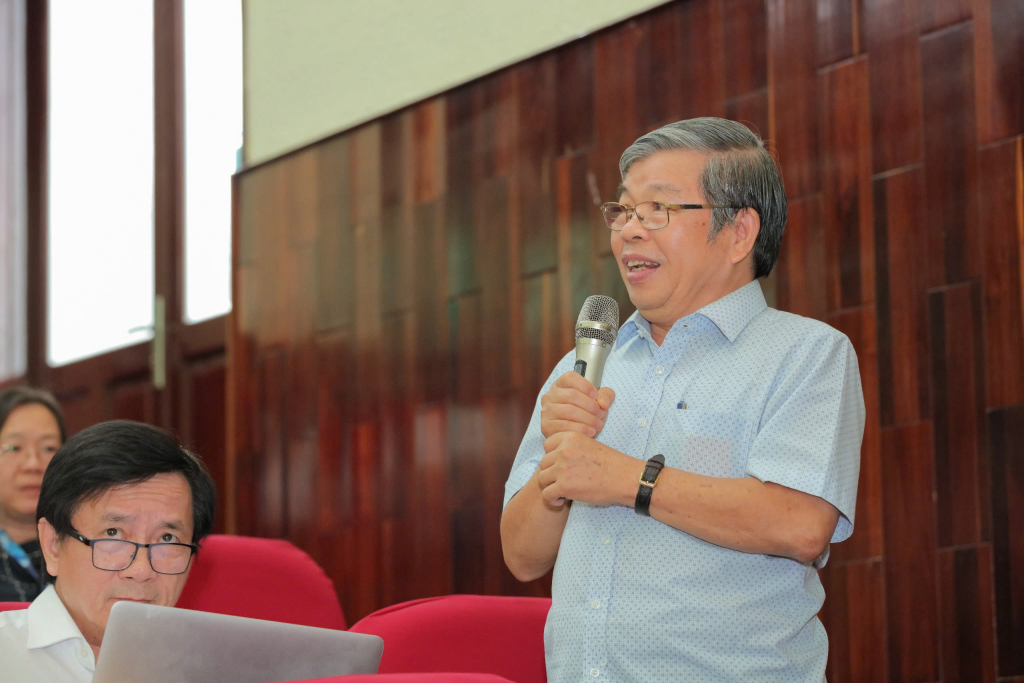
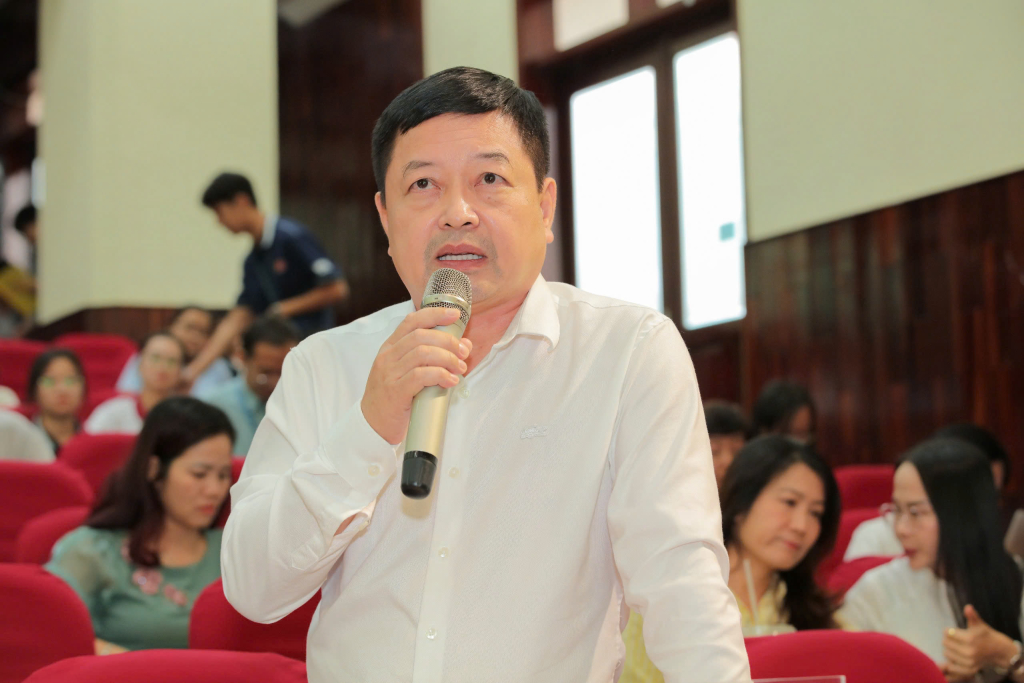
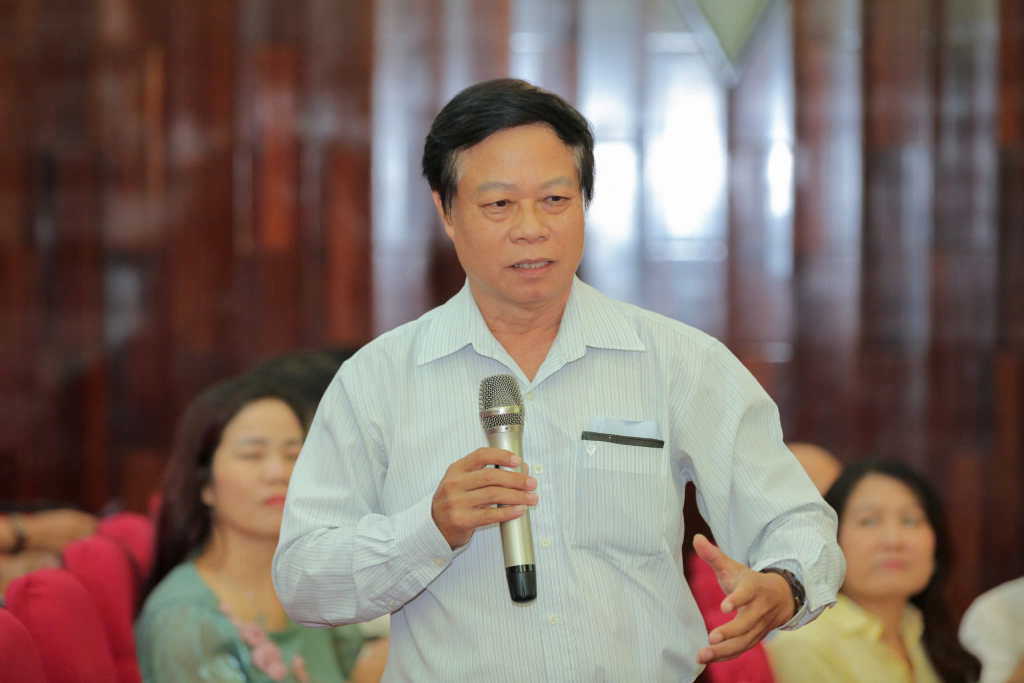
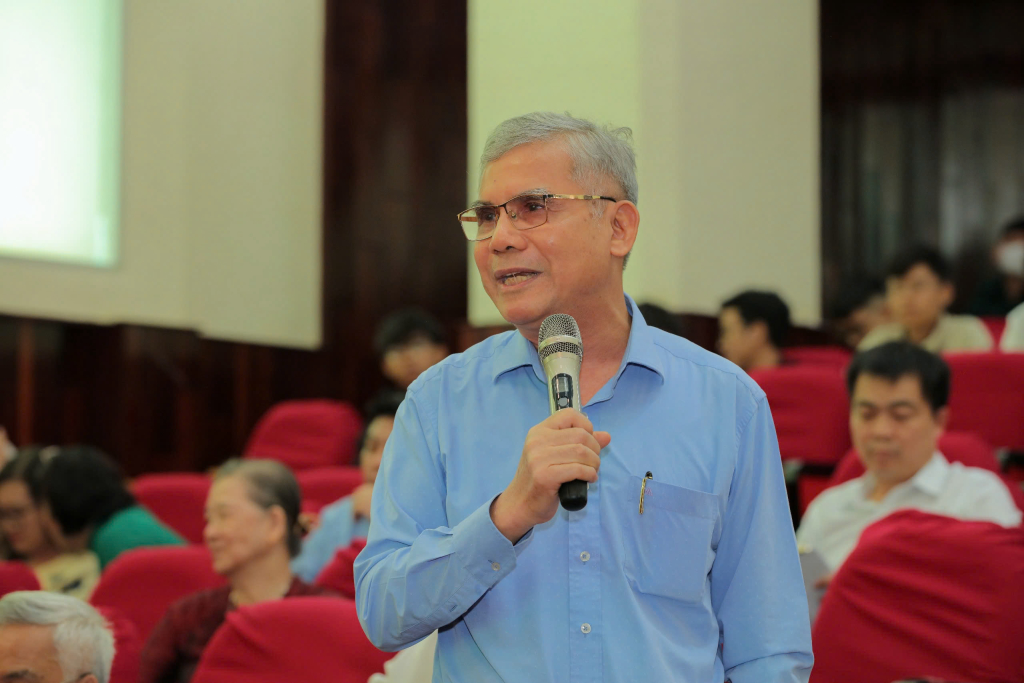
Delegates participating in discussions at the Workshop - Photo: Ly Nguyen
A bridge of knowledge connecting the North and South, the foundation for a new era.
In his concluding remarks at the conference, Professor Lai Quoc Khanh, Faculty of Social Sciences and Humanities, Vietnam National University, Hanoi, summarized the core meanings throughout the program. First, he emphasized that the victory of April 30, 1975, was a historical milestone of profound epochal significance, not only ushering in an era of peace and unification, but also laying a solid foundation for the nation's development over the past 50 years. Next, Professor Lai Quoc Khanh affirmed that the half-century following unification has been a process of accumulating tremendous achievements and valuable lessons in economic development, social stability, international integration, and enhancing the nation's standing in the world. In particular, Professor Lai Quoc Khanh... Lai Quoc Khanh pointed out that, in the context of the country's strong transformation, strategic planning, effective policy promulgation, and the proper and sufficient mobilization of development resources will be prerequisites for Vietnam to enter a new era – an era of comprehensive, sustainable development imbued with a humanistic spirit.
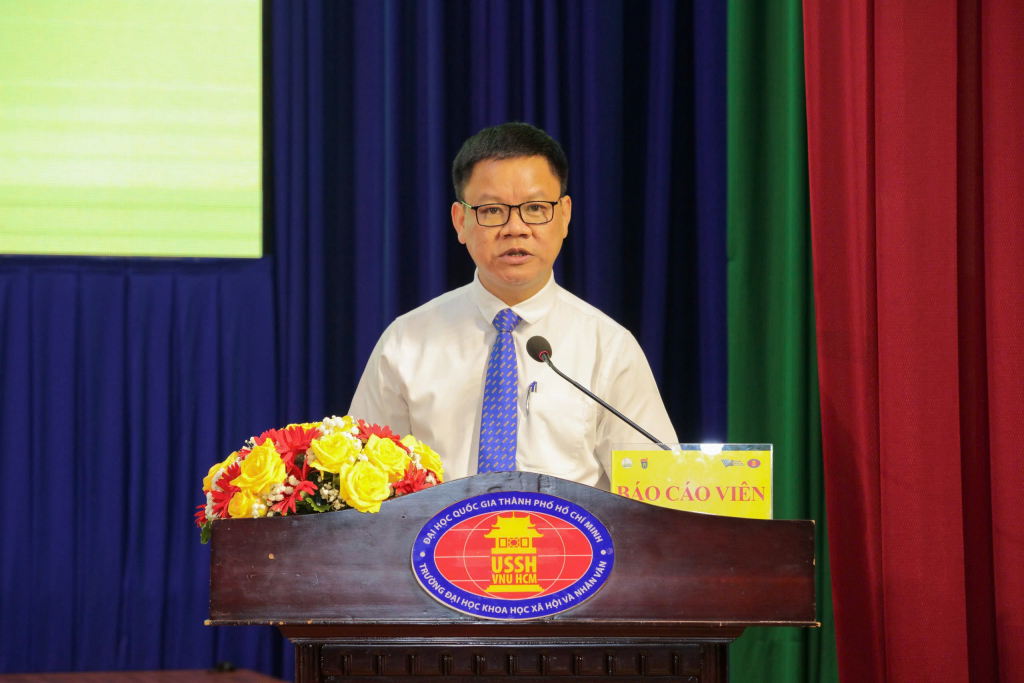
Prof. Dr. Lai Quoc Khanh - Vice Rector of the University of Social Sciences and Humanities, Vietnam National University, Hanoi, delivered the closing remarks at the conference - Photo: Ly Nguyen
The national scientific conference “50 Years of National Reunification – A Journey Towards a New Era for the Nation” is not only a profound academic forum but also a symbol of the intellectual partnership and connection between the two leading institutions in social sciences and humanities in the country – the University of Social Sciences and Humanities, VNU-HCM and the University of Social Sciences and Humanities, VNU-Hanoi. In the context of the nation facing new opportunities for development, jointly organizing a national-scale forum like this conference demonstrates the strong commitment of both universities to linking research, training, and social service, while affirming the pioneering role of humanities in national strategic thinking. From a glorious past to a transforming present and a shaping future, the conference has contributed to deepening understanding of the journey of national unification, spreading the aspiration for sustainable development, and igniting a spirit of civic responsibility in each generation – so that knowledge is not just a legacy, but an action that shapes the future.
Author:Ly Nguyen, Tuan Vu, Thu Thao (Faculty of Social Sciences and Humanities, VNU-HCM)
Newer news
Older news

