A new context for streamlining and strengthening the organizational structure.Amidst strong administrative reforms and the streamlining of the state management apparatus aimed at enhancing operational efficiency, tens of thousands of officials and civil servants are facing job instability. From 2021 to the present, nearly 80,000 civil servants have been laid off, with approximately 39,500 voluntarily resigning in 2022, primarily from key sectors such as education and healthcare. These changes not only create gaps in the state administrative system but also open up new opportunities for workers, allowing them to move to the private sector, start their own businesses, or participate in socio-economic development projects.
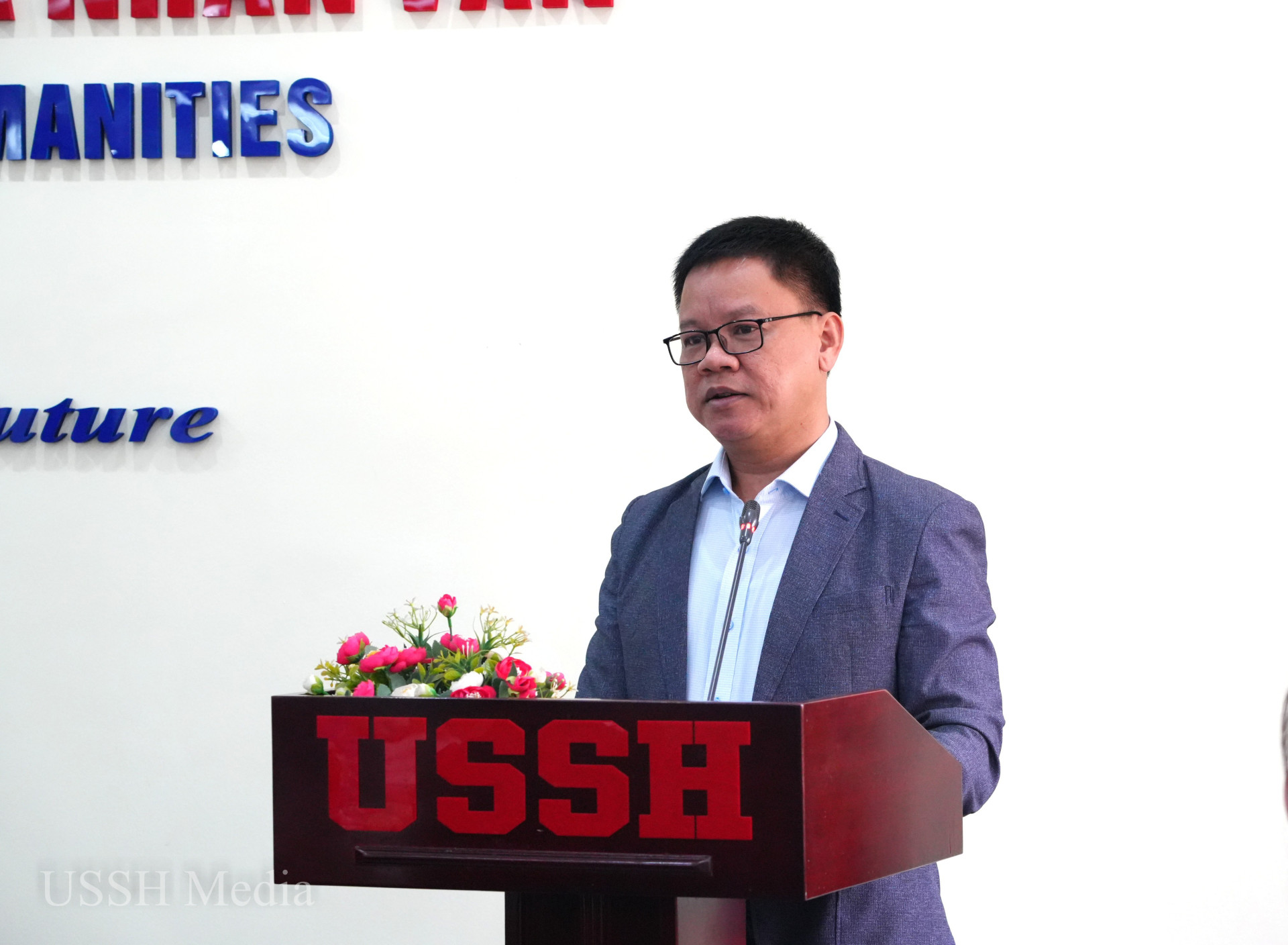
Professor Lai Quoc Khanh - Vice Rector of the University of Social Sciences and Humanities, Vietnam National University, Hanoi, delivered the opening remarks at the conference.
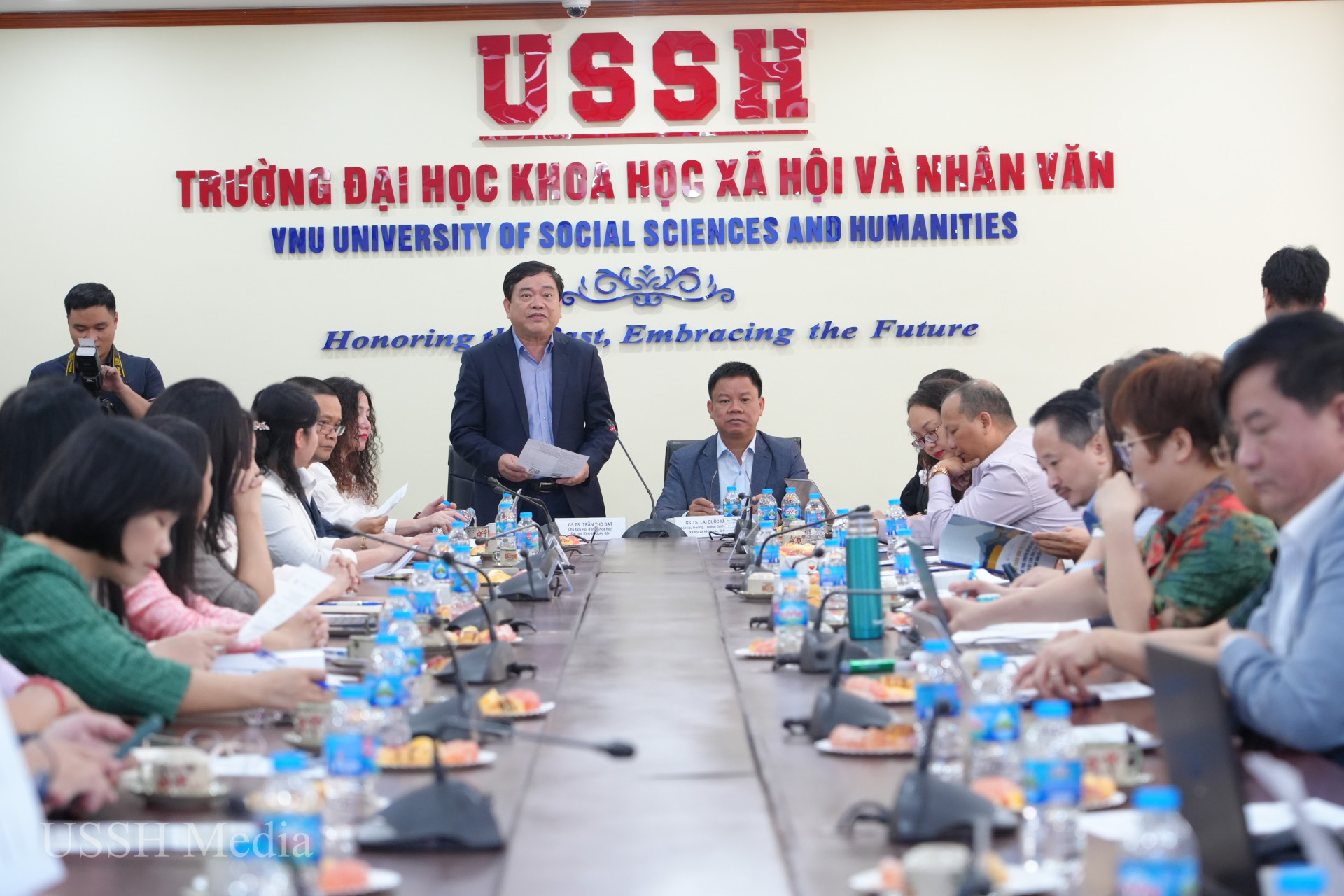
Professor Tran Tho Dat - Chairman of the Scientific Council of the National Economics University - co-chaired the conference.
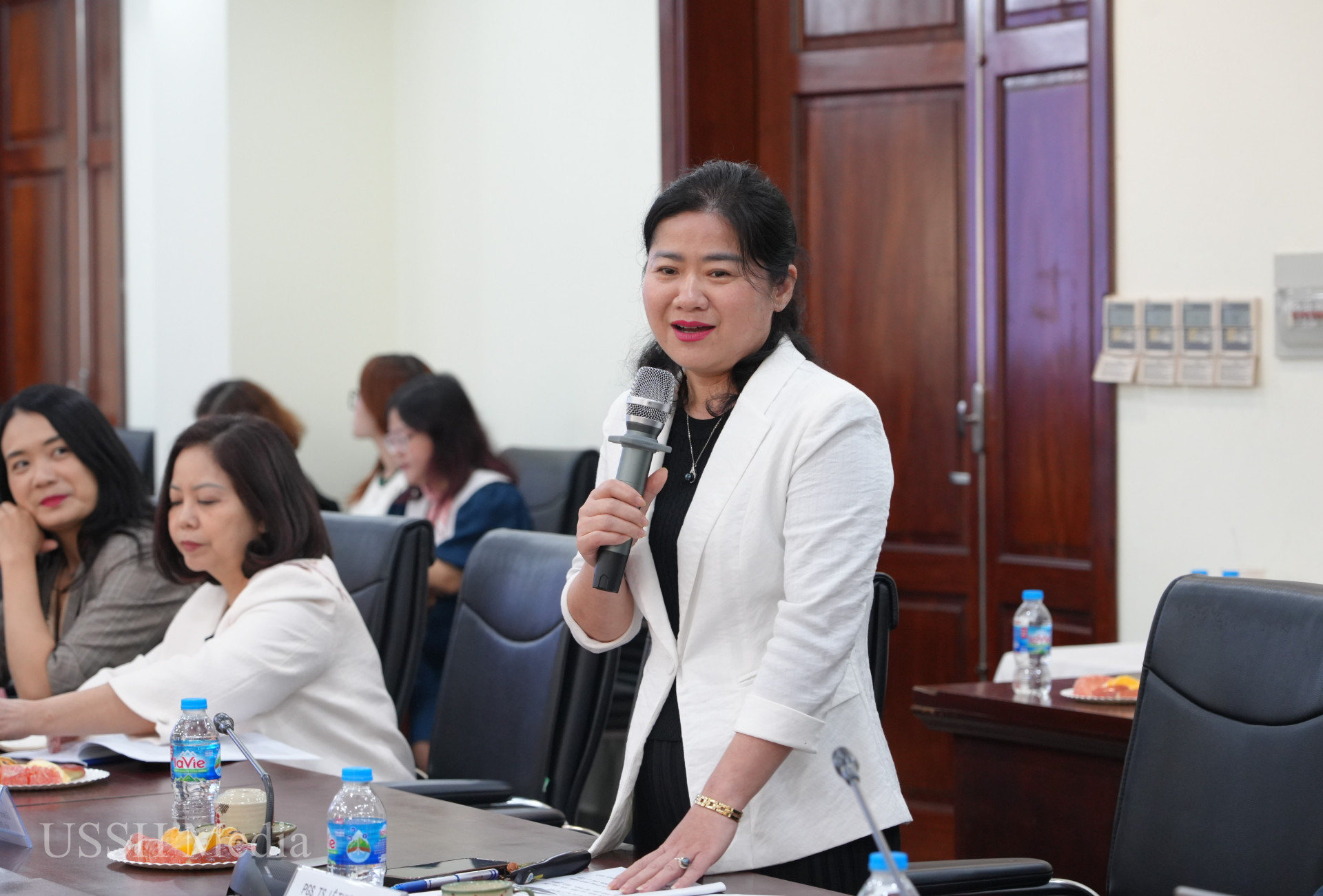
According to Associate Professor Dr. Le Thi Thanh Ha (Ho Chi Minh National Academy of Politics), Vietnam currently allocates nearly 70% of its budget to salaries, recurrent expenditures, and operational expenses, leaving only about 30% for development investment, security, and defense. The political system remains cumbersome and overlapping; some ministries and sectors still shoulder the responsibilities of local authorities, leading to a system of "request and grant," and giving rise to negative practices and corruption. The streamlining of personnel, linked to job positions, and the improvement of quality and restructuring of the civil servant workforce are still lacking in thoroughness…
Assoc. Prof. Dr. Le Thi Thanh Ha - Ho Chi Minh National Academy of Politics
Resolution 18 of 2017, adopted at the 6th Plenum of the 12th Central Committee, on continuing to innovate and streamline the organizational structure of the political system for efficient and effective operation, and the campaign to reduce the size of the apparatus from the end of 2024 to the present, has received widespread support and positive response from society.
Streamlining the current organizational structure is not only a challenge for Vietnam but also a common trend in countries around the world. In recent years, developed countries have accelerated the reduction of personnel in the public administration system. From both a theoretical and practical perspective, there is an urgent need to innovate and reorganize the administrative apparatus to be lean, efficient, effective, and effective.
This context has presented challenges in terms of function, tasks, personnel, institutions, policies, culture, and thinking… The Resolution of the 6th Central Committee Conference (12th term) requires that the reform and reorganization of the political system's apparatus must be "implemented regularly, continuously, actively, strongly, with focus and priorities, with a roadmap and steady steps, meeting both immediate and long-term requirements."
International experience in supporting public sector workers in transitioning to new careers.According to Mr. Kieu Cong Thuoc, Chairman of VNFUND, career transition for public sector workers is not simply about finding a new job, but also involves issues related to support policies, skills training, psychological adaptation, and the ability to integrate into the non-state labor market. While many countries around the world have effective support policies and models, this process in Vietnam still faces many challenges that need to be addressed.
Mr. Kieu Cong Thuoc - Chairman of VNFUND, provided information on experiences in supporting public sector workers in career transitions in several countries.
Providing information on international experiences in supporting public sector workers and career transitions, such as the US, the European Union, Japan, South Korea, etc., Mr. Kieu Cong Thuoc stated that factors contributing to success in career transition support include early career guidance and in-depth counseling; support for training in new skills relevant to the labor market; financial policies supporting career transition (subsidies, preferential loans, insurance funds, etc.); and connections with the private sector to create new job opportunities.
Current and future trends in the Vietnamese labor market.Reducing the number of civil servants is a crucial policy aimed at improving the effectiveness and efficiency of state management, reducing the burden on the budget, and building a streamlined and transparent administrative apparatus. This is a core solution to optimize resources, modernize the system, and promote national development.
During the period from 2021 to 2025, the state apparatus was reduced by 5 ministries, 3 ministerial-level agencies, 518 departments, 218 divisions, and 2,958 sub-departments, affecting over 100,000 civil servants and public employees. In the next phase, the number of provincial-level administrative units will be further reduced by 50%, the number of commune-level units will be reduced by 60-70% (from 10,000 communes to 2,500 communes), the district level will be eliminated, and the government will transition to a two-tiered model.
So what will the trends in the Vietnamese labor market be like?
According to Associate Professor Dr. Nguyen Thi Minh Nhan (University of Commerce), the Vietnamese economy is recovering from the COVID-19 pandemic and is being impacted by many factors such as digital transformation, automation, and international integration. Industries related to AI, data analytics, cybersecurity, and renewable energy are experiencing rapid growth. The trend towards sustainable employment is receiving more attention in Vietnam's labor policies.
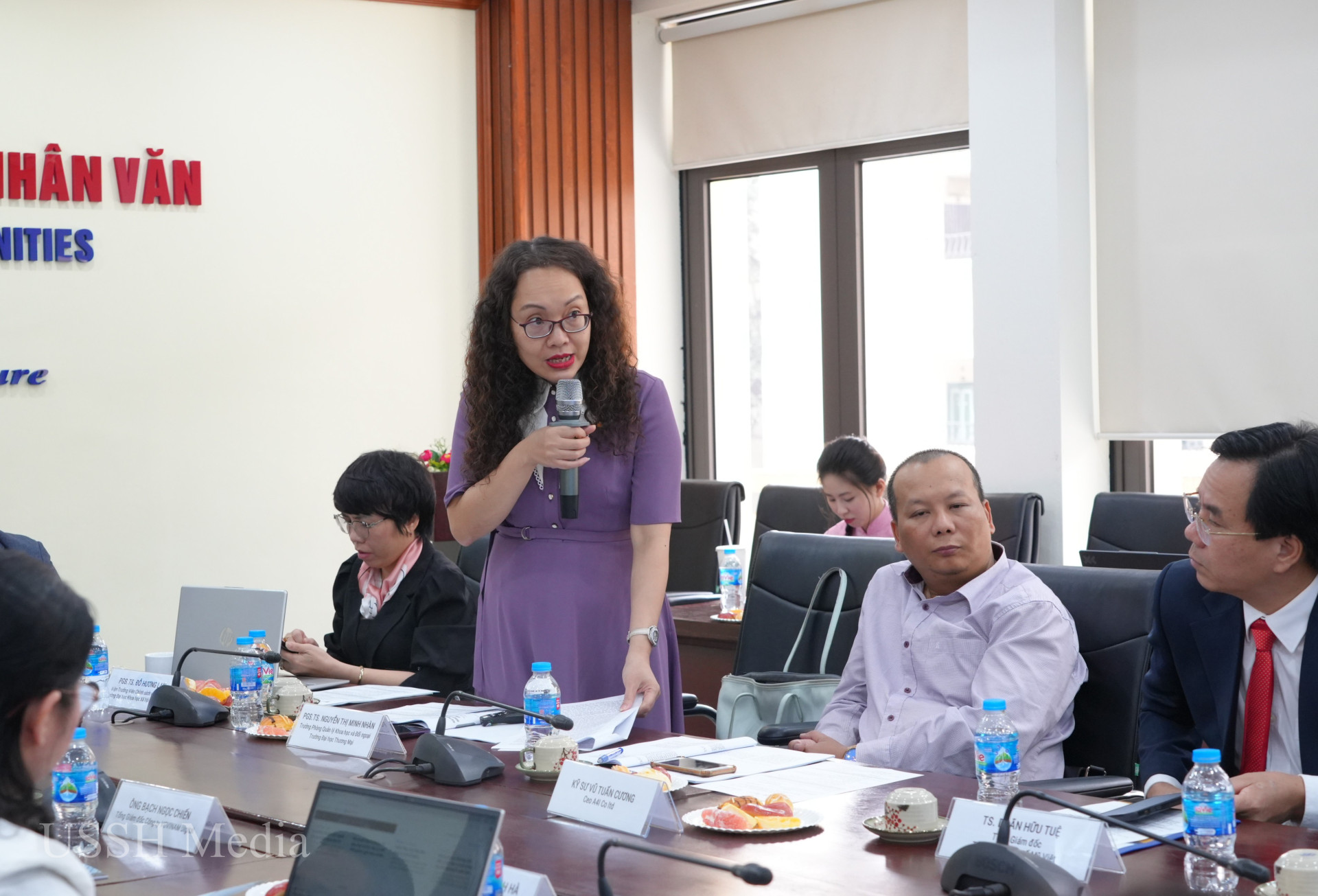
Associate Professor Dr. Nguyen Thi Minh Nhan shared her analysis of job development trends in the new context.
Sharing his personal career transition story and the synergy within the ecosystem, Mr. Bach Ngoc Chien (General Director of VOVINAM Digital Company, former Vice Chairman of the People's Committee of Nam Dinh province) stated that the streamlining revolution is inevitable for development. This is an opportunity to retain and develop high-quality human resources within the state apparatus. Mr. Bach Ngoc Chien also suggested that a personnel evaluation system should be applied within the state apparatus to encourage the contributions of high-quality human resources.
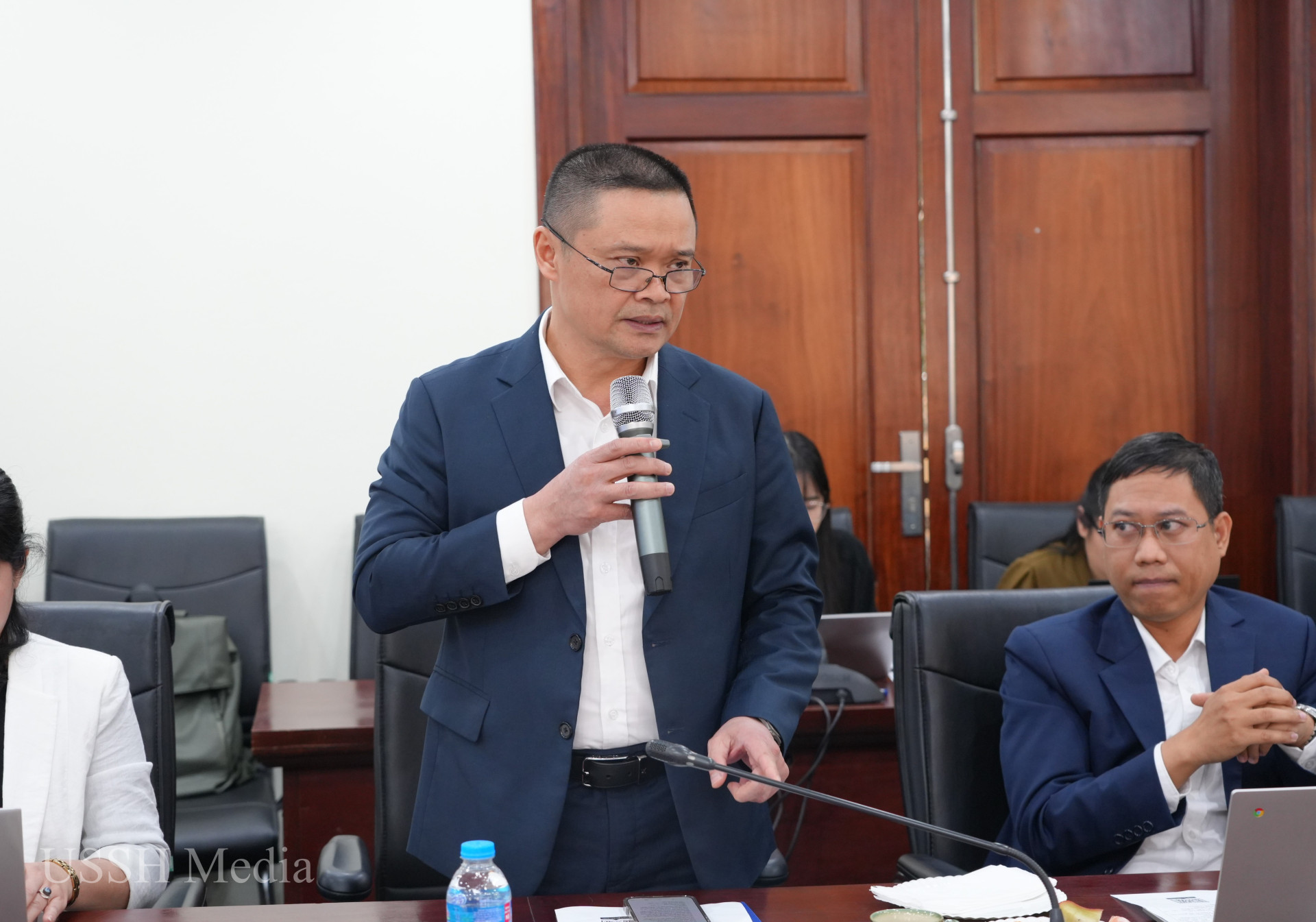
Mr. Bach Ngoc Chien - General Director of VOVINAM Digital Company - shared his story of personal career transformation and the synergy within the ecosystem.
What solutions are available to help workers transition to new careers after downsizing?In the context of an economy undergoing digitalization and international integration, supporting workers in their transition not only helps reduce unemployment but also promotes the development of businesses, expands the labor market, and facilitates the diversification of human resources. The workshop received numerous discussions and proposed solutions to support workers in successfully transitioning to new careers within the new economic, social, and political landscape.
Associate Professor Dr. Le Thi Thanh Ha (Ho Chi Minh National Academy of Politics) proposed optimizing the number of personnel, training, and improving the capacity of officials. Retraining and developing officials to meet the new job requirements in the digital age, and strengthening digital transformation to minimize intermediate personnel are also necessary. In addition, it is necessary to strengthen decentralization and delegation of authority in accordance with functions and tasks.
Innovate leadership and management thinking, and apply digital transformation in human resource management. Shift from an administrative management mindset to a service-oriented mindset, aiming to put the people at the center. Streamlining should not only focus on quantity but also ensure a rational structure and the competence of the workforce.
Associate Professor Bui Thi Hong Thai - Director of the Center for Psychological and Social Research and Services, University of Social Sciences and Humanities, shared solutions to support workers psychologically in coping with the transition.
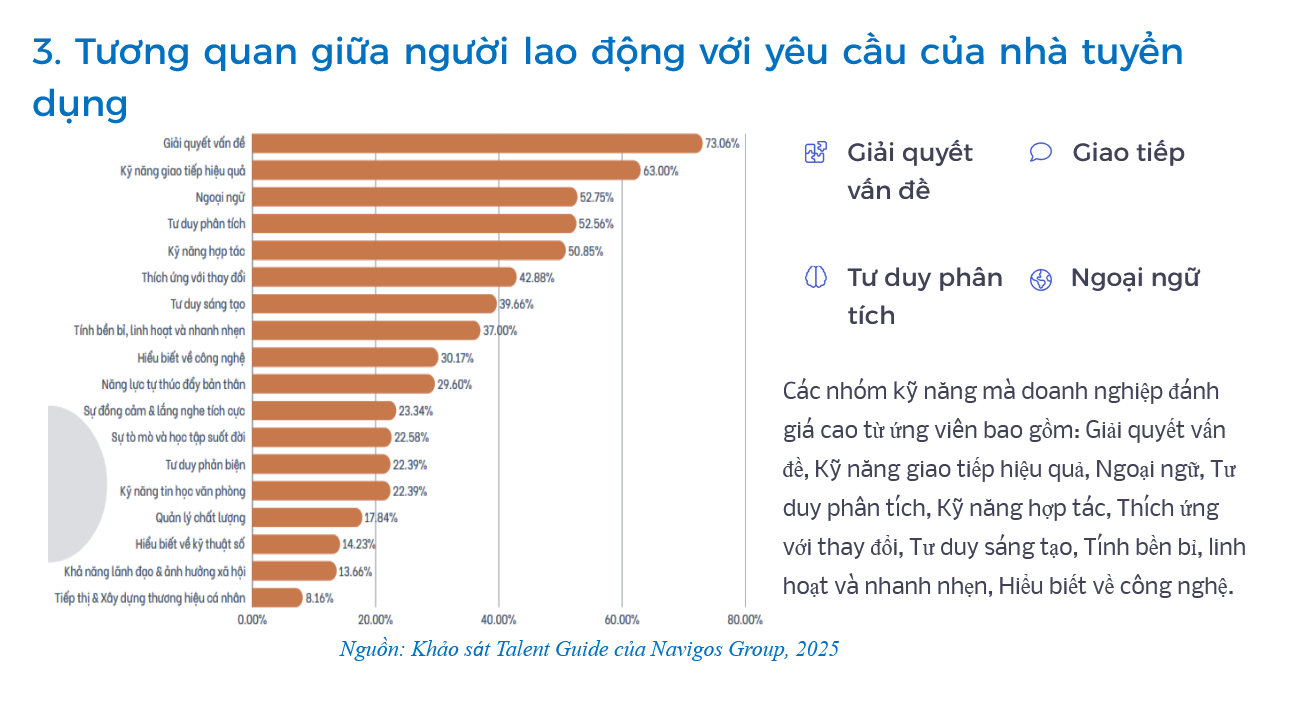
What skills do workers need to possess to meet employers' requirements? Associate Professor Dr. Nguyen Thi Minh Nhan shared the skill groups that businesses highly value in employees, including: Problem-solving; Effective communication skills; Foreign languages; Analytical thinking; Collaboration skills; Adaptability to change; Creative thinking; Perseverance, flexibility, and agility; and Technological understanding.
Furthermore, the speaker also affirmed the role of the state in the career transition of workers. Practical training programs are needed to help workers develop systems thinking, digital skills, communication skills, foreign language skills, and adaptability to the workplace. Training should combine online and in-person instruction, linking theory with practice. Simultaneously, policies providing financial support and guidance for job transitions are necessary to help them easily integrate into the labor market.
To support civil servants and public employees after downsizing, it is necessary to strengthen labor market forecasting, provide job information, and organize job fairs connecting businesses. State-owned enterprises and foreign-invested enterprises should be encouraged to recruit this workforce. The government has also issued Decree 178/2024/ND-CP with policies such as support for early retirement, severance pay, retraining, and the promotion of skilled personnel, giving workers more opportunities for development in line with the new context.
Proposing policy, financial, and other comprehensive solutions, Mr. Kieu Cong Thuoc affirmed the importance of supporting career transition for public sector workers and recommended that relevant agencies promptly issue appropriate policies and solutions to support successful career transitions, contributing to the sustainable development of the country. Mr. Kieu Cong Thuoc emphasized: "Each stage requires its own specific policies, ensuring policy flexibility and social stability."
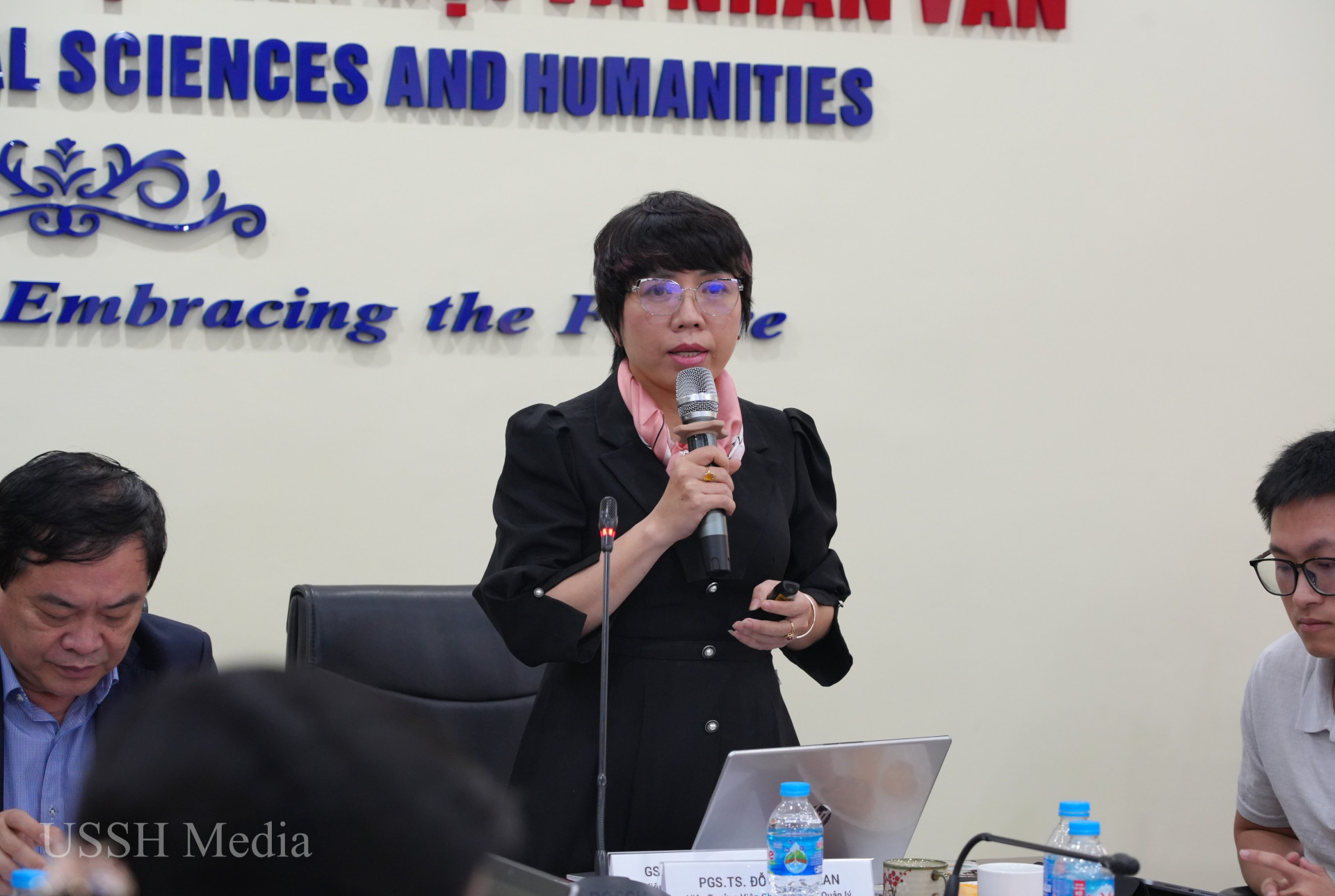
Assoc. Prof. Dr. Do Huong Lan - Director of the Institute of Policy and Management, University of Social Sciences and Humanities
Associate Professor Dr. Do Huong Lan - Director of the Institute of Policy and Management, University of Social Sciences and Humanities, affirmed: "Changing careers is not a loss, but an opportunity for workers."
As one of the country's leading training and research centers, the Hanoi University of Social Sciences and Humanities has, over the years, conducted numerous research projects, scientific conferences, and produced evaluation reports, proposing policy recommendations and providing policy advice on social security and labor and employment issues to meet the socio-economic development needs of the country. In particular, the Institute of Policy and Management has collaborated with several businesses to develop and implement programs to support workers with an ecosystem for career transition support.
ROAD2NEXT.
This is a multifaceted ecosystem that helps public sector workers reposition themselves, awaken hidden or dormant potential, and overcome challenges when leaving the public sector. In addition, workers receive retraining, upgrade their skills to meet the demands of the labor market; find new career development opportunities; and successfully and sustainably transition to new careers that align with their individual capabilities and market needs.
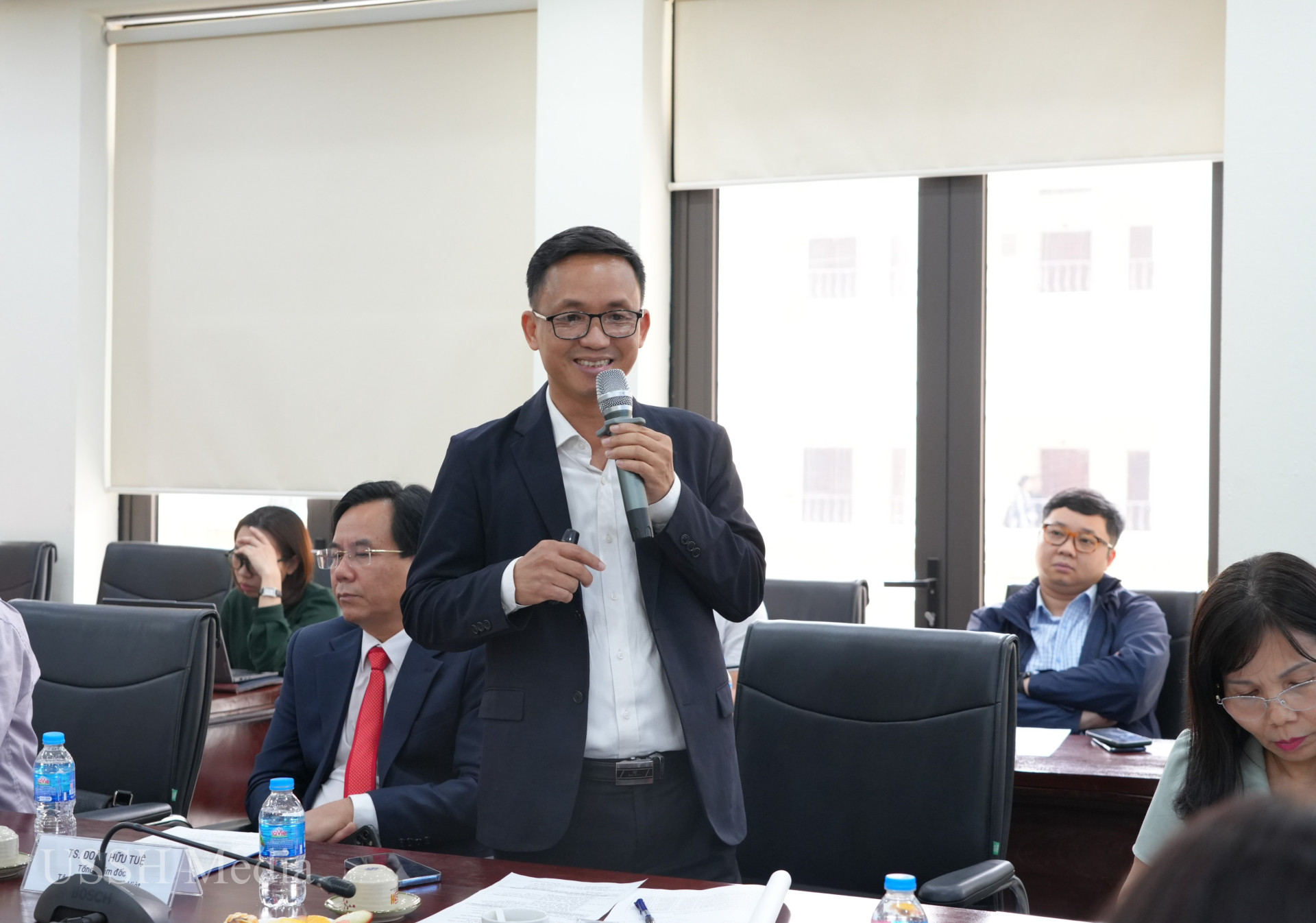
Dr. Doan Huu Tue - General Director of My Viet International Group - presented a paper on the topic "From the public sector to the private sector: What preparations are needed to adapt and develop oneself?"
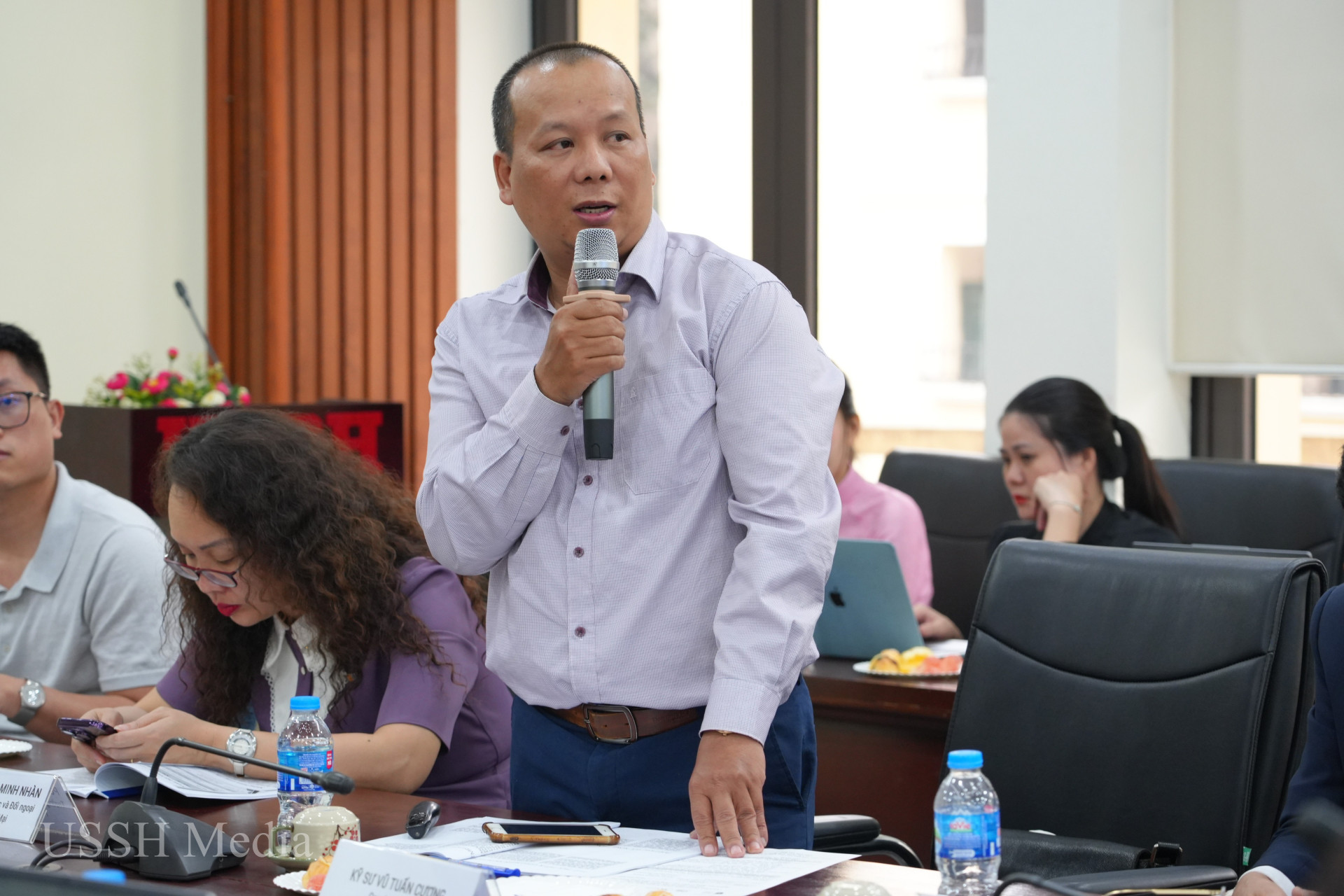
Engineer Vu Tuan Cuong presented a paper titled "Job and Entrepreneurship Opportunities from Cross-Border E-commerce".
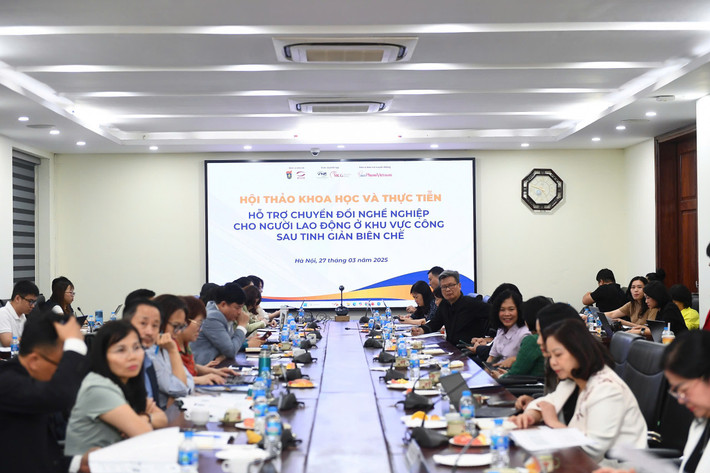
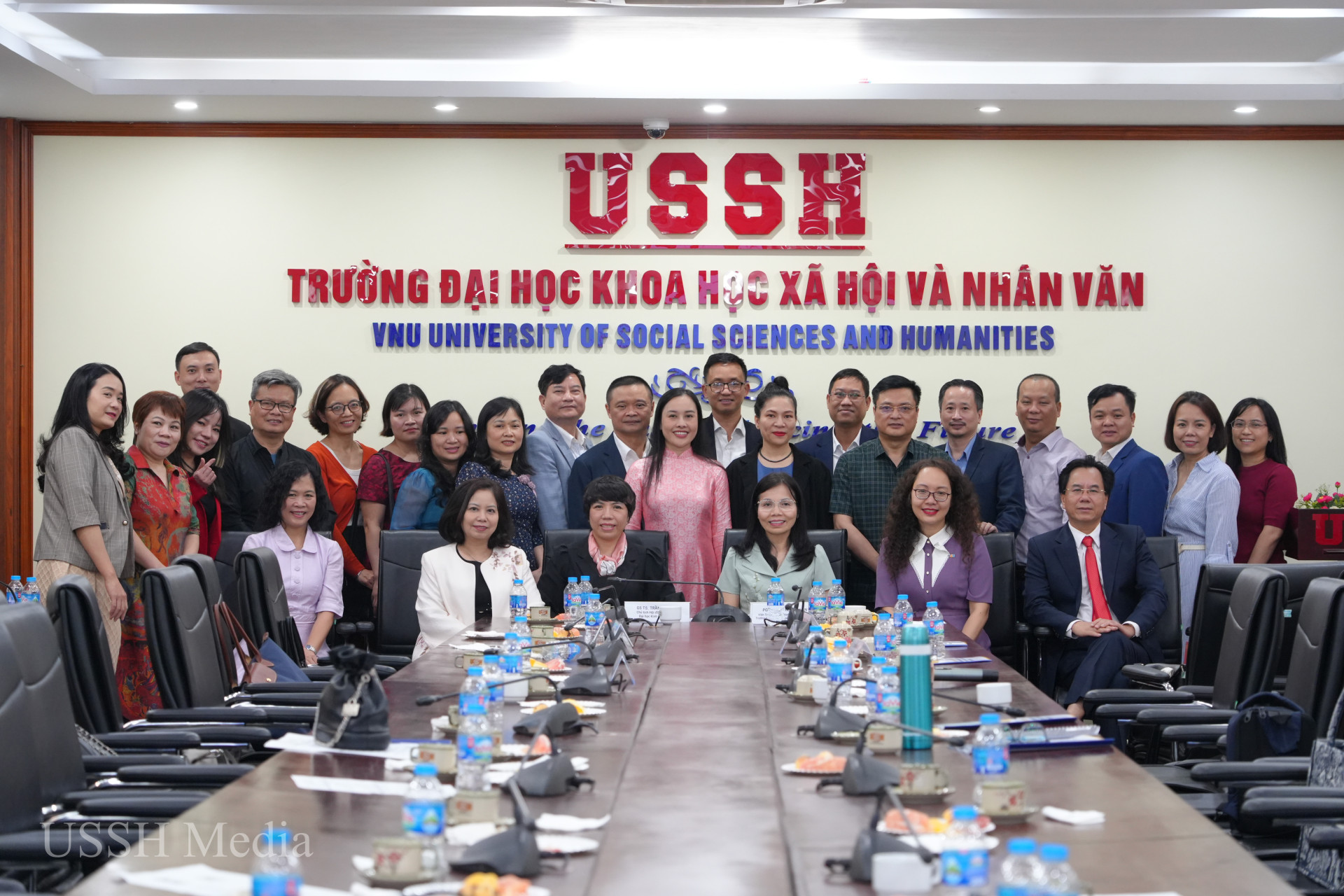
The workshop attracted the participation of many scientists and managers from universities, organizations, and businesses.