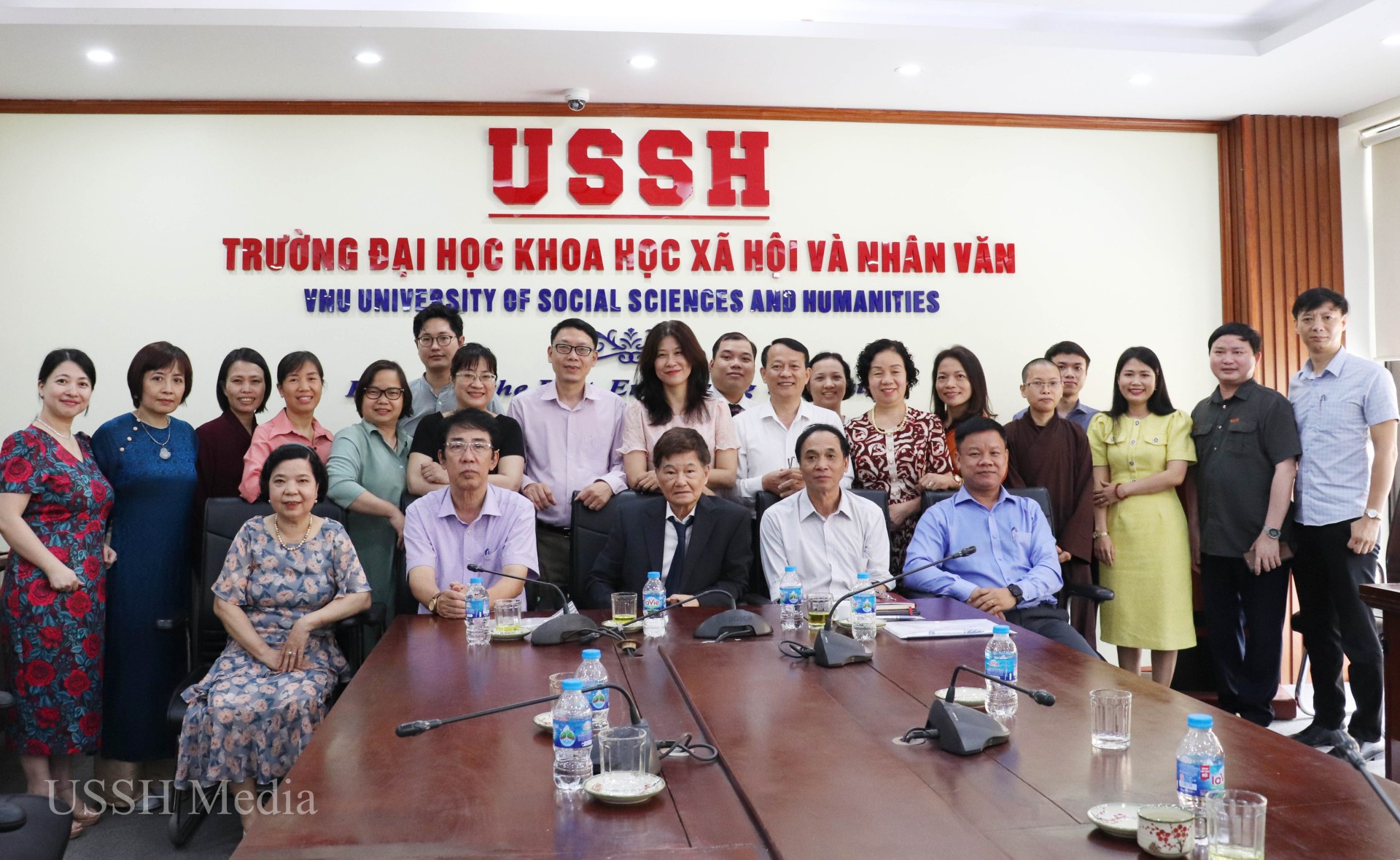
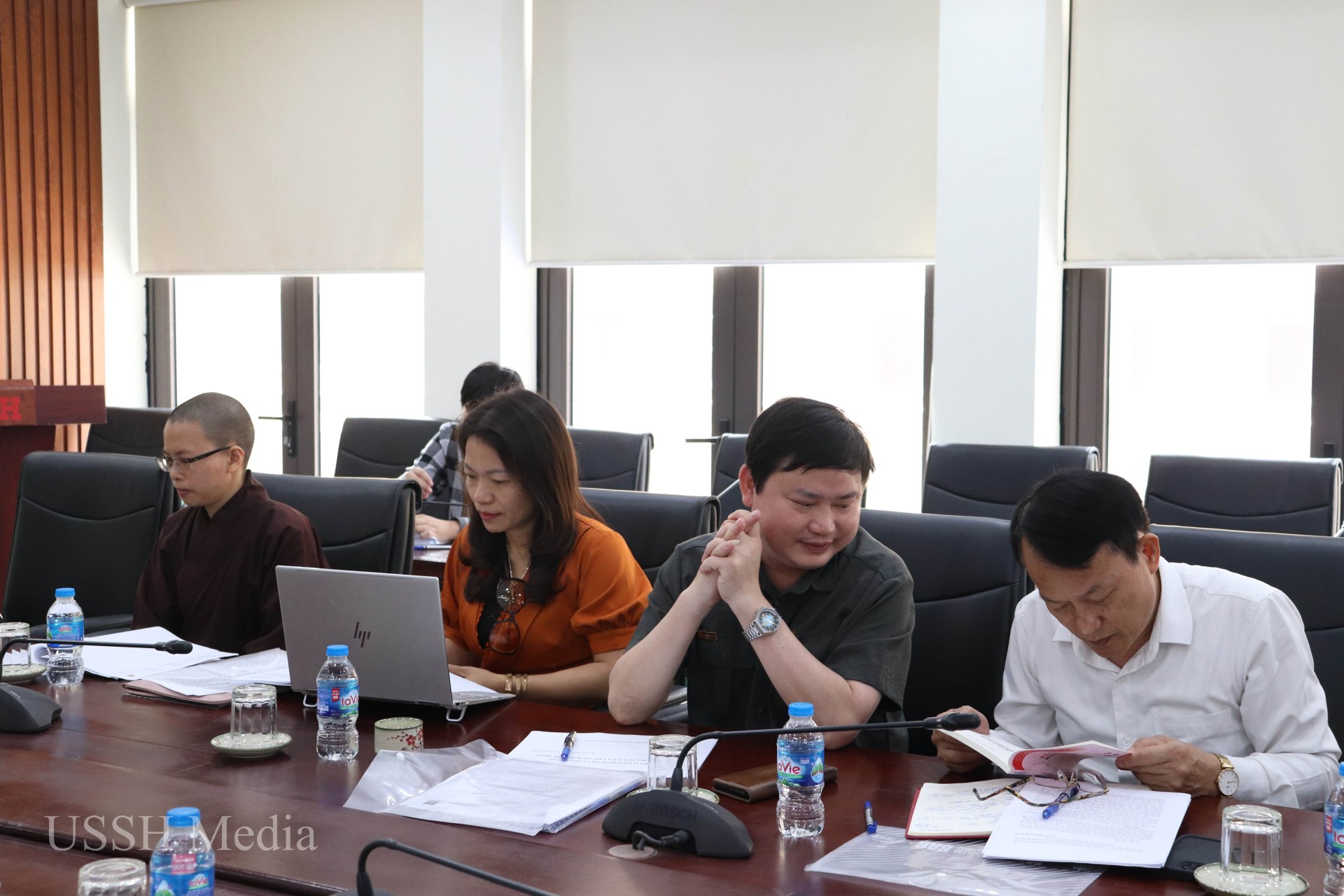
The workshop attracted the participation of many scientists, managers, lecturers, researchers, and students from religious and belief management agencies, universities, and research institutes nationwide.
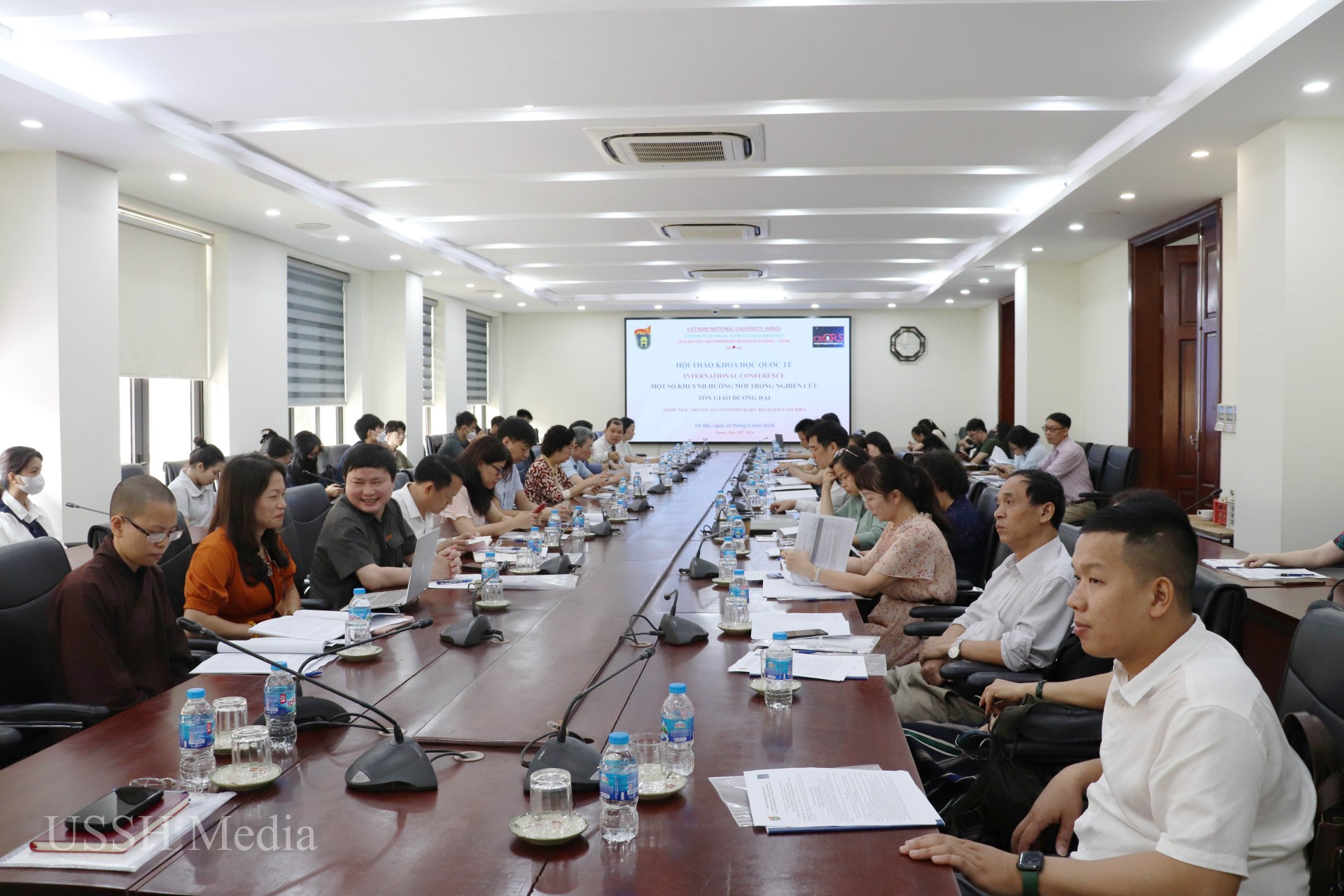
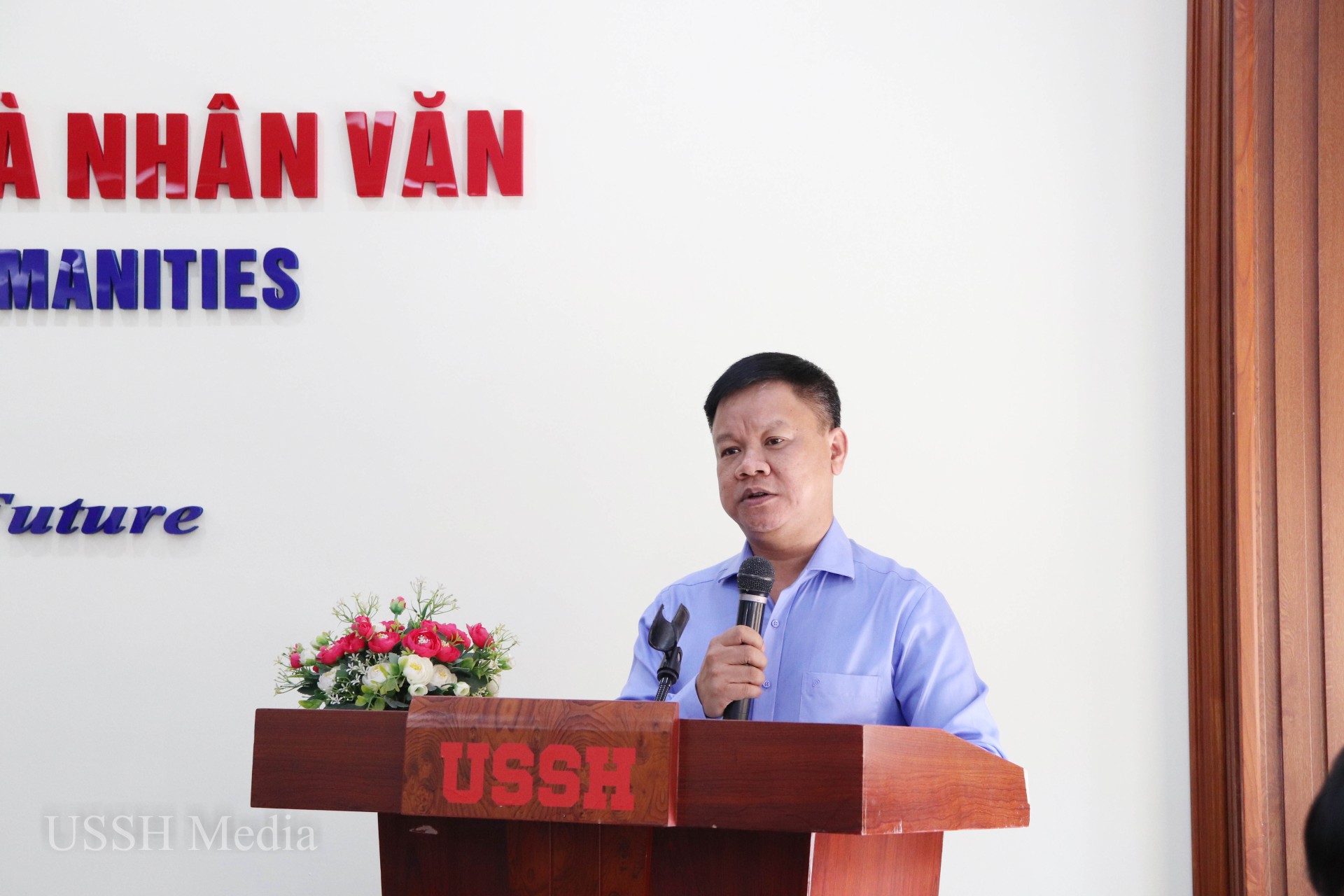
In his opening remarks at the workshop, Assoc. Prof. Dr. Lai Quoc Khanh - Vice Rector of the University of Social Sciences and Humanities, and Director of the Center for Contemporary Religious Studies, shared: As a leading university in the field of social sciences and humanities, the University of Social Sciences and Humanities, Vietnam National University, Hanoi, has always been a pioneer in research and training in religious studies in Vietnam. The Center for Contemporary Religious Studies, under the University, has effectively played a key role in implementing numerous research projects, organizing workshops and scientific seminars, and bringing together many leading scientists from both within and outside the country. The results of the workshop have been published in high-quality scientific publications, serving as valuable reference materials for researchers. In particular, based on these research results, the Center has developed policy advisory reports for ministries, departments, central and local agencies regarding the management of religious and belief activities in the current Vietnamese context.
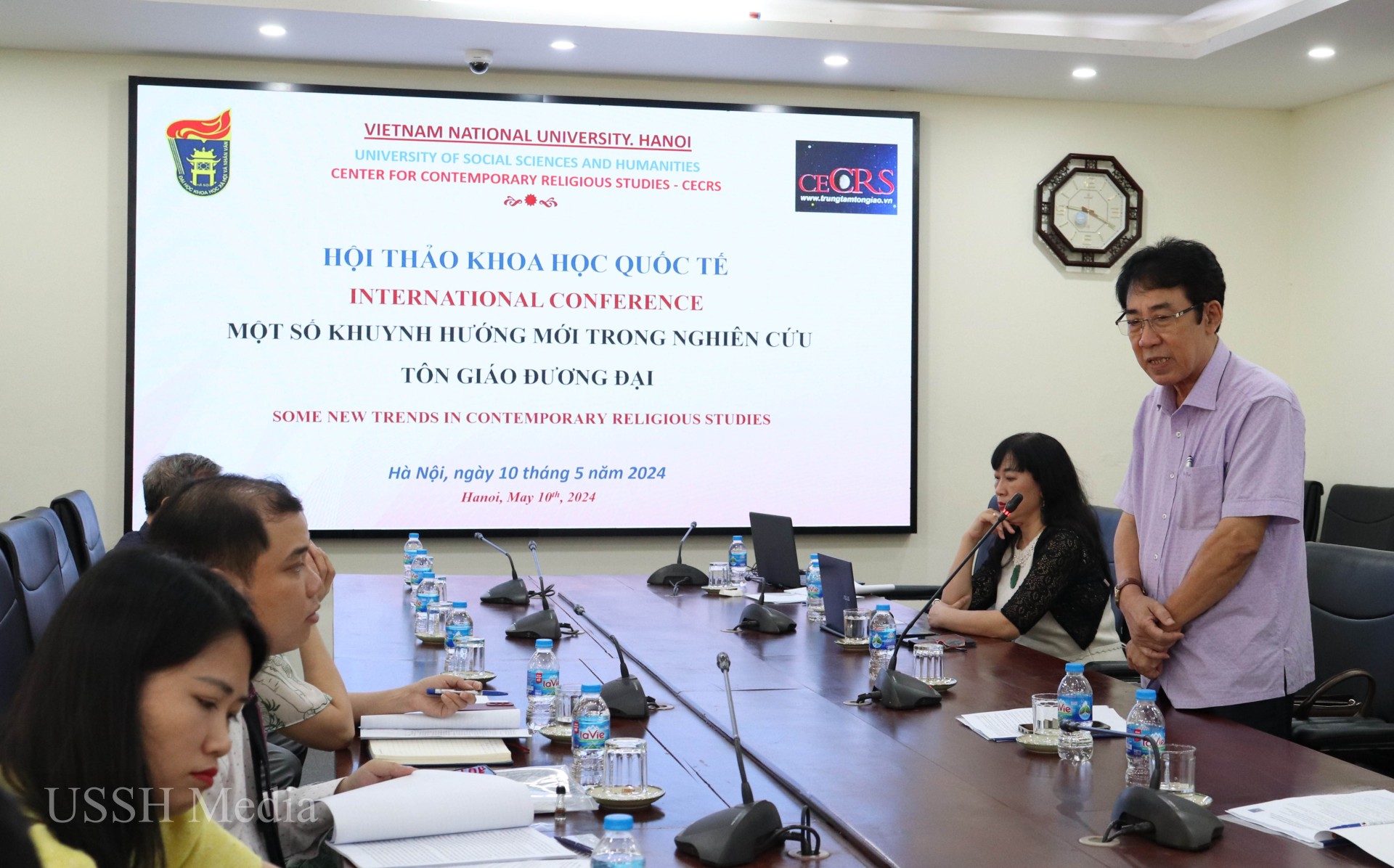
Following the success of the scientific seminar "Vajrayana Buddhism in Contemporary Vietnamese Buddhist Culture," the Center for Contemporary Religious Studies is organizing an international scientific conference: "Some New Trends in Contemporary Religious Studies" to summarize and evaluate the achievements in religious studies in Vietnam over the past period, and to suggest directions for future research. In addition, the conference is also an opportunity for researchers to exchange research results and expand exchanges among administrators, researchers, and religious leaders.
Religion is an important area, both in terms of personal life and social relationships, as well as in national and international politics.
Religious studies in Vietnam originated during the colonial era, but was interrupted throughout the war and truly flourished from the 1990s onwards, with religious research expanding in both breadth and depth.The study of the diverse aspects of religion and the rich religious life in Vietnam, based on approaches from new theoretical trends, has attracted the attention of many scholars both domestically and internationally.
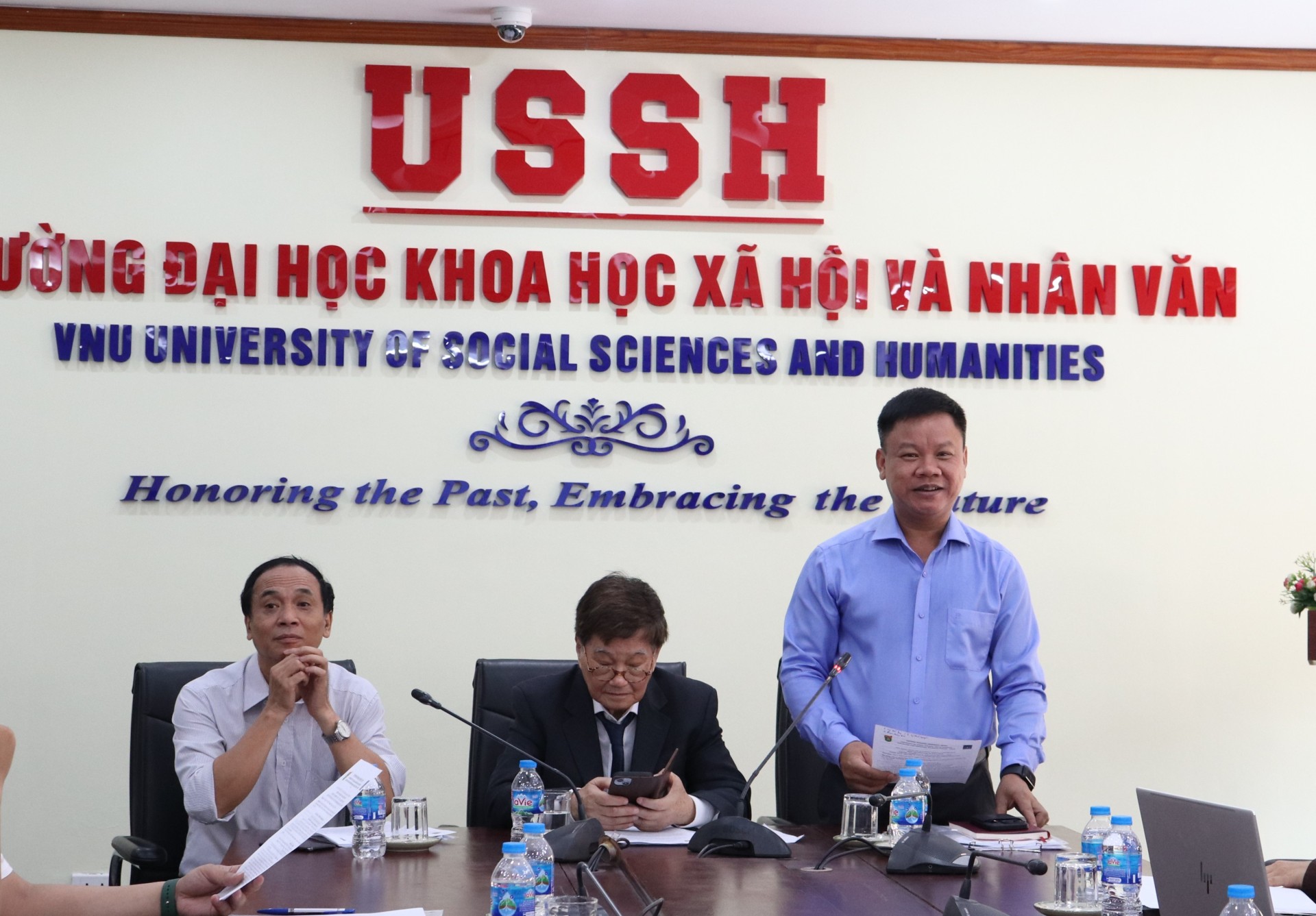
Chairpersons of the workshop: Assoc. Prof. Dr. Nguyen Quang Hung, Prof. Dr. Do Quang Hung, Assoc. Prof. Dr. Lai Quoc Khanh
The Organizing Committee of the International Scientific Conference “Some New Trends in Contemporary Religious Studies” received 50 papers from scientists both domestically and internationally. The content of the papers shows that the new research trends attracting scholars are the rich aspects of religion and religious life in Vietnam today, including: VVietnam viewed from a cultural and religious perspective; Religion and culture in Vietnam – cases requiring attention; The relationship between religion, politics, and economics; The concept of politicizing religion; Sociological analysis of religious life in Vietnam; Digital religion: research trends worldwide and in Vietnam; Leveraging religious resources in environmental protection,...
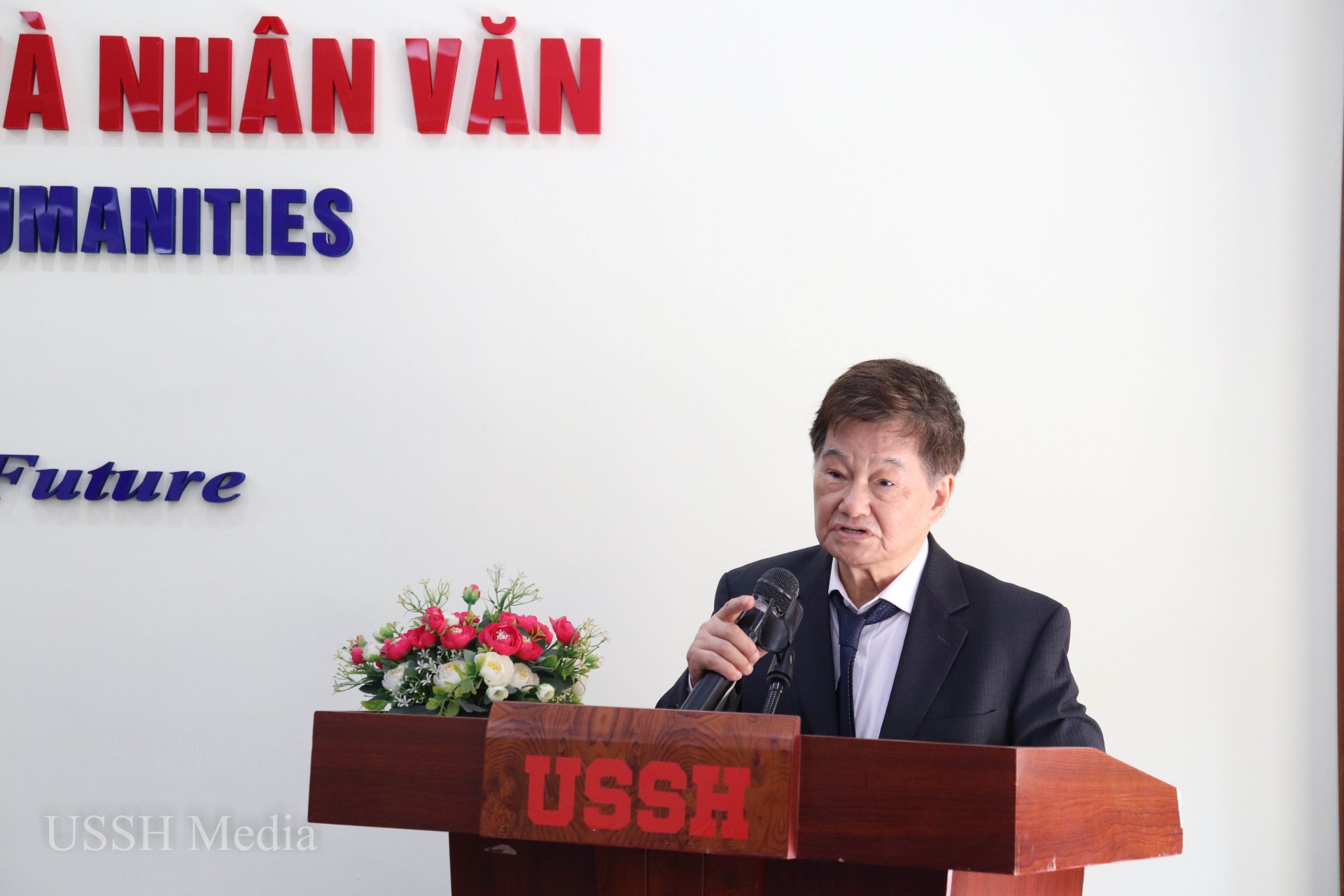
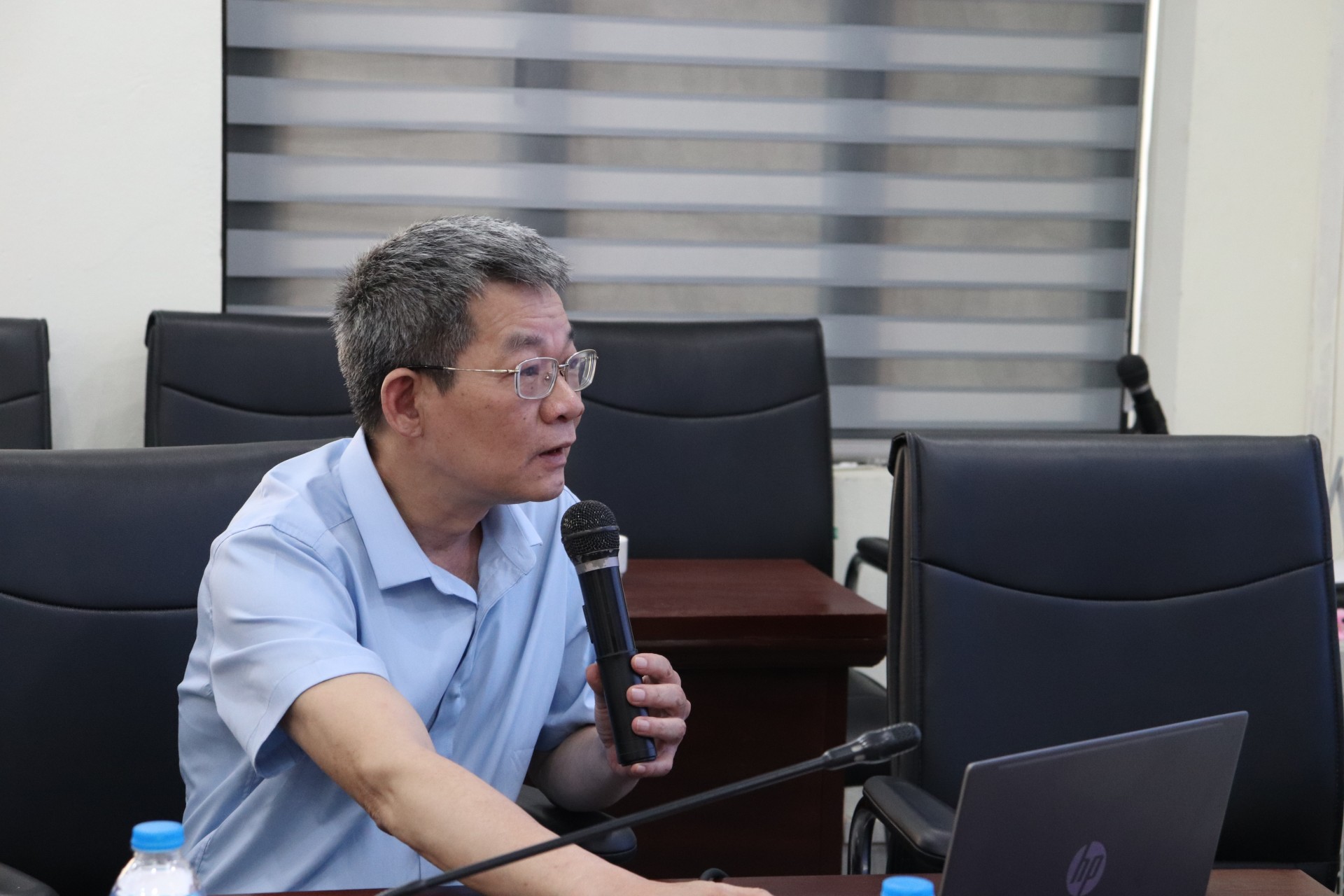
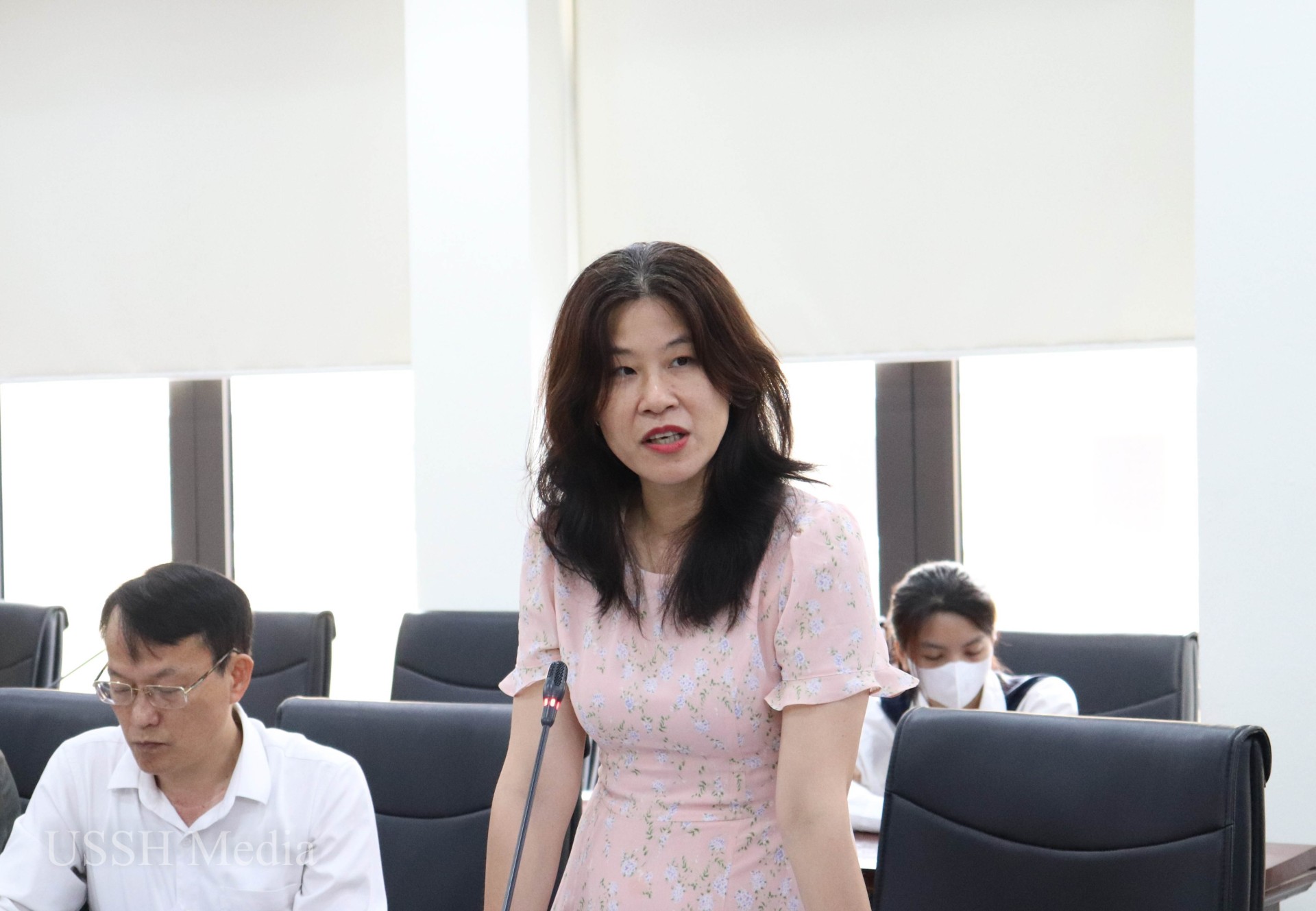
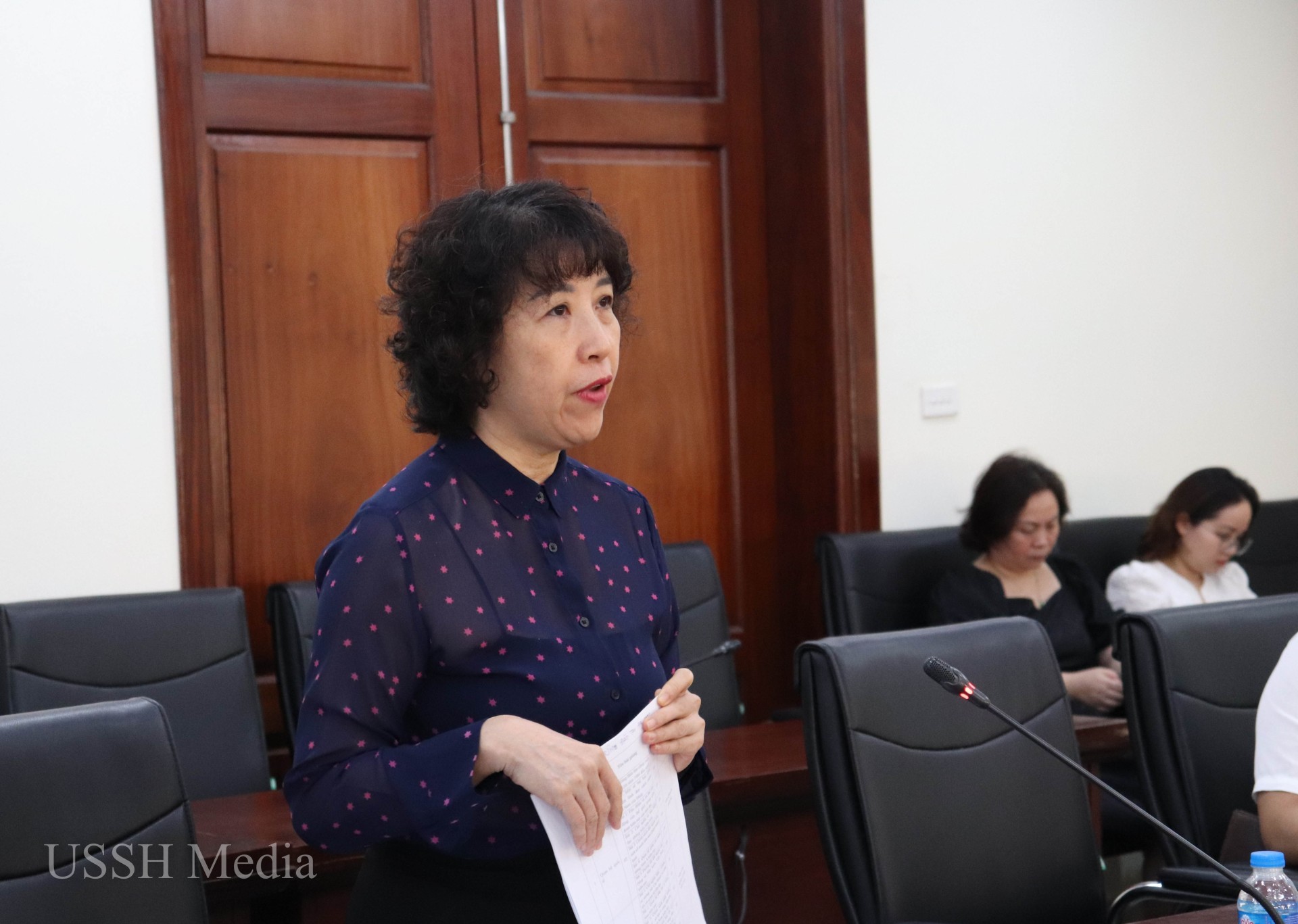
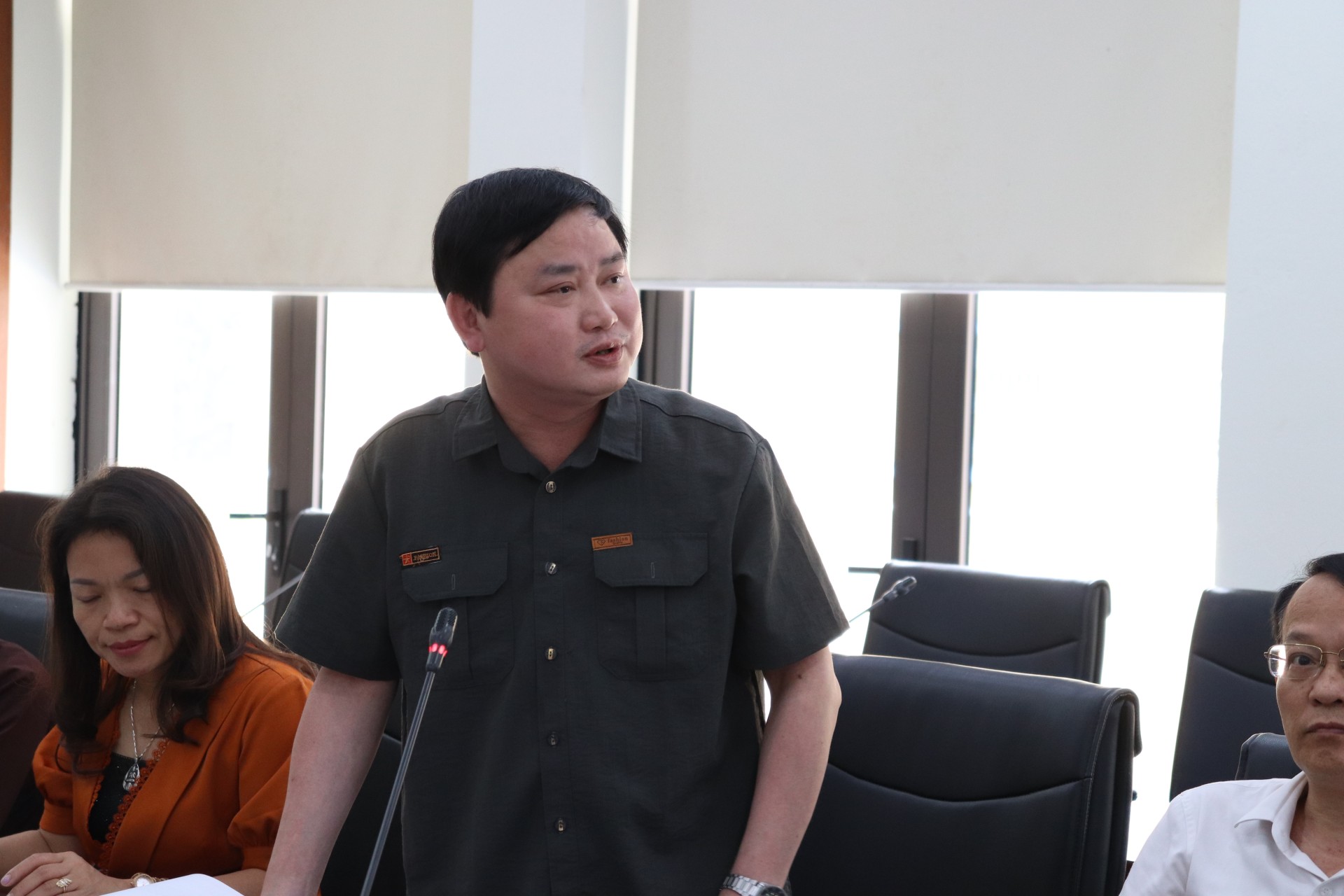
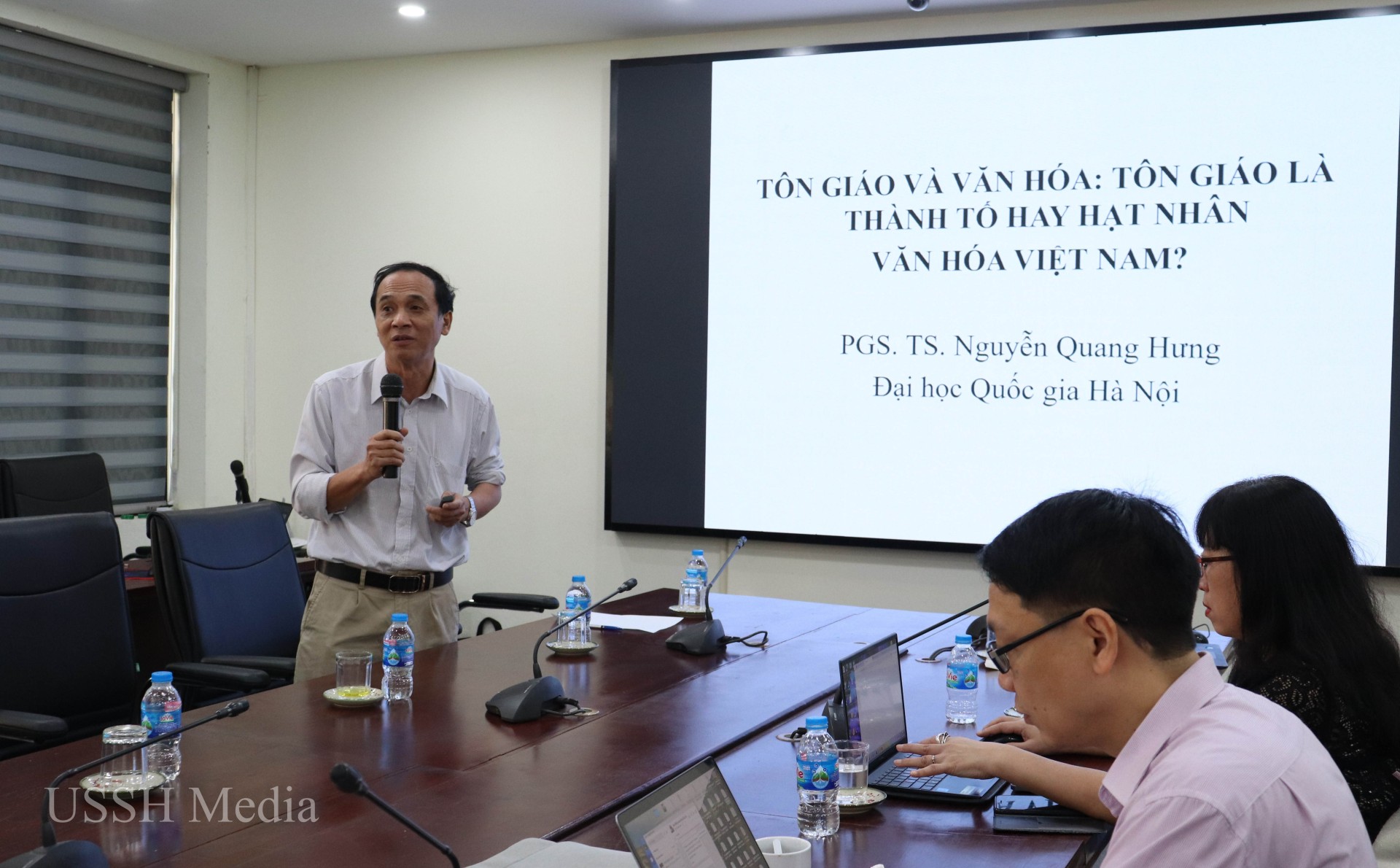
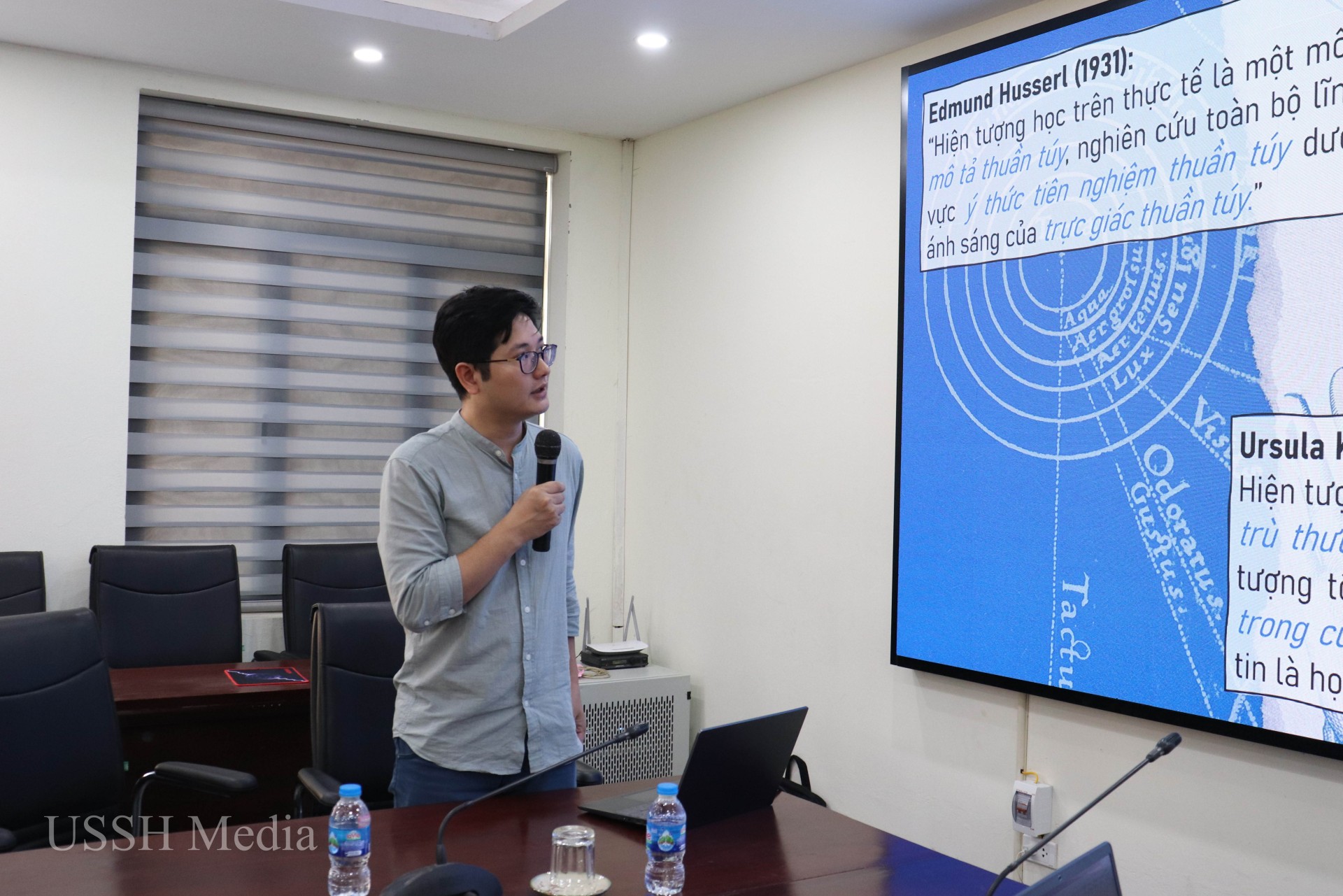
Several delegates presented papers at the conference.
In the concluding session, the delegates agreed that, based on specific case studies, the conference reports clarified many scientific issues concerning contemporary Vietnamese religion in relation to cultural, sociological, political, and economic fields, using a multidisciplinary and interdisciplinary approach. They also suggested topics for future research, such as: the biological origins of religion, religion and health, engaged spirituality, the role of social organizations, socialization, and the involvement of businesses in the development of religion in contemporary Vietnamese society, and the phenomenon of "new religions," etc.
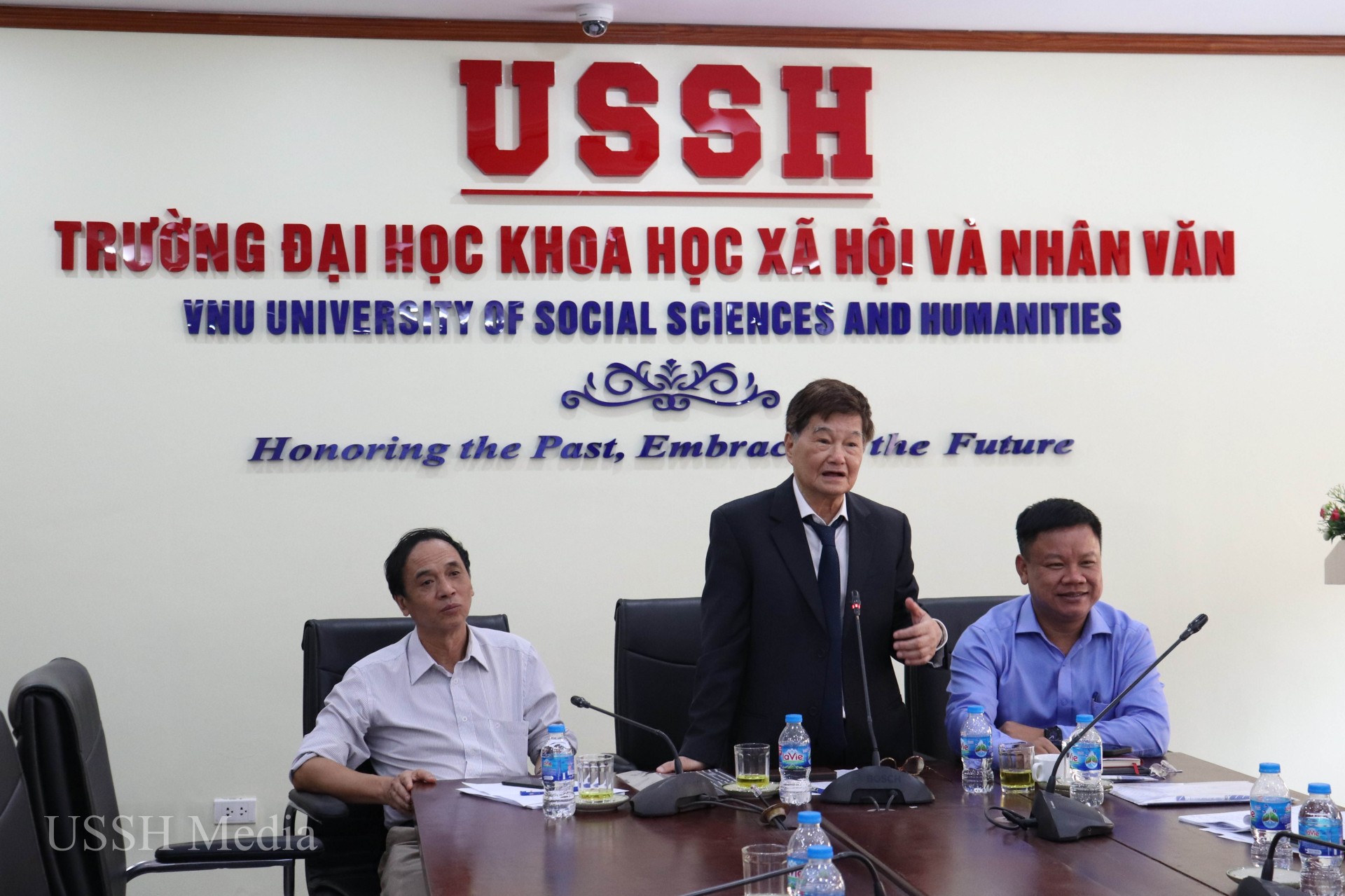
Professor Dr. Do Quang Hung concluded:
According to the Organizing Committee, based on the comments, discussions, and suggestions from experts, the authors will revise and refine their research papers so that the Conference Proceedings can be published in English as soon as possible.