

Associate Professor Pham Quang Long, former Rector of the University of Social Sciences and Humanities
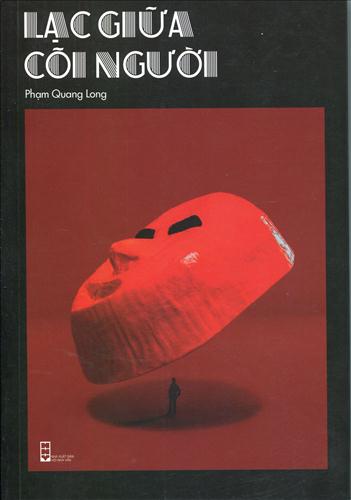
About ten years ago, I read a memoir by Mr. Doan Duy Thanh titled...Being human is difficult.Mr. Thanh was also a "mastermind." He possessed keen foresight, profound ideas, and a strong desire for reform. But as the ancients said, "Man proposes, God disposes." This book was also a "self-published" work, and many people sought it out to read at the time. Mr. Thanh was also an official who rose from the provincial and city levels to the central government. Many of the stories he recounts in the book have something in common (in terms of inspiration, the nuances of events, the consequences, and the multifaceted perspective on occurrences) with the stories I tell in the book.Lost in the Human WorldBy Pham Quang Long. Doan Duy Thanh's book prompts readers to consider what will happen at a higher level, that is, at the macro level of the national political system; this feeling is also present after reading it.Lost in the Human WorldThis is the third prose work by Pham Quang Long that I've read. So my first impression is that the material is packed into it.Lost in the Human WorldThis is excessive for a few fictional novels. And if so, the characters and events should be elevated even higher, transcending the local (provincial, city) level, to give them a national and contemporary perspective. Because the author, being an insider, is at least on the macro level. If friends are just joking, then "I" am being a bit greedy. Almost all the typical events, incidents, and situations of the more than eight years spent in the provincial/city cultural sphere (in the Director's chair), with more bad than good, are crammed into the book. As a result, it feels cramped, compressed, and suffocating, like a growing body forced to wear clothes that are too tight. According to the experience of writer Nguyen Cong Hoan, a writer should know how to save, to "eat sparingly," and not to spend lavishly all at once in the way people say it now. Or perhaps "I" still have a wealth of material, and this is not enough? Perhaps so! But anyway, the topic of writing techniques could go on forever, and besides, "my writing is someone else's wife."
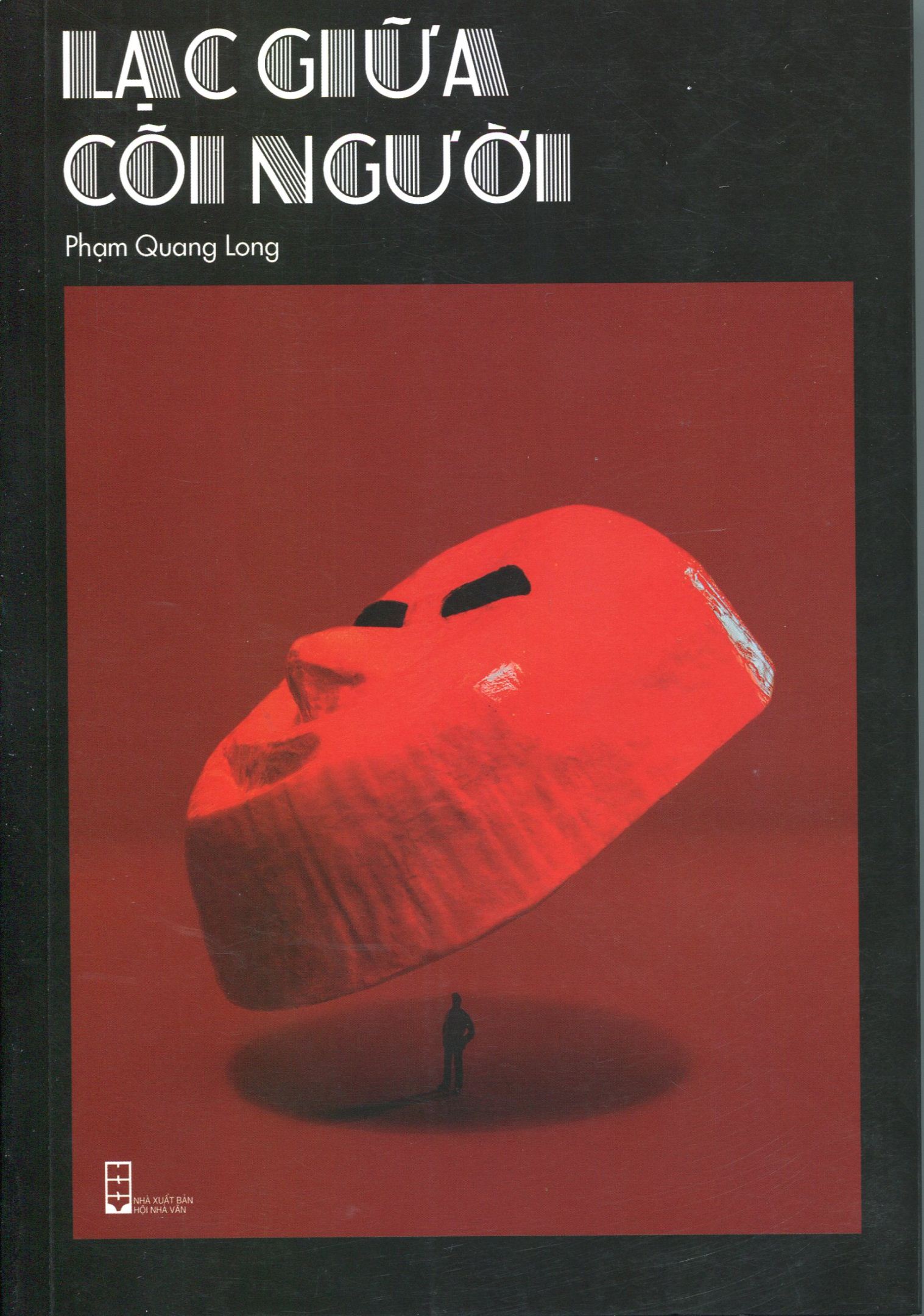
I was particularly struck by the narrator's son's statement, "The path of being a good person is harder than the path of being an official." This philosophy was uttered by a handsome young man, yet already mature, not by someone past the age of "fifty, knowing the will of heaven" or "sixty, being able to listen to reason." It shows just how formidable today's youth are. Therefore, we must trust and have high expectations of them. Why not?! Perhaps that is the underlying concept of the story.Lost in the Human WorldBy Pham Quang Long. The work doesn't explicitly state its genre (novel, autobiography, or memoir), but that's not important. For the reader, the most important thing is to recognize the truth, because, as the 19th-century Russian literary giant said, the author of a masterpiece...War and PeaceAccording to Tolstoy, "Truth is the character I cherish most when writing." This raises a question: From what perspective is truth depicted? From the intelligent and insightful observation of an outsider, or from the experience and involvement of someone who "knows the truth firsthand"? Furthermore, from which side (darkness or light) is truth presented? And who benefits from truth (the general public or a particular interest group)? Ultimately, does truth lead to maturity or failure after a thorough and profound understanding? Perhaps when writing, Pham Quang Long didn't intend to present it in this way to meticulously calculate details, but it's certain that the author isn't someone who uses the name of truth to manipulate his writing, to make his work "eye-catching" to the public, or to ensure a quick and smooth release. This is because there's a tendency to invoke truth (as well as many other meaningless things). I've read three drafts of Pham Quang Long's prose works over the past three years, and as an "internal announcement," a fourth is currently being drafted. It's certainly not a flowery, sentimental piece, but rather straightforward, complex, suspenseful, and thrilling for the reader. It's also very likely to provoke emotional conflict and spark debate.
Is it difficult to be a good person? But why is it difficult among fellow human beings, colleagues, comrades, and sometimes even teammates? This question seems difficult to answer clearly in broad daylight. Being a good person is difficult because, as folk wisdom summarizes: A bad friend can sometimes be more dangerous than an enemy. It's difficult because everyone thinks that decent people and decent deeds seem increasingly rare and hard to find. Living and acting in such an environment, with a little social standing, how could it not be difficult? That's why I find myself struggling, agonizing, tormented, questioning, and repenting. Then, suddenly, I fall into loneliness and sadness, sometimes even experiencing feelings of defeatism. But fortunately, this feeling is only fleeting. Then I rise up, determined not to give up. A character named "I" wants to live a good life but lacks the opportunity to be a decent person. When they try to live decently, they are surrounded, trapped, tossed about, and even risk imprisonment. Fortunately, their kind heart, their compassionate nature, and their Buddhist principles, along with their foresight, prevent them from suffering negative consequences and leave blessings for their descendants. I don't believe that surrendering, remaining silent, avoiding conflict, or prioritizing harmony is the path of a scholar in this day and age. On the contrary, engaging, participating, enduring hardship, and daring to accept challenges, even temporary failures, are the qualities of a truly upright person, a person with a capital letter. But that means enduring some setbacks, sometimes even bleeding, though surely not to the point of bloodshed!
Writing about the bad, the negative, the unkind (from the perspective of the narrator) is not intended to point fingers at specific individuals or events, but rather to uncover the root causes of the partial and then complete decay of social life during a period of severe crisis. A direct look at the truth, a tragic inspiration in writing, and a good intention to protect what is right, beautiful, and good have illuminated the critical inspiration with sober analysis and harmonized it with the human emotions emanating from each word. In other words, Pham Quang Long's style inLost in the Human WorldIt bears the mark of intellect and emotion working together in harmony (a cool head and a warm heart).
Before writing prose, Pham Quang Long had success with stage scripts (volume).Debt to the nationThe 2014 work demonstrated the author's ability to identify significant life conflicts, transforming them into typical dramatic conflicts, presenting characters from past and present eras as individuals capable of resolving conflicts and building moral values; criticizing the age-old vices of humanity stemming from ignorance, vanity, and lust for power leading to moral decay. Writing prose, as the saying goes, requires a mindset of "passion for every detail." This shows just how profound it is.Lost in the Human WorldPham Quang Long's writing is truly "dense," "abundant" in material, crammed with plot points and packed with details. Anyone who prefers a light, concise, smooth, and quick writing style will likely not be able to "get into" this work.Lost amidst the human world,I think it's more suited to an audience that enjoys a slow pace of life, contemplation, and reflection. That is, there's a creative empathy between the writer and the reader, both having lived long lives, reflected deeply, and enjoyed exploring life's issues, even having a desire to question and philosophize about life.
Despite the messy style, the artistic thinking is remarkably clear and insightful. As someone with extensive social and literary knowledge, a wealth of life experience, and the integrity and moral fortitude of a scholar, Pham Quang Long entered the literary arena with confidence and generosity. He has the potential to become a contemporary prose phenomenon as he continues to present his works to readers.Tornado, Friends of Yesteryear, Lost in the Human WorldandThe chess game.
There are also people after readingLost in the Human WorldIt seems I'm not entirely satisfied because the work is a bit "dry" (perhaps the author is too rational, too heavily influenced by logic; it needs to be more nuanced and refreshing). That feeling is correct. But as the ancients said, "I have to accept it, I have to endure it." In a recent literary encounter, he shared his heartfelt sentiment: "Happiness now is being able to write every day and serve my wife and children, to meet friends and share both the joys and sorrows of life." Looking at his prematurely gray hair from being entangled in "officialdom" for nearly two decades, I feel sorry for my fellow writer struggling with pointless endeavors. But reading his writing brings joy to seeing him return to being an ordinary person. To be a decent person. And writing is a decent job. Living with literature, perhaps my friend has lightened his mindset of "being a decent person is difficult." Is that true?!
Writer Bui Viet Thang (former lecturer in the Faculty of Literature)
Author:Bui Viet Thang
Newer news
Older news

