
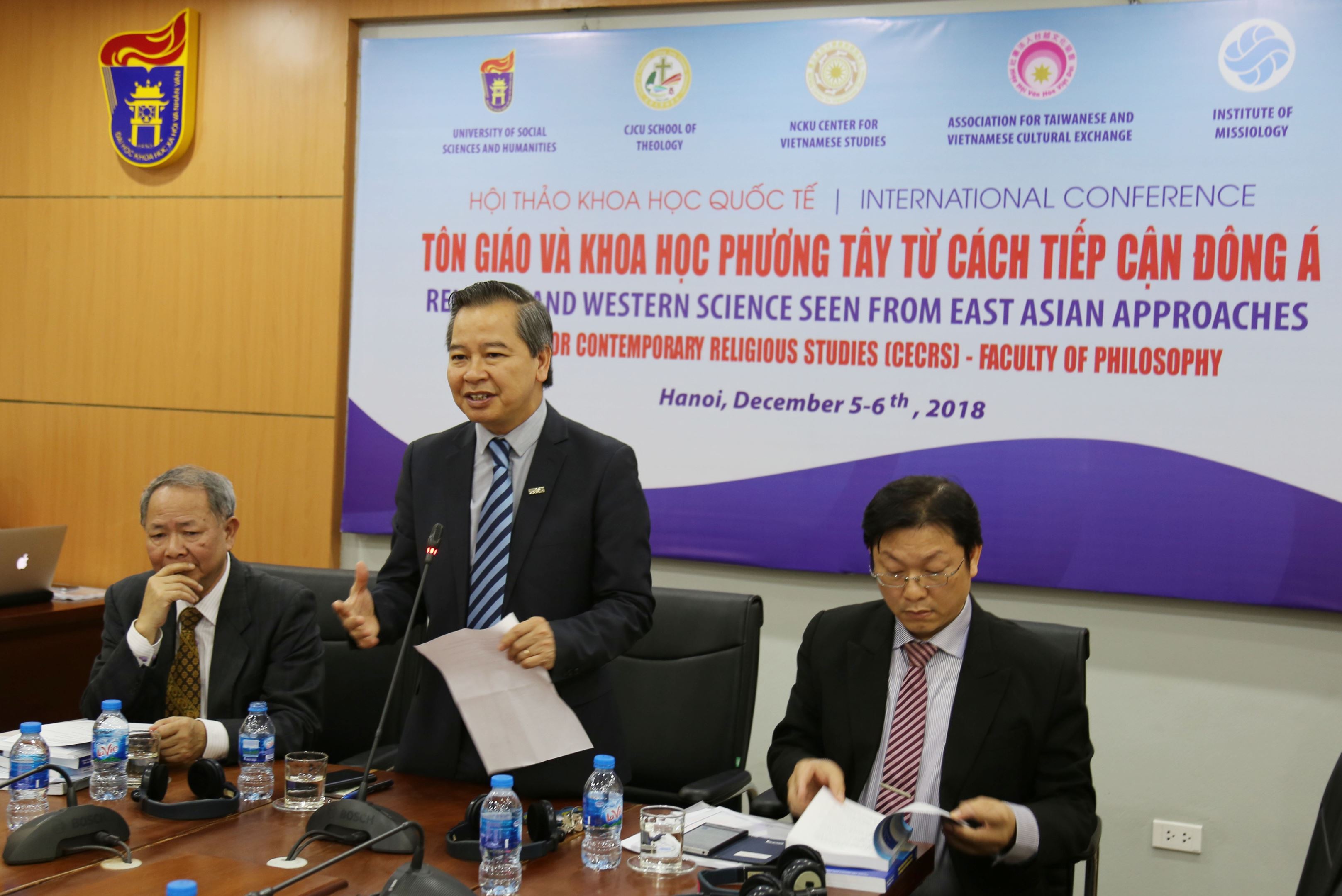
Professor Pham Quang Minh, Rector of the University of Social Sciences and Humanities, delivered a welcoming speech to the delegates at the seminar.
Western science was introduced to Vietnam and other East Asian countries from the 16th to 17th centuries. During that time, Christianity was also spread to the region, and its influence increased during the colonial period. Western science brought about significant changes in many aspects of the region's culture and social life.
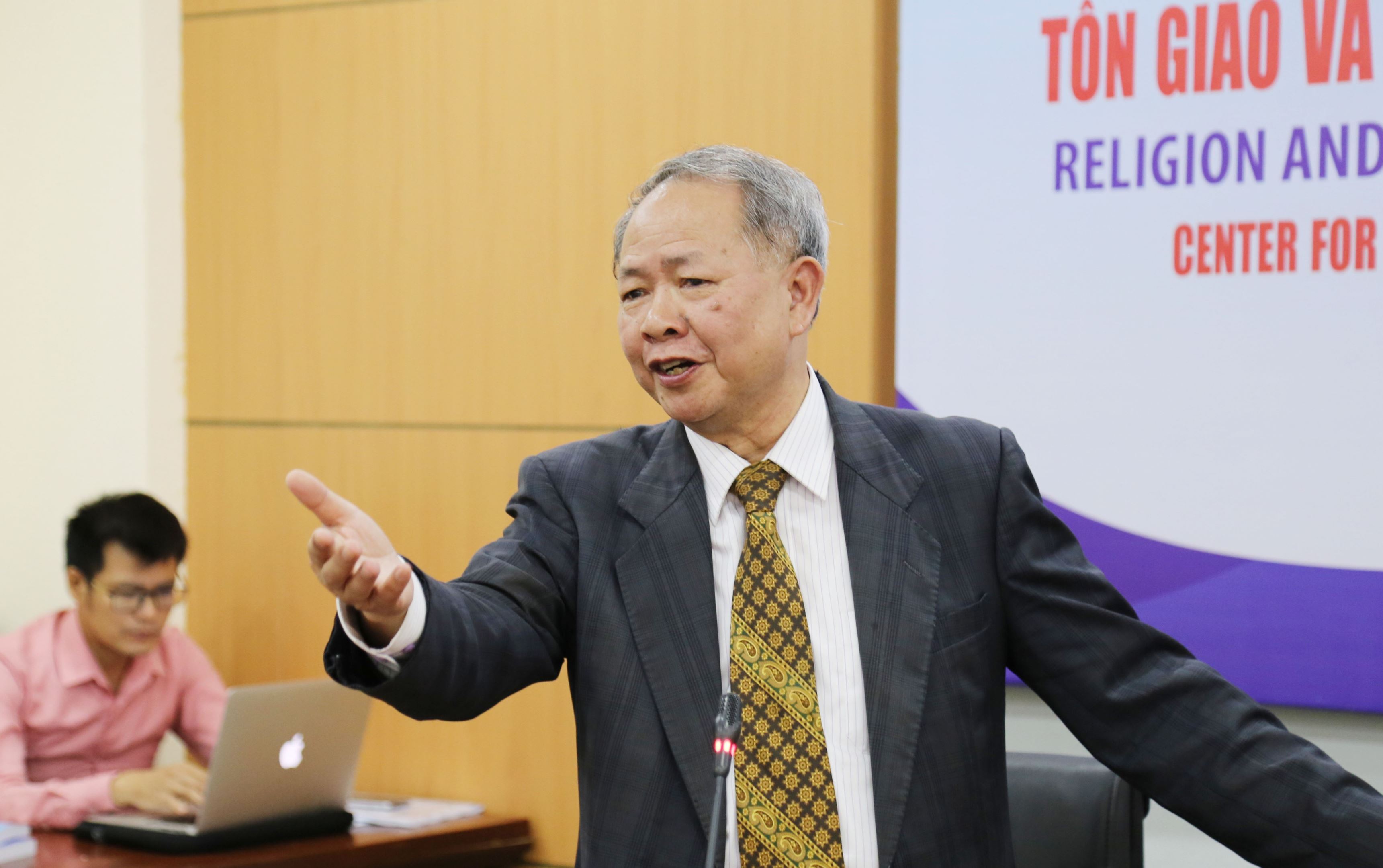
Professor Tran Van Doan - Director of the Institute of Theology, Chang Yung Christian University, Taiwan, delivered a speech at the opening ceremony.
Traditional East Asian culture is a blend of Chinese, Indian, and indigenous cultural legacies. Islam was introduced to the region during the Middle Ages. In modern times, Christianity was introduced to many countries, further diversifying the region's culture. In this context, the relationship between science and religion needs to be examined from multiple perspectives, including epistemology, socio-cultural aspects, ethics, etc. Unlike the West and some other regions, where monotheistic religions with established ecclesiastical institutions such as Christianity, Judaism, and Islam prevail, and where history has witnessed sometimes opposing, sometimes conflicting, and sometimes mutually supportive viewpoints between science and religion, East Asia is dominated by Confucianism, Buddhism, Taoism, and polytheistic, non-establishment religions. Therefore, the relationship between Western science and religion in this region has many unique characteristics, different from this relationship in the West and other cultural regions, requiring objective, scientific research.
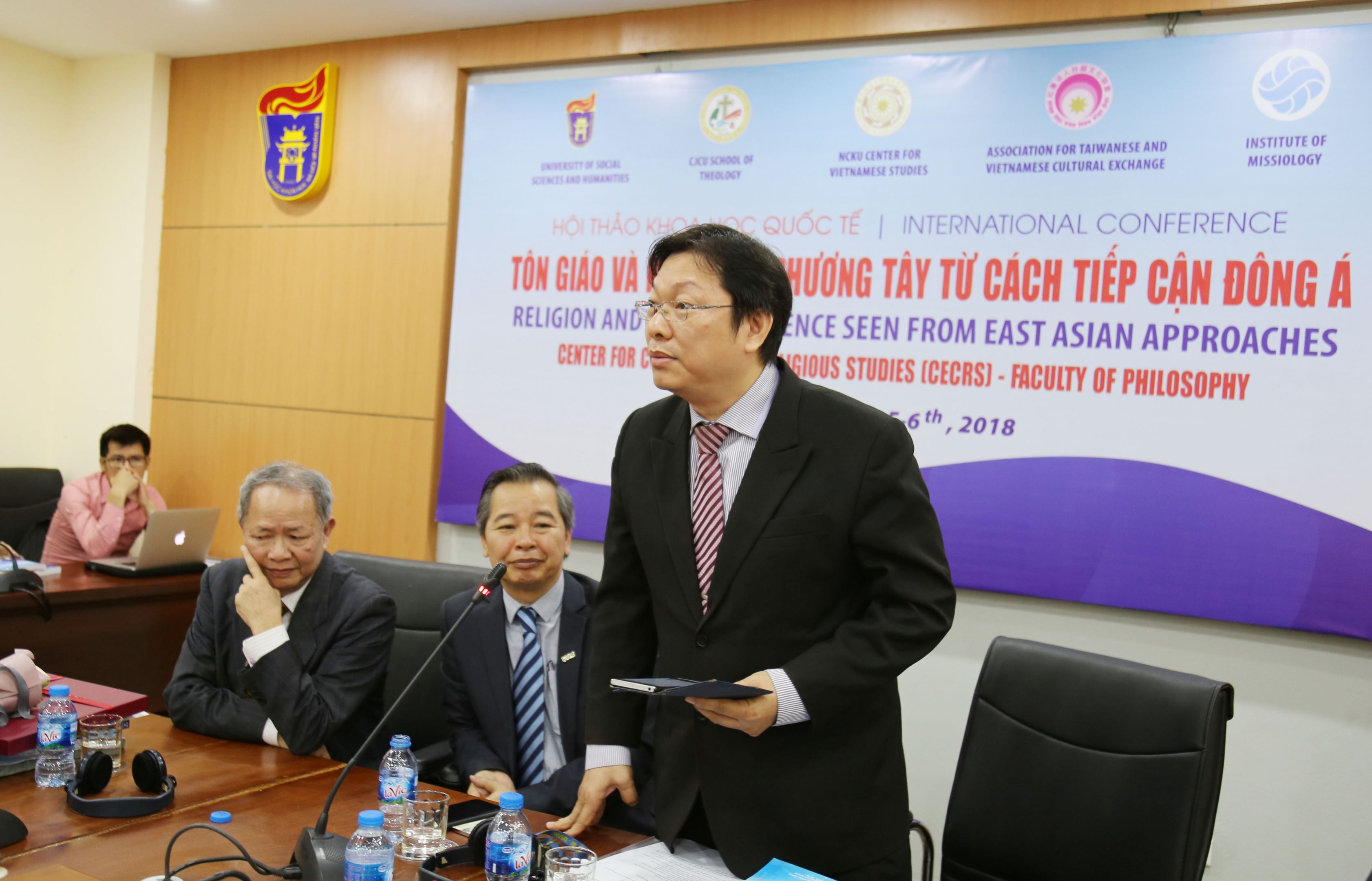
Professor Tưởng Vi Văn - Director of the Center for Vietnamese Studies, National Cheng Kung University, Taiwan, and President of the Taiwan-Vietnam Cultural Exchange Association, delivered a speech.
In that sense, the symposium on Western religion and science from an East Asian perspective focuses on researching and discussing the following issues: Religion, magic, and science - fundamental theoretical issues; Western science and monotheistic religions in different cultures of the region; characteristics of the relationship between science and religion in traditional East Asian cultures; Western science and polytheistic religions in East Asia during the colonial and post-colonial periods: issues and prospects...
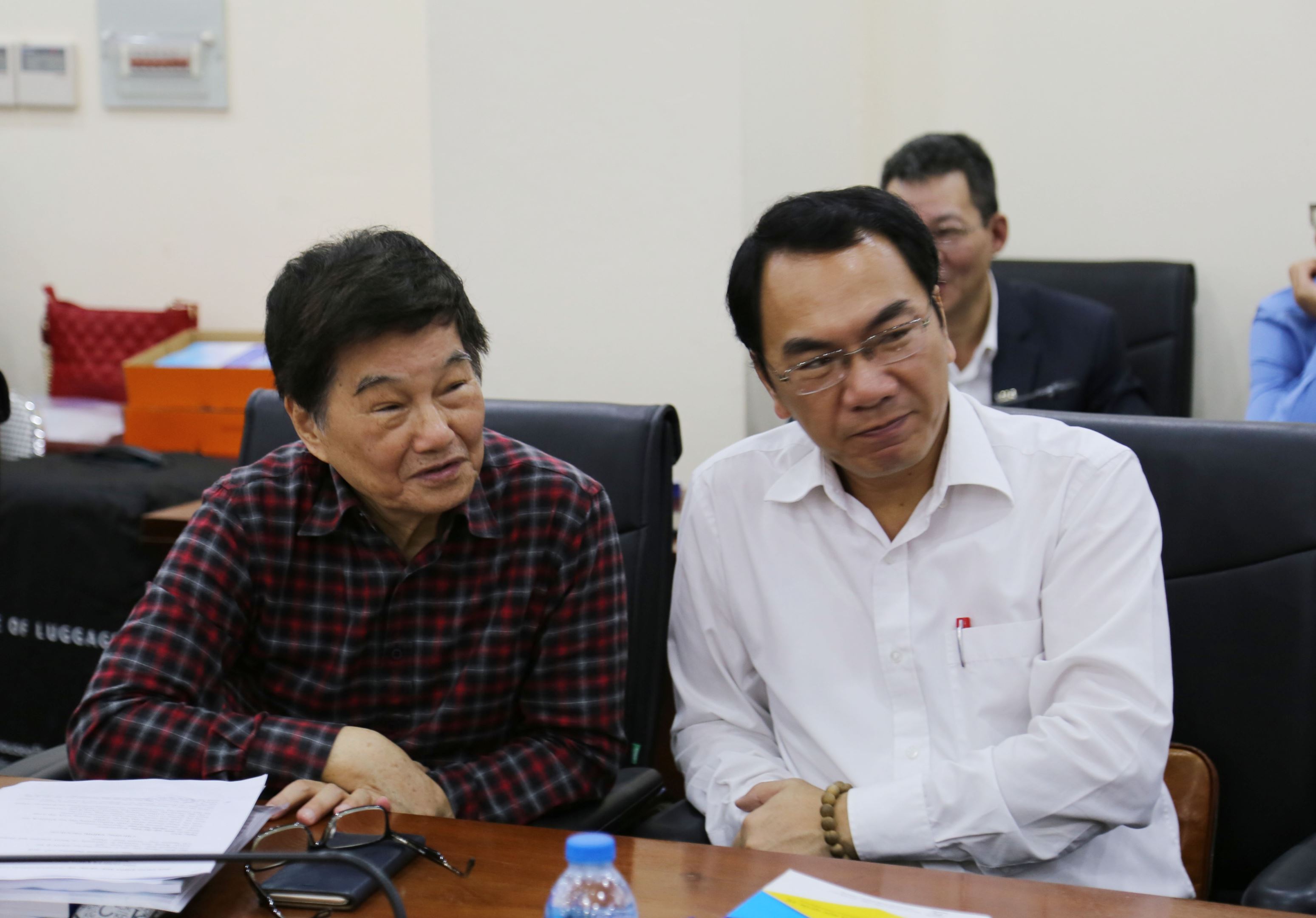
The workshop was divided into four subcommittees with 30 presentations.
Subcommittee 1: Religion, Magic, and Science: General Theoretical Issues
Subcommittee 2: Western Science, Christianity, and Buddhism in the Context of East Asian Culture
Subcommittee 3: Western Science and Polytheistic Religions in the Context of East Asian Culture
Subcommittee 4: Religion and Science in Specific Areas of Social Life
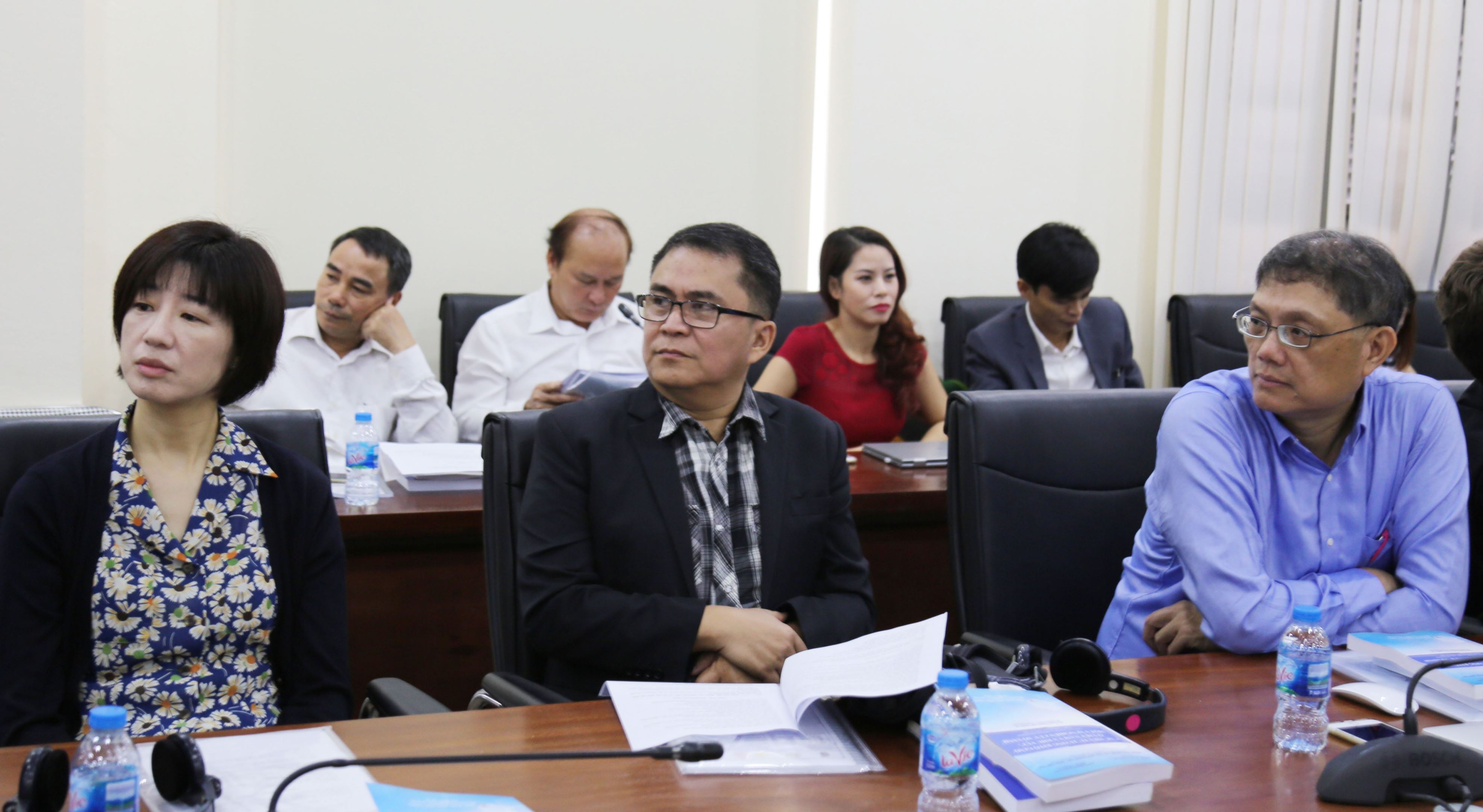
Since 2007, the University of Social Sciences and Humanities and the Institute of Religious Studies (Missionswissenschaftliches Institut Missio), Federal Republic of Germany, have collaborated in the field of religious education and research. The Center for Contemporary Religious Studies was established to undertake this work. Since then, organizing seminars and conferences on a national and international scale has been one of the main activities of this collaboration, aimed at promoting research and training in the field of Religious Studies.
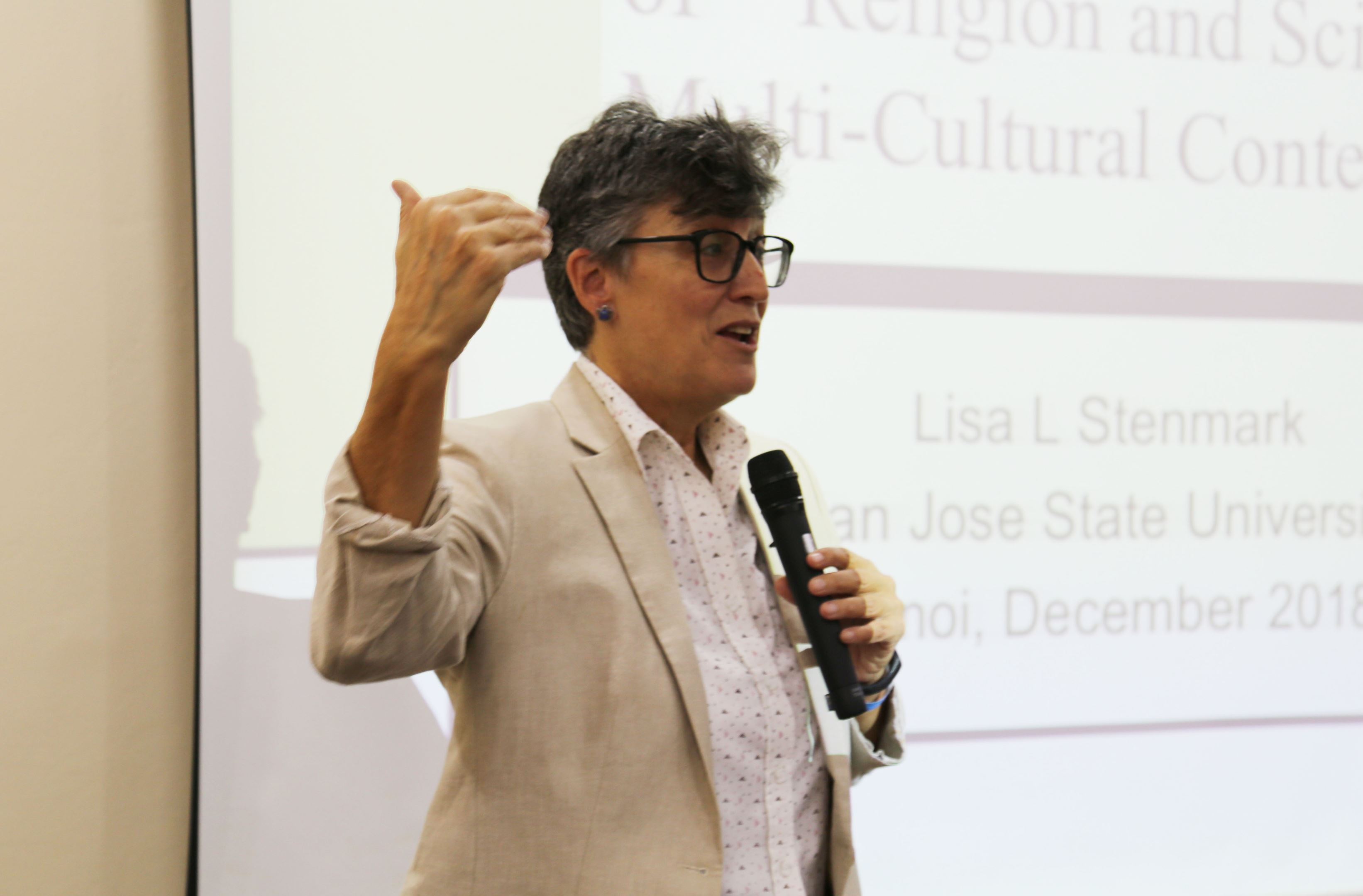
Professor Lisa L. Stenmark of San Jose State University presented the keynote address "The Limitations of the Western Model of Religion-Science Relationship in a Multicultural Context."
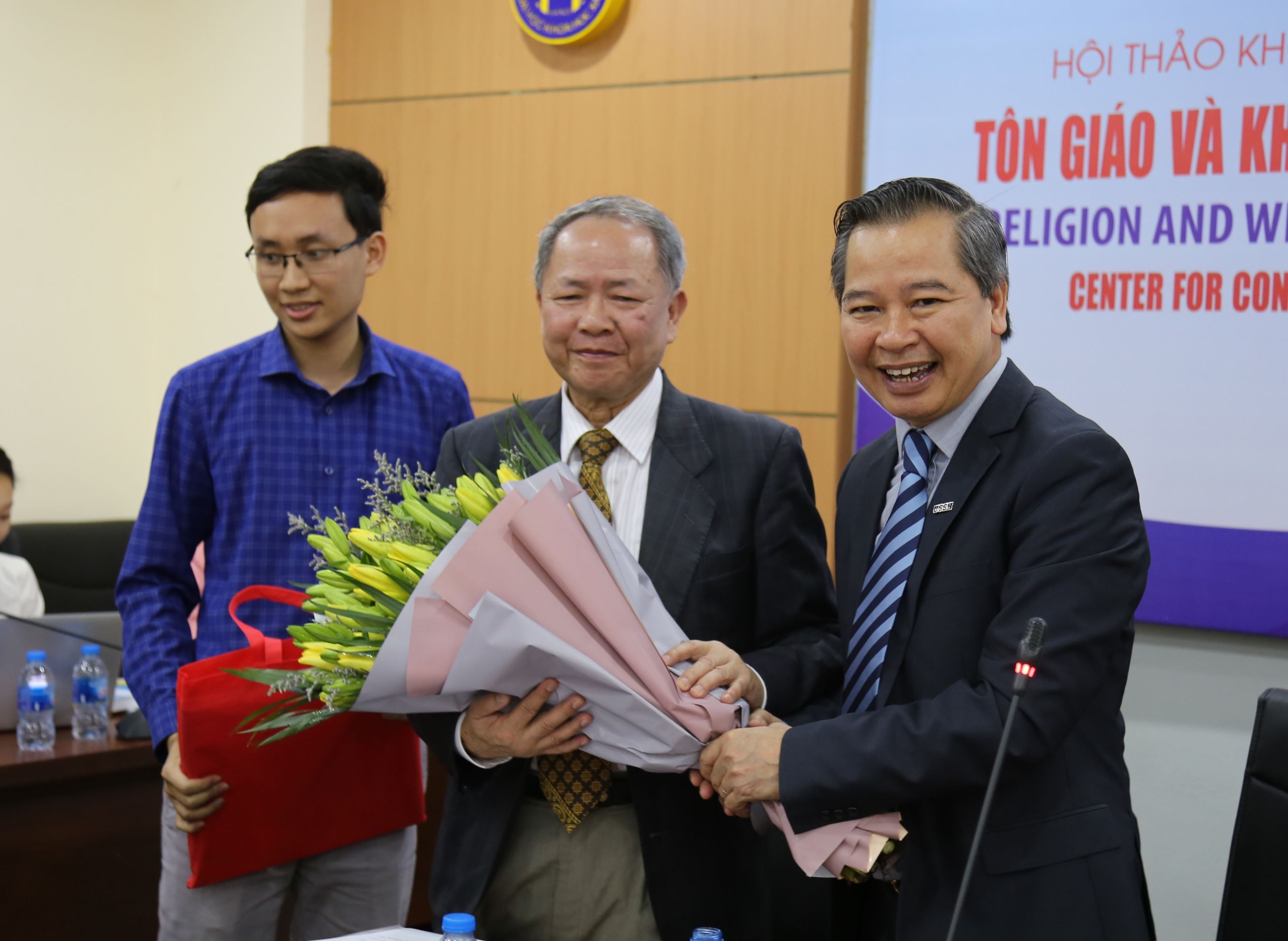
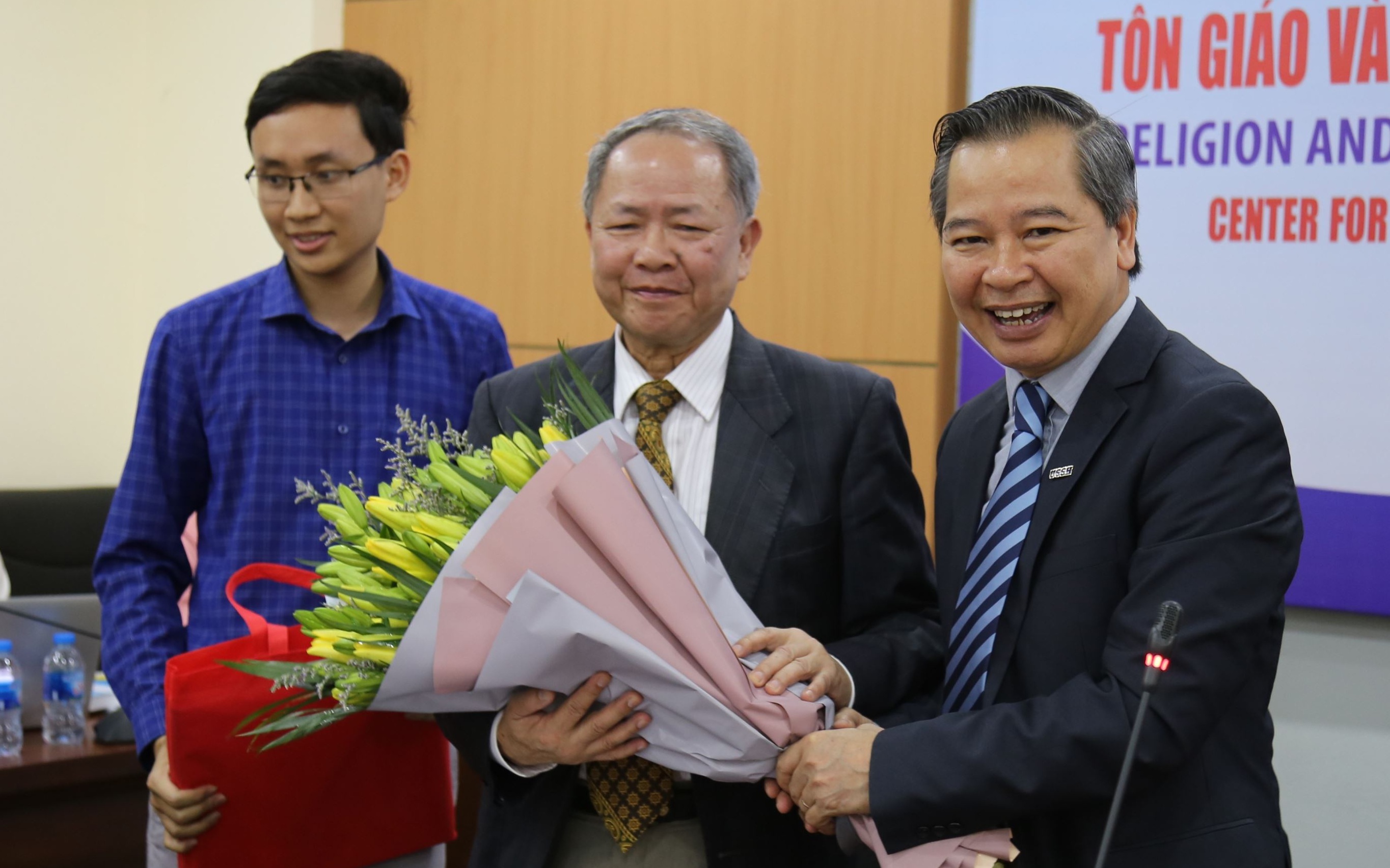
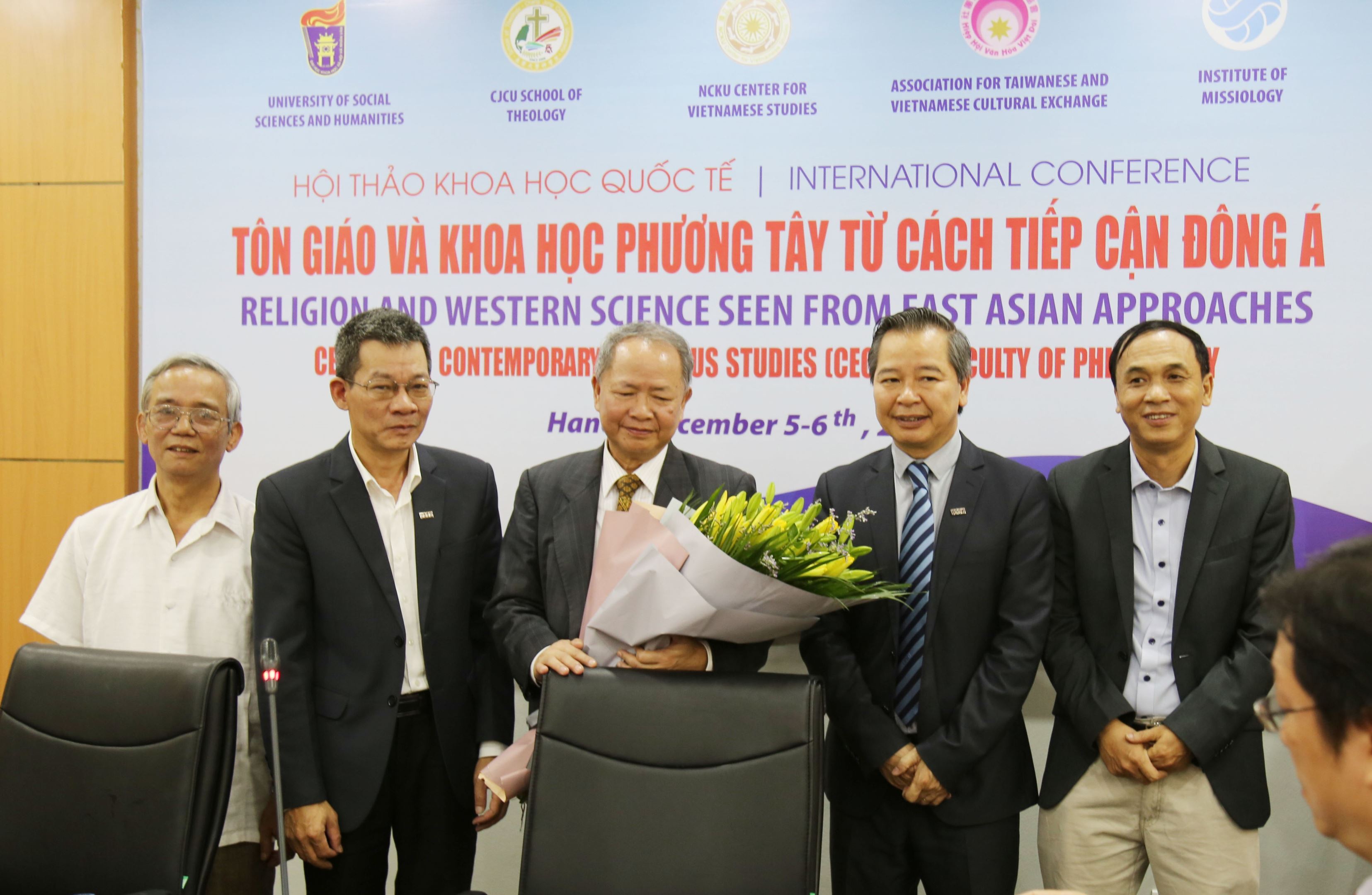
Professor Pham Quang Minh presents flowers to thank Professor Tran Van Doan.
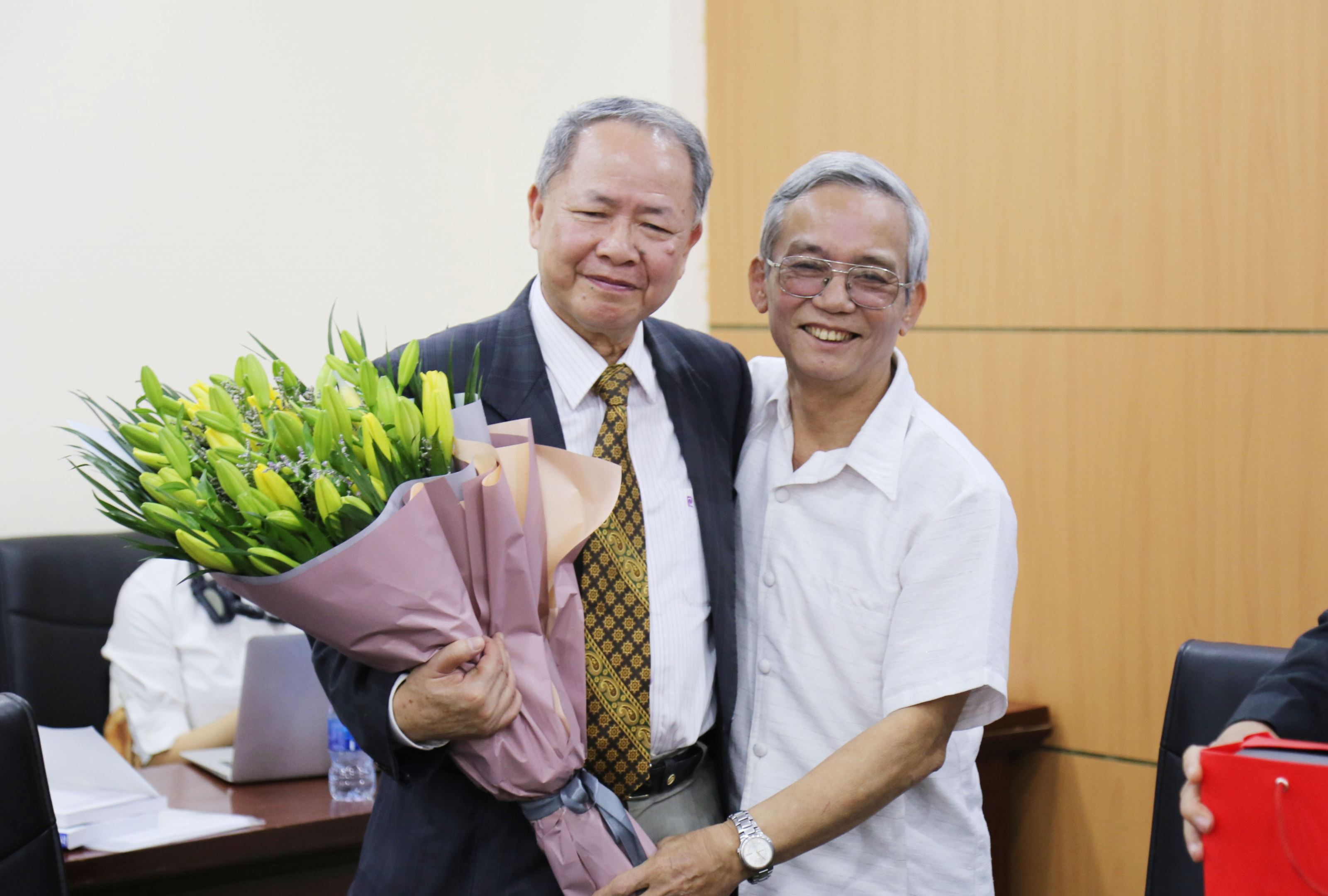
Professor Lam Ba Nam, Director of the Center for Contemporary Religious Studies, presented flowers to thank Professor Tran Van Doan.
Author:Thanh Ha
Newer news
Older news

