Initial successes
The Journal of Social Sciences and Humanities (website://journal.ussh.vnu.edu.vn) is the official scientific publication of the University of Social Sciences and Humanities, Vietnam National University, Hanoi, operating under license number 155/GP-BTTTT dated May 11, 2015, issued by the Ministry of Information and Communications. Its International Standard Serial Number (ISSN) is 2354-1172.
The journal's mission is defined as "a forum for academic exchange, introducing new and high-quality scientific research results in social sciences and humanities both domestically and internationally, serving the cause of national construction and development in the context of integration and globalization."
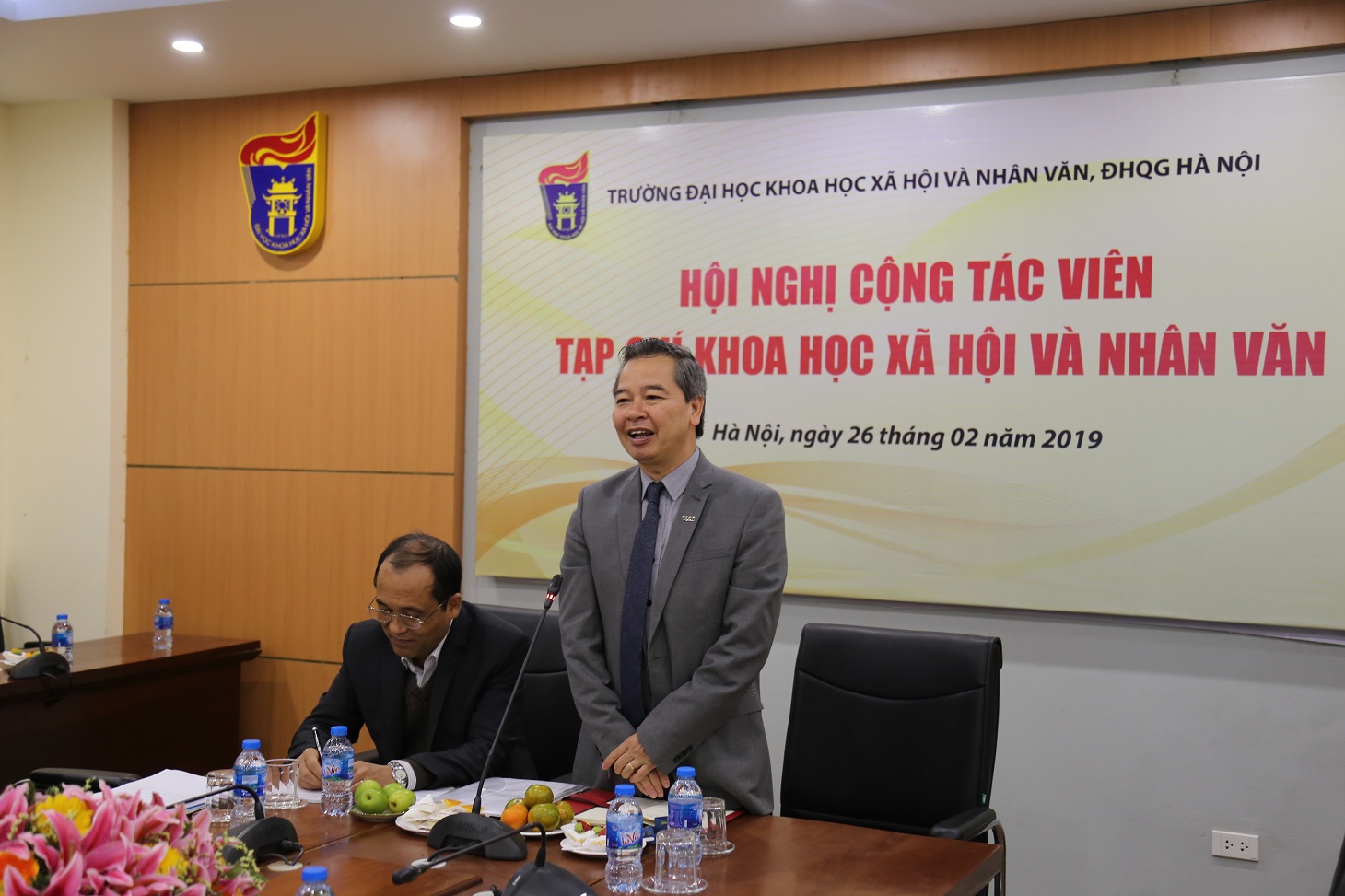
Despite being in operation for only four years, the Journal has quickly established its quality and position within the national system of scientific journals in the field of Social Sciences and Humanities. The Journal has been recognized and awarded points (1 point) by eight Professorship Title Councils in various disciplines and interdisciplinary fields, including: the Council for Professorship Titles in Education, the Council for Professorship Titles in Law, the Council for Professorship Titles in Linguistics, the Council for Professorship Titles in the interdisciplinary fields of History – Archaeology – Ethnology, the Council for Professorship Titles in Psychology, the Council for Professorship Titles in the interdisciplinary fields of Philosophy – Sociology – Political Science, the Council for Professorship Titles in the interdisciplinary fields of Culture – Arts – Physical Education and Sports, and the Council for Professorship Titles in Literature.
The Editorial Board consists of 37 scholars, including 6 foreign scholars. Each year, the journal publishes 4 issues in Vietnamese and 2 issues in English. To date, 17 foreign authors have submitted articles. The rejection rate is 36.43%.
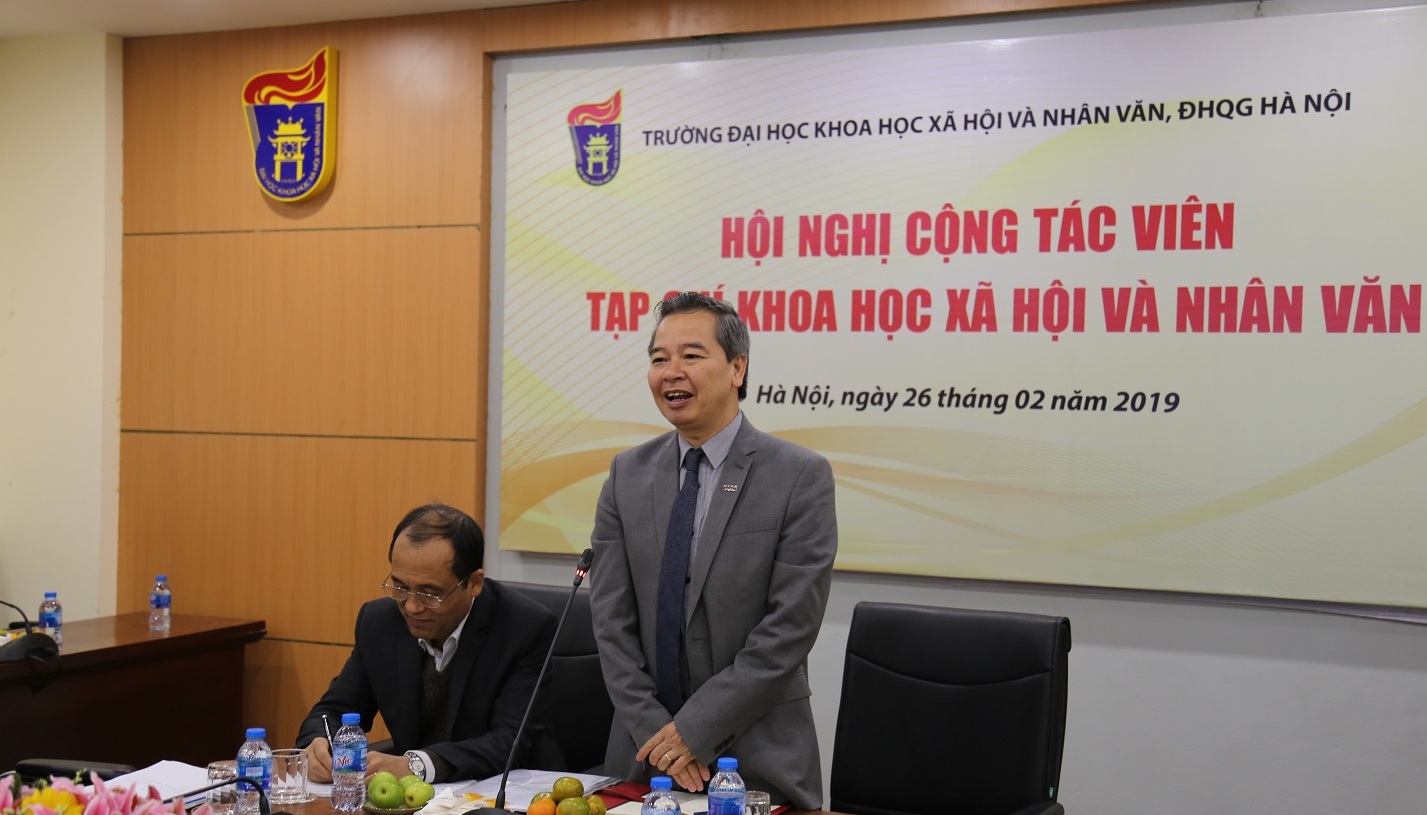
Associate Professor Vu Van Quan (Deputy Editor-in-Chief of the Journal of Social Sciences and Humanities) stated that article quality is the journal's top priority. Besides selecting leading and reputable scientists from both within and outside the country as members of the review board, the peer review process is also rigorous and objective. Articles undergo blind peer review with two independent reviewers. If the results are not conclusive, a third reviewer will be invited. Articles cover a wide range of fields within the social sciences and humanities.
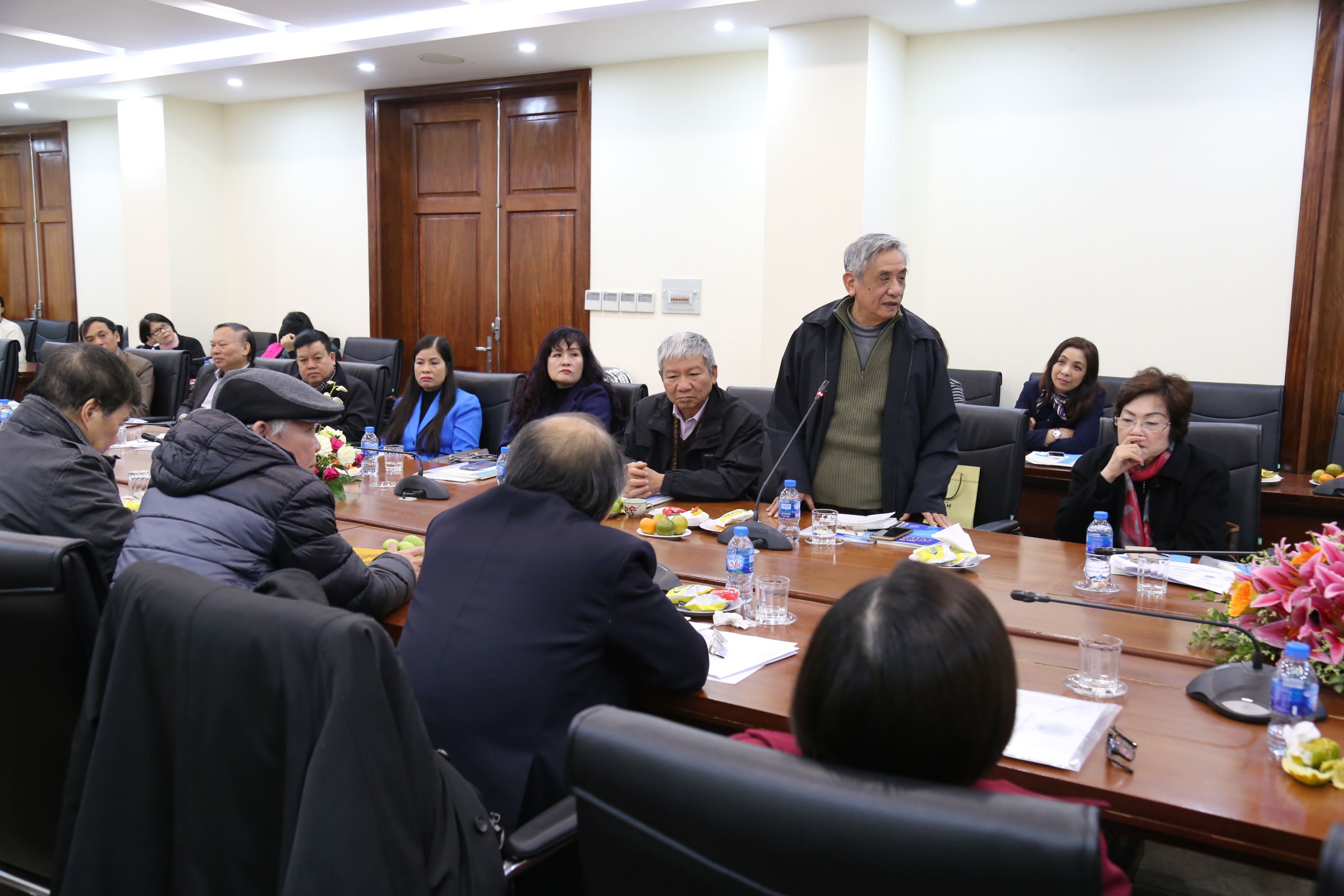
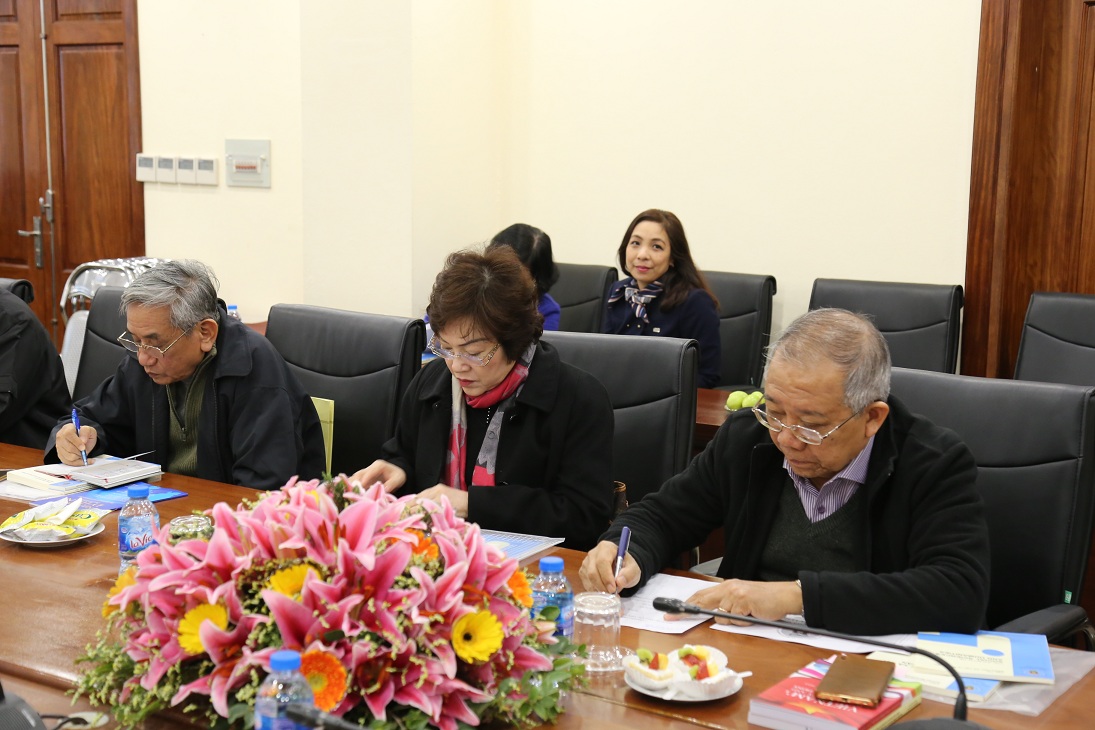
Professor Vu Duong Ninh (Chairman of the School's Retired Teachers Association) delivered a speech at the Conference.
By 2030, the Journal strives to meet international standards to be included in the list of leading prestigious scientific journals in the region and the world (Scopus and ISI journal lists).
To date, the Journal has been listed in information and scientific databases at universities, research institutions, and major libraries in Vietnam, as well as in international databases such as: Vietnamese Studies training institutions abroad, the Vietnam Studies Scholars Network (VSG), and has been cited by Google, Scholars, Worldcat, Openarchives, etc.
Reflecting topical scientific issues in the social sciences and humanities.
Positioning itself as the country's leading journal in the social sciences and humanities, JOSSH must reflect the contemporary scientific life of the social sciences and humanities in Vietnam and around the world.
Professor Tran Thi Minh Duc (University of Social Sciences and Humanities) believes that the journal should first and foremost publish the new research results of scientists from the university's various fields and disciplines. Every year, the scientific staff at various units are implementing numerous research projects at all levels, both domestically and internationally. How should these research results be presented in the university's journal? Why do many researchers choose to publish in foreign journals instead of the university's journal? Should the university implement stricter regulations mandating the publication of research results from these projects in the Journal of Social Sciences and Humanities?
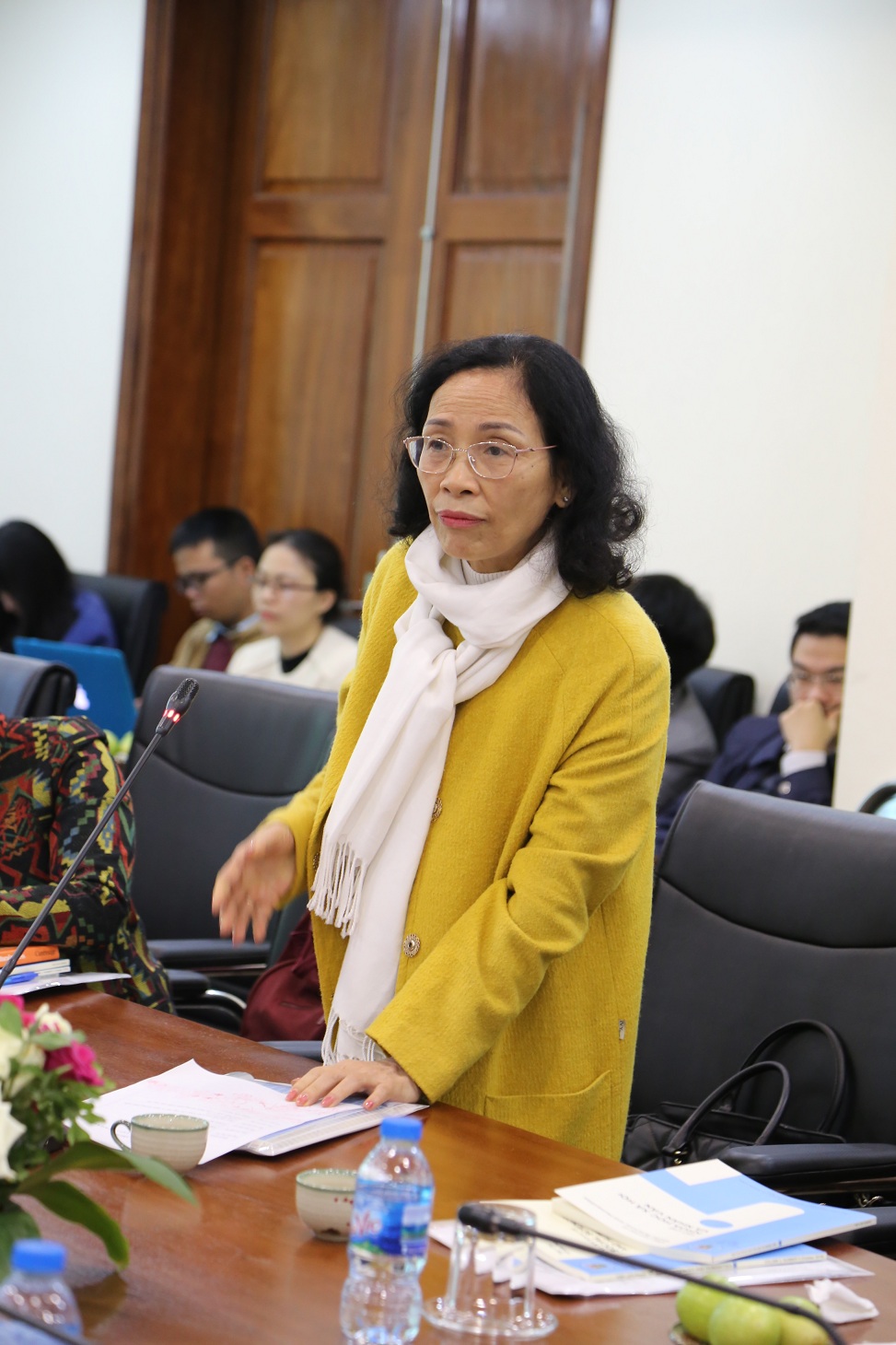
Prof. Dr. Tran Thi Minh Duc
Professor Do Quang Hung (University of Social Sciences and Humanities) believes that for a journal to be of high quality, each issue needs "key" articles from leading scientists. Instead of waiting for articles to be submitted, the Editorial Board should proactively plan to commission articles from leading scientists both domestically and internationally to obtain key, high-quality articles that reflect new trends and research content in each research field.
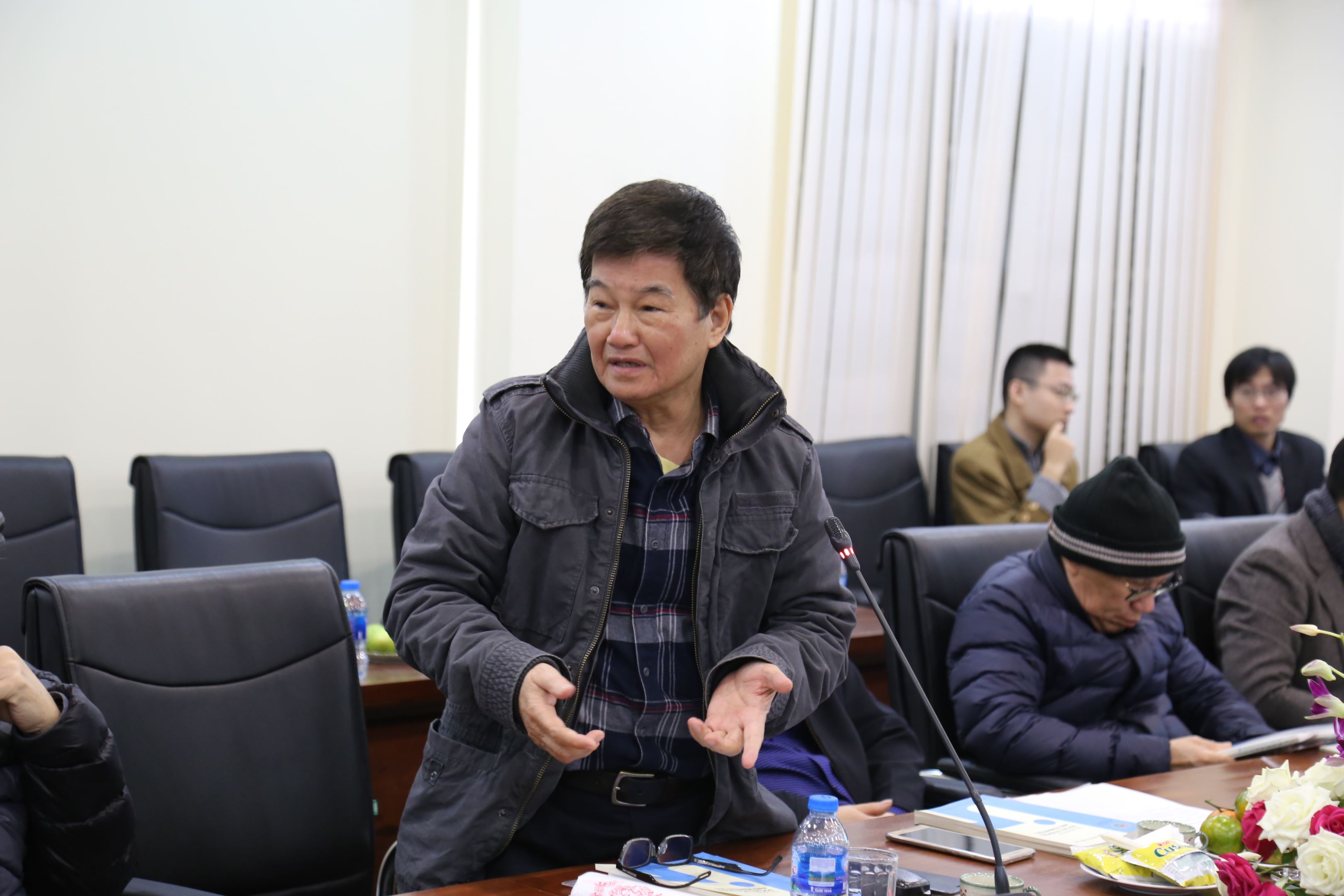
Prof. Dr. Do Quang Hung
Professor Tran Khanh (Institute of Southeast Asian Studies) highly praised the content and format of the journal – despite its recent establishment, it has already gained a foothold in Vietnam's scientific journal system. However, he believes that for the journal to truly innovate and achieve breakthroughs in quality, it requires the courage of the editorial board. Article topics must dare to delve into controversial scientific issues, even if it means tackling previously considered "sensitive" content, in a scientific, honest, and objective manner. Issues concerning the protection of maritime sovereignty and policy planning require the voices of scientists.
Internationalization efforts
Appreciating JOSSH's goal of expanding internationally, leading experts have proposed many specific solutions.
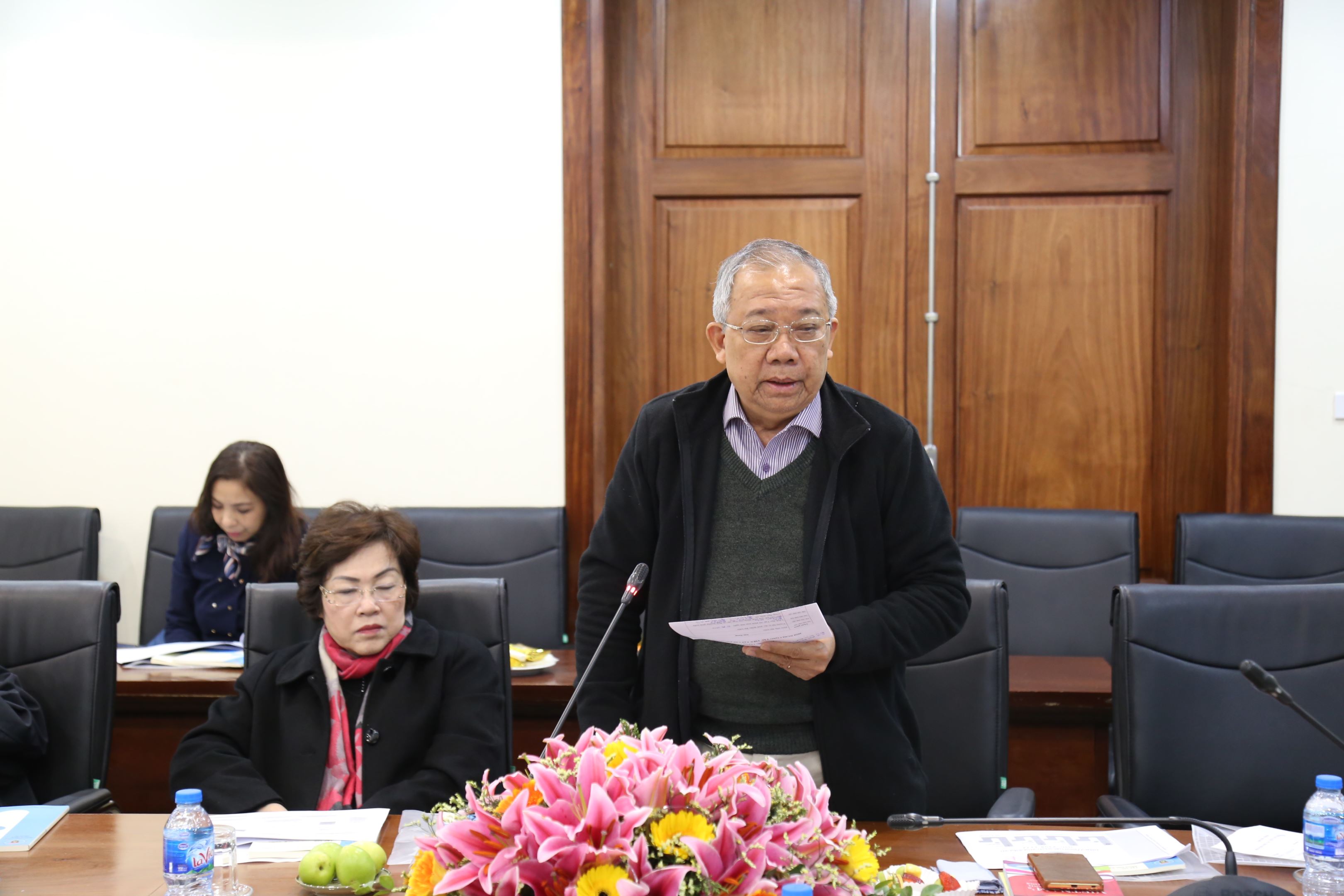
Prof. Dr. Tran Van Nhung (Secretary General of the State Council of Professors)
Professor Tran Van Nhung (Secretary General of the State Council of Professors) believes that only serious work and a focus on quality are the fundamental foundations for the University's journal to reach the world. To become a journal of international stature, JOSSH needs to pay attention to meeting international standards from content to presentation, workflow, etc. In addition, the journal must create its own unique identity, easily recognizable among thousands of other scientific journals.
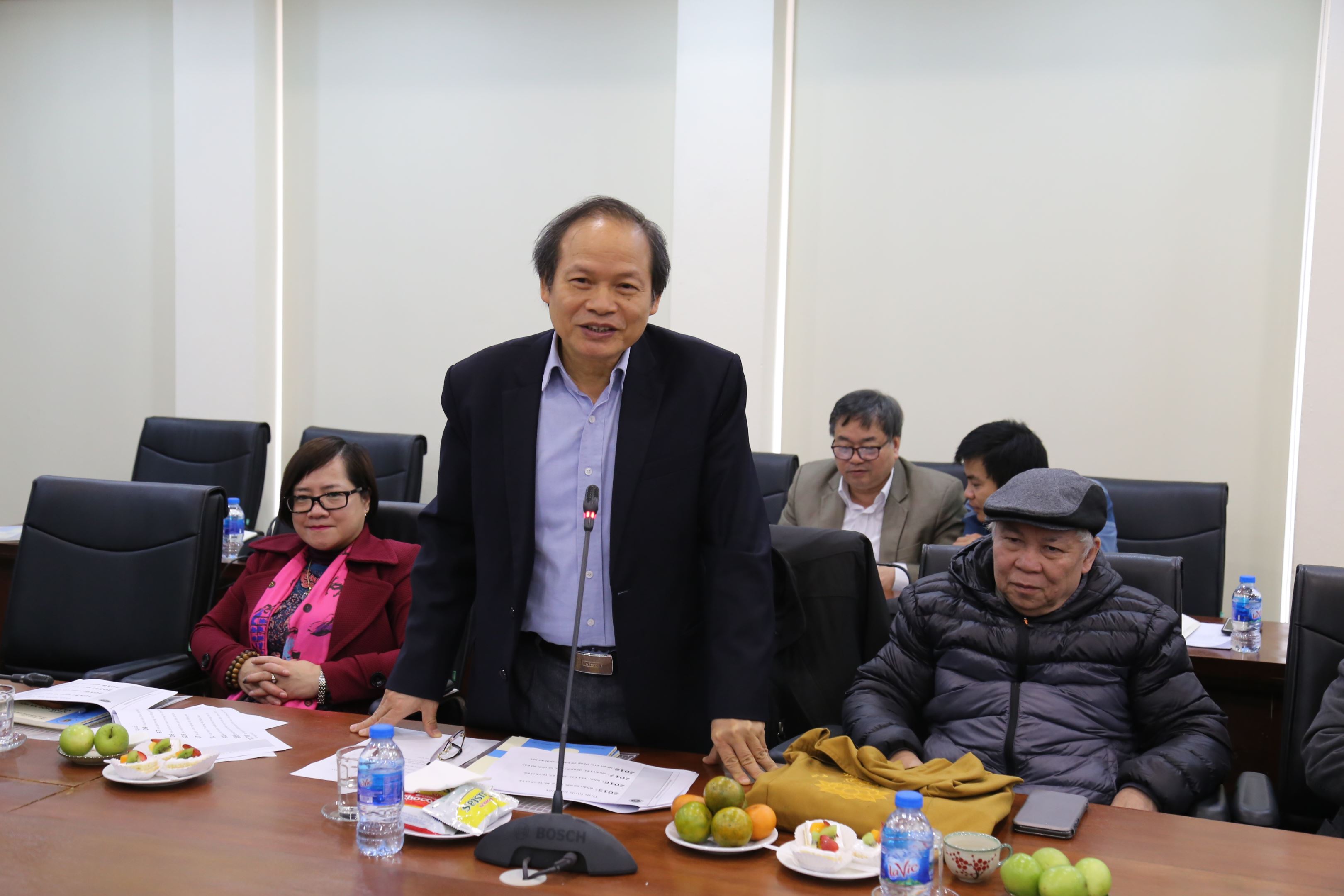
Prof. Dr. Nguyen Van Khanh (Chairman of the University's Scientific and Training Council)
Professor Nguyen Van Khanh (Chairman of the University's Scientific and Training Council) proposed strengthening the Editorial Board by increasing the number of foreign scientists as members; increasing the number of articles by international scientists in the journal; and increasing the proportion of English-language issues to match the proportion of Vietnamese-language issues. Finally, the University must find solutions to closely connect with leading scientific journals in the region to expand academic relationships and elevate the journal's status.
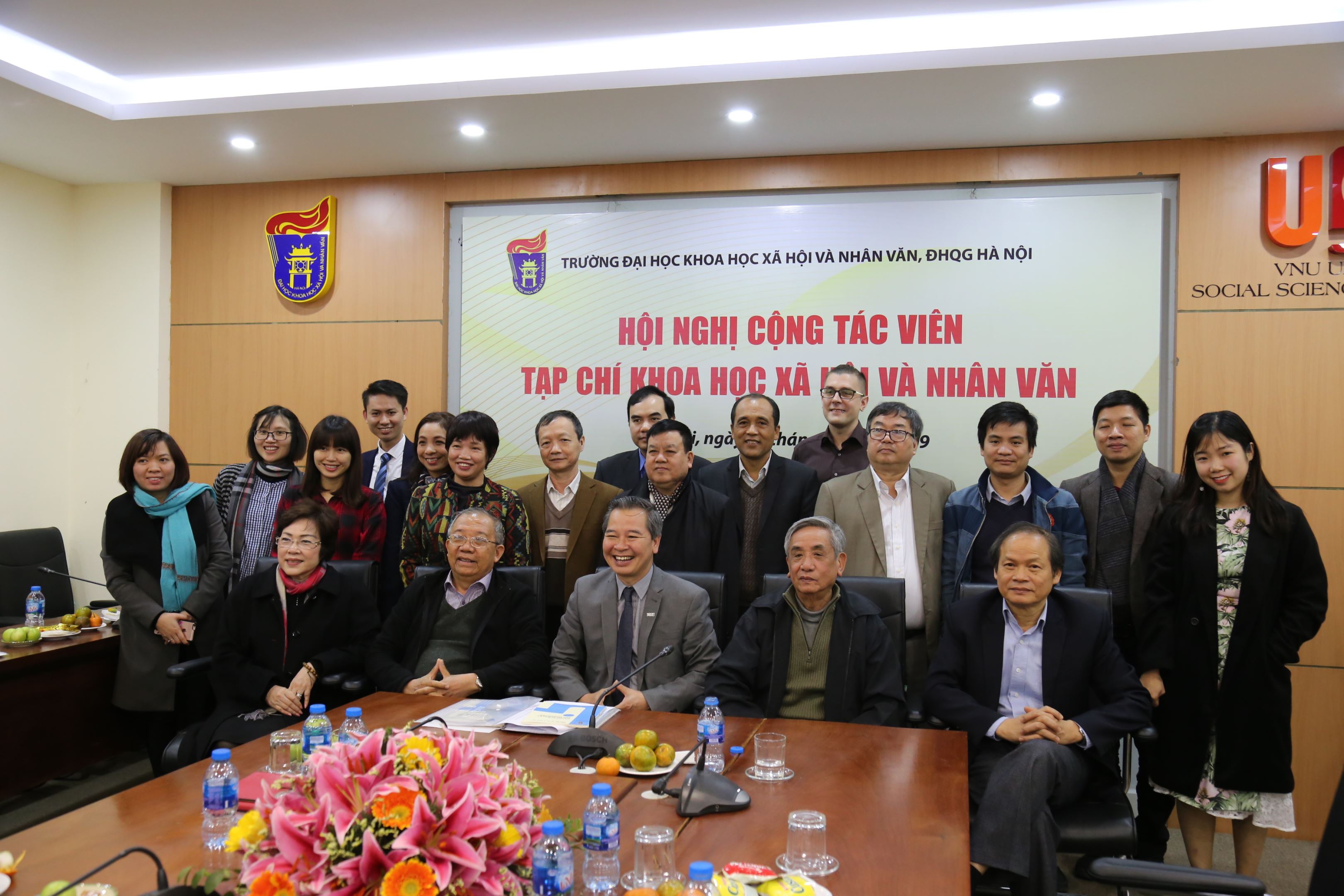
Associate Professor Dr. Nguyen Van Chinh (Department of Anthropology) shared his experience: Foreign journals highly value book reviews and introductions of new books in a spirit of discussion and critical analysis. Besides regular issues, the journal should also develop special issues to focus on specific scientific issues of interest to the scientific community. He also shared that, unlike other scientific fields, research in the social sciences and humanities often has a significant social impact. A reputable scientific journal needs to have scientific content of sufficient caliber to create a profound social influence.
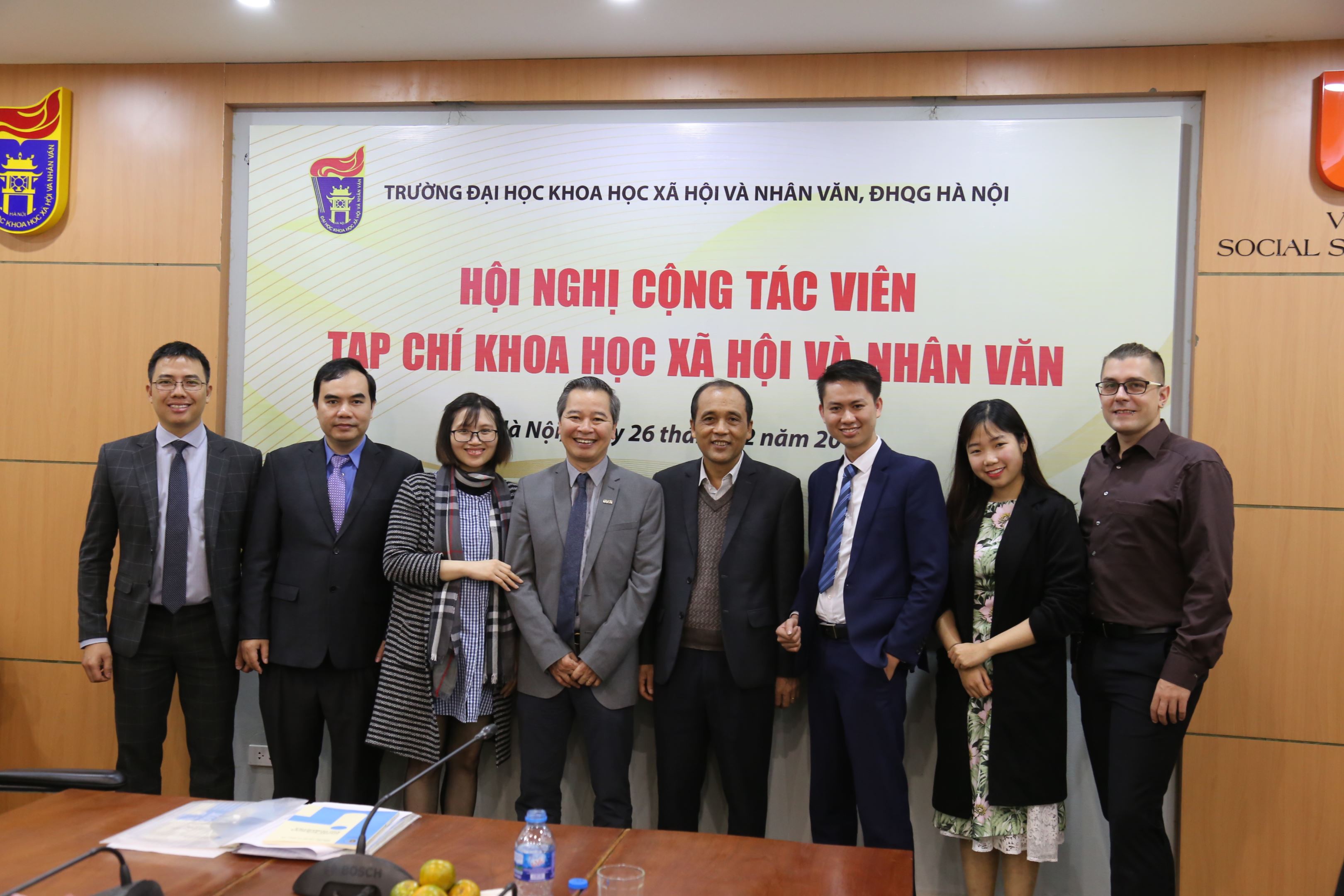
German editor Etienne Mahler suggested implementing anti-plagiarism software in the review process of submitted articles – a practice that is strictly enforced internationally. He also emphasized the need for a systematic and proactive approach to promoting the journal internationally. The network of authors and contributors should be maintained and connected regularly. Topics for each issue should be planned in advance and sent to scientists so they can proactively understand and write in line with the journal's direction.
Author:Thanh Ha
Newer news
Older news

