
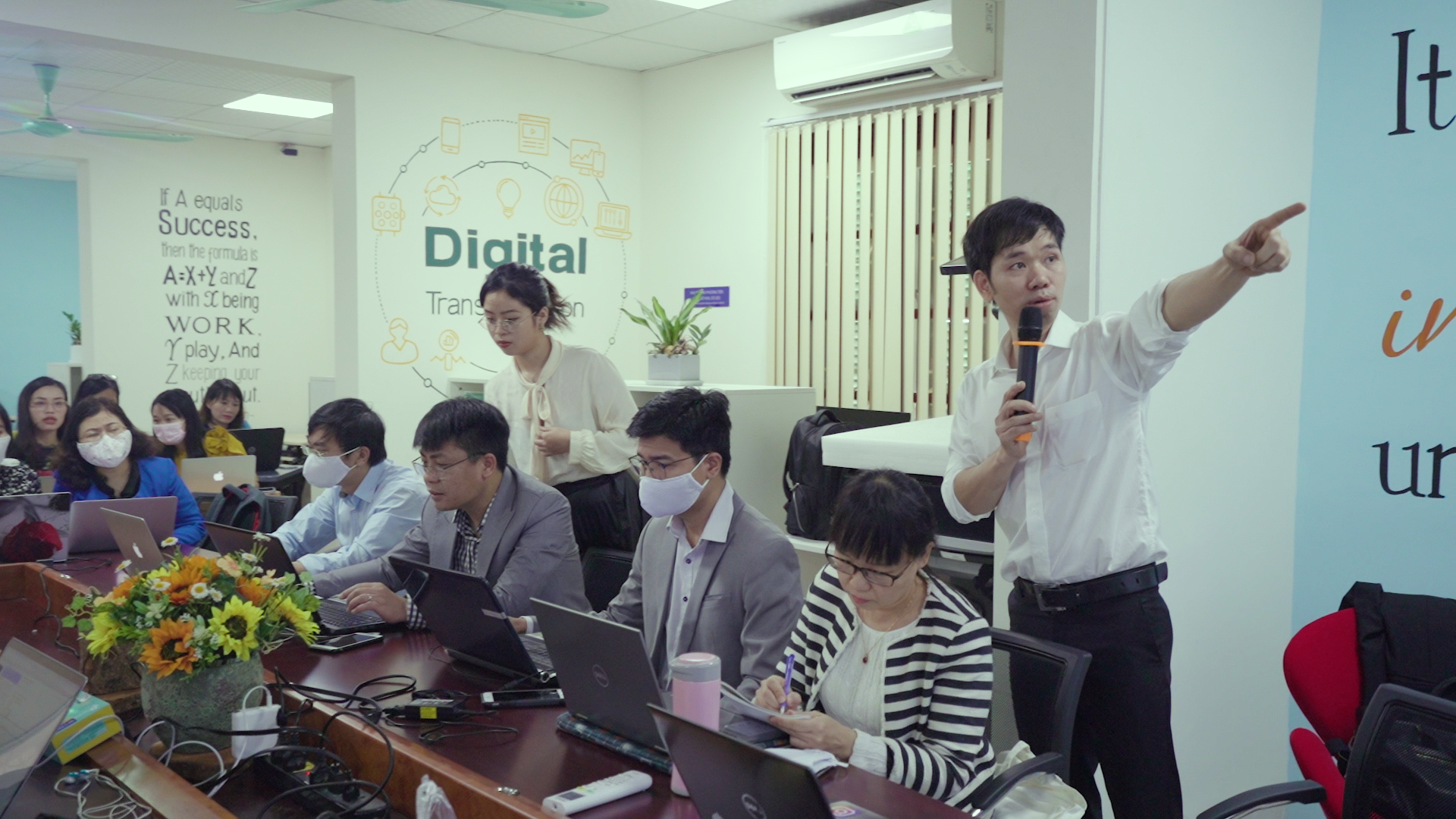
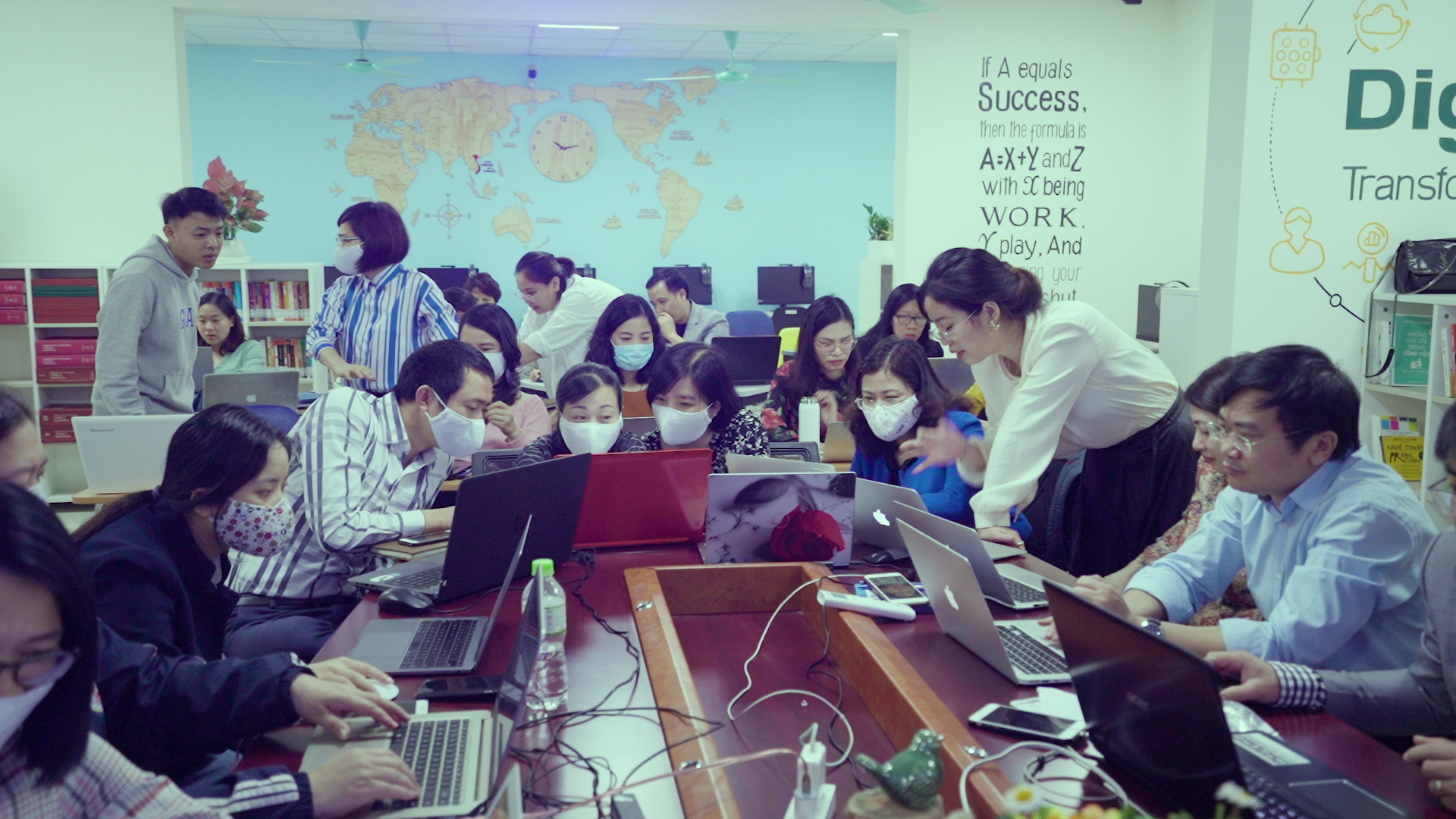
*Dr. DO VAN HUNG - HEAD OF THE INFORMATION AND LIBRARY DEPARTMENT:The school needs to have policies in place to support and provide maximum assistance to lecturers in implementing e-learning!
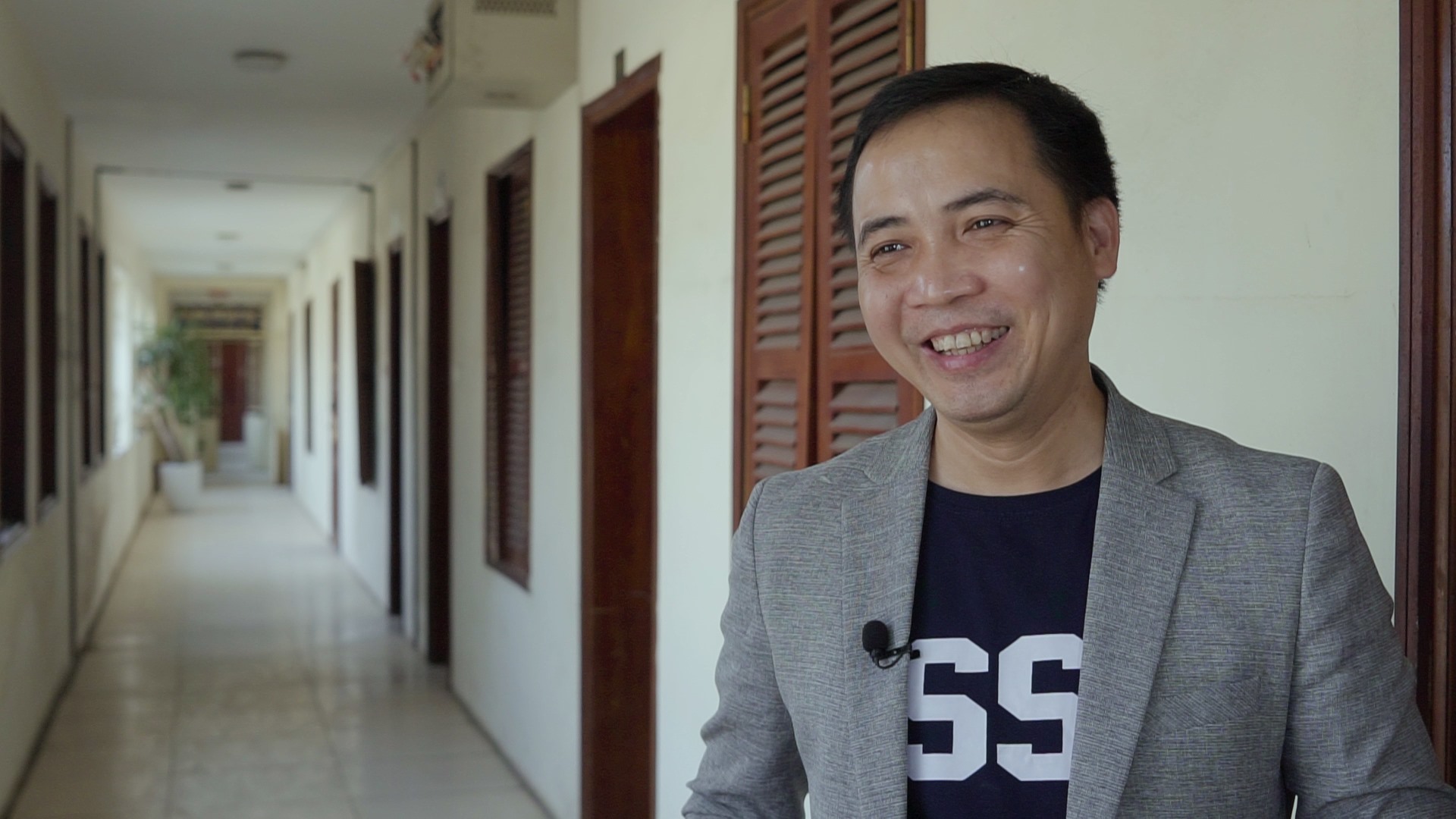
Dr. Do Van Hung
Simply put, e-learning is the application of technology in teaching. Instead of teachers going to the lecture hall to teach students in person, they can use technology, the online environment, and multimedia devices with internet connectivity such as mobile phones, laptops, and desktops to teach online.
To implement this teaching method, I believe the biggest challenge right now is for lecturers to overcome psychological barriers; learning how to adapt their lectures to the online environment and interact with students online. Currently, there are many technologies and tools that can support lecturers and students in online learning. The simplest example is that we can use Facebook, Zalo, and Skype to directly deliver lectures. We can use personal phones – even a simple smartphone can deliver lectures. However, for a university to implement an e-learning system, I believe it requires a comprehensive solution in terms of technological infrastructure and an integrated software platform. This platform must integrate everything: online teaching, student interaction, allowing students to exchange their opinions online, enabling chat via messenger, allowing instructors to grade assignments online, provide online feedback to students, and monitor student online learning by checking whether they attend class or not…
I hope the university will develop policies to support and encourage lecturers to boldly innovate in the direction of e-learning; creating the best possible conditions for lecturers – that is, minimizing all technological difficulties – so that lecturers can carry out teaching activities most effectively in the online environment.
* Dr. Dao Minh Quan - Deputy Head of Training Department:The new platform for e-learning enables direct and multi-directional interaction between teachers and learners.
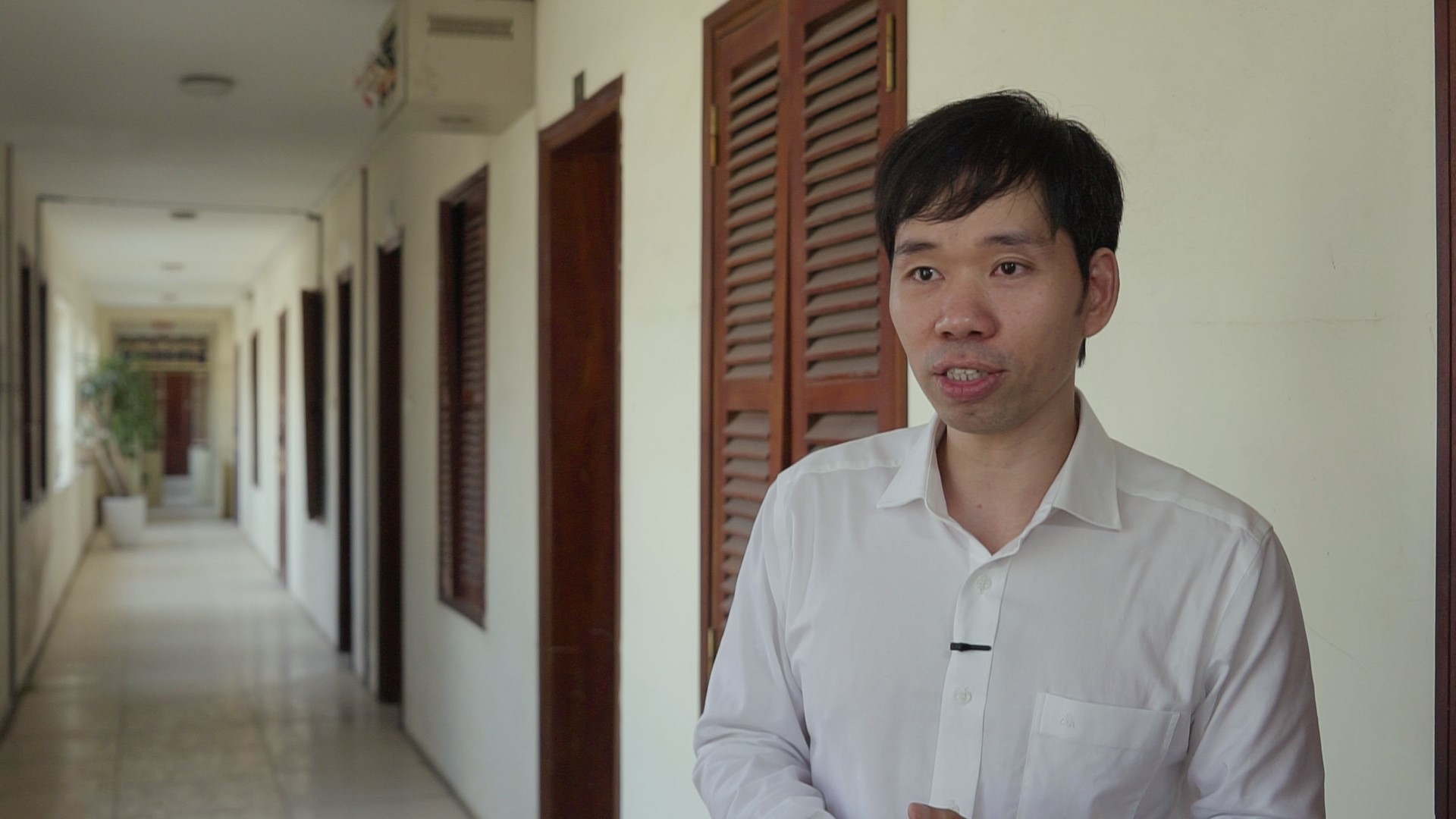
Dr. Dao Minh Quan
Since 2009, the University of Social Sciences and Humanities has applied information technology to support online teaching for its faculty. However, at that time, we only focused on tools for sharing documents, video lectures, and managing students; that is, we did not have a comprehensive application that allowed lecturers to interact directly with students. But now we can do this with a completely new platform that enables direct interaction with learners.
The advantage of the new system is that it creates virtual classrooms through which instructors empower students in their learning. In particular, the system allows recording videos to be uploaded back to the system for students to review. During teaching, instructors can apply various methods: sharing videos online, sharing their computer screen while teaching. The new system allows uploading documents up to 50-100 MB. The server capacity provided by the partner company to Ussh is relatively strong, helping to scale training and diversify training methods towards increased exchange and interaction.
Previously, the course websites used by the school were merely tools for managing and sharing materials. Now, with the new system, teaching will be partly online and partly in-person, diversifying lecture content. Lecturers' methods will also be more proactive and flexible. They can teach 3-4 weeks online and the remaining 3 weeks in-person.
This training course is open to over 80 lecturers, mostly young people. Each semester, we will conduct further training sessions using this course registration system. Here, lecturers will directly develop their lectures through this system, sharing experiences on how to make lectures as active, effective, and engaging as possible.
* Dr. Dang Hoang Giang - Faculty of Vietnamese Studies and Vietnamese Language: I support the trend of e-learning!
Dr. Dang Hoang Giang
I strongly support the e-learning trend at the University of Social Sciences and Humanities because it is a global trend that many Vietnamese universities are now beginning to adopt. In the current context, it is an inevitable choice. Firstly, the current pandemic makes attending classes inconvenient and impractical; secondly, it helps teachers and students save time and space, and increases proactive learning and teaching.
I appreciate the efforts of the school and the teachers to adapt to this trend. Of course, there are also certain challenges: teachers must find ways to adapt to the requirements of this teaching method, especially in terms of technology. Fortunately, there are courses like this to help teachers grasp these things. Secondly, instructors must restructure the curriculum, devising new teaching scenarios suitable for the online environment. But these are challenges that can be overcome, even if it might feel a little unfamiliar at first.
This semester I registered for the online platform, and I found it more dynamic than the course website platform, focusing on direct interaction between teachers and students. The interactive features found in offline classes are also available on this online teaching platform: group discussions, attendance checks, presentations, and introductions to course materials.
* Dr. Nguyen Thi Thuy Trang - Faculty of International Studies: Plans to implement the new E-learning platform for two courses: "International Political Economy" and "Human Security" this semester.
Dr. Nguyen Thi Thuy Trang
I believe the policy of combining online and in-person learning is very correct and timely, helping to increase interaction between lecturers and students. Because this is a long-term plan, lecturers also want to participate in training to deliver online lectures. The current e-learning platform has the advantage of combining online and in-person teaching; other platforms like Google Meeting or course websites only offer online interaction, not in-person. Lecturers have the right to choose the ratio of e-learning to in-person teaching. For example, if I go abroad, I can still teach and provide materials and regular tests for students; both students and lecturers find the learning methods less monotonous.
I plan to apply this platform to two courses: "International Political Economy" and "Human Security." These two courses are highly theoretical and academic, and delivering lectures in a lively and concise manner is a challenge for instructors like myself. With this platform, conveying basic knowledge and then guiding students to independently research learning materials and complete their own projects are methods that instructors in the social sciences and humanities can combine in their teaching. Of course, instructors will need time to become familiar with this new teaching method.
* Dr. Nguyen Nam Hoang - Faculty of Literature: We are pleased and supportive of the policy of E-learning at the university.
I feel not only supportive but also delighted and excited that the school has decided to implement e-learning throughout the entire institution. This represents a significant step forward in the application of information technology to teaching, surpassing the traditional website-based approach. It encourages lecturers to continuously improve their IT skills to better engage with students; teaching becomes more multifaceted as teachers no longer just stand in front of the class but also communicate with students through online channels, sharing learning materials more easily. E-learning also helps students become more proactive in accessing information online. Therefore, it helps both teachers and students leverage the advantages of technology and the online environment to enhance teaching and learning.
Of course, there will be obstacles and challenges. Firstly, if we don't know how to organize online classes or communicate effectively with students, it will reduce our own enthusiasm and the students' motivation. Secondly, many people feel hesitant to learn how to use technology and tools. Thirdly, we must ensure adequate teaching facilities such as internet access and equipment. But I think if we implement the process professionally and proactively, and both teachers and students are informed and guided to understand it, we can overcome these challenges.
Author:Ussh Media

