The worship of Avalokiteshvara and other goddesses is a common belief in many countries and territories in Asia such as Vietnam, Taiwan, China, Japan, India, etc. These beliefs contribute to expressing the shared faith, religion, customs, and traditions of many countries and territories in the region, while also showcasing the unique characteristics of each country.
The study of the worship of Quan Am and other goddesses is a topic that attracts the attention of many Vietnamese scholars, scholars in the region, and scholars from around the world.
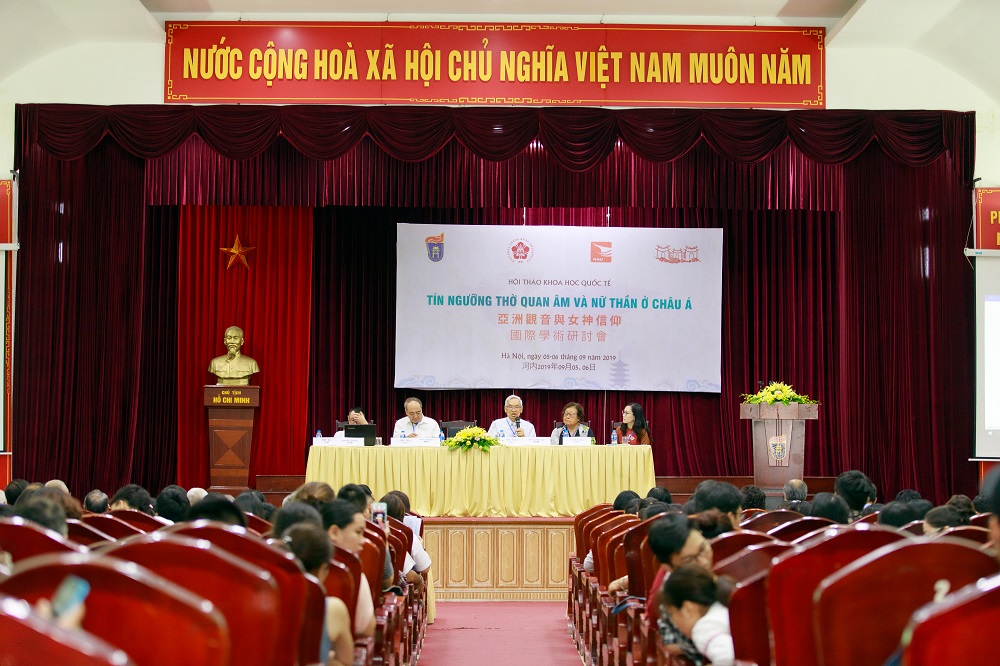
Conference scene
The workshop, organized by the University of Social Sciences and Humanities (Vietnam National University, Hanoi) in collaboration with National Cheng Kung University and Kinmen University (Taiwan, China), consisted of three working sessions, divided into several subcommittees, with the languages used being Vietnamese and Chinese. The workshop focused on exploring the worship of Avalokiteshvara and other goddesses in Asia from specialized and interdisciplinary perspectives: literature, history, cultural studies, religious studies, regional studies, etc. The presentations focused on the main themes: Legends about Avalokiteshvara and other goddesses in Asia; the history of the worship of Avalokiteshvara and other goddesses in Asia; relics associated with the worship of Avalokiteshvara and other goddesses in Asia; and the practice of the worship of Avalokiteshvara and other goddesses in countries and territories in Asia.
Speaking at the opening ceremony of the conference, Professor Nguyen Van Kim (Party Secretary, Vice Rector of the University of Social Sciences and Humanities) said: "We believe that scientific and academic exchange activities like this conference are truly a valuable opportunity for lecturers and researchers from Vietnam and abroad to share knowledge and publish new research results and achievements."
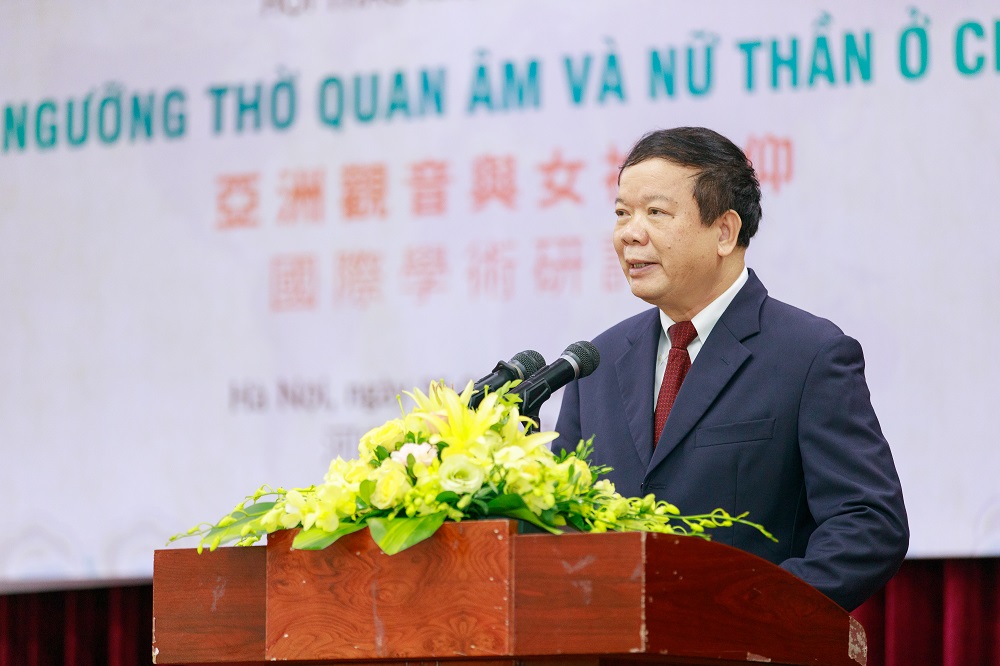
Professor Dr. Nguyen Van Kim delivered the opening remarks at the conference.
While a relatively specialized and challenging scientific topic, it is a highly vibrant and fascinating area in Asian social and cultural life. The discussions have shed light on the readily apparent similarities in the beliefs surrounding Avalokiteshvara and other goddesses across Asian countries and territories, providing insightful and accurate scientific arguments and information about their philosophical and humanistic values. This shared cultural foundation will foster friendship among nations and regions.
Professor Lin Tong-yi (Vice President of National Cheng Kung University (Taiwan, China)) shared: "I find this conference to be very profound and meaningful. The most central spirit of this belief is compassion, and one of the most important aspects of compassion is transcending one's own limitations and sharing empathy…".
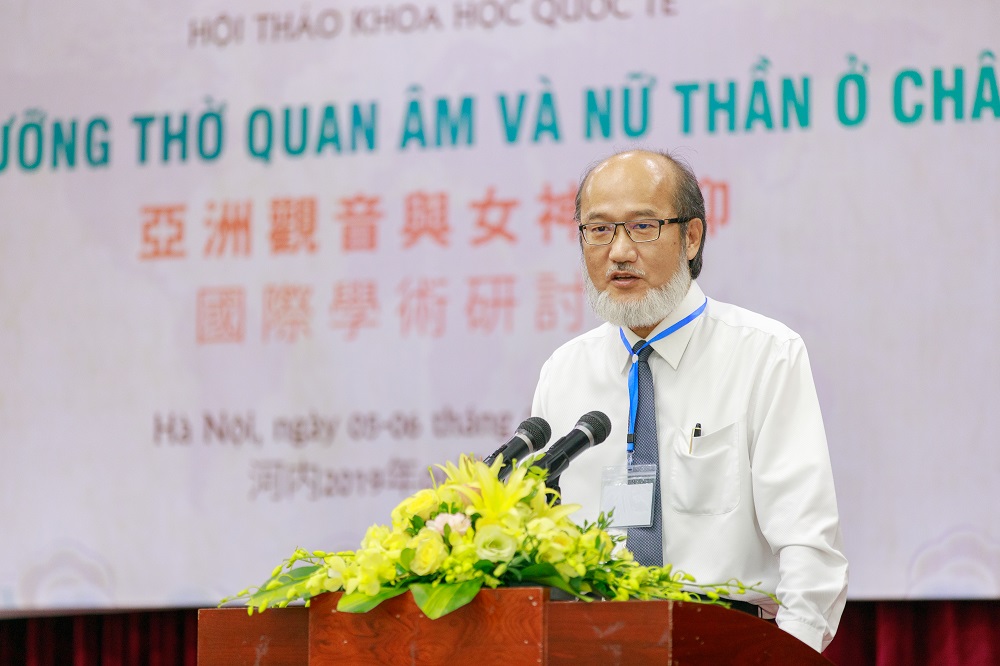
Professor Lam Tong Nhat delivered the opening remarks at the conference.
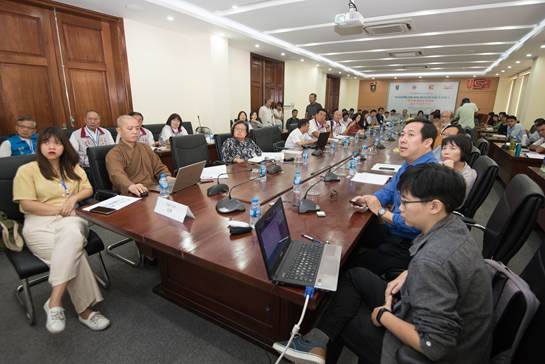
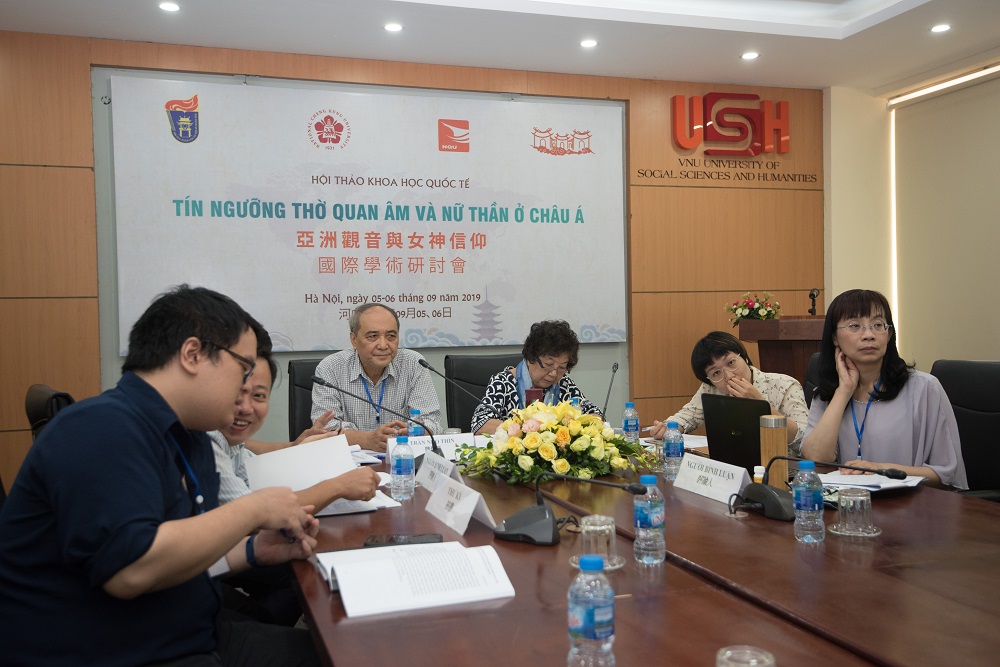
Some photos from the subcommittee's working sessions.
The workshop consisted of three working sessions, divided into seven subcommittees, using both Vietnamese and Chinese, focusing on exploring the worship of Quan Yin and other goddesses in Asia from specialized and interdisciplinary perspectives: literature, history, cultural studies, religious studies, regional studies, etc.
The presentations focused on the following main themes: Legends of Avalokiteshvara and goddesses in the Asian region; History of Avalokiteshvara and goddess worship in the Asian region; Monuments associated with Avalokiteshvara and goddess worship in Asia; The practice of Avalokiteshvara and goddess worship in countries and territories in the Asian region.
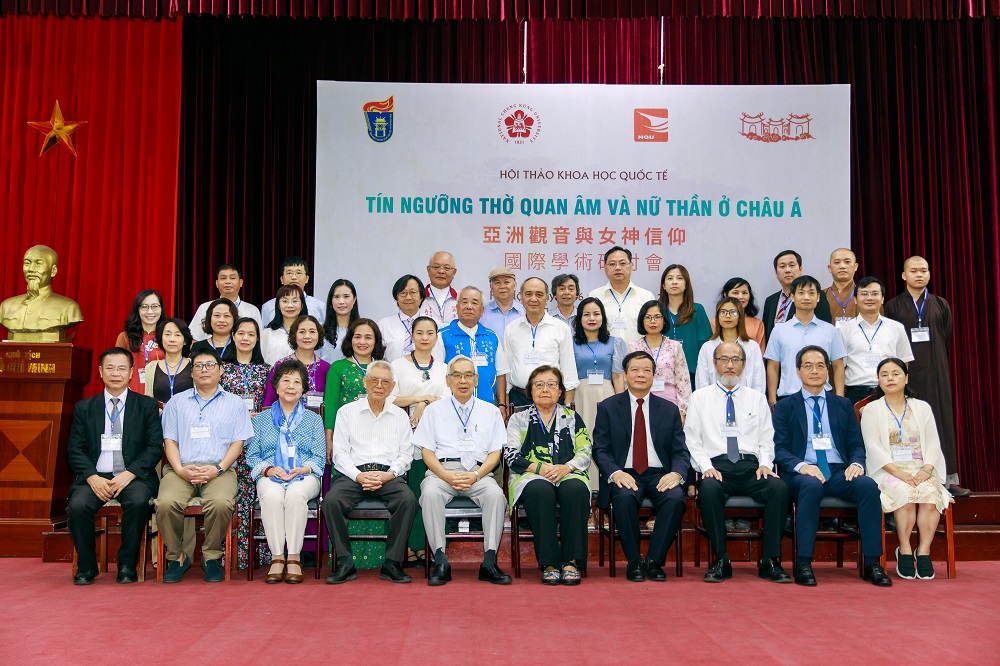
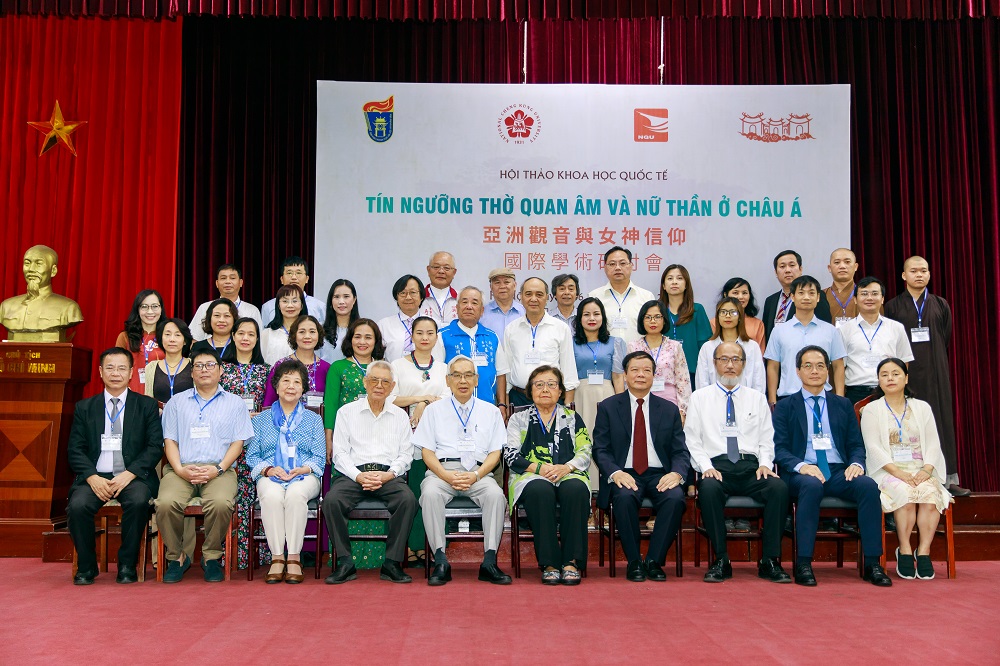
The delegates attending the workshop took a commemorative photo.
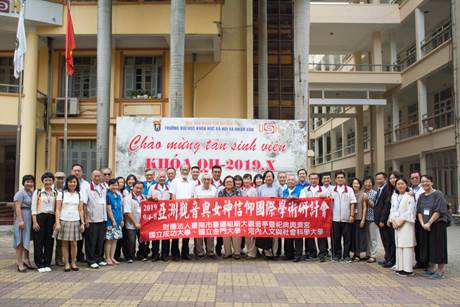
Group photo of delegates, organizers, and volunteers at the closing ceremony.
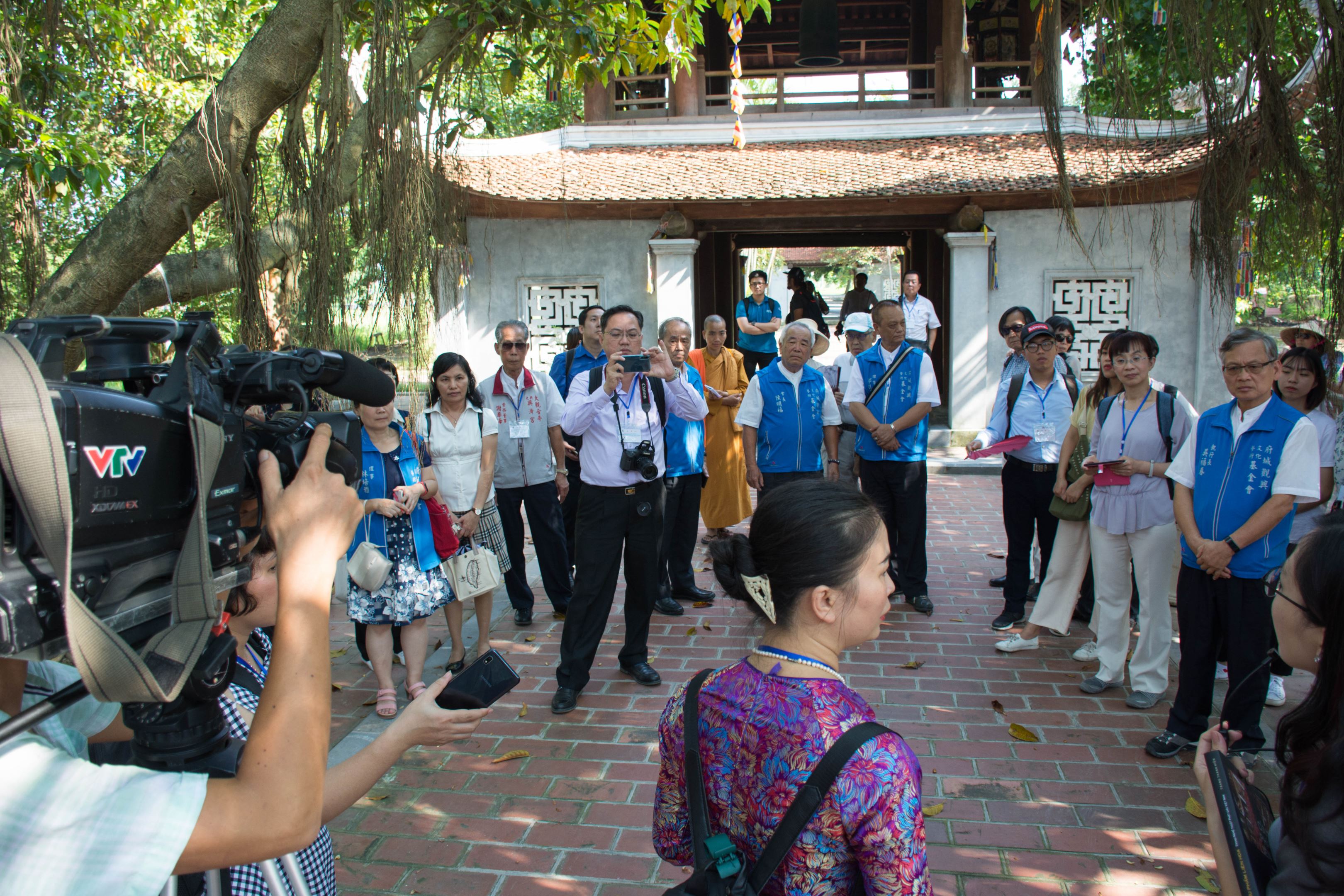
Field trip to But Thap Pagoda
At the conclusion of the conference, papers of high scientific quality will be selected and edited by the Organizing Committee for publication in the proceedings with an ISBN number at a reputable publisher in Vietnam and Taiwan (China) in 2020.
In addition to the three sessions in the main hall, the conference also organized a field trip to study folklore at But Thap Pagoda (Bac Ninh) on the afternoon of September 6th, as well as several other cultural experience activities.
The seminar, organized by the Faculty of Literature, University of Social Sciences and Humanities (Vietnam National University, Hanoi) in collaboration with National Cheng Kung University and Kinmen University (Taiwan, China), was a resounding success thanks to meticulous preparation and received many high-quality papers that focused on the main themes: the worship of Quan Yin and goddesses in the Asian region, contributing to strengthening friendly relations between Vietnam and Taiwan, and opening up opportunities for international academic cooperation.
Author:Thao Nhi
Newer news
Older news

