
According to a survey by a research team from the Faculty of International Studies, Vietnam National University, Hanoi, the leading field with strong development trends is the Engineering and Technology sector. In the future, the demand for human resources in engineering and technology fields will increase significantly, especially in areas related to automation, artificial intelligence (AI), big data, information security, renewable energy, and biotechnology.
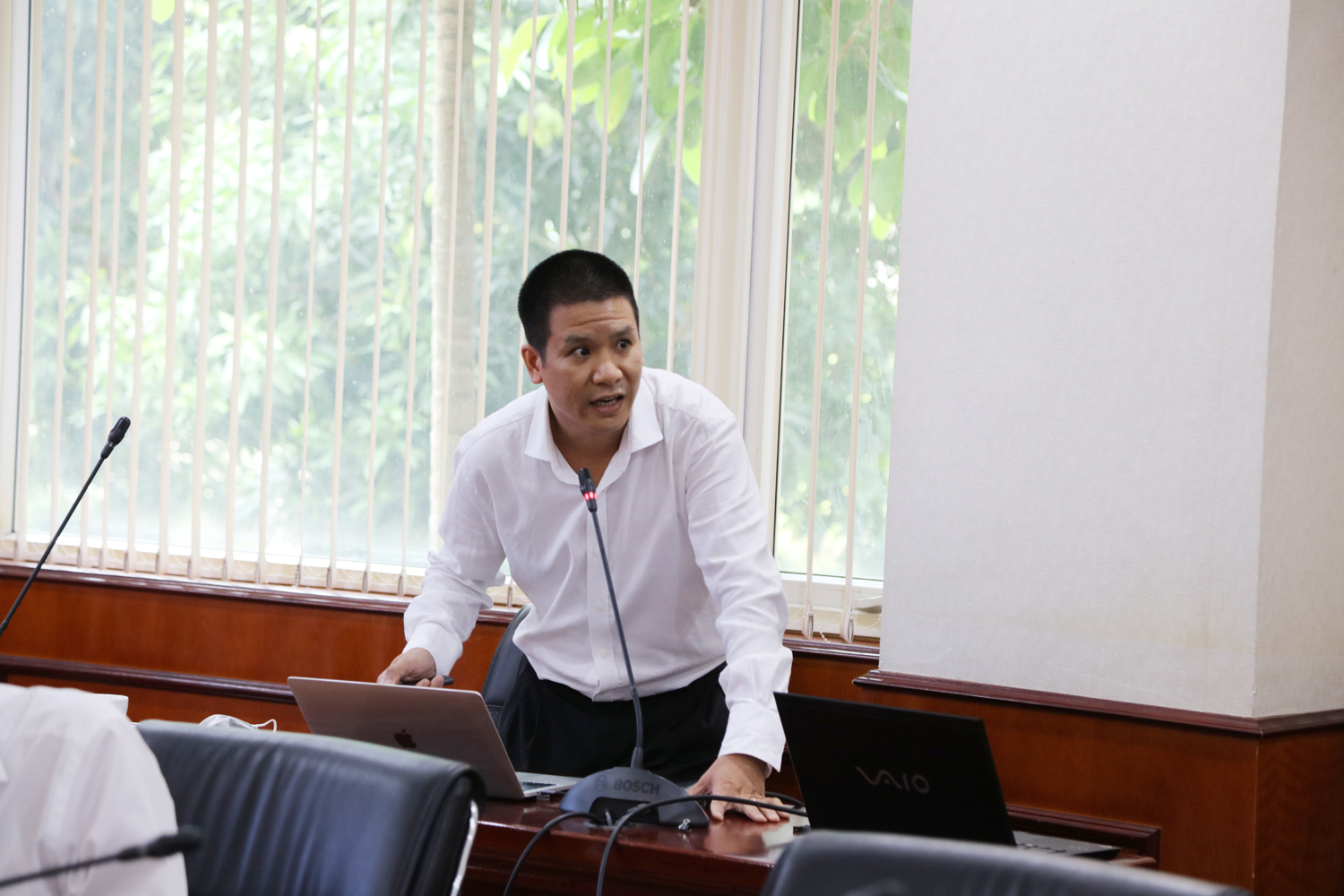
According to Le Trung Thanh, Dean of the International Faculty, the field of Engineering and Technology will have a high demand for human resources in the future.
According to Le Trung Thanh, Dean of the International Faculty, the Faculty of Engineering and Technology is developing its engineering and technology program based on maximizing the strengths of the "One VNU" community's resources: human resources, facilities, relationships, mission, social responsibility, national competitiveness index, and innovation. In particular, basic science resources serve as the foundation for applied science and engineering and technology. The relationship between the fields of Science, Engineering, and Technology, which are strengths of training units within VNU, will serve as a premise for the sustainable development of training programs in the field of Engineering and Technology.
Chairman Le Trung Thanh also affirmed that the development of the sectoral plan meets the needs of scale development and human resource training in the field of Engineering and Technology, contributing to improving national innovation, competitiveness, and science and technology indicators. Along with that, it increases financial resources and growth indicators towards the orientation of Vietnam National University, Hanoi.
Through surveying several training programs at universities offering engineering and technology programs in Vietnam and the region, as well as surveying emerging engineering and technology fields in developed countries such as the USA, Australia, and Finland, the working group of the International Faculty has developed several organizational models.
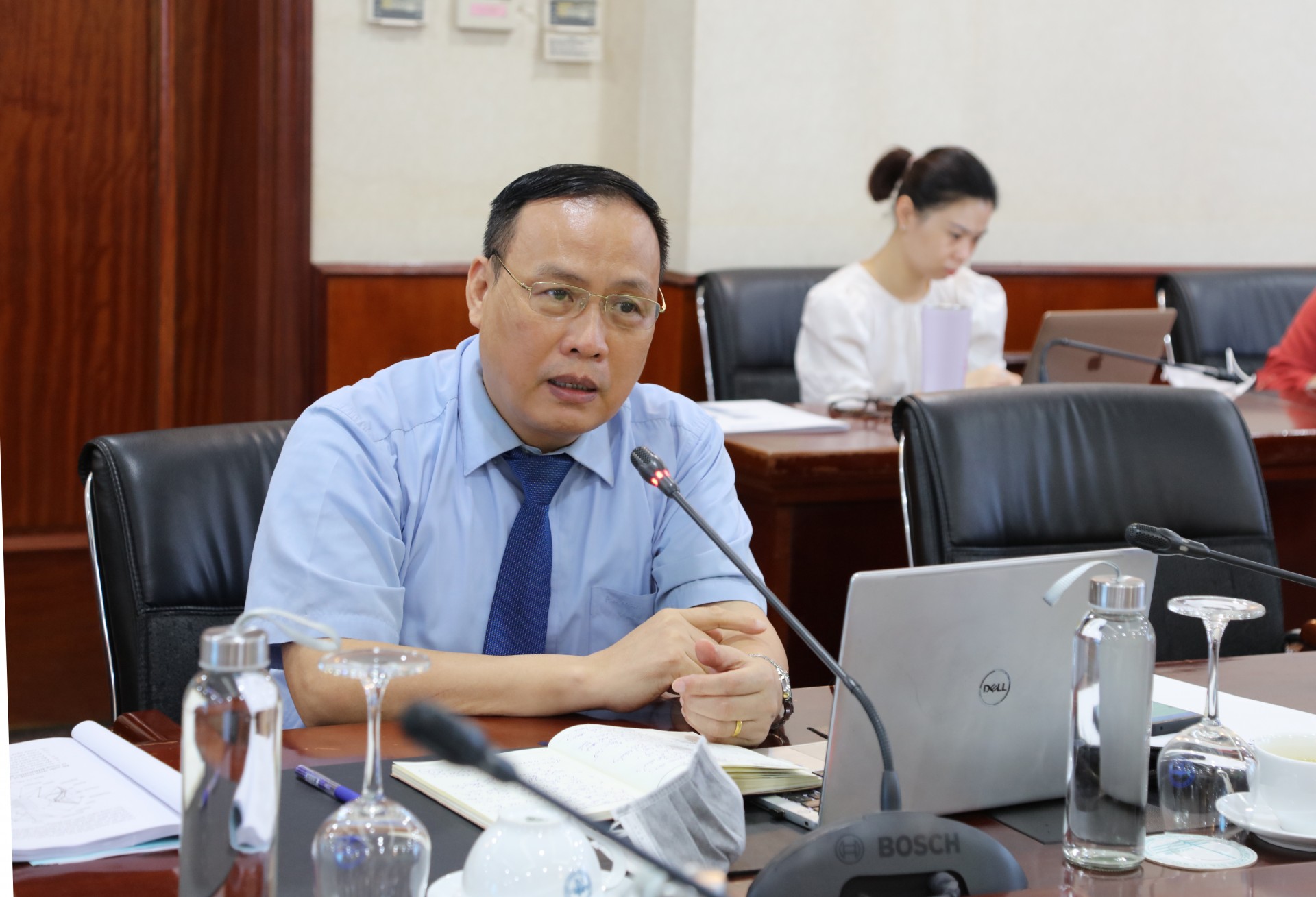
Head of Training Department Nguyen Dinh Duc stated that the planned majors should be consistent with and correspond to the list of the Ministry of Education and Training.
Accordingly, the Institute/Center for Advanced Engineering Training of VNU Hanoi is located in the International Faculty, headed by the Director of the Training Program. Management and financial mechanisms are developed to suit the resources within VNU Hanoi. This allows for attracting a team of skilled experts in the field, including scientists and businesses, to participate in the training program. Simultaneously, research groups and laboratories are established to develop innovative products, projects within the training program and course modules, close cooperation with corporations and businesses, and targeted training based on specific needs and orders.
The International Faculty has evaluated and compared 13 proposed new training programs based on several fundamental factors: the training situation at Vietnam National University, Hanoi; the training situation at universities in Vietnam and abroad; the entrepreneurial potential and innovation development potential of graduates; the potential for contributing to ISI/Scopus publications; quality assurance conditions (facilities, lecturers, experts, etc.); average salary, etc.
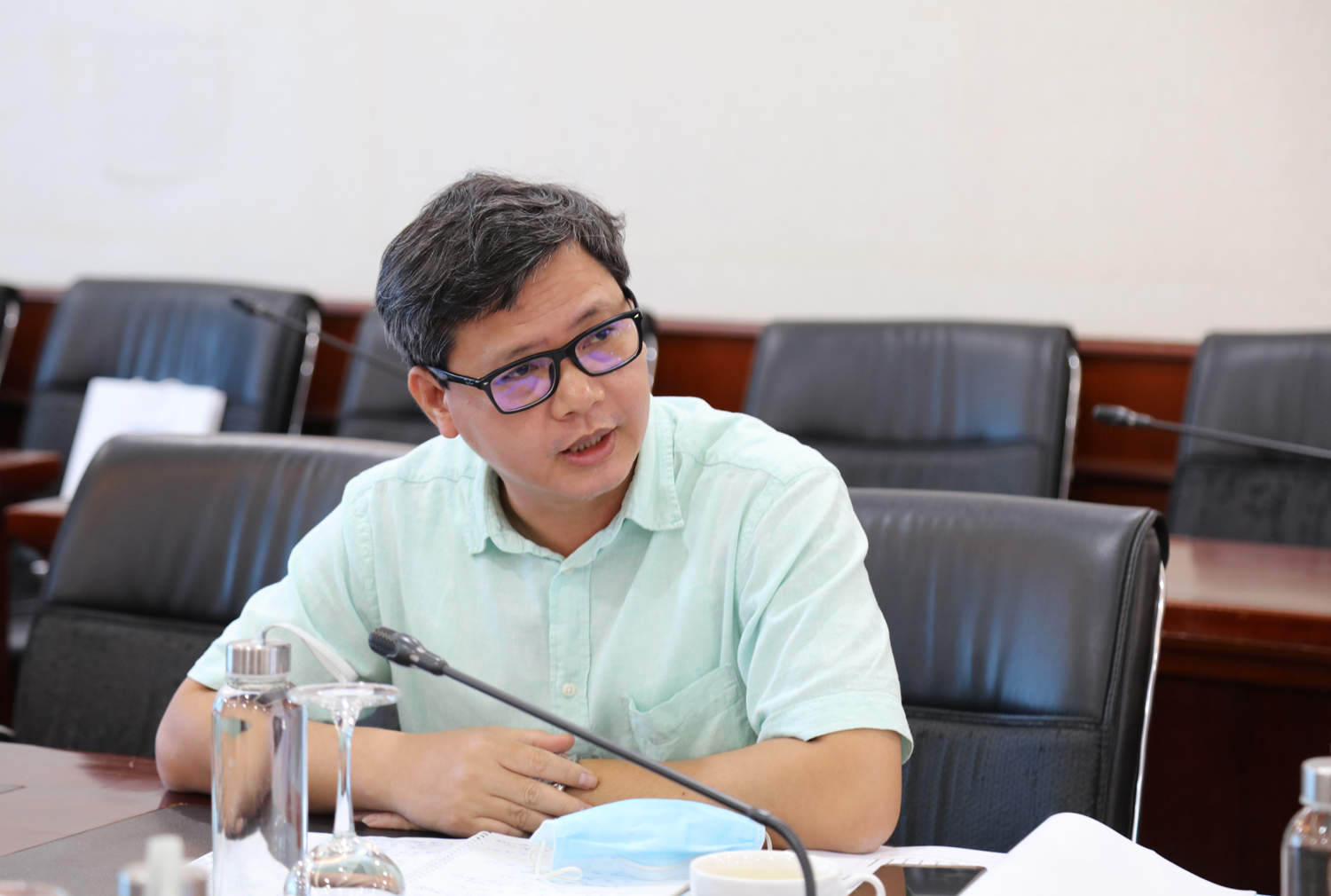
According to Vu Van Tich, Head of the Science and Technology Department, businesses will evaluate training products in the most objective and honest way possible.
The opinions exchanged at the meeting were in agreement with the proposed plan for the Engineering and Technology ngành (field of study) of the International Faculty. However, the delegates also suggested that, during the development and presentation of the plan, the International Faculty should ensure that the orientation for opening a new field is linked to the functions, tasks, and mission of the Faculty. At the same time, the International Faculty needs to clearly identify societal needs, the admission mechanism, and the plan for exploiting and utilizing laboratories and practical training facilities. Furthermore, it is necessary to establish a mechanism for cooperation with corporations and businesses in this field, creating favorable conditions for students to practice and intern at businesses, promoting early access to the professional requirements of the labor market and improving their employability after graduation.
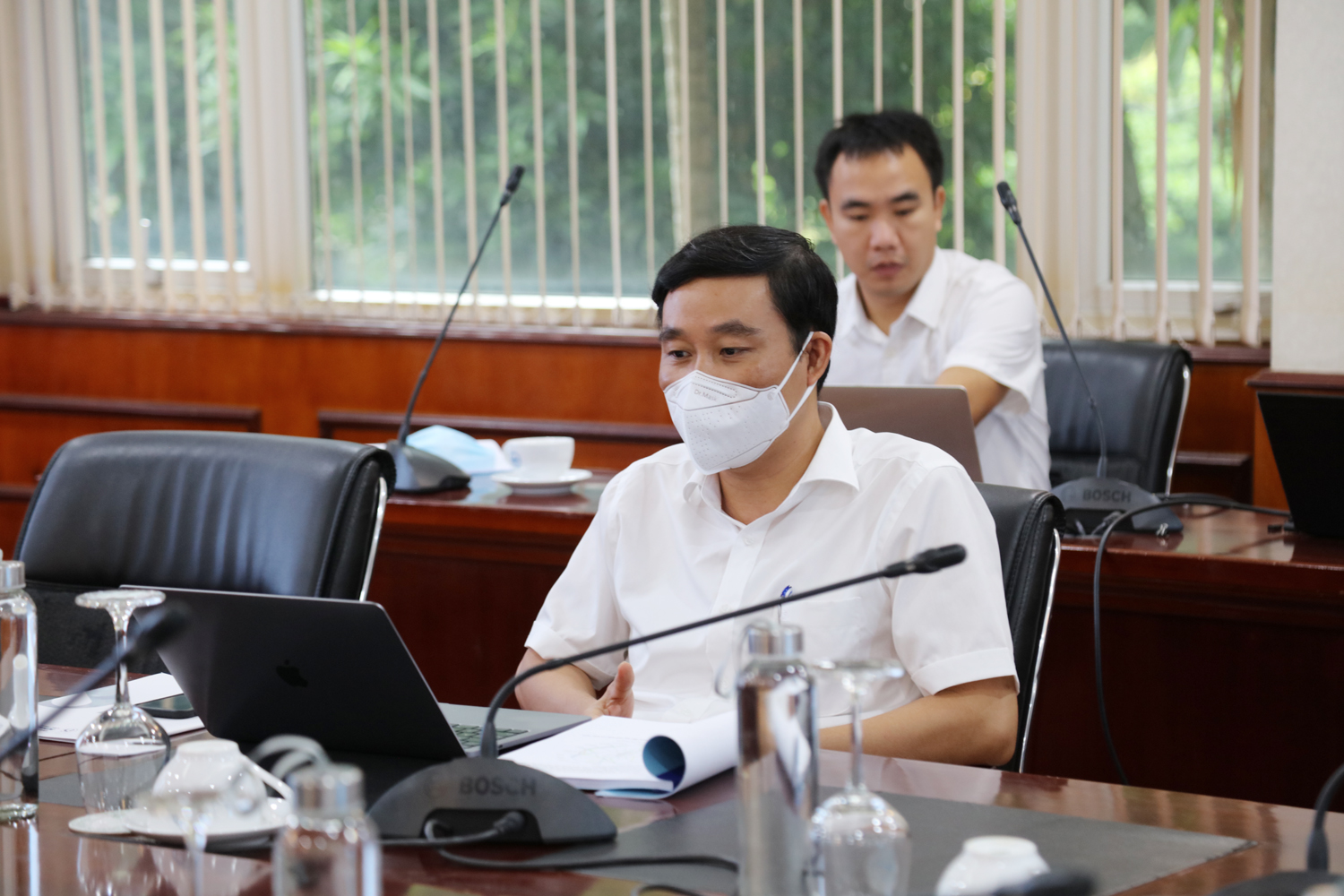
Deputy Director Nguyen Hoang Hai agreed with the One VNU model but emphasized the need to promote the proactive and creative spirit of the unit.
The Permanent Vice Rector of Vietnam National University, Hanoi, Nguyen Hoang Hai, expressed his agreement with the concept of a unified "One VNU" model. However, Vice Rector Nguyen Hoang Hai also suggested that training units need to promote a proactive spirit and creativity. He proposed that, initially, new training programs should be launched in the fields of information technology and artificial intelligence, followed by the development of training programs in renewable energy and biotechnology.
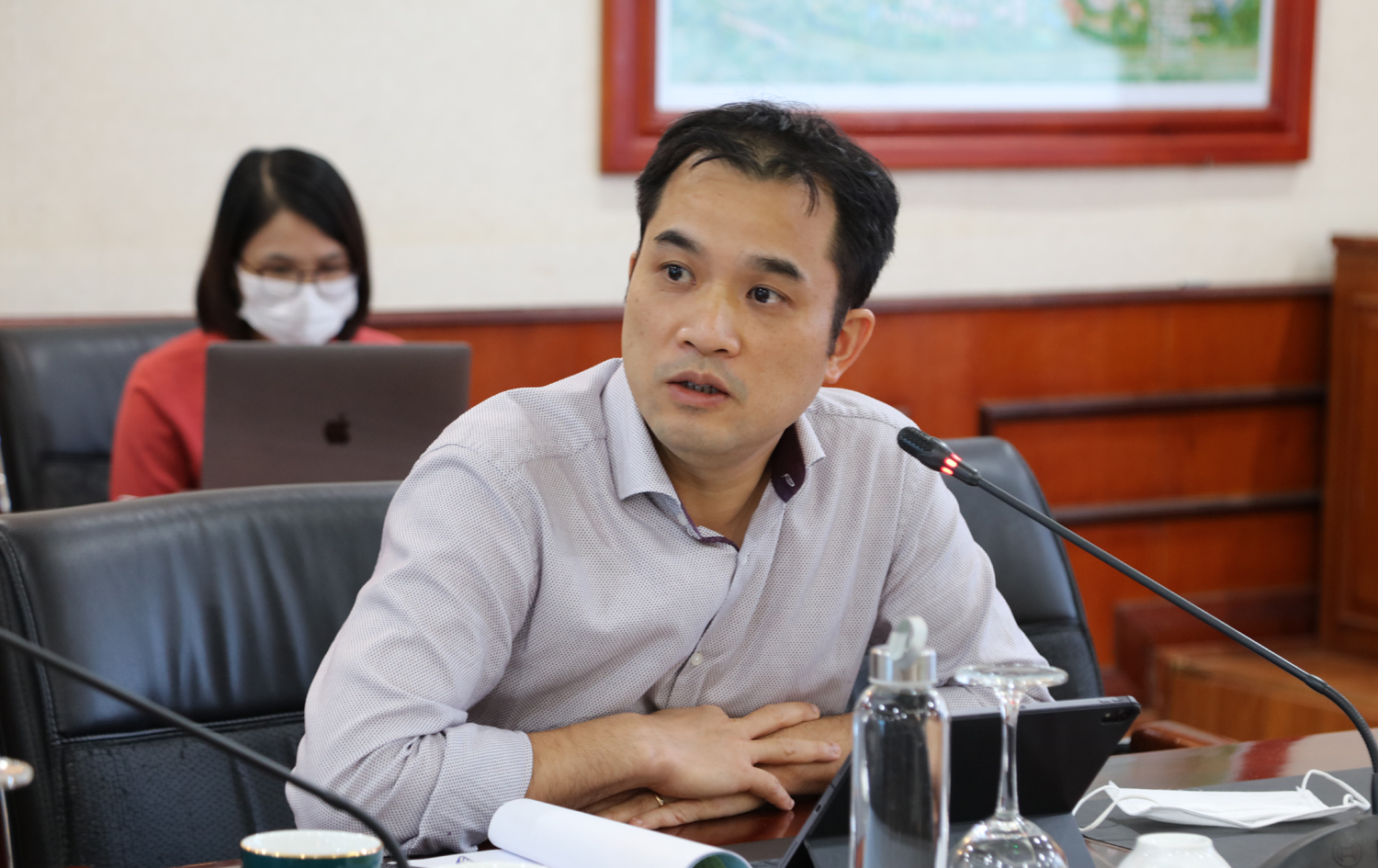
Deputy Director Pham Bao Son emphasized the importance of extensive cooperation between businesses and training institutions.
Vice Rector of Vietnam National University, Hanoi, Pham Bao Son agreed with the policy of promoting the Engineering and Technology ngành and developing a multi-disciplinary, multi-field model within Vietnam National University, Hanoi. Vice Rector Pham Bao Son stated that strengthening opportunities for cooperation and collaboration with training programs will contribute to researching and solving technological problems for corporations and businesses. This is an important step in achieving the goal of linking training with practice and research, and transferring research results to organizations, businesses, and society.
Concluding the meeting, the Director of Vietnam National University, Hanoi, Le Quan affirmed that the university remains steadfast in its goal of maintaining the quality of education, focusing on interdisciplinary and cross-sectoral training programs, prioritizing key areas, and training human resources to meet the needs of the 4.0 labor market. This aims to successfully implement the development strategy of Vietnam National University, Hanoi until 2030, with a vision to 2045, to become a multidisciplinary research university, meeting the basic criteria of a research and innovation university.
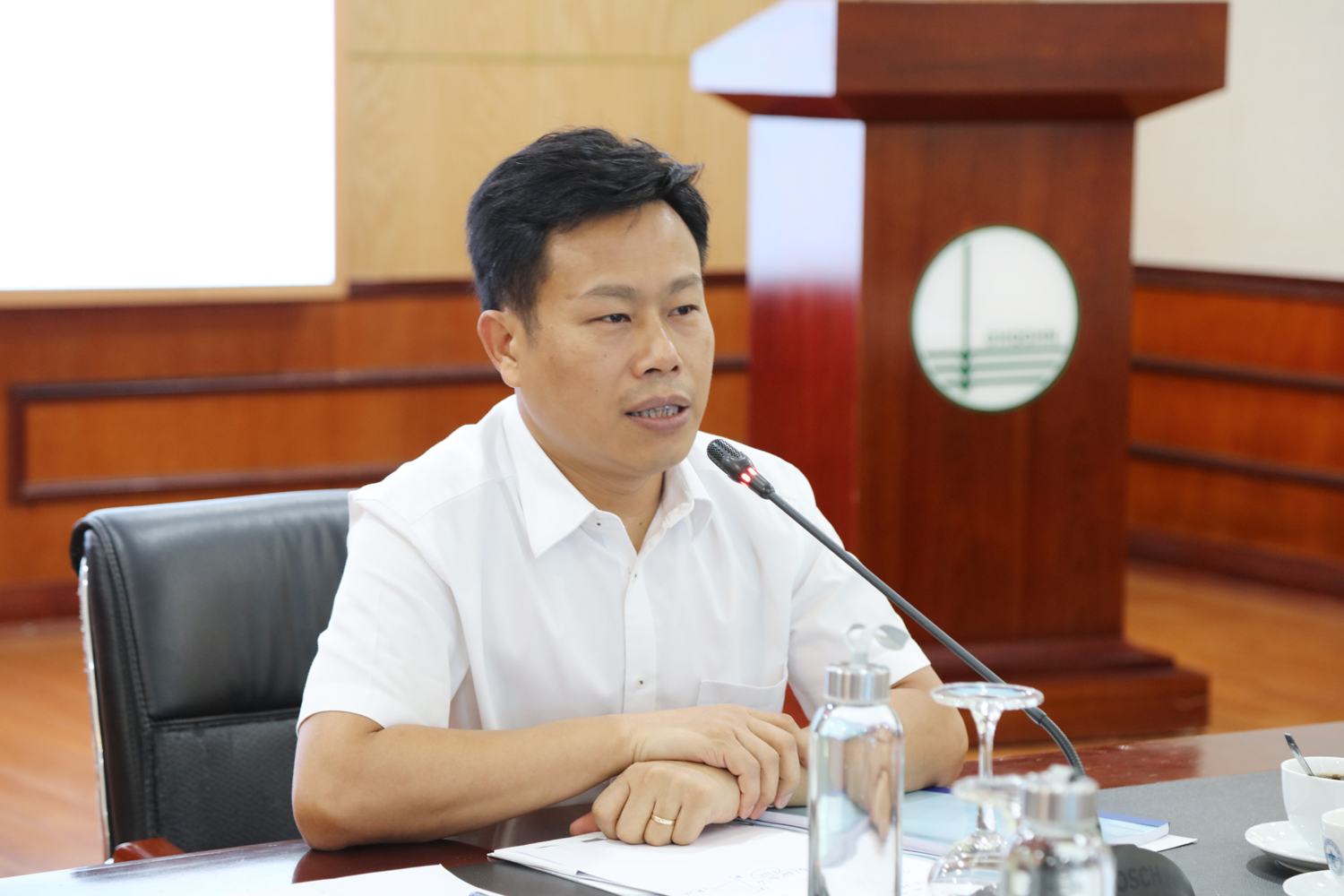
The Director of Vietnam National University, Hanoi, Le Quan, affirmed that the university is steadfast in maintaining its goal of quality education, linking training and research.
Based on the survey results and assessment of the advantages, disadvantages, and human resource needs of the proposed training programs in the field of sectoral planning, Director Le Quan requested the International Faculty to select the 5 most feasible training programs that are suitable for societal needs.
The Director of Vietnam National University, Hanoi (VNU) requested that newly launched training programs be highly internationalized, interdisciplinary, cross-disciplinary, inter-institutional, and cross-institutional. Simultaneously, mechanisms and policies should be developed to attract high-quality, highly qualified human resources, thereby increasing international publication indices, inventions and patents, and improving VNU's sustainable ranking.
Director Le Quan suggested prioritizing key investments and reviewing options to comprehensively improve the system of practical training facilities for technology-related fields within the Vietnam National University Urban Area in Hoa Lac.
Author:Huong Giang - VNU Media
Newer news
Older news

