Tin tức

The University of Social Sciences and Humanities accompanies students on their journey of learning, research, and practical internships.

Monday - January 8, 2024 04:34
In late December 2023, the Faculty of History, University of Social Sciences and Humanities, organized a field trip for all first-year students to Quoc Oai District (Hanoi) and Quang Ninh Province, comprising three groups of approximately 30 students each. This is an annual activity, part of the curriculum for history students, and is given great attention by the University's Board of Directors. On December 26, 2023, following the direction of the Board of Directors, representatives from various departments and the Faculty of History visited and encouraged the history students participating in the field trip.

Practical internships not only enhance students' in-depth professional knowledge but also develop essential soft skills.

Upon arriving at the archaeological excavation site, the delegation listened to presentations from faculty members representing the History Department and those in charge of professional work, who shared insights into the cultural and historical values ​​of the relics. In particular, the faculty had the opportunity to meet and listen to the students share their thoughts, feelings, and joyful and sad memories from their two-week practical research and study period in the area.
 
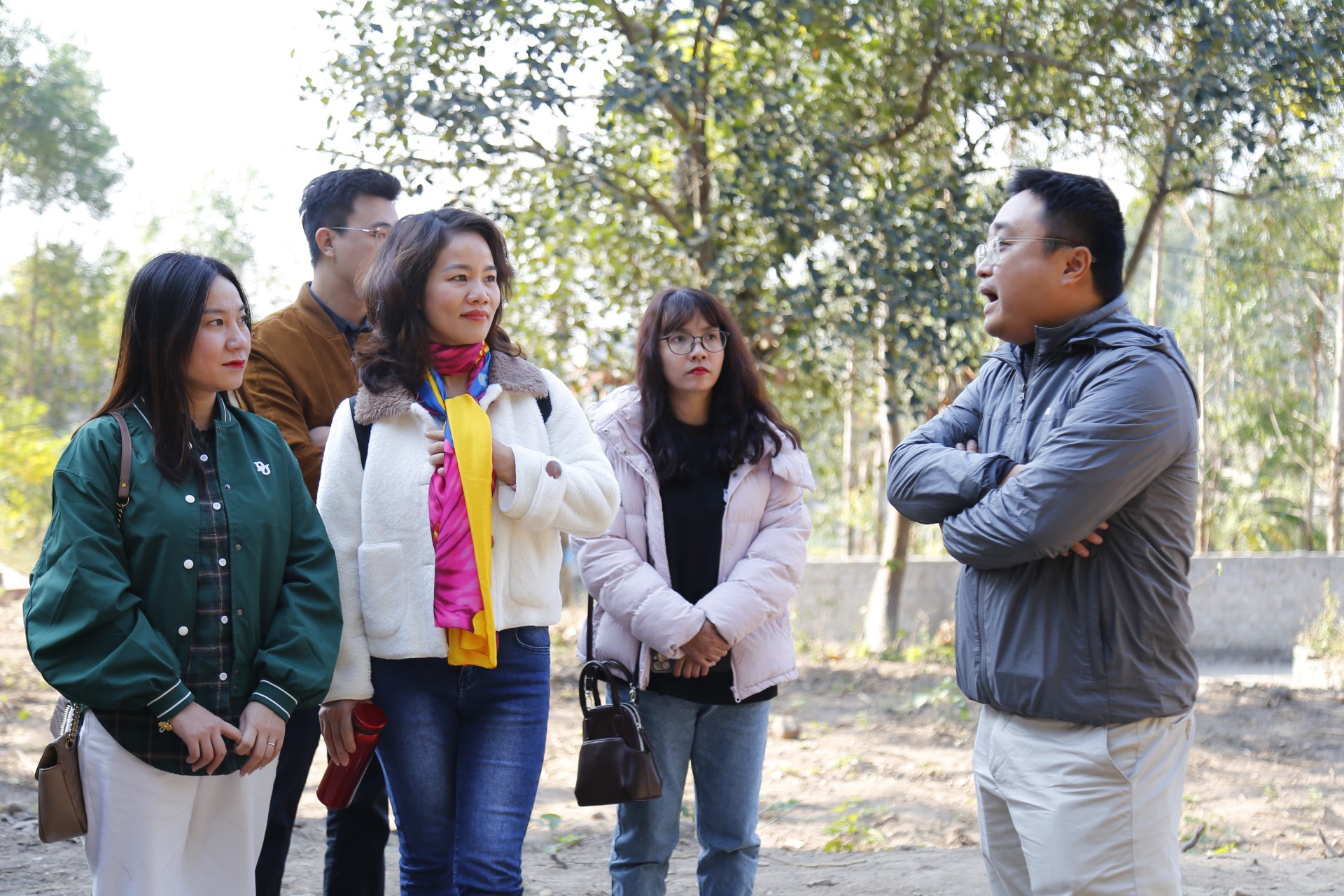
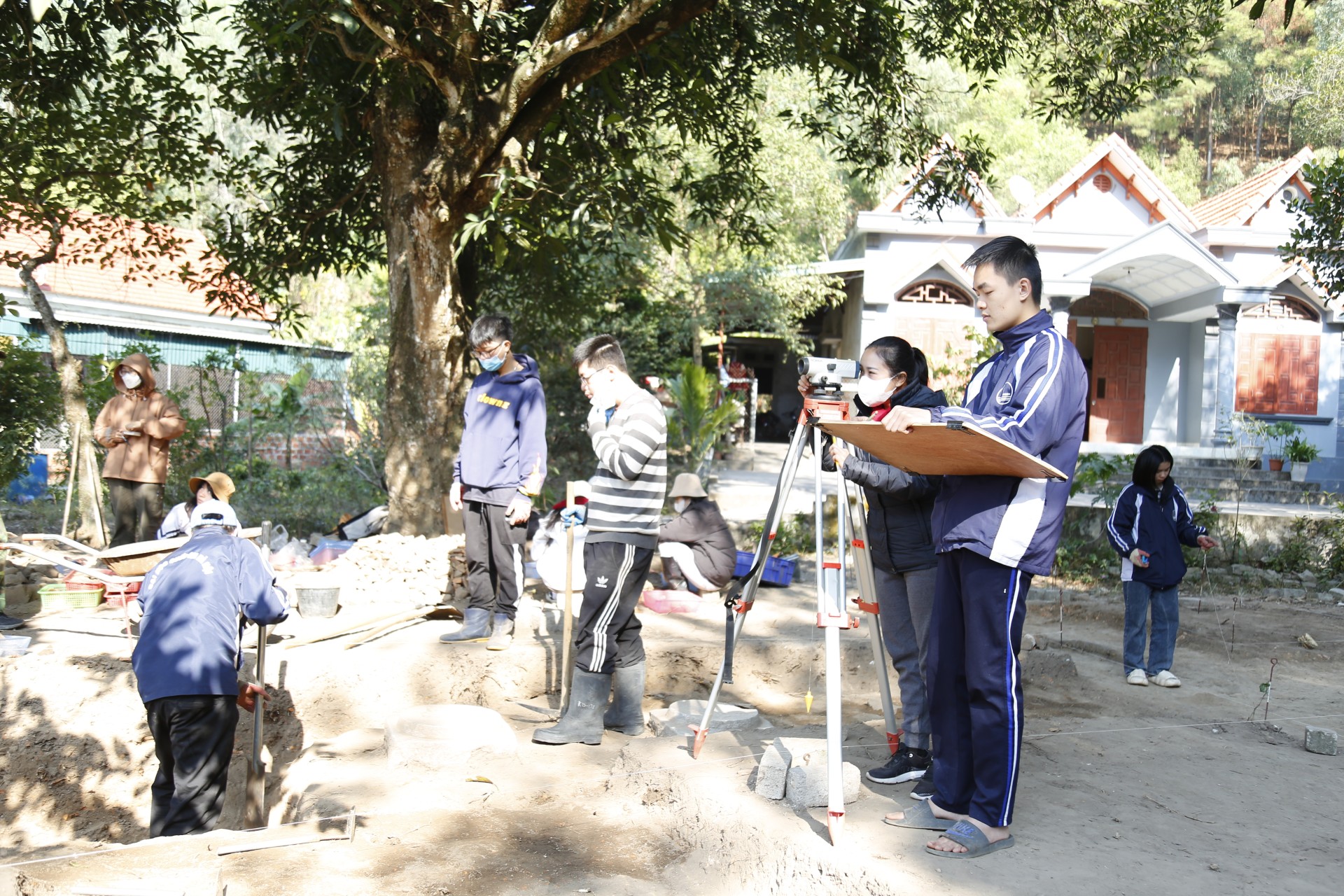
Associate Professor Pham Van Thuy - Deputy Head of the History Department, welcomed the lecturers to visit the students participating in internships at Ham Long Pagoda (Group 1 (Queo Hamlet), Zone 1, Dai Yen Ward, Ha Long City) and Yen Duong historical site (Yen Duong village, Hong Thai Dong commune, Dong Trieu town).
MG 1097
Associate Professor Pham Van Thuy - Deputy Head of the History Department, shared his thoughts on the significance of professional internship activities in the curriculum for history students.

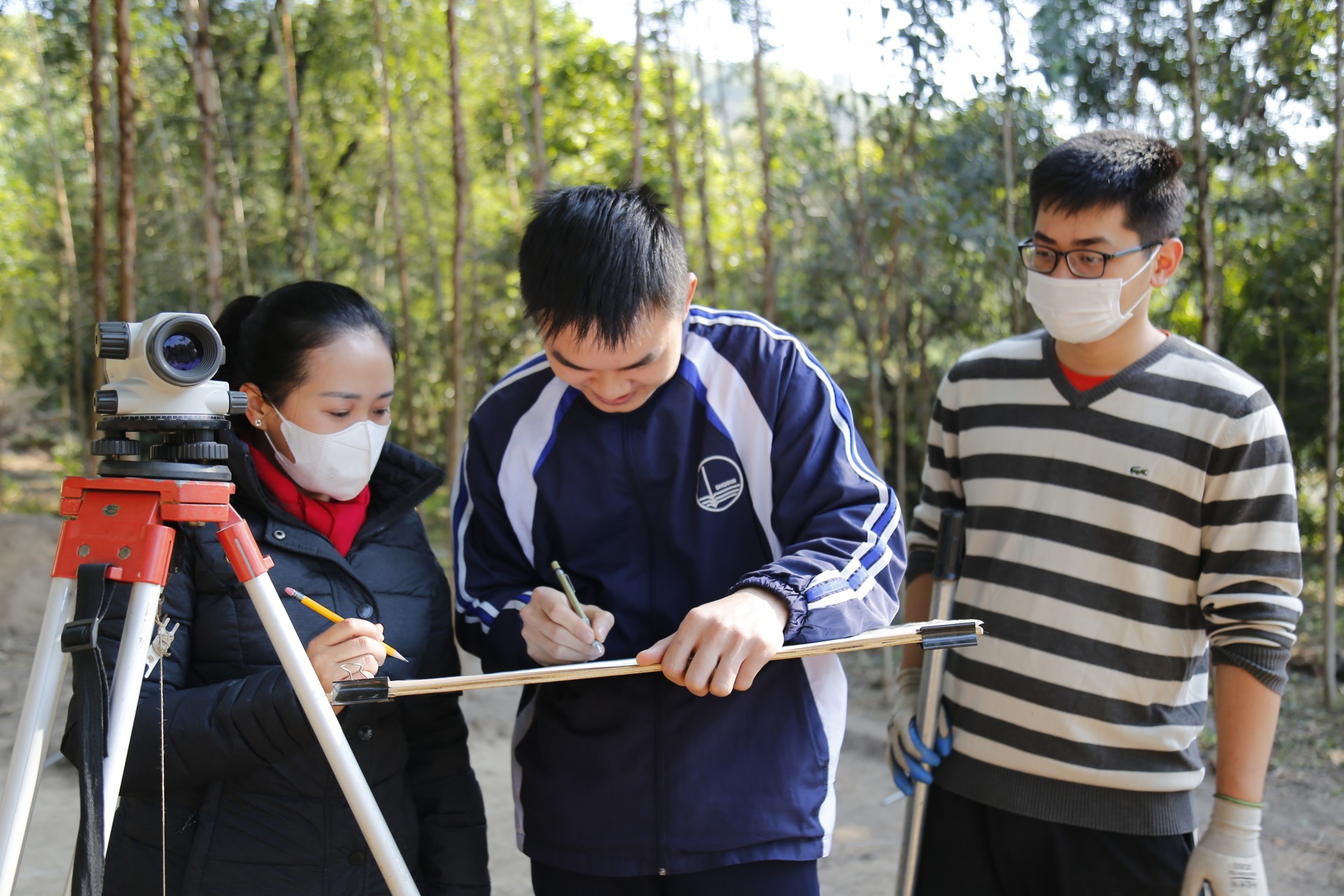
Regarding the objectives of the internship, a representative from the History Department shared: This is a course designed in the History curriculum for first-year students, titled "Professional Internship," consisting of two credits. Students will spend 10 to 15 days on fieldwork. Through this internship, History students will work directly at archaeological sites and artifacts, initially familiarizing themselves with the procedures and techniques of an archaeologist: from digging trenches, measuring, drawing diagrams, conducting excavations, to classifying artifacts, observing and dating them. This will enrich their knowledge of national historical periods that they have only learned from books, and further cultivate their scientific understanding of the value of historical documents and artifacts in historical research.
In addition, practical internships are excellent opportunities for students to develop and hone important skills: professional skills and procedures, communication skills, teamwork skills, and to cultivate the meticulousness, seriousness, and diligence of a researcher.
During their internship, students will have the opportunity to work with experts in their field, providing a chance to learn from experienced professionals, build valuable connections, and determine the specialization they will pursue in the future.
 
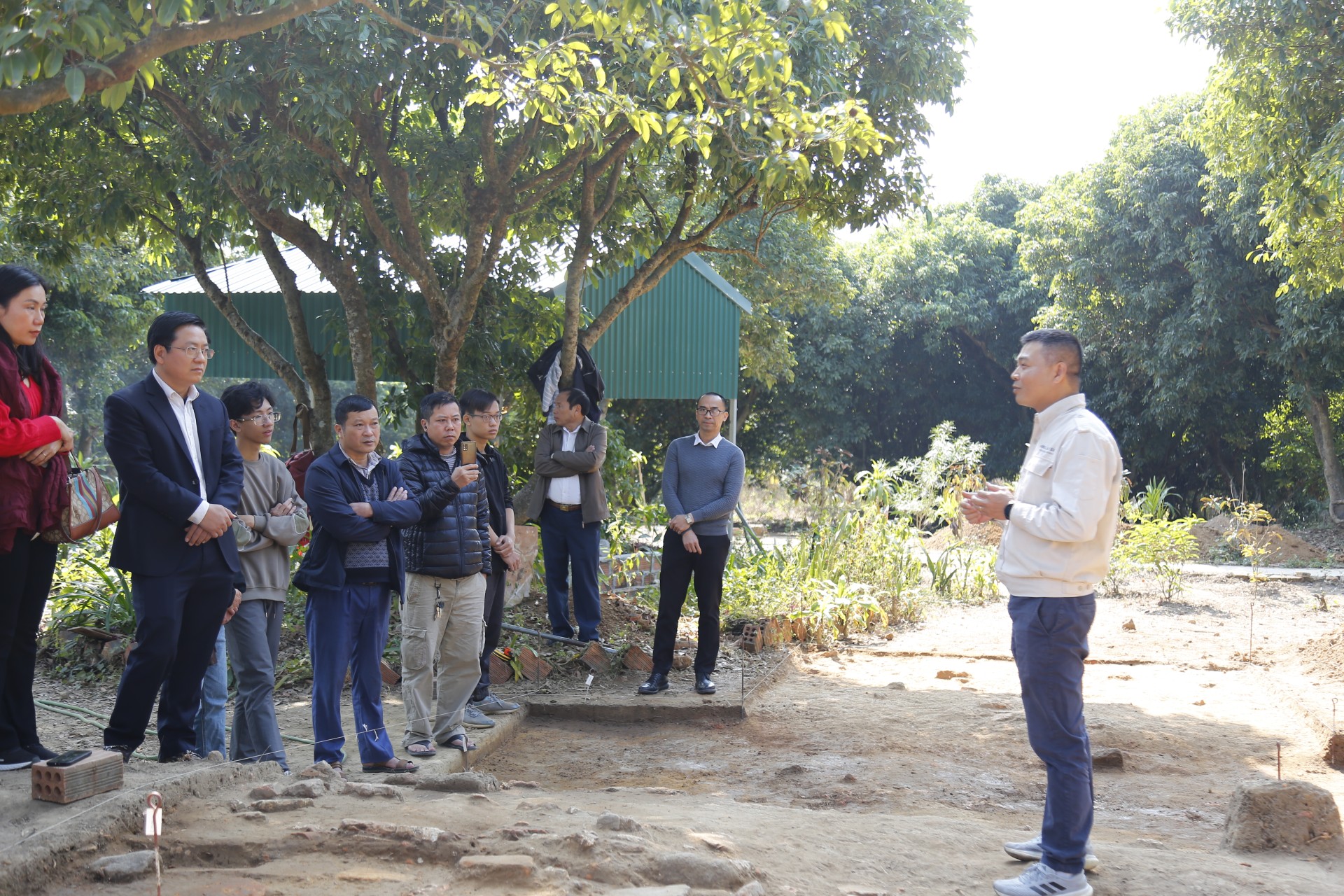
Regarding the value of the relic, Mr. Hoang Van Diep (lecturer in Archaeology, Faculty of History) further shared: Ham Long Pagoda is an important Buddhist relic that has existed for a long period, with the earliest traces dating back to the Tran Dynasty, and subsequently rebuilt several times during the Le Trung Hung period. Along with Van Trieu Pagoda and Loi Am Pagoda, it was one of the famous pagodas of the ancient Hai Dong region. Researching Ham Long Pagoda aims to clarify the scientific basis for planning, preservation, and restoration. For historical research, the excavation results here will contribute to providing tangible historical data on the architecture and construction techniques of the Le Trung Hung period, and the development of Buddhism during this time.
MG 1071
Mr. Hoang Van Diep shared some information about the Ham Long Pagoda historical site.
Regarding the Yen Duong site, historical documents about the Tran Dynasty currently mention place names such as An (Yen) Sinh, An (Yen) Duong... Of these, Yen Sinh has been clarified and specifically identified, but Yen Duong has not. Therefore, excavating this site could clearly identify the place name Yen Duong, and at the same time contribute to providing more evidence about the architecture of the Tran Dynasty.
MG 1150
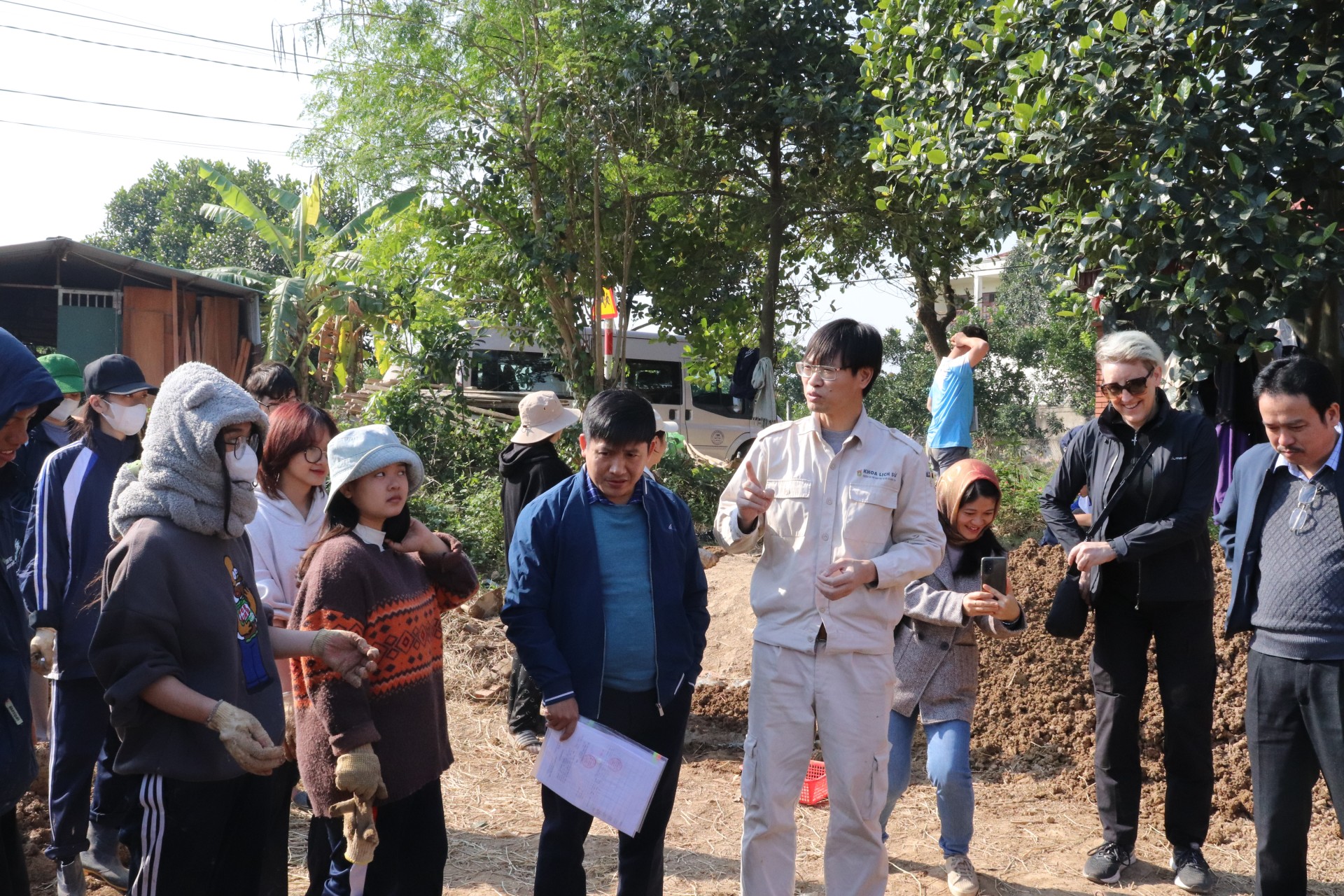
Dr. Nguyen Van Anh (lecturer in the History Department) shared general information about the excavation site.

Associate Professor Dr. Dang Hong Son, Deputy Head of the History Department and an expert in the field of archaeology, emphasized: More importantly, the results and practical training of the students will make significant contributions to the overall research conducted by professionals at the sites. The artifacts recovered during excavations will be classified and then displayed at the museum, serving as valuable reference materials; they will also be an important basis for proposing projects on the protection and preservation of historical sites to higher-level experts. The image of the students working diligently every day, as well as their interactions and close relationships with the local people, also contributes to raising awareness among local residents about the importance and skills in identifying and preserving cultural relics and artifacts of historical value.
IMG 0573
Associate Professor Dr. Dang Hong Son shared with the teachers in the working group some general information about the value of Thanh Quen relic and the excavation site.
 
"With archaeological discoveries from 1969 to the present, historians and historical geographers believe that Quen Citadel (Quoc Oai – Hanoi) may have been the administrative center during the Northern domination period and the operational area of ​​the Trung Sisters. Therefore, continued research will provide more reliable evidence to clarify the scale, nature, age, and location of the Quen Citadel site in the history of the first 10 centuries AD in Hanoi in particular and Northern Vietnam in general, helping to decipher many historical issues."—Associate Professor Dr. Dang Hong Son stated.
IMG 0583
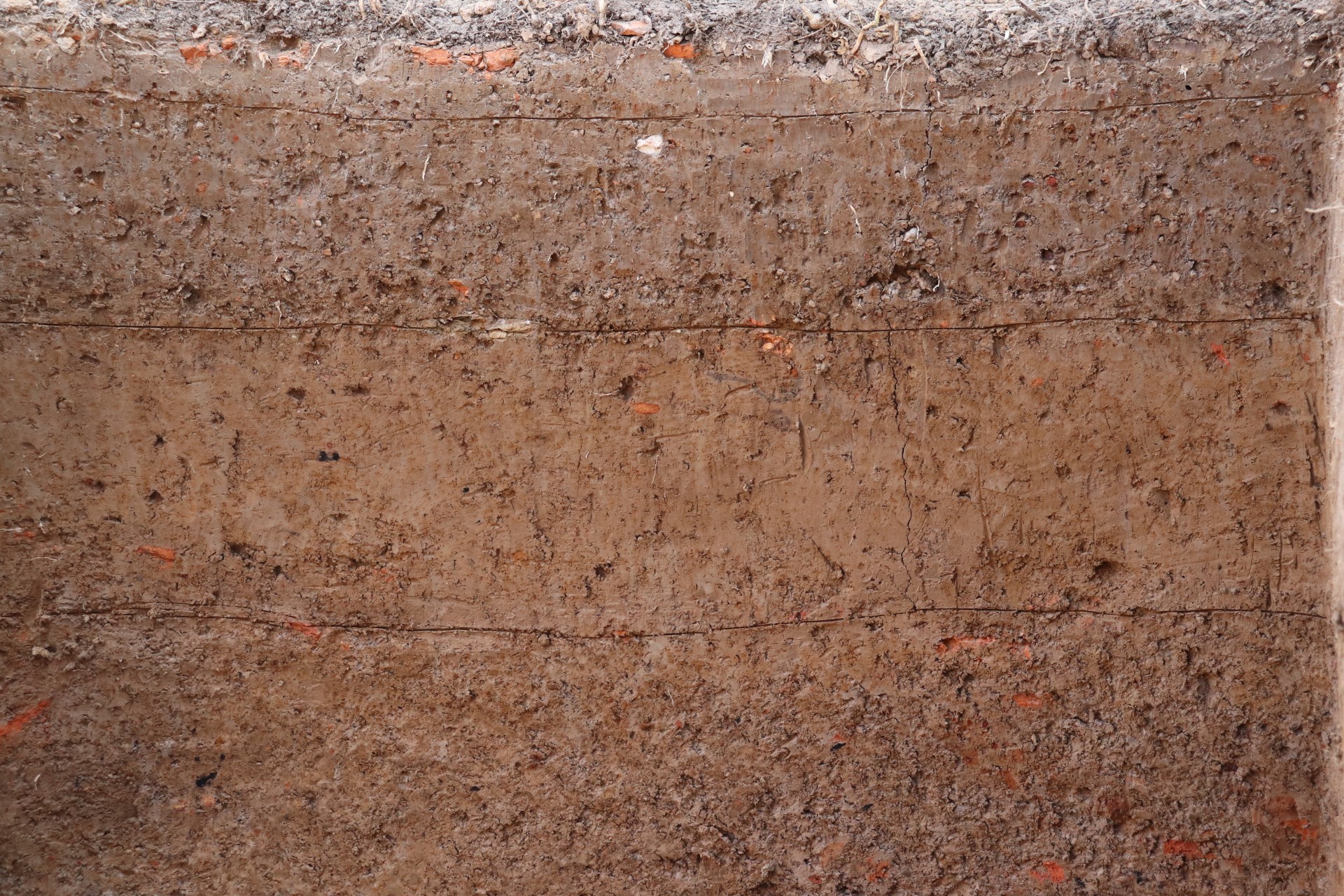
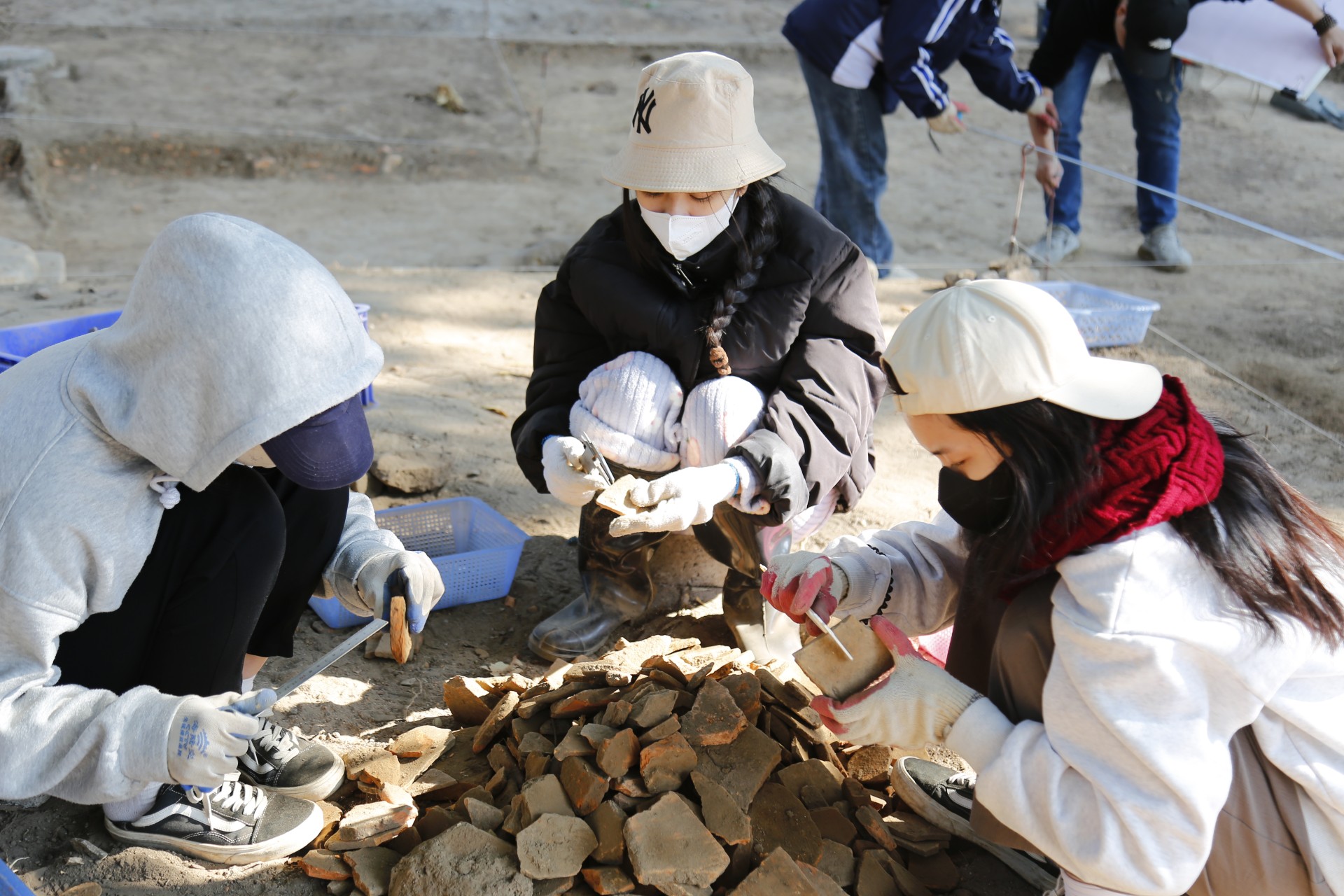
The cultural layer unearthed numerous artifacts of bricks and tiles from the Northern Dynasties period at the Thanh Quen relic site.
IMG 0581
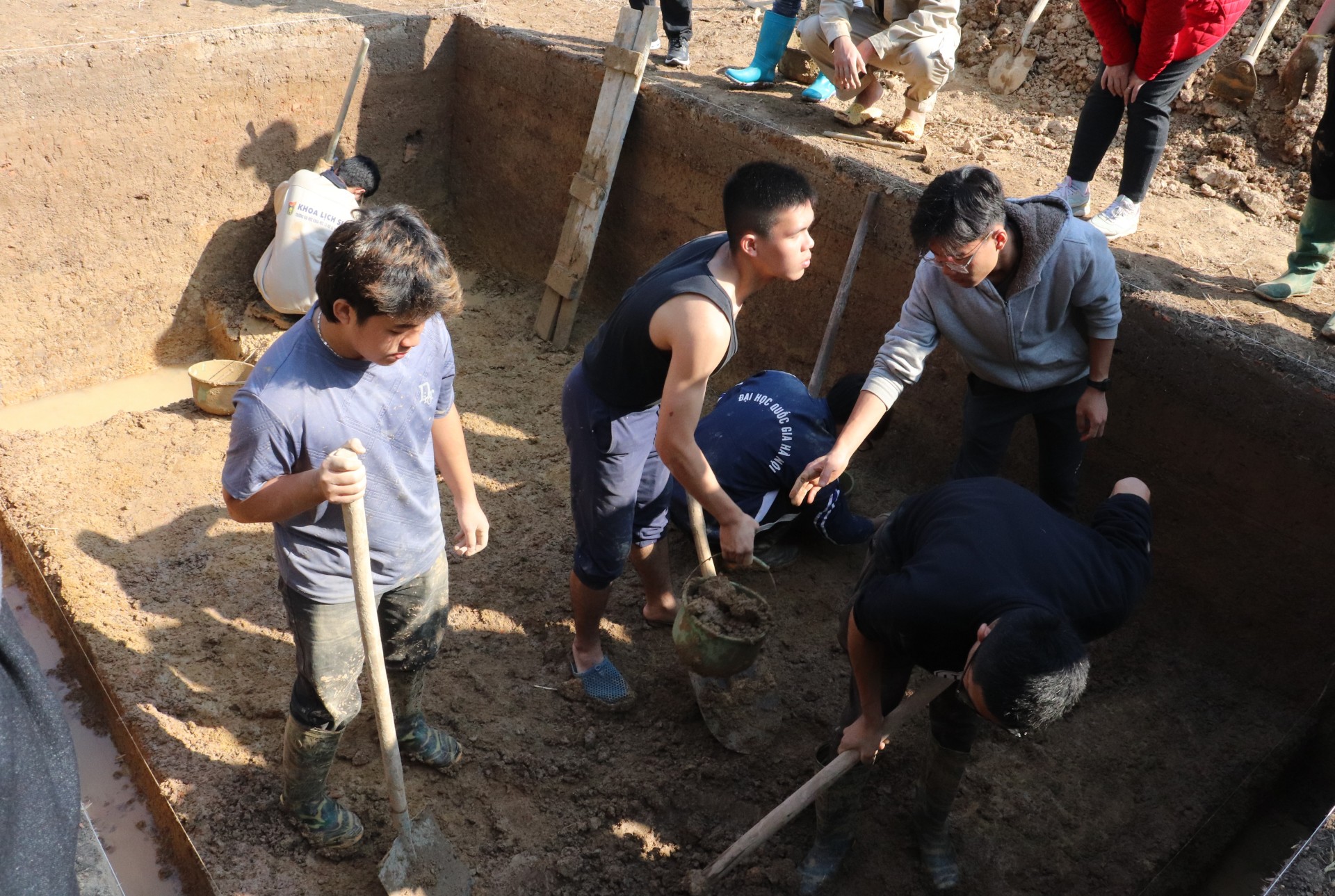
The students in the archaeological internship group are moving layers of soil from the bottom of the pit to the surface to sift through the artifact fragments.
IMG 0578
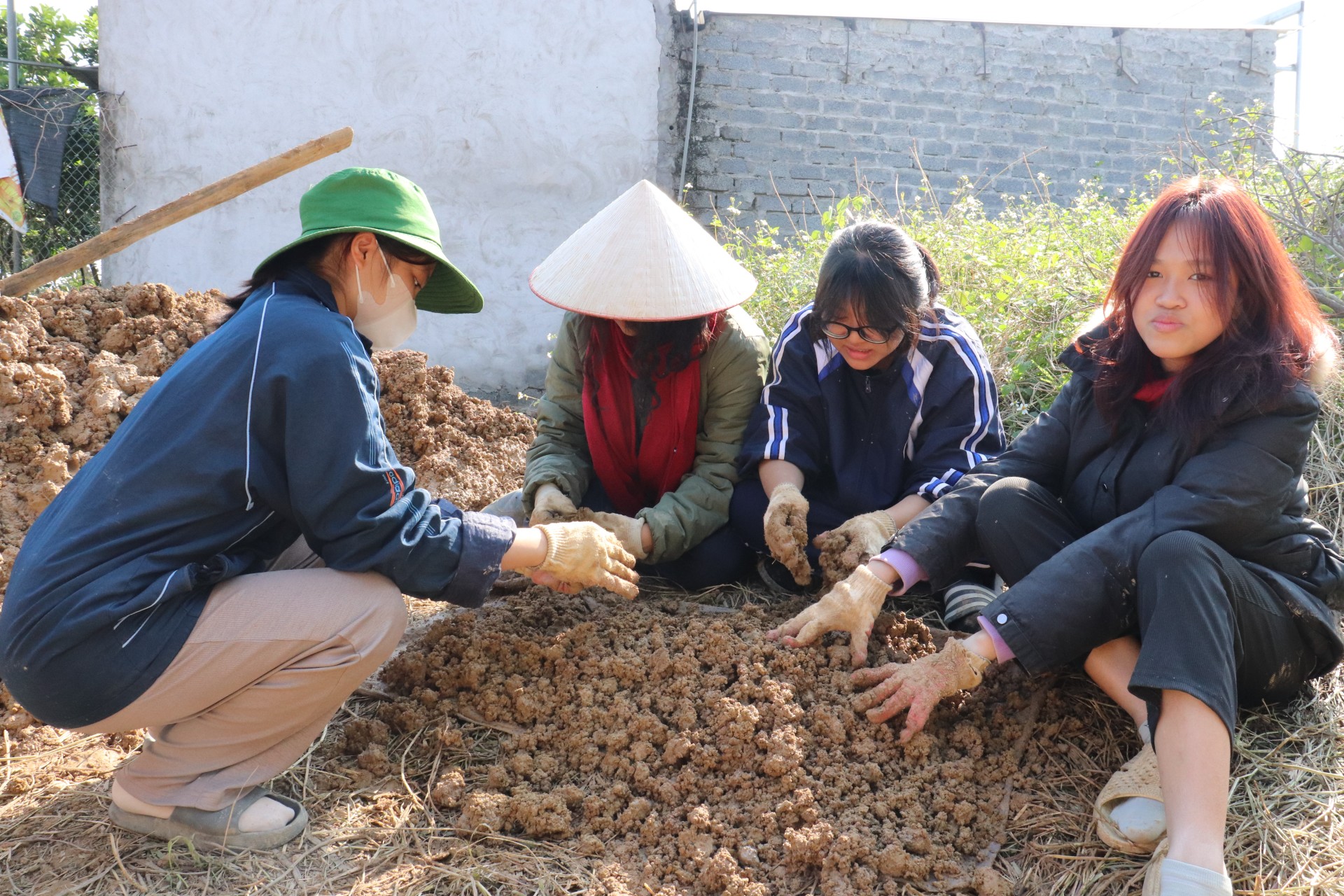
Sifting through layers of soil for artifacts is a task that requires care, meticulousness, and perseverance.
IMG 0614
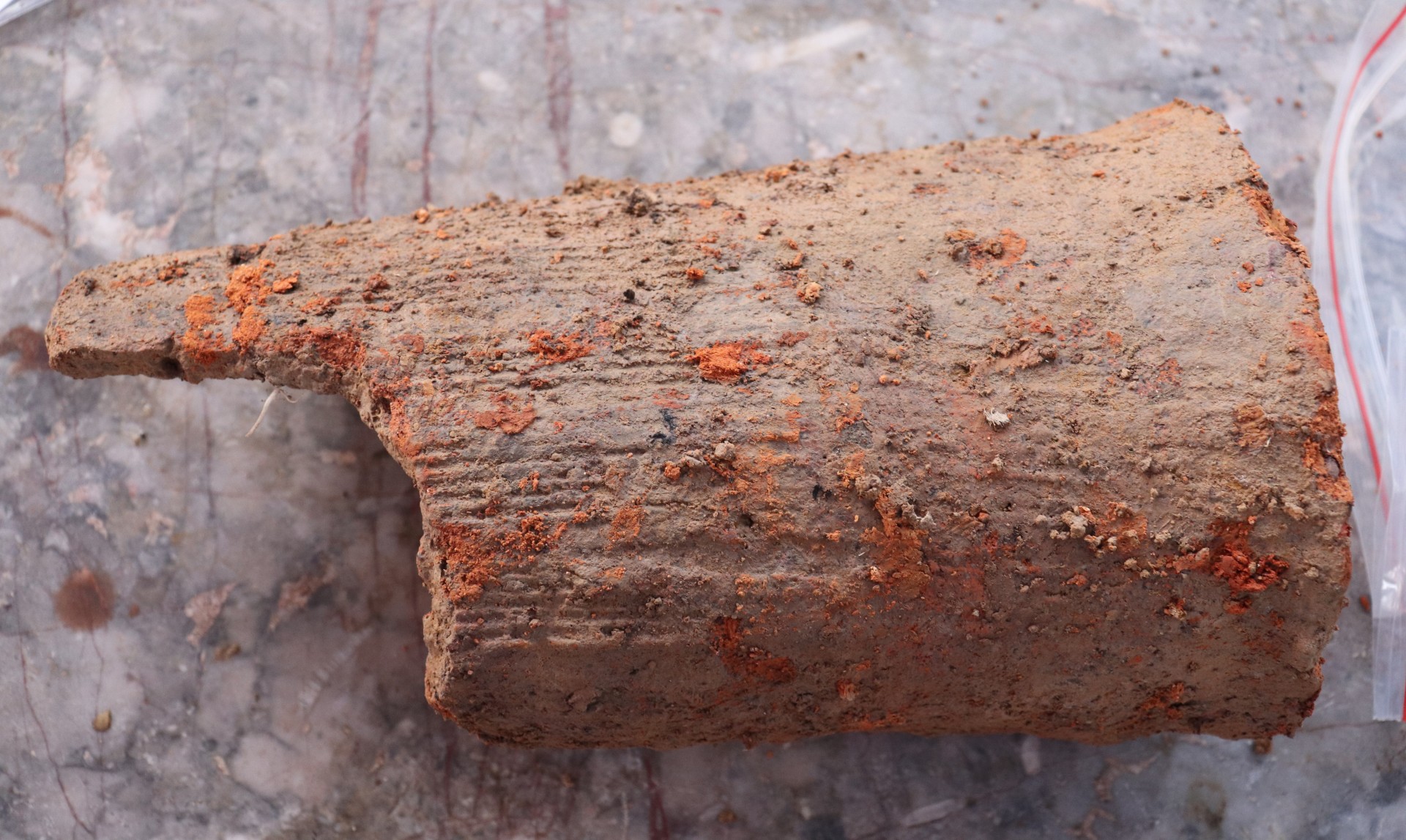
Artifacts: tubular roof tiles from the Northern Dynasties period.
IMG 0611
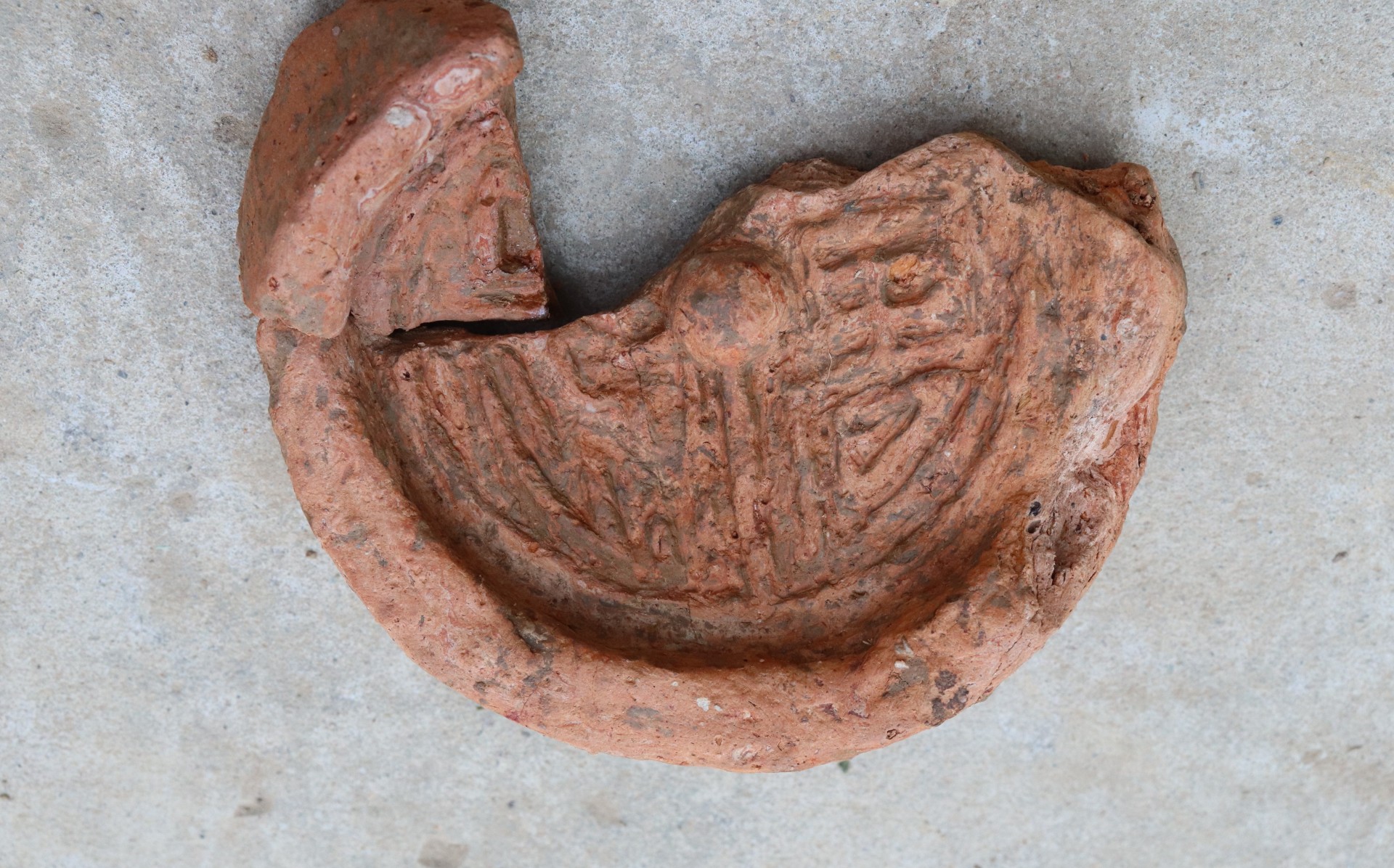
An artifact, a roof tile bearing the inscription "Van Tue" (Long Live), was found in an excavation pit at the Thanh Quen historical site.
 

The University of Social Sciences and Humanities always encourages and supports students' practical internship activities.

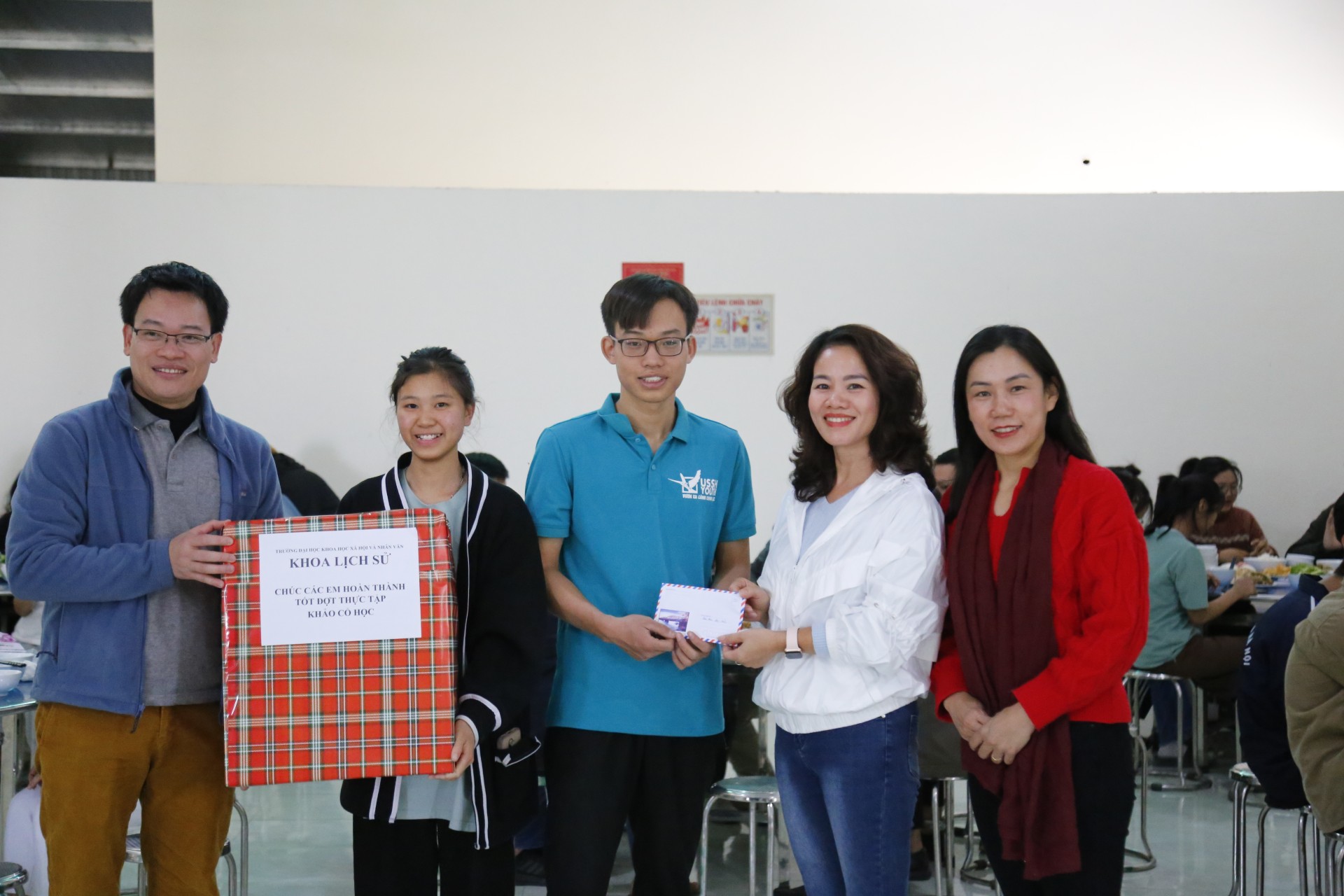
On behalf of the University's delegation visiting the students on their internship, Ms. Kim Thi Diep Ha, Head of the Planning and Finance Department, stated: "Practical internships are not just a course that helps students hone their professional knowledge; they are also a time for students to connect, share, and learn from each other. The work and professional nature of the course may not be easy, especially for many first-year students who are away from home for the first time and may feel a bit lost; but practical internships will help them improve their ability to apply the knowledge they have learned to practice, becoming experiences that will stay with them throughout their lives. Although the time is not long, many students will certainly mature significantly in both awareness and skills."
The school's Board of Directors places great emphasis on and promotes practical training and real-world research in the education process. Therefore, the school always supports and is ready to accompany and share with students throughout their learning journey at the school, as well as during their research trips and internships in the local area.
(Photo: Ms. Kim Thi Diep Ha, M.Sc., presenting a gift of encouragement from the school, wishing all teachers and students participating in the internship good health and excellent completion of their tasks.)
IMG 0655 copy
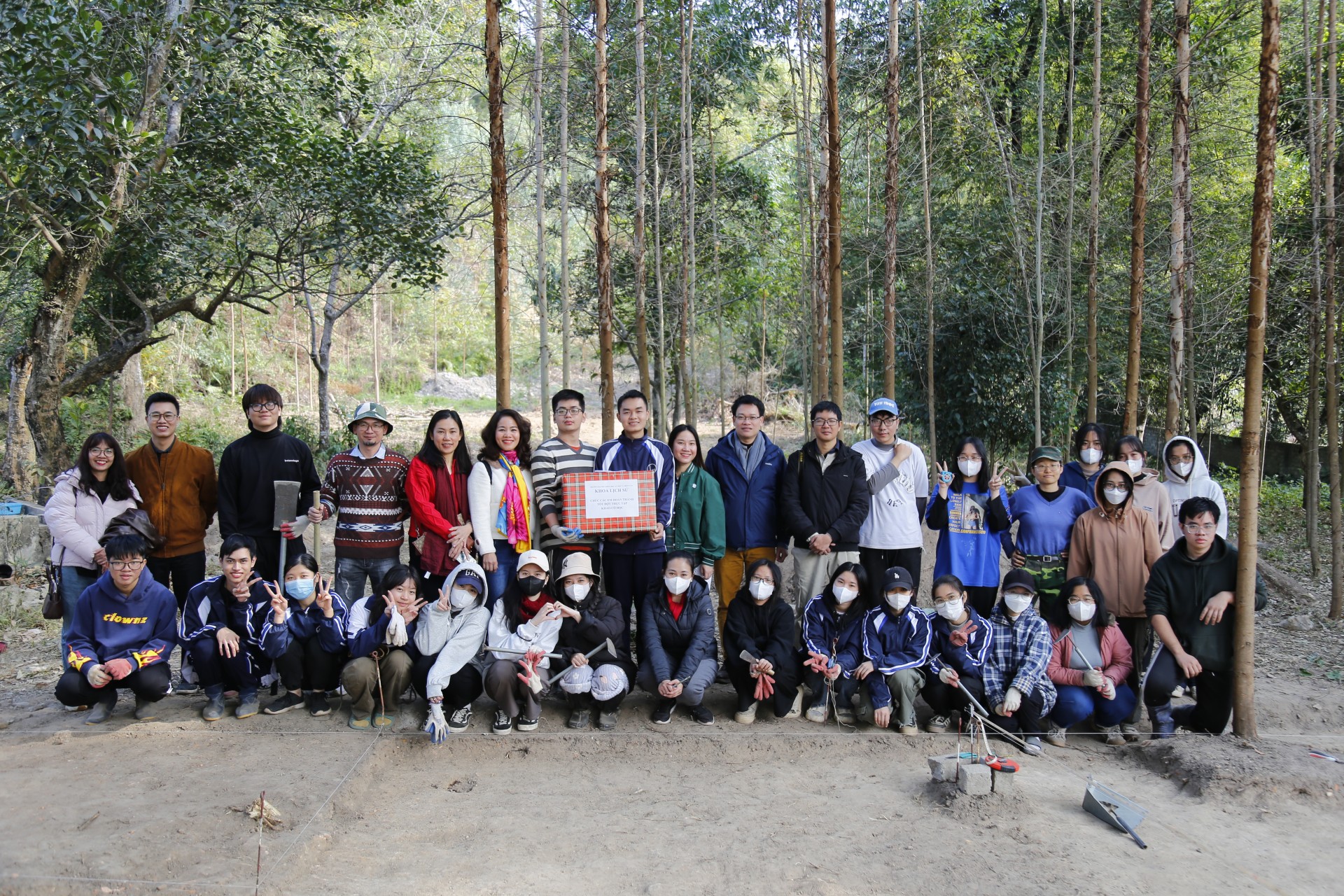
Dr. Dinh Tien Hieu – Deputy Head of the Student Affairs and Student Support Department, along with teachers from the Training Department, the Student Affairs and Student Support Department, and the Faculty of History, also sent their best wishes and small gifts to the students participating in the excavation at Thanh Quen relic site (Co Hien village, Tuyet Nghia commune, Quoc Oai district, Hanoi city).
IMG 0660 copy
Representatives from the Faculty of History presented gifts to students participating in archaeological internships in Quoc Oai, Hanoi.
On behalf of the faculty and students participating in the internship and practical training program, Assoc. Prof. Dr. Dang Hong Son – Vice Head of the History Department – ​​expressed his deep gratitude to the Board of Directors, the faculty leaders, and the staff of the functional departments for their close attention, support, and companionship in the Faculty's training activities. Cherishing this gift and warm sentiment, the faculty and students will do their best to complete their work and contribute to spreading the friendly and serious image of Hanoi University of Humanities to the local people in the areas where the group is conducting their internship.
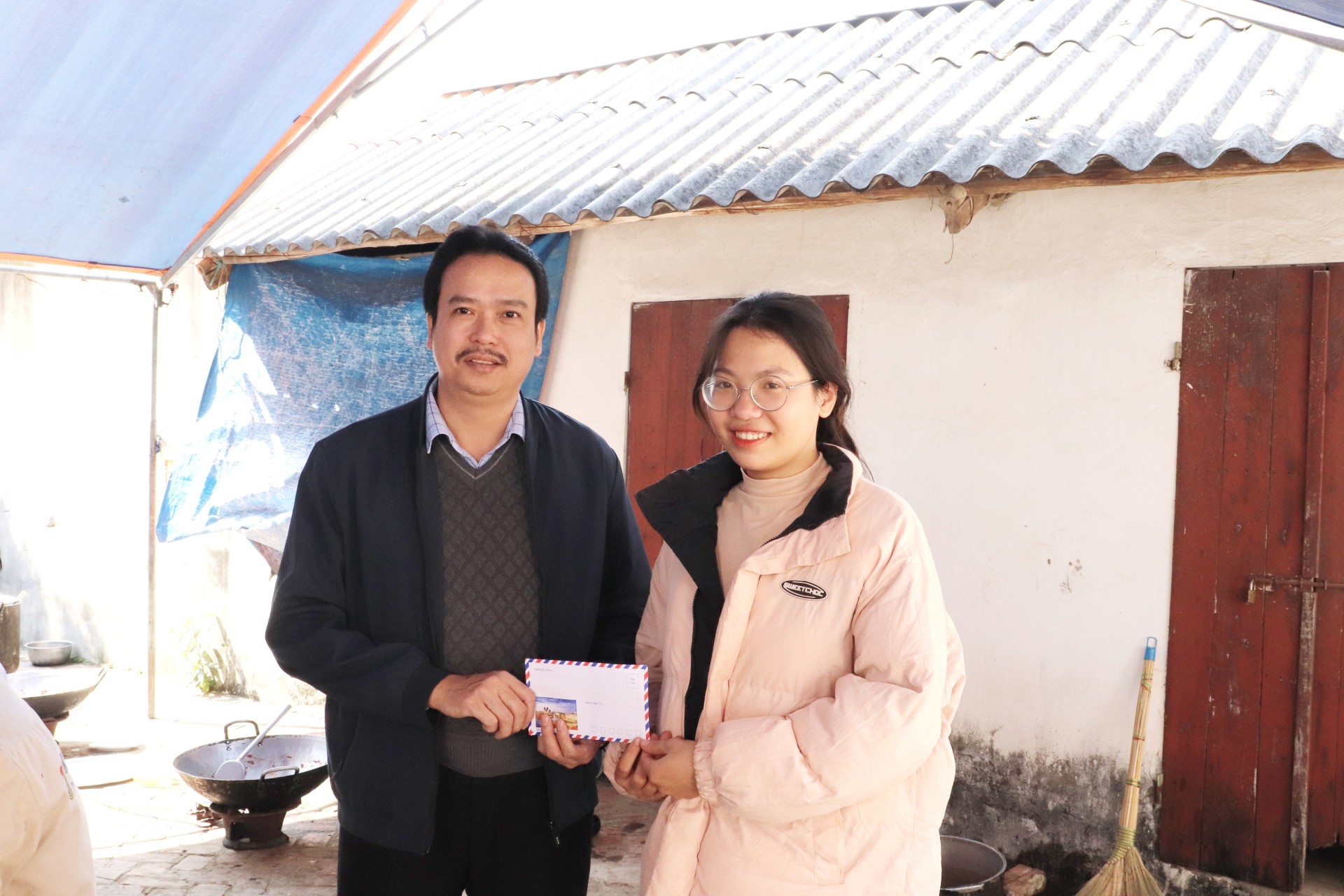
Tặng quà cho các em sinh viên thực tập khảo cổ ở di tích ở Đông Triều
 
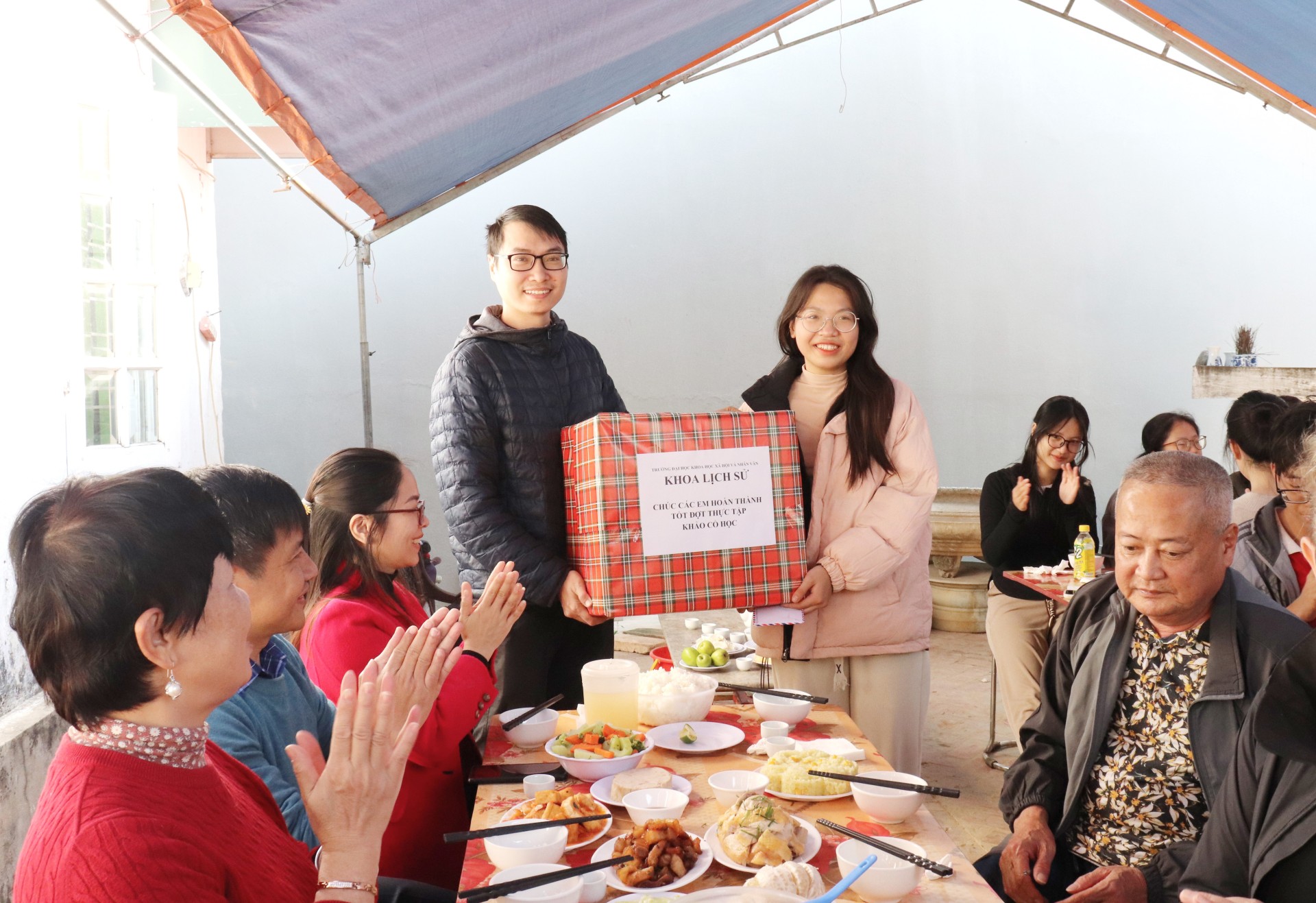
Tặng quà cho đoàn thực tập khảo cổ học ở Yên Dưỡng

The delegation from the University and the Faculty of History presented gifts to encourage the students participating in the archaeological field trip in Ha Long City and Dong Trieu District, Quang Ninh Province.

Practical training - unforgettable experiences.

When asked about the difficulties and memorable experiences during his internship, student Le Hoai Nam shared: "This archaeological internship was truly an incredibly interesting experience that I had never imagined before. The first few days were a bit difficult getting used to the early morning working hours, especially on cold winter days; the professional tasks required a high degree of meticulousness and caution; we had to go to the market ourselves, cook our own meals, etc."
But this is also a truly valuable opportunity for first-year students like me to see, experience, and apply the knowledge learned in the classroom to real-world situations. As a fundamental science and also a social science, history in general and archaeology in particular highly value practicality because no matter how much knowledge is learned in the classroom, if it cannot be applied, it is ineffective. For first-year students, the initial days were quite daunting, but with the dedicated and meticulous guidance of the professors and the hands-on instruction from senior students in the Archaeology major, we quickly became familiar with the technical procedures and caught up with the work schedule.
MG 1074
 
MG 1081
 
MG 1084

Furthermore, through this internship, we – first-year students – learned how to live independently, develop a collective lifestyle, discipline, and created many precious memories of the best time of our youth – our student life.
In particular, the past 10 days have made us feel very familiar with the local people, as we ate, lived, worked, and interacted with them, just like a long visit to our hometown. The neighbors were incredibly friendly, supportive, and provided us with food, accommodation, and daily necessities, especially during the cold winter days. Simple gifts from the countryside, like a few kohlrabi, corn, or pomelo, though humble and ordinary, gave us warmth, closeness, and affection. We also participated in the local people's cultural activities. Although our 15-day internship here wasn't long, it truly gave us incredibly interesting experiences and unforgettable memories – a unique "special experience" that only history students can have.
We were also deeply moved when the teachers from the School's delegation came all the way here to visit, encourage, and give us meaningful gifts. This will further motivate us to strive to complete our tasks well and strengthen our love and attachment to the school and the field of study we have chosen.

Author:Hanh Quynh, Dai Huu - USSH Media

The total score for this article is: 0 out of 0 reviews

Click to rate the article

Newer news

Older news

You haven't used the Site.Click here to remain logged in.Waiting time: 60 second