|
The bright spots
During the 2019 university admissions season, the University of Social Sciences and Humanities received nearly 40,000 applications, an increase of over 10,000 applications, equivalent to a 34.5% increase compared to the 2018 admissions season. The admissions results were positive in both scale and quality of incoming students, with a total of 2,178 students enrolling.
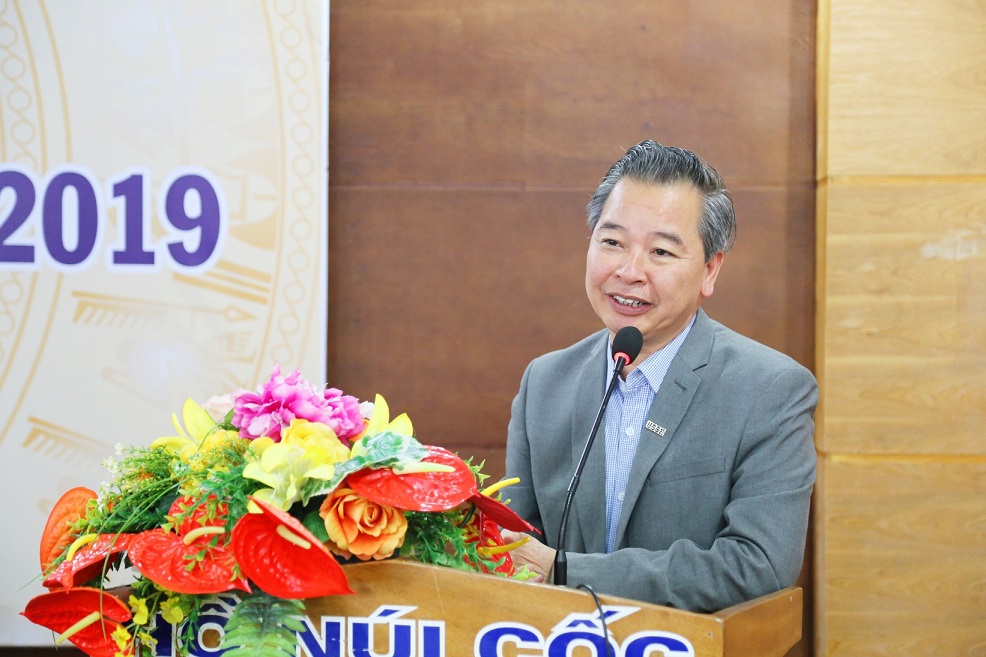
Professor Pham Quang Minh, Rector, delivered the opening remarks at the conference.
In particular, to meet societal needs, Japanese Studies, formerly a specialization within Oriental Studies, has now become an independent training program with its own enrollment. Three high-quality, socially-oriented training programs under Circular 23 of the Ministry of Education and Training (Journalism, Management Science, and Information Management) that were offered for the first time this year have been well-received by society, meeting or even exceeding their projected enrollment targets.
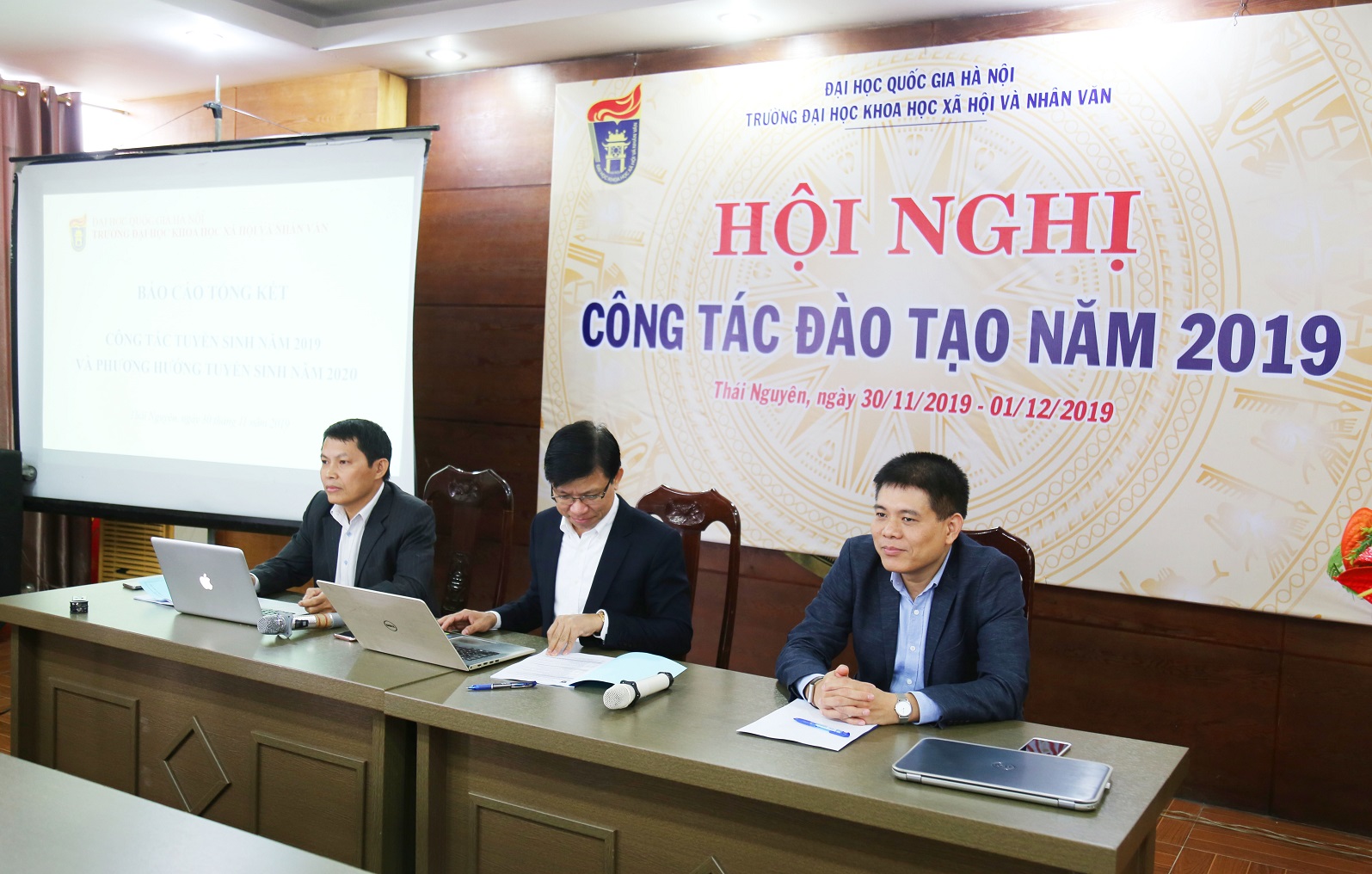
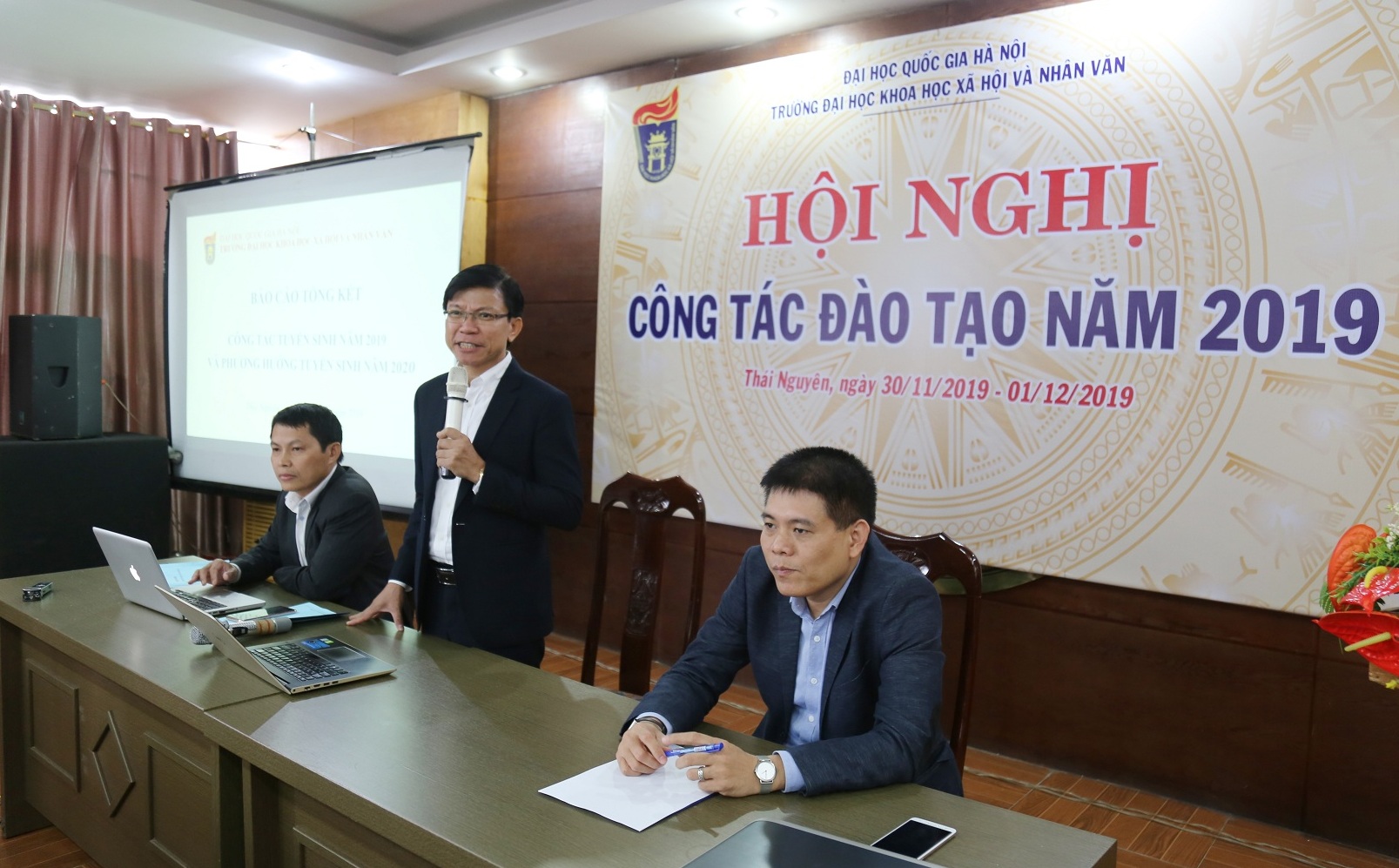
The 2019 Training Conference took place in Thai Nguyen.
This year also saw a significant increase in the number of candidates using foreign language subject combinations for admission, reaching 65% of registered applicants. Some majors, such as Hotel Management, Tourism and Travel Service Management, and Japanese Studies, have only considered foreign language subject combinations since 2019. The cutoff scores for some majors are quite high, with the Oriental Studies major having the highest cutoff score in the civilian system nationwide for the C-block subjects.
Speaking about the QH-2019-X cohort of students, Professor Hoang Anh Tuan, Vice Rector, shared: "They are the 'golden' generation of humanities students, with outstanding advantages in academic ability, foreign language skills, independence, and proactiveness in life. Today's young people have distinct personalities, know how to set goals, and persistently pursue their passions. They choose majors at the University of Social Sciences and Humanities because they love them and are determined to pursue their chosen careers to the end. With such high-quality entry, coupled with the strong innovations currently being implemented by the University in its curriculum and training processes towards flexibility and integration, we are confident that the quality of education and future graduates will be excellent."
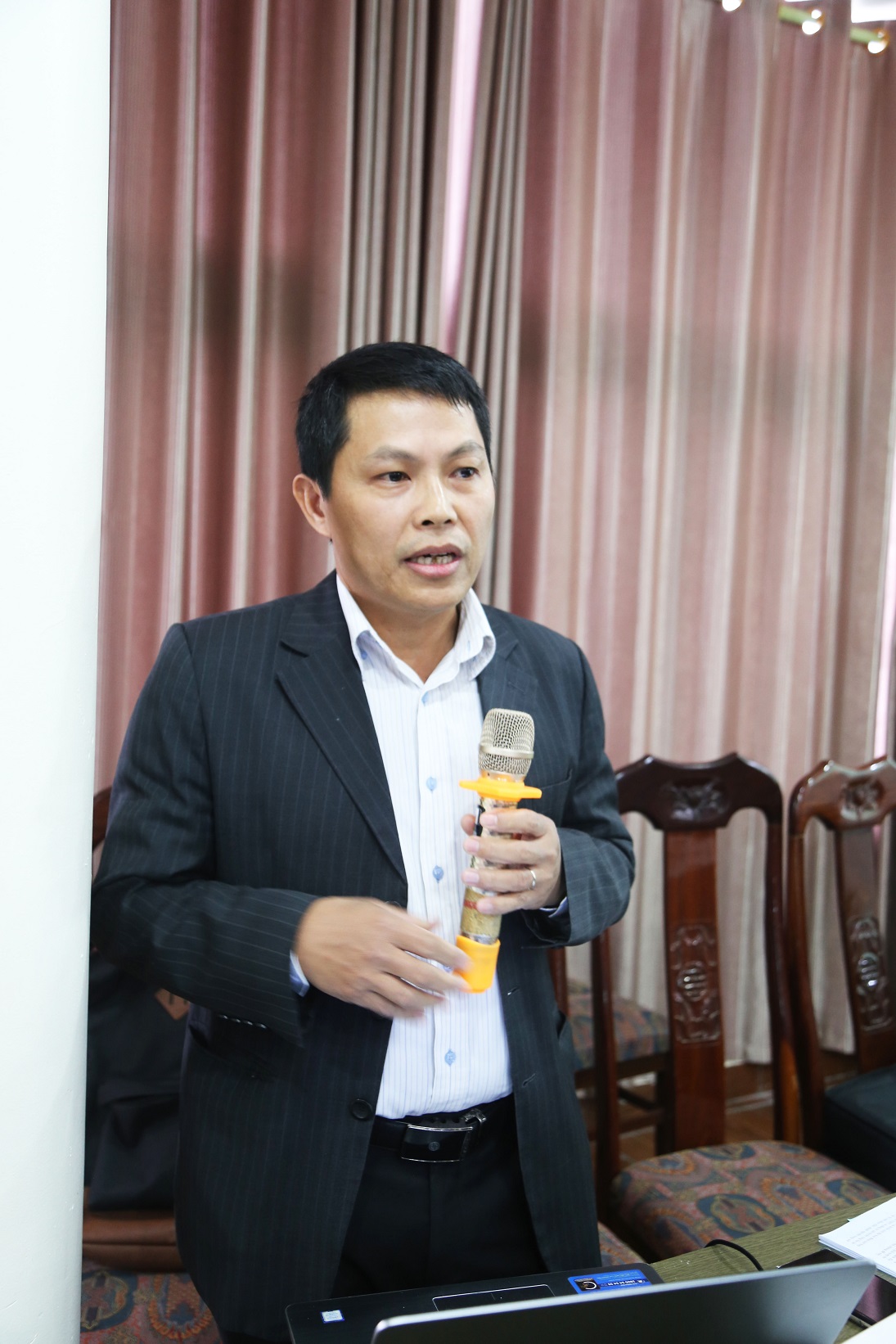
Dr. Hoang Van Quynh - Deputy Head of the Training Department - presented the results of the university's 2019 admissions work. He stated that this year's communication activities received significant investment and the coordinated participation of various units contributed to the successful admissions results.
Similarly, postgraduate admissions last year were also very positive. After two admission rounds, the University admitted 348 master's students, achieving 87% of the assigned target; and 50 doctoral students, achieving 100% of the assigned target. In recent years, the University's master's student admissions have contributed about 20-25% of the total target of Vietnam National University, Hanoi, and doctoral student admissions have contributed about 50% of the overall target. Notably, the application-oriented master's program in Journalism continues to be organized in three provinces: Vinh Long, Binh Duong, and Da Nang.
Media imprint
At the conference, when discussing the highlights of training activities, Dr. Hoang Van Quynh - Deputy Head of the Training Department - stated that communication activities were a crucial factor in the success of university admissions last year. Compared to previous years, the promotion and admissions counseling (ADC) activities in 2019 received stronger investment. In particular, the timely appearance of faculty members participating in ACC and promoting the university's image on major media outlets such as VTV, VOV, VTC, Education, and Dan Tri... created a positive effect.
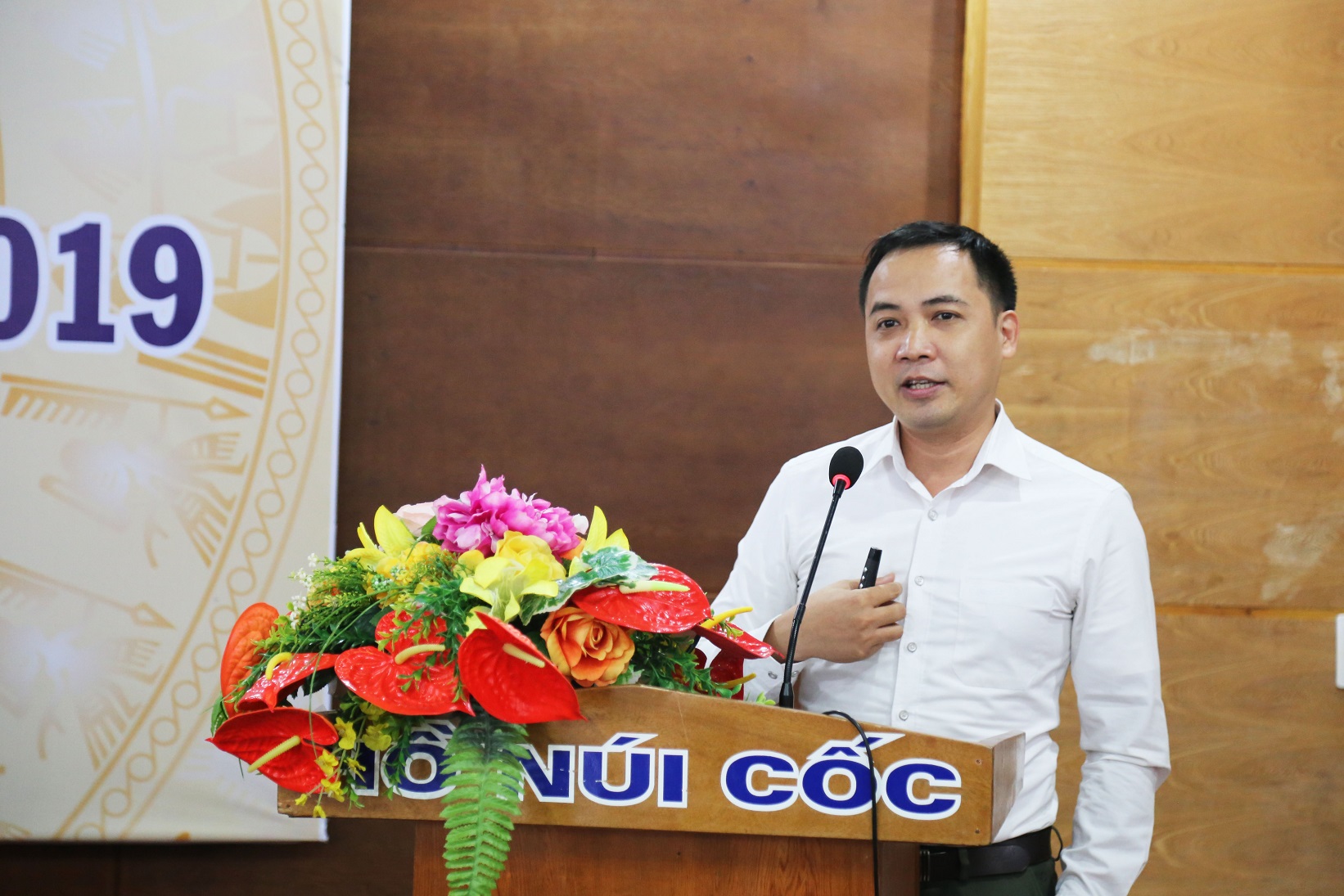
Dr. Do Van Hung, Head of the Information and Library Science Department, shared some experiences in the recruitment of students for the Information Management program (CLC) according to Circular 23 of the Ministry of Education and Training at the conference. He shared: Recruitment is similar to a business marketing its products; it must be customer-centric, always keeping in mind that the product or service must truly bring genuine value to the customer. Promotional activities for the CLC Information Management program are mainly carried out online: website, Facebook, YouTube, livestream... The department also actively participates in admissions talk shows on media to inform prospective students about the new program in a sincere, up-to-date, clear, and understanding manner.
The admissions counseling activities were carried out consistently from January to the end of August 2019, from before candidates registered for the entrance exam and application process to after the results of the national high school graduation exam were announced, and even during the enrollment process. For the first time, the university established an Admissions Communication Committee to act as the central coordinating body for communication and admissions counseling throughout the university. This year also marked the strongest involvement ever from training units, especially those recruiting for high-quality programs for the first time. With the strong investment in promotion and admissions counseling by the Faculty of Information and Library Science, the number of applications for the Information Management major increased 5.5 times compared to 2018. This is a prime example of the effectiveness of communication in the unit's admissions work.
In addition, the admissions department also designed and built a new admissions portal, reorganized all information content, continuously updated new admissions information, added many articles on career counseling, introductions to professions, and exam results lookup... During peak days, the school's admissions website received more than 20,000 visits.
The admissions process is further promoted through the TVTS fanpage with over 30,000 followers and the University of Social Sciences and Humanities fanpage with over 90,000 followers. Recognizing the positive impact of online communication, since 2018, the admissions department has increased paid advertising through fanpages to better interact with applicants. In addition, the fanpages of Vietnam National University, Hanoi, training units, the Student Union and Association, and the Student Ambassador program fanpage actively update information to support applicants throughout the admissions season.
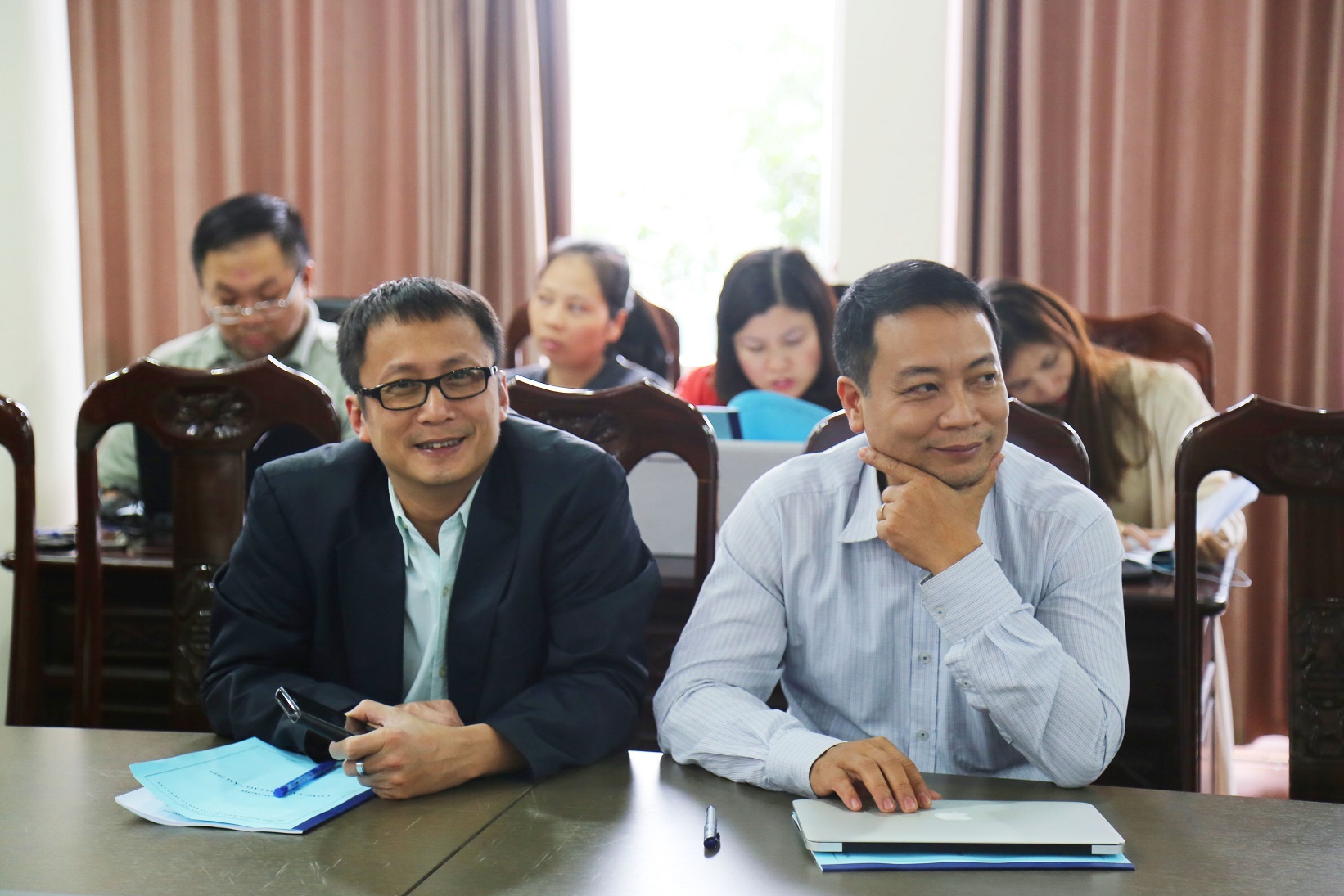
Dr. Nguyen Son Minh (Deputy Director of the Institute of Journalism and Communication Training) (right) shared the Institute's experience in postgraduate student recruitment. In 2018, the Institute of Journalism and Communication Training successfully recruited two Master's programs in Vinh Long and Ca Mau with a total of 100 students. In 2019, the Institute continued to open applied Master's programs in Vinh Long, Binh Duong, and Da Nang, with a total of over 100 students. To achieve these results, the Institute actively built close relationships with the Provincial Party Committee, the People's Committee, and local departments, especially local press agencies and press management bodies; integrating student recruitment with professional activities in provinces and cities (such as research and media consulting) to both enhance the institution's reputation and open up other cooperation opportunities.
The results of a survey on the University's admissions information access channels, conducted by the Training Department, show the prominent role of online information channels, especially the admissions website and the University's Admissions Counseling fanpage. Accordingly, 58.9% of candidates accessed information from the admissions website, 42.4% from the Admissions Counseling fanpage, 25.5% from the Ministry of Education and Training's Admissions Portal, and 34.9% from other websites and information channels.
Student recruitment activities in localities have also been expanded: participating in student recruitment counseling programs organized by Tuoi Tre Newspaper and Vietnam National University, Hanoi in 6 provinces and cities; bringing the Student Ambassador program to more than 120 high schools in 17 provinces and cities in the northern region.
Maintain the momentum of development.
Regarding proposed directions for next year's admissions activities, the Admissions Department suggests continuing to invest in building and improving the content and interface of the admissions website, advertising the website through online search engines such as Google and Facebook; continuing to maintain and develop the admissions consulting page on Facebook, using paid advertising to increase followers; creating promotional content on popular social networks such as YouTube and Instagram; and developing specialized content on admissions to be published in major online newspapers and admissions information portals of Vietnam National University, Hanoi, and the Ministry of Education and Training. In addition, units should proactively develop their own admissions promotional products for their respective fields of study. The university should continue to maximize the use of other communication channels: such as participating in online counseling programs on television, online counseling programs of Vietnam National University, Hanoi, high schools, and localities.
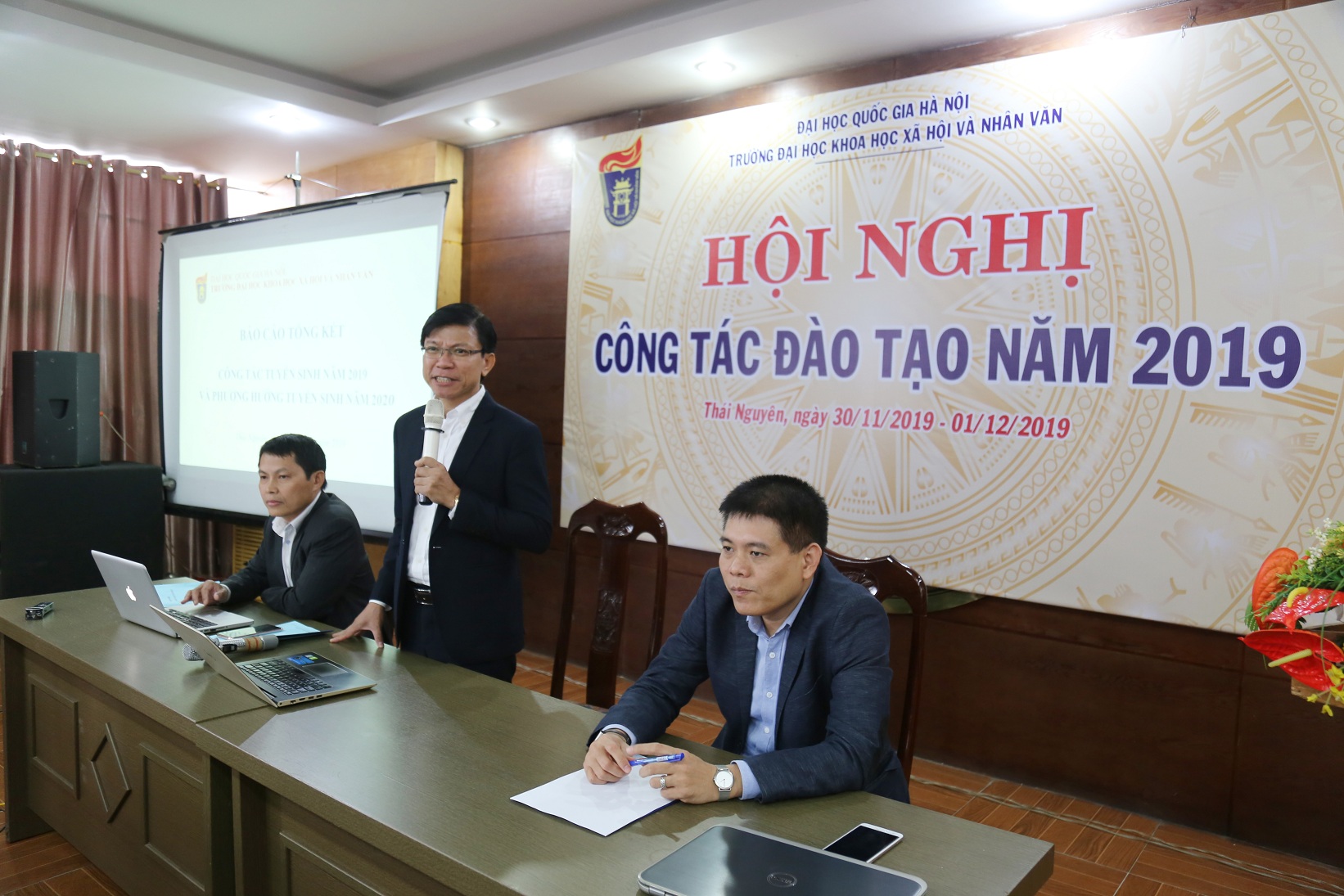
GS.TS Hoàng Anh Tuấn - Phó Hiệu trưởng Nhà trường kết luận tại Hội nghị
Phát biểu tại Hội nghị Công tác Đào tạo 2019, Phó Hiệu trưởng Hoàng Anh Tuấn khẳng định: Hoạt động tư vấn và quảng bá tuyển sinh đã đi đúng hướng, có hiệu quả cao, đặc biệt là các kênh trực tuyến như website, facebook ngày càng đóng vai trò quan trọng, có sức lan tỏa rộng và là nguồn tìm kiếm thông tin chính cho thi sinh. Bên cạnh đó cần biểu dương sự nỗ lực của một số đơn vị trong việc đa dạng hóa cách tiếp cận thí sinh tiềm năng của mình và có chiến dịch truyền thông bài bản. Trong năm tới, công tác tuyển sinh cần tiếp tục theo hướng Giữ vững số lượng - Nâng cao chất lượng. Những thành công trong truyền thông tuyển sinh đại học sẽ được nghiên cứu áp dụng cho tuyển sinh sau đại học.
|
Các kết luận của Phó Hiệu trưởng Hoàng Anh Tuấn tại Hội nghị: 1. Tiếp tục duy trì sự ổn định trong công tác tuyển sinh các bậc và các hệ trong năm 2020: ổn định chỉ tiêu; tiếp tục đổi mới công tác quảng bá tuyển sinh đại học theo hướng tăng cường ứng dụng công nghệ truyền thông; tiếp tục phát huy vai trò của “Đại sứ sinh viên” trong tuyển sinh và đào tạo; tăng cường đầu tư cho công tác tuyển sinh sau đại học. 2. Hoàn thành xây dựng lịch trình giảng dạy cho các chương trình cử nhân được điều chỉnh trong năm 2019 theo hướng đảm bảo quy chế, tăng hiệu quả trong tổ chức giảng dạy, tăng tính tự chủ cho sinh viên trong việc đăng ký học phần trên cơ sở tư vấn sát sao của đội ngũ cố vấn học tập và giáo viên chủ nhiệm lớp. 3. Hoàn thành việc mở mới các ngành cử nhân “Văn hóa học” và “Hàn Quốc học”, các chuyên ngành thạc sỹ “Quản trị Báo chí - Truyền thông” và “Quản trị văn phòng” (định hướng ứng dụng) để bắt đầu tuyển sinh từ năm 2020. Tiếp tục rà soát, điều chỉnh quy hoạch ngành và chuyên ngành theo hướng thực chất và khả thi. 4. Tập trung đầu tư các nguồn lực để nâng cao chất lượng dạy - học trong khuôn khổ thực hiện Kế hoạch Đổi mới hoạt động giảng dạy của Nhà trường đến năm 2025, tập trung vào 2 nhiệm vụ trọng tâm: 1) Tiếp tục tổ chức các khóa bồi dưỡng nghiệp vụ giảng dạy hiện đại cho giảng viên của Nhà trường; 2) Triển khai từng bước kế hoạch “công nghệ hóa” hoạt động động giảng dạy, ưu tiên thực hiện một số video bài giảng để hỗ trợ cho các học phần chung, tạo tiền đề cho kế hoạch đẩy mạnh ứng dụng công nghệ dạy - học tại Nhà trường trong những năm tới. 5. Tiếp tục chuẩn hóa hoạt động tổ chức quản lý đào tạo sau đại học trên cơ sở các kết quả tích cực của kế hoạch “quy trình hóa hoạt động đào tạo sau đại học” đã được triển khai thành công tại Nhà trường trong thời gian qua. Triển khai rà soát và đánh giá các nhóm chuyên ngành khó tuyển sinh trong 3 năm liên tục để báo cáo Đảng ủy - Ban Giám hiệu, đề xuất hệ giải pháp điều chỉnh theo hướng tích hợp một số chuyên ngành quá hẹp, tiến tới tổ chức tái cơ cấu hệ thống các chuyên ngành đào tạo sau đại học của Nhà trường phù hợp với nhu cầu xã hội và xu hướng phát triển phổ biến của khoa học xã hội và nhân văn trên thế giới hiện nay. |
Author:Thanh Ha

