According to internal documents from the 9th Congress of the Vietnam Writers Association in 2015, the total number of members was 1,014, including 138 members who were former staff and students of Hanoi University (now Vietnam National University, Hanoi). The title "General Writer," coined by the author of this article, is a source of pride for many generations of teachers and students at Hanoi University, reflecting their contribution to modern Vietnamese literature – a group of dedicated writers with numerous creative achievements. It should also be noted that this article cannot list all the names, professions, and works of the 138 "General Writers." Those mentioned in specific fields or aspects serve only as necessary evidence to emphasize and highlight the essence of "General Literature."
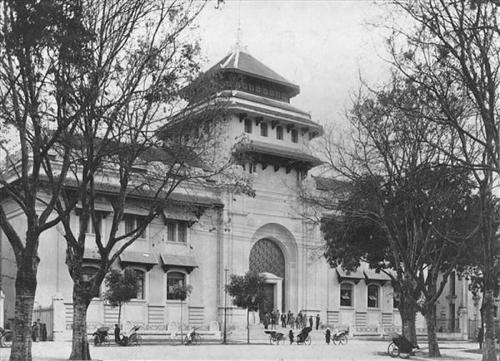
The 60-year tradition of growth at Hanoi University (now Vietnam National University, Hanoi) is recognized in many aspects of education, scientific research, cultural and artistic activities, literary creation, and service to social life, from the war to the peace and reconstruction of the country. Writing is a unique form of work serving society. Among the 1,014 modern Vietnamese writers, Hanoi University has contributed a significant force – 138 members (with the following distribution across creative fields: poetry is the most prominent with 66, prose and drama 36, research - theory - criticism - translation 36). Writers from Hanoi University of General Studies are present in many fields and workplaces: the armed forces (Army and Police), journalism and media, publishing, teaching and research at universities and research institutes, cultural and artistic activities, cultural and artistic management, etc.
Few countries, like Vietnam, have such distinctive names as "Military Arts and Literature" or "Police Arts and Literature" within the common literary tradition of the modern nation. Within the People's Police force, we know writers such as Ngôn Vĩnh (former Editor-in-Chief of the People's Police Newspaper), Lê Hoài Nguyên (A25, Ministry of Public Security), Thu Trang (People's Police Publishing House), Nguyễn Hồng Thái (Director - Editor-in-Chief of the People's Police Publishing House), Nguyễn Đăng An (General Department V, Ministry of Public Security), and Hoàng Huệ Thu (former Deputy Editor-in-Chief of the People's Police Publishing House). Within the military, we know Nguyen Bao (former Editor-in-Chief of the Military Arts and Literature Magazine) and his colleagues – writers who have served and are currently serving in the military – such as Dinh Xuan Dung, Vuong Trong, Le Thanh Nghi, Anh Ngoc, Vu Thi Hong, Le Tan Hien, Suong Nguyet Minh, Pham Ngoc Tien, Vu Minh Nguyet, etc. The school system, literary research institutes, and cultural agencies of the Party have 34 writers, including 12 professors (Dang Thai Mai, Truong Tuu, Hoang Xuan Nhi, Le Dinh Ky, Ha Minh Duc, Phan Cu De, Phung Van Tuu, Phong Le, Nguyen Hue Chi, Mai Quoc Lien, Ma Giang Lan, Dinh Xuan Dung). Among the 13 deceased writers of Hanoi General Publishing House (Dang Thai Mai, Truong Tuu, Hoang Xuan Nhi, Le Dinh Ky, Phan Cu De, Phan Tu, Chu Cam Phong, Cao Xuan Hao, Diep Minh Tuyen, Lu Huy Nguyen, Nguyen Trong Dinh, Nguyen Trung Thu, Le Anh Xuan), there are two writer-martyrs: Le Anh Xuan (1940-1968), posthumously awarded the title of Hero of the People's Armed Forces (2011) and the State Prize for Literature and Arts (2001); and Chu Cam Phong (1941-1971), posthumously awarded the title of Hero of the People's Armed Forces (2010) and the State Prize for Literature and Arts (2001). Three writers from Hanoi University of Literature and Arts were awarded the Ho Chi Minh Prize for Literature and Arts: Dang Thai Mai, Phan Tu (also known as Le Kham), and Ha Minh Duc. Eight writers were awarded the State Prize for Literature and Arts and for Science and Technology (Le Dinh Ky, Phan Cu De, Phung Van Tuu, Dinh Hai, Chu Cam Phong, Phong Le, Le Anh Xuan, and Le Thanh Nghi).
Among the writers of Hanoi University of Literature, there are several well-known "writing couples" such as Phong Le (Professor, former Director of the Institute of Literature) - Van Thanh (Associate Professor, working at the Institute of Literature), Bui Minh Quoc (also known as Duong Huong Ly, former student of the Faculty of Literature) - Duong Thi Xuan Quy (1941-1969, State Award for Literature and Arts, 2007), Le Quang Trang - Tran Thi Thang (both husband and wife are former students of the Faculty of Literature), Vu Thi Hong (former student of the Faculty of Literature) - Chu Lai, Nguyen Thi Hong (former student of the Faculty of Literature) - Hoang Quoc Hai, Be Kien Quoc (1949-2002, former student of the Faculty of Literature) - Do Bach Mai, Ha Phuong (former student of the Faculty of Literature) - Nguyen Manh Tuan, Suong Nguyet Minh - Vu Minh Nguyet (both are members of the Vietnam Writers Association, both are former students of the Faculty of Literature). There are also couples of writers and journalists such as Nguyen Hong Thai - Tran Thu Hang (one is a member of the Vietnam Writers Association, both are former students of the Faculty of Literature), Nguyen Si Dai - Tran Kim Hoa (one is a former student of the Faculty of Literature),…
Many writers from Hanoi's General University have participated in the Executive Committee of the Vietnam Writers Association, such as Phan Cự Đệ (1933-2007), Hà Minh Đức, Lê Quang Trang, Phan Trọng Thưởng, and Nguyễn Thị Thu Huệ. Four writers from Hanoi's General University have also served as Directors of the Institute of Literature (Vietnam Academy of Social Sciences): Đặng Thai Mai, Phong Lê, Hà Minh Đức, and Phan Trọng Thưởng.
There are writers from Hanoi like teacher Nguyen Ngoc Ky who are exemplary figures of self-discipline, perseverance, and overcoming adversity. He was paralyzed in both arms from the age of four, and at seven, he followed his friends to class and learned to write with his feet. He excelled in both mathematics and literature in high school, but later developed a greater love for literature, so he enrolled in the Faculty of Literature at Hanoi University. He graduated in 1970 and returned to his hometown of Nam Dinh to teach. From 1994, he moved to live and work in Ho Chi Minh City. His autobiographies, "Unforgettable Years," "I Went to School," and "I Studied at University," have captivated generations of readers, especially high school students, with their inspiring story of resilience, love for literature, and dedication to teaching. He is a testament to the will to overcome adversity and take control of one's destiny.
Many writers from Hanoi's General Publishing House have held (or currently hold) positions as Editor-in-Chief of newspapers, magazines, or as editors-in-chief and directors of publishing houses, such as Ha Minh Duc (former Editor-in-Chief of Literature Magazine), Bui Hong (former Editor-in-Chief of Kim Dong Publishing House), Ngo Van Phu (former Director and Editor-in-Chief of the Vietnam Writers Association Publishing House), Ngon Vinh (former Editor-in-Chief of the People's Police Newspaper), Lu Huy Nguyen (former Director of Literature Publishing House), Ngo Thao (former Editor-in-Chief of Theatre Magazine), Bui Cong Hung (former Editor-in-Chief of the Homeland Magazine of the Committee on Overseas Vietnamese under the Ministry of Foreign Affairs), Nguyen Bao (former Editor-in-Chief of the Military Arts and Literature Magazine), Nguyen Van Luu (former Director of Literature Publishing House), Le Thai Son (former Editor-in-Chief of Song Lam Magazine, Nghe An Association of Literature and Arts), Duong Ky Anh (former Editor-in-Chief of Tien Phong Newspaper), Tu Nguyen Tinh (former Editor-in-Chief of Xu Thanh Magazine, Thanh Hoa Association of Literature and Arts), Duong Trong Dat (former Editor-in-Chief of Saigon Giai Phong Newspaper), Le Quang Trang (former Editor-in-Chief of Dai Doan Ket Newspaper), Mai Quoc Lien (Editor-in-Chief). (Hon Viet Magazine, Vietnam Writers Association), Phan Trong Thuong (former Editor-in-Chief of Literary Studies Magazine), Bui Si Hoa (former Editor-in-Chief of Vietnamnet online newspaper), Nguyen Ngoc Thien (Editor-in-Chief of Vietnam Arts and Literature Forum Magazine), Vo Thi Xuan Ha (former Editor-in-Chief of Writer Magazine, Vietnam Writers Association)...
Poetry can be considered the field in which the writers of Hanoi University of Literature have made the most significant contributions - 66 poets is a "telling number". There was a generation of poets who matured in the early 1960s, such as Ngo Van Phu, Dinh Hai, Bui Minh Quoc, Diep Minh Tuyen, Dang Hien… There was a generation of anti-American poets with prominent names in the literary world, such as Le Anh Xuan, Vuong Trong, Dang Han, Nguyen Trung Thu, Ngo The Oanh, Tran Nhat Lam, Vu Duy Thong, Nguyen Trong Dinh, Thanh Thao, Nguyen Duy, Anh Ngoc, Vu An Thi, Pham Dinh An, Be Kien Quoc, Pham Quoc Ca, Hoang Nhuan Cam, Lam Huy Nhuan, Mai Quynh Nam,… There were poets who emerged in peacetime, such as Le Thai Son, Khuat Binh Nguyen, Do Minh Tuan, Vinh Quang Le, Nguyen Si Dai, Dang Huy Giang, Tu Ngan Pho, Luong Dinh, Bui Sy Hoa, Vu Toan,... There were also very young poets from the 80s generation, such as Nguyen Quang Hung,… Particularly noteworthy is a "group" of female poets, from Le Thu to the woman who "weaves" poetry, Y Nhi, to other memorable names such as Ha Phuong, Tran Thi Thang, Hoang Kim Dung, Doan Ngoc Thu, Lê Minh Hoài, Tuyết Nga, Phan Huyền Thư, Bùi Sim Sim, Trương Thị Kim Dung… Poems by Định Hải, Ngô Văn Phú, Đặng Hiển, Thanh Thảo, Nguyễn Duy, and Phạm Đình Ân have been selected for inclusion in general Vietnamese Literature textbooks (elementary, middle, and high school levels). Nguyễn Duy, in particular, has the ability to “play with poetry,” “sell poetry,” and “export poetry.” The 66 poets of Hanoi University, spanning many generations, have made worthy contributions to the development of modern Vietnamese poetry. At Hanoi University, there is the phenomenon of a “young poet” – Professor Hà Minh Đức, who only published his first poetry collection in 1999 at the age of 64, and by 2015 had already published seven collections. At Hanoi University, there's a type of "one-poem poet," Professor Nguyen Kim Dinh (now 85 years old). Although not a member of the Vietnam Writers Association, his work was selected for inclusion in the "Anthology of Vietnamese Poetry 1945-1960," with his unique and profound poem, "The peach blossoms haven't returned to the factory yet, but spring has already arrived." At Hanoi University, there's also the "folk poet" Nguyen Hung Vi, who, despite not being a member of the Vietnam Writers Association, has many excellent poems published in newspapers, magazines, and literary books. Many other poets know and admire him, and frequently engage in professional exchanges within the poetry clubs he participates in. At Hanoi University, there's Professor Ma Giang Lan, who teaches, writes research, and composes poetry (he's the author of several poetry collections, especially the poem "Ham Rong Bridge Pillar," which won the Van Nghe newspaper poetry award in 1969-1970 and is quite famous and widely circulated in the poetry community). In 2013, he received the Vietnam Writers Association Award for his poetry collection "Waves of Words". There is a poet living abroad, Nguyen Huy Hoang, who has resided in the Russian Federation for 25 years, the author of seven poetry collections brimming with the emotions of someone who loves his homeland. His poetry is imbued with the spirit of the Vietnamese countryside, especially the spirit of Nghe An province.
In the fields of prose and drama, the writers of Hanoi University were also considered a formidable force with 36 writers from various generations: These included writers who emerged from the resistance war against the French, such as Phan Tu (also known as Le Kham, 1930-1995), Doan Minh Tuan, Xuan Trinh, Nguyen Gia Nung... A later generation included writer Ngon Vinh, specializing in "hot topics" within the police force, and Hong Due, who had a knack for writing about everyday life. The team of "writers in military uniform" who wrote prose at Hanoi University was also very strong – including Nguyen Bao, Minh Chuyen, Trinh Dinh Khoi, Tu Nguyen Tinh, Nguyen Trong Tan, Vu Thi Hong, Nguyen The Tuong, Le Tan Hien, Pham Ngoc Tien, Suong Nguyet Minh, ... They went directly from war into literature. There was also the prose writer Chu Cam Phong (1941-1971), who died on the battlefield in the South. The prose writers of various generations are truly formidable, ranging from Bui Hong (born 1931), Nguyen Gia Nung, Hoang Lai Giang, Nguyen Hieu, Nguyen Thi Ngoc Hai, Pham Viet Long to Nguyen Dang An, Trieu Xuan, Xuan Ba, Thu Trang, Nguyen Cam Huong, Y Ban, Vo Thi Xuan Ha, Vo Thi Hao, Hoang Hue Thu, Huu Dat, Nguyen Thi Thu Hue, Le Thanh Nga, Nguyen Phuong Lien, Vu Minh Nguyet, etc. Some prose writers are considered to have strong potential and have recently become members of the Vietnam Writers Association, most recently Nguyen Hong Thai (born 1960, joined the Association in 2006), Nguyen Phuong Lien (born 1972, joined the Association in 2010), Nguyen Dang An (born 1951, joined the Association in 2013), and Vu Minh Nguyet (born 1965, joined the Association in 2014). The oldest and youngest members of the prose writing community are separated by more than 40 years (for example, Phan Tu was born in 1930, Nguyen Phuong Lien in 1972). We call this generational succession, metaphorically speaking, "the old bamboo gives way to the new shoots."
The number of writers from Hanoi University who write research, theory, criticism, and translations is impressive, reaching 36. This number is followed by respected names from the older generation such as Dang Thai Mai, Truong Tuu, Hoang Xuan Nhi, Le Dinh Ky, Cao Xuan Hao, Phan Cu De, etc., as well as highly dynamic contemporary writers like Phung Van Tuu, Hue Chi, Ha Minh Duc, Phong Le, Mai Quoc Lien, Ma Giang Lan, Ngo Thao, Lai Nguyen An, Vu Tuan Anh, Le Thanh Nghi, Le Quang Trang, Nguyen Ngoc Thien, Tran Bao Hung, Nguyen Van Luu, Ton Phuong Lan, Bui Viet Thang, Phan Trong Thuong, Nguyen Thi Minh Thai, Bich Thu, Ly Hoai Thu, Nguyen Huu Son, Trinh Ba Dinh, Luu Khanh Tho, Ta Hoang Phuong, Ha Minh Thanh, etc. Some of them research classical Vietnamese literature, like Nguyen Hue Chi, or foreign literature, like Phung Van Tuu; their work seems quite far removed from modern Vietnamese literature. They quietly carry out the work of "learning from the past to understand the present" and "learning from others to improve themselves," following the ancient principles of conduct. There are renowned writers and translators like Cao Xuan Hao, who, with all his heart and talent, has conveyed to Vietnamese readers masterpieces of Russian literature with cultural qualities very close to ours. Associate Professor Dr. Ta Hoang Phuong is one of the leading experts in geography, but his love of literature has encouraged him to become a reputable translator of Russian literature today. His collection of translated love poems by the famous Russian poet X. Esenin is considered the best translation to date. Among those working in literary research, theory, criticism, and translation, readers pay particular attention to the names of several female writers who have established a "brand" in the literary world, such as Mai Huong, Ton Phuong Lan, Nguyen Thi Minh Thai, Bich Thu, Ly Hoai Thu, Luu Khanh Tho, Thanh Duc Trinh Bao, and Ha Minh Thanh. These women are truly "skilled at housework and literary pursuits," a feat rarely seen in every era. If Mai Huong is cautious and thorough, Nguyen Thi Minh Thai is sharp and dynamic; if Ton Phuong Lan possesses a subtle charm in criticism, Luu Khanh Tho is proactive with the qualities of a seasoned writer; if Bich Thu is profound and confident, Ly Hoai Thu offers unexpected breakthroughs. Indeed, "each woman is unique and equally perfect." There is Thanh Duc Trinh Bao (currently the Deputy Editor-in-Chief of the Literature and Arts Newspaper), who translates modern Chinese literature; her translations demonstrate a maximum effort to win over an increasingly demanding and sometimes rather capricious reader. Translator Ha Minh Thanh translates literary works from Korean into Vietnamese quite fluently.
Speaking of writers from Hanoi University, excluding those who are members of the Vietnam Writers Association, I want to mention a special phenomenon – Associate Professor Dr. Pham Quang Long. He has held many positions: Head of the Literature Faculty, Rector of the University of Social Sciences and Humanities, Vice Director of Hanoi National University, and Director of the Hanoi Department of Culture, Sports and Tourism. In 2013, having reached the age limit for administrative positions, he returned to the Literature Faculty after more than 20 years away from his "home" – as those with a "love for the faculty and the university" would say. While serving as Director of the Hanoi Department of Culture, Sports and Tourism, he took up writing cải lương (Vietnamese traditional opera), plays, and chèo (Vietnamese traditional folk opera). In 2014, he published a collection of literary scripts (including 7 plays), titled...Debt to the nation(Hanoi National University Publishing House). Several plays in this collection have been staged and performed on the Hanoi stage. Surprisingly, within just two years (2015 and 2016), he consecutively completed the manuscripts for three novels:Tornado, Friends of YesteryearandLost in the Human WorldMany close associates whom he asked to review his manuscripts commented that Pham Quang Long had the potential to write prose. He is currently working on his fourth prose work.The chess gameI think the doors of the Vietnam Writers Association would be wide open if he wrote an application expressing his desire to join the Association.
The "mobilization" of writers from Hanoi University, as some have put it, is a show of force on the cultural and artistic front in the modern era. On the occasion of the 60th anniversary of Hanoi University and the Faculty of Literature (1956-2016), our short article is a tribute to the former Hanoi University (now Vietnam National University, Hanoi) as a launching pad for scientific and literary talents.
Author:Bui Viet Thang
Newer news
Older news

