|
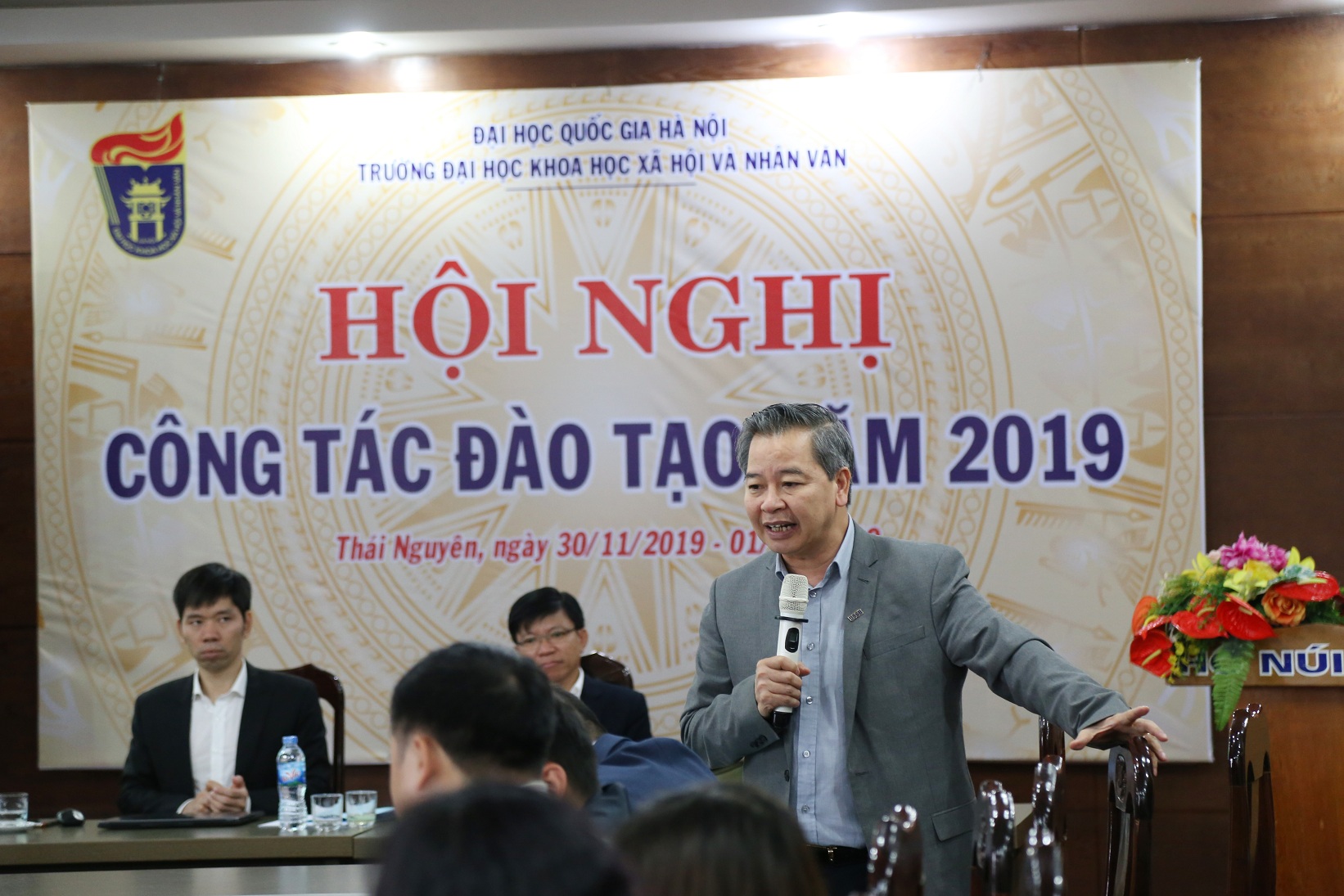
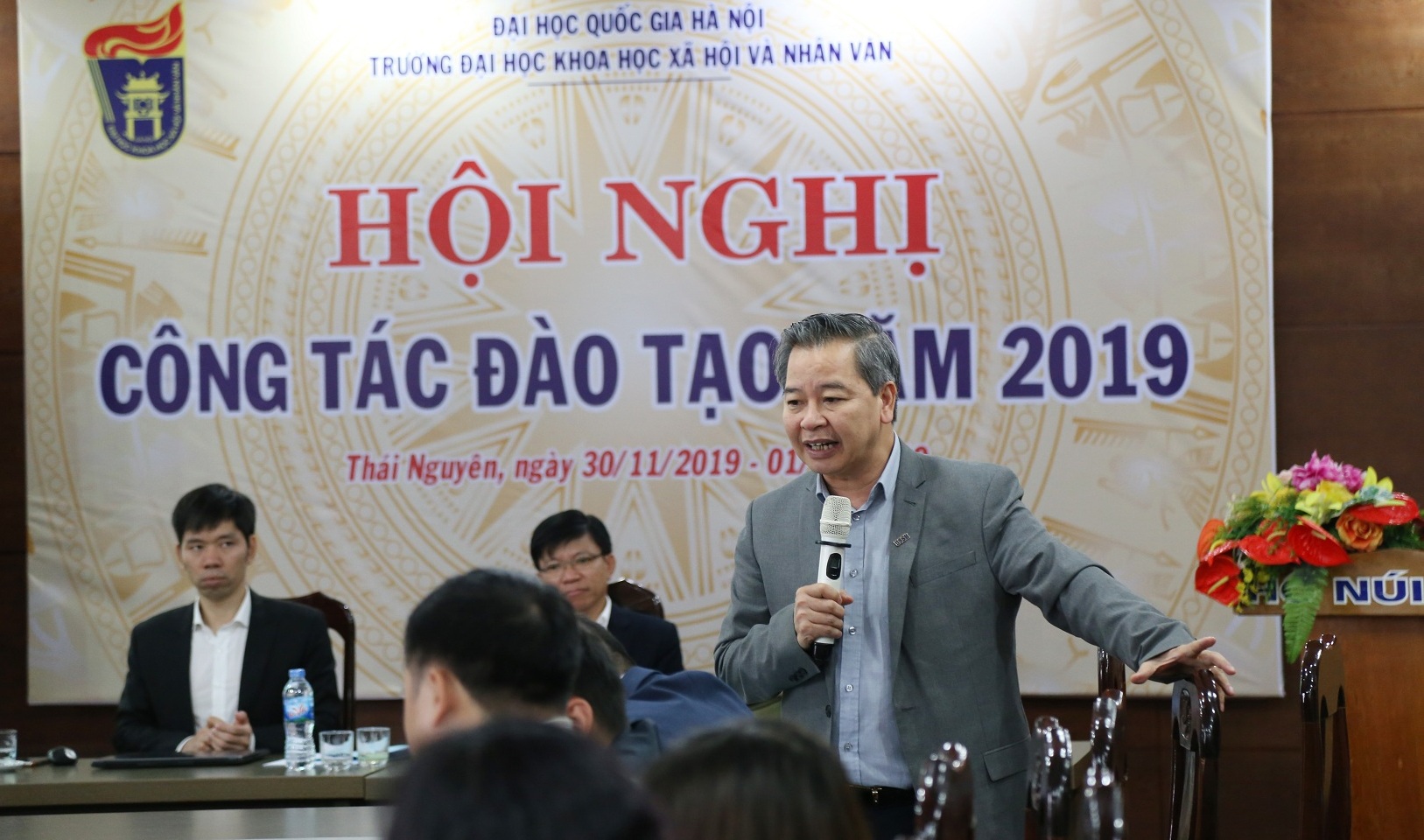
Sharing his thoughts with faculty members at the conference, Professor Pham Quang Minh, the Rector of the university, stated that innovation must be a regular and continuous process, especially for university lecturers whose main tasks are teaching and research. However, innovation doesn't have to be something grandiose; sometimes it's simply about things very close to us. It means that every day, lecturers should strive to bring something new to their lectures; they should never let students fall asleep during class; they should always ask themselves if they truly understand the aspirations and needs of their students; and they should have wholeheartedly supported, collaborated with, and shared with them...
In the field of training management, the Rector believes there are still many gaps for innovation in management thinking, from arranging class schedules to be more flexible and suitable for students, to further developing courses taught in English to serve the goal of integration, or finding solutions to attract foreign students to the school - a very promising direction for training at the school today.
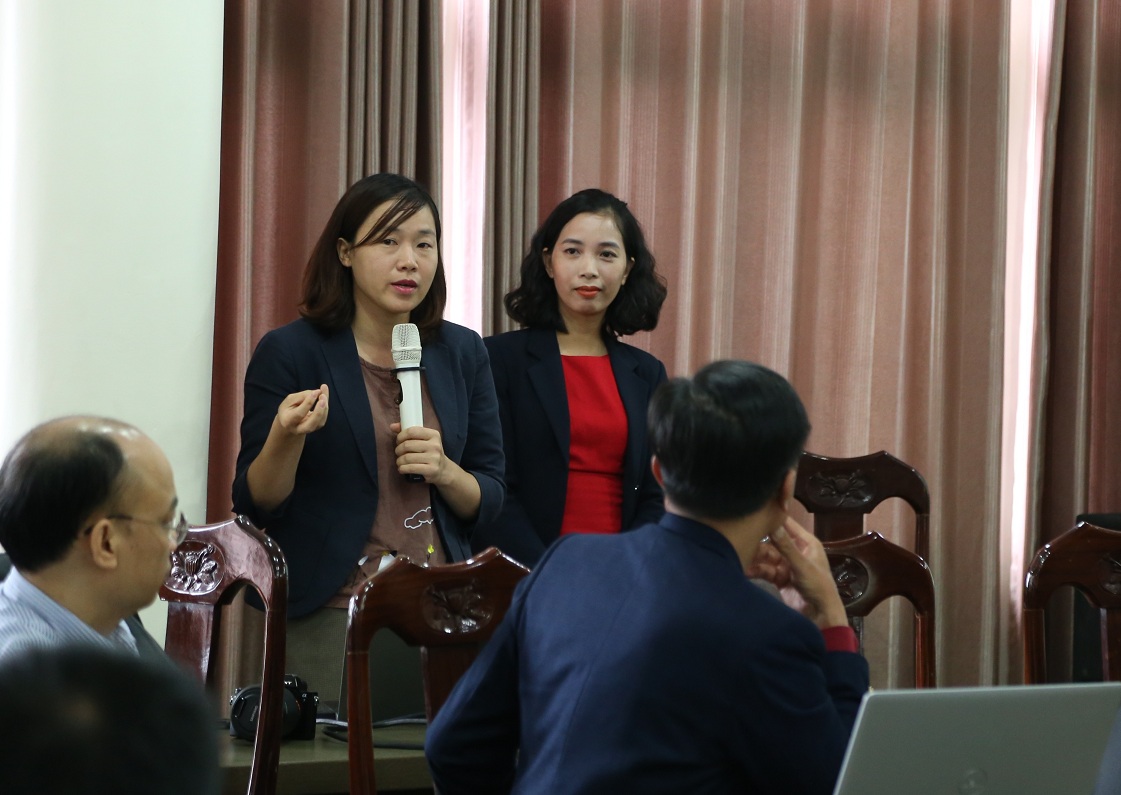
Dr. Lu Thi Thanh Le (lecturer in the Faculty of Literature) shared her positive motivations and emotions in her work and life after being one of the first lecturers to participate in the VIBE course – enhancing teaching and management skills using an innovative thinking approach – organized by Vietnam National University, Hanoi and the University of Dublin (Ireland). The knowledge gained from the course motivated the young lecturer to change and brought completely new perspectives to her teaching work.
"I realize that current teaching focuses only on transmitting knowledge and not on developing skills and helping learners become more creative and adaptable to the changing realities of life. Knowledge is no longer the central focus of educational activities, and building good skills and habits is what determines success," said Dr. Le.
The development of technology has changed the philosophy of education towards personalization. Because each individual is different in terms of ability, background, personality, and aspirations, the goal of education has shifted to helping those with lower starting points achieve their learning goals and catch up with others. Accordingly, students learn best when given the opportunity to solve practical problems. And the role of the teacher in the 21st century has shifted from knowledge transmitter to companion, guide, and inspirer.
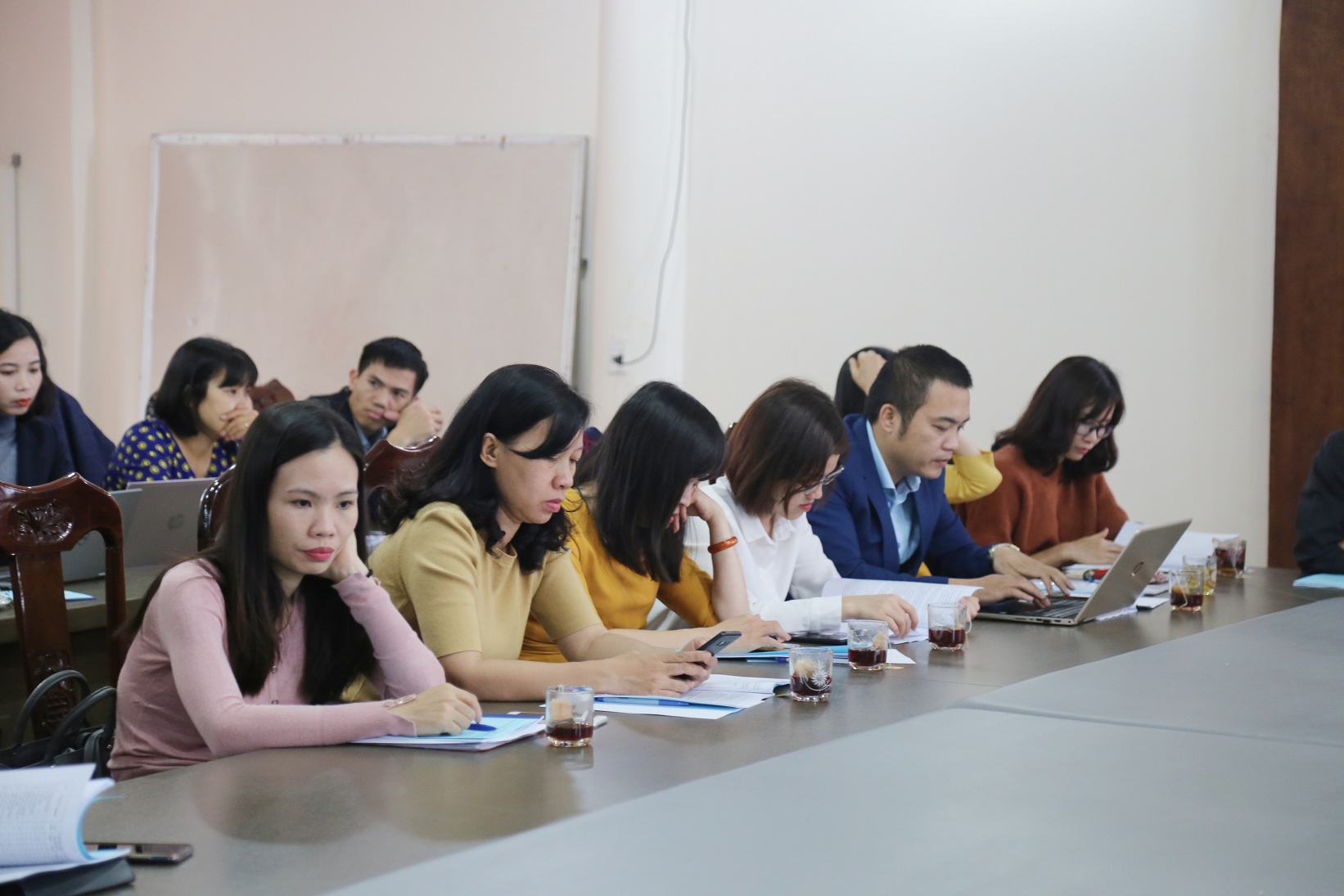
From there, Dr. Lu Thi Thanh Le offered suggestions for the school's innovative teaching activities, which include moving towards providing personalized educational services on a large scale, supporting learning according to the level and needs of each individual. The teaching process must emphasize interaction between teachers and students, helping to promote the formation of communication skills, cooperation, self-development, especially creativity and adaptability...
From a management perspective, Mr. Nguyen Tich Nghi, Deputy Head of the Personnel and Information Department, stated: Innovations in teaching at the University have been ongoing for many years, but they haven't been as widespread, vigorous, and closely aligned with the general policies of Vietnam National University, Hanoi, as they are now. "Innovation in teaching requires a comprehensive reform of the curriculum, learning materials, infrastructure, internet, etc. However, the most important factor remains the innovation of teaching methods and the enhancement of teaching capacity among the faculty."
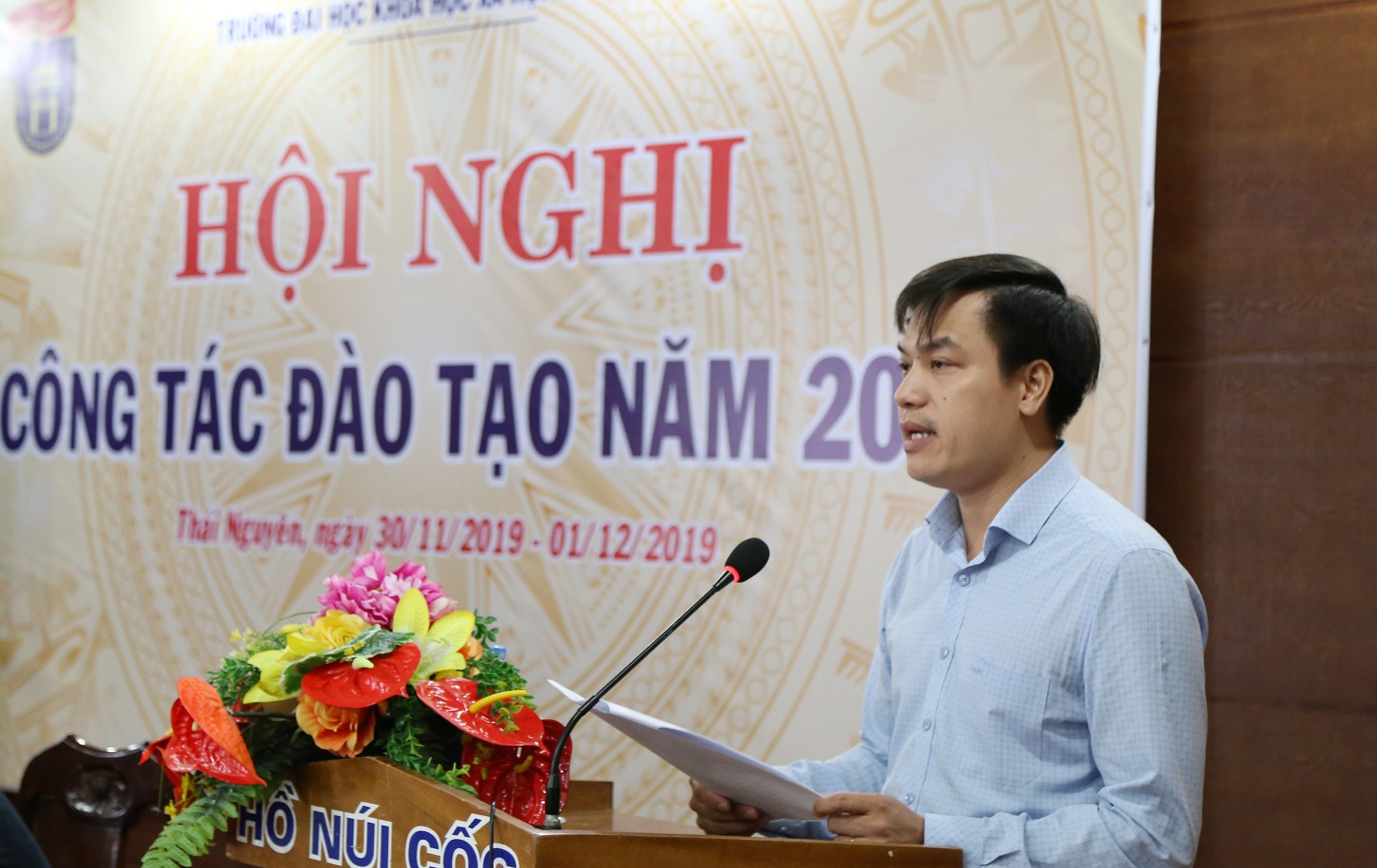
The University of Social Sciences and Humanities currently has 361 lecturers, including 14 professors, 89 associate professors, and 153 doctors. Lecturers aged 45 and under account for 71%. This high-quality, highly qualified workforce is a significant advantage in keeping pace with the innovative thinking of the times. MSc. Nguyen Tich Nghi suggested that to enhance lecturer capacity and innovate teaching methods, it is necessary to unify policies and ideas at all levels and down to each lecturer; and to diversify communication methods to spread this spirit throughout the university.
Recently, 20 lecturers from the University participated in the VIBE innovation course, and they continued to be key in organizing the very successful course on innovative entrepreneurship educators at the University of Social Sciences and Humanities. Four more courses on this topic will be implemented in the near future, promising to be a channel for spreading the spirit of innovation among faculty and staff.
Contributing a technical perspective to innovation, Dr. Dao Minh Quan - Deputy Head of the Training Department - presented a paper on the application of information technology in building video lectures, arguing that: The effectiveness of teaching through video lectures is significant and positively changes traditional teaching methods. Firstly, this method is suitable for large classes; secondly, it helps to convey knowledge visually and scientifically; and thirdly, it allows learners to study anywhere, anytime and easily consolidate their knowledge.
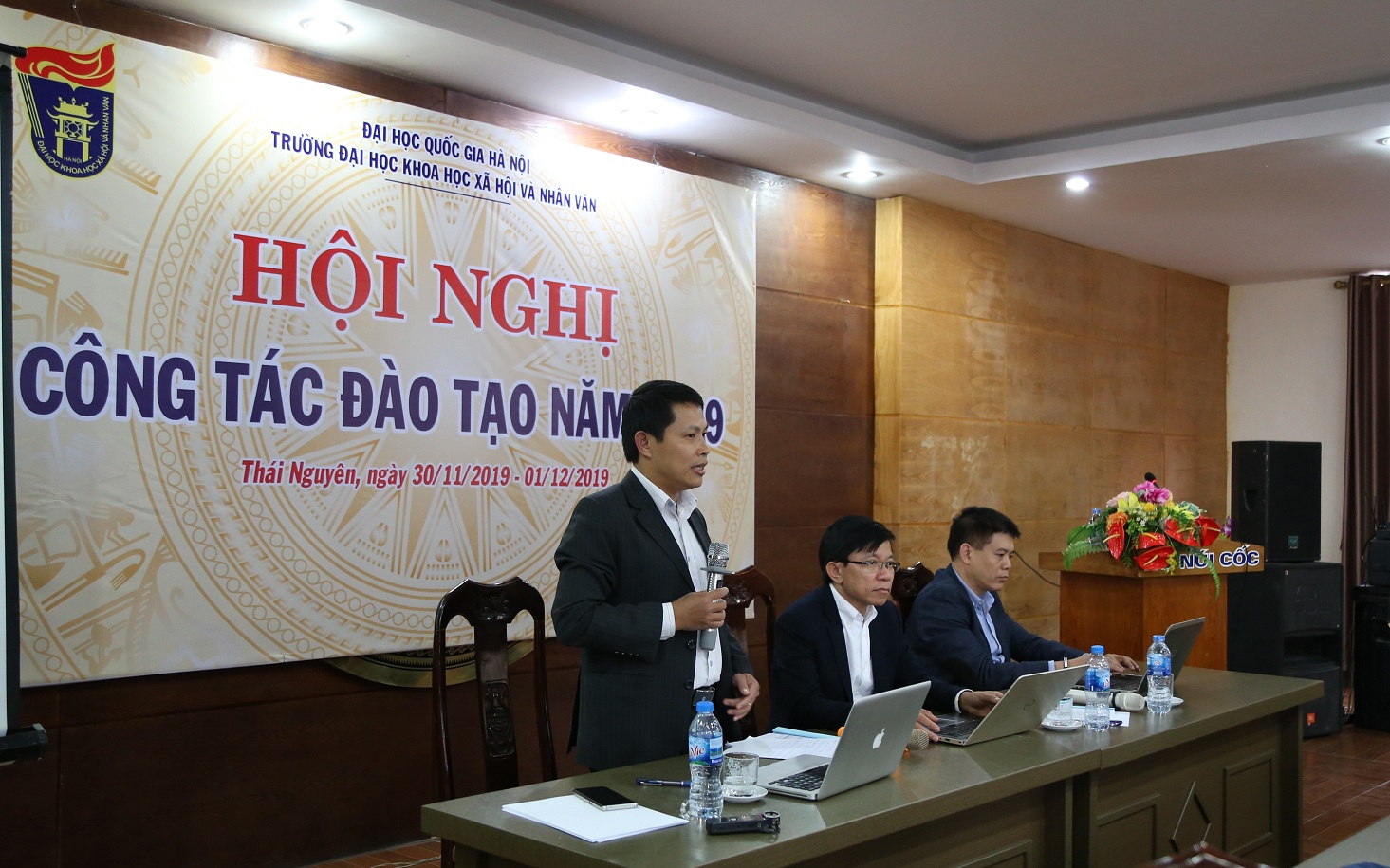
To elaborate further, Dr. Dao Minh Quan called it the "flipped classroom," comparing the difference between the traditional model where teachers prepare lesson plans in the classroom, students learn in class, and are assigned homework; and the model where lecturers create video lectures for students to watch at home beforehand and only come to class to discuss with the teacher.
Concluding the conference, Vice Rector Hoang Anh Tuan emphasized that innovation continues to be the central direction in all aspects of the university's training activities in the coming academic year. The focus of training in 2020 is to perfect "process standardization" in management and invest in "technologization" for faculty teaching activities. This direction will be applied to both undergraduate and postgraduate training. Finally, the Vice Rector stressed that for innovation to be effective, it must first stem from the will and aspirations of the faculty members; coupled with concrete and decisive steps to transform desires and ideas into visible results in practice.
|
Concluding remarks by Vice Rector Hoang Anh Tuan at the Conference: 1. Continue to maintain stability in student recruitment for all levels and programs in 2020: stabilize enrollment targets; continue to innovate university recruitment promotion efforts by increasing the application of communication technology; continue to promote the role of "Student Ambassadors" in recruitment and training; increase investment in postgraduate recruitment. 2. Complete the development of the revised teaching schedule for undergraduate programs in 2019, ensuring compliance with regulations, increasing efficiency in teaching organization, and enhancing student autonomy in course registration based on close guidance from academic advisors and class homeroom teachers. 3. Complete the opening of new undergraduate programs in "Cultural Studies" and "Korean Studies," and master's programs in "Journalism and Media Management" and "Office Management" (with an applied focus) to begin enrollment in 2020. Continue reviewing and adjusting the planning of majors and specializations towards practicality and feasibility. 4. Focus investment of resources to improve the quality of teaching and learning within the framework of implementing the School's Teaching Innovation Plan until 2025, focusing on two key tasks: 1) Continuing to organize training courses on modern teaching methods for the School's lecturers; 2) Gradually implementing the plan to "technologize" teaching activities, prioritizing the creation of some video lectures to support common courses, creating a foundation for the plan to promote the application of technology in teaching and learning at the School in the coming years. 5. Continue to standardize the organization and management of postgraduate training based on the positive results of the "process standardization of postgraduate training" plan that has been successfully implemented at the University in the past. Conduct a review and evaluation of specialized fields that are difficult to recruit students for three consecutive years to report to the Party Committee and Board of Directors, and propose a system of solutions to adjust towards integrating some overly narrow specializations, moving towards restructuring the University's postgraduate training system to suit social needs and the prevailing development trends of social sciences and humanities in the world today. |
Author:Thanh Ha, Nguyen Van Hong

