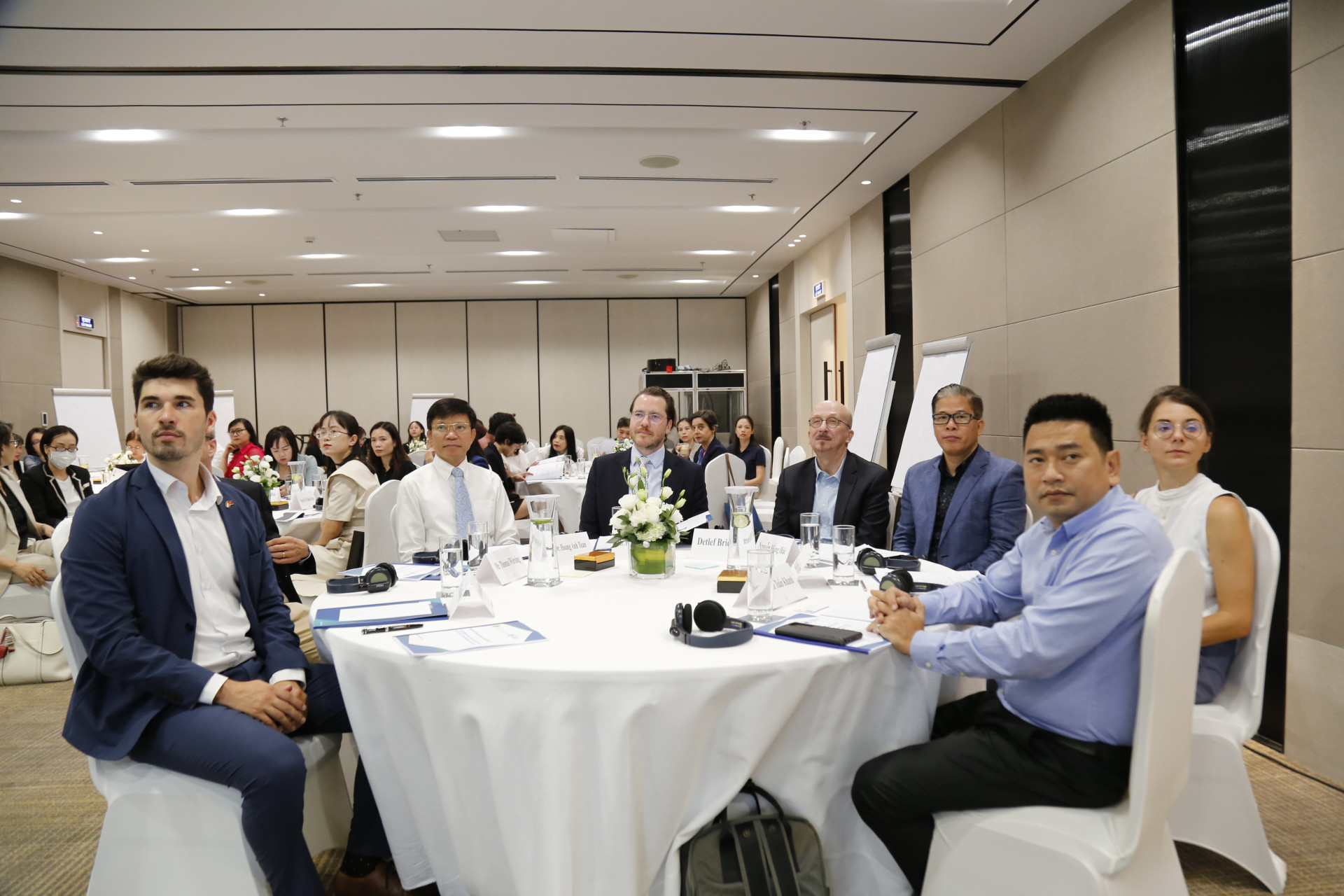
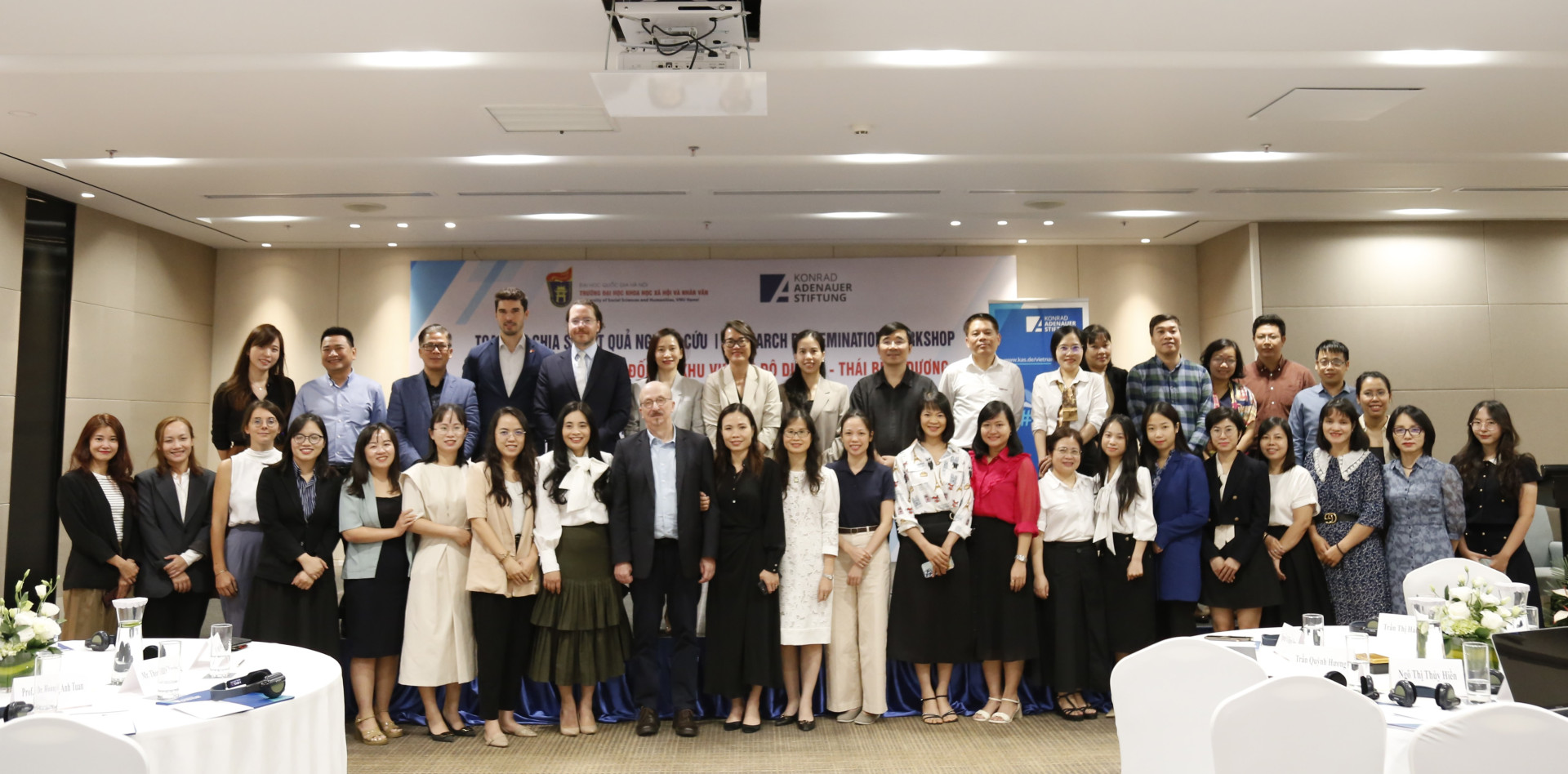
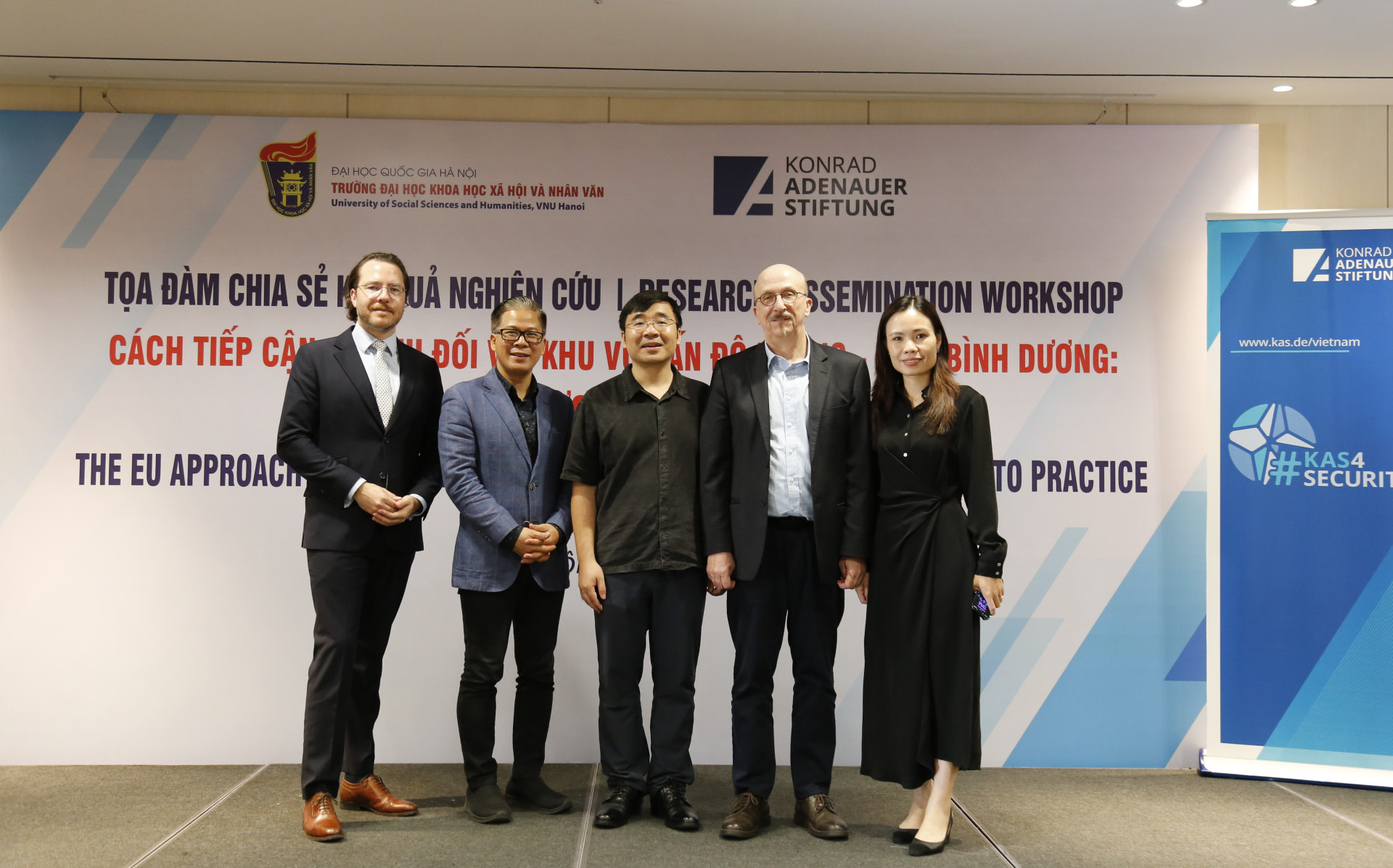
The seminar received particular attention from scientists from universities, research institutions, and policy practitioners.
20 years of cooperation between the University of Social Sciences and Humanities and the Konrad-Adenauer-Stifung Institute
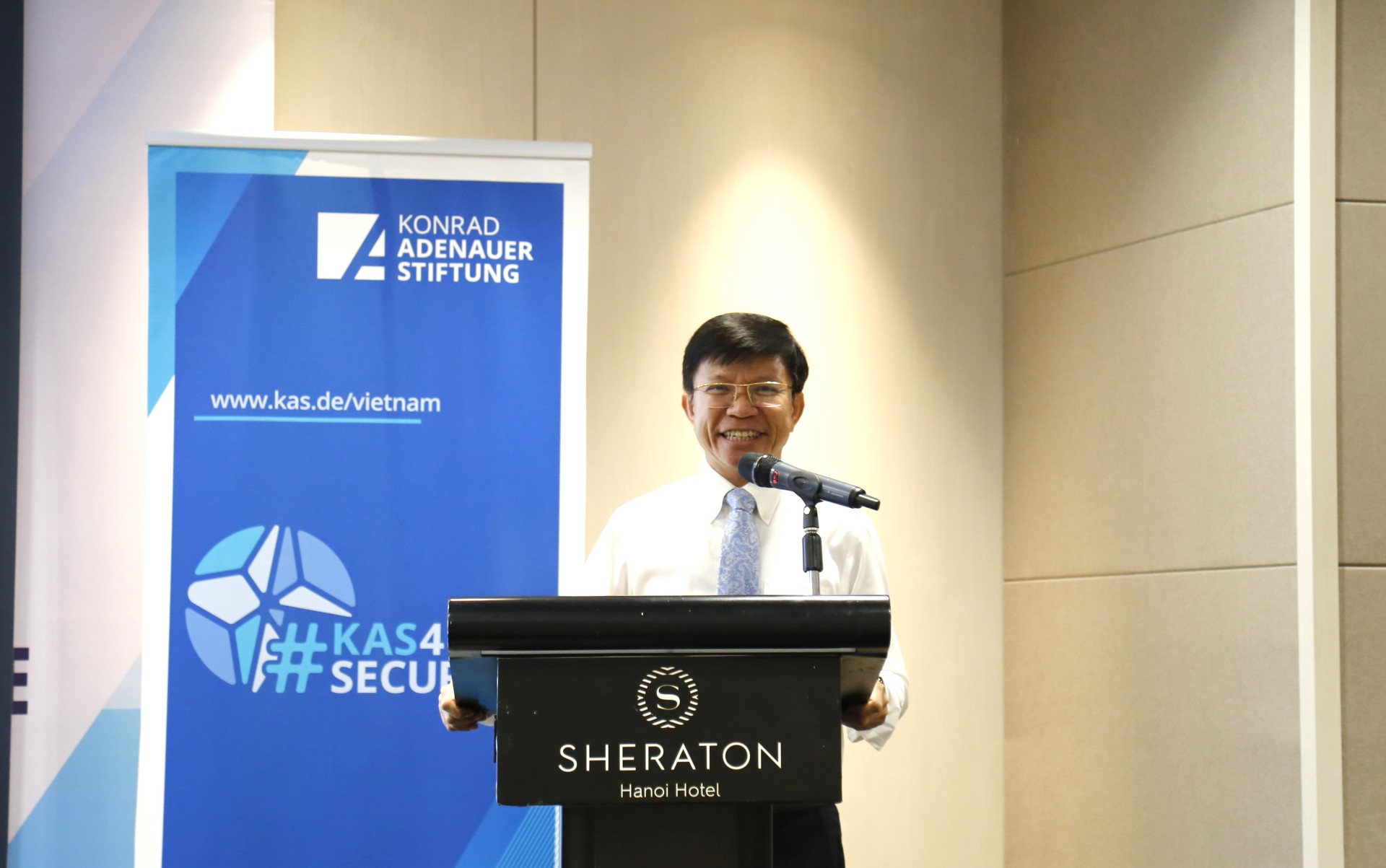
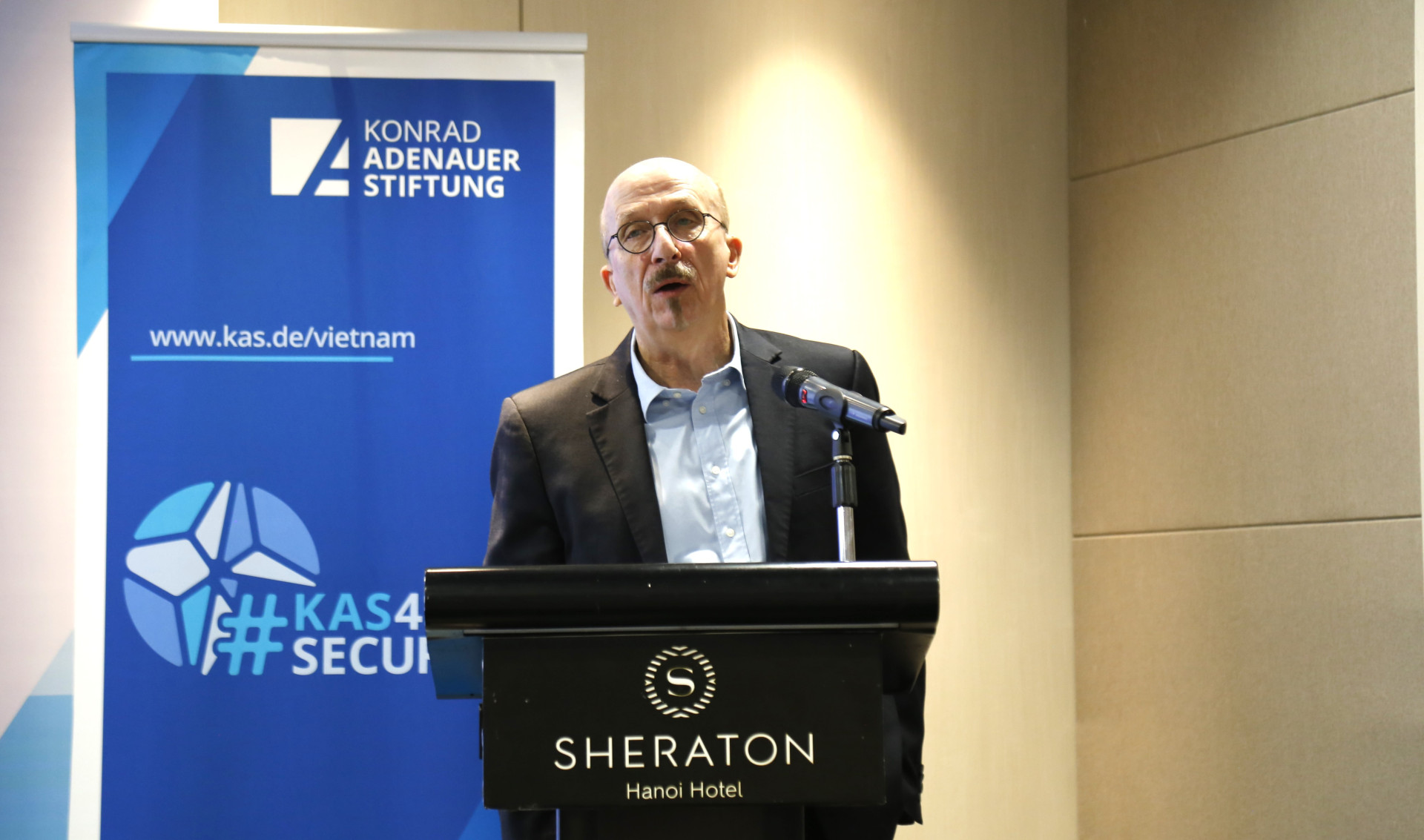
Professor Hoang Anh Tuan - Rector of the University of Social Sciences and Humanities: The success of this project will serve as a foundation for many future projects between the University and the Institute.
In his opening remarks at the seminar, Professor Hoang Anh Tuan, Rector of the University of Social Sciences and Humanities, stated: “Over the past 20 years, the cooperative relationship between the University of Social Sciences and Humanities and the Konrad Adenauer Stiftung (KAS) has developed strongly. This cooperation has not only improved the quality of training and research but also built a solid foundation for sustainable development in the social sciences. Cooperative activities such as organizing workshops, seminars, and academic exchange programs have made significant contributions to finding innovative and sustainable solutions to pressing societal issues.”
In the context of the Indo-Pacific region playing an increasingly important role in the global economic and political structure, regional studies have helped Vietnam better understand its historical, cultural, and economic relationships with neighboring countries, providing a solid scientific foundation for building regional cooperation strategies and ensuring stable and sustainable development. Research on the European Union's approach to regional cooperation, from strategy to practice, is crucial in understanding the perspectives and policies of a major entity and an important partner of Vietnam. Therefore, research findings will contribute directly and indirectly to understanding and formulating Vietnam's foreign policy.
Professor and Rector Hoang Anh Tuan affirmed: “The continuous companionship and support from the KAS Institute is a valuable driving force that helps the university fulfill its mission of contributing to and creating positive changes for society, playing an important role in promoting the exchange of knowledge, culture, and values between Vietnam and Germany.”
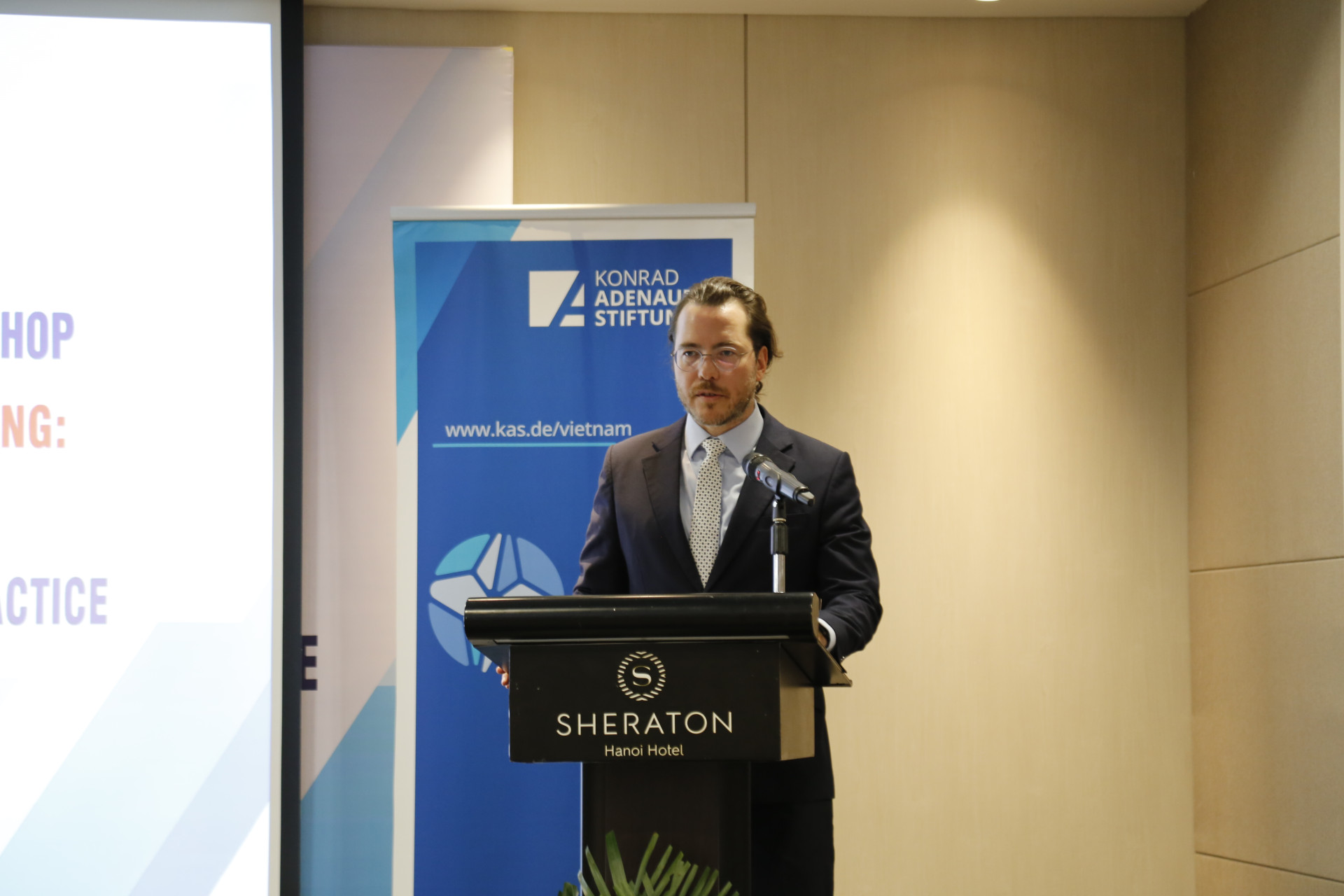
Mr. Florian Feyerabend – Resident Representative of the Konrad-Adenauer-Stifung Institute in Vietnam – encouraged the speakers to actively participate in the discussions.
Mr. Florian Feyerabend, Representative of the Konrad Adenauer Stifung in Vietnam, shared: The Indo-Pacific region is increasingly strategically important to the EU, recognizing its growing economic, demographic, and political weight in shaping the world order and addressing global challenges. The EU aims to use a strategy focused on strengthening cooperation with the region, building partnerships to reinforce the rules-based international order, address global issues, and lay the foundation for a rapid, equitable, and sustainable economic recovery.
The three-phase research between the KAS Institute and the University of Social Sciences and Humanities focuses on the EU's strategy as it is being implemented and, more importantly, how this strategy is perceived from the perspective of countries in the Indo-Pacific region in general and Vietnam in particular.
As a German political organization, the KAS Institute supports this research and workshop to promote discussions on the EU's Indo-Pacific cooperation strategy. Accordingly, he hopes the workshop will spark many future research topics and further strengthen the relationship between the University of Social Sciences and Humanities and the KAS Institute in particular, and between Vietnam and Germany in general.
Share the research findings of the project and future research directions.
Dr. Detlef Briesen - Justus Liebig University of Giessen, Germany
Sharing the research findings, Professor Detlef Briesen of Justus Liebig Giessen University, Germany, said: “The research project, 'The EU Approach to Cooperation in the Indo-Pacific: From Strategy to Practice,' delves into the European Union’s strategic approach to the Indo-Pacific region, within a rapidly changing geopolitical landscape, primarily shaped by strategic competition and increasing influence between the United States and China. The EU’s strategy reflects a significant adjustment to its foreign policy priorities, emphasizing the need for strategic autonomy, multilateralism, and enhanced partnerships in the Indo-Pacific region.”
The EU recognizes that regional stability is closely linked to Europe's own economic and security interests, particularly concerning trade routes, energy supplies, and critical technologies. The EU's strategy is driven by the need to protect its interests, mitigate geopolitical risks posed by rising tensions between China and the United States, and strengthen its role as a global actor through strategic partnerships and multilateral cooperation.
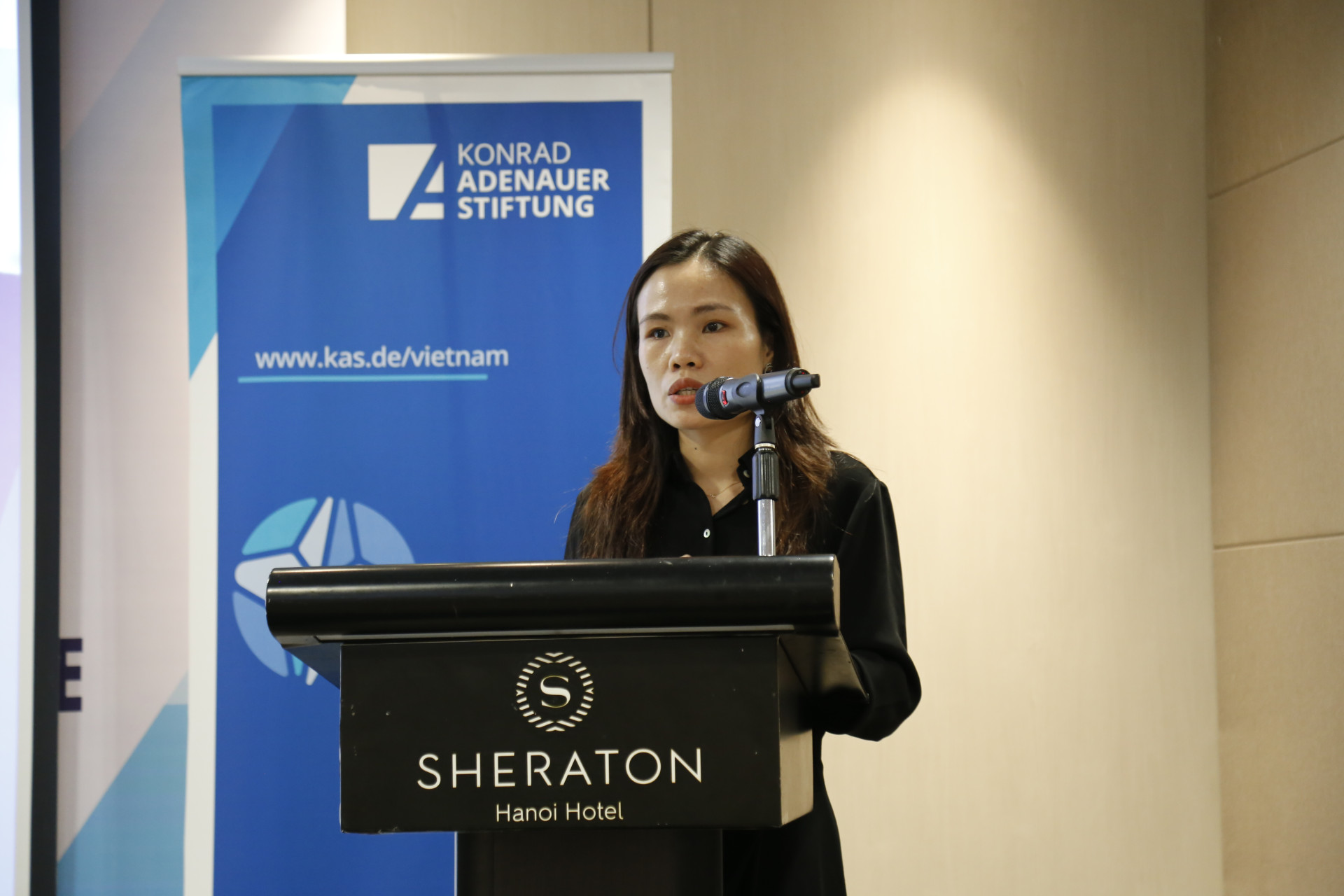
Dr. Nguyen Thi Thuy Trang - Department of International Studies, University of Social Sciences and Humanities
According to Dr. Nguyen Thi Thuy Trang - Faculty of International Studies, University of Social Sciences and Humanities: The first step, the 2021 research project, analyzed the contents of the European Union's Indo-Pacific strategy and the reception in Vietnam. The second step, in 2022, involved experts analyzing the perspectives and views of regional entities on this strategy. The research results presented in 2023 are more related to the changes in the global geostrategic environment. Dr. Nguyen Thi Thuy Trang analyzed the views of several regional entities such as ASEAN, Indonesia, Thailand, and Vietnam, as well as their concerns about the role and prospects of implementing the EU's strategy in the Indo-Pacific. Concerns include: Regarding trade, the EU's stringent environmental and labor standards could pose challenges to developing and emerging economies that may not yet be able to fully meet these standards; Regarding security and defense, countries in the region are somewhat skeptical about the EU's ability to make a significant contribution to the Indo-Pacific security architecture; In addition, countries in the region are also aware that Europe's main focus remains on its own neighborhood – such as relations with Russia, North Africa, and internal European concerns like Brexit. This raises concerns about the EU's long-term commitment to the Indo-Pacific and whether the EU has the capacity to focus on Southeast Asia amidst competing priorities.
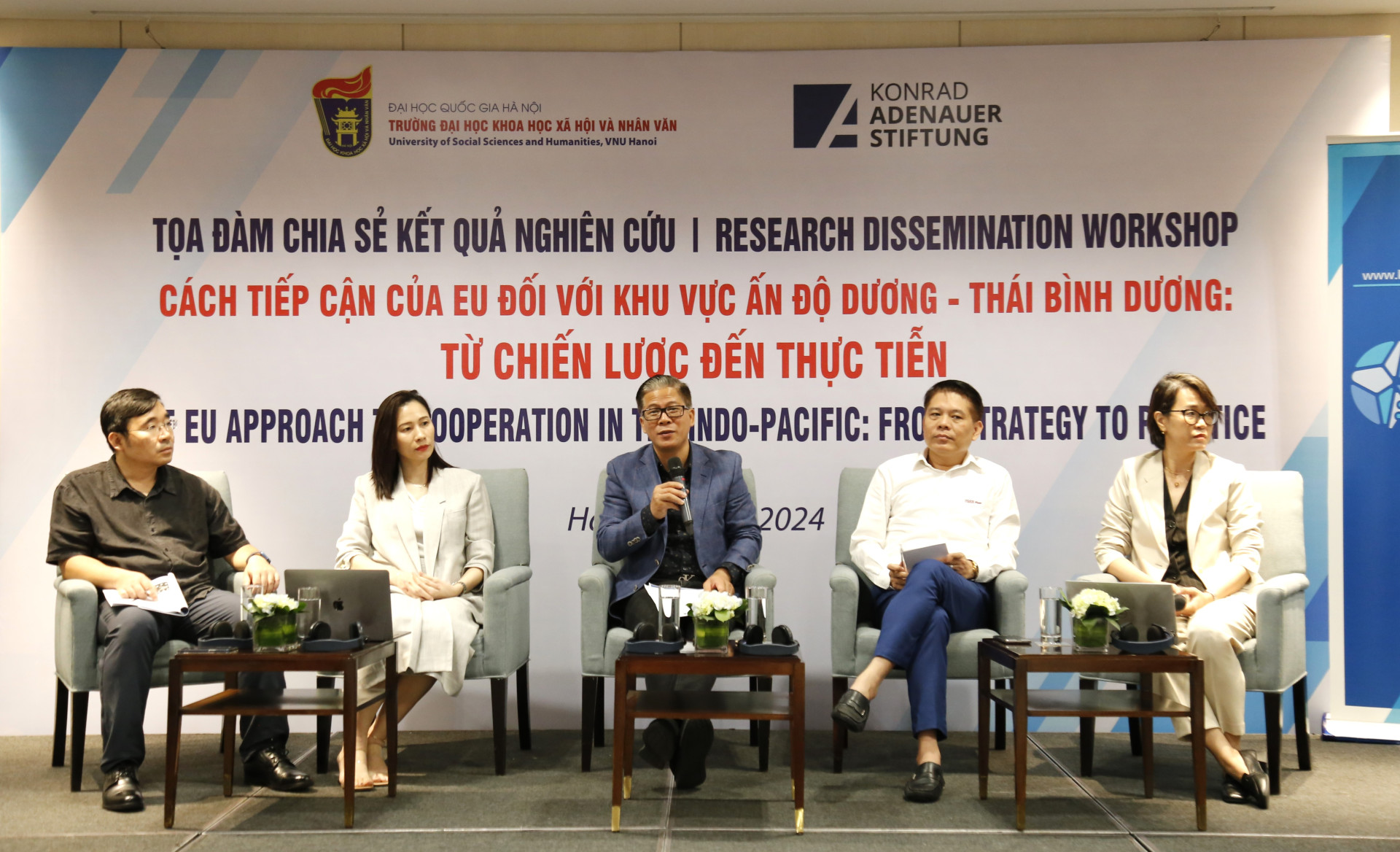
At the seminar, participating experts and researchers also had positive exchanges on opportunities for the EU in balancing its strategic interests with those of other major powers in the Indo-Pacific, as well as the opportunities and challenges for Vietnam in the current context. They also proposed several necessary and meaningful research directions for the future, highlighting the risks and opportunities for the EU in balancing its strategic interests with those of other major powers in the Indo-Pacific, and the opportunities and challenges for Vietnam in the current context.
“The EU Approach to Cooperation in the Indo-Pacific: From Strategy to Practice” is a collaborative project between the University of Social Sciences and Humanities and the Konrad-Adenauer-Stifung Institute, implemented in three phases:
Phase 1 (2021): Research on the EU's objectives and clarification of questions regarding the extent of EU involvement in the new foreign policy area with its strategies. The research also clarifies Vietnam's perspective on the EU's new strategy.
Phase 2 (2022): Research assessing EU perceptions and strategies among key international actors in the region.
Phase 3 (2023): Research evaluating the EU's strategy for cooperation in the Indian Ocean region in the new context, particularly in the post-conflict context of Ukraine to date.
Here are some photos from the seminar: