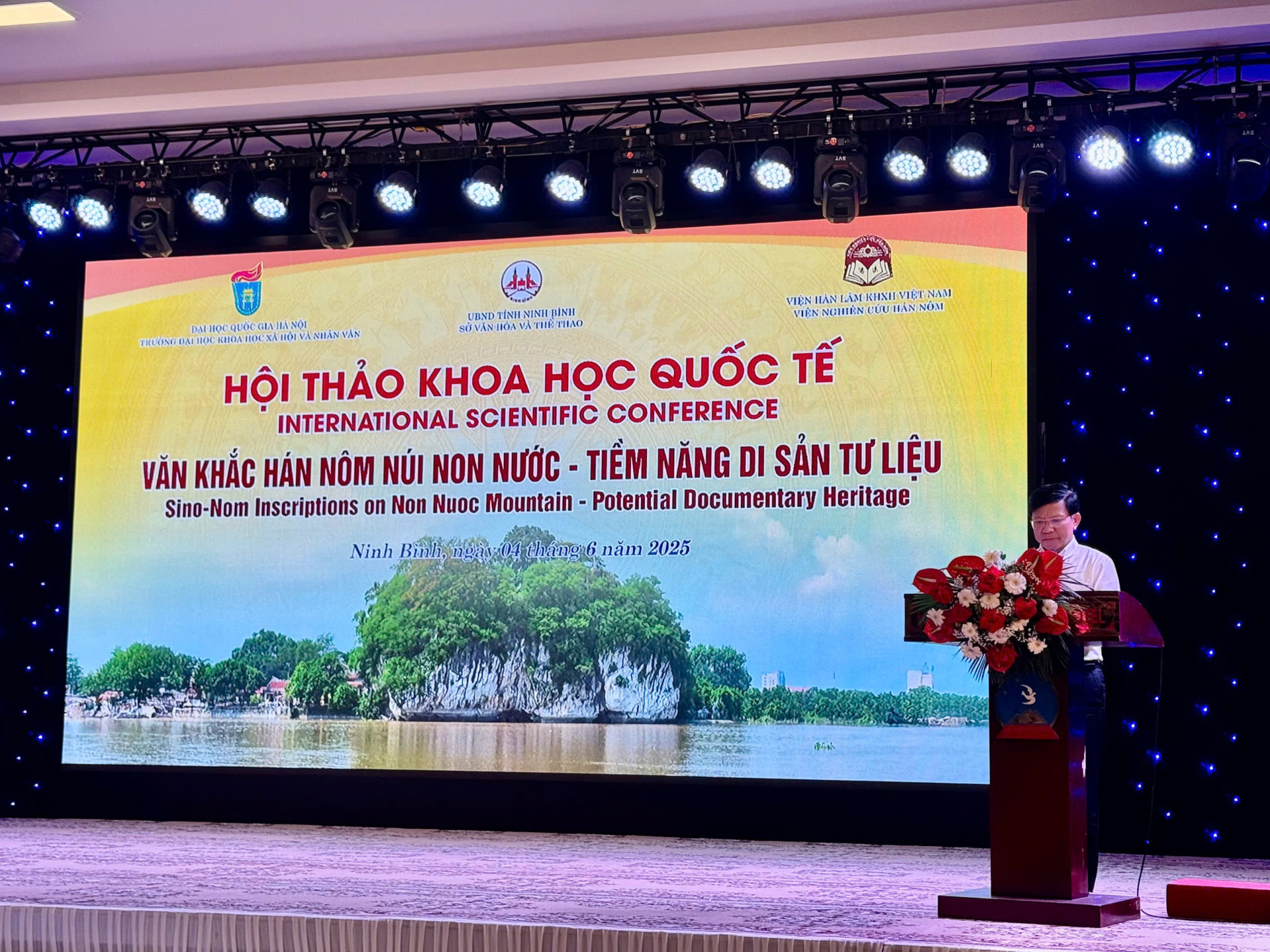
Overview of the Conference
Professor Hoang Anh Tuan, Rector of the University of Social Sciences and Humanities, delivered a speech at the conference.
A precious legacy from our ancestors.
In the endless flow of national history and culture, identifying, preserving, and promoting the heritage values left by our ancestors has always been one of the crucial tasks, reflecting the responsibility of today's generation towards the past and the future. In particular, documentary heritage, as material evidence recording the memory, knowledge, and history of a community, a nation, or even humanity as a whole, is receiving increasing attention from the international community. It is in this context that the international scientific conference "Han Nom Inscriptions at Non Nuoc Mountain: The Potential of Documentary Heritage" was held in Ninh Binh – a land rich in historical and cultural layers. The conference focused on a treasure trove of exceptionally unique documentary heritage – the system of Han Nom inscriptions at Non Nuoc Mountain, Ninh Binh province – a heritage containing immense potential that needs to be explored and celebrated.
Non Nuoc Mountain, also known as Duc Thuy Son, Son Thuy, or Ho Thanh Mountain, is located in a strategically important geographical and historical position in Vietnam. The Ninh Binh region, situated "with the sea to the southeast and mountains to the northwest, a terrain both rugged and easily accessible," was once the capital of the Dinh and Early Le dynasties, witnessing the ups and downs of the nation's history. It is against this historical and geographical backdrop that Duc Thuy Son has become a sacred space, a destination for emperors, poets, and scholars over the centuries. More importantly, it houses an invaluable system of Han Nom inscriptions, dubbed "the only unique museum of Vietnamese literature on stone in Vietnam."
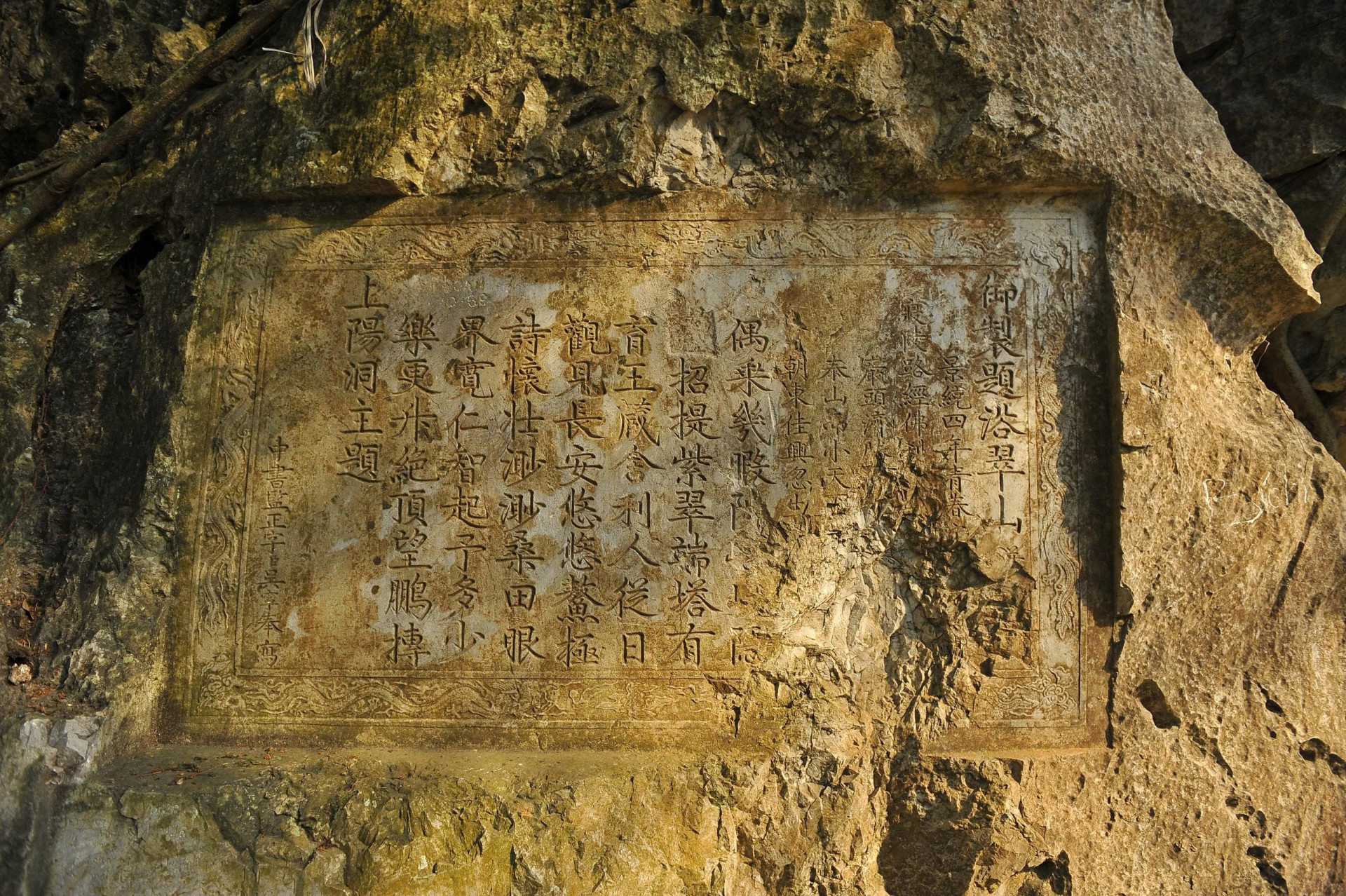
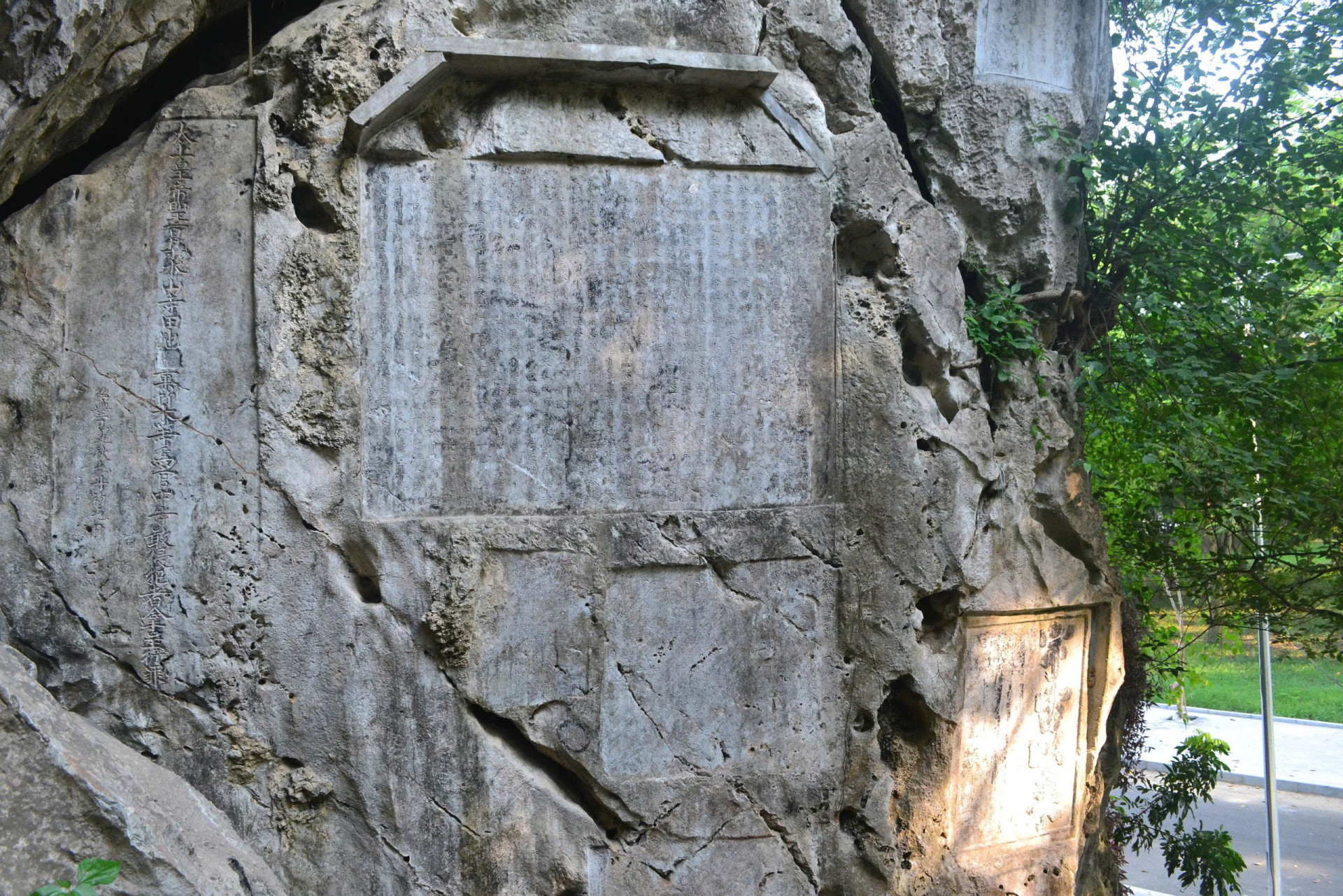
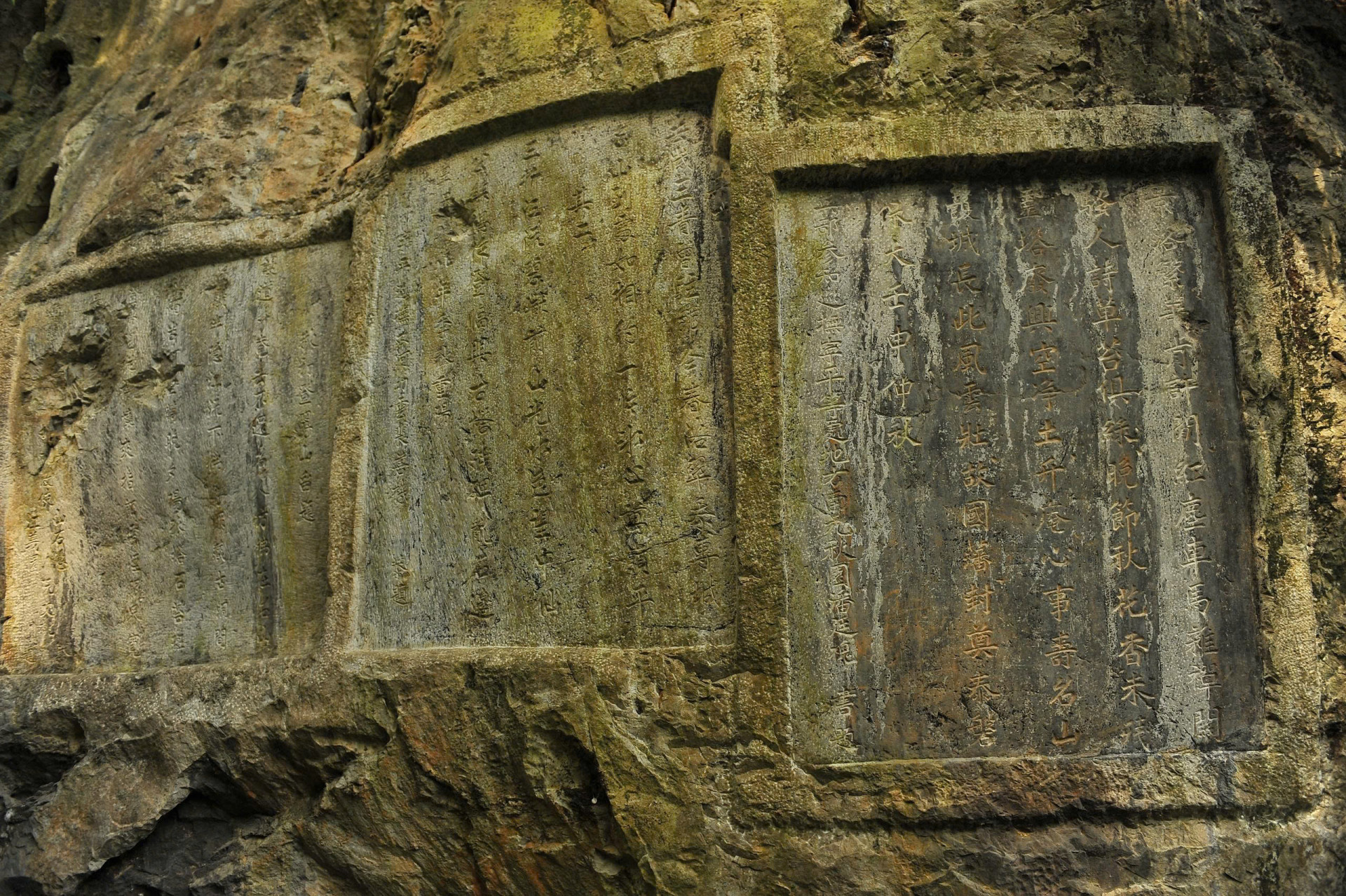
Some literary works are carved into rocks at Non Nuoc Mountain.
This system of inscriptions, with approximately 43 surviving steles and 12 other documents preserved through rubbings, is a unique collection of documentary heritage, reflecting the cultural life, beliefs, history, and thoughts of many generations of Vietnamese intellectuals from the 13th to the 19th centuries.
Efforts to bring Non Nuoc heritage to the world stage.
The conference brought together a large number of leading scientists and experts from Vietnam, as well as prestigious international scholars from Taiwan, France, and Japan. This diversity was evident not only in geographical scope but also in the multidisciplinary and interdisciplinary nature of the approaches. The presentations covered a wide range of fields: from textual studies, history, and comparative literature, to in-depth analyses of the value of documentary heritage according to international criteria; from research on the historical formation, artistic characteristics, and ideological content of inscriptions, to pressing issues concerning conservation, challenges from climate change and environmental pollution, and advanced technological and management solutions. The presentations also shared valuable experiences from researching, preserving, and promoting the value of similar heritage sites in Vietnam and around the world, such as the Marble Mountains of Ngu Hanh Son (Da Nang), the Shaolin Temple inscriptions (China), and other documentary heritage sites recognized by UNESCO.
The insightful academic exchanges, new findings, and heartfelt proposals presented at the Conference not only enriched our understanding of the Non Nuoc Mountain Han Nom inscription heritage, but were particularly useful in locating its value and determining a suitable roadmap for elevating the Non Nuoc inscription heritage to international recognition as a Regional Documentary Heritage of Asia and the Pacific.