The International Forum on Humanities is an annual event initiated by Russian President Medvedev and Azerbaijani President H.E. Aliyev since 2010 to discuss humanitarian issues and the challenges of our time.
This year's International Forum on Humanities in Baku, Azerbaijan, addresses topics of global concern. Azerbaijan's President, Iiham Aliyev, attended and delivered the opening speech.
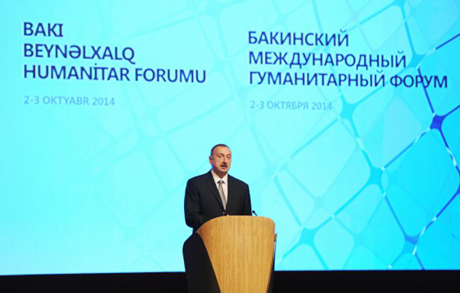
Image: Azerbaijani President Ilham Aliyev giving the opening speech (source: tinnhanh.vn)
Following the speech by the President of Azerbaijan were speeches by the representative of the President of Russia, Vladimir Putin; a speech by the Chairperson of the Federation Council of the Russian Federation, Valentina Matviyenko; a speech by the Director of the United Nations Development Programme, Helen Clark; a video by the Director of UNESCO, Irina Bokova; and a speech by the Director of ISESCO, Abdulaziz Othman Altwaijiri.
This year's Humanities Forum manifesto focuses attention on the factors driving unsustainable economies through the ever-increasing demands that contradict the principles of sustainable development; and on curbing resource degradation, moral decay, and humanistic limitations, leading to irreversible global ecological consequences, in order to seek opportunities to contribute to ensuring long-term sustainable development based on understanding, human potential, and the principles of ecological civilization. It recognizes that the conditions of future globalization can be shaped by the efficiency and scientific nature of movements consistent with the ethical principles of humanism, total intelligence, culture, social human potential, and the natural diversity that exists on our planet.
Following the speeches, the forum held two plenary sessions.
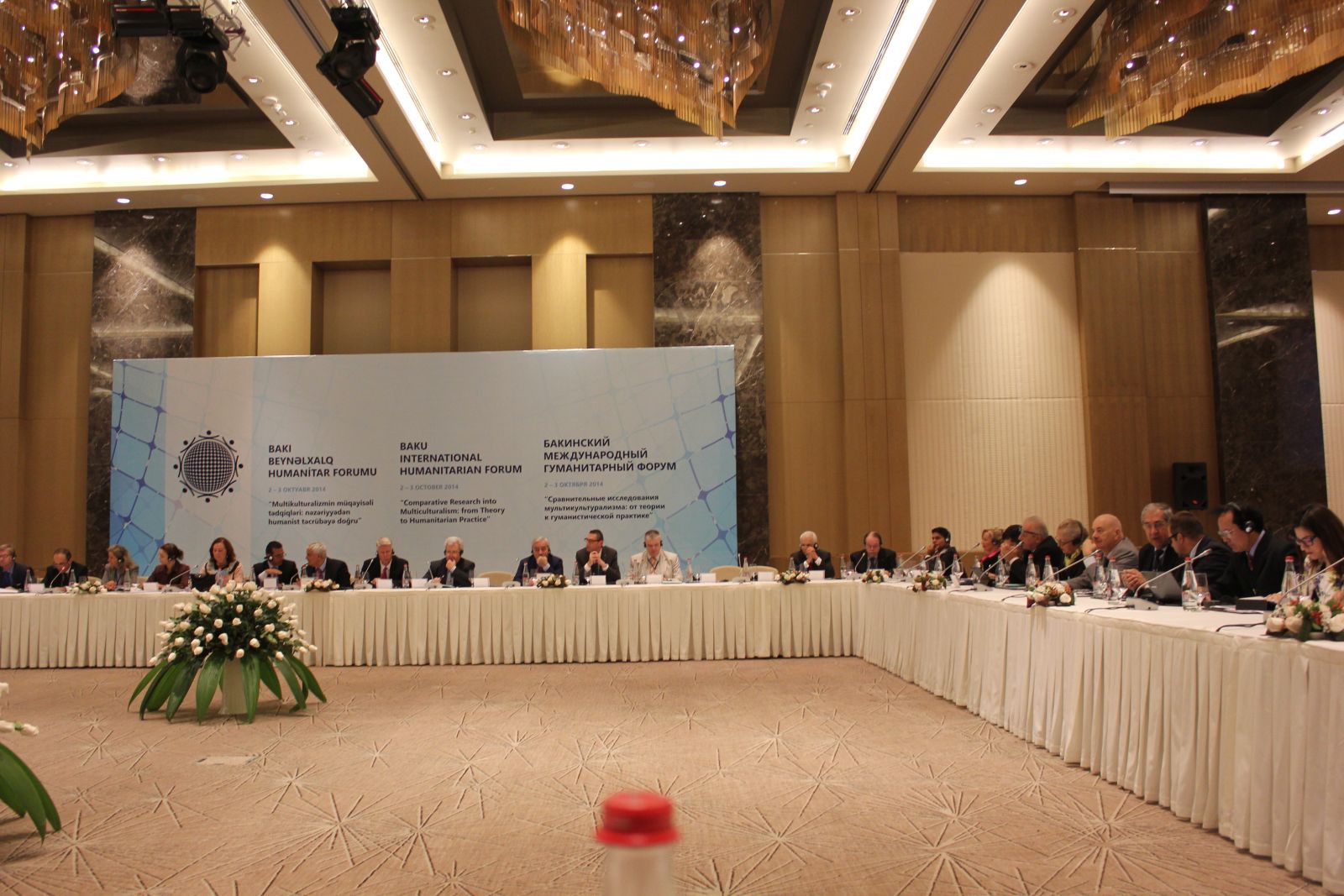
Image: A panoramic view of the session at the 4th International Forum on Humanities in Baku.
Session 1: Presided over by the Minister of Youth and Sports of the Republic of Azerbaijan, Azad Rahimov.
The session was attended and addressed by former presidents and former high-ranking leaders of the Republic of Estonia, Croatia, the Republic of Lithuania, and others.
Following the conclusion of the first discussion session, the forum moved on to the second session, featuring speeches by 14 Nobel laureates in the fields of Chemistry, Medicine, Economics, and Physics. The session was chaired by Akif Alizadeh, President of the National Academy of Sciences of Azerbaijan.
The forum then split into smaller groups to discuss key issues. The chair for this session was the Minister of Education of the Republic of Azerbaijan, Mikayil Jabbarov. Topics at the roundtable included: “Comparative Multicultural Studies: From Theory to Humanitarian Practice”, “Media Transformation in the Digital Age: New Development Trends”, “The Role of Interdisciplinary Integration in Innovative Development”, “Sustainable Development and Ecological Populations”, “Challenges of Globalization: Tradition and Transformation”, “Molecular Biology and Biotechnology: Theory, Practice and Prospects”, “Technological Convergence and Future Outlining: The Turning Point Challenges of the 21st Century”, and “Humanism as a Fundamental Value in the Postmodern Era”.
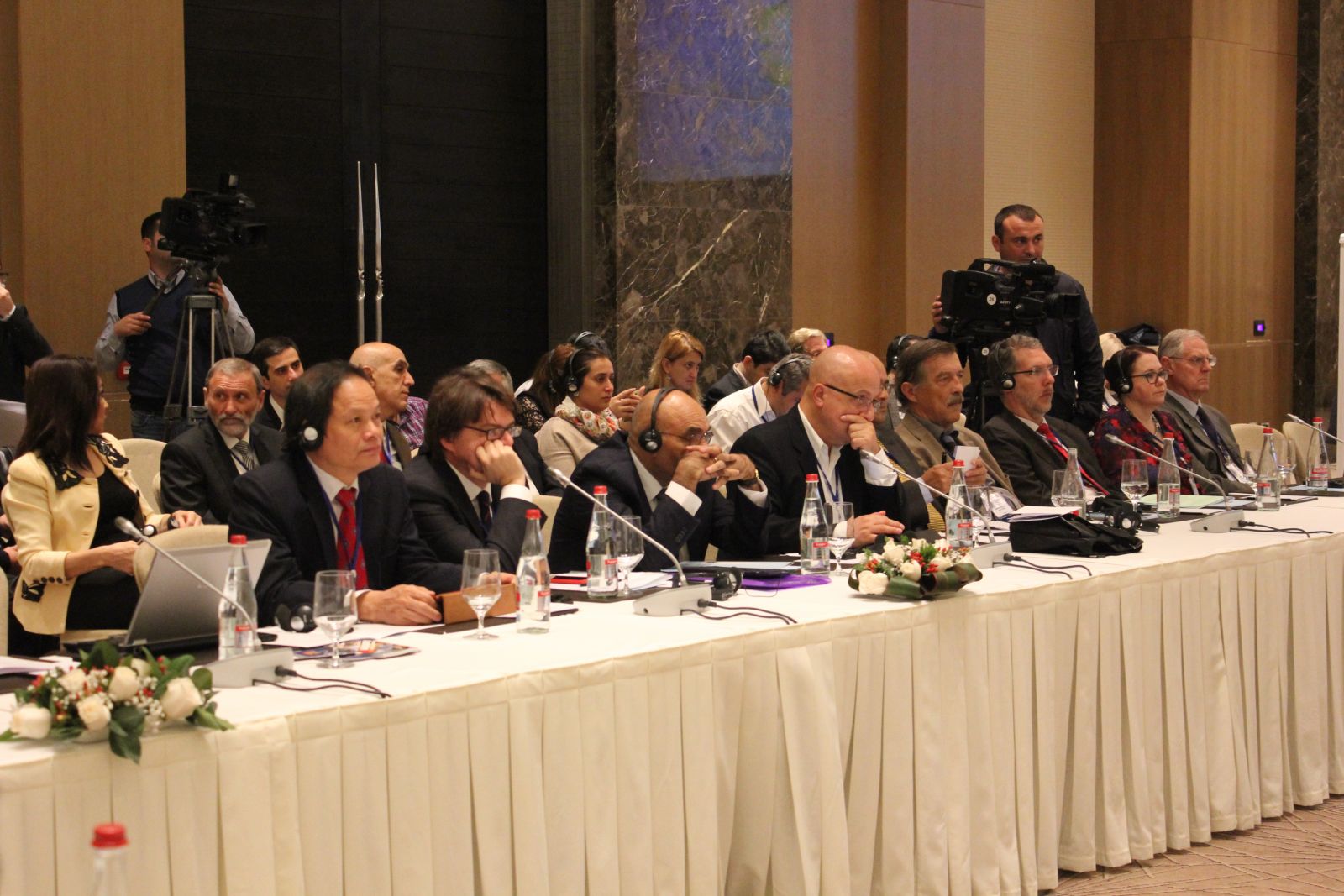
Professor Nguyen Van Khanh attended the 4th International Humanitarian Forum in Baku.
The Vietnamese delegation attending the seminar included: Prof. Dr. Nguyen Van Khanh, Rector of the University of Social Sciences and Humanities; Dr. Dao Thanh Truong, Deputy Director of the Institute of Policy and Management; Dr. Nghiem Vu Khai, former Deputy Minister of Science and Technology; Dr. Pham Huu Tien, Director of the Institute of Policy, Law and Management; Dr. Ngo Kim Thu, Deputy Director of the Institute of Policy, Law and Management; Ms. Nguyen Thi Thu Hien, Deputy General Director of Vietnam Television; Mr. Nguyen Duc Loi, General Director of Vietnam News Agency; and Mr. Tran Quoc Huy, Deputy General Director of Vietnam News Agency.
Within the framework of the forum, Professor Nguyen Van Khanh and Dr. Dao Thanh Truong had a meeting and working session with the Ministry of Education of Azerbaijan, along with the Rector of Baku University, Professor Abel Maharramov, the Rector of ADA University, Hafiz Pashayev, and the Rector of the University of Foreign Languages, Samad Seyidov, to discuss the possibility of cooperation, training, and student exchange between the universities.
Here are some photos of Professor Dr. Nguyen Van Khanh, Rector of the University of Social Sciences and Humanities, Vietnam National University, Hanoi, working with the rectors of universities in Baku:
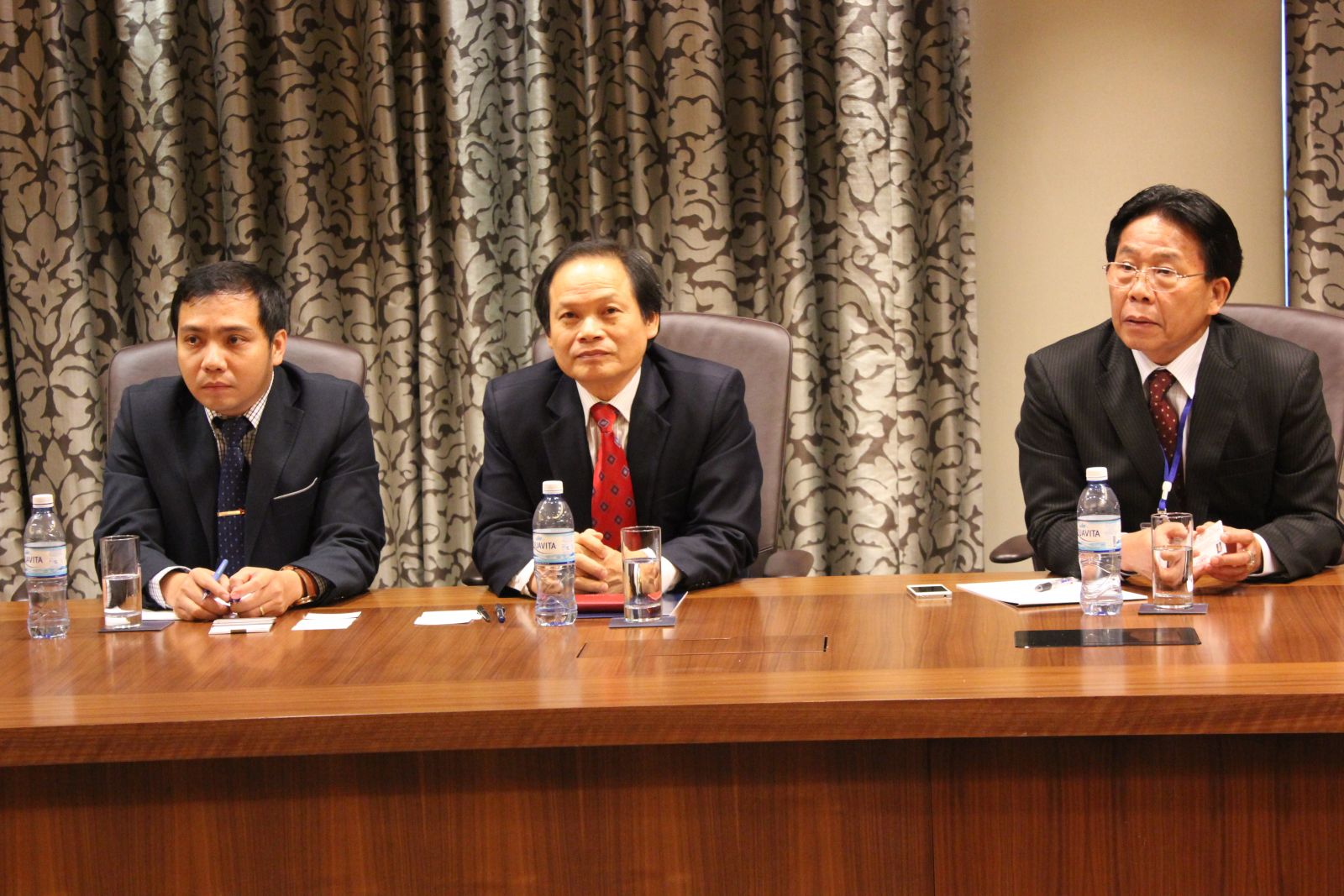
Professor Nguyen Van Khanh, Dr. Dao Thanh Truong, and Dr. Nghiem Vu Khai worked with the rectors of universities in Baku.
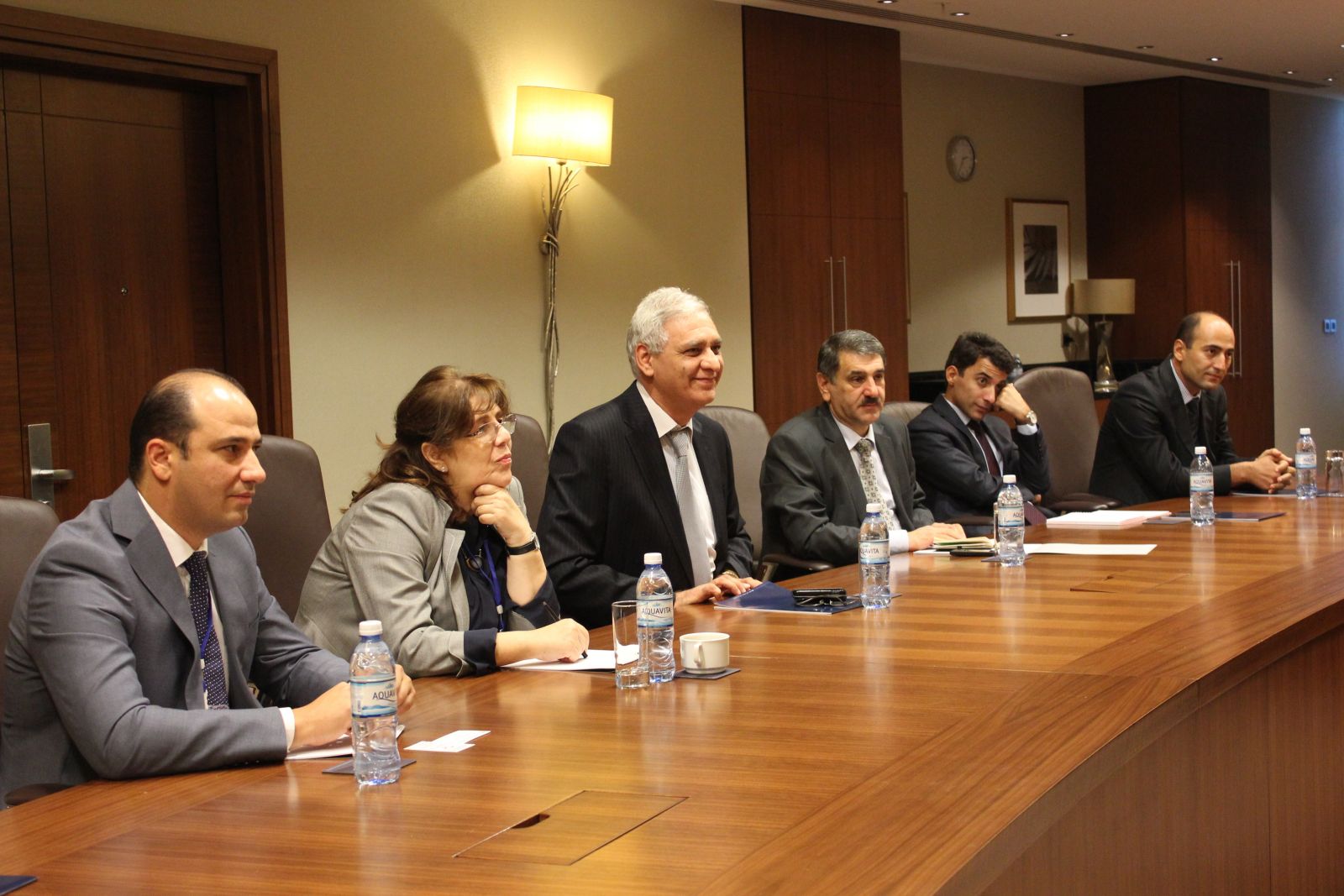
Rectors of several universities in Azerbaijan
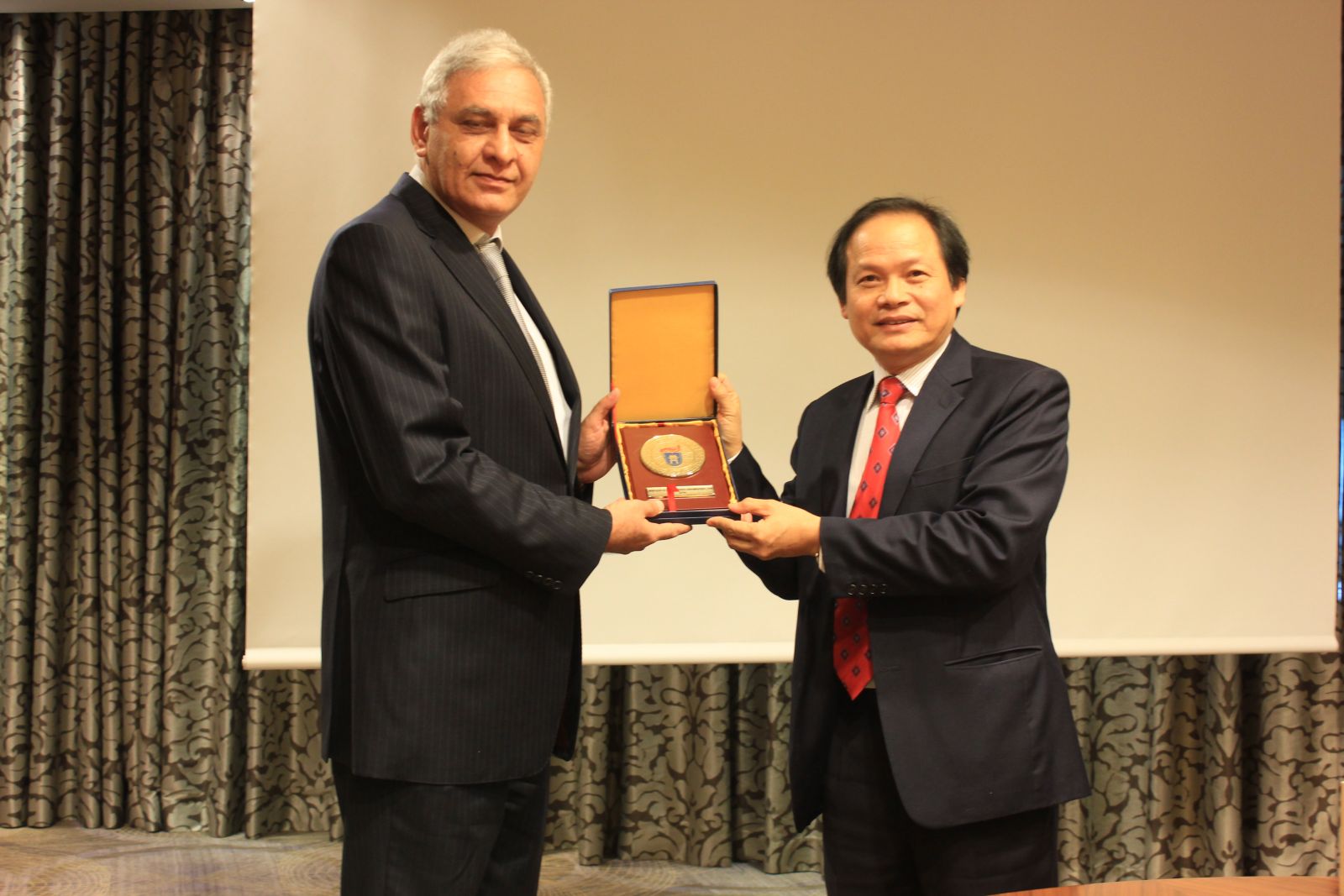
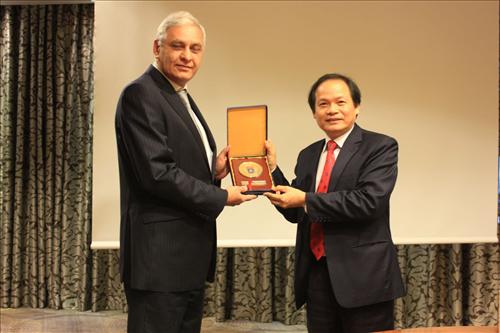
Professor Nguyen Van Khanh presents a commemorative gift to the representative of the Ministry of Education of Azerbaijan.
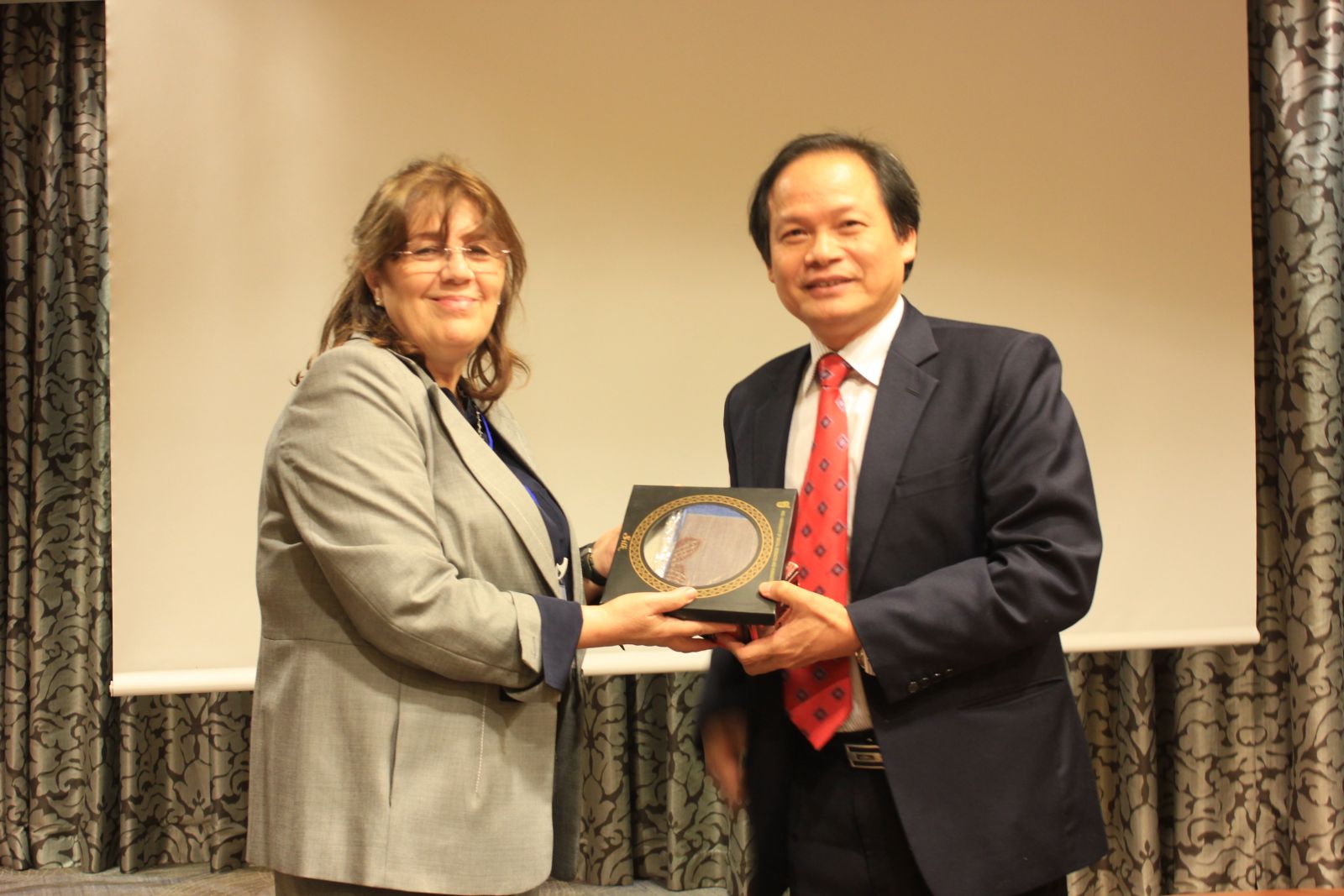
Professor Nguyen Van Khanh presents a gift to the Vice Rector of Baku University.
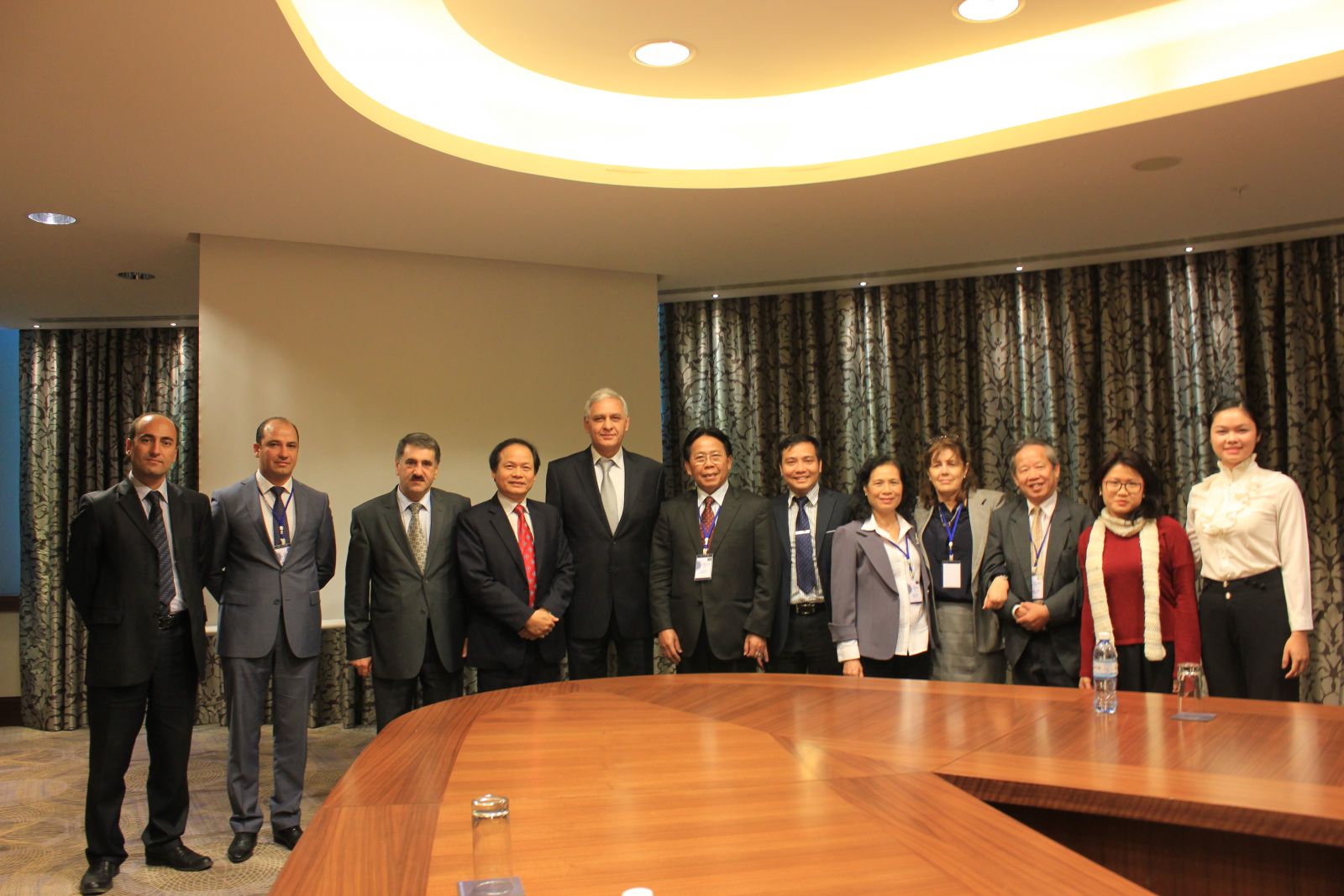
Professor Nguyen Van Khanh and Dr. Dao Thanh Truong pose for a commemorative photo with the delegation from Azerbaijani universities.
Declaration of the 4th Forum on Humanities in Baku
"We, politicians, academics, and representatives of cultures, international organizations, civil society organizations, and mass media from many countries around the world, gathered in Baku from October 2-3, 2014, at the 4th Baku Forum on Humanities, to:
WelcomeThe formation of Baku as an international multicultural center.
Care aboutThis leads to the significant development of international cooperation in the humanities and effective partnerships in this field to ensure harmonious and sustainable development while eliminating and preventing political and military conflicts and the proliferation of weapons worldwide.
Guidedby the United Nations Millennium Declaration and the post-2015 Agenda for Action aimed at eliminating global inequalities in religion, economics, politics, social development, and gender.
Directing attentionto factors that promote an unsustainable economy through the relentless increase of demand that contradicts the principles of sustainable development; and to curb resource degradation, moral decay, and humanistic limitations, leading to irreversible global ecological consequences.
SearchOpportunities to contribute to ensuring long-term sustainable development, based on understanding, human potential, and the principles of ecological civilization.
RecognizeThe conditions for our shared future globalization can be shaped by the efficiency and scientific nature of movements consistent with the ethical principles of humanism, total intelligence, culture, social human potential, and the natural diversity that exists on our planet.
ConsiderEffective responses to the challenges of the 21st century require the broad integration of contemporary science; traditional knowledge with technological information to achieve comprehensive integration at both global and national levels.
EmphasizeThe special role of civil society and mass media in enhancing the information supply to society and expanding public participation in the planning and achievement of human development goals.
CallThe elite in politics, culture, and science, international organizations, and representatives of civil society and mass media should further promote humanitarian cooperation to ensure sustainable development.
DeploymentUnder conditions of limited resources, the best way to effectively utilize the principles of sustainable development and humanistic ethics is to build upon achievements already made in the past.
In practice, as part of an open exchange of perspectives, issues such as:
- Comparative studies in multiculturalism: from theory to practice of humanism
- Media innovation in the digital age: new development trends
- The role of interdisciplinary integration in innovation development
- Sustainable development and ecological civilization
- The challenges of globalization: between tradition and transformation
- Molecular biology and biotechnology in the 21st century: theory, practice, and prospects
- Integrated technologies and outlines of the future: infrastructure challenges in the 21st century.
- Humanism as a fundamental value in the postmodern era
We take notethat the expansion and further development of international humanitarian cooperation is a key factor in effectively addressing contemporary challenges and threats, and in facilitating access to and wider application of contemporary production and management technologies, ensuring prosperity for present and future generations;
We noticedThe Humanities Forum in Baku, organized at the initiative of the Republic of Azerbaijan, has made a significant contribution to the development of cultural diversity, based on humanistic practices as fundamental values of the postmodern era.
We witnessedMany countries, including the Republic of Azerbaijan, have made considerable progress in recent years in planning and managing sustainable development, as evidenced by figures and reports from international organizations.
We take note.This is especially true given the need for further development of international cooperation to transform society from a consumer society to a consumption society based on sufficiency, as well as to achieve a lifestyle that meets the needs of ecological civilization.
We noticedThe importance of applying biotechnology and nanotechnology, based on the latest scientific achievements and the combination of modern and traditional technologies, is to ensure food and health security, improve quality of life, and unlock human potential for longevity.
We know thatThe development of human potential through the integration of knowledge and skills, including interdisciplinary approaches in a lifelong learning program and expanded collaboration in this field, are humanistic factors for sustainable development.
We also emphasize thatThe role of media and civil society in achieving the goals of human development is enhanced through increased understanding and broader public participation in development.
We callNational and international organizations place particular emphasis on the systematic development of human values by organizing forums, workshops, and seminars aimed at fostering an atmosphere of tolerance and addressing current national and international challenges.
We also emphasizeWe acknowledge the necessity of holding such forums annually and express our deep gratitude to the President and Government of the Republic of Azerbaijan, the Heydar Aliyev Foundation, and all the organizations of the International Forum on Humanities in Baku.
WeThey believe it is essential to adopt these statements and promote cooperation in the development of humanistic values.
Author:ussh
Newer news
Older news

