Emphasize the importance of building a Party organization that is morally upright, ethically sound, and politically and ideologically strong.
The Party cell prioritizes building a Party organization that is morally and ethically sound, strong in politics, ideology, and organization, with a focus on leadership and motivating Party members in each position to fulfill their roles effectively. The Party cell also consistently promotes democracy in its activities and in evaluating the quality of its members. By fostering the initiative and creativity of the various student and faculty organizations, the Party cell has helped improve the quality of each organization's activities and mobilized collective strength to build a strong Faculty.
Training and capacity building for staff.
The Faculty's Party Committee continues to review the staff development needs and the current situation regarding staff utilization and assignment of tasks, ensuring rationality and suitability to development requirements; building plans and roadmaps to achieve professional titles and degrees for staff according to schedule; paying attention to creating conditions for young staff to study and improve their skills in all aspects (professional expertise, foreign languages, computer skills, use of modern teaching aids). Currently, the Faculty has 21 out of 31 faculty members who are Professors, Associate Professors, and Doctors (1 Professor; 10 Associate Professors, 11 Doctors), and the remaining 9 are doctoral candidates studying in different years, achieving a rate of 71% of lecturers with PhD, Associate Professor, and Professor qualifications.
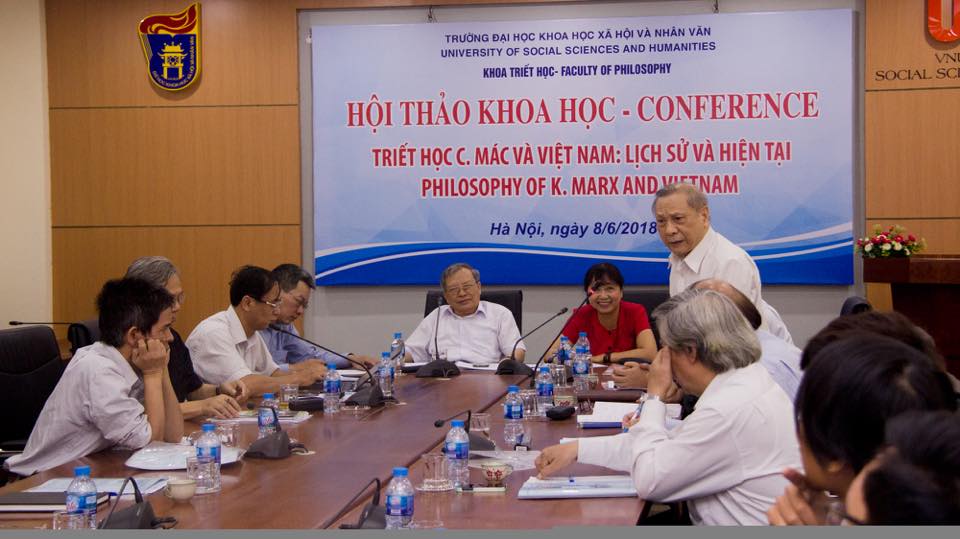
A workshop organized by the Department of Philosophy
Particular attention is paid to career guidance for students.
The Party Committee directs the Faculty to focus on student recruitment for all programs, especially in the context of basic research training programs facing many difficulties in student intake. Developing under conditions of significant changes in the structure of professions and career orientations, the attractiveness of basic sciences in general and Philosophy in particular is decreasing. Therefore, the Party Committee pays special attention to career orientation for students after graduation through improving training programs to be closer to societal needs, organizing many field trips for students to various localities, inviting experts and businesses to hold career guidance seminars for students... For postgraduate training programs, in addition to external recruitment sources, the unit also pays special attention to recruitment from the Faculty's own students, encouraging and guiding them to continue their studies at the postgraduate level immediately after graduation.
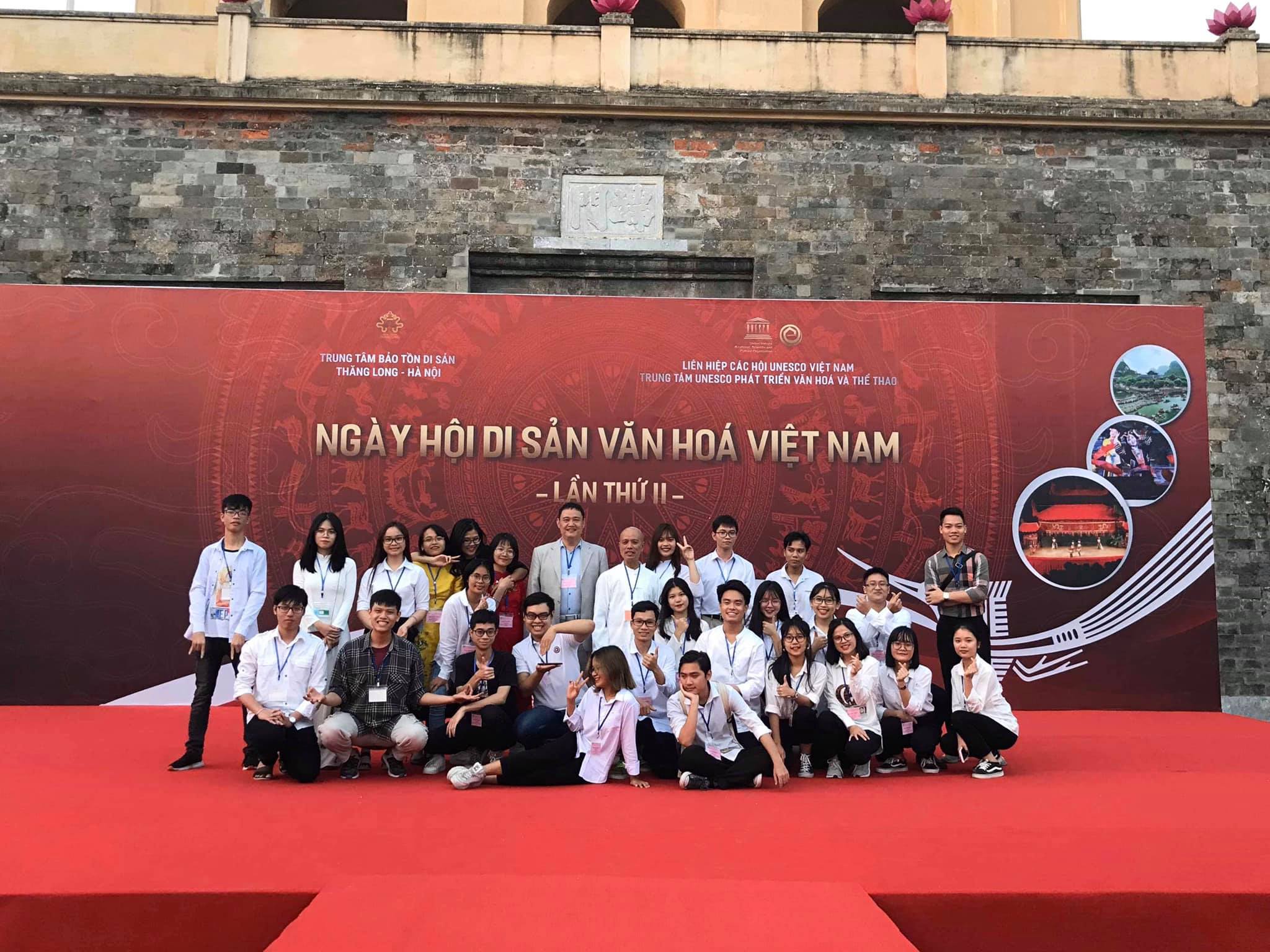
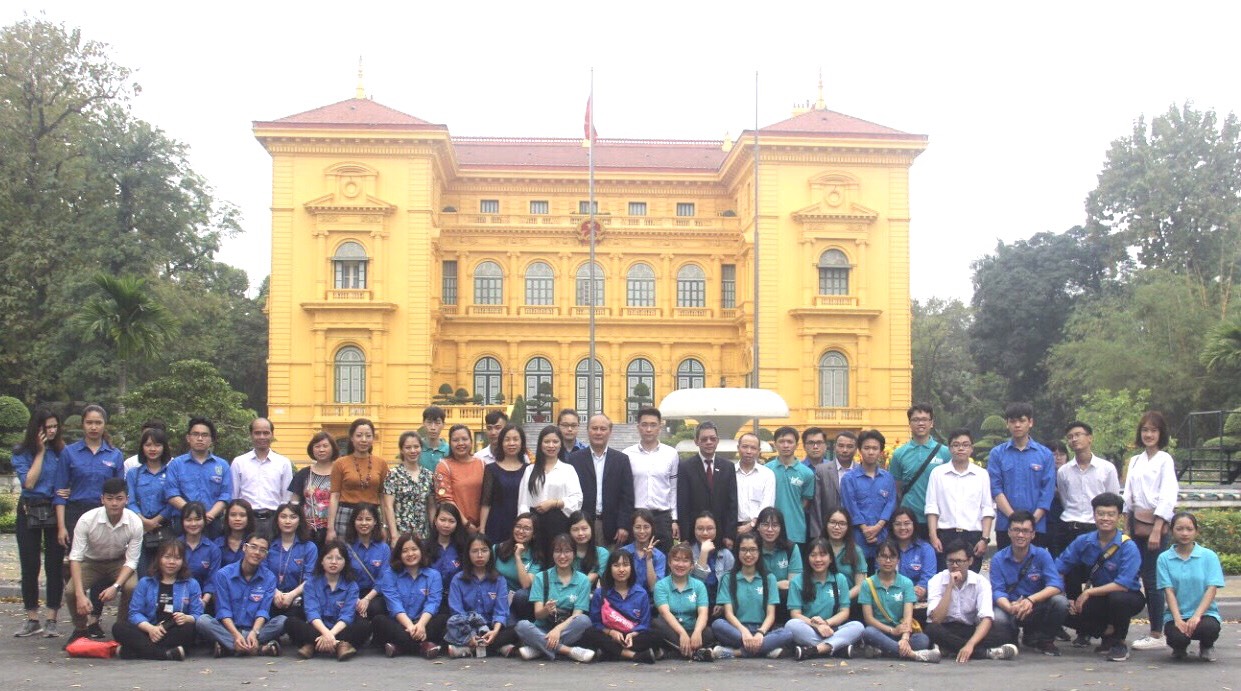
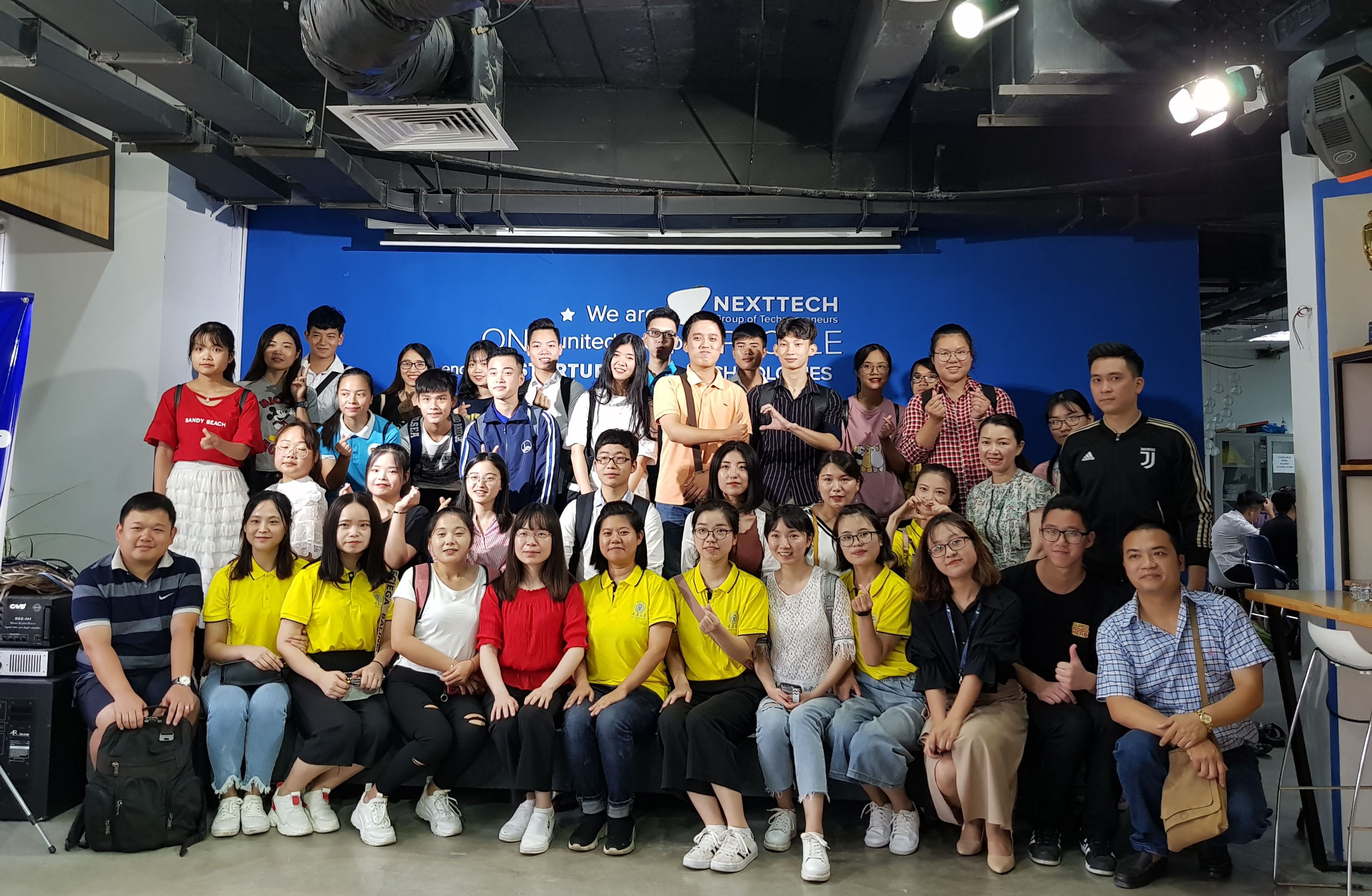
Welcome Program for K64 Students and Student Practical Activities at Businesses
Promote scientific research and strengthen international cooperation.
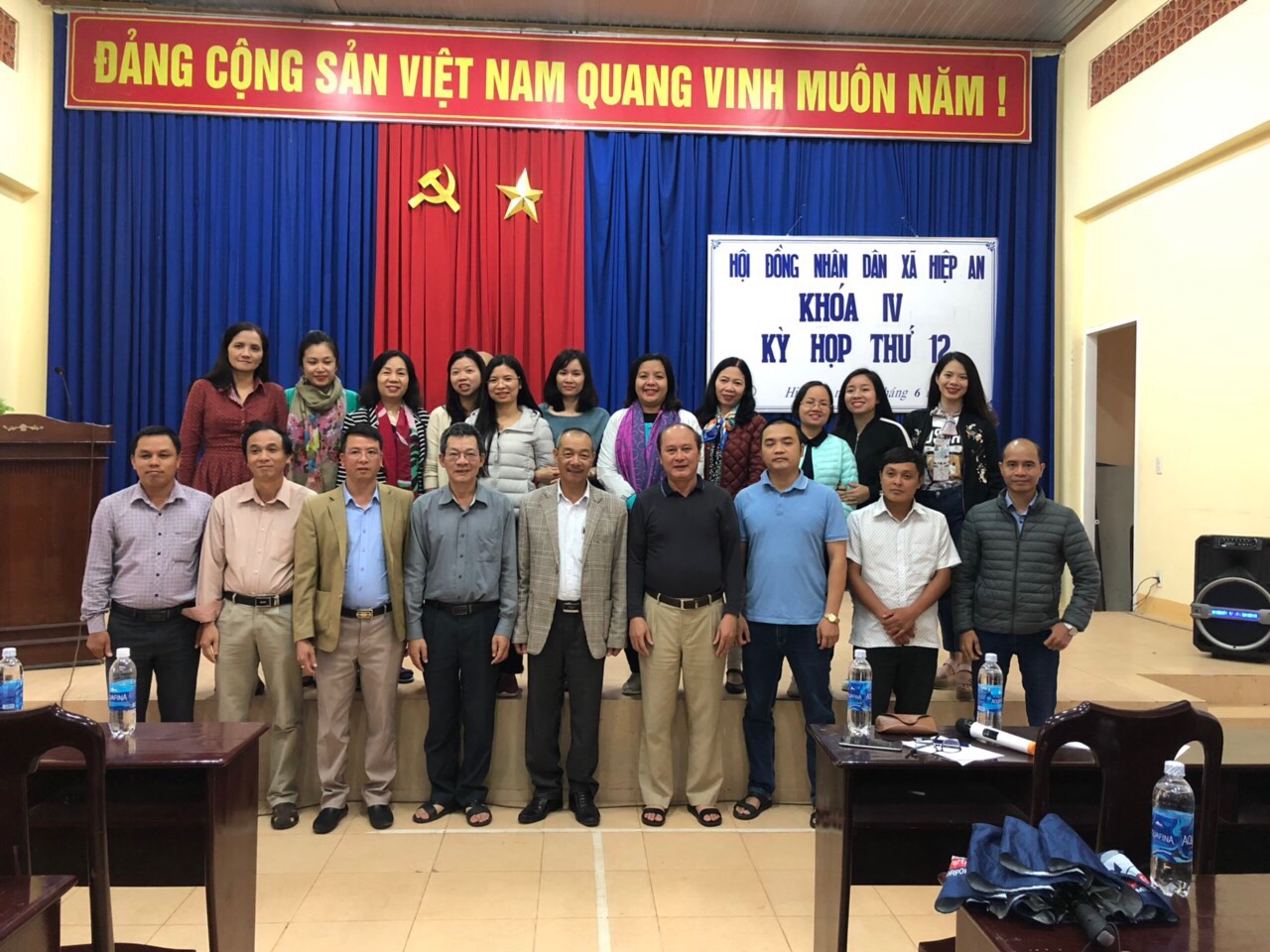
Over the past two years, the Faculty has organized two domestic and two international scientific conferences (in collaboration with the University's Center for Contemporary Religious Studies). These activities have attracted the attention of domestic and international scholars, lecturers, doctoral candidates, and students within the Faculty. The Faculty has established international cooperation with several universities: Chongqing University, Nanning Normal University, and Danankai University in China, and Sogang University in South Korea, through sending faculty members to participate in international conferences abroad and teaching Philosophy to postgraduate students at Nanning Normal University. Simultaneously, the Faculty has invited several domestic and international scientists (from Australia, Austria, Taiwan, and South Korea) to give presentations and exchange academic ideas with faculty members and students. Several departments, the Trade Union, and the staff's youth union have organized scientific activities. The faculty facilitates opportunities for staff, including young staff, to register and conduct scientific research projects, participate in writing lecture notes, and conduct field research in local areas. Faculty members consistently dedicate time to scientific works and research projects, with 10 projects at various levels already completed and approved, including 5 at the national university level and 1 at the state level.

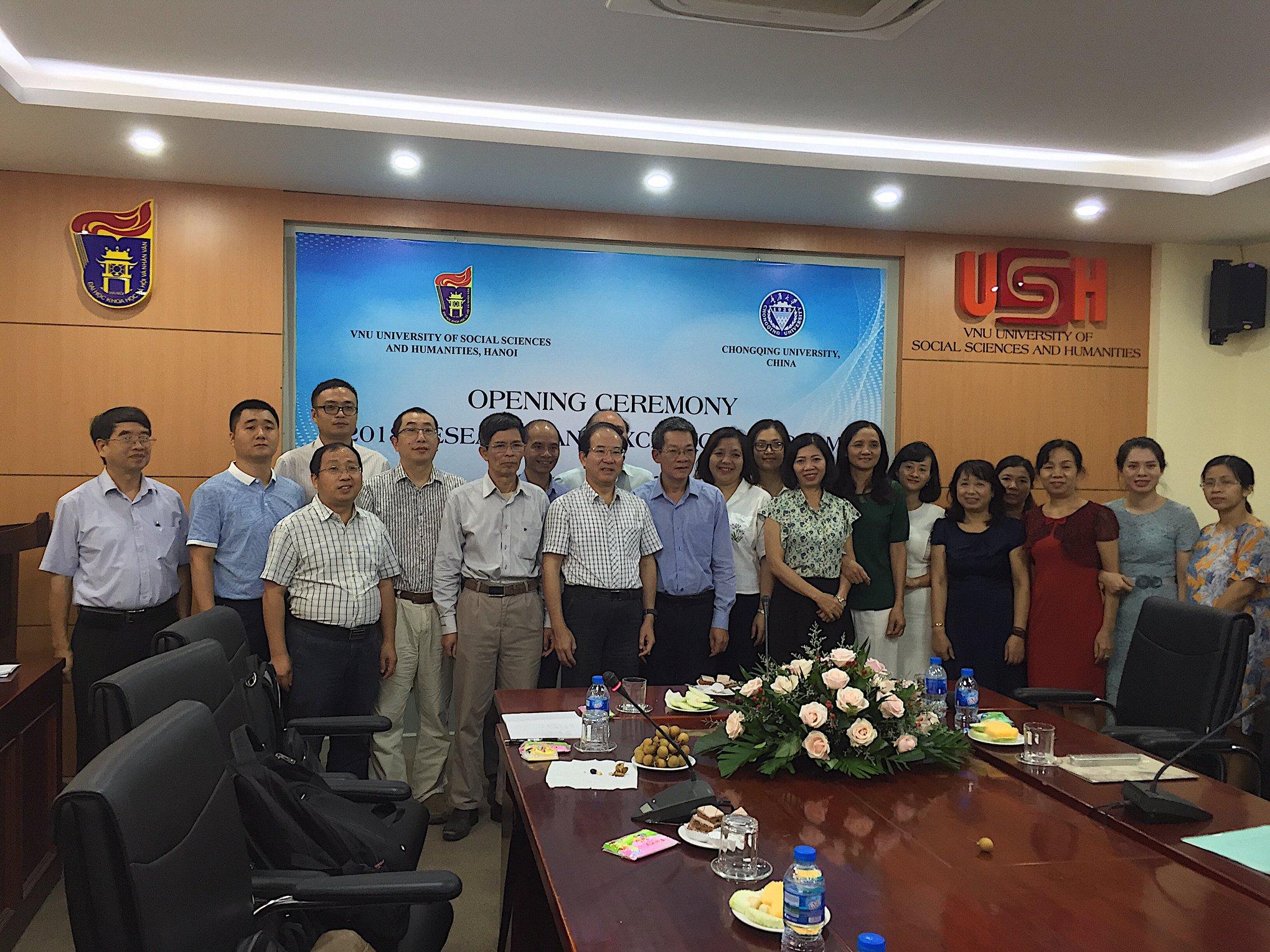
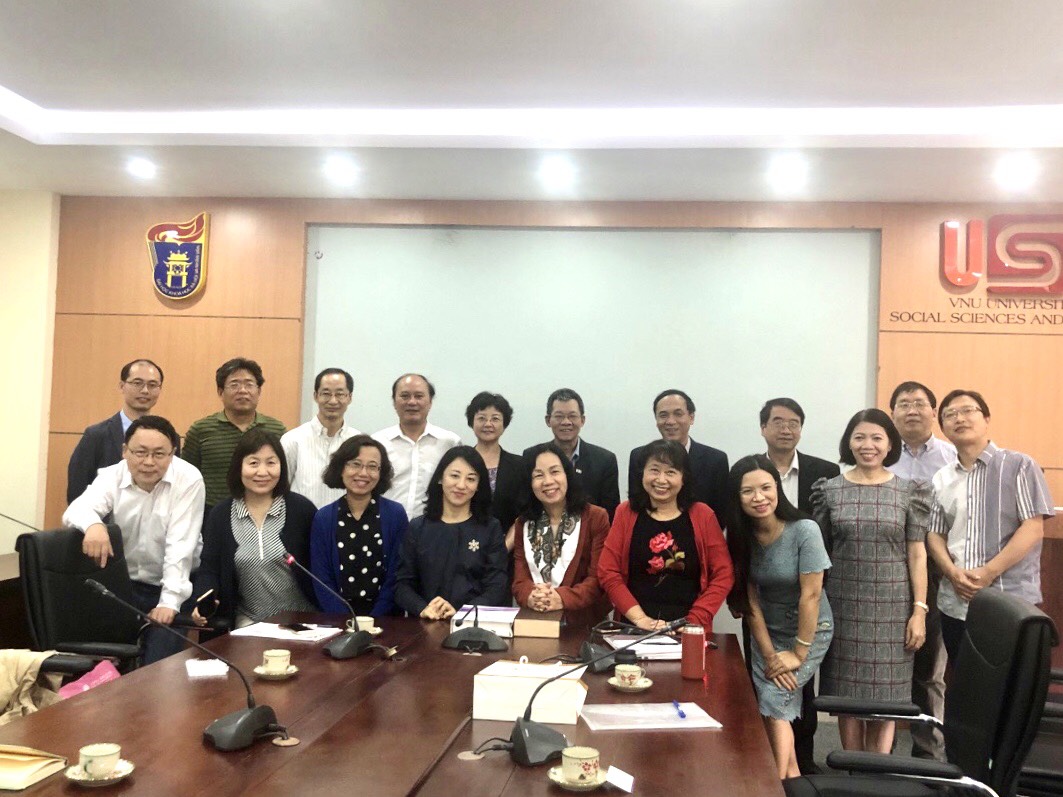
The Philosophy Department in a collaborative exchange activity with its Chinese partners.
Author:Philosophy Department Party Branch

